Garlic Butter Lobster and Scallops Recipe
Introduction to Preparing Garlic Butter Lobster and Scallops
Garlic butter lobster and scallops is a quick, restaurant‑style seafood dish you can make in a single pan. This guide walks you through the steps to sear lobster tails and sea scallops in a cast iron skillet, finish them in a garlic butter sauce, and serve a polished, elegant dinner in under 30 minutes.
Expect a fast, low‑stress meal that feels gourmet without demanding advanced techniques. You’ll learn the exact cooking times for both proteins, the safe internal temperature for scallops, and simple storage tips so leftovers stay fresh. The result is a rich, buttery flavor that highlights the natural sweetness of the lobster and scallops, perfect for a special night at home.
Essential Ingredients and Quality Selection
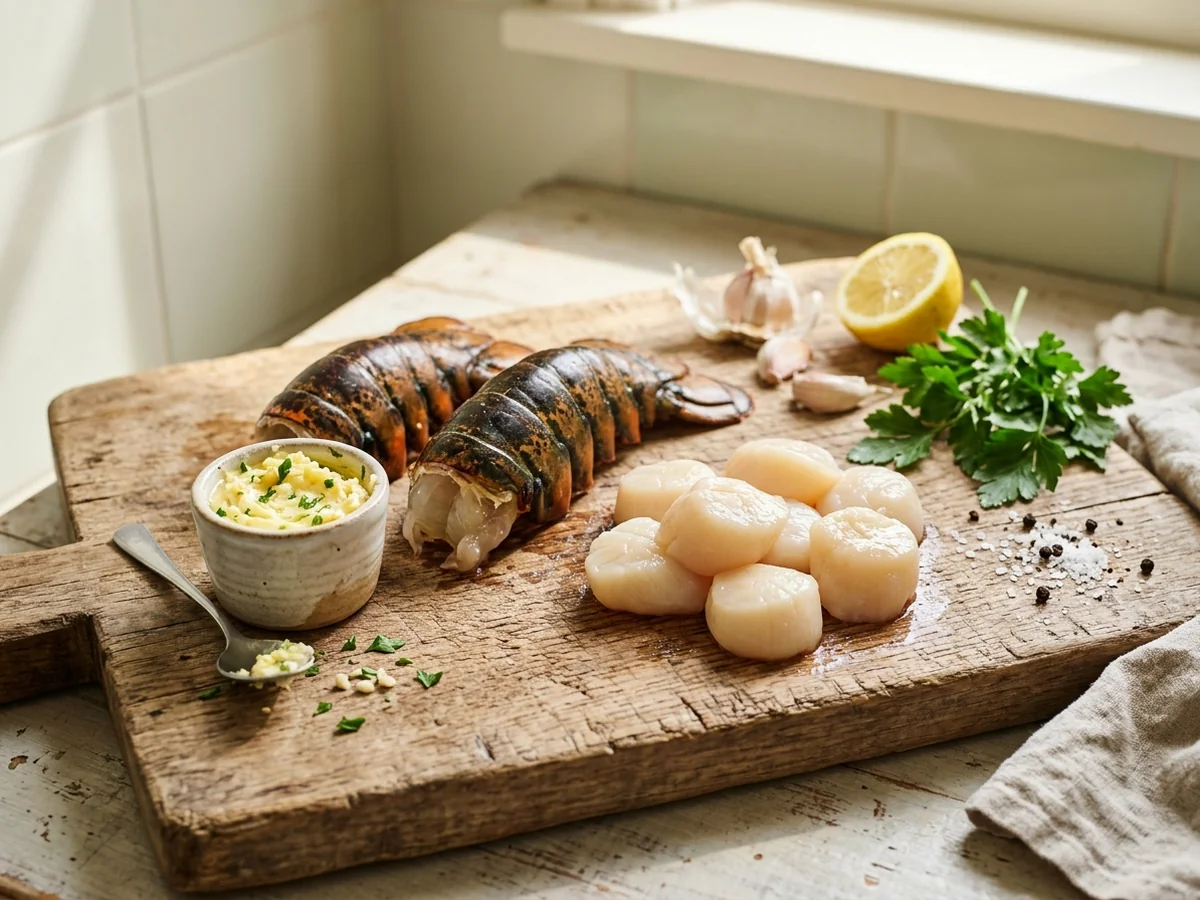
Creating a memorable garlic butter lobster and scallops dish begins with the ingredients you choose. The texture, flavor and safety of the final plate are directly tied to the freshness of the seafood, the type of butter you use, and the way you handle each component before it hits the pan.
Why ingredient quality matters
- Lobster tail , A firm, glossy shell protects the delicate meat and keeps it moist during cooking. A faint sweet brine scent signals that the lobster was harvested recently, which translates into a sweeter, more succulent bite.
- Sea scallops , Dry‑packed scallops retain their natural moisture and develop a caramelized crust when seared. Wet‑packed scallops are coated in a preservative solution that releases excess water, leading to a soggy surface and muted flavor.
- Unsalted butter , Using butter without added salt gives you full control over seasoning and ensures the butter browns evenly, producing the nutty notes that define a garlic butter sauce.
- Garlic and aromatics , Freshly minced garlic releases its pungency quickly in hot butter, while herbs such as thyme or parsley add a bright, herbaceous lift without competing with the seafood’s natural sweetness.
Practical steps for selecting and preparing
- Inspect the lobster tail for a bright, intact shell and a clean, sea‑like aroma. Avoid any tails with cracks, discoloration or a strong ammonia odor.
- Choose dry‑packed scallops that are uniform in size (about 1‑inch thick). Uniformity ensures that all pieces finish cooking at the same time.
- Store both seafood items on ice or in the coldest part of the refrigerator (below 40°F) until you are ready to cook, following the USDA seafood safety guidelines for handling shellfish.
- Pat the scallops dry with paper towels before seasoning. Moisture on the surface prevents the Maillard reaction that creates a golden crust.
- Trim any vein or connective tissue from the scallops and, if the lobster tail is frozen, thaw it slowly in the refrigerator to preserve texture.
- Measure out a high‑fat unsalted butter and let it melt gently over low heat. Add minced garlic and a handful of fresh thyme or parsley; stir for 30‑45 seconds until fragrant, then increase the heat slightly before adding the seafood.
Common mistakes and how to avoid them
- Over‑crowding the pan , Packing the skillet prevents the butter from reaching a high temperature, resulting in steamed rather than seared seafood. Use a cast‑iron skillet that can accommodate the lobster tail and scallops in a single layer.
- Cooking at too high a temperature , Butter can burn quickly, imparting a bitter taste. Start with medium heat, allowing the butter to foam and turn a light amber before the seafood hits the pan.
- Neglecting internal temperature , Scallops are safe to eat when their internal temperature reaches 145°F. An instant‑read thermometer provides an accurate check without cutting into the meat.
- Seasoning too early , Salt draws moisture to the surface. Season the lobster and scallops after the butter has browned, then finish with a pinch of sea‑level salt and freshly cracked black pepper.
Quick FAQ
What temperature should the pan be? Medium heat, enough that the butter sizzles but does not smoke.
How long to sear scallops? About 1½ minutes per side, until a golden crust forms and the interior reaches 145°F.
Can I reuse the garlic butter sauce? Yes, store it in an airtight container in the refrigerator for up to two days and reheat gently before serving.
Recommended Cookware for Searing
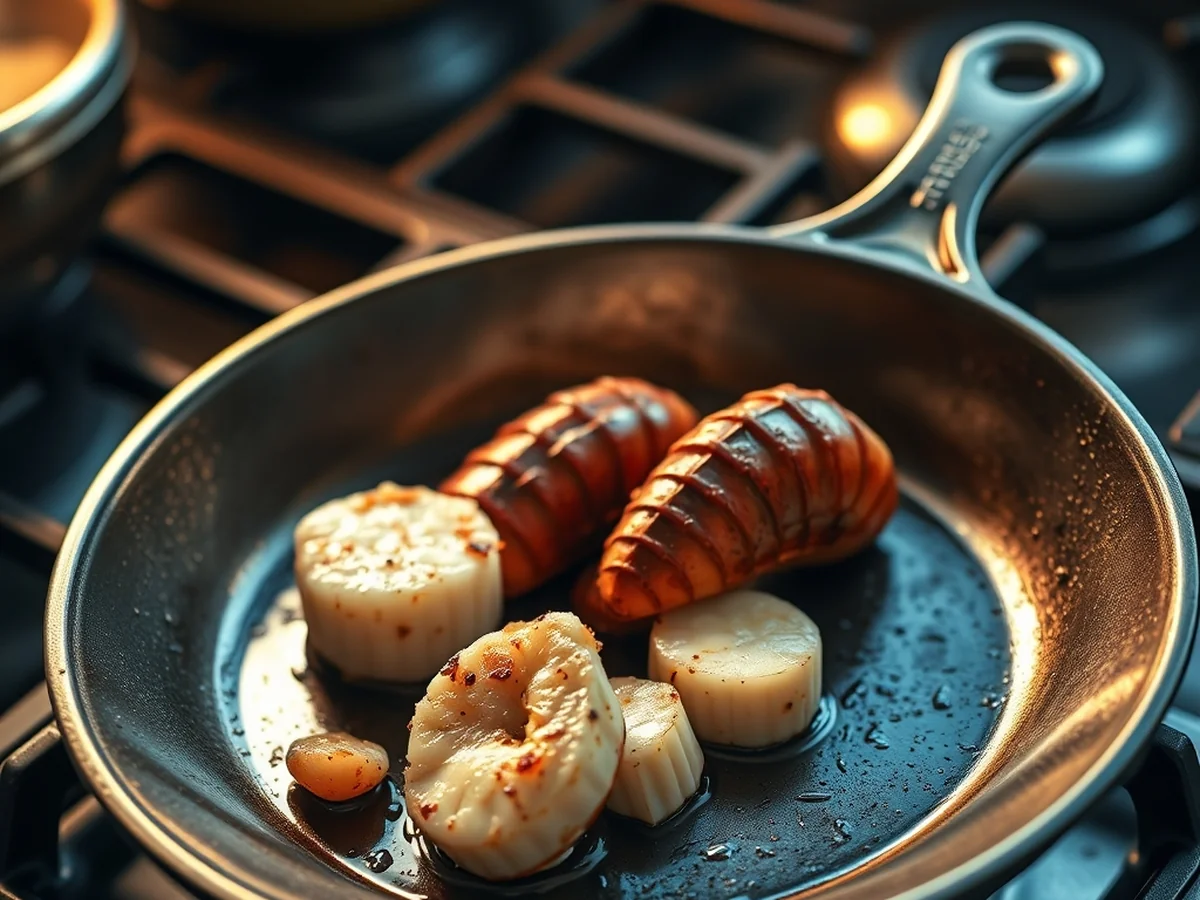
For a garlic butter lobster and scallops dish the pan you choose is as important as the butter and garlic. A cast‑iron skillet with a thick bottom provides the steady, high heat needed to develop a caramelized crust while keeping the interior of the lobster tail and the delicate sea scallops tender. The heavy mass of cast iron stores heat quickly and releases it evenly, which prevents hot spots that could scorch the butter or overcook the seafood.
Why cast iron works best
- Heat retention: Once the skillet reaches medium‑high temperature it stays hot even after you add the butter and aromatics. This constant heat is essential for a quick sear that locks in flavor.
- Even distribution: The solid surface spreads heat across the entire cooking area, so each piece of lobster and scallop receives the same amount of direct heat.
- Versatility: After searing you can transfer the skillet straight to a low oven to finish cooking the lobster without changing pans, which saves time and preserves the buttery sauce.
Step‑by‑step preparation
- Preheat the skillet. Place the cast‑iron pan on the stove and set the burner to medium‑high. Heat for 3, 5 minutes; a few drops of water should sizzle and evaporate instantly. This confirms the surface is hot enough to sear.
- Pat the seafood dry. Moisture on lobster tails or scallops creates steam, which interferes with browning. Use paper towels to remove excess liquid.
- Season lightly. Sprinkle both sides of the lobster meat and scallops with a pinch of salt and pepper. The seasoning helps form a flavorful crust.
- Add butter. Melt a generous pat of unsalted butter in the hot pan. The butter’s fat conducts heat efficiently and creates a glossy coating.
- Introduce garlic. Stir in minced garlic and let it aromatize for about 30 seconds. Be careful not to let it brown, which would add bitterness.
- Sear the lobster tail. Lay the tail meat‑side down first; cook 2, 3 minutes until a deep golden edge forms. Flip and add the scallops, cooking 1, 2 minutes per side. The combined cooking time is short because the pan’s heat is high.
- Check internal temperature. Insert an instant‑read thermometer into the thickest part of the lobster tail. USDA seafood safety guidelines advise cooking shellfish until the flesh reaches a safe temperature, then you can finish with a brief high‑heat sear if needed.
- Finish in the oven (optional). If the lobster tail is still slightly pink, move the skillet to a 300°F oven for 5, 7 minutes. The butter‑garlic sauce remains silky because the cast iron retains heat.
- Rest and serve. Let the seafood rest for a minute before plating. This allows juices to redistribute and the garlic butter to coat every bite.
Common mistakes to avoid
- Using a thin, non‑stick pan that cools quickly, leading to uneven searing.
- Adding the seafood before the butter is fully melted, which can cause sticking.
- Overcrowding the skillet; crowding traps steam and prevents a proper crust.
- Leaving garlic in the pan too long; it can turn brown and impart a bitter taste.
- Skipping the temperature check; cooking beyond the safe internal temperature makes the lobster rubbery.
FAQ
What internal temperature is safe for lobster? USDA guidelines recommend the flesh reach at least 140°F. Use an instant‑read thermometer for accuracy.
How long should scallops be cooked? In a hot cast‑iron skillet, sea scallops need about 1, 2 minutes per side. They should be opaque in the center and have a lightly browned exterior.
Can I reuse the garlic butter sauce? Yes. After cooling, store the sauce in an airtight container in the refrigerator for up to two days. Reheat gently on low heat to avoid separating the butter.
How to Cook Lobster Tails and Scallops Together

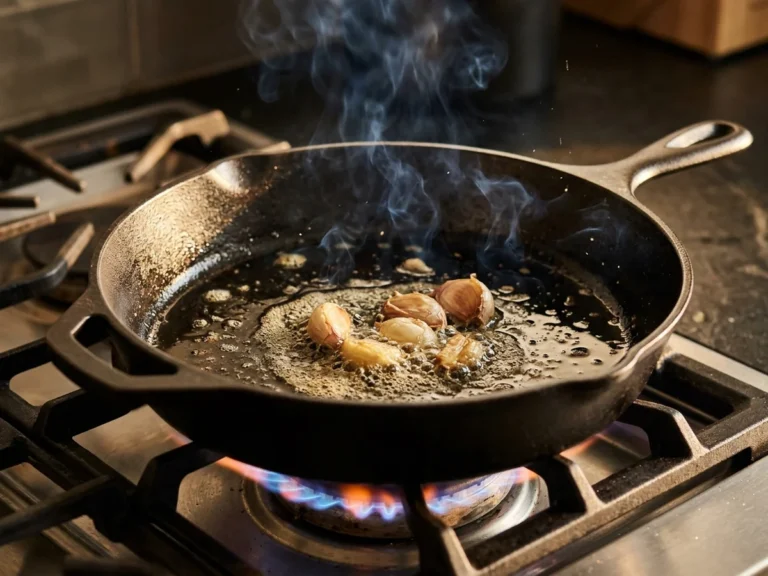
Start by heating a cast iron skillet over medium‑high heat until it’s hot enough to sizzle a drop of water. Add a generous pat of unsalted butter and let it melt, then stir in minced garlic until fragrant, about 30 seconds. This creates the base for a pan seared lobster and scallops dish.
Season the lobster tails with a light dusting of salt and pepper, then place them flesh‑side down in the butter. Cook for roughly three minutes, watching the edges turn opaque. Flip the tails and let the shells brown for another two minutes. The butter will begin to brown slightly, adding depth to the flavor.
While the lobster cooks, pat the sea scallops dry with paper towels; moisture is the enemy of a good sear. When the lobster is flipped, push it to the side of the pan and add the scallops, leaving space between each piece. Sear each side for about one minute, or until a golden crust forms and the interior reaches the temperature recommended by USDA seafood safety guidelines.
Use an instant read thermometer to check the scallops; they are done when the internal temperature hits 120°F, which keeps them tender. The lobster tails finish cooking at around 140°F. Remove both from the pan as soon as they reach these points to avoid overcooking, which can make the meat rubbery.
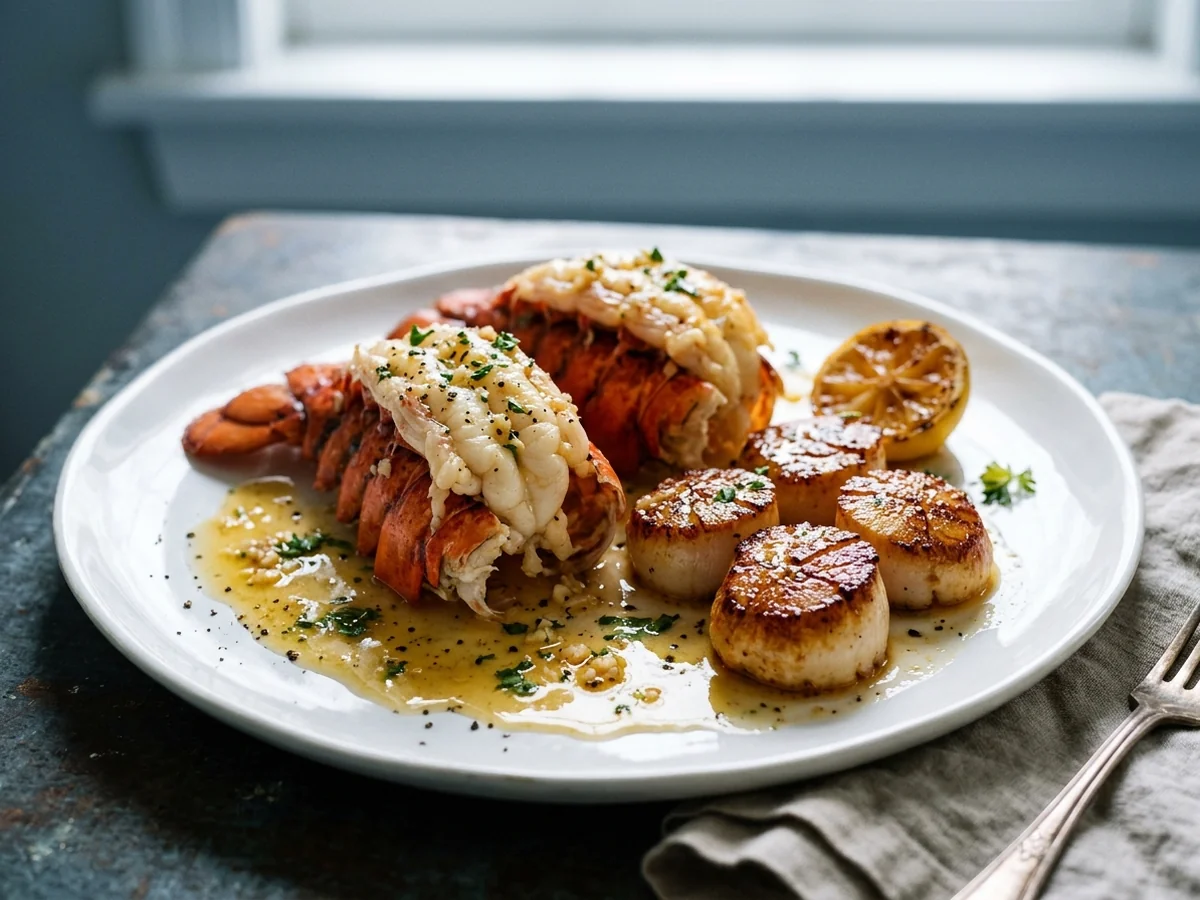
Finish by spooning the garlic‑infused butter over the lobster and scallops, letting the sauce coat every bite. Serve immediately for the best texture, or keep the pan off the heat for a few minutes if you need a short holding period before plating.
Mastering Garlic Butter Sauce and Textures
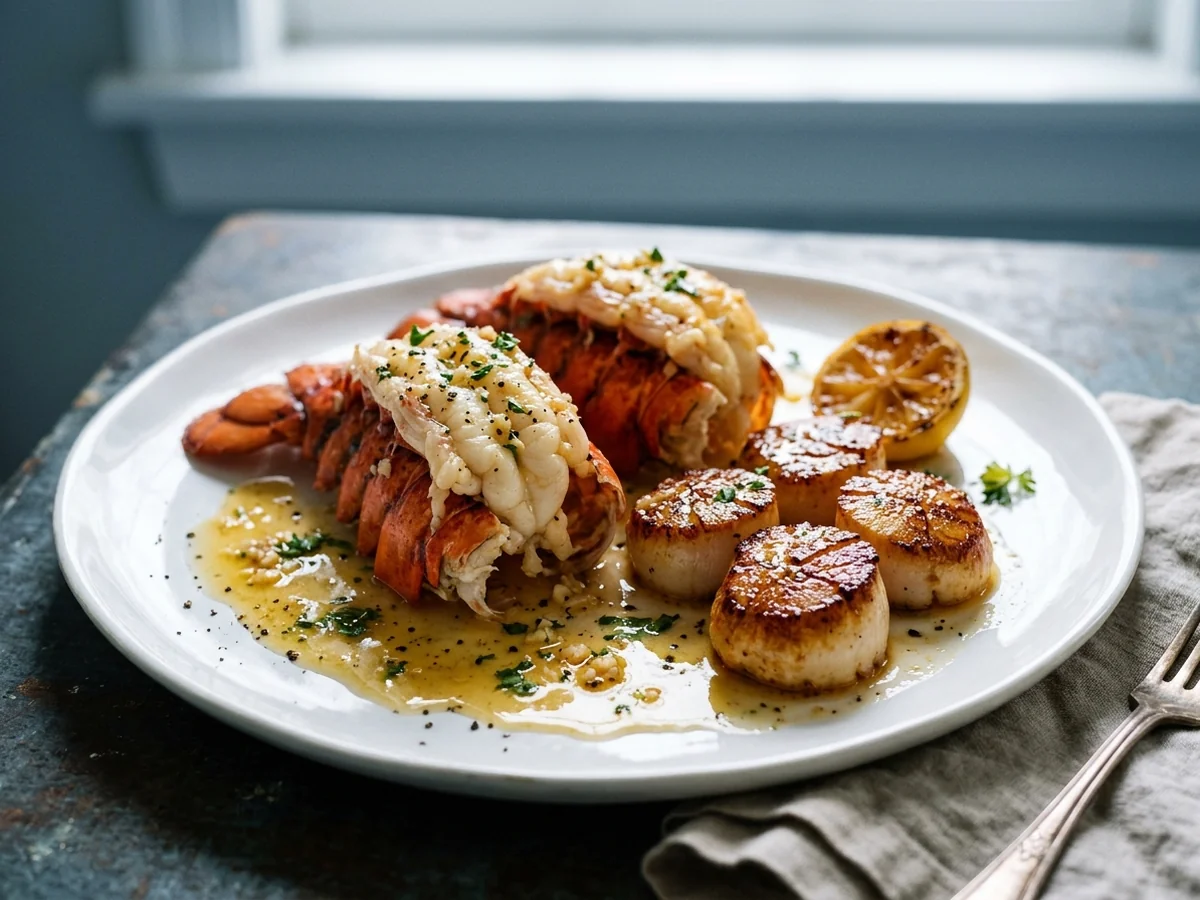
Garlic butter is the bridge between the sweet flesh of lobster tails and the delicate bite of sea scallops. The sauce must stay glossy and fragrant; overheating the butter causes separation, a bitter taste, and a loss of the silky mouthfeel that defines a good seafood dinner.
Why low heat matters
Unsalted butter contains milk solids that begin to brown at about 300°F. When the pan is too hot, those solids scorch before the garlic releases its aroma, leaving a burnt flavor in the sauce. Starting on low heat gives the butter time to melt fully, creating a uniform base that can later be nudged to a gentle simmer for a brief finish.
Step‑by‑step preparation
- Prep the butter and garlic. Cut a generous knob of unsalted butter into small pieces; this speeds up even melting. Mince fresh garlic just before cooking to preserve its sharpness.
- Melt the butter. Place the butter in a clean cast‑iron skillet and set the burner to low. Stir with a silicone spatula until the butter is completely liquid and the foam subsides.
- Add the garlic. Sprinkle the minced garlic into the melted butter. Keep the heat low and stir constantly. The garlic will sizzle softly and become fragrant in 45‑60 seconds. Remove the pan from the heat the moment the scent rises; overcooking turns garlic bitter.
- Dry the seafood. Pat lobster tails and sea scallops with paper towels. Moisture creates steam, which prevents a golden crust and can cause the butter to splatter.
- Season briefly. Lightly season both proteins with a pinch of salt and cracked pepper. The butter already provides richness, so a modest amount of seasoning is enough.
- Sear the lobster tails. Place the lobster tails flesh‑side down in the hot skillet. Cook undisturbed for 2‑3 minutes until the edges turn opaque and a light caramel color appears.
- Add the scallops. Move the lobster to one side of the pan and lay the scallops skin‑side down, spacing them to avoid crowding. Let them sear for about 1½ minutes; the bottom should develop a deep golden crust.
- Flip and baste. Turn each piece once the crust releases easily. Spoon the garlic butter over the seafood continuously for another 1‑2 minutes. This coats the proteins and finishes cooking the interior.
- Check doneness. Insert an instant‑read thermometer into the thickest part of a scallop; it should read around 120°F for a tender center. Lobster tails are done when the meat is opaque and firm to the touch.
Common mistakes and how to avoid them
- Using high heat from the start. This burns the butter and garlic. Keep the burner low until the butter is fully melted, then raise it just enough for a gentle simmer.
- Overcrowding the pan. Too many pieces lower the pan temperature, resulting in steaming rather than searing. Cook in batches if necessary.
- Skipping the drying step. Wet seafood releases water that cools the pan and dilutes the butter, preventing a crust.
- Leaving the garlic in too long. Garlic continues to cook after the heat is removed and can become bitter. Remove the pan from the burner as soon as the aroma is evident.
Storage and reheating tips
Cool any leftovers quickly and store them in an airtight container in the refrigerator for up to two days, following USDA seafood safety guidelines. Reheat gently in a skillet over low heat, adding a small pat of butter if the sauce has thickened. Avoid microwaving, which can toughen the proteins and separate the butter.
FAQ
Can I use salted butter? Yes, but reduce added salt to keep the flavor balanced.
Do I need to de‑vein the lobster? The tail meat is already clean; de‑veining applies to claws, not tails.
What side dishes pair well? Lightly tossed greens, roasted asparagus, or a simple quinoa pilaf complement the rich garlic butter without competing for flavor.
Seafood Safety and Doneness Tips

Cooking lobster tails and sea scallops together in a garlic butter sauce works best when you start with safe, properly handled seafood. The USDA seafood safety guidelines recommend keeping any raw shellfish at a temperature of 40 °F (4 °C) or lower until you are ready to cook. This low temperature slows bacterial growth and reduces the risk of food‑borne illness. Always wash your hands, cutting boards, knives and any other surfaces with hot, soapy water after touching raw lobster or scallops. A clean workspace is the first step toward a successful dish.
Why temperature matters: Both lobster meat and scallops are dense proteins that can hide unsafe bacteria if they are not heated enough. Using an instant‑read thermometer lets you verify that the interior of each piece has reached a temperature that kills harmful organisms. The USDA advises cooking shellfish until the flesh is hot enough to be safe, which for lobster and scallops means reaching the same target temperature throughout.
Practical cooking steps:
- Prepare the garlic butter. Melt unsalted butter in a cast iron skillet over medium heat. Add minced garlic and stir until fragrant, about 30 seconds. The butter should foam lightly but not brown.
- Season the seafood. Pat the lobster tails and scallops dry with paper towels. Lightly season with salt and pepper; this helps the butter adhere and enhances flavor.
- Sear the lobster. Place the lobster tails flesh‑side down in the hot butter. Cook for 2, 3 minutes, watching for the meat to turn opaque and begin to firm up. The side with the shell should stay slightly softer because it cooks more slowly.
- Add the scallops. Flip the lobster tails, then nestle the scallops in the butter around them. Cook for another 2, 3 minutes, or until the scallops turn opaque and develop a gentle golden crust. Insert the thermometer into the thickest part of a lobster tail and the center of a scallop; the reading should indicate the recommended safe temperature.
- Finish and serve. Remove the pan from the heat as soon as the target temperature is reached. Overcooking makes lobster rubbery and scallops tough. Spoon the remaining garlic butter over the seafood for extra richness.
Common mistakes to avoid:
- Cooking at too low a heat. A gentle sizzle is ideal; if the butter smokes, the pan is too hot and the garlic can burn.
- Skipping the thermometer. Visual cues are helpful, but a few degrees can be the difference between safe and unsafe.
- Leaving the seafood in the pan after it’s done. Residual heat continues to cook the meat, leading to a dry texture.
- Not chilling leftovers promptly. Store any remaining lobster or scallops in airtight containers in the refrigerator within two hours of cooking.
Storage and reheating guidance: Place cooled seafood in a shallow container, cover tightly, and refrigerate for up to two days. When reheating, use a low‑heat skillet with a splash of butter or gently steam the pieces; avoid high heat, which can make the meat rubbery.
FAQ
- What internal temperature is safe for lobster and scallops? The USDA indicates that shellfish should be cooked until they reach the same safe temperature throughout the flesh.
- Can I use the same pan for both lobster and scallops? Yes. A cast iron skillet retains heat well, allowing the lobster and scallops to finish together without overcooking either.
- How long can leftovers be kept? Refrigerated leftovers stay good for up to two days when stored properly.
- Is it okay to freeze cooked lobster and scallops? Yes, but wrap them tightly and use within three months for best quality.
Serving Suggestions and Easy Seafood Dinner Ideas

Pair this buttery, garlicky crustacean medley with vegetables that stay crisp and grains that soak up extra sauce. Light, clean‑eating options keep the meal balanced without masking the delicate flavors.
For a quick side, toss broccoli florets with a drizzle of olive oil, a pinch of sea salt, and roast them in the same cast iron skillet after the seafood finishes; the residual butter adds depth without extra prep. A simple mixed greens salad dressed with lemon juice and a splash of extra‑virgin olive oil offers acidity that cuts through richness. Steamed asparagus spears, finished with a squeeze of fresh lemon, provide a bright, fiber‑rich complement. If you prefer a grain, serve a modest portion of quinoa cooked in low‑sodium broth; its nutty texture holds the buttery sauce nicely.
Beyond the main plate, you can extend the dinner with other effortless seafood dishes that share the same pan‑ready convenience. A pan‑seared salmon fillet seasoned with pepper and a dab of unsalted butter cooks in under ten minutes and pairs well with the same lemon‑garlic profile. Shrimp tossed in a quick garlic‑olive oil glaze offers a sweet bite that balances the richer lobster and scallops. For a vegetarian‑friendly option, sauté sliced zucchini and cherry tomatoes with minced garlic and finish with a sprinkle of fresh herbs; it mimics the buttery mouthfeel while keeping the menu light. Finally, a chilled cucumber and dill salad provides a refreshing contrast and aligns with clean‑eating principles.
Consider these side and additional dish ideas to create a well‑rounded, low‑stress dinner that feels restaurant quality yet stays simple enough for a weeknight:
- Roasted broccoli in the same skillet absorbs the leftover butter, adding a caramelized crunch.
- Mixed greens with lemon‑olive oil dressing supply a bright, acidic bite to balance richness.
- Steamed asparagus finished with lemon zest offers a crisp, nutrient‑dense side.
- Quinoa cooked in low‑sodium broth acts as a neutral base that soaks up sauce.
- Pan‑seared salmon with a pat of unsalted butter mirrors the buttery theme in under ten minutes.
- Garlic‑olive oil shrimp provides a quick sweet contrast without extra sauce.
- Cucumber‑dill salad chilled and lightly dressed adds a refreshing finish.
Storing and Reheating Lobster Scallops

When you finish a garlic butter lobster and scallops dinner, the way you handle leftovers determines whether the next meal will taste as fresh as the original. The USDA seafood safety guidelines stress that shellfish should be cooled quickly and stored at 40 °F (4 °C) or lower. Rapid cooling limits bacterial growth, while proper storage protects the delicate texture of both lobster meat and sea scallops.
Why rapid cooling matters
Both lobster and scallops are high-protein foods that provide an ideal environment for bacteria if they linger in the “danger zone” between 40 °F and 140 °F (4 °C‑60 °C). Cooling the pan in a shallow container speeds heat loss, allowing the refrigerator to reach a safe temperature within the two‑hour window recommended by the USDA. This step preserves flavor, prevents off‑odors, and keeps the seafood safe for the recommended storage period for cooked shellfish.
Step‑by‑step storage
- Transfer promptly. After plating, move the remaining garlic butter sauce and seafood to a shallow, lidded container. A wide surface area helps the heat dissipate faster.
- Separate sauce when possible. Storing the butter‑garlic mixture apart from the lobster and scallops reduces moisture loss and prevents the sauce from becoming gummy.
- Seal airtight. Use a tight‑fitting lid or a zip‑top bag to block air and odors from other foods.
- Label with the date. Write the storage date on the lid so you can track the safety window.
- Refrigerate within two hours. Place the container on the middle shelf where temperature is most consistent.
Reheating without sacrificing tenderness
The goal is to bring the internal temperature of the seafood to a safe level while avoiding the high heat that makes scallops rubbery and lobster meat dry. An instant‑read thermometer is the most reliable way to confirm the temperature.
- Stovetop method. Heat a cast iron skillet over medium‑low. Add a small pat of unsalted butter and let it melt. Toss the stored lobster and scallops, stirring gently every minute. After about two minutes per side, check the thermometer; once it reaches the safe temperature, remove from heat.
- Microwave method. Transfer the seafood to a microwave‑safe dish, cover loosely, and set power to a low setting. Heat in short bursts, stirring between intervals. This gentle approach prevents hot spots and overcooking.
Common mistakes and how to avoid them
- Reheating on high heat. Rapid temperature spikes cause protein fibers to contract, resulting in a tough, rubbery texture.
- Skipping the thermometer. Relying on visual cues often leads to under‑ or over‑cooking; a quick read ensures safety and optimal mouthfeel.
- Leaving the sauce mixed in. The butter can separate and become greasy when reheated with the seafood; keeping it separate preserves the silky finish.
- Storing in a deep container. Thick layers retain heat longer, increasing the time the food spends in the danger zone.
Quick FAQ
How long can I keep leftover garlic butter lobster and scallops? Up to three days in the refrigerator when stored airtight at 40 °F or below.
Do I need to re‑season before reheating? A pinch of fresh minced garlic or a splash of lemon juice can brighten the flavor, but additional salt is usually unnecessary.
Can I freeze the leftovers? Yes. Place the seafood and sauce in separate freezer‑safe bags, label with the date, and use within a couple of months. Thaw in the refrigerator before reheating.
Frequently Asked Questions
What is the ideal cooking time for garlic butter lobster and scallops in a single pan?
Cook the lobster tails for about 4‑5 minutes per side and the sea scallops for 2‑3 minutes per side, adding the scallops in the last few minutes so everything finishes together. This timing keeps the lobster meat tender and the scallops golden without overcooking.
At what internal temperature should lobster meat be considered safe and perfectly cooked?
Lobster is safe to eat when it reaches an internal temperature of 140 °F, according to USDA seafood safety guidelines. At this temperature the meat is opaque, firm, and still juicy.
How hot should the cast iron skillet be for pan‑seared lobster and scallops?
Preheat the skillet over medium‑high heat until a drop of water sizzles and evaporates within a couple of seconds. This level of heat creates a quick sear that locks in flavor while allowing the garlic butter to melt evenly.
Do I need to use unsalted butter for the garlic butter seafood recipe?
Yes, unsalted butter lets you control the seasoning and prevents the dish from becoming overly salty. Add salt to taste after the butter has melted and combined with the minced garlic.
How should leftovers of garlic butter lobster and scallops be stored and reheated?
Cool the leftovers quickly, then store them in an airtight container in the refrigerator for up to two days. Reheat gently in a skillet over low heat, adding a splash of butter to keep the seafood moist.
Summary of the culinary process
Start by melting unsalted butter in a cast‑iron skillet, then add minced garlic and let it soften for a minute. Pat the sea scallops and lobster tail meat dry, season lightly, and place them skin‑side down in the hot butter. Sear each side for about two minutes until a golden crust forms, then reduce the heat and baste continuously with the garlic‑infused butter. Use an instant‑read thermometer to confirm the scallops reach a safe internal temperature, following USDA seafood safety guidelines. Once cooked, finish with a quick splash of lemon juice and a sprinkle of fresh herbs, then serve immediately for the best texture and flavor.
Conclusion
With a few minutes in a hot pan, you can create a restaurant‑quality plate of garlic butter lobster and scallops at home. Give it a try and enjoy a gourmet seafood dinner without the stress.
You might also like: Sichuan-Style Crispy Chili Beef Stir-Fry