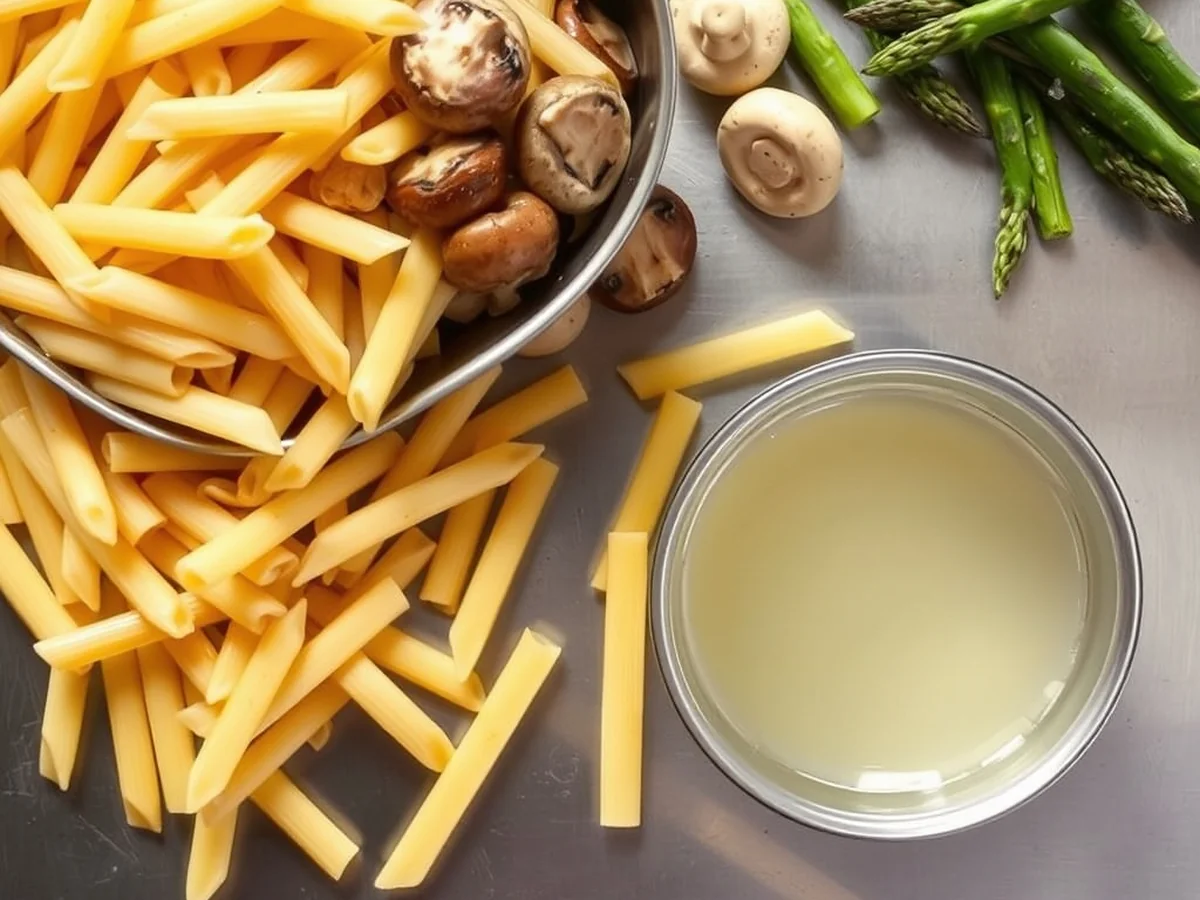
Mushroom and Asparagus Chicken Penne
Introduction
Mushroom and asparagus chicken penne is a one‑pan pasta dish that combines tender chicken, sautéed mushrooms, crisp asparagus and penne in a light cream sauce. It appeals to home cooks because it delivers a balanced mix of protein, vegetables and carbohydrates with minimal cleanup.
This guide walks you through each step, from selecting the best ingredients to timing the sauce so the pasta stays al dente. You’ll get a clear ingredient list, detailed cooking instructions, and tips for customizing flavor or adapting the recipe for dietary preferences.
Key Ingredients and Their Roles
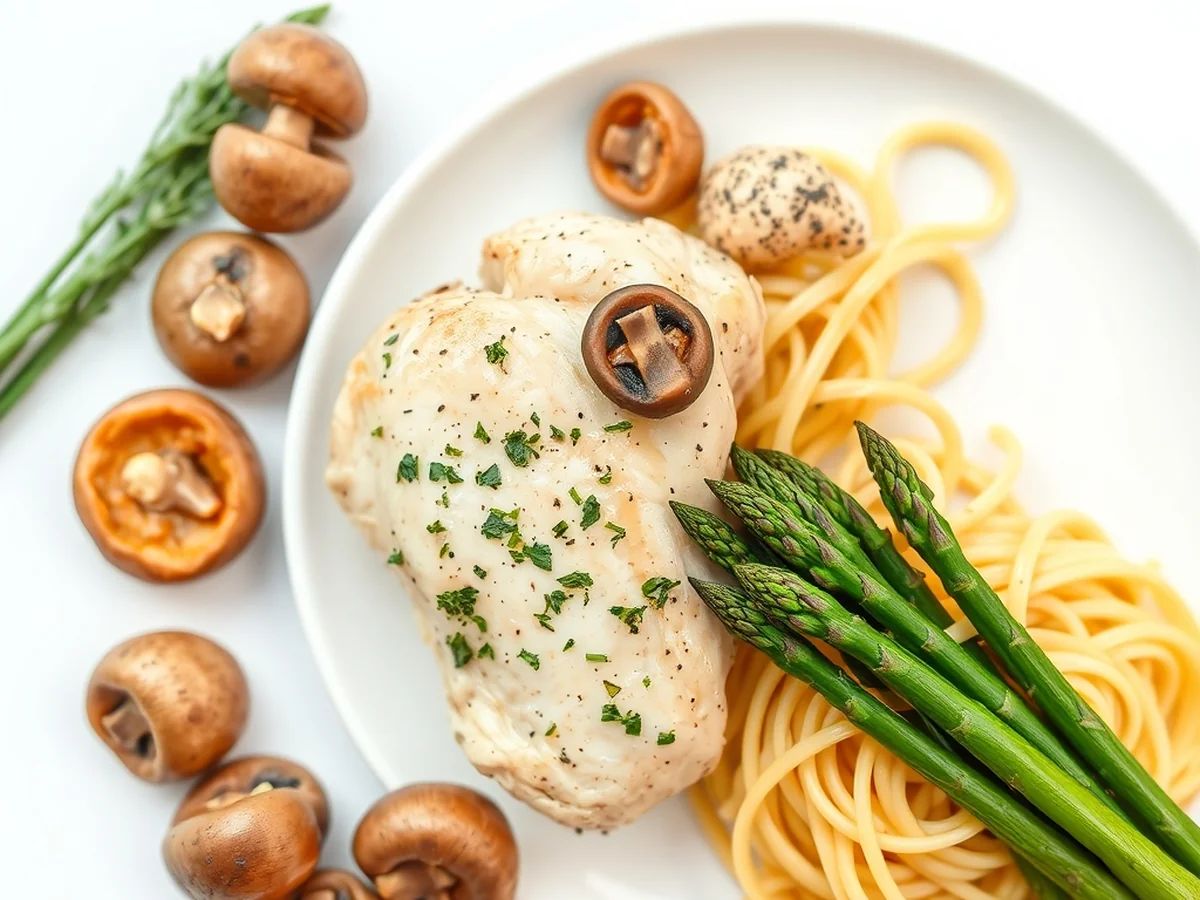
When you combine chicken, mushroom, asparagus, and penne, each ingredient performs a specific function that shapes the texture, flavor, and overall balance of the dish. Knowing why each component matters makes it easier to fine‑tune the recipe, avoid common pitfalls, and achieve a consistently satisfying result.
Chicken breast , lean protein and flavor carrier
Chicken breast supplies the main source of protein and a firm bite that stands up to the sauce. Because the meat is relatively low in fat, it readily absorbs the garlic‑infused olive oil and any herbs you add, becoming more flavorful without becoming dry. A practical tip is to pat the chicken dry and season it before searing; this creates a golden crust that locks in moisture. A frequent mistake is overcrowding the pan, which steams the chicken instead of browning it, leaving a bland texture.
Penne , sauce‑catching pasta
Penne’s ridged, tubular shape is designed to hold onto sauce, ensuring each bite delivers a blend of meat, vegetables, and cheese. Cook the pasta al dente so it retains a slight chew that contrasts with the tenderness of the chicken and vegetables. Overcooking the penne can result in a mushy base that overwhelms the other elements.
Mushrooms , earthy umami and moisture
Mushrooms contribute a deep umami note and a soft, slightly spongy texture that soaks up the aromatic oil. Slice them evenly to promote uniform cooking; this prevents larger pieces from staying too firm while smaller bits become over‑cooked. A common error is adding the mushrooms too early, which can cause them to release excess water and dilute the sauce.
Asparagus , bright crunch and vegetal freshness
Asparagus introduces a crisp‑tender snap and a fresh, green flavor that lightens the richness of the chicken and cheese. Trim the woody ends and cut the spears into bite‑size pieces to ensure they finish cooking at the same time as the mushrooms. Cutting them too large or leaving the ends intact often leads to uneven texture, with some pieces remaining fibrous.
Garlic and olive oil , aromatic foundation
Garlic, gently sautéed in olive oil, creates a fragrant base that permeates the entire dish. Use a moderate heat to avoid burning the garlic, which can introduce bitterness. Olive oil also acts as a medium for browning the chicken and mushrooms, adding a subtle fruitiness. Adding the oil too early or using a high‑heat oil can cause the garlic to scorch and the vegetables to lose their natural sweetness.
Herbs , freshness and aromatic lift
Fresh herbs such as basil or parsley are added at the end of cooking to preserve their bright flavor. Roughly chop them to release essential oils without turning the leaves mushy. Over‑cooking herbs can mute their aroma, while omitting them entirely may leave the dish feeling heavy.
Parmesan cheese , salty, nutty finish
Grated Parmesan melts into the sauce, providing a salty, nutty depth that helps bind the sauce to the penne. Sprinkle the cheese just before serving to maintain its texture; letting it sit too long can cause it to clump and create a gritty mouthfeel.
By understanding each ingredient’s role and following these practical steps, you can avoid typical mistakes and create a mushroom and asparagus chicken penne that is balanced, flavorful, and consistently enjoyable.
Step‑by‑Step Preparation Guide
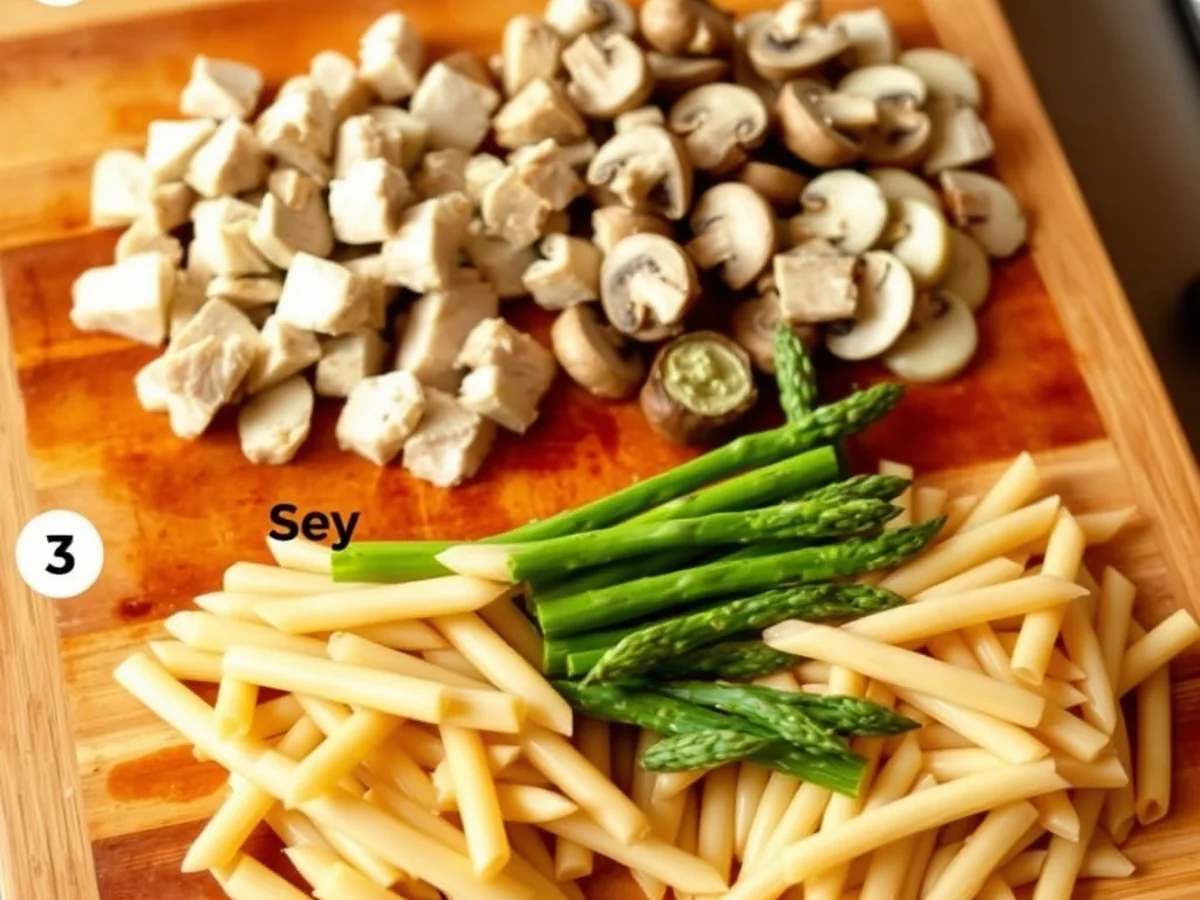
Preparing the chicken
Trim any excess fat from the breast pieces, then cut them into uniform bite‑size cubes. Season lightly with salt and pepper. Heat a skillet over medium‑high heat, add a thin layer of oil, and sear the chicken for about 3, 4 minutes per side until the interior reaches a safe temperature of 165 °F (74 °C). Remove the meat and set it aside while the pan rests.
While the chicken cooks, wash your hands with soap and hot water for at least 20 seconds. Use a separate cutting board for raw poultry to avoid cross‑contamination, and clean all utensils with hot, soapy water before moving on to the next ingredient.
Cleaning and cutting mushrooms and asparagus
Rinse the mushrooms under cool running water and pat dry with a paper towel. Slice them thinly so they cook evenly. Snap the woody ends off the asparagus, then cut the spears into 1‑inch pieces.
Place the vegetables in the same skillet used for the chicken, add a little more oil if needed, and sauté over medium heat. Cook the mushrooms for 4, 5 minutes until they release their moisture and start to brown. Add the asparagus and continue cooking for another 3, 4 minutes, stirring frequently, until it is bright green and just tender.
Cooking the penne
Bring a large pot of salted water to a rolling boil. Add the penne and stir gently to prevent sticking. Cook according to the package directions, usually 9, 11 minutes, until al dente. Drain the pasta, reserving a cup of cooking water.
Return the skillet to the stove, lower the heat to medium, and combine the sautéed vegetables, cooked chicken, and penne. Toss everything together, adding a splash of the reserved pasta water if the mixture seems dry. Let the dish heat through for 2, 3 minutes, allowing flavors to meld.
- Always wash hands after handling raw chicken.
- Use separate cutting boards for meat and vegetables.
- Cook chicken to an internal temperature of 165 °F (74 °C).
- Keep cooked pasta hot, but do not let it sit longer than a few minutes before serving.
Achieving Perfectly Al Dente Penne
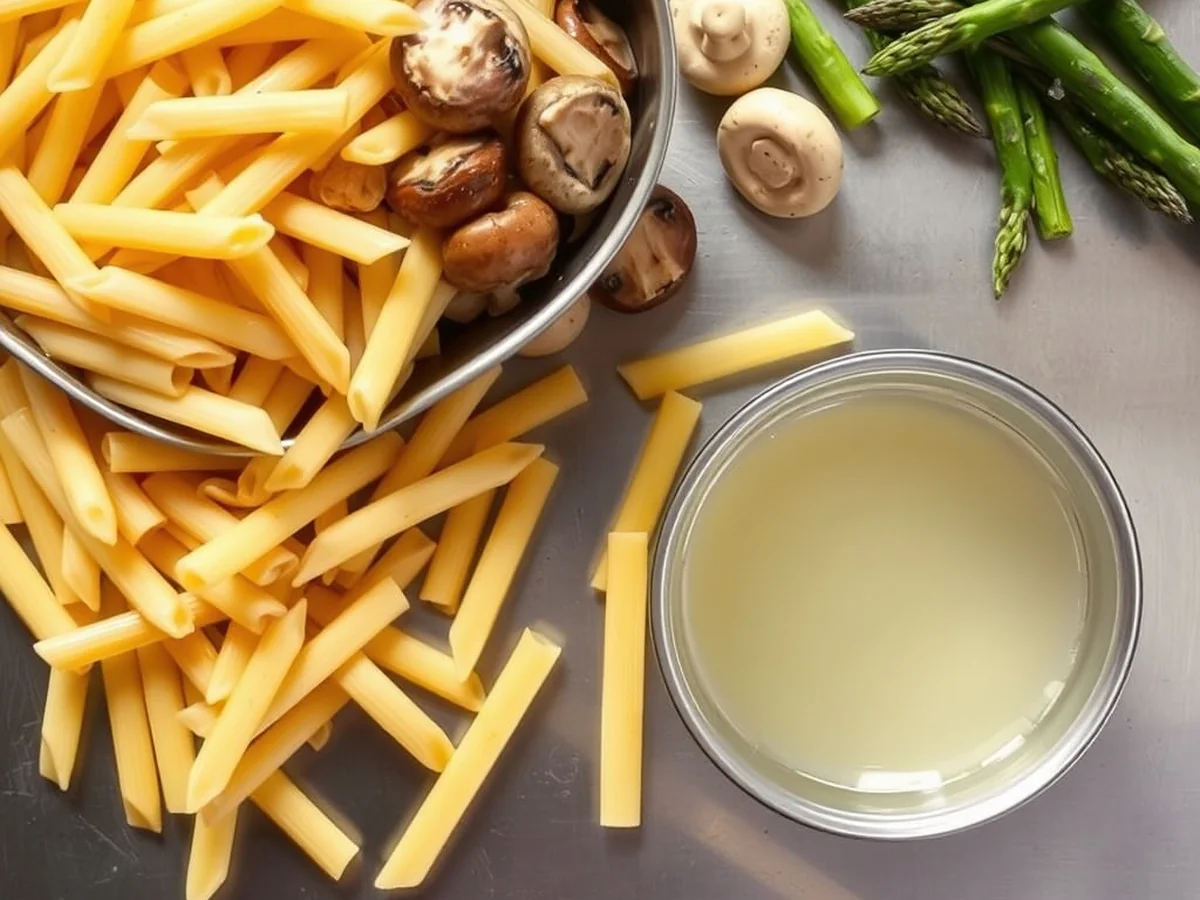
Getting penne to the ideal al dente stage is essential for dishes such as mushroom and asparagus chicken penne, where the pasta must hold its shape while blending with the sauce. The goal is a firm‑yet‑tender bite that offers a slight resistance in the center without any raw hardness. This texture results from stopping the cooking process just before the internal starch network becomes overly soft.
Why al dente matters
When penne is dropped into boiling water, the outer surface hydrates first, swelling and becoming pliable. As the interior absorbs water, the starch granules swell, burst and release amylose, forming a gel that binds the pieces together. If cooking continues too long, that gel hardens and the pasta turns mushy, losing its ability to cling to sauce. Keeping the pasta al dente preserves a pleasant mouthfeel and ensures the sauce clings to each ridge rather than sliding off.
Practical steps for perfect penne
- Bring a large pot of water to a rolling boil. Add a generous pinch of salt; this seasons the pasta and raises the boiling point slightly, helping the grains cook evenly.
- Drop the penne in and stir immediately. Early stirring prevents the pieces from sticking together as the starches are released.
- Reduce the heat just enough to maintain a steady boil. A vigorous boil can cause the pasta to break, while a gentle simmer may lead to uneven cooking.
- Start tasting the penne after about three‑quarters of the time suggested on the package. Remove a piece with a spoon, let it cool for a few seconds, then bite. You should notice a gentle snap in the center while the outer surface feels fully cooked.
- When the desired bite is achieved, drain the pasta quickly. If the sauce will not be added immediately, rinse briefly with cool water to halt the cooking process; this also removes excess surface starch that could thicken the sauce unintentionally.
- Immediately toss the drained penne with the mushroom and asparagus chicken sauce so the pasta finishes cooking in the flavorful liquid, absorbing the aromatics without becoming overcooked.
Common mistakes to avoid
- Waiting until the full package time before testing , the pasta often becomes soft before the timer ends.
- Adding salt after the water boils , this can cause uneven seasoning.
- Skipping the initial stir , without it, penne can clump and cook unevenly.
- Rinsing the pasta when the sauce will be served right away , this removes the starch that helps the sauce adhere.
- Leaving the pasta in the pot after draining , residual heat continues cooking the noodles, leading to a mushy texture.
By following these steps and watching for the characteristic firm bite, you will consistently produce al dente penne that complements the creamy mushroom and asparagus chicken sauce, delivering a balanced and satisfying dish.
Balancing Flavors: Savory, Umami, and Freshness
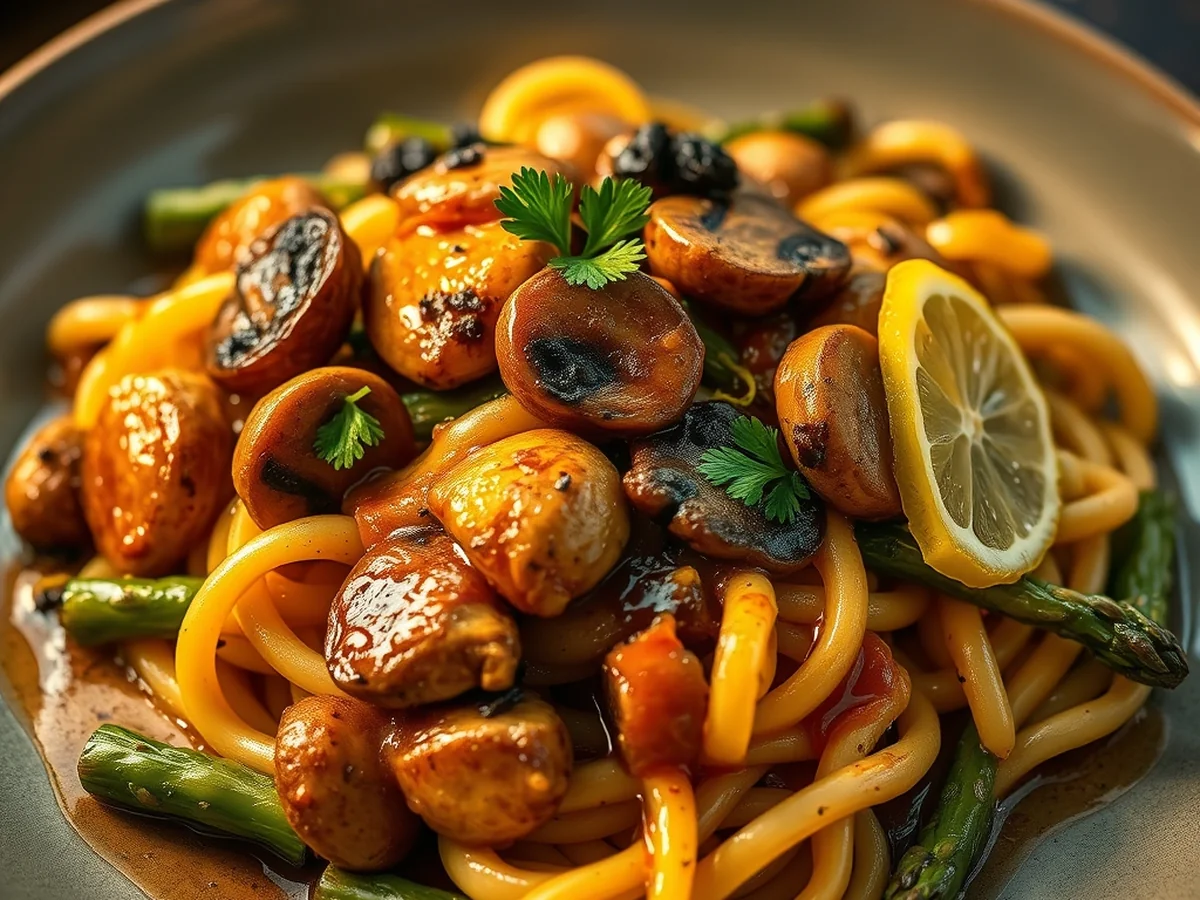
Creating a harmonious plate with mushroom and asparagus chicken penne relies on three guiding principles: a solid savory base, a clear umami lift, and a refreshing finish. When each element is treated deliberately, the sauce clings to the pasta without feeling heavy, the vegetables stay vibrant, and the chicken adds lasting satisfaction.
Why the flavor layers matter
The mushrooms bring natural glutamates that trigger the umami sensation, which is the subtle “mouth‑feel” that makes a sauce feel rounded and satisfying. Asparagus supplies a crisp, slightly grassy note that cuts through that richness, keeping the palate from becoming dull. Chicken, prepared with a gentle sear, contributes a mild meatiness that grounds the dish and supplies protein‑driven fullness. Together they create a balanced profile where no single component overwhelms the others.
Practical steps to achieve balance
- Start by seasoning the chicken lightly with salt and pepper, then sear it in a hot pan until a golden crust forms. This step locks in juices and adds a caramelized depth.
- Remove the chicken and set it aside. In the same pan, add a splash of oil and sauté sliced mushrooms until they release their moisture and turn a deep brown. This concentrates their umami.
- Introduce trimmed asparagus spears, cooking just until they are tender‑crisp. Overcooking will mute the fresh snap that the vegetable provides.
- Return the chicken to the pan, pour in a modest amount of broth or white wine, and let the liquid reduce. The reduction blends the mushroom umami with the chicken’s meatiness.
- Combine the cooked penne, toss everything together, and finish with a drizzle of olive oil, a pinch of fresh herbs such as thyme or parsley, and a grind of black pepper.
- For a final lift, grate a small amount of lemon zest over the top just before serving. The citrus brightens the dish and reinforces the asparagus’ freshness.
Common mistakes to avoid
- Adding too much salt early on can mask the natural flavors of the mushrooms and asparagus.
- Cooking the asparagus for too long turns its texture mushy, which dulls the intended contrast.
- Over‑reducing the sauce may make it overly thick, causing the pasta to become coated in a heavy film rather than a silky glaze.
- Skipping the final herb garnish removes an aromatic layer that helps tie the earthy and green notes together.
By paying attention to each step and watching for these pitfalls, the mushroom and asparagus chicken penne will deliver a satisfying blend of savory depth, umami richness, and bright freshness in every bite.
Nutritional Overview and Health Benefits
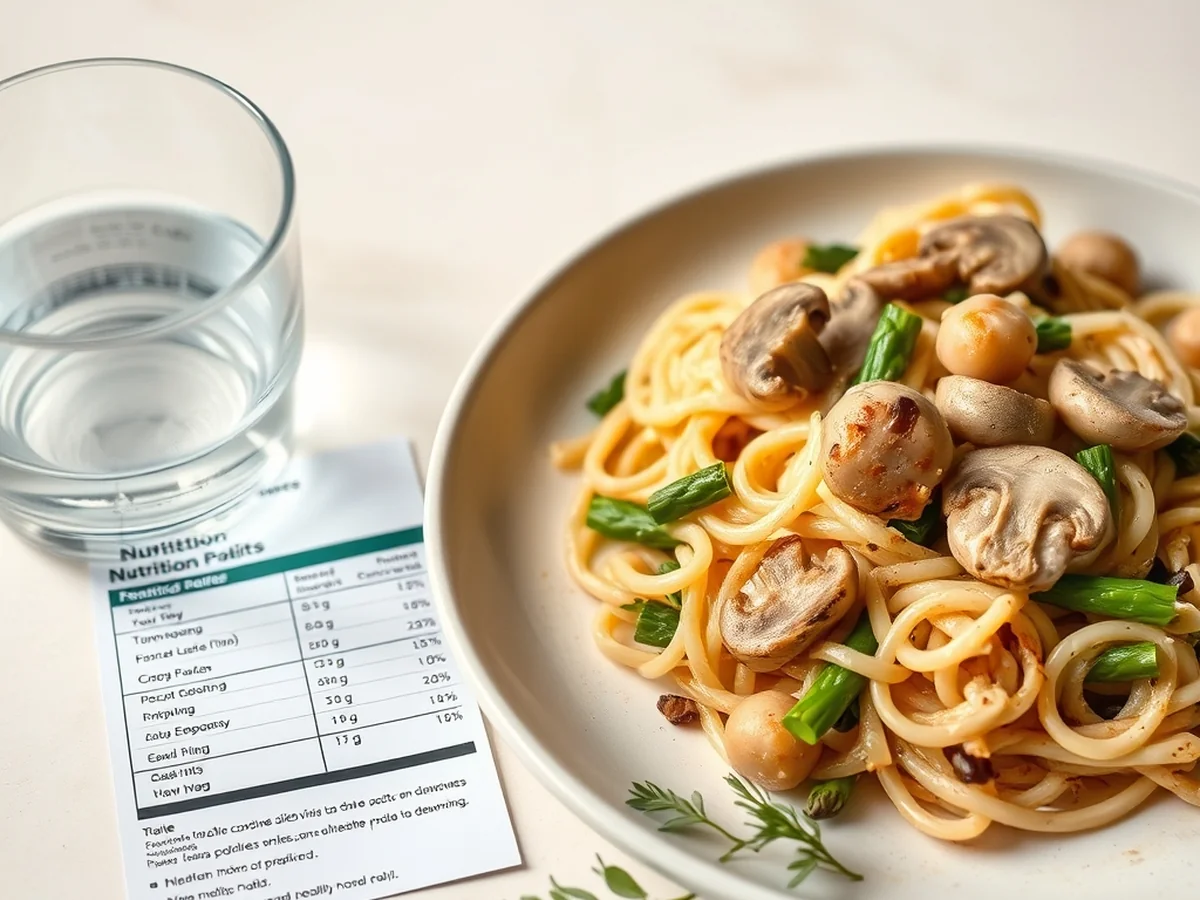
When you combine chicken, penne, mushrooms and asparagus, the resulting plate supplies the three macronutrients that the body relies on for daily function. The chicken provides a complete source of protein that contains all essential amino acids, which are needed for muscle repair and the production of enzymes. Penne contributes complex carbohydrates that are digested more slowly than simple sugars, helping to keep blood‑sugar levels steady and providing lasting energy throughout the meal. A modest amount of cheese adds a small portion of fat, which enhances flavor, aids the absorption of fat‑soluble vitamins and contributes to a feeling of fullness.
Mushrooms are rich in B‑vitamins, particularly riboflavin and niacin, which act as co‑enzymes in the conversion of food into usable energy. They also contain the mineral selenium, an antioxidant that helps protect cells from oxidative damage. Asparagus brings folate, vitamin K and vitamin C to the dish. Folate supports the formation of new red blood cells, vitamin K is essential for bone mineralisation and normal clotting, and vitamin C boosts immune function while also assisting iron absorption from the chicken.
Why choose healthier variations? Swapping regular penne for a whole‑grain version adds dietary fiber, which promotes digestive health and further moderates glucose release. Replacing full‑fat cheese with a reduced‑fat or part‑skim alternative keeps the creamy texture while cutting saturated fat. Using low‑sodium broth in place of heavy cream supplies moisture and depth of flavour without the extra calories.
Practical steps to maximise nutrition
- Cook the penne al dente; overcooking reduces its fiber benefit and can raise the glycaemic impact.
- Season the chicken with herbs rather than excess salt; this limits sodium while adding antioxidants from the herbs.
- Stir‑fry mushrooms and asparagus quickly in a small amount of olive oil or a splash of broth; prolonged high‑heat cooking can diminish vitamin C content.
- Finish the sauce with a measured sprinkle of cheese; adding cheese at the very end preserves its meltability without requiring large quantities.
Common mistakes to avoid
- Using too much oil or butter, which quickly turns a balanced meal into a high‑fat dish.
- Choosing white‑flour pasta, which lacks the fiber and micronutrients of whole‑grain options.
- Over‑seasoning with salt or processed stock cubes, which can increase sodium beyond recommended levels.
- Cooking the vegetables until they are mushy; this not only reduces texture but also leads to loss of heat‑sensitive vitamins.
By following these adjustments, mushroom and asparagus chicken penne remains a nutrient‑dense main course that supports muscle maintenance, provides steady energy and contributes to overall wellbeing.
Variations and Dietary Adaptations
Why adapt the classic recipe?
Adapting a mushroom and asparagus chicken penne dish lets you accommodate common dietary restrictions while preserving the comforting texture and flavor balance that make the original so satisfying. Gluten intolerance, vegetarian preferences, and calorie‑conscious eating are frequent concerns, and each adaptation focuses on maintaining the sauce’s ability to cling to the pasta and the dish’s overall mouthfeel.
Gluten‑free penne alternatives
Start by selecting a gluten‑free pasta that mimics the shape and surface of traditional penne. Rice‑based or corn‑based penne varieties cook in the same time window as wheat penne and provide a slightly firm bite that holds sauce well. Rinse the cooked pasta briefly with cool water to stop the cooking process and prevent sticking before tossing it with the mushroom‑asparagus mixture.
Common mistake: Overcooking gluten‑free pasta can make it mushy, causing the sauce to slip away. Follow the package timing closely and test for al‑dente texture a minute before the suggested finish.
Vegetarian version using tofu
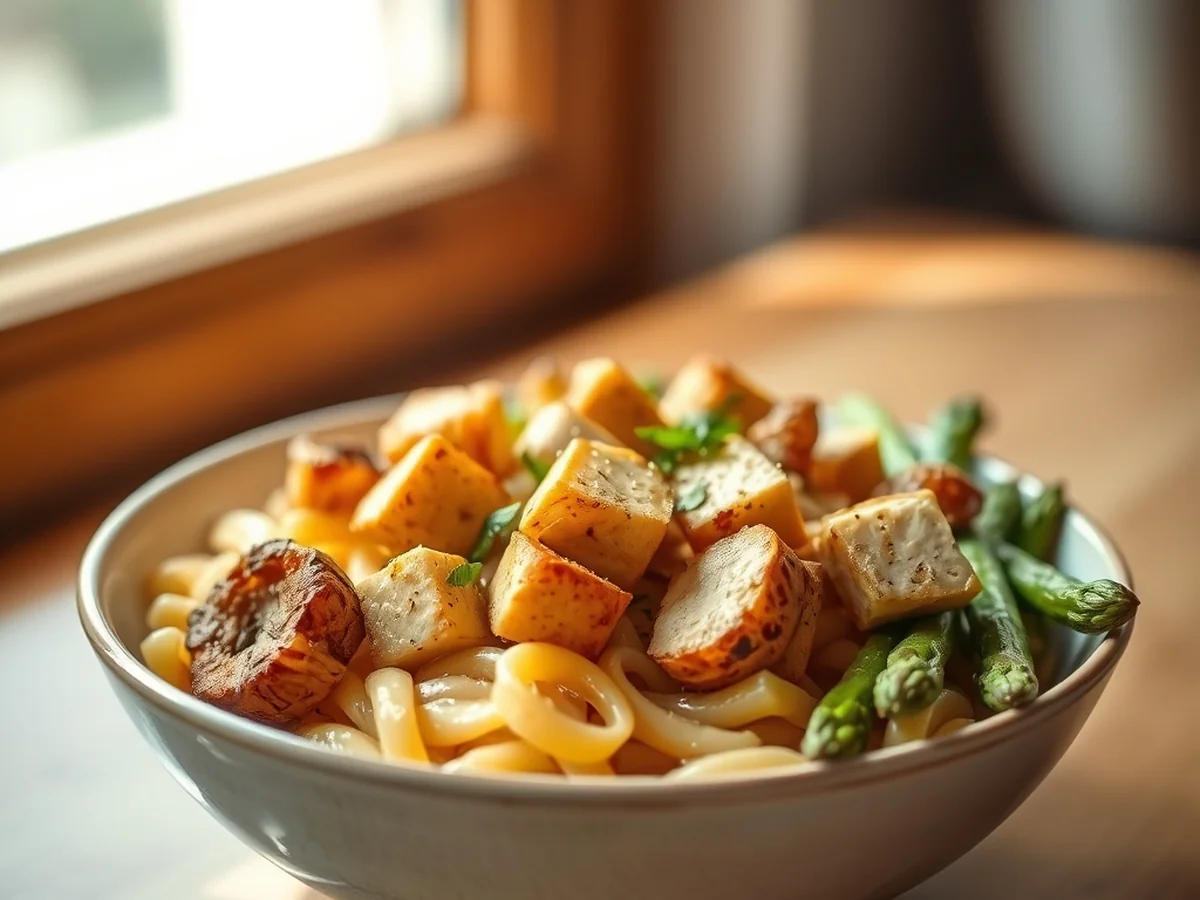
Replace the chicken with firm tofu for a plant‑based protein. Press the tofu between paper towels for at least 15 minutes to remove excess moisture; this step is crucial for achieving a golden crust. Cut the tofu into bite‑size cubes, season lightly with salt and pepper, and sear in a hot skillet with a splash of oil until each side is crisp. Add the seared tofu to the pan after the mushrooms have released their juices, allowing the flavors to meld without overcooking the tofu.
Common mistake: Adding tofu too early can cause it to break apart and soak up too much sauce, resulting in a soggy texture.
Low‑calorie swaps
For a lighter version, substitute the traditional penne with vegetable‑based noodles such as zucchini ribbons or shirataki strands. These alternatives absorb the creamy mushroom‑asparagus sauce while contributing minimal calories. Choose a reduced‑fat broth in place of heavy cream; a blend of low‑fat milk thickened with a teaspoon of cornstarch creates a silky mouthfeel without the extra fat.
Common mistake: Using too much cornstarch can create a gummy texture. Dissolve the starch in a small amount of cold liquid before adding it to the hot sauce, and stir constantly until the sauce thickens.
Practical substitution checklist
- Gluten‑free base: brown rice penne or corn‑based penne for a similar bite.
- Plant‑based protein: marinated tempeh or pressed tofu for added nutty depth.
- Lightening the sauce: low‑fat milk plus cornstarch instead of heavy cream.
- Boosting vegetables: add sliced carrots or bell peppers alongside asparagus for extra sweetness and color.
- Flavor brightening: finish with a splash of lemon juice to lift the dish without adding calories.
Storing, Reheating, and Leftover Ideas
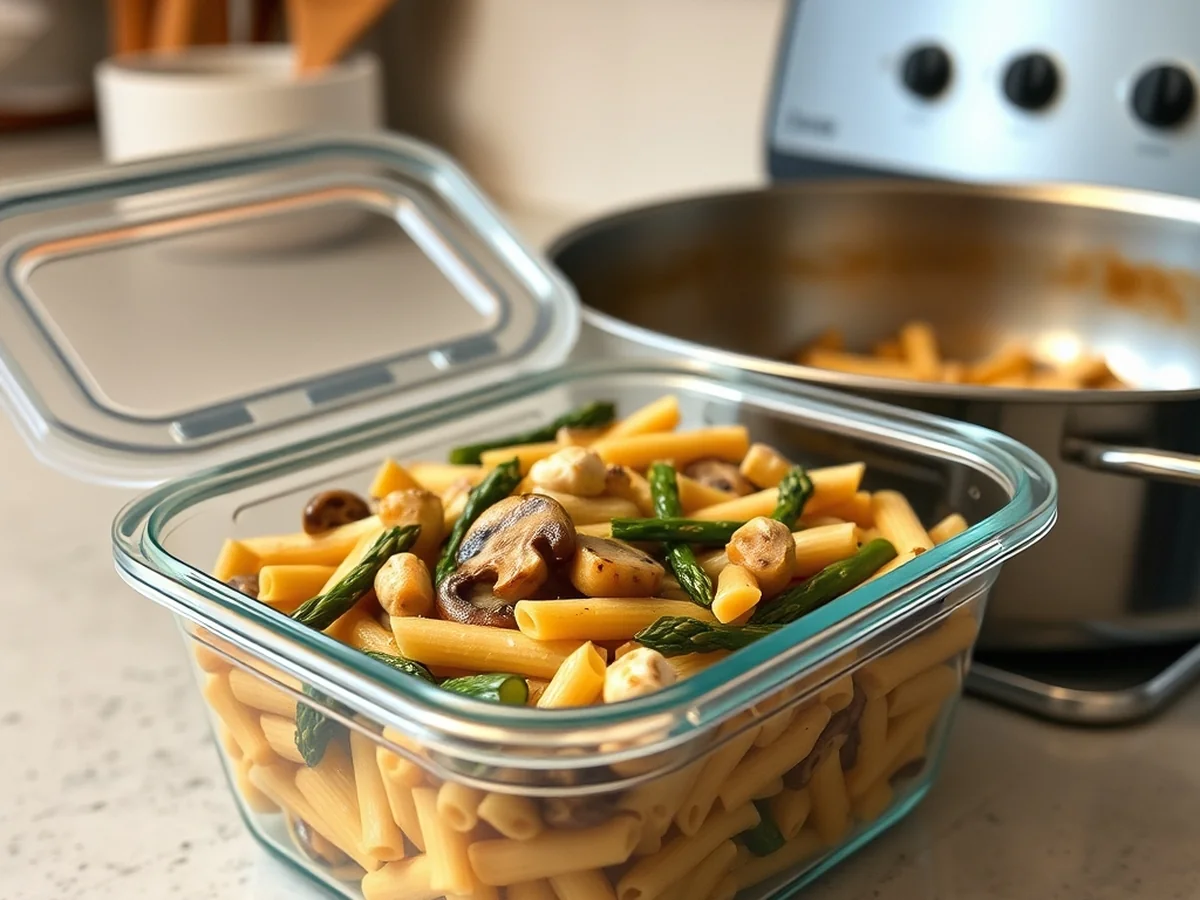
Proper storage protects the texture of the pasta and the flavor of the mushroom and asparagus chicken penne. Choose containers that seal tightly, such as glass jars with screw lids or BPA‑free plastic boxes. Transfer the dish to the container while it is still warm, then let it cool to room temperature before sealing. Refrigerate within two hours of cooking; the meal will stay safe and tasty for three to four days. For longer keeping, place the portion in a freezer‑grade bag, press out as much air as possible and label with the date. When frozen, the quality is retained for up to two months.
The reheating method matters because high heat can turn the noodles mushy and cause the sauce to separate. Start by adding a small amount of broth, water, or a splash of milk to the pasta; this restores moisture lost during cooling. In the microwave, use a microwave‑safe bowl, cover loosely with a vented lid or a paper towel, and heat in 30‑second bursts, stirring after each burst. On the stovetop, warm the sauce in a wide skillet over low heat, then add the noodles and toss gently until the dish is heated evenly. Avoid boiling the pasta again, a gentle, low‑heat approach preserves the bite.
Common mistakes when reheating include using high power settings, covering the dish tightly, and skipping the added liquid. High power can overcook the chicken and turn the sauce grainy, while a tight cover traps steam and creates a soggy texture. Skipping the liquid leaves the pasta dry and the sauce clinging to the pan.
Leftovers can be reinvented into new meals. One simple idea is a baked casserole: combine the reheated pasta with extra shredded mozzarella, a drizzle of olive oil, and a light sprinkling of breadcrumbs. Spread the mixture in a shallow baking dish and bake at 375°F (190°C) until the cheese bubbles and the top turns golden. Another option is a quick skillet hash. Heat a tablespoon of oil, add the pasta, and cook on medium heat until the edges crisp, then finish with a squeeze of lemon juice for brightness.
When planning leftovers, think about portion size. Cooking only what will be eaten within a day reduces waste and limits the number of reheating cycles, which can degrade quality. Store any unused portion promptly, label it clearly, and use the oldest leftovers first. By following these storage and reheating practices, the dish stays flavorful, safe, and enjoyable for several meals.
Common Mistakes and How to Fix Them

When making a penne dish with chicken, mushrooms and asparagus, a few recurring errors can turn a bright, balanced meal into a bland or soggy one. Understanding why each problem occurs makes it easier to prevent it and to correct it if it does appear.
1. Mushrooms release too much liquid
Why it happens: Fresh mushrooms contain a high water content, and cooking them over low heat lets the moisture sit in the pan instead of evaporating.
How to fix it: Increase the heat to medium‑high as soon as the mushrooms hit the skillet. Stir continuously so the surface browns and the excess water vaporises. Once the mushrooms are golden, the flavor deepens and the sauce stays creamy instead of watery.
2. Asparagus becomes limp
Why it happens: Over‑cooking the spears breaks down their cell walls, releasing water that makes the vegetable soggy.
How to fix it: Trim the asparagus into uniform pieces and add them to the pan just two to three minutes before the penne is done. Toss quickly on high heat so the tips stay bright green and retain a slight crunch.
3. Sauce turns thin or watery
Why it happens: Adding too much liquid at once or failing to let the starch from the penne integrate can leave the sauce lacking body.
How to fix it: After the chicken and vegetables are cooked, reduce the heat and let the sauce simmer uncovered for a few minutes. The natural starch released from the pasta will thicken the mixture without the need for extra cream.
4. Inconsistent seasoning
Why it happens: Seasoning only at the end often misses the chance to build layers of flavor.
How to fix it: Season in stages. Sprinkle a pinch of salt while sautéing the chicken, add another pinch when the mushrooms are browned, and finish with a final adjustment after the sauce has reduced. Taste at each stage to keep the balance even.
5. Under‑seasoned finished pasta
Why it happens: The pasta itself may be lightly salted, leaving the combined dish flat.
How to fix it: Reserve a cup of the pasta cooking water before draining. Drizzle a small amount into the pan and stir; the dissolved salt distributes evenly and also helps the sauce cling to the penne.
6. Over‑salty final product
Why it happens: Adding too much salt early can become apparent only after the sauce has thickened.
How to fix it: Quickly rinse the cooked vegetables in hot water, then return them to the skillet. The rinse removes excess surface salt while preserving texture, allowing you to finish the sauce with a milder profile.
7. Dull presentation and taste
Why it happens: A finished plate can look flat if brightening elements are omitted.
How to fix it: Finish with a splash of fresh lemon juice or a light dusting of grated cheese just before serving. The acidity or umami lift adds visual contrast and a fresh pop of flavor, turning a good dish into a memorable one.
FAQ
How long should I cook the chicken for the creamy mushroom‑asparagus chicken pasta?
Cook the chicken pieces until they are no longer pink in the center, usually about 6‑8 minutes sautéed over medium heat. Slice them thinly before adding to the sauce so they finish cooking quickly without drying out.
Can I use fresh mushrooms instead of canned in the mushroom‑asparagus chicken pasta?
Yes, fresh mushrooms work well and give a richer texture; simply clean and slice them before sautéing. They will release moisture, so you may need to cook a minute longer to let the liquid evaporate.
What type of pasta is best for this mushroom‑asparagus chicken dish?
Penne is ideal because its ridges hold the creamy sauce and bite‑sized pieces of chicken and vegetables. If you prefer a different shape, short tubes like rigatoni or ziti will perform similarly.
Is it possible to make the mushroom‑asparagus chicken pasta dairy‑free?
Yes, replace the cream with a plant‑based alternative such as oat or cashew cream and use a dairy‑free cheese substitute if desired. The dish will retain its silky texture while staying free of dairy.
How can I keep the asparagus crisp in the mushroom‑asparagus chicken pasta?
Add the asparagus during the last 2‑3 minutes of cooking so it stays bright green and retains a slight crunch. Overcooking will cause it to become mushy and lose its flavor.
Conclusion
Give this mushroom and asparagus chicken penne recipe a try tonight and discover how the creamy sauce, tender chicken, and crisp vegetables work together in a single skillet. Once you’ve plated it, feel free to tweak the herbs or swap the pasta shape to suit your pantry, then share your version in the comments or on social media. Your feedback helps refine the recipe and inspires others to experiment, so let us know what tweaks made it your favorite.
You might also like: Sichuan-Style Crispy Chili Beef Stir-Fry