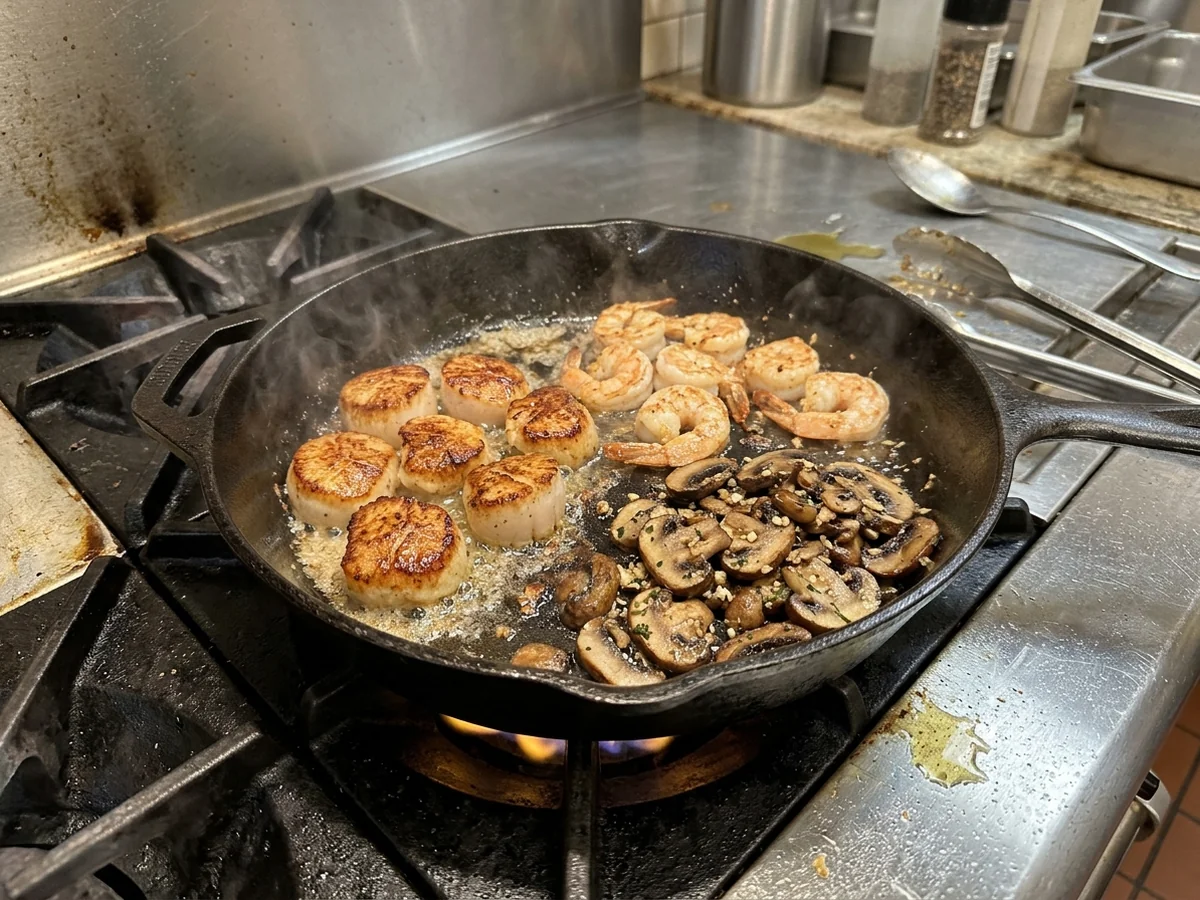
Seafood Dish: Scallops Shrimp and Mushrooms
Introduction
Preparing a dish featuring scallops shrimp and mushrooms requires careful timing to ensure each ingredient reaches its ideal texture. Successfully combining scallops shrimp and mushrooms relies on understanding the specific cooking requirements for delicate shellfish alongside earthy fungi.
This guide provides the necessary techniques to balance these diverse components in a single meal. You will learn the precise cooking times for bay scallops, the correct method for sautéing mushrooms to achieve a light brown finish, and how to sequence your ingredients for optimal flavor. The following sections cover preparation steps, ingredient pairings, and safety considerations for creating a cohesive seafood dinner at home.
Scallops Shrimp and Mushrooms Recipe
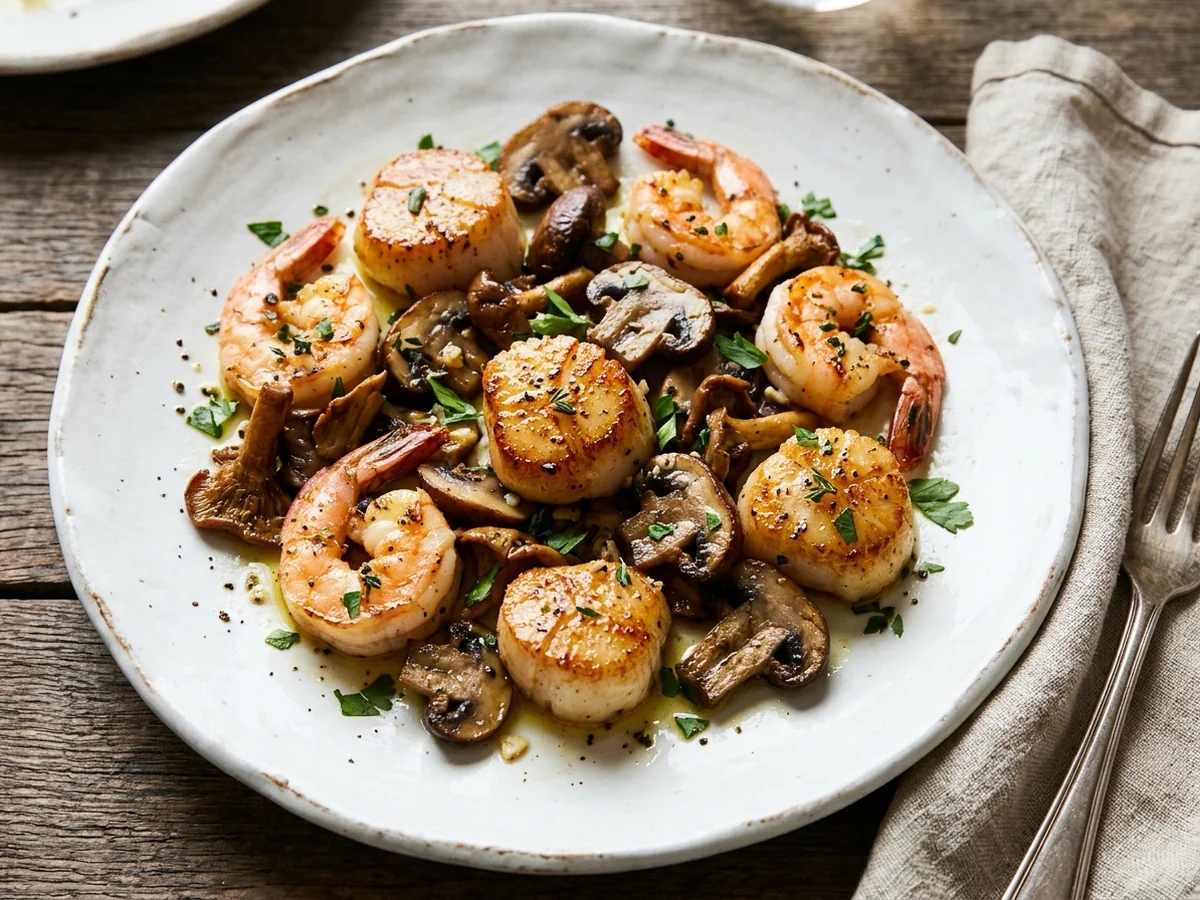
Combining these ingredients creates a balanced dish that pairs the delicate sweetness of shellfish with the deep, savory notes of fungi. This seafood and mushroom flavor pairing succeeds because mushrooms provide an earthy base that anchors the natural sweetness found in scallops and shrimp. Achieving a professional result requires a focus on culinary sautéing technique to manage the varying moisture levels and heat tolerances of each component.
Mastering Sautéing Sequences
The primary challenge when preparing scallops, shrimp, and mushrooms together is the difference in cooking times for mixed seafood and vegetables. Mushrooms require the longest cooking time to release their moisture and develop flavor. Mushrooms should be sautéed until lightly browned, which takes about 5 minutes over medium heat. Beginning with this step allows the pan to develop a rich foundation before the more delicate proteins arrive.
Once the mushrooms are browned, you can introduce the seafood. Bay scallops should be cooked until opaque, which takes approximately 3 minutes. Because shrimp often cook at a similar rate to these small scallops, they can usually be added to the pan at the same time to finish the dish together. Adding everything at once is a common mistake that leads to rubbery seafood or undercooked mushrooms.
Preparation and Nutritional Considerations
When selecting ingredients, fresh mushrooms provide a firmer texture, though canned mushrooms can be used if they are thoroughly drained to prevent excess liquid from steaming the proteins. For seasoning, adding aromatic herbs and spices like black pepper or cumin once the mushrooms are browned helps to deepen the flavor profile before the seafood is added. Proper pan-searing temperature is essential to ensure the proteins develop color without losing their moisture.
| Ingredient | Cooking Time | Indicator |
|---|---|---|
| Mushrooms | 5 Minutes | Lightly browned |
| Bay Scallops | 3 Minutes | Opaque |
| Shrimp | 3 Minutes | Pink and firm |
When considering the nutritional profile of shellfish, these ingredients offer a lean source of protein. It is helpful to remember that daily values are based on a 2,000 calorie diet. Because seafood safety and handling is critical, always ensure your workspace is clean and that you store shellfish at cold temperatures until the exact moment you are ready to cook.
By following this sequence, you ensure that the mushrooms reach a deep, savory state while the shrimp and scallops remain tender. This method works effectively for quick weeknight meals or as part of a more complex culinary presentation for dinner guests.
Selecting Fresh Scallops and Shrimp
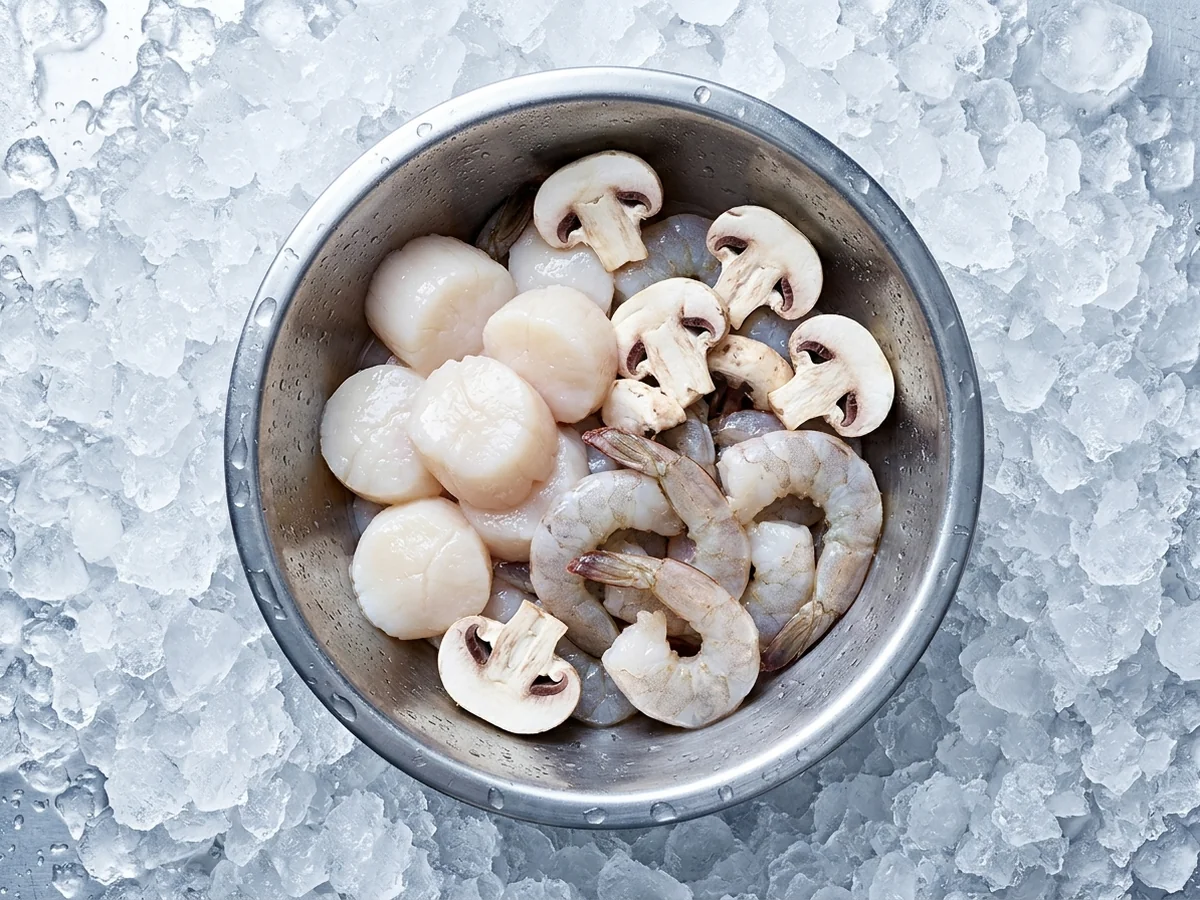
Creating balanced seafood and mushroom flavor pairing dishes requires a focus on ingredient quality. Because scallops, shrimp, and mushrooms possess distinct textures and moisture levels, selecting the freshest components is the foundation for a successful meal. High quality seafood and fresh produce are essential to avoid issues like rubbery textures or excess liquid accumulation during the sautéing process.
Assessing Seafood and Mushroom Quality
When shopping for your ingredients, prioritize items that look and smell fresh. For shrimp, inspect the shells for a firm, translucent appearance. Avoid any specimens that have darkened spots or a strong, fishy odor. Bay scallops should appear plump and white. If they are sitting in a milky liquid or look greyish, the quality has likely degraded. When choosing mushrooms, look for firm caps that are free from slime or deep bruises. While canned mushrooms are a shelf-stable alternative, fresh varieties provide a superior, meaty texture that stands up better to the high heat required for proper sautéing.
The following table provides a quick guide for assessing your core ingredients before beginning your preparation:
| Ingredient | Freshness Indicator | Preparation Note |
|---|---|---|
| Shrimp | Firm shells, mild ocean scent | Devein and peel before cooking |
| Bay Scallops | Plump, opaque, firm to touch | Pat completely dry to ensure searing |
| Mushrooms | Dry, unblemished, firm caps | Clean with a brush, avoid soaking |
Managing Cooking Times and Heat
One of the most common mistakes in cooking scallops shrimp and mushrooms together is uneven timing. Seafood is delicate and can become rubbery if overcooked, while mushrooms often require extra time to release their moisture and achieve a proper browning effect. According to the New Jersey Department of Agriculture, bay scallops should be cooked until opaque, which takes approximately 3 minutes. For the mushrooms, they should be sautéed until lightly browned, which takes about 5 minutes over medium heat. To ensure optimal results, sauté your mushrooms first to develop their flavor, then add the seafood to the pan during the final stages of the cooking process.
Seafood Safety and Handling
Maintaining the integrity of your ingredients relies on strict seafood safety and handling practices. Always keep your proteins refrigerated at or below 40 degrees Fahrenheit until the moment you begin your culinary sautéing technique. If you are not planning to cook the seafood immediately, store it in the coldest part of your refrigerator, ideally on a bed of ice. Furthermore, prevent cross-contamination by keeping raw proteins in sealed containers away from your fresh mushrooms and other produce. By following these storage and timing guidelines, you can ensure that your finished dish meets high culinary standards while highlighting the natural, nutrient-dense profile of your ingredients.
Prep Tips for Seafood Dishes
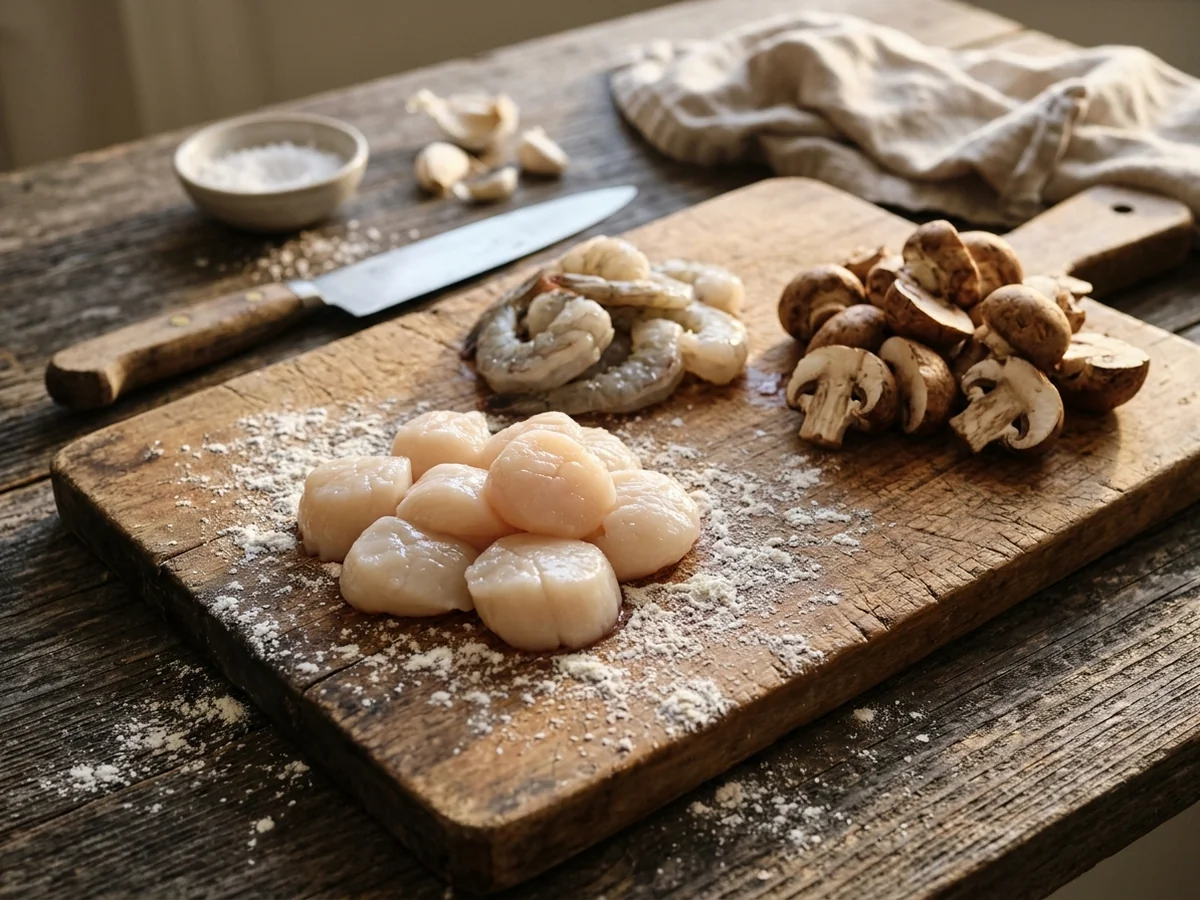
Achieving a balanced dish featuring scallops, shrimp, and mushrooms requires careful attention to the specific physical properties of each ingredient. Proteins like shrimp and scallops contain surface moisture that can inhibit browning. To achieve a quality sear, use the Maillard reaction, a process where amino acids and reducing sugars brown under heat to create complex flavors. Always pat your proteins completely dry with paper towels before they touch the pan to ensure they sear rather than steam.
Managing Ingredient Texture
When preparing mushrooms, their sponge-like structure requires a gentle touch. If you use fresh mushrooms, brush off surface debris with a dry cloth or soft-bristled brush. Avoid soaking them, as they absorb water rapidly. If using canned mushrooms, drain and rinse them thoroughly, then pat them dry. This prep step is critical for proper texture in your shrimp and scallop recipe ideas.
The following table outlines the approximate cooking requirements for these key components to ensure consistent results:
| Ingredient | Cooking Method | Time/State |
|---|---|---|
| Mushrooms | Sauté over medium heat | 5 minutes until lightly browned |
| Bay Scallops | Pan-sear | 3 minutes until opaque |
The Sequence of Sautéing
Cooking times for mixed seafood vary significantly, making a staged approach necessary. Start by sautéing the mushrooms over medium heat until they are lightly browned, which takes about 5 minutes. Once browned, remove the mushrooms from the pan to prevent them from overcooking while the proteins sear. If you intend to add aromatics like garlic or herbs, do so after the mushrooms are removed, cooking them briefly until fragrant before introducing the seafood.
When combining shrimp and scallops, add the scallops first as they often require precise timing. Bay scallops should be cooked until opaque, which takes approximately 3 minutes. Shrimp typically cook in a similar timeframe, turning pink and opaque when finished. Adding ingredients in this order prevents the seafood from becoming rubbery or overcooked while waiting for other components to reach their peak.
Finally, consider the nutritional context of your meal. When planning portions, remember that daily values are based on a 2,000 calorie diet. By following this structured sequence, you maintain better control over pan temperature, ensuring your combination of ingredients remains cohesive and professional in quality.
Cooking Times for Scallops, Shrimp, and Mushrooms
Achieving the ideal texture when combining scallops, shrimp, and mushrooms requires a staggered approach to heat application. Because these ingredients possess different moisture contents and structural densities, adding them to the pan simultaneously often results in overcooked, rubbery seafood or undercooked mushrooms. Understanding the specific requirements for each component ensures that every element reaches its peak flavor and texture.
| Ingredient | Recommended Cooking Time | Doneness Indicator |
|---|---|---|
| Bay scallops | Approximately 3 minutes | Opaque appearance |
| Mushrooms | About 5 minutes | Lightly browned |
The New Jersey Department of Agriculture notes that bay scallops should be cooked until they reach an opaque appearance, which takes approximately 3 minutes. When working with mushrooms, the Ohio Department of Natural Resources states they should be sautéed over medium heat until lightly browned, a process taking about 5 minutes. To manage the cooking times for mixed seafood successfully, start by sautéing the mushrooms first. This builds a base flavor and allows the mushrooms to release their moisture before the more delicate proteins are introduced.
Shrimp have a very rapid cooking profile and should generally be added toward the final stage of the process, once the mushrooms are nearly finished. If you add the shrimp too early, they may become tough as the mushrooms complete their browning process. By timing the addition of the shrimp after the mushrooms have browned, you ensure the seafood remains tender while benefiting from the savory notes developed during the culinary sautéing technique.
Common mistakes in preparing these ingredients include overcrowding the pan, which lowers the temperature and causes the ingredients to steam rather than sear. For the best results, use a pan large enough to allow for even heat distribution. Additionally, when calculating the nutritional impact of your dish, remember that daily values for any included ingredients are based on a 2,000 calorie diet. If you choose to incorporate canned mushrooms, note that they often have a softer texture than fresh varieties and may require less time in the pan to avoid breaking down completely.
Seasoning Scallops and Shrimp
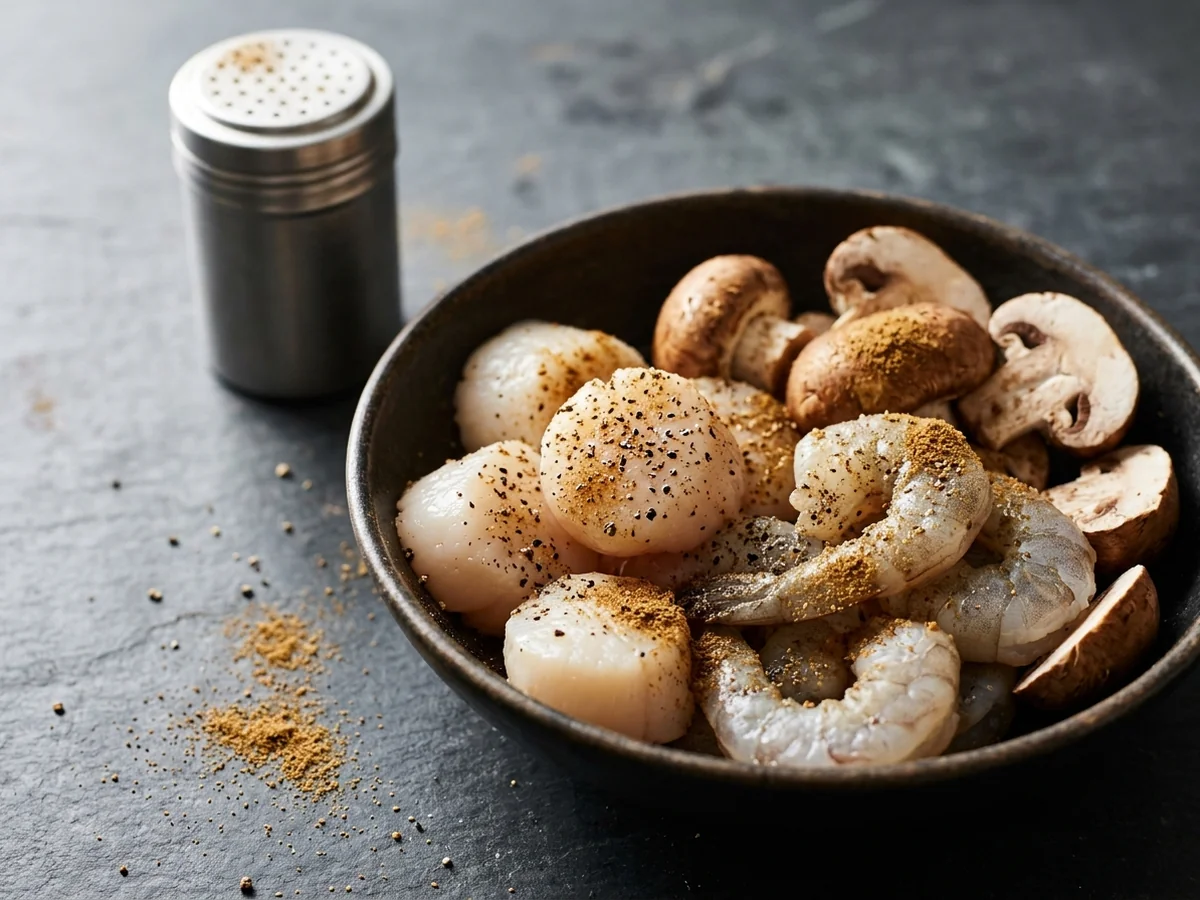
Creating a balanced dish featuring scallops, shrimp, and mushrooms requires a careful approach to seasoning and thermal timing. Because these ingredients possess different textures and water content, the order of operations is essential for ensuring both the proteins and the fungi reach their peak flavor without losing their structural integrity.
Balancing Flavors and Aromatics
To elevate the natural sweetness of shrimp and scallops, incorporate aromatic herbs and spices like cumin and black pepper. Cumin introduces an earthy warmth that bridges the gap between the briny notes of the shellfish and the savory profile of mushrooms. Freshly cracked black pepper adds a necessary bite that cuts through the richness of the seafood. To prevent these spices from tasting bitter, add them during the final minute of cooking, allowing them to toast gently in the pan without burning.
Acidity serves as a critical tool for brightening the overall flavor profile. A squeeze of lemon juice or a small splash of white wine added just before serving balances the savory, umami-heavy notes of the mushrooms. This technique is particularly useful when pairing seafood and mushrooms, as it prevents the dish from feeling heavy on the palate.
Mastering Cooking Sequences
Timing is the most common challenge when preparing scallops, shrimp, and mushrooms in a single pan. Efficient culinary sautéing relies on understanding that ingredients with lower water content or longer cooking requirements should be addressed first. According to state-level agricultural resources, bay scallops should be cooked until they turn opaque, which takes approximately 3 minutes. In contrast, mushrooms should be sautéed until lightly browned, which takes about 5 minutes over medium heat. To keep these timelines aligned, begin by sautéing the mushrooms until they reach a golden color before introducing the seafood to the pan.
| Ingredient | Approximate Cook Time |
|---|---|
| Mushrooms | 5 minutes |
| Bay Scallops | 3 minutes |
Practical Preparation Tips
When assembling healthy seafood dinner combinations, focus on these fundamental techniques to ensure professional results:
- Ensure your pan is hot before adding the shellfish to trigger the Maillard reaction, which develops a flavorful crust on the surface of the shrimp and scallops.
- Avoid overcrowding the pan. If the pan is too full, moisture released by the mushrooms will accumulate, causing the seafood to steam instead of sear.
- Use fresh herbs like parsley or chives at the very end of the cooking process to preserve their vibrant color and delicate aroma.
- When calculating the nutritional profile of your meal, remember that daily values are based on a 2,000 calorie diet.
Whether you are using fresh or canned mushrooms, the goal remains the same: develop enough depth in the base ingredients before the rapid cook time of the shellfish begins. This disciplined approach to timing and heat management ensures every component of the dish is cooked to its ideal consistency.
Nutritional Benefits of Seafood
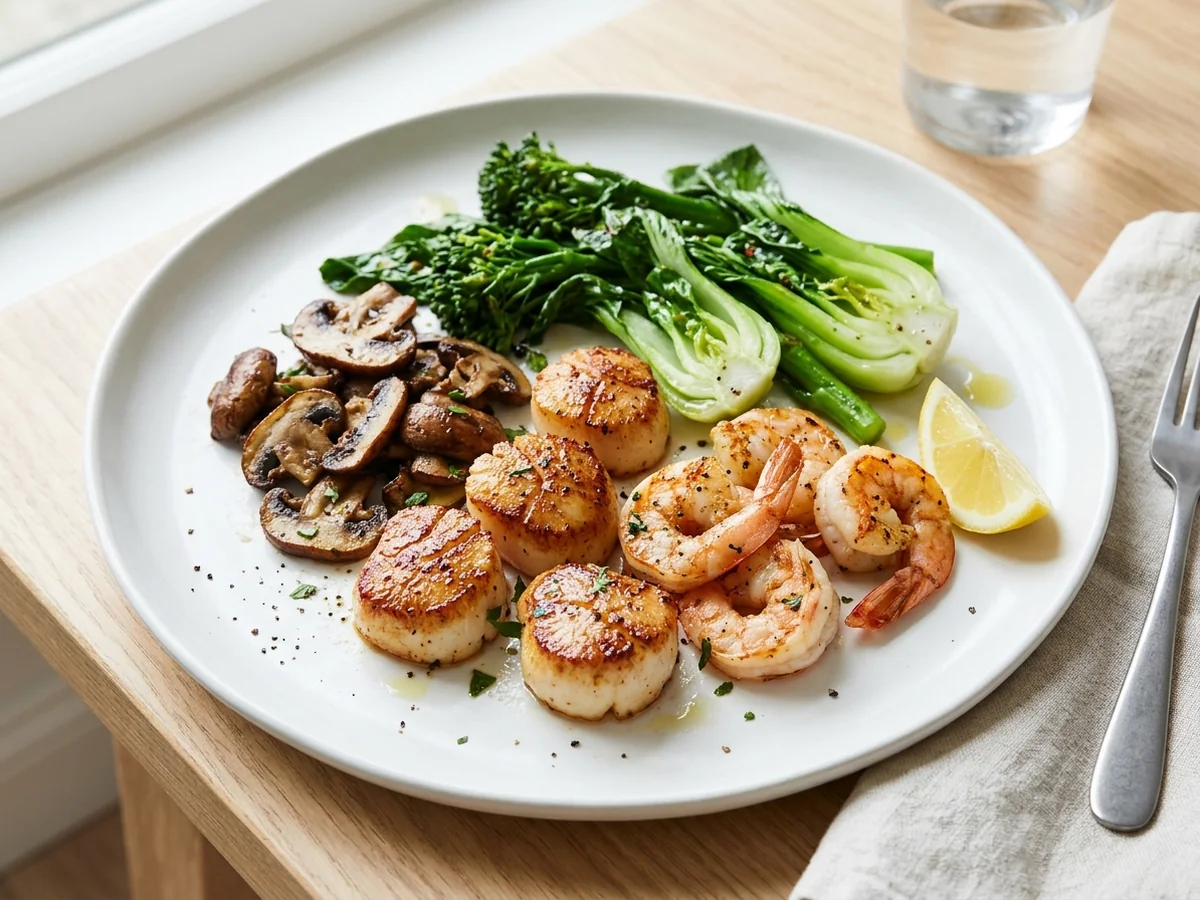
Shellfish provide a dense source of high-quality protein while remaining naturally low in calories and fat. Incorporating a variety of seafood into your diet helps ensure a steady intake of essential nutrients like minerals and vitamins, which support muscle maintenance and metabolic health. When you prepare a dish featuring scallops shrimp and mushrooms, you create a meal that balances lean protein with the unique fiber content found in fungi.
Understanding your daily nutrient requirements helps you make informed choices about portion sizes and ingredient pairings. The University of New Mexico School of Medicine notes that standard daily values are based on a 2,000 calorie diet. This benchmark serves as a helpful reference point for assessing how much protein, fat, and carbohydrates your body needs to function optimally throughout the day.
Achieving a balanced meal requires careful attention to the nutritional profile of shellfish alongside the other components on your plate. Shellfish like shrimp and scallops are excellent sources of lean protein, containing very little fat. By pairing these with mushrooms, you introduce dietary fiber without adding significant calories. This combination allows for a satisfying, nutrient-rich dinner that supports satiety.
Managing the fat content in your seafood preparation often depends on your cooking technique and the fats used for sautéing. Because both shrimp and scallops have minimal fat on their own, using small amounts of heart-healthy oils can help achieve the desired texture without compromising the meal’s nutritional value. Monitoring the amount of added oils or butter ensures you keep the total calorie count within a range that aligns with your dietary goals.
- Bay scallops should be cooked until opaque, which takes approximately 3 minutes.
- Mushrooms should be sautéed until lightly browned, which takes about 5 minutes over medium heat.
Selecting fresh ingredients is the most reliable way to maximize the nutritional impact of your seafood dinner. Focus on lean protein sources and fiber-rich vegetables to maintain a clean energy balance. By keeping preparation simple and avoiding heavy sauces, you highlight the natural flavors of the seafood while adhering to the guidelines of a healthy, balanced diet.
Avoid These Seafood Cooking Mistakes
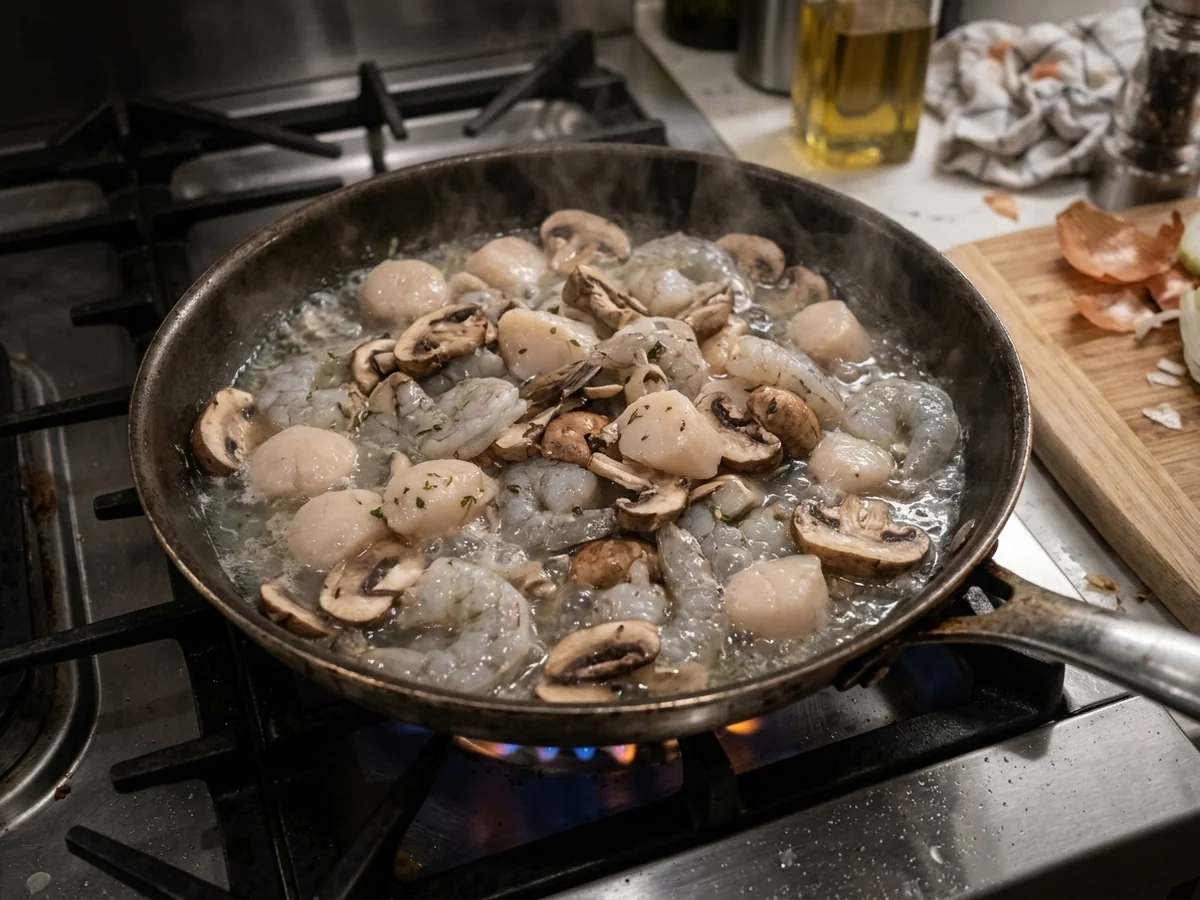
Preparing a meal featuring scallops, shrimp, and mushrooms requires a disciplined approach to timing and heat. Because these ingredients have vastly different structures, poor planning can lead to rubbery shellfish or soggy, unappealing mushrooms. Success relies on understanding how each component reacts to heat so you can create a balanced dish.
Mastering Sequential Cooking
One of the most frequent errors is adding all ingredients to the pan at the same time. The duration required to prepare these various ingredients differs significantly. Mushrooms contain high water content and require time to release that moisture and achieve a desirable texture. According to the Ohio Department of Natural Resources, mushrooms should be sautéed until lightly browned, which takes about 5 minutes over medium heat.
In contrast, shellfish are delicate and prone to overcooking. Bay scallops should be cooked until opaque, which takes approximately 3 minutes. If you add scallops or shrimp while the mushrooms are still raw, the seafood will become tough and lose its natural sweetness before the mushrooms finish browning.
To avoid this, follow a structured sequence. Brown the mushrooms first, remove them from the pan, and set them aside. Once the mushrooms are ready, use the remaining heat to sear your protein. You can combine them for the final minute of cooking to ensure the flavors meld without compromising the texture of the shrimp and scallops.
Managing Heat and Moisture
Effective pan-searing temperature is the foundation of a high-quality result. If your pan is too crowded, moisture becomes trapped, causing the food to steam rather than develop the golden crust associated with the Maillard reaction. This is particularly important when working with fresh versus canned mushrooms. While canned mushrooms are pre-cooked and soften quickly, fresh mushrooms require space to brown. Use a large pan to ensure each piece has contact with the surface.
| Ingredient | Estimated Cooking Time |
|---|---|
| Fresh Mushrooms | 5 minutes |
| Bay Scallops | 3 minutes |
When incorporating shrimp and scallop recipe ideas, keep in mind that shrimp also cook very quickly, usually in 2 to 3 minutes depending on size. Always monitor the pan closely. Using aromatics such as black pepper or a hint of cumin can enhance how well the seafood and mushrooms complement one another, but do not add these dry spices too early if they risk burning at high heat.
By managing the cooking process in stages, you protect the nutritional profile of the shellfish while ensuring the mushrooms contribute their best flavor to the dish. Remember that nutritional calculations for your meal should align with standard guidelines, where daily values are based on a 2,000 calorie diet.
FAQ
How do you cook scallops and mushrooms together?
To cook scallops and mushrooms together, start by sautéing the mushrooms in a pan over medium heat for about 5 minutes until they are lightly browned. Once the mushrooms are ready, you can push them to the side or remove them to add the scallops and shrimp, ensuring the seafood cooks thoroughly without overcrowding the pan.
What is the recommended cooking time for bay scallops?
Bay scallops should be cooked until they become opaque, which takes approximately 3 minutes. Overcooking can lead to a rubbery texture, so monitor them closely as they reach their target appearance.
Can you use canned mushrooms for this dish?
You can use canned mushrooms in a recipe featuring scallops, shrimp, and mushrooms if you prefer convenience over the texture of fresh fungi. If using canned varieties, drain them thoroughly and sauté them briefly to remove excess moisture before adding your seafood to the pan.
What are the nutritional considerations for this dish?
The nutritional profile of shellfish and mushrooms combined offers a lean protein source that fits into many healthy seafood dinner combinations. Always remember that daily values provided on packaging are based on a 2,000 calorie diet.
What is the best way to handle mixed seafood for safety?
Proper seafood safety and handling requires keeping your shrimp and scallops refrigerated at a safe temperature until the exact moment you are ready to start cooking. Ensure your workspace remains clean during the preparation process to prevent cross contamination between raw ingredients and other surfaces.
Conclusion
The next step for successfully preparing this meal is to carefully time your protein and vegetable additions to ensure everything reaches the correct texture simultaneously. Start by sautéing your mushrooms over medium heat until they are lightly browned, which takes about 5 minutes, then introduce your seafood to the pan. Because bay scallops should be cooked until opaque in approximately 3 minutes, adding them alongside your shrimp allows both to finish without becoming rubbery. Once you have mastered the balance of these textures, you will find that scallops shrimp and mushrooms create a sophisticated and cohesive flavor profile. Adjust your heat levels as needed to maintain a gentle sear, and serve immediately for the best results.
Sources: nj.gov, ohiodnr.gov, hsc.unm.edu
You might also like: Steak Fajitas Recipe: Sizzling Mexican Dinner