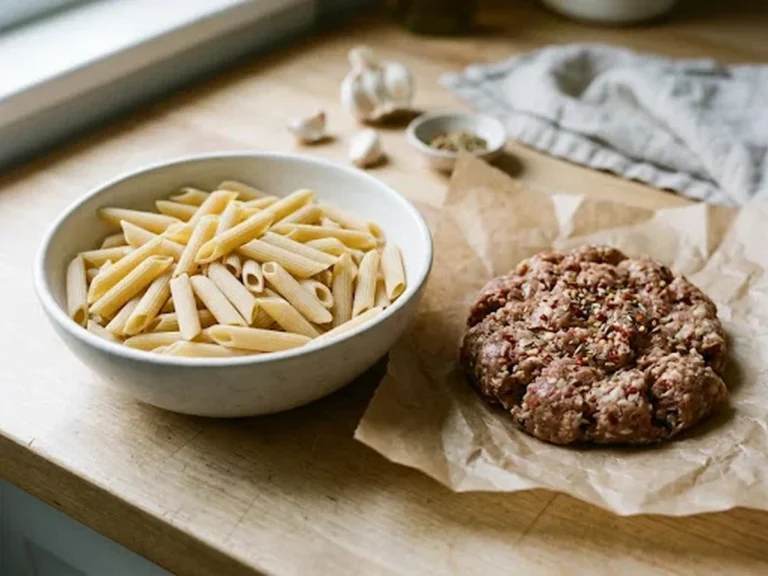

Creamy Steak Tortellini Recipe
Introduction
You can prepare a restaurant-quality creamy steak tortellini at home by searing tender strips of beef and tossing them into a decadent, velvety sauce. This dish combines hearty protein with pillowy pasta for a satisfying meal that comes together quickly in a single pan.
This guide covers how to select the best cuts for optimal tenderness, how to balance the richness of a cream-based sauce, and the proper techniques for cooking fresh pasta to the perfect texture. You will also learn how to customize your meal with different flavor profiles, including the addition of cowboy butter or fresh greens. Whether you are planning a busy weeknight dinner or a special weekend meal, these steps ensure your pasta turns out flavorful and consistent every time.
Ingredients for Creamy Steak Tortellini
To prepare a high-protein, 30-minute meal, you need quality protein, fresh pasta, and dairy components that build a rich sauce. Using a one-pan method simplifies your dinner routine, making it an ideal choice for busy households looking to minimize cleanup without sacrificing flavor.
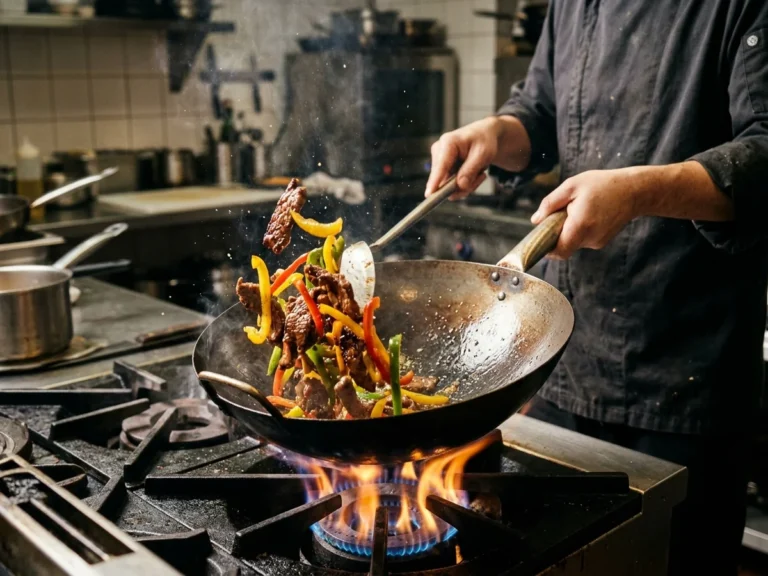
Choosing the right meat is the foundation of your dish. It is common guidance among home cooks that the best cut of steak for pasta is ribeye or top sirloin, as these options offer a good balance of tenderness and flavor when seared quickly. When preparing your easy steak tortellini recipe, slice the steak into thin, bite-sized strips to ensure even cooking and quick integration with the other ingredients.
Selecting Your Pasta and Dairy
For the base of your creamy garlic steak tortellini, fresh cheese tortellini is typically preferred over frozen varieties. Fresh pasta offers a superior, tender texture and requires a significantly shorter cook time, which is essential for maintaining the integrity of your creamy alfredo steak tortellini. If you must use frozen pasta, be prepared to adjust your liquid ratios and simmer time, as frozen options release more moisture into the sauce.
The consistency of your sauce depends heavily on your choice of dairy. Heavy cream provides a thick, luxurious mouthfeel that clings well to the pasta. If you prefer a lighter sauce, you may substitute with half-and-half or a milk-based mixture, though these alternatives will require a longer reduction time to reach the desired thickness.
Flavor Infusion and Preparation
Aromatics like garlic and butter form the backbone of the flavor profile. To elevate the dish, many cooks incorporate cowboy butter, a flavorful mixture of butter, red pepper flakes, and paprika that adds a savory depth. For those creating steak tortellini with spinach, adding the greens in the final minutes of cooking ensures they wilt perfectly without losing their vibrant color.
To ensure food safety, verify that your steak is cooked to the appropriate internal temperature according to USDA food safety guidelines. Using a reliable meat thermometer is the most accurate way to check for doneness. A large, heavy-bottomed cast iron skillet is the ideal tool for this one-pan meal, as it provides the heat retention necessary to achieve a proper sear on the meat before you introduce the liquids.
Storage and Reheating
If you have leftovers, cooked steak and tortellini dishes can be stored in the refrigerator in an airtight container. When you are ready to enjoy the meal again, it can be reheated effectively using either a microwave or a stovetop. If using a stovetop, consider adding a small splash of cream or water to restore the sauce to its original, creamy consistency.
Choosing the Best Steak

Selecting the right protein is the foundation of a successful creamy steak tortellini. While personal preference plays a role, top sirloin and ribeye are widely recommended as the best cut of steak for pasta. These cuts offer a reliable balance of flavor and marbling, which is essential for ensuring your meal remains tender after being combined with a rich sauce.
Understanding Steak Cuts for Pasta
A sirloin steak is a frequent choice for quick weeknight dinners. It is lean, budget-friendly, and cooks relatively quickly, making it ideal for high-protein meals. Conversely, many cooks prefer a ribeye steak for its higher fat content. This internal fat renders during cooking, providing extra richness and helping the meat stay succulent when sliced into the bite-sized pieces required for a creamy alfredo steak tortellini.
Preparation and Slicing Techniques
Regardless of the cut you select, proper preparation is what separates a tough meal from a tender one. Slicing the cooked meat against the grain is the most important step for achieving a pleasant texture. Muscle fibers run in parallel lines throughout the steak. By cutting across these lines, you shorten the fibers, making the meat significantly easier to chew once it is incorporated into your dish.
Follow these steps to ensure your protein is prepared correctly:
- Choose a steak with an even thickness to promote uniform cooking across the entire surface.
- Sear the steak in a hot cast iron skillet to develop a flavorful, browned crust before resting.
- Allow the meat to rest for several minutes after cooking to retain its natural juices.
- Slice against the grain using a sharp knife to ensure tenderness in every bite.
Ensuring Food Safety
Precision in the kitchen is about more than just taste. Always verify that your beef is cooked properly by following the USDA food safety internal temperature guidelines. Using a reliable meat thermometer allows you to confirm that your steak has reached the appropriate temperature before you toss it with your sauce and pasta. This simple practice ensures your dinner is both delicious and safe for everyone at your table. Once cooked, any leftover creamy steak pasta dishes can be stored in the refrigerator in an airtight container and reheated easily using a microwave or a stovetop to maintain the best quality.
Tortellini Varieties and Cooking
Selecting the right tortellini is a foundational step in crafting a successful creamy steak tortellini. While your choice often comes down to personal preference, the type of pasta dictates your total cooking time and the final texture of your dish. Common culinary guidance suggests that fresh cheese tortellini typically offers a more delicate bite and reaches an ideal al dente texture faster than frozen alternatives. Frozen pasta is convenient for storage, but it often requires a longer boil, which can lead to uneven cooking if you are not careful.
Selecting Your Pasta Base
Fresh cheese tortellini is often preferred for its tender structure and consistent performance in boiling water. If you choose a meat-filled variety, be mindful that these add savory juices to the sauce, which may change the richness of your creamy garlic steak tortellini. When incorporating steak tortellini with spinach, you gain a subtle earthiness and a pop of color that helps balance the richness of a heavy cream or parmesan cheese sauce. Regardless of your selection, always verify the internal temperature of any meat additions to meet USDA food safety guidelines, ensuring your steak reaches a safe temperature before combining it with the pasta.
Cooking and Texture Management
When preparing an easy steak tortellini recipe, the goal is to have the pasta and the protein ready at the same time. If you opt for frozen pasta, add it to the boiling water before you start the final reduction of your sauce to ensure the dough does not become mushy. Fresh tortellini is more forgiving, making it a reliable choice for efficient weeknight dinners. A common mistake is overcrowding the pot, which drops the water temperature and results in gummy pasta. Use a large enough vessel to allow the tortellini to move freely during the cook.
Storage and Reheating
Proper handling of leftovers maintains the quality of your creamy alfredo steak tortellini. Cooked steak and tortellini dishes can be stored in the refrigerator in an airtight container for several days. When reheating, you can use a microwave or a stovetop. If using a skillet, add a small splash of water or extra heavy cream to loosen the sauce as it warms, which helps restore the original consistency. For those looking to make the dish lighter, you can substitute heavy cream with half-and-half or a blend of milk and starch, though this will result in a thinner, less velvety sauce.
Mastering the Creamy Sauce
The foundation of a successful creamy steak tortellini is the emulsification of heavy cream and parmesan cheese. When heated together, the fat molecules in the cream and the proteins in the cheese bind to create a stable, velvety liquid that coats the pasta. Using heavy cream is essential because its high fat content provides the necessary stabilization to prevent the sauce from curdling when it meets the salt or acidity of other ingredients.
Avoiding Common Sauce Pitfalls
A frequent error is rushing the incorporation of the cheese. Always add parmesan slowly over low heat, stirring constantly to ensure it melts into a uniform consistency without clumping. If you substitute half-and-half for heavy cream, the sauce will likely remain thin and watery because the lower fat density cannot support a clingy texture. Achieving the desired mouthfeel with half-and-half often requires a lengthy reduction process or the addition of thickening agents, which can alter the intended flavor profile. For the best results, stick to heavy cream to maintain the richness of your creamy steak tortellini.
Precision Cooking with Cast Iron
Using a cast iron skillet offers a distinct advantage for this dish. The heavy material retains heat exceptionally well, ensuring the sauce simmers at a consistent temperature across the entire cooking surface. This steady heat allows moisture to evaporate at a controlled rate, which is vital for thickening the sauce without scorching the dairy or overcooking your protein. As a general practice, ribeye steak or top sirloin are recommended cuts for these pasta dishes due to their balance of flavor and texture. When searing your meat, always monitor your progress to meet USDA food safety internal temperature guidelines, which recommend 145 degrees Fahrenheit for steaks, followed by a three-minute rest before slicing.
Preparation Tips for Efficiency
When assembling your creamy garlic steak tortellini, consider the type of pasta you select. While frozen options are available, fresh cheese tortellini generally offers a better texture and shorter cook time, making it ideal for efficient meals. If you are preparing your meal in advance, remember that cooked steak and pasta dishes can be stored in the refrigerator in an airtight container. When you are ready to serve, creamy pasta dishes can be reheated effectively using either a microwave or a stovetop. If the sauce thickens too much during storage, add a small splash of water or broth while reheating on the stove to restore its original, creamy consistency.
Adding Cowboy Butter Flair
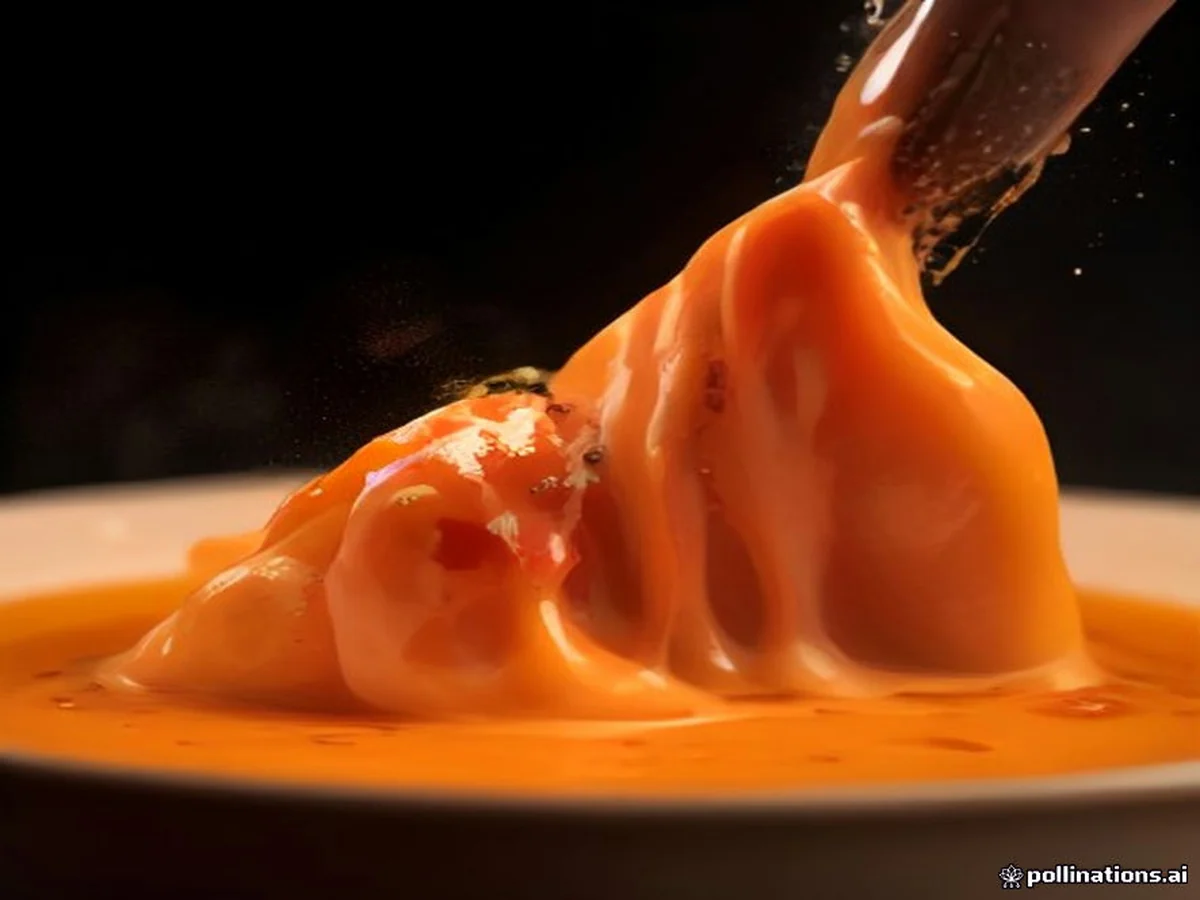
You can elevate your dish of steak and pasta in a creamy sauce by stirring in cowboy butter, a savory blend of melted butter, red pepper flakes, and paprika. This infusion adds a layer of bold, zesty flavor that cuts through the richness of the dairy base, providing a sharper profile than a standard cream sauce. Because this meal relies heavily on the texture of heavy cream, the addition of this spiced butter introduces a necessary acidic or spicy contrast that prevents the palate from becoming fatigued by the fat content.
Mastering the Infusion Technique
For the best results, fold this spicy butter mixture into your cast iron skillet during the final minute of cooking. Adding the butter too early can cause the dairy base to break or separate, resulting in a greasy sauce rather than a silky one. Furthermore, incorporating the butter right at the end ensures the spices remain vibrant. If the butter is subjected to high heat for too long, the paprika can take on a bitter, burnt flavor, and the red pepper flakes may lose their distinct aromatic impact. By adding it as a finishing touch, you maintain the integrity of the sauce while ensuring every piece of pasta is coated in flavor.
Balancing Heat and Texture
Balancing the intensity of the dried peppers with the heavy cream requires a careful hand, as the fat in the cream can actually mask the heat of the peppers until it hits the back of the throat. You can manage the spice level by following these practices:
- Start with a smaller amount of red pepper flakes, tasting the sauce as you go to ensure the spice level aligns with your preferences.
- Increase the amount of parmesan cheese if the dish feels too spicy, as the saltiness and structure of the cheese help mellow out the heat and re-thicken the sauce if the butter causes any thinning.
- Add a splash of fresh lemon juice or a pinch of extra herbs to provide brightness that counteracts the heavy, fatty notes of the dairy.
Selecting the Right Tortellini and Steak
When preparing this dish, consider how the pasta choice interacts with the cowboy butter. Fresh cheese tortellini is often preferred for its superior texture and shorter cook time compared to frozen varieties. Because fresh pasta is more porous, it absorbs the butter-based sauce more effectively, making the cowboy butter infusion even more impactful. When pairing this with steak, top sirloin and ribeye are often recommended for their balance of tenderness and flavor. Ensure your steak is cooked to the proper internal temperature, following USDA food safety guidelines, before slicing it to rest. This ensures the meat remains juicy enough to stand up to the robust spices in the cowboy butter without becoming tough or rubbery in the final dish.
Storage and Reheating Basics
Proper storage is essential to maintain the quality of your creamy steak tortellini, especially since cream-based sauces can behave differently once chilled. To store your leftovers, transfer the cooled pasta into an airtight container. Placing the dish in the refrigerator promptly helps preserve the texture of the steak and ensures the sauce remains stable. When handled correctly, these leftovers stay fresh for a few days, making them a convenient option for quick meals later in the week.
The primary challenge when reheating creamy pasta dishes is the tendency for the sauce to break or the pasta to become overcooked. Starch from the tortellini often absorbs liquid while in the fridge, which can lead to a thickened, pasty texture. To restore the original, silky consistency, add a small splash of water, broth, or heavy cream to the container before heating. Stirring this liquid in thoroughly helps reconstitute the emulsion of the sauce.
When it comes to reheating, the stovetop is generally the most effective method for maintaining quality. Place your portion in a skillet over low heat, stirring frequently to ensure the heat distributes evenly without scorching the delicate sauce. If you choose to use a microwave, use a microwave-safe dish and heat the pasta in short, thirty-second intervals. Stirring between each interval is critical, as it prevents the sauce from separating and ensures the steak pieces do not become tough or rubbery. Regardless of your chosen method, verify that the center of the dish is heated thoroughly.
Avoid these common mistakes to keep your leftovers tasting fresh:
- Do not overheat the pasta, as this can cause the fat in the cream to separate and result in a greasy texture.
- Ensure the container is truly airtight to prevent the pasta from absorbing other odors in your refrigerator.
- Do not add too much liquid at once when thinning the sauce, as you can always add more, but you cannot remove it.
- Follow USDA food safety internal temperature guidelines by ensuring the leftovers are reheated to 165 degrees Fahrenheit if you are reheating a large batch for multiple servings.
Tips for Perfect Steak Tortellini
You can achieve a professional result by managing your heat levels and seasoning intervals throughout the cooking process. Following these guidelines ensures your ingredients maintain their intended textures and flavors while blending into a cohesive, restaurant-quality meal.
- Remove your beef from the heat source just before it reaches your desired doneness, as it will continue to cook slightly when folded into the warm sauce.
- Keep your heat at a gentle simmer once the dairy base is added to prevent the fats from breaking and causing the mixture to separate.
- Add salt and seasonings in small increments during each stage of preparation rather than all at once to maintain better control over the final flavor profile.
- Select high-quality cuts like ribeye or sirloin to ensure the meat remains tender enough to pair well with the delicate pasta.
- Prioritize fresh cheese tortellini over frozen varieties, as they typically offer a superior texture and require a significantly shorter cooking time.
- Use an airtight container for any leftovers to keep the components fresh when stored in the refrigerator.
Monitoring your steak is vital because it is very easy to overcook the meat during the initial sear. If you wait until the pieces look fully done in the skillet, they will likely become tough and chewy after being tossed with the hot sauce. Pulling the meat off early allows the residual heat to finish the cooking process safely and effectively.
Aggressive boiling is another common mistake that impacts the sauce. High heat causes the emulsion of heavy cream and cheese to destabilize, which often leads to a grainy or oily texture instead of a silky finish. Keeping the flame low and steady preserves the integrity of your meal. This patient approach is a hallmark of an easy steak tortellini recipe that relies on gentle heat to marry the flavors together without compromising the consistency of the dish.
Finally, layering your seasoning builds a more complex flavor. Taste your sauce after adding the cream, then again after incorporating the parmesan, and finally once the steak is mixed in. This method prevents over-salting and helps you identify exactly when the dish needs an extra pinch of herbs or black pepper to brighten the final result.
FAQ
Which cut of steak is best for creamy steak tortellini?
Top sirloin and ribeye are common choices for this dish because they provide a balance of flavor and tenderness. Using these cuts helps ensure the meat remains succulent when tossed with a rich sauce.
Can I use frozen tortellini in this recipe?
Yes, you can use frozen tortellini, although fresh tortellini is often preferred for its shorter cook time and superior texture. If you choose the frozen variety, simply adjust your simmering time until the pasta reaches the desired tenderness.
How do I safely store and reheat leftover creamy steak tortellini?
Cooked steak and tortellini dishes should be kept in the refrigerator using an airtight container to maintain quality. When you are ready to eat, you can reheat your leftovers efficiently using either a microwave or a stovetop.
What exactly is cowboy butter?
Cowboy butter is a flavorful mixture of butter and various spices, which typically includes ingredients like red pepper flakes and paprika. Adding this to your sauce can give the dish a bold, savory kick that pairs well with steak.
What are the safety guidelines for cooking steak?
Following USDA food safety internal temperature guidelines is the best way to ensure your steak is prepared safely before adding it to your pasta. Checking the internal temperature with a food thermometer helps you achieve the perfect level of doneness while keeping the meal safe to eat.
Conclusion
The final step is to decide whether you want to serve this dish immediately for the best texture or store it for later convenience. Freshly prepared creamy steak tortellini offers the most vibrant flavors and ideal sauce consistency. If you choose to save some for another night, store the leftovers in an airtight container in your refrigerator and reheat them carefully on the stovetop or in the microwave to maintain the quality of the sauce.
You might also like: Crispy Buttermilk Chicken Sandwich Recipe