Creamy Garlic Butter Chicken Recipe
Introduction
You can prepare a restaurant-quality creamy garlic butter chicken right in your own kitchen using simple pantry staples and a single skillet. This easy creamy garlic chicken recipe focuses on building deep flavor through searing and a rich, velvety sauce.
This guide covers the essential techniques for achieving perfectly golden chicken breasts, including the use of flour to help with browning and sauce consistency. You will learn how to create a balanced garlic butter sauce for chicken using heavy cream for the ideal texture and broth to incorporate every bit of flavor from the pan. The following steps will walk you through the process from initial prep to the final garnish, ensuring a successful dinner that meets proper food safety standards.
Simplified One-Pan Cooking for High-Protein Meals
Cooking creamy garlic butter chicken in a single skillet streamlines your dinner routine by minimizing cleanup while ensuring a protein-packed meal. By utilizing one vessel, you can sear the meat and build the sauce simultaneously, which locks in flavor and simplifies the entire process for busy weeknights.
Mastering the Pan Sauce Technique
Achieving a restaurant-style finish at home relies on a few consistent techniques. Common guidance suggests dredging chicken breasts in flour before cooking to assist in browning and to help stabilize the sauce later. When searing, use medium-high heat to ensure the exterior becomes golden. Once the meat is removed, deglazing the skillet with chicken broth is a proven method to incorporate the flavorful browned bits from the pan directly into your sauce base. To finalize the texture, heavy whipping cream is used to emulsify and thicken the garlic butter sauce, a process recognized by the Culinary Institute of America as an effective way to create a stable, velvety consistency.
Essential Ingredients for Success
Consistency in this chicken breast skillet recipe often comes down to ingredient preparation. Using high-quality aromatics is key, and common practice suggests using about 6 large garlic cloves, or roughly 2 tablespoons when finely chopped, to provide a robust base. If you prefer a cheesier finish, low-moisture mozzarella is typically recommended for the cheese component to ensure proper melting without creating a watery texture. Always remember to use a digital thermometer to verify that your chicken reaches the USDA internal temperature standards of 165 degrees Fahrenheit to ensure safety.
Common Pitfalls to Avoid
One common mistake when learning how to thicken cream sauce is using heat that is too high, which can cause the dairy to break or separate. Keep the heat at a gentle simmer once the cream is added to maintain a smooth texture. If you are preparing this for a future meal, be aware that cream-based sauces can lose their silkiness when reheated. To mitigate this, reheat gently on the stovetop over low heat, adding a splash of broth to help restore the original consistency. By focusing on these fundamental techniques, you can create a reliable, high-protein meal that balances rich flavors with minimal kitchen effort.
Ingredients for Garlic Butter Chicken
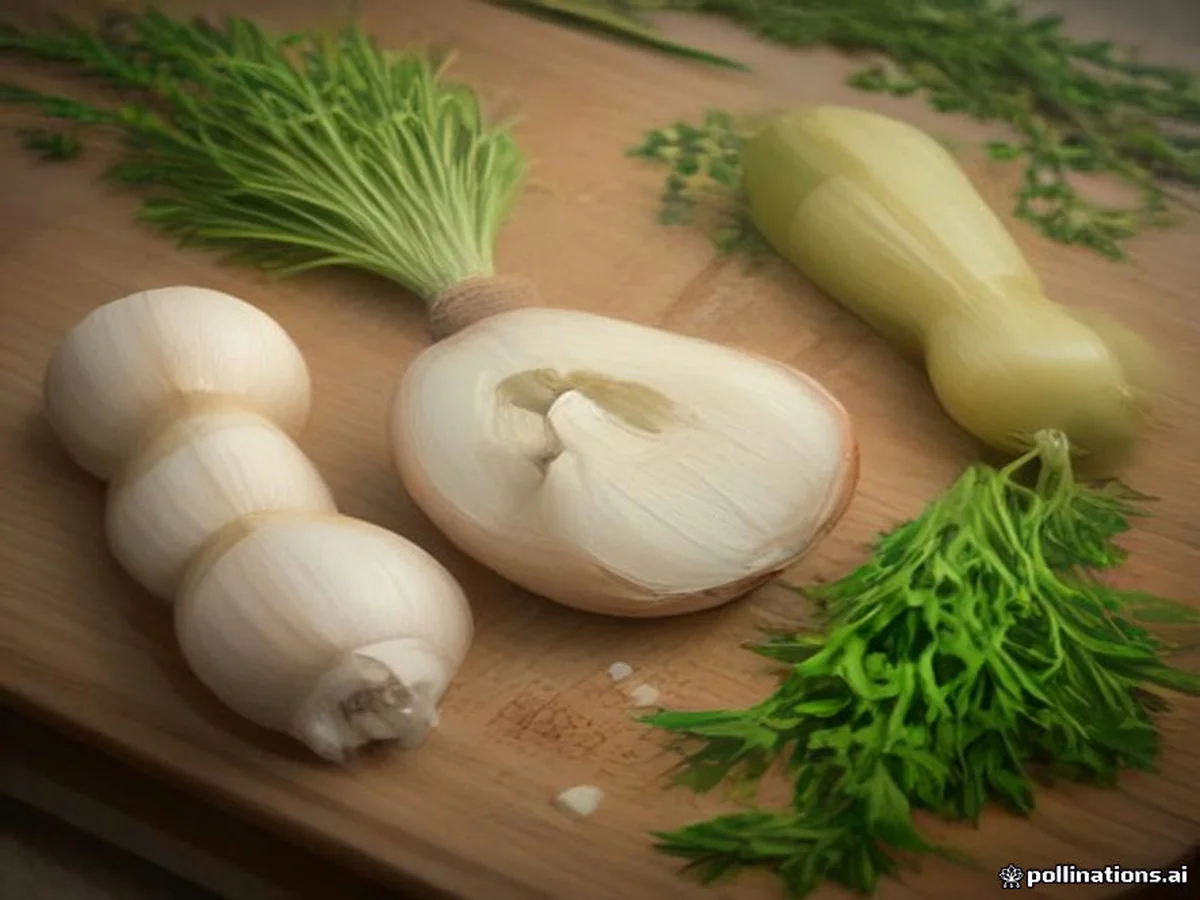
To prepare this dish effectively, you need high quality protein and aromatic ingredients that build a deep flavor profile. Selecting firm chicken breasts and prepping them properly ensures they remain tender when cooked in a skillet.
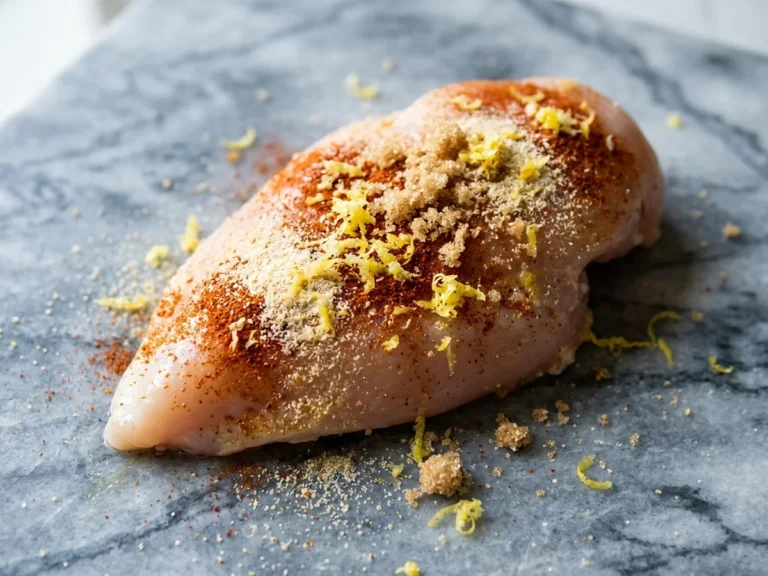
- Select uniform chicken breast fillets and slice them into even pieces to ensure they cook at the same rate.
- Dredge the chicken lightly in flour before searing, as this common guidance helps create a golden crust and naturally thickens the pan sauce.
- Use 6 large garlic cloves for the base of your dish, which is a common amount used to balance the richness of the butter.
- Incorporate heavy whipping cream to emulsify the fat and create a velvety texture, a technique confirmed by the Culinary Institute of America.
- Deglaze your pan with a splash of chicken broth after searing the meat to lift the flavorful browned bits into the liquid base.
- Consider adding a handful of low moisture mozzarella, as this is a common practice for achieving a desirable cheese pull.
When choosing your chicken, look for breasts that are not overly woody or tough. Trimming away excess fat or connective tissue before you begin the dredging process makes the final result much more enjoyable to eat. This foundational work sets the stage for a successful meal that comes together quickly in one pan.
The choice of garlic significantly impacts the final taste of your garlic butter sauce for chicken. Finely mincing the cloves allows them to distribute evenly throughout the pan, ensuring every bite carries that signature punch. If you prefer a milder approach, you can adjust the amount, but using the suggested quantity provides the most robust results for this easy creamy garlic chicken recipe.
The heavy cream serves as the essential binder for your sauce. Because it contains high fat content, it holds the butter and pan juices together, preventing the mixture from separating when heated. Following this process creates a professional consistency that coats the chicken perfectly without becoming grainy or thin.
Cooking Garlic Butter Chicken Skillet
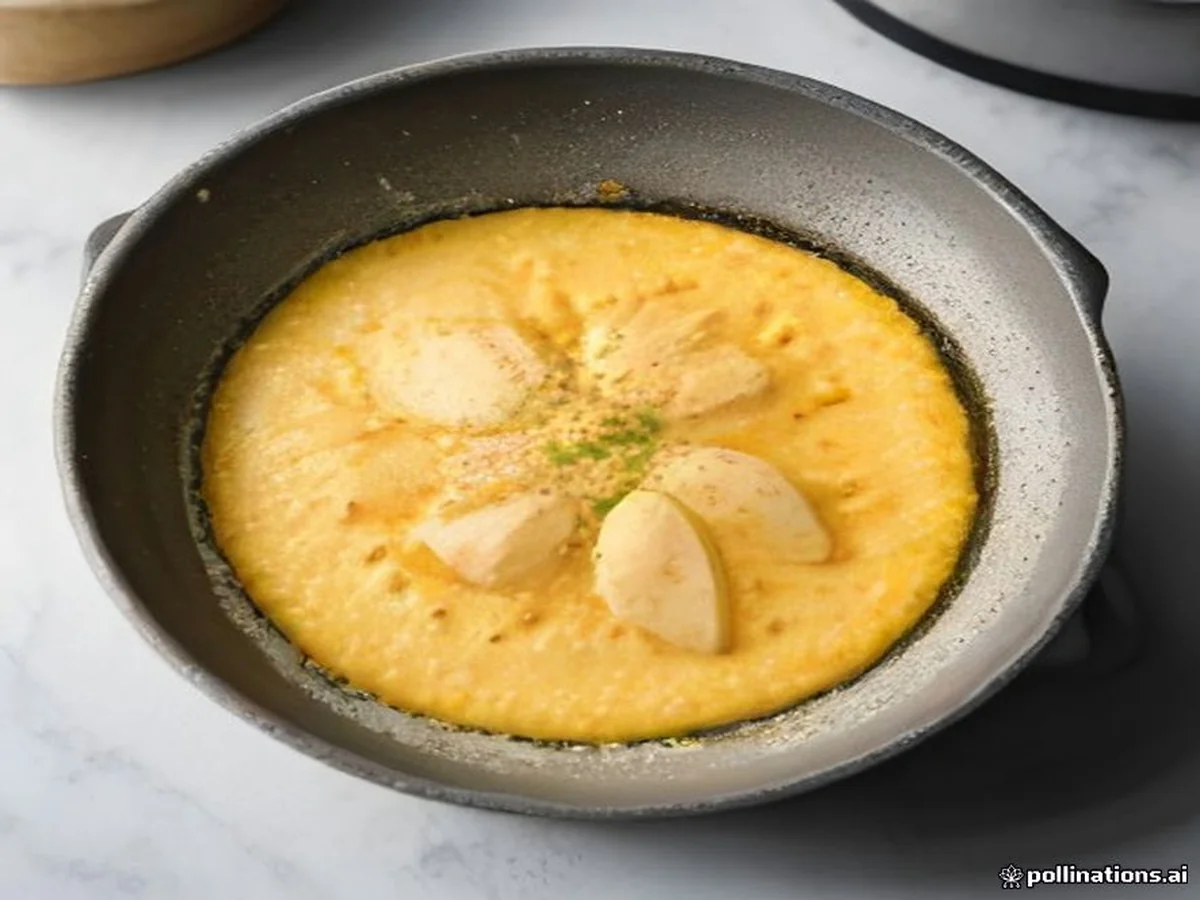
Preparing a consistent creamy garlic butter chicken relies on mastering the foundational steps of searing and sauce development. To begin, many home cooks find that lightly dredging chicken breast in flour provides a superior, crisp texture on the exterior. This technique also serves a functional purpose, as the residual flour helps thicken your sauce as it simmers in the pan.
Mastering the Sear and Deglazing
For the best results, cook the chicken in a skillet over medium-high heat. This temperature range is widely recommended for achieving a deep, golden finish while ensuring the meat is cooked throughout. Always verify that your chicken has reached the minimum internal temperature standards recommended by the USDA to ensure food safety. Once the chicken is removed from the pan, you must deglaze the skillet with broth. According to the Institute of Culinary Education, deglazing the skillet with broth helps incorporate browned bits from the pan into the sauce. These flavorful remnants, known as fond, are essential for building the depth of your dish.
Building the Creamy Garlic Base
With the foundation set, you can incorporate your aromatics. A standard approach is using about six large garlic cloves, which equates to approximately two tablespoons when finely chopped. When building the sauce, heavy whipping cream is used to emulsify and thicken the garlic butter sauce, creating a smooth and rich final result. If you are looking for additional texture or flavor, low-moisture mozzarella is often recommended for the cheese component to ensure proper melting without causing the sauce to separate.
To maintain the quality of your creamy garlic butter chicken, keep these practical tips in mind:
- Dredge the chicken lightly in flour to improve both the exterior texture and the overall consistency of your sauce.
- Avoid overcrowding the skillet, as this can lower the pan temperature and prevent a proper sear.
- Deglaze the pan with broth immediately after removing the chicken to lift the flavorful browned bits.
- Add heavy whipping cream slowly, stirring consistently to achieve the signature creamy finish.
- If you have leftovers, reheat the dish gently over low heat to prevent the cream-based sauce from breaking or separating.
Perfecting Your Sauce Consistency
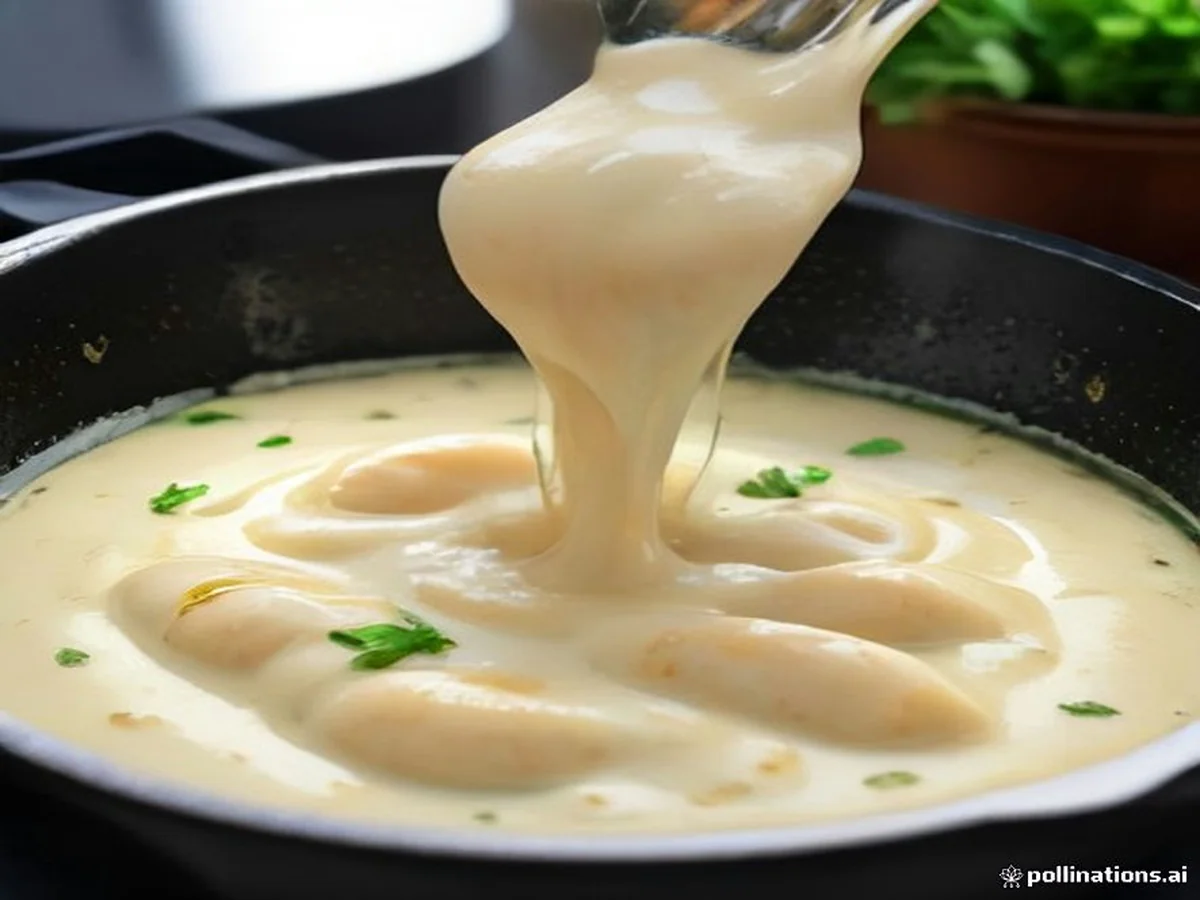
You can achieve the ideal texture for your pan sauce by combining flour, reduction, and the right emulsifying agents. Mastering these elements ensures your meal has a velvety finish that clings perfectly to the chicken.
Dredging your chicken breast in flour before searing is a common practice that helps build body in your sauce. As the chicken cooks, any residual flour left in the pan acts as a natural thickening agent when you add your liquid base. Deglazing the skillet with chicken broth further incorporates those browned bits from the pan, which adds depth and helps create a cohesive, thickened foundation for your dish.
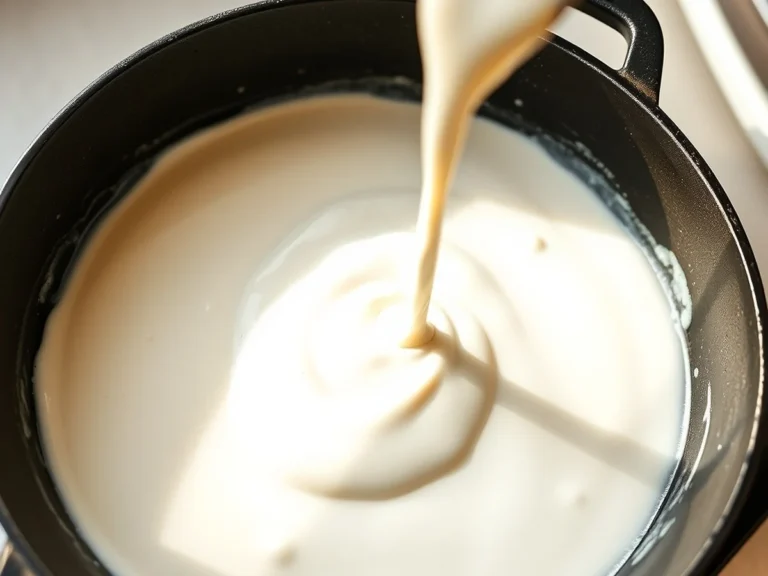
Heavy whipping cream is used to emulsify and thicken the garlic butter sauce. Because it contains a high percentage of milk fat, it acts as a stabilizer, binding the butter and juices together into a uniform, pourable consistency. Without this essential ingredient, the fat and liquid components might separate, resulting in a thin or oily texture.
Controlling your heat is vital to keep the sauce from breaking. Follow these practices to maintain a stable emulsion:
- Keep your burner at low to medium heat once the cream is added to prevent the sauce from boiling rapidly.
- Avoid over-reducing the liquid, as excessive heat can cause the fat to separate from the cream.
- Whisk the sauce constantly to ensure the butter and cream remain fully integrated.
- Remove the pan from the heat entirely if you notice the sauce beginning to look oily or thin at the edges.
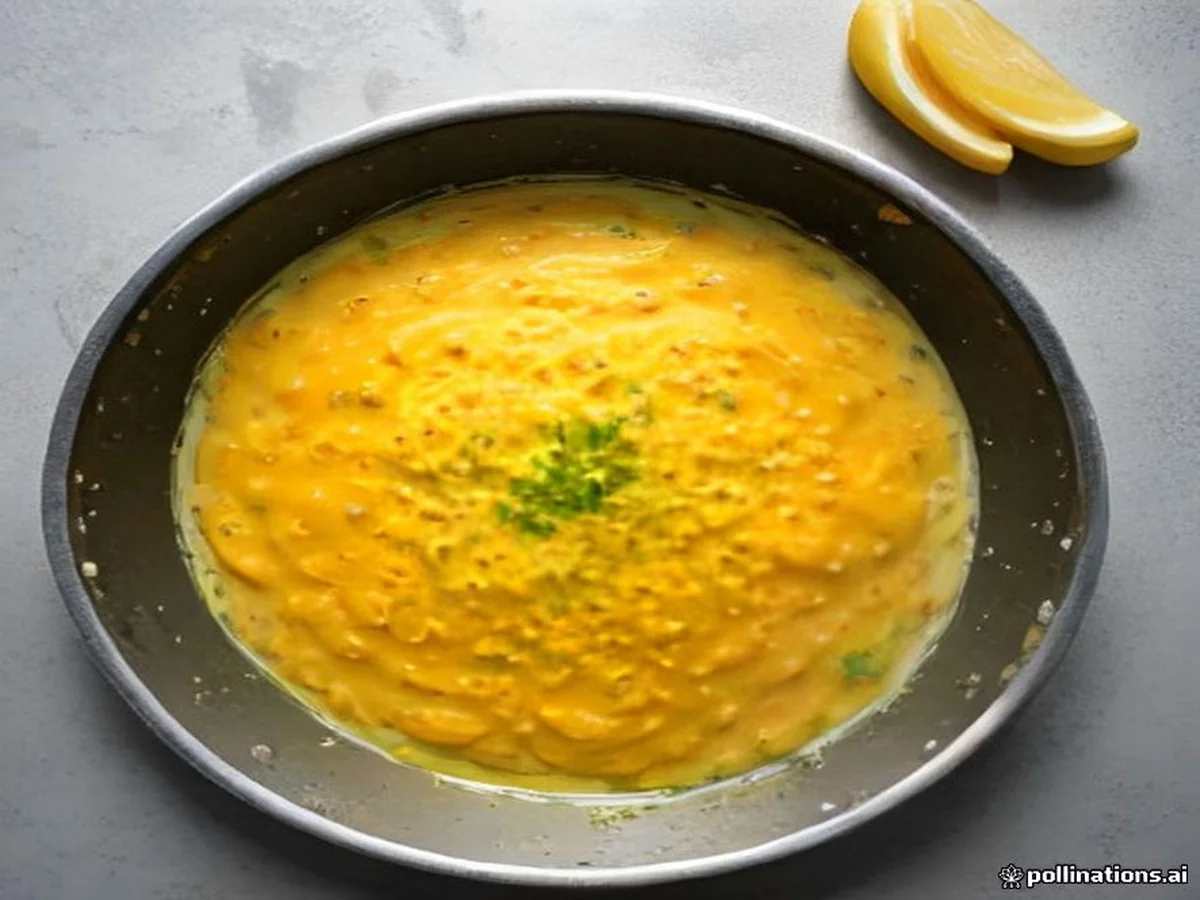
Applying gentle heat allows the proteins in the cream to thicken the mixture slowly without curdling. When you see the sauce coat the back of a spoon, it is ready to be served over your cooked protein. This steady approach prevents the common issue of the sauce splitting while you finish the final steps of your meal.
Flavor Variations and Additions
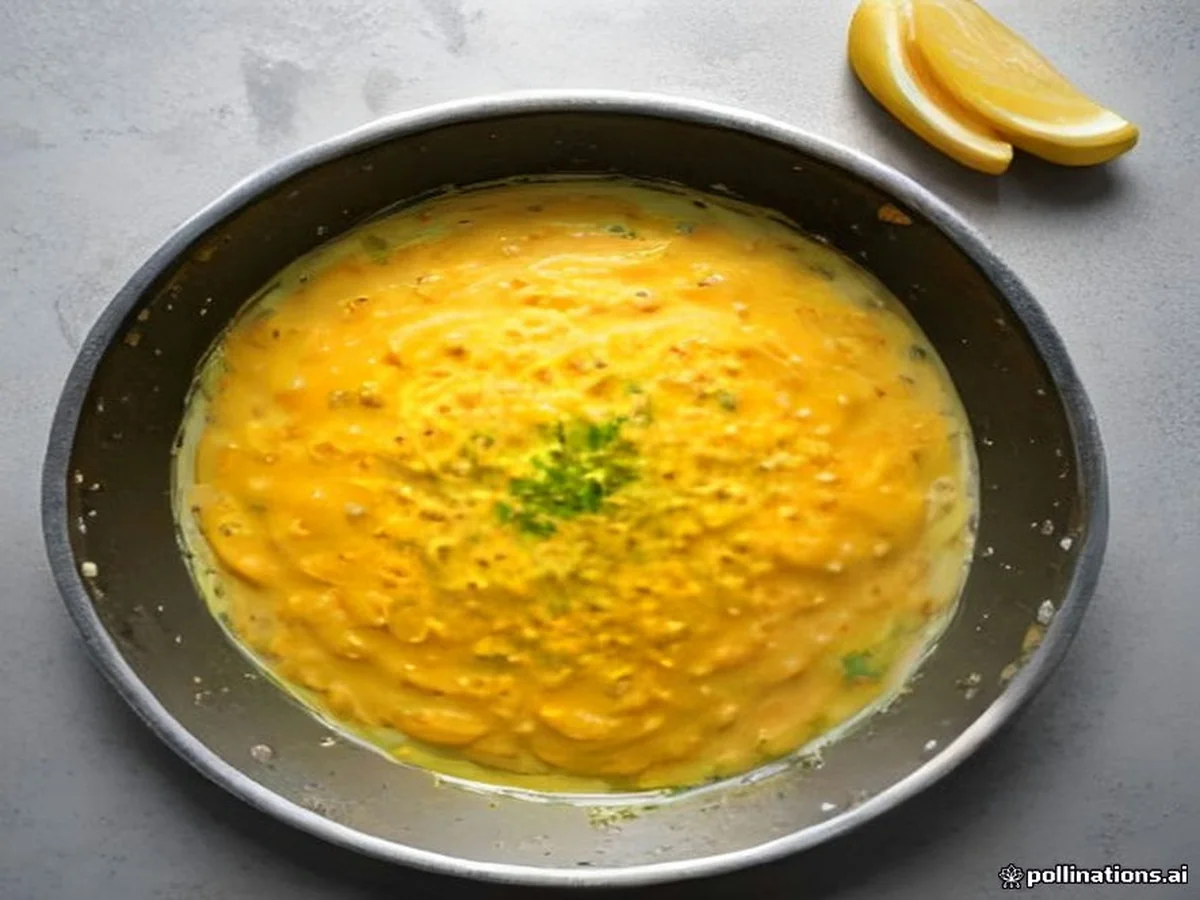
Customizing your creamy garlic butter chicken allows you to adjust the intensity of the garlic butter sauce for chicken to suit your personal palate. While the foundational recipe relies on a few key components, small additions can transform a standard chicken breast skillet recipe into a more complex meal. When crafting your sauce, heavy whipping cream is the reliable choice to emulsify and thicken the mixture, creating a stable base for additional aromatics or cheeses.
Enhancing Texture and Consistency
For those aiming to master the sauce texture, dredging your chicken in a light coating of flour before cooking is a common practice. This step serves two purposes: it promotes an even golden crust on the meat and provides a small amount of residual starch that aids in thickening the liquid base. If your sauce remains too thin, ensure you are deglazing the skillet with chicken broth. This technique is essential for scraping up the browned bits, known as fond, from the bottom of the pan, which deepens the overall flavor and helps the cream bind more effectively.
Cheese and Herb Pairings
Selecting the right cheese is crucial for a smooth result. It is standard practice to use low-moisture mozzarella when you want to achieve a consistent, stretchy melt without excess water affecting the emulsion. Alternatively, stirring in freshly grated parmesan cheese introduces a salty, umami note that cuts through the richness of the heavy cream. To maintain the best texture, always grate your cheese from a block. Pre-shredded varieties often contain anti-caking agents that prevent a smooth melt, potentially leading to a grainy sauce.
Incorporating Fresh Aromatics
Once your sauce reaches your desired thickness, finishing the dish with fresh herbs provides a necessary brightness. Finely chopped chives offer a mild onion flavor that complements the savoriness of the garlic cloves. If you prefer a more vibrant profile, adding a squeeze of fresh lemon juice just before serving creates a clean contrast to the heavy dairy. When working with baby spinach or delicate herbs, stir them in at the very end of the cooking process. This preserves their color and prevents them from wilting into an unappealing texture. Remember that maintaining high quality in your additions ensures the final dish remains balanced and appetizing.
Storing Creamy Garlic Chicken Leftovers
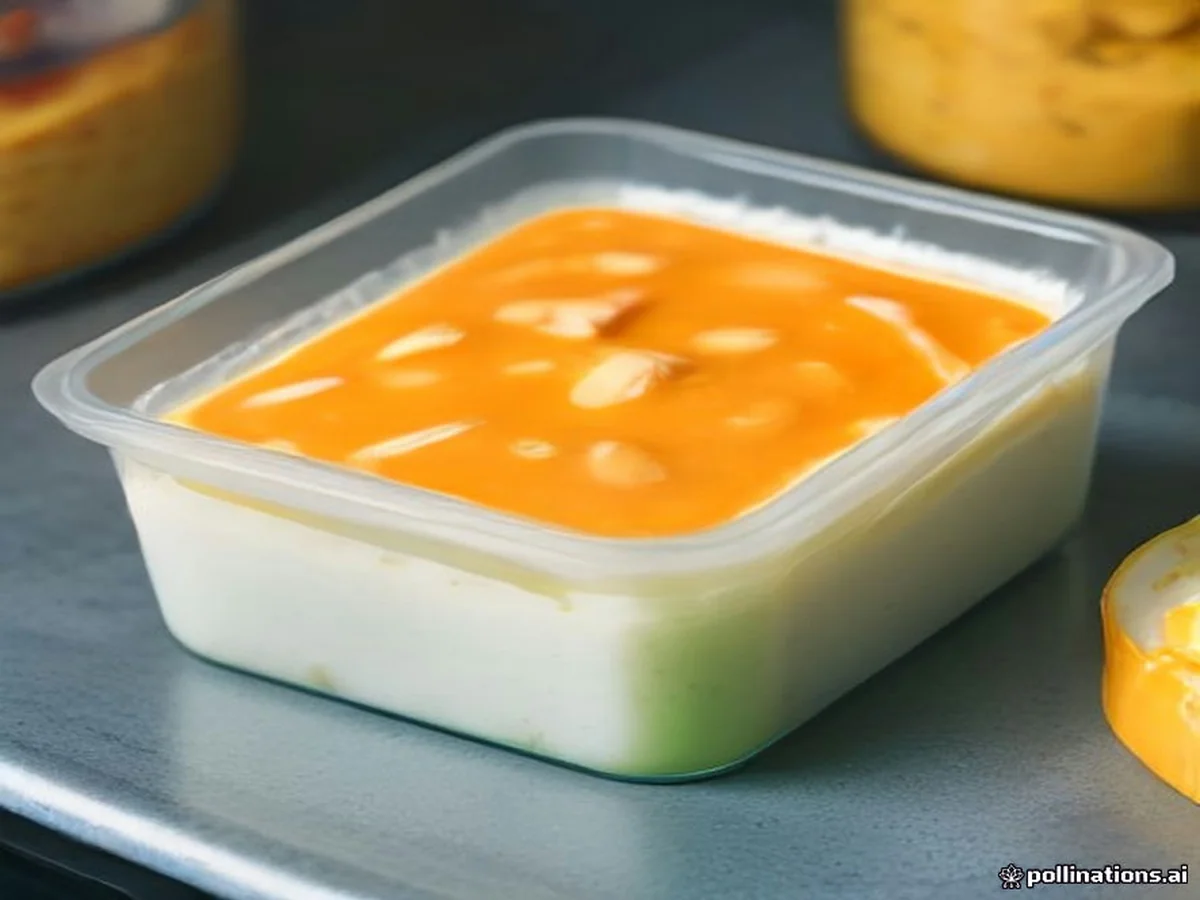
Properly managing leftovers is essential for maintaining the quality and safety of your creamy garlic butter chicken. Store any remaining portions in an airtight container in the refrigerator for up to three days. Before sealing the container, ensure the dish has cooled to room temperature, but never leave it out on the counter for longer than two hours. This timeframe is critical for preventing bacterial growth, as recommended by the USDA.
Always verify that your chicken has reached an internal temperature of 165 degrees Fahrenheit during the initial cooking process to ensure it is safe for consumption and later storage.
Handling the Dairy-Based Sauce
The primary challenge when storing and reheating this meal lies in the sauce. Heavy whipping cream is used to emulsify and thicken the garlic butter sauce, creating a smooth texture that can be sensitive to temperature fluctuations. Because this emulsion is delicate, the sauce may appear to separate or become grainy if reheated too quickly or at an excessively high temperature.
Avoiding the freezer is generally recommended for this dish. Dairy proteins often lose their integrity during the thawing process, which can lead to a watery consistency that no longer coats the chicken effectively.
Best Practices for Reheating
To restore your meal to its original, creamy state, use a gentle approach that prioritizes even heat distribution. If you are reheating on the stovetop, use a low heat setting and stir the mixture constantly. This constant motion helps re-emulsify the sauce. If the sauce has thickened too much in the refrigerator, add a small splash of chicken broth or water to the pan to loosen the consistency without losing flavor.
If you prefer using a microwave, heat the dish in short, controlled intervals at reduced power. Stir the chicken thoroughly between each cycle to prevent hot spots and ensure the sauce warms evenly. By focusing on low and slow heat, you can maintain the quality of the garlic butter sauce for your next meal.
Dietary Swaps for Creamy Garlic Butter Chicken
Adapting this dish for specific dietary needs is straightforward when you understand how to maintain the structure of the sauce. Whether you are avoiding gluten or dairy, the goal remains to achieve a balanced, rich consistency that mimics the original flavor profile. By focusing on how ingredients like heavy cream and flour contribute to the final dish, you can make effective substitutions without sacrificing quality.
| Ingredient | Gluten-Free Alternative | Dairy-Free Alternative |
|---|---|---|
| Flour Dredge | Cornstarch or arrowroot powder | Not applicable |
| Heavy Cream | Not applicable | Full-fat canned coconut milk |
| Butter | Not applicable | Olive oil or vegan butter |
When preparing the chicken, standard practice often involves dredging pieces in flour to aid in browning and to help thicken the sauce later. For a gluten-free approach, cornstarch or arrowroot powder serves as a reliable alternative that creates a similar crust. If you are preparing this for someone with a dairy allergy, swap butter for olive oil or a plant-based alternative during the initial searing process.
The biggest challenge often lies in the garlic butter sauce itself. Heavy whipping cream is used to emulsify and thicken the garlic butter sauce, so removing it requires a careful substitute. Full-fat canned coconut milk provides a similar mouthfeel and viscosity. Because plant-based thickeners can behave differently than dairy, add them gradually while whisking to control the thickness. A common mistake is adding all the liquid at once, which can prevent the sauce from properly emulsifying with the pan juices.
To compensate for the absence of dairy, focus on building flavor through other components. Deglazing the skillet with broth is a critical step, as it helps incorporate browned bits from the pan into the sauce, adding depth that might otherwise be missing. Additionally, increasing the use of fresh herbs or adding a splash of lemon juice after deglazing can brighten the dish, ensuring the final result remains savory and complex regardless of your dietary adjustments.
Fixing Creamy Garlic Chicken Issues
Achieving a professional result with creamy garlic butter chicken relies on controlling skillet temperatures and understanding ingredient interactions. When you manage the heat and timing, you ensure the protein remains succulent while the sauce maintains a smooth, stable consistency.
Managing Protein and Sear
A common hurdle in any chicken breast skillet recipe is preventing the meat from becoming tough. Cooking your chicken over medium-high heat until golden brown is typical practice, but timing is critical. Once the chicken reaches the recommended internal temperature of 165 degrees Fahrenheit as defined by the USDA, remove it from the pan immediately. Dredging your chicken pieces in a light coating of flour before they hit the pan is a typical practice that aids in browning and naturally assists in thickening your pan sauce later in the process.
Mastering the Sauce Texture
To ensure your sauce is rich and clings to the protein, start by deglazing the skillet with a splash of chicken broth. According to the Institute of Culinary Education, this technique is verified to incorporate the flavorful browned bits left in the pan directly into your sauce base. For the creamy component, heavy whipping cream is used to emulsify and thicken the sauce. The Culinary Institute of America notes that heavy whipping cream provides the necessary fat content to keep the texture stable and smooth without splitting. To ensure your sauce remains consistent, keep your heat at a gentle simmer once the cream is added. Boiling the mixture aggressively can cause the fats to separate, ruining the emulsion.
Aromatic Balance
Garlic is the foundation of this dish, yet it is easy to burn. Typical guidance suggests using approximately 6 large cloves, or about 2 tablespoons when finely chopped. Add your minced garlic toward the end of the cooking process or over low heat. This ensures the cloves soften and release their aromatic oils without turning bitter. If you choose to add a cheese component, such as low-moisture mozzarella, incorporate it slowly over low heat to ensure proper melting and a smooth finish.
FAQ
How do you make creamy garlic butter chicken?
To prepare this dish, cook seasoned chicken in a skillet over medium-high heat until it reaches a golden brown color. Once the meat is finished, use chicken broth to deglaze the skillet and incorporate the flavorful browned bits into your garlic butter sauce.
What ingredients are needed for a creamy garlic sauce?
The foundation of this sauce relies on aromatics like finely chopped garlic, typically using about six large cloves for a robust flavor. Heavy whipping cream is used as the primary agent to emulsify the mixture and provide a rich, thick texture.
How can you achieve a thick consistency in the sauce?
A common practice among home cooks is to dredge the chicken breast in flour before searing, which helps create a thicker sauce as the proteins cook. You can further refine the consistency by simmering the heavy cream until it reduces slightly and coats the back of a spoon.
Should I use mozzarella or parmesan in the sauce?
While both work well, low-moisture mozzarella is often recommended for its superior melting qualities if you want a stretchy cheese pull. Parmesan cheese is frequently added as a secondary ingredient to provide a deeper, saltier flavor profile to the finished dish.
What is the safest way to cook chicken breast?
According to the USDA, you should always verify that your chicken has reached an internal temperature of 165 degrees Fahrenheit to ensure it is cooked safely. Using a meat thermometer is the most accurate way to check for doneness without overcooking the meat.
Can I store creamy garlic butter chicken leftovers?
You can store leftovers in an airtight container in the refrigerator for up to three days, though cream-based sauces may separate when reheated. To keep the texture smooth, warm the dish gently over low heat on the stove, stirring continuously to prevent the sauce from breaking.
Conclusion
The final step in perfecting your meal is to ensure the chicken is cooked to reach the proper internal temperature standards set by the USDA. Once your sauce has reached a velvety consistency, you are ready to serve this skillet meal immediately while hot. If you have leftovers, store them in an airtight container and reheat gently over low heat to prevent the sauce from separating. Now that you have the techniques for a balanced, flavorful pan sauce, you can confidently prepare this dish for a quick weeknight dinner.
Sources: ciachef.edu, ice.edu
You might also like: Cheesy Garlic Chicken Potato Bake