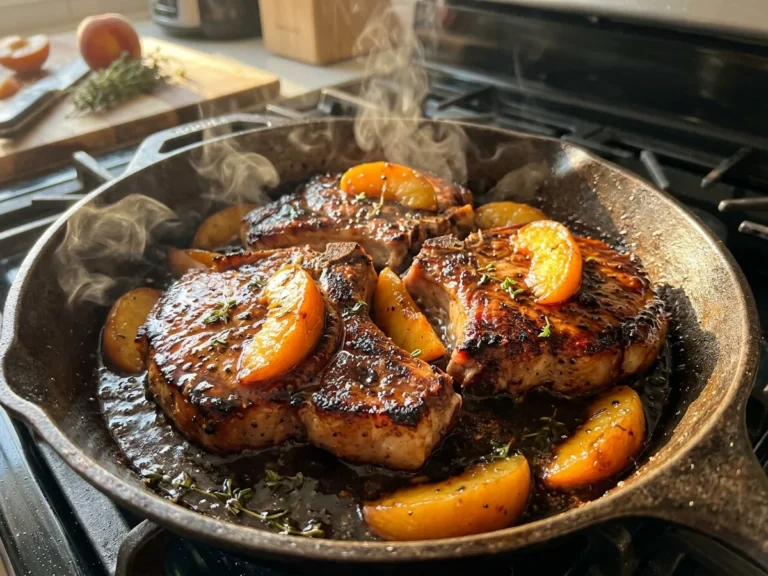

Chicken Bacon Ranch Skillet Dinner
Introduction to the Chicken Bacon Ranch Skillet
A chicken bacon ranch skillet is a quick one pan meal designed for busy families who need a dependable weeknight dinner without the heavy cleanup. You can pull this comforting dish together using simple ingredients that combine savory poultry, crispy cured pork, aromatic herbs, and melted cheese into one cohesive meal.
Expect straightforward preparation steps and minimal cookware when tackling this recipe at home. The single pan approach keeps weeknight cooking efficient so you spend less time scrubbing dishes and more time enjoying the meal.
Chicken Bacon Ranch Ingredients
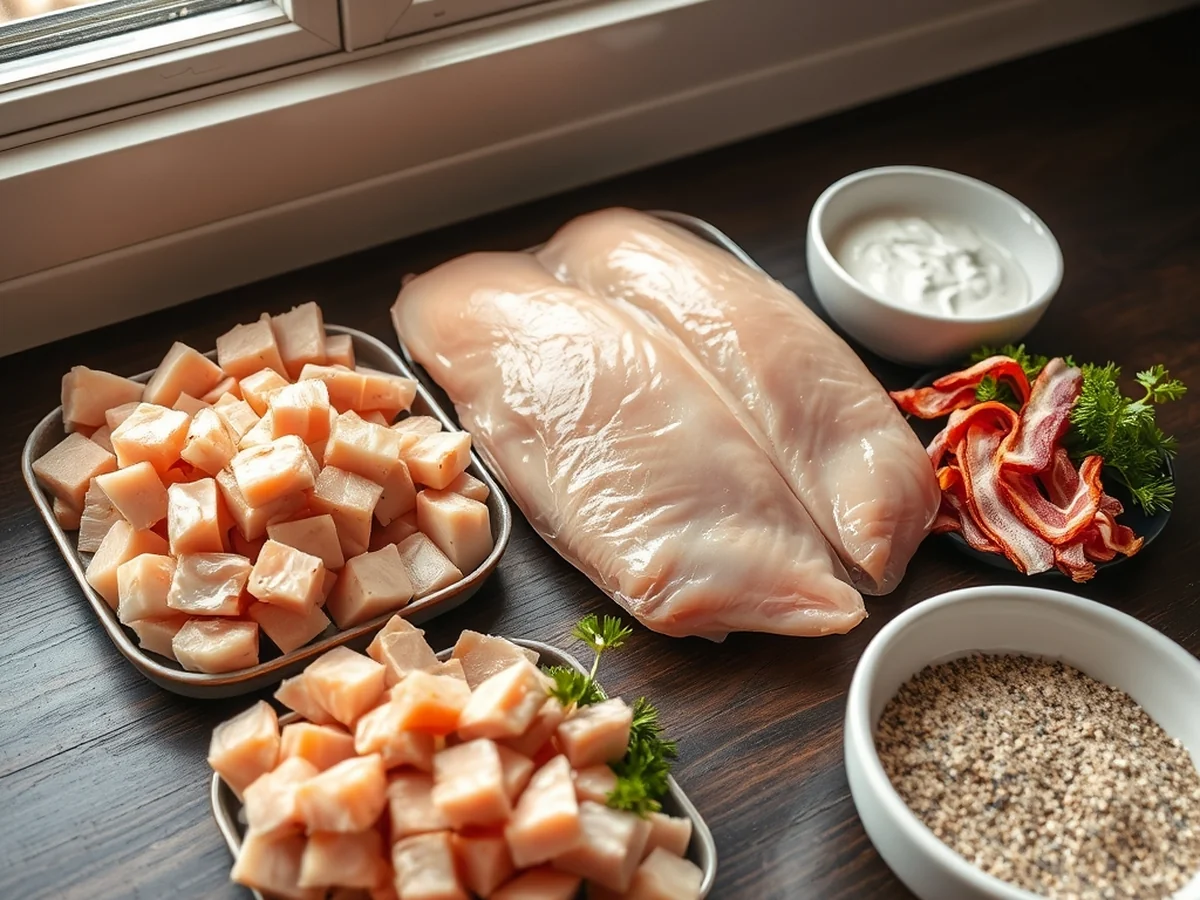
Preparing a flavorful chicken bacon ranch skillet relies on selecting quality components that bring texture, moisture, and bold flavor to a single pan. Organizing the ingredients ahead of time ensures a smooth cooking process, keeping dinner stress low for busy weeknights.
Here are the core items required for this dish:
- Chicken breast provides a lean and reliable source of protein to keep the meal filling and satisfying.
- Bacon adds a smoky crunch and a distinct savory taste that defines the dish.
- Hidden Valley Ranch seasoning packets infuse the sauce with an easy blend of herbs and spices.
- Heavy cream creates a smooth and rich base for the sauce when heated in a cast iron skillet.
- Cheddar cheese melts into the warm sauce to deliver a sharp and comforting finish.
Selecting fresh poultry ensures the meat stays tender while cooking. Trimming excess fat helps maintain a clean flavor profile before you dice the meat into bite-sized pieces for even cooking.
Crispy bacon brings a necessary textural contrast to the soft elements of the meal. Cooking the strips until they are fully crunchy allows you to crumble them easily over the top later, ensuring the smoky flavor distributes evenly.
Dry seasoning packets simplify flavor development without requiring numerous separate spice jars. The herbal blend complements both the poultry and the smoky meat seamlessly.
Heavy cream introduces the necessary moisture to keep the meat from drying out during simmering. It thickens naturally as it reduces with the other pan juices, creating a velvety texture for a rich, warm meal.
Cheddar cheese ties the whole flavor profile together with a sharp, savory punch. Grating a block of cheese by hand rather than using pre-bagged varieties ensures it melts smoothly into the warm sauce without clumping.
A common mistake when gathering components for this recipe is skipping the prep step of cutting everything to uniform sizes. Ensuring the meat pieces are similar in size helps them cook at the exact same rate. Another frequent error is using pre-shredded cheese coated in anti-caking agents, which prevents a smooth melt in the pan. Taking a few extra moments to prep fresh items guarantees a rich, well-blended sauce every time.
Best Skillet For Cooking

Why skillet material matters for the pan you choose
When you aim for a quick, comforting chicken bacon ranch skillet, the pan you choose controls the entire cooking sequence. Heavy cookware, such as a cast iron skillet, holds heat longer than thin aluminum or non-stick pans. This thermal mass keeps the surface hot while you add cold ingredients like chicken breast, bacon, or a splash of heavy cream. The result is a steady sear that locks in juices and creates the caramelized crust that defines a good meal. A pan that cools quickly can cause the meat to release water, turning the first stage into steaming rather than browning, which reduces flavor development.
Practical steps for a flawless meal
- Preheat gradually. Place the skillet over medium heat and let it warm for three to four minutes. You should be able to hold your hand a few inches above the surface and feel consistent warmth.
- Add fat before protein. Render the bacon first, because the rendered fat becomes the cooking medium for the chicken. This adds smoky depth without needing extra oil.
- Sear the chicken in batches. Pat chicken breast pieces dry, season, and lay them away from each other. Overcrowding drops the pan temperature and prevents a golden crust.
- Deglaze if needed. After the chicken is browned, you may add a splash of broth or water to lift the browned bits. This creates a base for the creamy sauce.
- Incorporate dairy at low heat. Stir in shredded cheddar cheese, heavy cream, or a cheese block once the pan is off the high flame. Lower heat stops the dairy from separating.
- Finish with ranch flavor. Mix in a dollop of Hidden Valley Ranch or a homemade ranch blend, then taste and adjust seasoning.
- Rest before serving. Remove the skillet from the burner and let the dish sit for a couple of minutes. The residual heat finishes cooking any remaining vegetables and allows the sauce to thicken.
Common mistakes and how to avoid them
- Using a thin non-stick pan. These pans lose heat quickly, leading to soggy chicken and uneven cheese melt.
- Skipping the bacon render step. Without the rendered fat, the chicken may stick and miss the smoky flavor that balances the ranch creaminess.
- Adding cheese too early. High heat can cause cheese to seize, creating a grainy texture instead of a smooth sauce.
- Neglecting pan maintenance. Cast iron should be cleaned with warm water, dried on low heat, and lightly seasoned after each use to keep its non-stick properties.
This guidance applies to busy families who need a one-pan solution, as well as to home cooks who enjoy a hearty, protein-rich dinner without multiple dishes. Whether you are preparing an easy meal for a weeknight or a creamy dinner for a weekend treat, the same principles of heat retention, proper sequencing, and gentle dairy handling hold true.
Quick FAQ
| Question | Answer |
|---|---|
| Can I use a stainless-steel skillet? | Yes, but it will not retain heat as long as cast iron, so you may need to keep the burner on a slightly higher setting. |
| Is it okay to add vegetables? | Vegetables such as broccoli or bell pepper can be sautéed after the bacon and before the chicken, as they will benefit from the same heat. |
| How do I keep the skillet from sticking? | Season the cast iron regularly and avoid abrasive soaps, keeping a light coat of oil after each wash to maintain the surface. |
By selecting a heavy skillet, following the step-by-step heat management plan, and steering clear of common pitfalls, you set the stage for a consistently tasty chicken bacon ranch skillet. The result is a protein-packed, creamy, and savory dish that lives up to the promise of high-protein, zero-stress dinner that One Pan aims to deliver.
How to Cook Chicken Bacon Ranch

Mastering a quick weeknight dinner starts by understanding the method behind a great one‑pan meal. Cooking this recipe relies on a single vessel approach, which keeps cleanup to a minimum while building layers of rich flavor. Busy families and home cooks benefit from keeping the entire cooking process in one pan, reducing kitchen cleanup time significantly after a long day. Managing your heat correctly at every stage ensures the meat stays tender and the sauce achieves a smooth, velvety consistency without splitting.
Rendering the Bacon and Building the Flavor Base
Begin by rendering the bacon properly. Placing the strips into a cold cast iron skillet and bringing the temperature up slowly allows the fat to melt out evenly before the meat burns. Once the bacon turns deeply crisp, remove it with a slotted spoon, but leave the savory drippings behind to build the base of the dish. This technique infuses the entire meal with rich flavor and creates the foundation for an easy skillet.
Leaving the rendered fat in the skillet does more than just prevent sticking. It acts as the primary cooking medium for the protein, transferring savory notes directly into every piece that touches the surface. Rushing this step by using high heat immediately will cause the bacon to burn on the outside while remaining limp in the center, so patience pays off with better rendering.
Searing the Chicken to Lock in Juices
Next, prepare your chicken breast by cutting it into bite‑sized pieces and adding basic seasonings. Sear the chunks directly in the hot bacon drippings over medium‑high heat. Turning the pieces occasionally helps develop a golden‑brown exterior while locking in natural juices so the meat does not dry out. A common mistake here is overcrowding the pan, which causes the meat to steam rather than sear.
If you add too many pieces at once, the temperature drops and moisture releases too quickly. Working in batches prevents this issue and guarantees an even, appetizing crust on the protein. This attention to detail transforms basic weeknight ingredients into a satisfying, high‑protein meal that delivers on texture and taste.
Creating the Creamy Sauce and Finishing the Dish
To finish, return the crisp bacon to the pan with the cooked meat. Pour in heavy cream, add cheddar cheese or a melt‑friendly cheese such as Velveeta, and sprinkle in ranch seasoning, often using a trusted blend like Hidden Valley Ranch. Stir gently over low heat until the sauce bubbles and coats every piece evenly. This final step brings all the elements together into a comforting meal, perfect for an easy weeknight dinner alongside a chicken bacon ranch potato bowl.
Controlling the heat during this stage prevents the dairy from separating or scorching. Keeping the burner on low allows the sauce to thicken naturally as it combines with the remaining pan drippings and seasonings, resulting in a smooth finish that ties the whole recipe together seamlessly.
Making Creamy Ranch Sauce

Building a velvety sauce starts by incorporating heavy cream directly into the pan juices, which creates a smooth foundation for the dish. This liquid reduces gently over medium heat to achieve the right consistency without complicating the cooking process. When preparing a flavorful one pan dinner featuring poultry and bacon, managing your heat levels correctly is the single most important step for preventing dairy from splitting or scorching on the bottom of a cast iron skillet.
Stirring in dry seasoning packets, such as classic Hidden Valley Ranch, infuses the liquid with bold herbal notes that define the comforting flavor profile. Whisking continuously helps the spices dissolve evenly so every bite tastes balanced and flavorful. If you want to incorporate extra richness, adding a touch of cream cheese or even melting processed cheese into the mix provides a luxuriously thick texture.
Melting shredded cheddar cheese into the mixture thickens the liquid further while adding a rich, savory depth. This step ties the chicken breast, crispy bacon, and dairy elements together into a cohesive meal that satisfies busy families looking for simple weeknight comfort food. For home cooks experimenting with variations, this same rich sauce works wonderfully when adapting the recipe into a hearty chicken bacon ranch potato bowl.
A common mistake when making this sauce is boiling the dairy too aggressively, which ruins the texture and causes the fats to separate. To avoid this pitfall, always reduce the heat to a gentle simmer after pouring in the heavy cream. Home cooks can easily control the final thickness by simmering the mixture for a few extra minutes until it coats the back of a spoon cleanly. Maintaining steady, moderate heat ensures a smooth finish every single time.
Dairy-Free Ranch Options
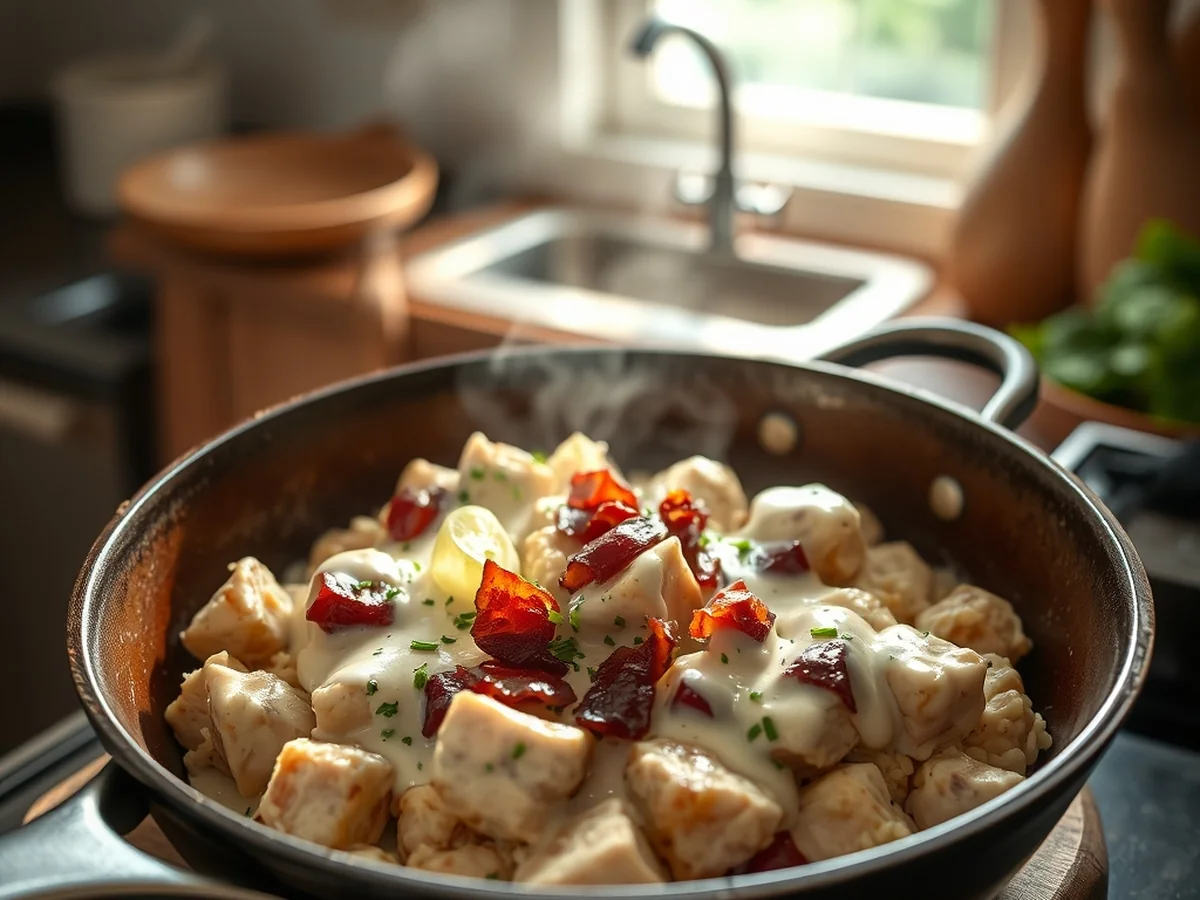
Preparing a flavorful meal like a warm poultry and bacon dinner without traditional dairy requires careful ingredient choices to recreate that comforting and rich texture. Standard recipes often rely on heavy cream or cheddar cheese, but plant-based alternatives can deliver similarly satisfying results when managed correctly in a single pan. Home cooks and busy families often seek these adaptations to accommodate dietary needs while keeping weeknight dinner simple and comforting.
Choosing Plant-Based Bases
Cashew cream serves as a naturally thick base for a dairy-free sauce. Blending soaked nuts with water creates a smooth liquid that simmers well in a hot pan without separating. This option yields a velvety consistency that coats chicken breast and other ingredients evenly.
Coconut cream offers another rich alternative, though it brings a distinct flavor profile that pairs well with savory bacon and seasoned poultry. Using full-fat canned coconut milk prevents the sauce from breaking down into an oily texture during cooking. Balancing this ingredient with herbs and garlic helps keep the ranch flavor prominent.
Using Binders and Thickeners
Lighter plant-based milk options, such as almond or oat milk, work effectively if they are unsweetened and unflavored. Because these liquids lack natural thickness, they require a binder such as cornstarch or arrowroot powder to achieve the clingy sauce quality expected in a hearty meal. Whisking the starch thoroughly before heating prevents lumps from forming in the skillet.
Nutritional yeast provides a savory depth that mimics the sharpness of cheddar cheese without using dairy. Stirring this flaky ingredient directly into the warm sauce enhances the overall flavor profile.
Managing Cooking Temperatures
Adjusting the cooking temperature to a low and steady heat keeps plant-based dairy substitutes stable while the flavors meld together. A common mistake involves boiling dairy-free sauces too aggressively, which can lead to curdling or separation in a hot cast iron skillet. Maintaining a gentle simmer ensures a smooth finish for your meal, allowing you to enjoy a rich poultry and bacon pan meal without traditional dairy components.
Adding Potatoes to Your Skillet
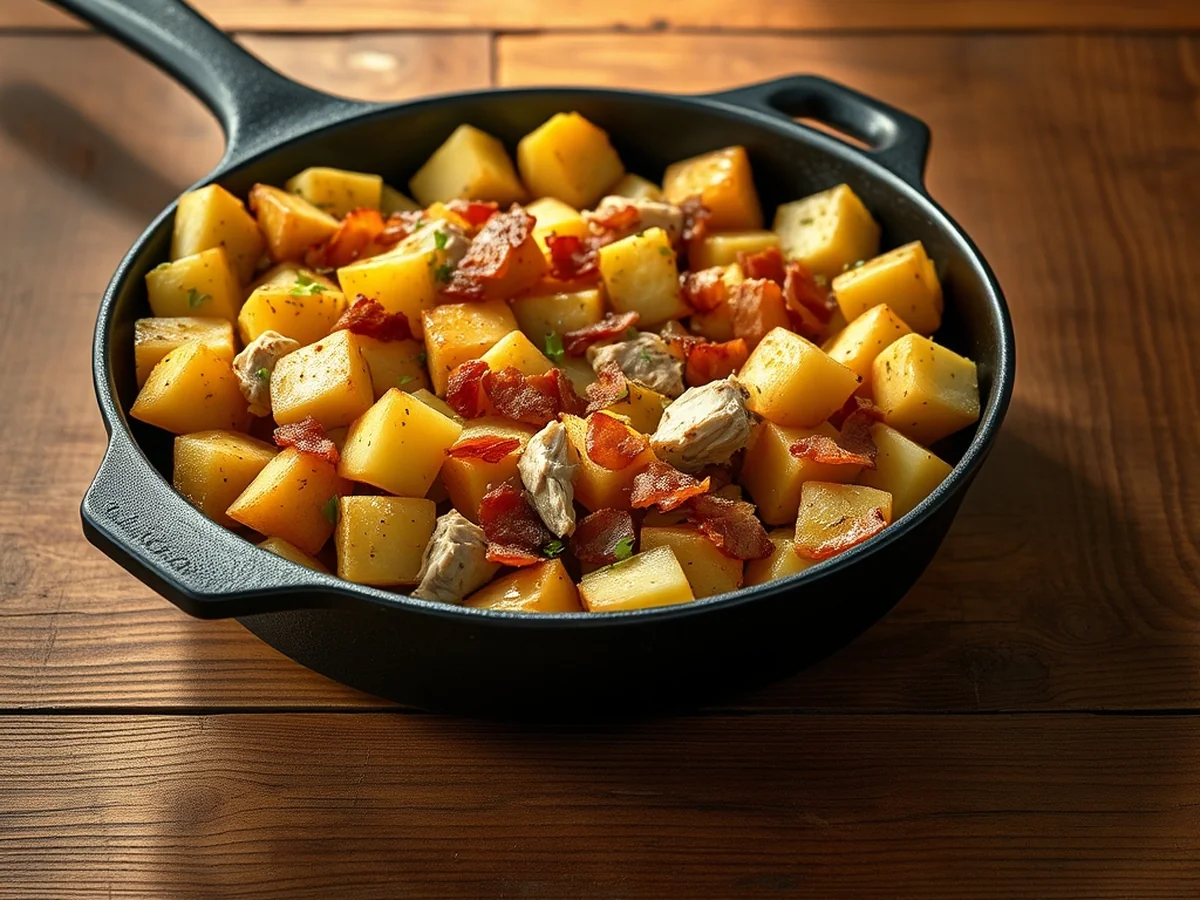
Potatoes transform a standard weeknight dinner into a filling potato base dish that keeps everyone at the table fully satisfied. Incorporating diced or roasted spuds directly into your cast iron skillet allows them to absorb rich cooking juices while building a hearty foundation for the rest of the ingredients. This approach elevates a simple chicken, bacon, and ranch pan meal into a complete comfort food experience that easily feeds a hungry family after a busy day.
Understanding why this method works comes down to how starches interact with pan drippings. Pre-cooking your potatoes slightly helps them soften before they join the chicken breast, bacon, and sauce in the pan. This practical step guarantees that every bite turns out tender rather than crunchy. Cooking them in the same pan allows the spuds to soak up smoky bacon grease and savoury seasonings, building incredible depth without requiring extra pots or complicated preparation steps.
Prepping and Cooking Techniques for the Best Texture
Layering the starches beneath the protein and cheese creates a wonderful texture contrast where crispy edges meet a soft interior. This careful arrangement mimics the comforting appeal of a loaded chicken bacon ranch potato bowl while streamlining your cooking process. Managing dinner in a single pan keeps cleanup minimal, which busy households appreciate when they want a quick, high protein meal without the extra kitchen mess. To achieve a delicious, one-pan weeknight dinner with ideal results, pay close attention to how your ingredients hit the heat.
Common Mistakes to Avoid in One-Pan Cooking
Home cooks should watch out for a few common mistakes when preparing this component. Overcrowding the pan prevents the potatoes from developing proper texture and can lead to uneven cooking. Another frequent pitfall is adding moisture too early, which makes the starch soggy instead of allowing it to brown nicely. To achieve the best results, give your spuds adequate space in the skillet and let them develop a golden exterior before introducing heavy cream, cheddar cheese, or Hidden Valley Ranch flavour packets.
When assembling a rich, single-pan chicken dinner with bacon and ranch or experimenting with additions like chicken bacon ranch skillet velveeta, timing is everything. Keep the heat steady and allow the starches to release their natural sugars into the pan drippings before pouring in dairy. This simple sequence ensures your meal maintains a rich, velvety consistency from the first serving to the last.
Frequently Asked Questions
How long does it take to cook this comforting stovetop dish?
Cooking this meal usually takes less than thirty minutes from start to finish on the stovetop. Searing the chicken breast first and then letting it simmer with the other ingredients ensures everything cooks through evenly.
Can I use different cheeses for this dish?
You can swap cheddar cheese for Monterey Jack or mozzarella depending on what is in your fridge. Each option melts smoothly into the heavy cream to create a rich sauce.
What can I substitute for heavy cream?
Half-and-half or whole milk works well if you want a lighter sauce for your one pan meal. You might need to add a small pat of butter to help thicken the sauce if you use lower fat dairy.
How should I store leftovers?
Store any leftover food in an airtight container in the refrigerator for up to three or four days. Let the food cool completely before sealing the container to maintain the best texture.
What is the best way to reheat leftovers?
Reheating works best in a skillet over medium-low heat with a splash of milk or water to restore the creamy sauce. You can also use the microwave in short intervals, stirring occasionally to heat the chicken evenly.
Can I make this meal dairy free?
You can use plant-based heavy cream and dairy-free cheese alternatives to accommodate dietary preferences. The cooking method stays the same, though you should check labels to ensure your Hidden Valley Ranch seasoning mix fits your dietary needs.
Conclusion and Final Dinner Tips
Making a quick one pan dinner saves precious time on busy weeknights while keeping cleanup to just a single pan. Home cooks can easily experiment with serving suggestions, such as pairing the meal with steamed vegetables or crusty bread to suit family preferences. Trying out this savory poultry dish brings comforting flavors to the table with minimal fuss. Enjoy the simplicity of a fast meal that leaves more time for evening relaxation.
You might also like: Crispy Buttermilk Chicken Sandwich Recipe