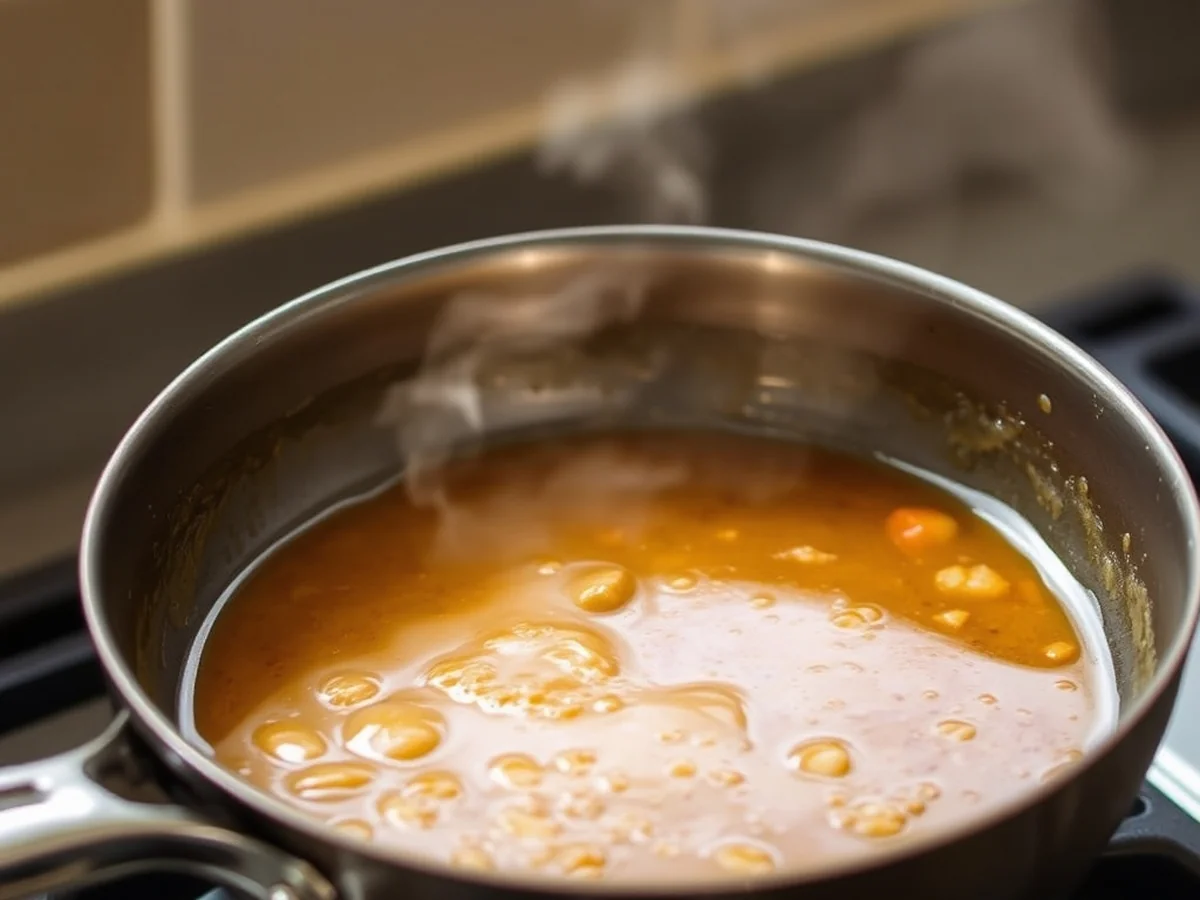
Honey Garlic Chicken Recipe
Introduction to Honey Garlic Chicken
Preparing a fast weeknight dinner focusing on high protein and zero dinner stress is simple when you make honey garlic chicken. This dish delivers a reliable protein source while keeping evening cooking routines straightforward and efficient.
You will achieve a rich balance of sweet honey and savory garlic in a thick glaze that clings naturally to the poultry. This guide sets realistic expectations for preparing a flavorful meal at home without complicated techniques, fancy equipment, or hard to find ingredients.
Essential Ingredients for Honey Garlic Chicken
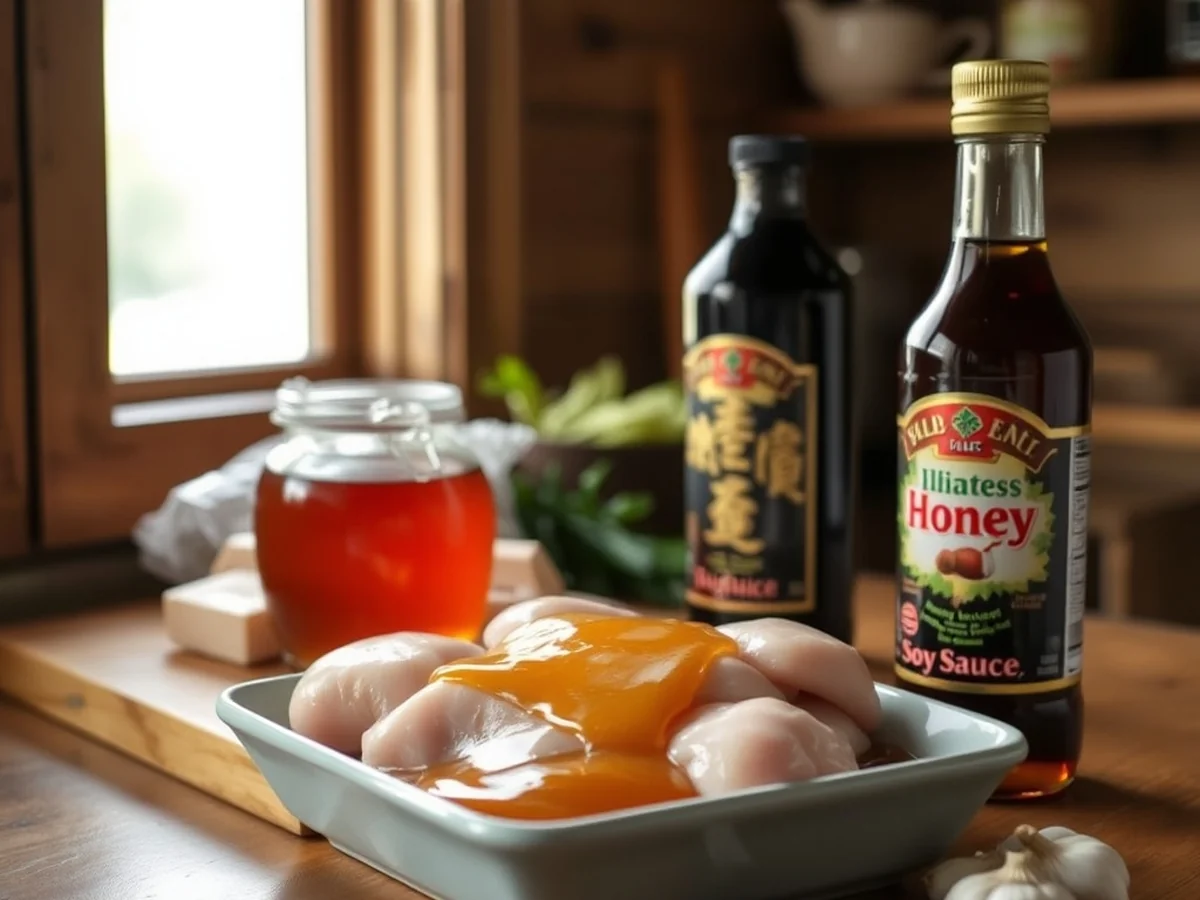
Making a successful skillet meal relies on a few key components you likely already have in your kitchen. Whether you prefer using chicken cutlets or poultry breasts, you will need a reliable protein base along with a handful of common pantry items to build the sweet and savory glaze. Gathering these items before you start cooking keeps the preparation process running smoothly and prevents you from scrambling mid-recipe during a busy weeknight.
Selecting Your Protein and Fats
Chicken cutlets or chicken breasts serve as the primary protein source for this quick dinner, offering a lean texture that absorbs flavors easily without needing heavy breading. When searing the poultry in a hot skillet, olive oil provides the necessary fat to achieve a golden, appealing exterior. Common culinary guidance often suggests finishing the pan juices with a small amount of unsalted butter to thicken the liquid and give the meal a rich mouthfeel.
Building the Glaze Sauce
The signature flavor profile relies on a simple combination of pantry staples that balance sweet and savory notes. Honey brings natural sweetness to create a glossy coating on the meat, while soy sauce counterbalances that sweetness with a deep umami flavor. To cut through the richness of the glaze, cooks typically add apple cider vinegar, rice wine vinegar, or white wine vinegar. Fresh garlic cloves deliver an aromatic punch that anchors the entire dish and ties the flavor components together.
Avoiding Common Prep Mistakes
Paying attention to ingredient selection prevents common kitchen mishaps. A frequent error during preparation is using salted butter instead of unsalted butter, which can make the finished glaze overly salty once the soy sauce reduces in the pan. Measuring your liquids ahead of time and mincing the garlic thoroughly ensures the mixture emulsifies correctly when it hits the hot skillet, resulting in a cohesive coating for your sticky honey garlic chicken.
Selecting Your Cut: Breasts Versus Thighs
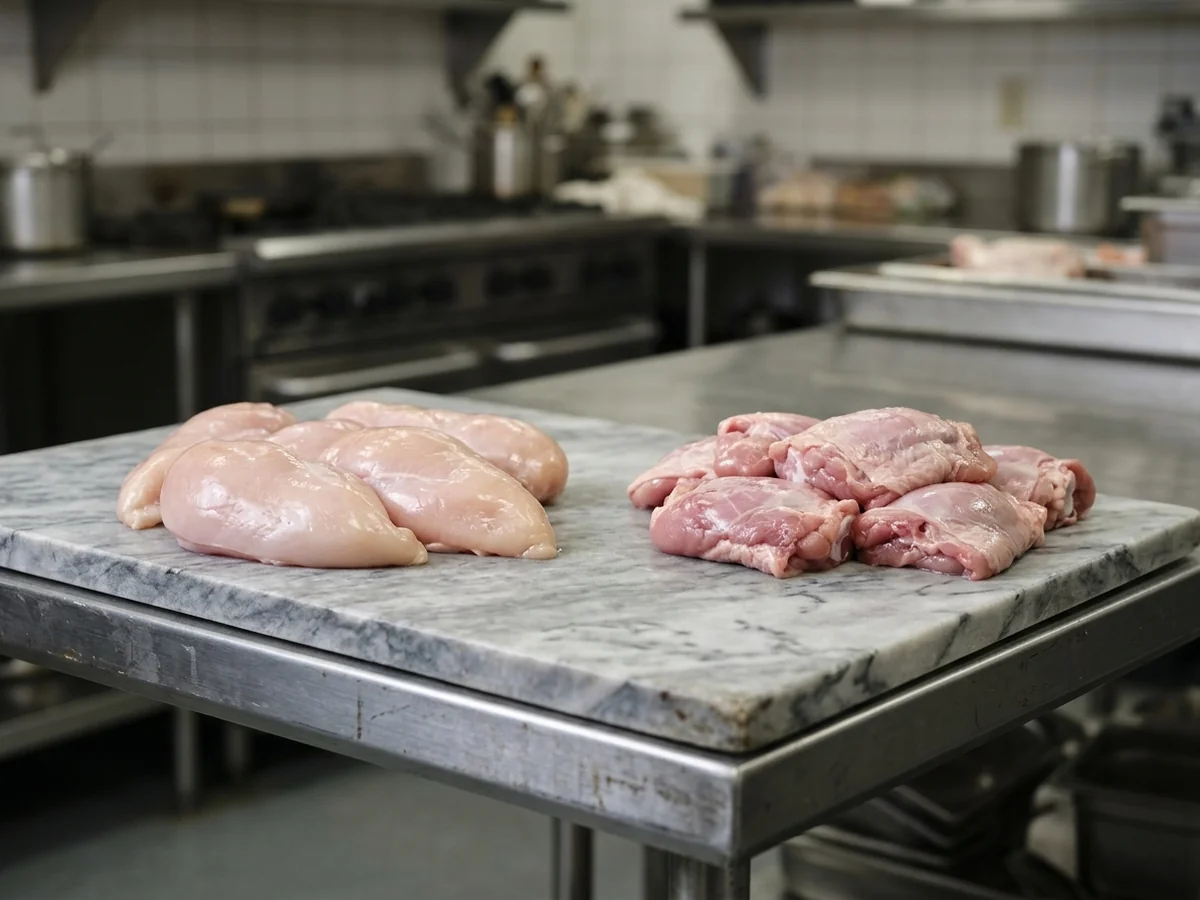
Choosing between chicken breasts and honey garlic chicken thighs comes down to personal preference for texture and how much cooking time you have available. Both cuts work well with the pan-searing method, but they behave differently once they hit the heat.
Chicken breasts offer a lean profile and cook quickly. They provide a tender bite when handled with care, but they dry out easily if left on the heat for too long. If you prefer a leaner meal and want dinner ready in minimal time, this cut is a strong option.
Thigh meat contains more natural fat and connective tissue, which helps keep the meat juicy during cooking. This extra fat content also makes the cut much more forgiving if you cook it a minute or two past the ideal point.
Texture differences dictate how the savory glaze clings to the meat. Breasts have a uniform, dense grain that coats evenly on the exterior, while darker meat yields a richer mouthfeel that balances the sweetness of the reduction.
When you prepare dark poultry pieces with a sweet soy glaze, the darker cut absorbs the rich flavors deeply as the sauce reduces in the pan. The surface area of the meat interacts with the honey and soy mixture to create a sticky coating that holds up well during high-heat pan frying.
Selecting your cut depends on your schedule and dietary goals. Breasts suit quick weeknight schedules where you want a lean protein source. Darker cuts fit home cooks who value juiciness and rich flavor above all else.
Mastering the Sticky Honey Garlic Chicken Sauce
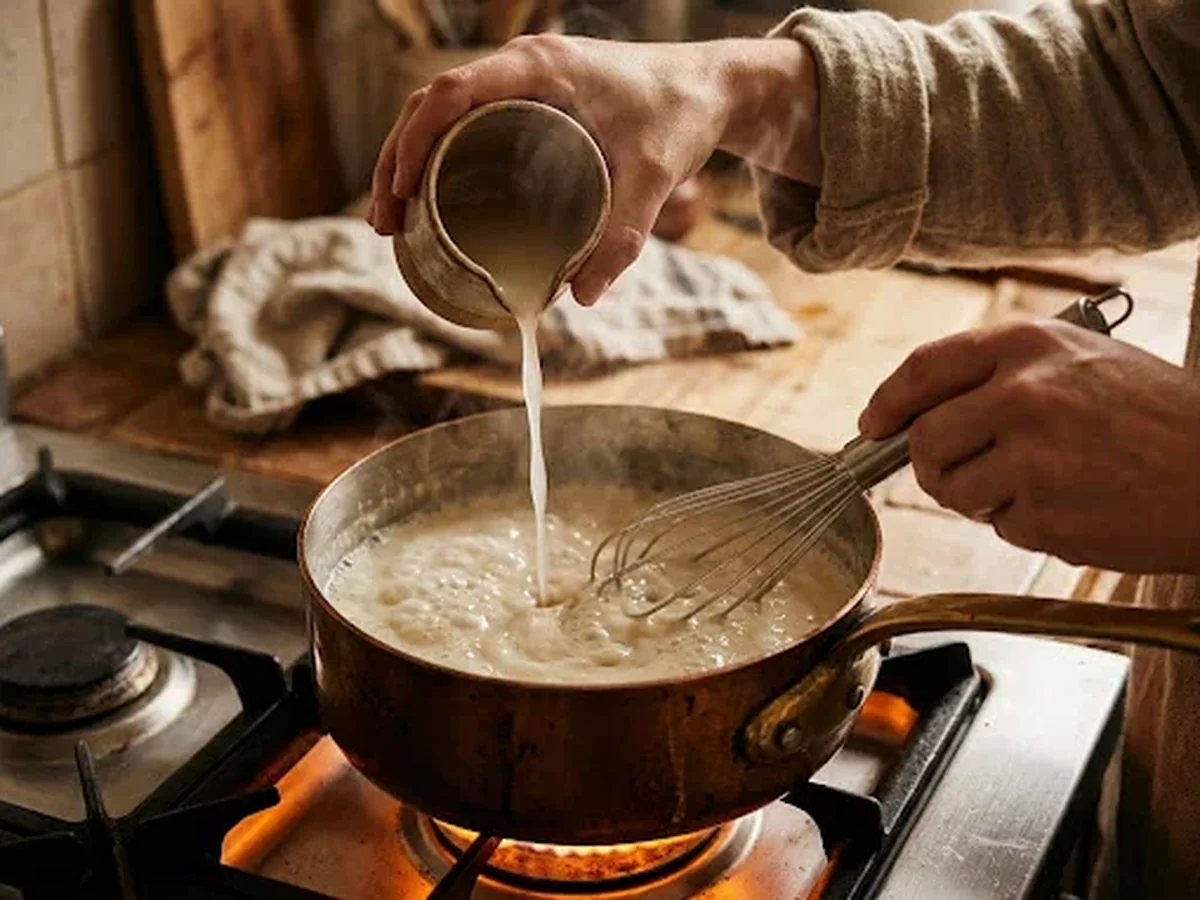
Creating a reliable glaze for honey garlic chicken requires whisking sweet honey, savory soy sauce, and vinegar together in a small bowl before cooking. This initial blending guarantees that the sugars and liquids integrate smoothly rather than separating in the hot pan. Proper integration prevents hot spots that can cause the sugars to burn before the savory elements have time to bond with the meat.
Getting the right consistency depends on balancing thick natural sweeteners with salty umami liquids and acidic vinegar. Typical practice also points to incorporating a small amount of unsalted butter at the end of cooking to add gloss and round out the sharp edges of the minced or grated garlic. Common mistakes include adding the honey directly to a dry skillet without liquid, which instantly scorches the sugars, or dumping cold ingredients straight onto seared poultry without premixing.
Pouring the liquid mixture into the skillet activates a quick reduction process over medium heat. As the water content evaporates, the remaining natural sugars caramelize around the aromatics and coat the protein evenly. To troubleshoot a glaze that turns out too watery, simply simmer it for an extra minute without the meat until the excess moisture steams away. If the glaze becomes too thick, a splash of water or broth restores the ideal coating consistency.
- Whisk the honey, soy sauce, and vinegar thoroughly in a bowl before heating.
- Pour the blended liquid into the hot pan after searing the chicken.
- Simmer the mixture gently until it thickens into a glossy coating.
Watch the pan closely during the final minute of simmering because sugary reductions can transition from golden to burnt very quickly. Stirring continuously with a wooden spoon or silicone spatula helps the glaze cling to the poultry for maximum flavor adhesion and an appetizing sheen.
Step by Step Cooking Instructions
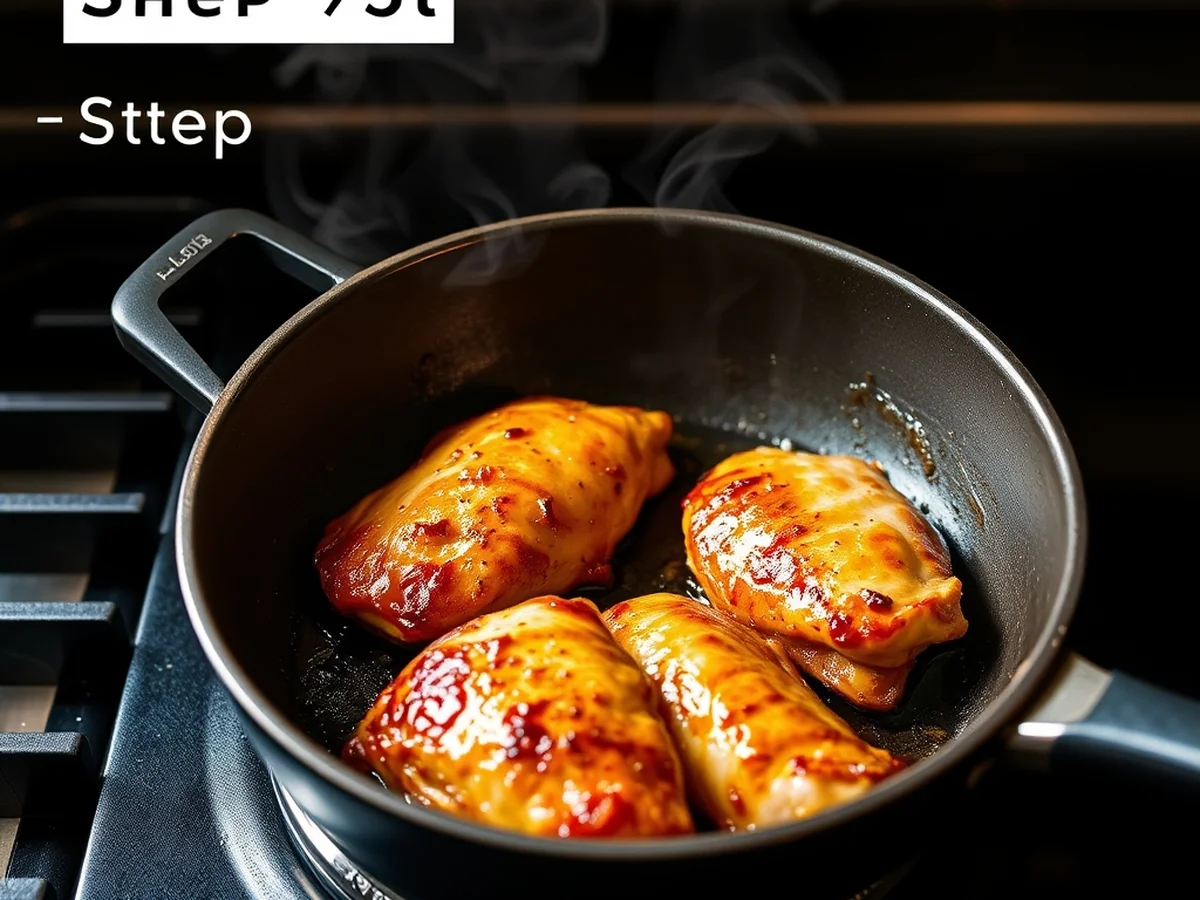
Making a flavorful skillet meal requires careful attention to heat management and timing. Whether you are preparing tender honey garlic poultry breast portions or juicy honey garlic poultry thighs, you achieve the best results by searing the meat properly before building the glaze. Proper technique prevents the food from drying out while ensuring the sauce achieves that desirable coating.
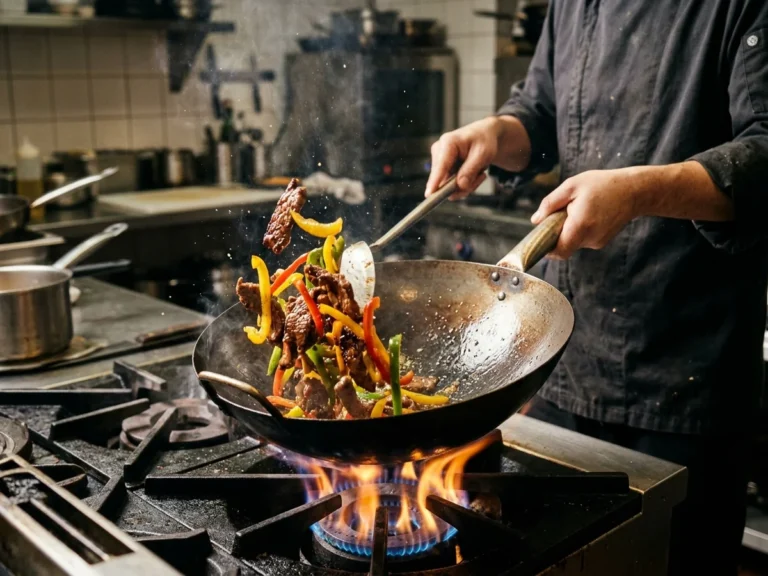
- Heat your cooking oil in a wide skillet over medium-high heat until it shimmers across the surface. Using a heavy bottomed pan helps distribute heat evenly across the cooking area.
- Place the poultry pieces into the hot pan in a single layer without overcrowding them. If your pan is too small, cook the meat in two separate batches to maintain proper searing temperatures.
- Sear both sides until golden brown, which locks in the juices and creates a rich foundation for the dish. Resist the urge to move the pieces too early so they develop a proper crust.
- Stir in your freshly minced aromatics during the final minute of searing so they release their fragrance without burning. Garlic turns bitter very quickly if exposed to high heat for too long.
- Pour the sweet glaze mixture directly over the meat, letting the liquids bubble up and combine with the pan drippings. As the soy sauce, vinegar, and honey blend together, they lift the browned bits from the bottom of the skillet.
- Simmer the contents gently until the sauce reduces into a thick, glossy coating that clings tightly to every piece. Typical practice often includes swirling in a small amount of unsalted butter at the very end to give the sauce a rich, glossy finish.
Watch the pan closely as the liquid reduces because sugars can caramelize quickly and burn at the edges. Turn the pieces occasionally to ensure an even coating of the savory glaze. If the sauce begins thickening too fast before the meat finishes cooking through, lower the heat slightly and add a splash of water or chicken broth to adjust the consistency.
Troubleshooting Common Sauce Issues
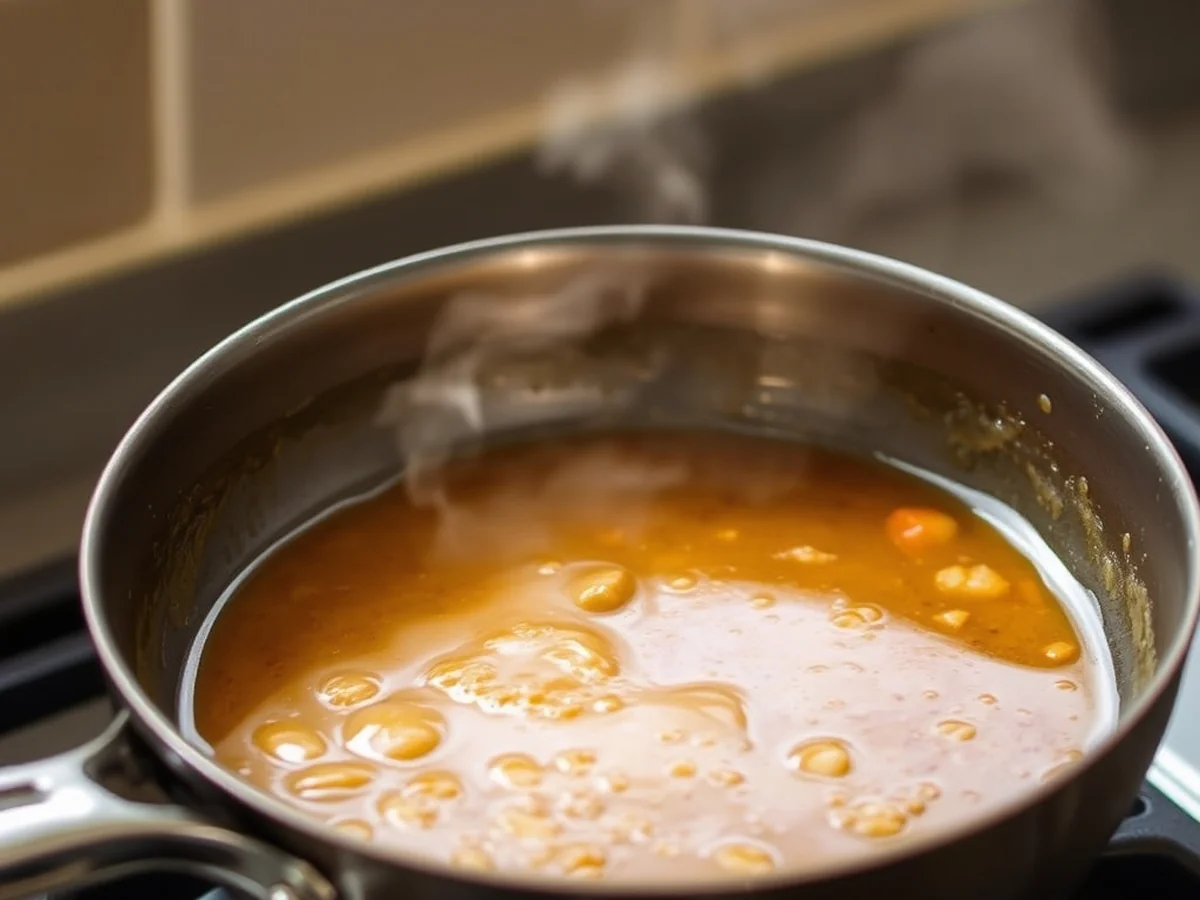
Fixing a watery glaze simply requires a brief simmering step over medium heat to let excess moisture evaporate naturally. When preparing easy sticky honey garlic chicken, the glaze relies on a proper reduction process. If the mixture looks too thin, let it bubble away for another minute or two until it coats the back of a spoon. Rushing this step often leads to a runny consistency that fails to cling to the meat.
Prevent minced garlic from turning bitter in the pan by adding it toward the end of the cooking process or lowering the heat. Garlic burns quickly under high temperatures, which creates an unpleasant bitter taste that easily ruins the pan juices. If you are cooking honey garlic chicken breast cuts, keep a close eye on the garlic during the final minute of pan frying. Stirring constantly helps distribute the aromatics evenly without scorching them against hot spots in the skillet.
Balance sweetness and saltiness in the reduction by adjusting your foundational ingredients incrementally. If the pan juices taste overly sweet, stir in an extra splash of soy sauce or apple cider vinegar to restore proper flavor harmony. When making poultry cutlets or thicker dark meat portions, taste the liquid before serving to ensure the flavor profile remains well rounded. Adding a small pat of unsalted butter at the very end can also help smooth out sharp acidic notes and give the glaze a glossy finish.
Ingredient Substitutions and Dietary Variations
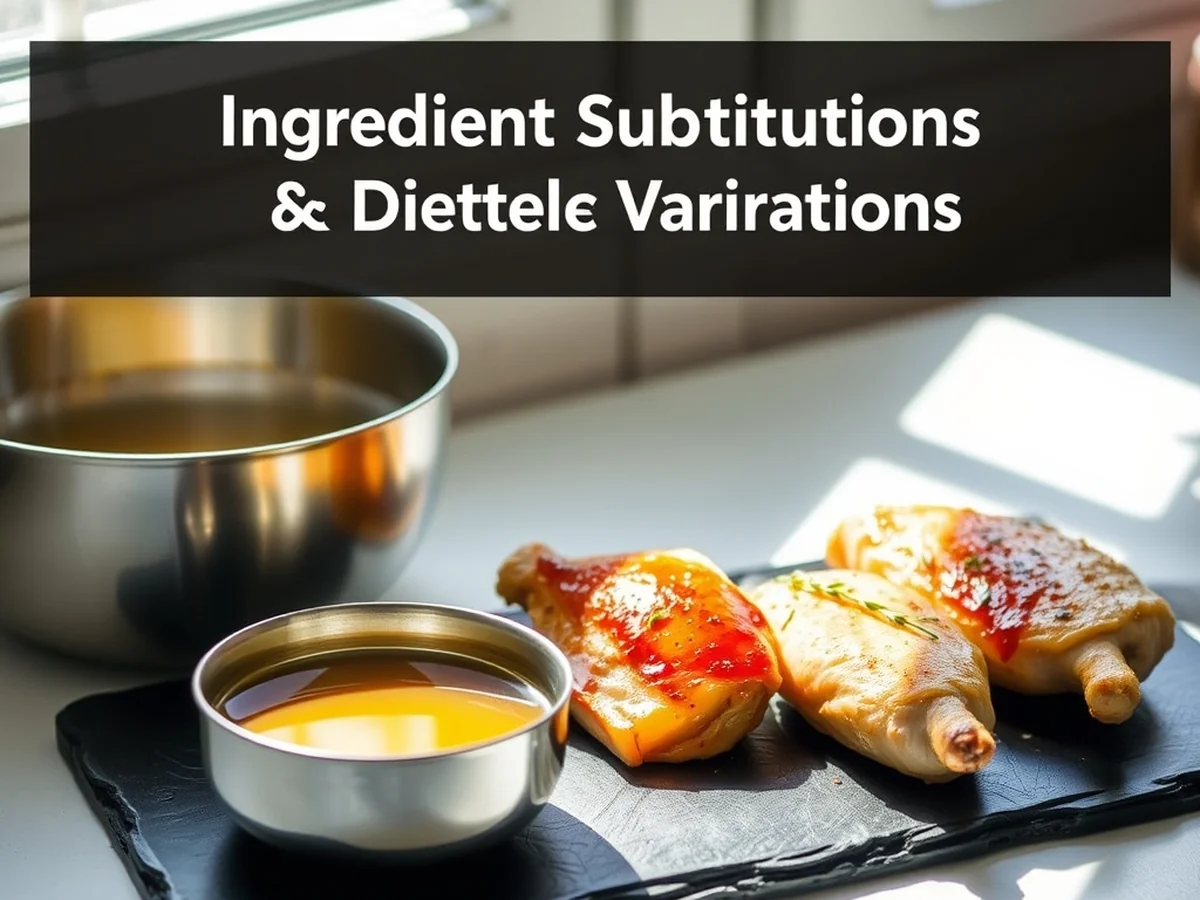
Adapting this skillet meal for different diets is simple with a few smart ingredient swaps. You can easily adjust the flavor profile or accommodate food allergies without losing that signature glossy finish on your glazed poultry.
Gluten free chicken broth makes a wonderful addition when you want to thin out the pan sauce or add extra depth to the flavor. Standard soy sauce often contains wheat, so make sure to use certified gluten free tamari if you need to keep the entire dish completely free of gluten. When swapping liquids, maintain the balance of the pan glaze by tasting before reducing further in the pan.
Alternative vinegars work just as well as apple cider vinegar for bringing brightness to the skillet. Rice wine vinegar or white wine vinegar provide a similar acidity that balances out the sweetness of the glaze. A common mistake is adding too much vinegar at once, which overpowers the natural sweetness of the honey. Start with a smaller measure and adjust according to your preference.
Replacing dairy butter in the sauce is straightforward for anyone avoiding dairy products. Olive oil or plant based cooking margarine can easily step in to help emulsify the glaze while keeping the savory richness intact. Unsalted butter is typically recommended in standard cooking guidelines to prevent the pan mixture from becoming overly salty when combined with soy sauce.
Many home cooks like to include freshly grated ginger for an extra layer of warmth, especially when preparing poultry cutlets in the skillet. Adding a small amount of ginger alongside the minced garlic brings a subtle spice that complements the sweet citrus notes of the sweet glaze. To avoid burning the garlic and ginger during cooking, keep the pan temperature at a moderate level and stir continuously until the aromatics soften.
Storage and Reheating Best Practices
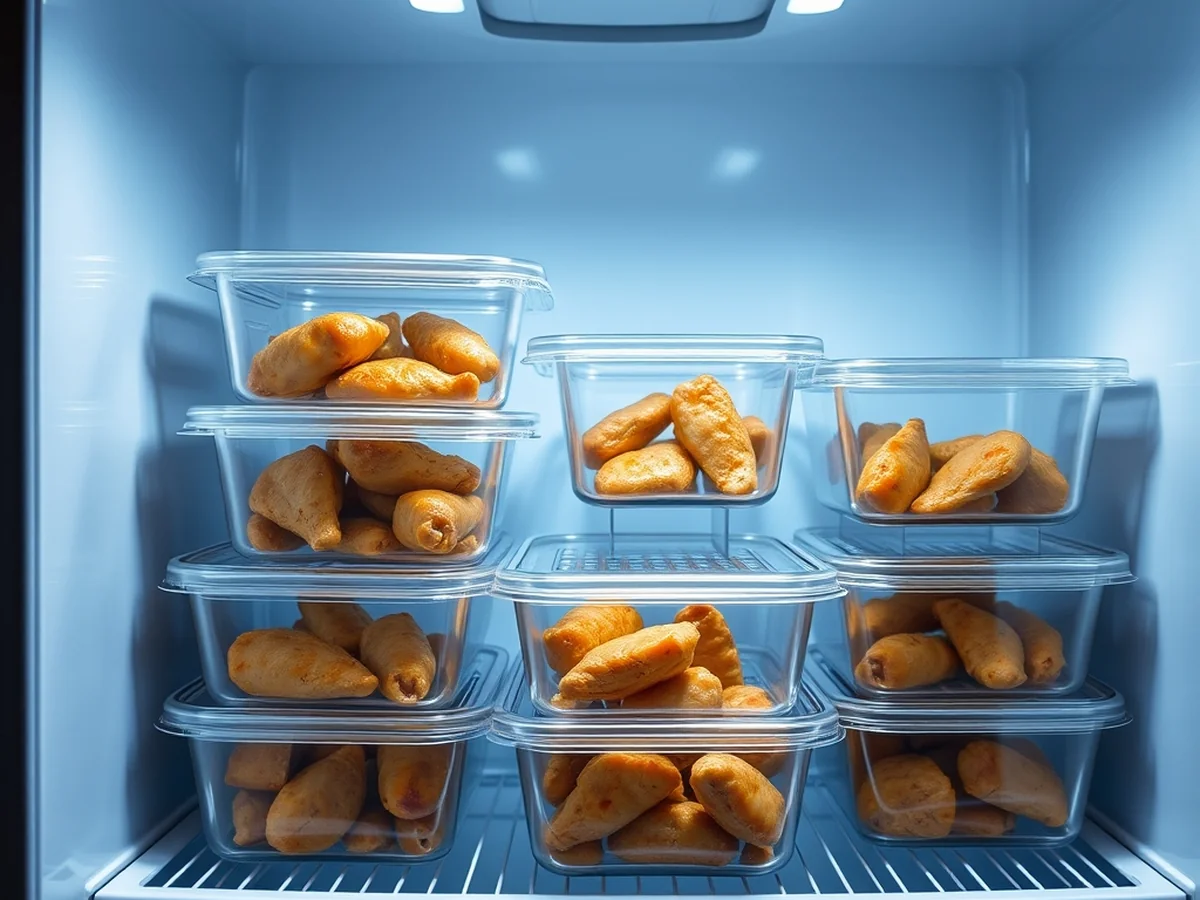
Proper storage ensures your leftover poultry stays safe to eat while maintaining its distinct flavor profile over several days. Start by letting the cooked meat cool completely at room temperature before transferring it to a storage container. Sealing warm poultry inside a closed container traps condensation, which leads to soggy textures and encourages unwanted bacterial growth. Once cooled, place the food inside a clean airtight container and position it near the back of the refrigerator where the internal temperature remains the most consistent.
When you are ready to enjoy your delicious poultry entree a second time, gentle reheating is the key to preventing the meat from drying out. Stovetop warming offers the best results for maintaining optimal moisture levels. Place your chicken pieces in a skillet over medium-low heat and add a small splash of liquid, such as water or chicken broth, to create steam. Cover the pan with a tight-fitting lid to trap the heat and warm the center of the meat thoroughly without overcooking the exterior.
If you choose to use a microwave for speed and convenience, select a medium power setting and heat the food in short intervals. Place the poultry in a microwave-safe dish and cover it loosely with a paper towel or microwave-safe lid to retain moisture. Stir or flip the pieces halfway through the heating cycle to ensure they warm evenly throughout without developing tough spots.
A common challenge when reheating this meal is that the sweet garlic glaze can thicken or clump up in the refrigerator. To revive a thickened glaze, simply stir in a small splash of water or broth while the pan or dish warms back up. Whisk gently as the liquid heats to help the sauce blend smoothly with the added moisture, returning your dish to its ideal glossy and pourable consistency.
Side Dish Pairing Recommendations
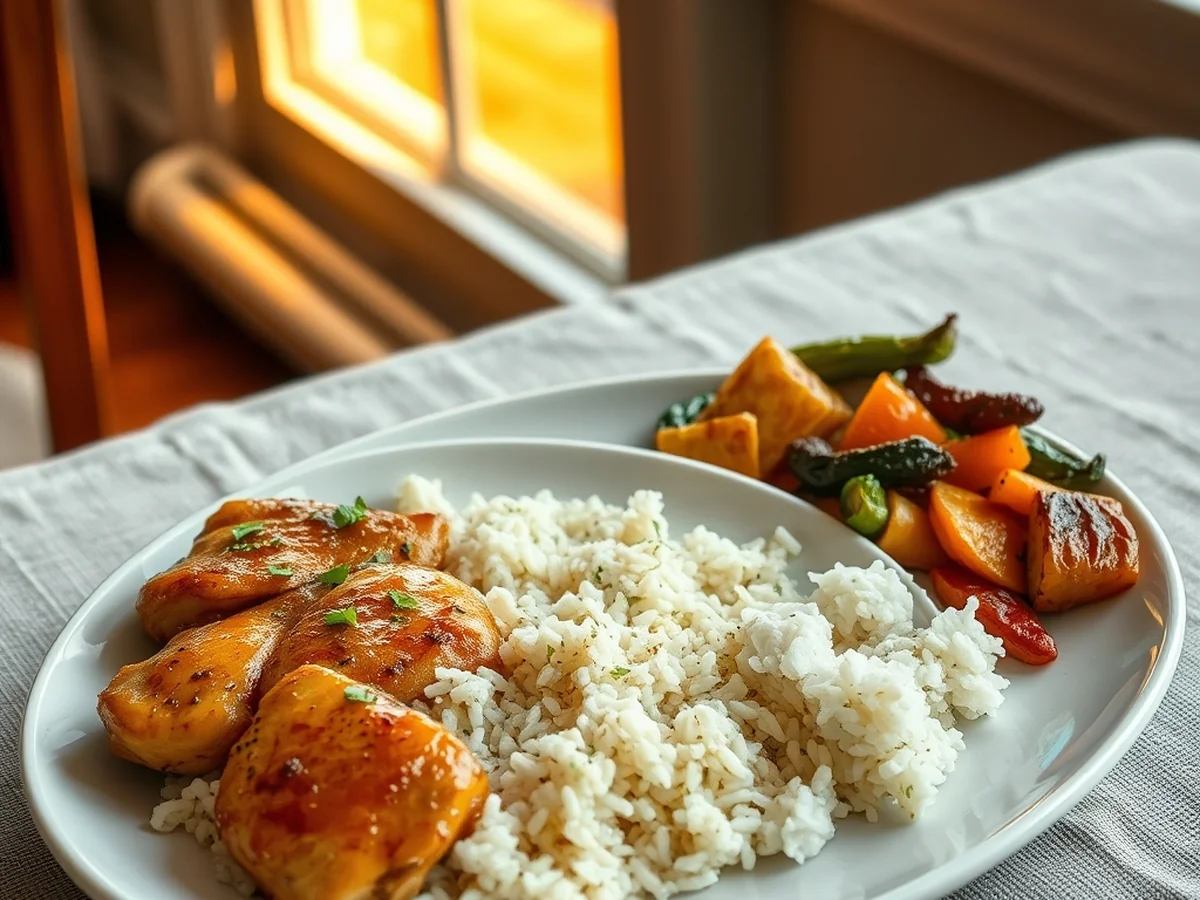
Choosing the right side dish turns a simple skillet meal into a well rounded dinner. You can easily elevate this savory poultry skillet by serving it alongside complementary starches and vegetables that balance the rich glaze. Because the sauce features a combination of honey, soy sauce, and garlic, pairing it with items that can absorb the extra pan juices creates a balanced plate without overwhelming your palate.
To build a cohesive meal, consider how different starches and greens interact with the sweet and savory flavors of your main dish. Implementing a few practical strategies ensures your dinner stays cohesive and satisfying:
- Steamed white rice provides a neutral base that absorbs extra pan juices without competing with the poultry.
- Brown rice adds a nutty flavor and a satisfying chewy texture while soaking up surplus sweet glaze.
- Roasted broccoli florets offer a slight char and earthy taste that contrasts nicely with rich savory sauces.
- Tender crisp snap peas bring a refreshing crunch and vibrant color to the dinner plate.
- Fresh noodles such as lo mein or rice vermicelli create a complete meal setup when tossed directly in the pan remnants.
When planning your menu, one common mistake is choosing side dishes that feature heavily sweet or overly sugary profiles, which clashes with the glaze. Instead, focus on fresh, steamed, or lightly roasted vegetables that provide a clean, earthy contrast. Another practical tip is to cook your starches ahead of time so they are ready the moment your skillet meal finishes, allowing you to spoon the warm pan drippings directly over the grains or noodles for maximum flavor absorption.
Time, Ingredients, and Glaze Preparation
Preparing a flavorful skillet meal featuring sweet poultry cutlets typically takes less than thirty minutes from start to finish. Most home cooks can finish the chopping and cooking steps quickly on a busy weeknight, making this dish a reliable option when time is short.
Essential Components and Ingredients
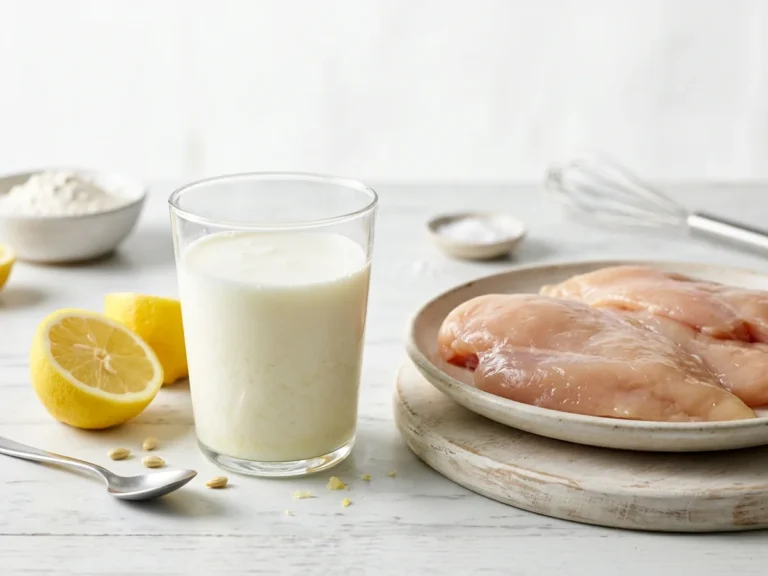
The core components required for this poultry dish include chicken cutlets or halved chicken breasts, olive oil, and unsalted butter. You will also need aromatics and pantry staples to build a rich flavor profile. Typical culinary guidance suggests using quality fats to sear the meat properly before introducing the liquids.
- Chicken breasts or cutlets
- Olive oil
- Unsalted butter
- Minced garlic cloves
- Honey
- Soy sauce
- Vinegar such as apple cider, rice wine, or white wine vinegar
Crafting the Sauce
To prepare the signature sweet and savory glaze for your meal, whisk together equal parts honey and soy sauce in a small bowl. Add your choice of vinegar to balance the sweetness, along with plenty of freshly minced or grated garlic.
Glaze Reduction Techniques
Pour this liquid mixture directly into the hot skillet after searing the meat. Allowing the mixture to bubble and reduce until thick and glossy creates that desired sticky texture. One common mistake during this step is adding the sweet ingredients too early in the cooking process, which can cause the sugars to burn before the chicken finishes cooking through.
Frequently Asked Questions
How long does it take to make honey garlic chicken?
The cooking process generally moves along at a fast pace, making the meal ideal for busy weeknight schedules. Most home cooks find that preparation and stovetop cooking finish quickly.
What core ingredients are needed for this recipe?
You will need chicken cutlets, olive oil, butter, garlic, honey, soy sauce, and vinegar. Common guidance also suggests keeping salt and pepper on hand for seasoning.
How do you prepare the glaze?
Whisk together honey, soy sauce, vinegar, and minced garlic in a bowl before pouring it into the skillet. Simmer the mixture until it reduces into a thick coating.
Can chicken thighs be used instead of breasts?
Boneless thighs work wonderfully as a substitute if you prefer juicier meat. Adjust the cooking time slightly depending on the thickness of the cuts you choose.
How do you keep the sauce from becoming too watery?
Letting the liquid simmer over medium heat for a few minutes allows excess moisture to evaporate. The natural sugars in the honey will help the mixture cling to the meat as it thickens.
Conclusion and Subscriber Recipe Sharing
This quick weeknight meal offers a balanced blend of sweet and savory notes that makes this glazed poultry dish a reliable favorite for busy evenings. You can join our subscriber gift recipe sharing system to receive exclusive weekly dishes directly in your inbox. Please leave your ratings and feedback in the comments below to let us know how your dinner turned out.
You might also like: Crispy Buttermilk Chicken Sandwich Recipe