
Classic Breakfast Plate Morning Favorite
Introduction
A Classic Breakfast Plate typically features a combination of eggs, a protein source, and a starch to create a hearty start to the day. This fundamental meal structure serves as the foundation for the traditional American breakfast menu found in homes and diners across the country.
This article examines the essential components of a standard breakfast plate, including regional variations and preparation methods. You will learn how to balance these classic breakfast food ideas to suit your nutritional needs while exploring the history of American breakfast staples. We provide guidance on selecting ingredients and managing preparation times so you can assemble a complete, satisfying meal efficiently in your own kitchen.
What is a Classic Breakfast Plate
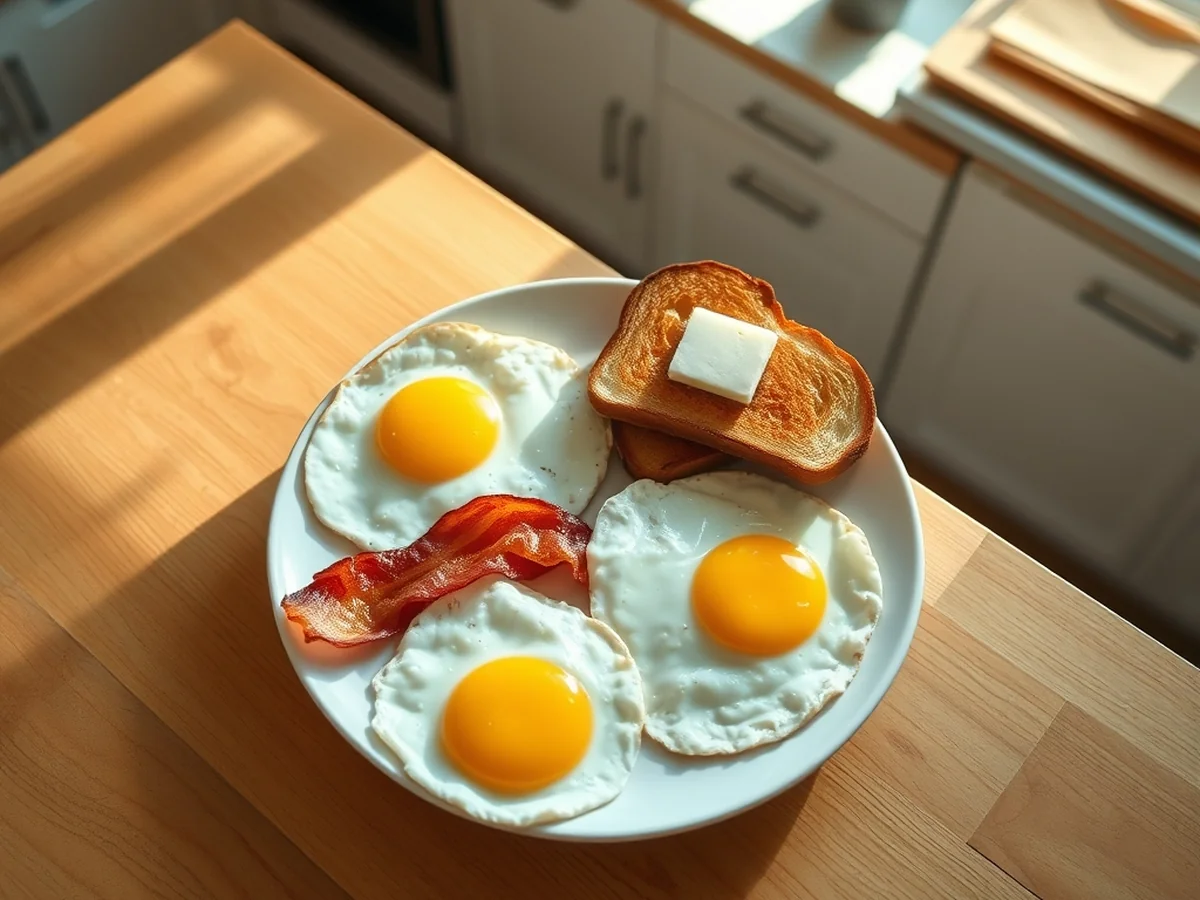
This traditional morning meal represents a cultural icon in American households, serving as a hearty foundation that combines protein, starch, and savory elements on a single dish. It acts as a centerpiece for weekend gatherings and a reliable anchor for the daily routine, prioritizing a sense of comfort and stability.
Historically, these meals were designed to provide substantial energy for labor intensive lifestyles. The standard arrangement often features a combination of eggs prepared to order, such as sunny side up eggs or scrambled eggs, alongside breakfast staples like bacon or breakfast sausage. Complementing these proteins are hearty carbohydrates, commonly including hash browns, biscuits, or toasted bread, which collectively define the components of a standard breakfast plate.
Cultural appreciation for these morning spreads has evolved significantly over time. While early iterations focused on sheer caloric density to fuel physical work, modern morning routines increasingly prioritize a more balanced approach. Home cooks today frequently integrate the principles of the USDA MyPlate guidelines to refine how to build a balanced breakfast without sacrificing the traditional experience.
This shift reflects a broader transition toward mindful eating. Rather than relying solely on heavy, fried, or processed items, current culinary trends emphasize:
- Incorporating fresh vegetables alongside traditional protein sources.
- Managing portion sizes to sustain energy throughout the morning.
- Selecting whole grain alternatives for the starch component.
- Balancing the cooking method, such as using a cast iron skillet for consistent heat control, to reduce the need for excess fats.
By blending nostalgic flavors with contemporary nutritional awareness, this morning ritual remains a cornerstone of the American diet. It has transformed from a strictly utilitarian fuel source into a versatile format that accommodates modern dietary preferences while maintaining its status as a timeless staple in home cooking. Whether served on a busy weekday or enjoyed during a relaxed weekend, the focus remains on creating a satisfying, functional meal that begins the day on a nourishing note.
Defining the Classic Breakfast Plate

A functional and satisfying breakfast plate typically balances three core elements: a high-quality protein, a hearty starch, and a secondary side. This structure is designed to provide sustained energy and flavor, serving as a reliable template for home cooks. Whether you are using a cast iron skillet for efficiency or assembling a weekend spread, the components of a standard breakfast plate provide a consistent way to organize your morning meal.
The Anatomy of Morning Nutrition
To understand how to build a balanced breakfast, many home cooks look toward the USDA MyPlate guidelines. These guidelines suggest prioritizing fruits, vegetables, and whole grains alongside lean protein sources. In a practical home kitchen, this means pairing traditional scrambled eggs or sunny side up eggs with nutrient-dense options. A common mistake is relying exclusively on refined carbohydrates, which can lead to energy crashes. Instead, consider swapping white toast for whole grain alternatives or adding a side of fresh fruit to round out the plate.
Regional Heritage and Culinary Evolution
The traditional American breakfast menu has evolved from a functional requirement for manual labor into a diverse culinary tradition. Historical breakfast habits often utilized available local ingredients to create hearty, efficient meals. For example, Goetta is a verified Cincinnati breakfast staple made by combining grain fillers with various meat trimmings. Another classic example of regional flavor is red-eye gravy, which is made from pan drippings and coffee. These dishes reflect the practical ingenuity of early American morning cooking, where nothing went to waste.
The following table illustrates how different components contribute to the variety found in the history of American breakfast:
| Component | Common Examples | Historical/Regional Context |
|---|---|---|
| Protein | Eggs, bacon, breakfast sausage, steak | Steak and eggs is a common pairing for high-energy needs. |
| Starch | Hash browns, toast, English muffin, bagels | New York City bagels are commonly boiled then baked. |
| Specialty | Red-eye gravy, Goetta | Regional staples often utilize local scraps or unique pan sauces. |
Practical Preparation Tips
Efficiency is key when managing a morning kitchen. Preparing classic breakfast food ideas does not require hours of labor if you focus on the sequence of cooking. Start your proteins first, especially if using a cast iron skillet, as the residual heat can keep them warm while you toast your English muffin or finish your hash browns. By mastering the balance of these three pillars, you can move beyond simple recipes to create a breakfast that feels both nostalgic and nutritionally sound.
Essential Breakfast Plate Components
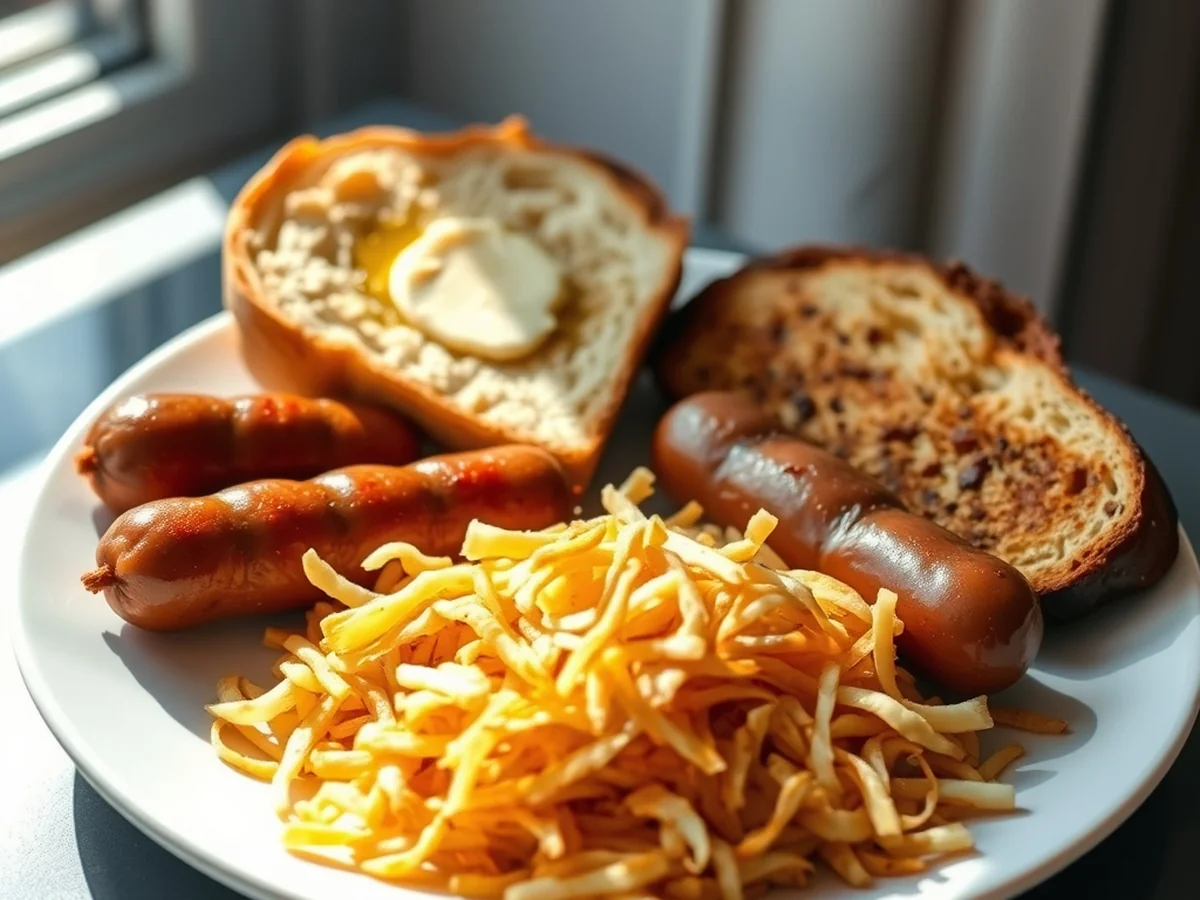
Creating a classic breakfast plate relies on balancing textures, flavors, and nutritional density. A well-rounded meal typically features three distinct pillars: a primary protein, a satisfying starch, and a source of fat that bridges the two. When assembling these elements, home cooks can look to regional staples for inspiration while maintaining a cohesive, efficient flow in the kitchen.
The foundation of a traditional American breakfast menu often centers on high-quality proteins. While eggs remain the most common choice, preparations vary significantly. Many cooks prefer sunny side up eggs for their runny yolks, which act as a natural sauce, or creamy scrambled eggs for a velvety texture. Beyond standard eggs, regional specialties add depth to the plate. Goetta is a Cincinnati breakfast staple made by combining ground meat and grains, offering a unique, crispy texture when pan-fried. Steak and eggs is another common pairing that provides a heartier, protein-dense option often reserved for weekend mornings.
Starches provide the necessary substance to balance the protein. In a professional or home kitchen, consistency is vital. New York City bagels are commonly boiled and then baked, a process that creates their signature chewy interior and crisp exterior. When serving starches like hash browns or toasted muffins, the goal is to provide a textural contrast to the soft eggs. A common mistake is overcrowding the pan, which leads to steamed rather than crispy potatoes. Utilizing a cast iron skillet is a practical step to ensure even heat distribution and a better crust on your starches.
Fats play a critical role in tying the components of a classic breakfast plate together. This goes beyond simple cooking oils. Red-eye gravy, which is made from pan drippings and coffee, provides an essential flavor profile that balances the saltiness of cured meats like bacon or breakfast sausage. Regional influences, such as the South Asian technique of tadka, involve frying spices in ghee or oil to elevate the flavor of simple ingredients. Integrating these varied components effectively is one of the most reliable classic breakfast food ideas for anyone aiming to replicate the feel of a diner meal at home.
To build a balanced breakfast that feels substantial, consider the interplay between these elements:
- Protein: Aim for variety, such as eggs paired with regional meat staples like Goetta or steak.
- Starch: Focus on preparation methods like boiling then baking for bagels, or achieving a deep sear on hash browns.
- Flavor Bridges: Incorporate pan sauces or fats, such as red-eye gravy or spiced oils, to harmonize the plate.
- Textural Balance: Always pair soft components like scrambled eggs with something crisp, such as toasted brioche or well-browned potatoes.
By understanding how these components function together, you move beyond merely serving food to crafting a purposeful morning experience. Successful home cooks often focus on managing their timing, ensuring that quick-cooking items like eggs are prepared immediately before serving to maintain their ideal texture against the heartier starches and meats.
Classic Breakfast Plate Variations

Regional specialties often define the structure of a meal by incorporating local ingredients and distinct cooking methods that vary across the United States. These variations highlight how traditional morning meals adapt to local culinary histories while maintaining the core appeal of a hearty start to the day. While a standard breakfast often centers on staples like bacon, breakfast sausage, and scrambled eggs or sunny side up eggs, regional additions provide character and depth to the meal.
| Regional Item | Primary Components | Typical Preparation |
|---|---|---|
| Cincinnati Goetta | Meat scraps and grains | Sliced and pan-fried |
| Southern Red-eye Gravy | Pan drippings and coffee | Simmered into a sauce |
| New York Bagel | Wheat flour dough | Boiled then baked |
Regional Specialties and Culinary Roots
In Cincinnati, goetta stands out as a breakfast staple. According to research from Ohio State University, this dish is composed of a blend of meat scraps and grains. Home cooks typically form this mixture into a loaf, slice it, and fry the pieces in a cast iron skillet until crispy. This preparation offers a unique texture that pairs well with eggs and represents the practical history of regional cooking, where available ingredients were combined to create sustaining meals.
Southern comfort food traditions frequently feature red-eye gravy. As noted by the Institute of Culinary Education, this sauce is made from pan drippings and coffee. This thin, savory topping is a classic accompaniment to country ham and biscuits, utilizing the concentrated flavors left in the skillet after searing meat. It highlights a minimalist approach to sauce making that relies on deep flavor extraction rather than thickening agents.
Technique-Driven Breakfast Staples
New York City bagel culture is defined by a specific craft where the dough is commonly boiled and then baked. This two-step process creates a distinct chewy interior and a firm, slightly crisp exterior. While the bagel is now a global staple, this preparation technique remains the hallmark of the traditional New York style, often served with cream cheese or alongside protein-heavy items to round out a morning spread.
Beyond these regional icons, other cultural influences continue to shape how we view the Classic Breakfast Plate. Eggs in purgatory, or uova in purgatorio, is a Southern Italian dish that integrates tomato sauce with eggs. Similarly, tadka is a frequent South Asian technique of frying spices in oil or ghee to add vibrancy to morning dishes, while bostock is often prepared as sliced brioche topped with almond cream. Understanding these variations allows home cooks to move beyond simple bacon and eggs, incorporating diverse textures and flavors into a balanced breakfast meal.
Preparation Techniques for Home Cooks

Efficiently preparing a morning meal relies on leveraging the heat retention of a cast iron skillet to manage multiple ingredients at once. By strategically layering your cooking surface, you can keep proteins hot while finishing delicate items without overcrowding the pan.
Start your process by rendering fat from bacon over medium heat. Once the strips reach your desired level of crispiness, move them to the cooler edges of the skillet. This cleared center space is ideal for cooking scrambled eggs, as the remaining fat provides flavor while the cast iron maintains a consistent, steady heat.
Mastering temperature control is essential for achieving the right texture in your eggs and meat. High heat often causes eggs to toughen quickly, while low heat may leave them runny or undercooked. Keep your burner set to a medium-low flame once the skillet is preheated to ensure the eggs remain light and fluffy rather than rubbery. Adjust the position of the pan relative to the burner if you notice the edges browning too rapidly compared to the center.
Timing your starch preparation is the final step to ensuring every component hits the table simultaneously. Since grains or potatoes often require longer, uninterrupted cooking times, prioritize these before you begin the quick-cooking proteins. If you are using pre-cooked starches or quick options like toast, time them to finish just as your eggs reach the desired consistency.
- Begin with starchy sides that need the most time, such as hash browns or par-cooked potatoes.
- Introduce bacon or breakfast sausage early to allow for proper fat rendering.
- Use the residual heat of the skillet to keep meat warm while you gently fold in the eggs.
- Allocate the final few minutes for warming bread or English muffins in the same pan to soak up any remaining flavor.
Coordinating these elements prevents the common frustration of cold food. By viewing your cast iron skillet as a multi-zone cooking station, you can successfully manage the entire menu without the need for multiple pots or pans. This approach keeps your workspace clean and ensures that the traditional components of your morning meal remain warm and ready to serve at the same time.
Nutritional Value of Breakfast Plates
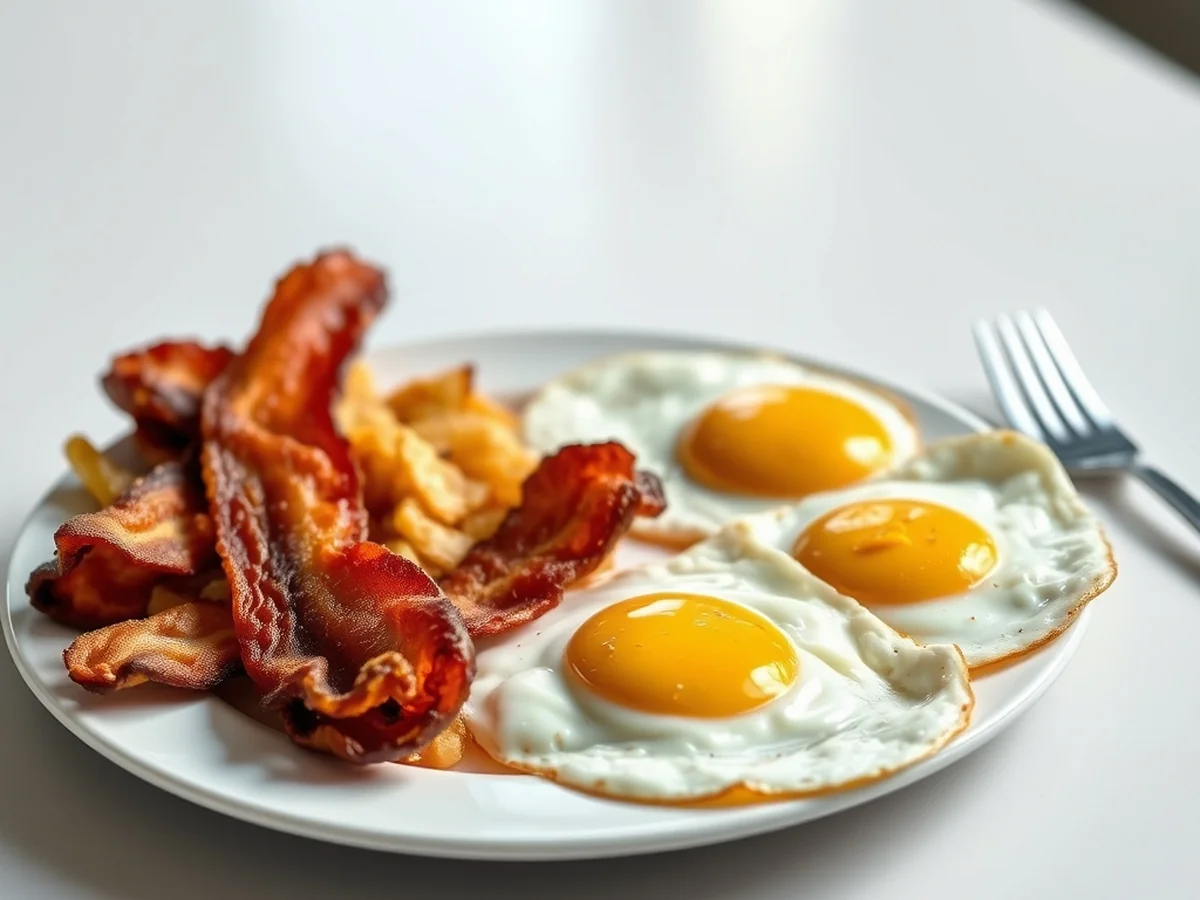
A classic breakfast plate typically carries high energy density due to a combination of fats and carbohydrates found in staples like breakfast sausage, bacon, and hash browns. While these components provide significant calories in a compact serving, understanding how to build a balanced breakfast allows home cooks to adjust portions to better align with wellness goals without sacrificing flavor. Managing the ratio of proteins, fats, and starches on the plate helps improve the quality of a typical morning meal.
Balancing Macronutrients
Commonly featured items often lean toward high-fat proteins and refined carbohydrates. A common mistake is over-relying on processed meats and white-flour starches, which can lead to rapid blood sugar fluctuations. To create a more stable energy release, you can incorporate fiber-rich sides or plant-based alternatives. Using a cast iron skillet to prepare your breakfast allows you to control the amount of added fats, such as butter or oil, used for cooking eggs or potatoes. Increasing vegetable intake helps provide volume and essential micronutrients that are often missing from the traditional platter.
Regional Variations in Breakfast Composition
Understanding the history of American breakfast reveals why certain items appear on our plates today. Regional specialties often define the starch or protein choice, impacting the overall nutritional profile of the meal. Goetta is a Cincinnati breakfast staple consisting of a processed mixture of meat scraps and grains, offering a different texture and nutritional density than standard bacon. Similarly, while many associate classic morning dishes with simple eggs and toast, the diversity of regional staples provides opportunities to experiment with more nutrient-dense ingredients.
| Regional Staple | Primary Components |
|---|---|
| Goetta | Meat scraps and grains |
| Red-eye gravy | Pan drippings and coffee |
| Eggs in purgatory | Eggs cooked in tomato sauce |
Practical Strategies for Better Nutrition
You can enhance your morning meal by focusing on small, actionable changes that improve the quality of your plate. Consider these strategies to modify your routine:
- Substitute refined grains with whole-grain options to increase fiber content.
- Roast bell peppers, onions, or greens alongside your potatoes to add vitamins without significant calorie increases.
- Use cooking methods like poaching or dry-heat roasting to reduce the need for excessive added fats.
- Incorporate fresh fruit or sliced tomatoes as a side to provide natural hydration and fiber, which helps improve satiety throughout the morning.
By shifting the focus from simple calorie consumption to the quality of ingredients, you can enjoy a satisfying meal that fits into a healthy lifestyle.
Common Breakfast Cooking Mistakes
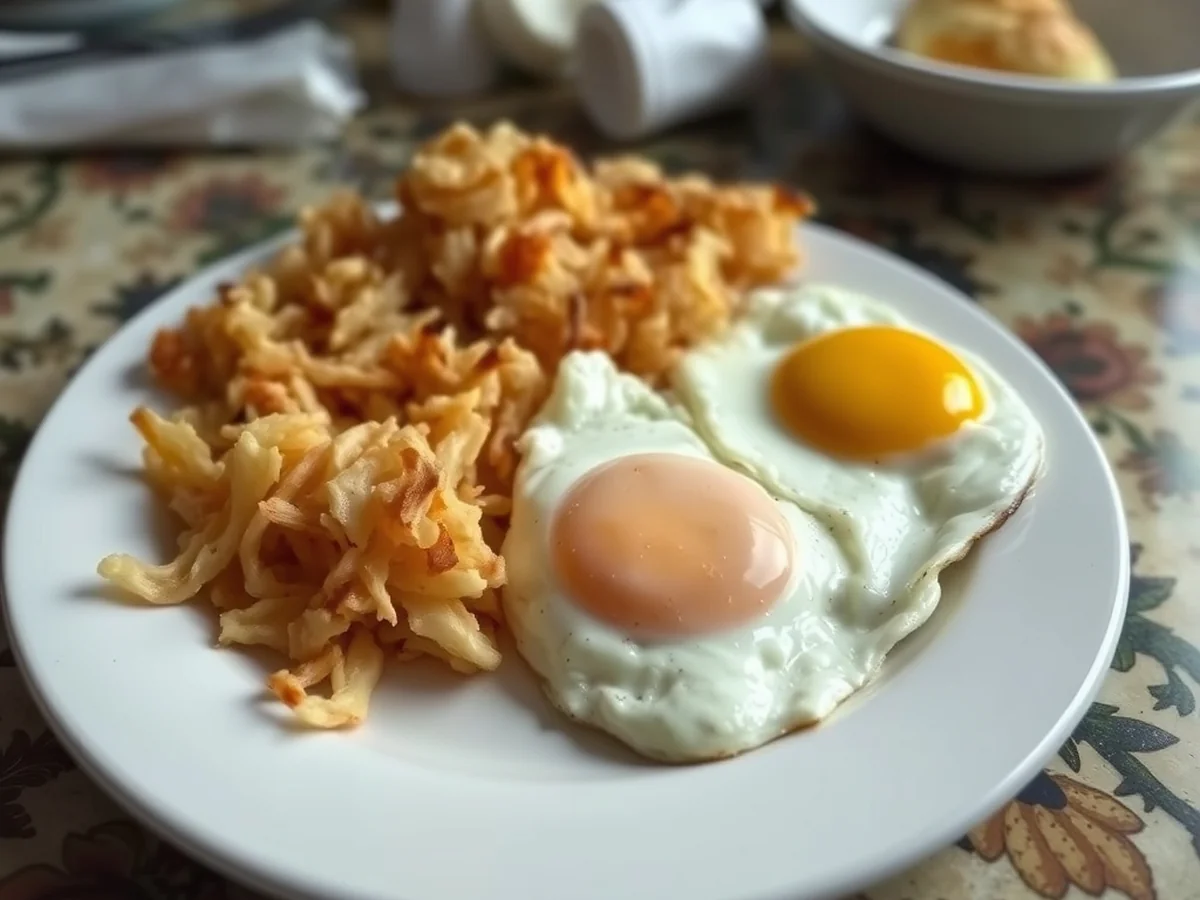
Achieving a restaurant quality classic breakfast plate at home relies on precision and timing. Whether you are preparing a simple serving of sunny side up eggs or a more complex regional specialty, small errors in heat management and ingredient handling often disrupt the final result. Understanding how to navigate these common pitfalls ensures your morning meal remains consistent and satisfying.
The Danger of Overcrowding
One of the most frequent errors home cooks make is overcrowding the skillet. When you pack ingredients like hash browns or breakfast sausage too tightly, the moisture released from the food cannot evaporate. Instead of searing, the items effectively steam in their own juices. This prevents the formation of that golden, crispy exterior expected in a hearty morning meal. To avoid this, cook in smaller batches or select a vessel large enough to allow heat to circulate freely around each piece.
Managing Heat and Timing
Heat regulation is the backbone of successful breakfast preparation. High heat is a common culprit when cooking eggs, often resulting in a rubbery texture rather than the desired delicate consistency. Conversely, failing to reach sufficient temperatures for starches leaves items feeling limp. Furthermore, many cooks fail to account for carryover cooking. Because a cast iron skillet retains significant heat, food continues to cook even after it is removed from the burner. To preserve the quality of your proteins, transfer them to a cool plate the moment they reach the desired doneness.
Component Sequencing
The various elements that make up your morning meal often require vastly different cook times. Adding every ingredient to the pan simultaneously is a mistake that leads to uneven results, such as charred bacon alongside raw or undercooked vegetables. Efficient cooking requires a clear plan. Consider the structural needs of your ingredients: start with items that require a longer sear or rendering, such as thick-cut meats, and add delicate items like soft eggs or quick-cooking greens toward the end of the process.
When you refine your technique, you gain better control over the nutritional and textural balance of your meal. Incorporating regional variety, such as a traditional Cincinnati goetta made from a blend of meat scraps and grains, requires the same attention to heat and timing as a basic scramble. By respecting the specific requirements of each component, you elevate your morning routine from a simple task to a crafted experience. Whether you are aiming for a balanced meal or a nostalgic favorite, focusing on these fundamental adjustments will provide more consistent, professional results in your own kitchen.
FAQ
What are the primary components of a classic breakfast plate?
A standard morning meal typically centers around a protein, a starch, and a side of vegetables or fruit. Common selections include eggs prepared in a cast iron skillet, crispy bacon or breakfast sausage, and a serving of hash browns or toasted bread.
How does regional geography influence a traditional breakfast?
Regional variations often introduce unique local specialties that define a classic breakfast plate in different parts of the country. Cincinnati is home to goetta, a staple consisting of a combination of ground meat and grains, while many Southern menus feature red-eye gravy made from pan drippings and coffee.
What is the best way to ensure a balanced breakfast at home?
Home cooks can build a balanced breakfast by aligning portions with general dietary guidance, such as the USDA MyPlate guidelines, which emphasize variety. Focusing on a combination of high-protein eggs, complex carbohydrates like whole grain toast, and fresh produce helps create a meal that is both satisfying and nutritionally sound.
Are there cultural traditions for breakfast items like bagels?
Certain breakfast staples follow specific preparation methods that have become part of their cultural identity. It is common practice for New York City bagels to be boiled before they are baked, which creates their signature chewy texture and glossy exterior.
What are some other iconic regional breakfast dishes?
Beyond standard eggs and meat, many areas have distinct breakfast favorites with deep historical roots. In Southern Italy, it is typical practice to serve eggs in purgatory, which consists of eggs poached in a spicy tomato sauce.
Conclusion
Deciding between a quick weekday meal or a leisurely weekend feast helps determine the best approach for your morning routine. You might start by selecting a primary protein, such as bacon or sausage, before pairing it with eggs and your preferred starch to round out the meal. Once you have identified your favorite components, crafting a balanced Classic Breakfast Plate becomes a simple and rewarding process. Focus on your nutritional goals and local preferences to build a combination that satisfies your morning appetite every time.
Sources: kb.osu.edu, ice.edu
You might also like: Hello world!