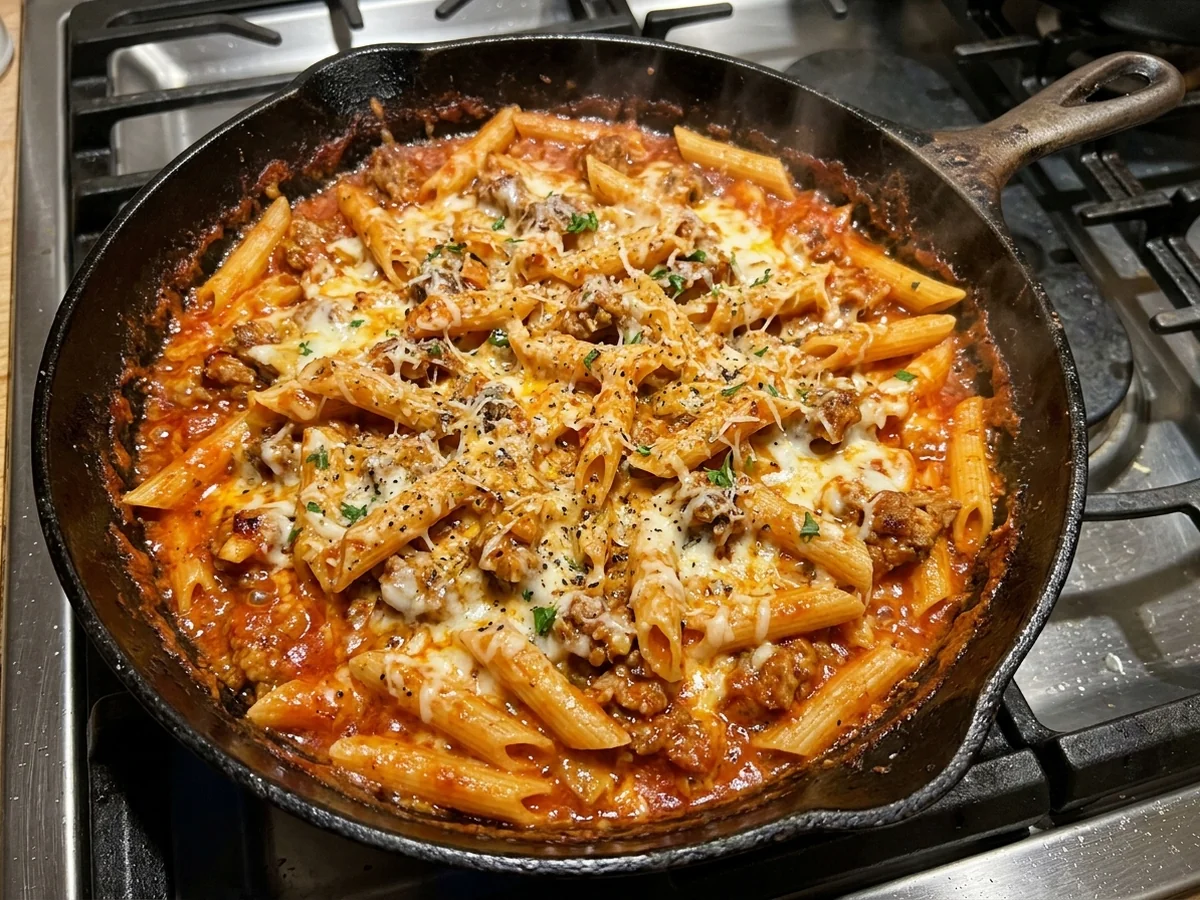
Cheesy Sausage Penne in Garlic Parmesan Creamy Tomato Sauce
Introduction to Comforting Cheesy Sausage Penne
A warm bowl of cheesy sausage penne delivers instant comfort on busy weeknights when time is tight. This hearty meal pairs savory meat with tender pasta, creating a satisfying dinner that keeps preparation simple.
Easy weeknight cooking traditions focus on bringing families together around straightforward, filling meals. This recipe combines simple kitchen staples like garlic and Parmesan cheese with robust flavors, offering a dependable option for hectic schedules.
Essential Ingredients for Cheesy Sausage Penne
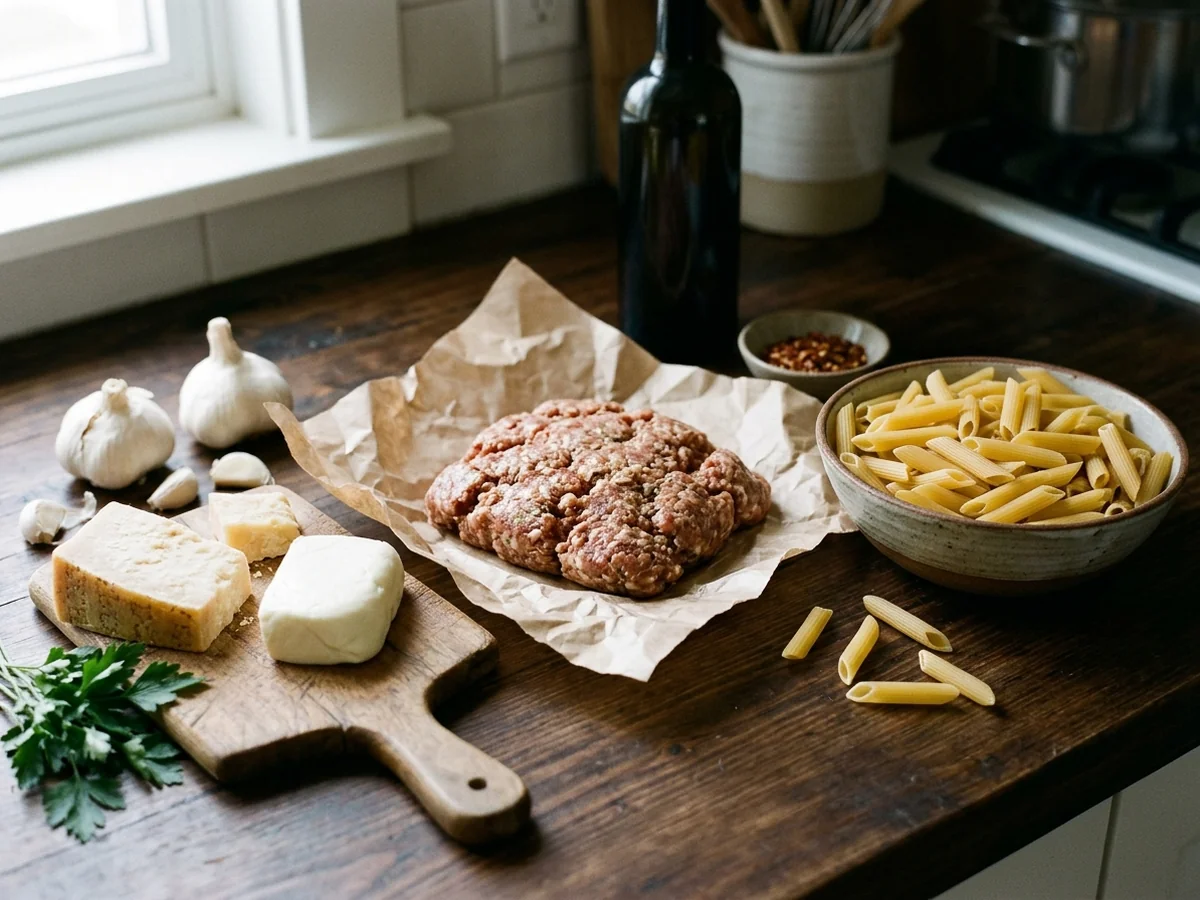
Creating a satisfying batch of cheesy sausage penne relies on a balanced combination of pantry staples, hearty proteins, and dairy that melts into a rich sauce. When assembling this comforting meal for family dinners, understanding why each component matters helps you achieve the best possible flavor and texture in your casserole dish.
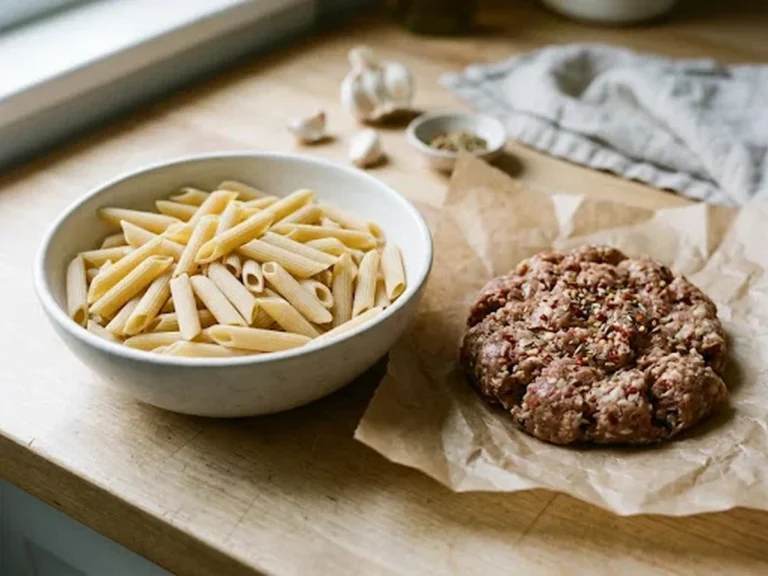
The foundation of the meal starts with sturdy penne pasta, which holds the sauce inside its ridges so every bite delivers maximum flavor. Alongside the noodles, you will need 1 pound of bulk Italian sausage, as noted in official guidelines from the University of Colorado Boulder, to build a savory meat base that satisfies hearty appetites. Garlic introduces an aromatic punch that enhances the spiced pork, while tomato sauce brings a bright acidity to cut through the richness of the dairy.
To pull the sauce together, heavy cream creates a velvety texture that coats the noodles smoothly without separating. Finishing the dish with Parmesan cheese provides a sharp and nutty note as it melts into the warm pasta bake.
Why These Ingredients Work Together
Balancing acidity, fat, and starch is the secret to a successful creamy cheesy sausage pasta bake. The tomato sauce and garlic prevent the heavy cream and cheese from tasting overly heavy, while the ribbed noodles catch every bit of the sauce. Typical kitchen testing approaches, such as those used by test kitchen professionals, emphasize the importance of mixing the meat and sauce thoroughly before baking so every bite contains an even distribution of flavors.
Practical Steps and Common Mistakes
Getting the best results from your ground sausage and penne pasta recipe comes down to a few practical habits. Avoid overcooking the pasta during the initial boiling stage because it will continue to soften while baking in the oven. Always drain your bulk Italian sausage thoroughly after browning if excess grease pools in the pan, ensuring your sauce remains rich rather than oily. Finally, grate your own Parmesan cheese instead of using pre-bagged varieties when possible, as freshly grated cheese melts more smoothly into the heavy cream and tomato mixture.
Choosing the Right Sausage and Pasta Varieties
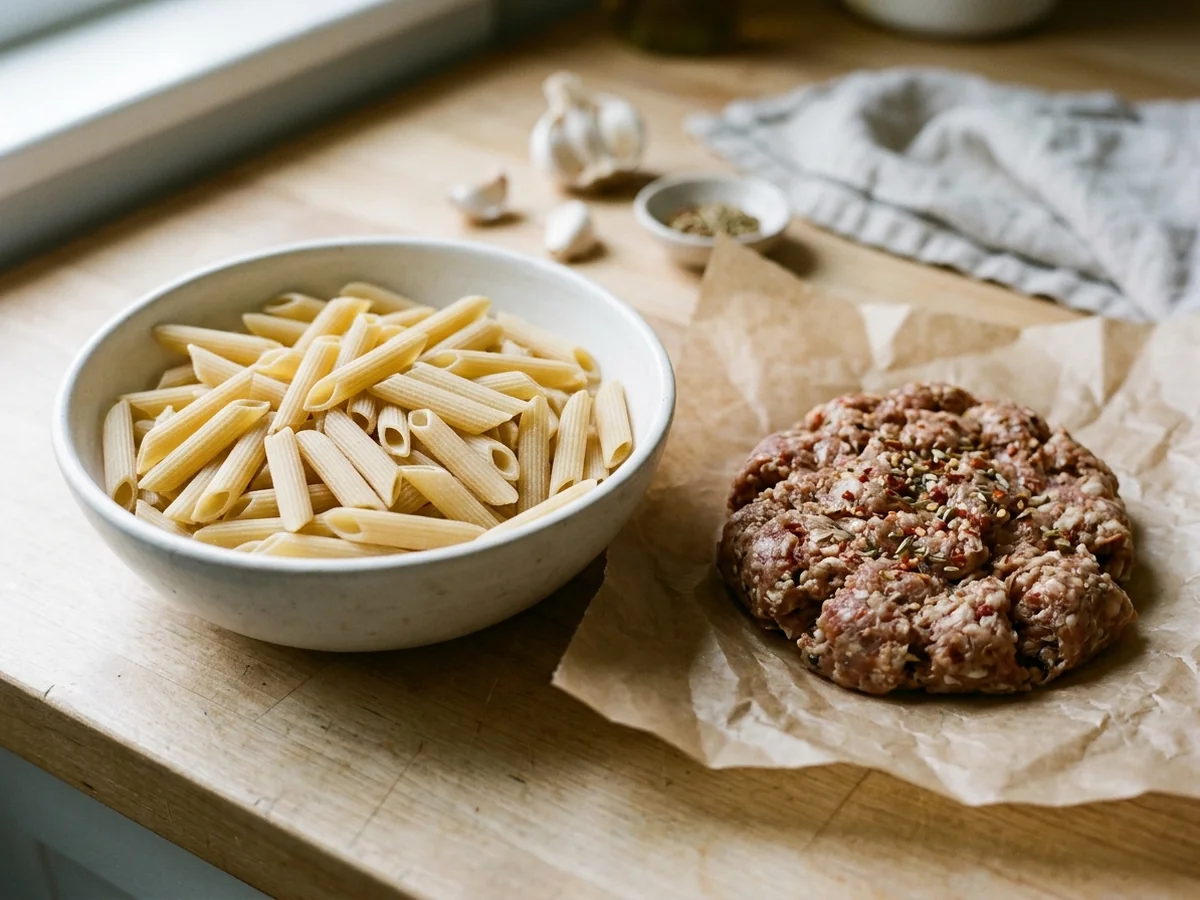
Selecting quality bulk Italian sausage and the right tube shaped pasta forms the flavorful foundation of every successful cheesy sausage penne dish. Great flavor starts with proper meat selection because the savory seasonings from the pork infuse the entire pan. Bulk varieties work best here because they crumble easily and brown evenly in the skillet.
You need exactly one pound of bulk Italian sausage to achieve the proper meat to noodle ratio for your creamy sausage penne pasta. Mild varieties keep the dish family friendly, while hot versions add a spicy kick to the creamy tomato sauce. Look for fresh meat with a bright color and balanced seasoning blend.
Penne pasta holds creamy sauces so effectively due to its unique structural design. The hollow tube shape catches pools of rich sauce inside each piece, while the angled cut edges scoop up bits of meat. Ridges along the outside surface give the dairy based sauce something to cling to so every bite stays rich and coated.
Smooth noodles often let heavy sauce slide right off to the bottom of the casserole dish. Textured tubes grip the sauce much better, ensuring a consistent texture throughout the meal. Cooking the pasta just to the firm stage prevents it from turning mushy when it bakes with the cheese and cream.
- Choose fresh bulk meat rather than casings for easy browning
- Pick ridged tube shapes to capture maximum sauce
- Cook noodles slightly firm so they hold their structure
- Balance mild or spicy meat profiles with your family flavor preferences
Crafting the Garlic Parmesan Creamy Tomato Sauce
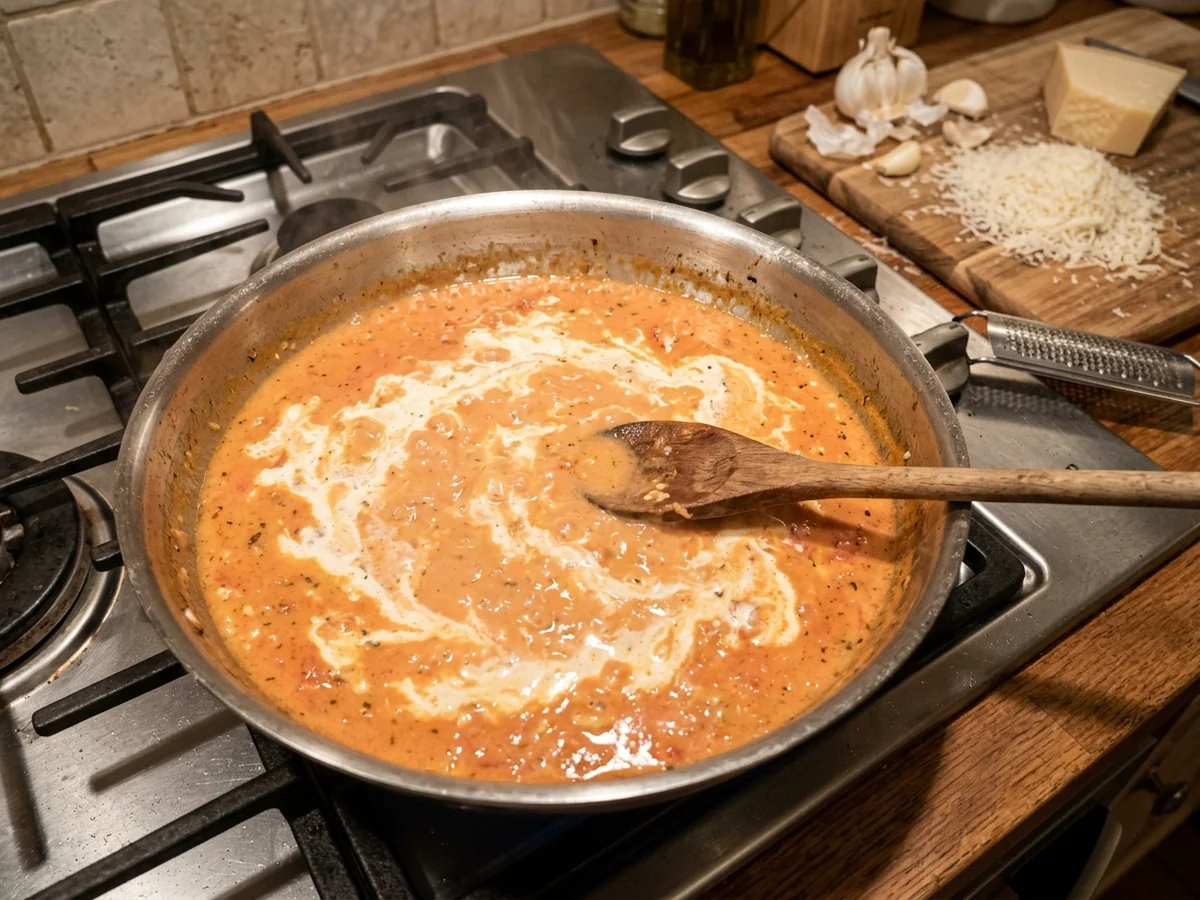
Blending tomato sauce and heavy cream requires balancing acidity and richness to prevent curdling. Simmering the tomato base first reduces excess liquid before you slowly stir in the heavy cream over low heat. That gentle temperature control keeps the dairy smooth as it marries with the vibrant tomatoes. If you rush this step by adding cold dairy to a boiling pan, the sauce will break and separate into an oily texture.
Balancing Temperature and Dairy
Understanding how dairy reacts to heat is the secret to a professional texture in your creamy sausage penne pasta. High temperatures cause milk proteins to tighten and separate, which ruins the velvety mouthfeel. Always reduce the heat to low or remove the pan from the burner briefly before pouring in the heavy cream. Stir continuously to disperse the fat molecules evenly through the tomato base.
Incorporating Garlic and Cheese Properly
Incorporating fresh garlic and Parmesan cheese smoothly relies on timing and gradual addition. Mince the garlic finely and let it release its aroma in the pan before introducing liquids, taking care not to let it burn. Whisking in freshly grated Parmesan cheese at the very end off the heat ensures it melts evenly into the sauce without clumping. Pre-shredded bagged cheeses contain cellulose and anti-caking agents that ruin the velvety finish, so grating a block by hand yields the best results for your easy cheesy sausage penne.
Customizing Your Creamy Cheesy Sausage Pasta Bake
You can easily adapt this sauce foundation to suit different palates using a few simple adjustments. Standard variations help customize your meal when cooking a satisfying batch of ground sausage and penne pasta recipe favorites for family dinners. As noted in typical test kitchen guidance, small additions elevate the dish without altering the core cooking method. You can use 1 pound of bulk Italian sausage as your meat foundation, following standard practices similar to those outlined by the Colorado University staff council guidelines for Italian sausage dishes.
- Stir in red pepper flakes for a spicy kick that cuts through the rich dairy.
- Fold in fresh spinach leaves at the end for added color and nutrition.
- Mix in roasted red peppers to deepen the sweet vegetable notes in the base.
Mastering this sauce transforms basic pantry staples into a comforting meal that pairs wonderfully with penne pasta and 1 pound of bulk Italian sausage sourced from quality providers. Watch for visual cues like a glossy surface and a consistency that lightly coats the back of a spoon before combining everything into your casserole dish.
Visual Cues for Perfect Sauce Thickening
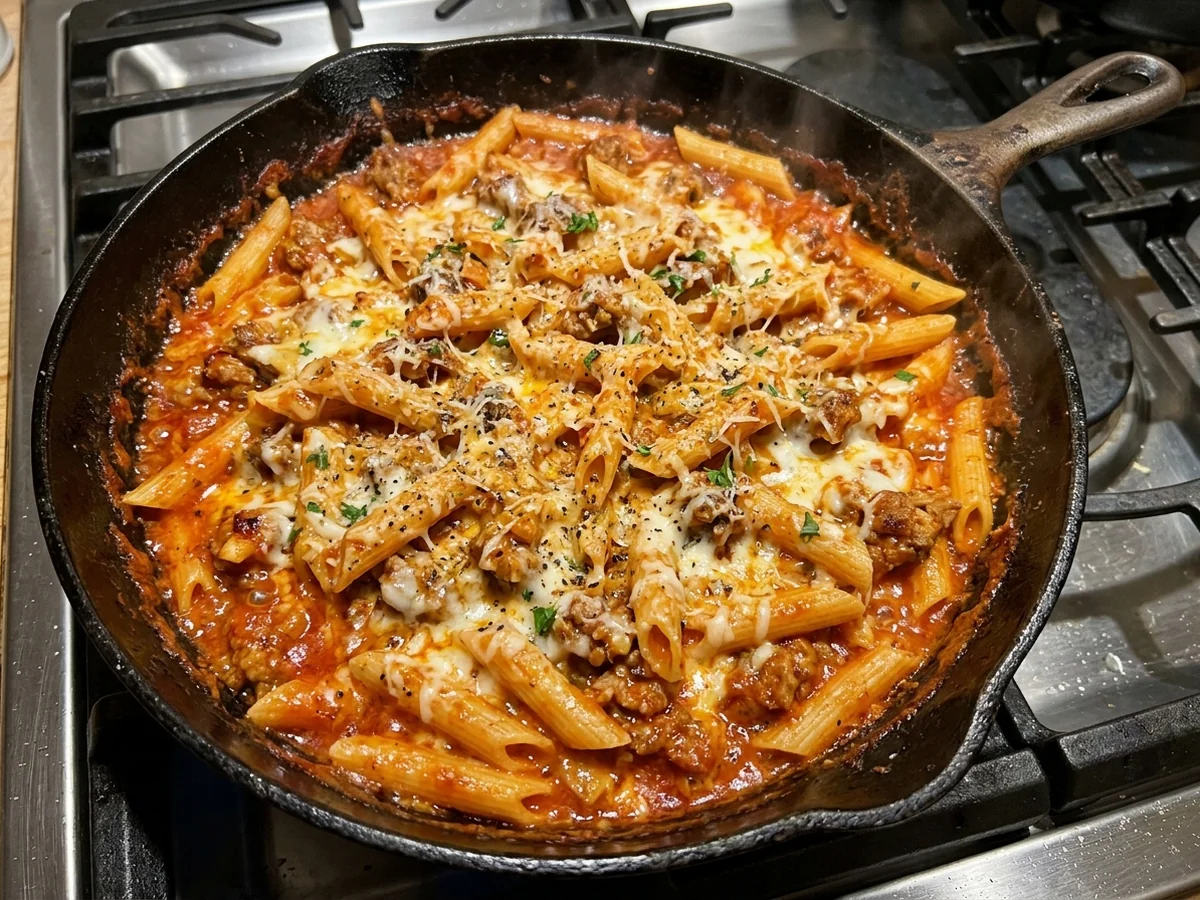
Getting the garlic parmesan creamy tomato sauce right comes down to watching how the liquid behaves in the skillet. As the ingredients simmer together with 1 pound of bulk Italian sausage, the sauce transitions from a loose liquid into a rich coating that clings to every piece of penne pasta. Understanding these visual signs helps you catch the sauce at the exact moment it reaches peak consistency without drying out.
The primary reason sauces fail during reduction is rushing the process over high heat. When the temperature is too hot, dairy and cheese separate, turning your creamy cheesy sausage pasta bake into an oily, curdled pan of food. Lowering the heat before stirring in the cream and parmesan cheese allows them to melt slowly into a smooth, unified emulsion.
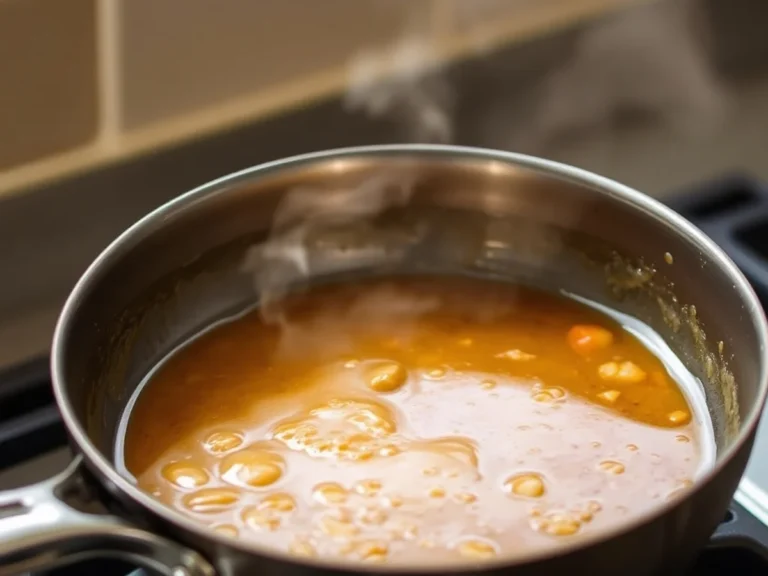
Practical steps for testing your sauce include watching the bubble size and checking texture. When small, glossy bubbles begin to break slowly across the surface, excess moisture has evaporated. You can also drag a wooden spoon through the center of the mixture. If it leaves a clear, temporary path that slowly fills back in, the sauce has achieved the ideal thickness for your easy cheesy sausage penne.
- The mixture should look velvety and rich rather than watery, thin, or separated.
- Slow, glossy bubbles indicate that excess moisture is evaporating correctly as the liquids reduce.
- Dragging a wooden spoon through the center should temporarily reveal the bottom of the skillet.
- The finished sauce should tightly coat the penne pasta and meat without pooling in a watery layer at the bottom of the pan.
Common mistakes during this stage usually involve either over-reducing or under-reducing the liquid base. If the sauce looks too thin, let it simmer gently for another minute while stirring constantly. If it becomes too thick, a splash of reserved pasta water helps loosen the emulsion back into a smooth, glossy coating that ties the whole ground sausage and penne pasta recipe together seamlessly.
Step by Step Cooking Instructions for Cheesy Sausage Penne

Making this comforting skillet meal involves boiling the pasta, browning the meat, creating a rich sauce, and optionally baking the dish until golden. You can follow these clear directions to bring the entire meal together smoothly in your own kitchen for a satisfying dinner.
- Bring a large pot of salted water to a rolling boil and cook the penne pasta until it reaches an al dente texture, then drain it well. Cooking the pasta just until al dente ensures it holds its shape when combined with the warm sauce later.
- Brown one pound of bulk Italian sausage in a large skillet over medium heat, breaking the meat apart with a wooden spoon until it is fully cooked. According to the University of Colorado, using bulk Italian sausage provides an even distribution of savory flavors throughout the entire skillet.
- Add minced garlic to the cooked meat and stir constantly for about one minute until the aroma fills your kitchen. Watch closely during this step because garlic burns quickly and can turn bitter if left unattended.
- Pour the tomato sauce and heavy cream into the skillet with the meat and garlic, stirring gently to build a smooth, creamy sauce. Simmer the mixture on low heat until it thickens slightly and coats the back of your spoon.
- Toss the drained penne pasta and grated Parmesan cheese directly into the simmering sauce until everything is thoroughly combined and coated. This step marries the starch from the pasta with the dairy elements to create a cohesive, velvety finish.
- Transfer the combined mixture into a greased casserole dish if you prefer a bubbly, baked finish with a melted cheese topping. Baking the easy cheesy sausage penne for a few extra minutes under the broiler creates a golden crust that elevates the entire dining experience.
Mastering the Creamy Tomato Sauce
Getting the sauce right for your favorite pasta and savory meat combination requires careful attention to heat control. When you combine heavy cream and tomato sauce, keeping the burner on low prevents the dairy from curdling. Stir the liquid gently as it reduces, and look for visual cues such as the sauce clinging slightly to your stirring spoon. This signals that the starch from the pasta will bind properly with the fats when you toss everything together.
Baking and Broiling Tips
If you decide to turn your stovetop skillet meal into a casserole, a brief turn under the broiler adds remarkable texture. Scatter extra cheese across the top of the pan before placing it in the oven. Keep a close eye on the dish during the final minute because the broiler transitions from perfectly golden to burnt very quickly. Typical kitchen guidance from test kitchens highlights this final broiling step as a simple way to elevate simple weeknight ingredients.
Nutritional Breakdown and Dietary Considerations
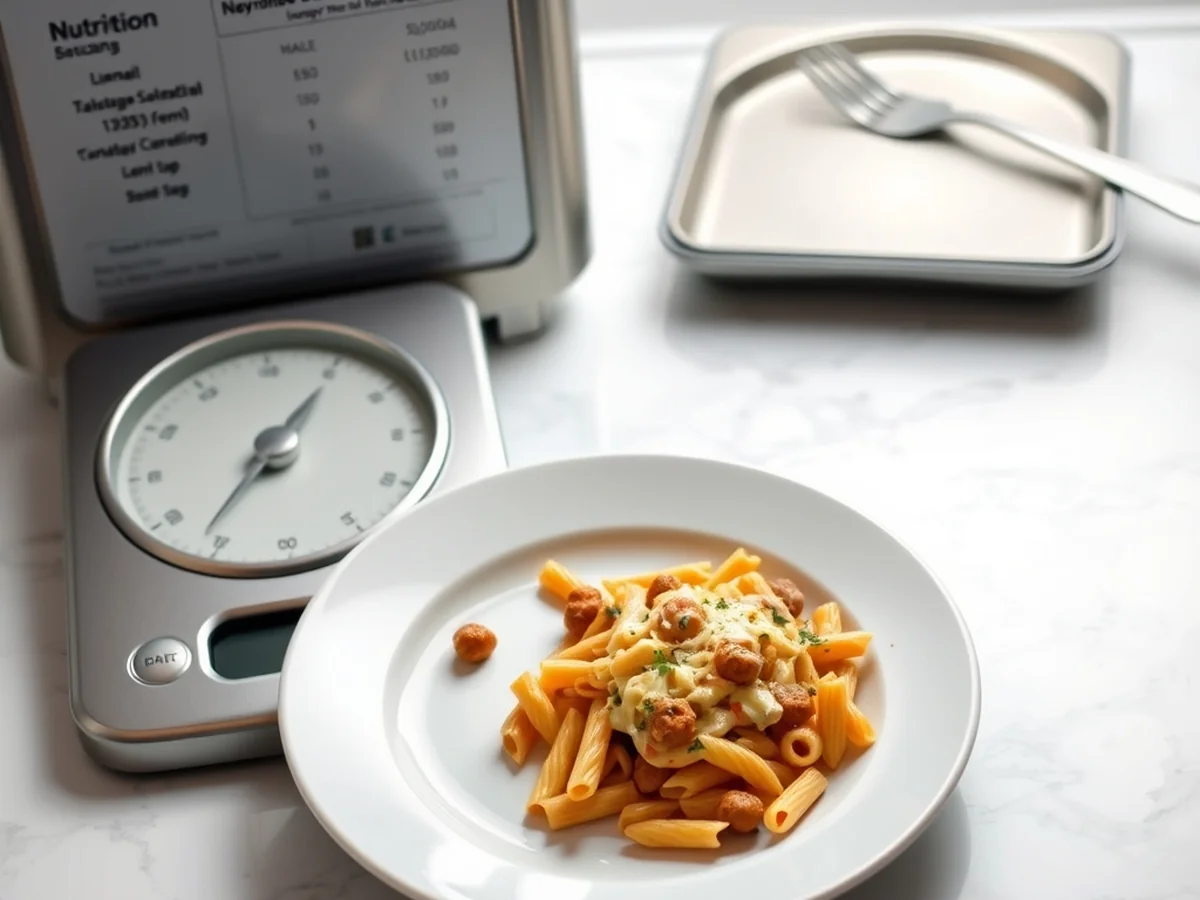
The nutritional profile of cheesy sausage penne comes primarily from its rich combination of meat, dairy, and carbohydrates. Understanding what goes into the dish helps you manage calories and protein levels effectively without guessing at exact metrics. When planning your weekly dinner rotation, evaluating these core components ensures your meal fits your household nutrition goals.
| Component | Primary Source | Contribution |
|---|---|---|
| Protein | Italian sausage | Substantial muscle building blocks |
| Carbohydrates | Penne pasta | Sustained energy and bulk |
| Fats | Parmesan and cream | Rich texture and calorie density |
Bulk Italian sausage provides the primary protein source in this meal, with one pound of meat distributed across the entire batch according to verified food preparation standards from the University of Colorado Boulder. Dairy components like heavy cream and Parmesan cheese add significant calorie density and mouthfeel. Penne pasta rounds out the macronutrient profile by supplying complex carbohydrates. Balancing the meat and dairy portions allows home cooks to enjoy a hearty comfort meal while keeping portion sizes sensible.
Managing the nutritional balance of this creamy pasta dinner requires attention to portion control and ingredient choices. Because heavy cream and cheese contribute substantial richness, home cooks often look for practical ways to adjust the heaviness without losing flavor. You can swap heavy cream for half-and-half or whole milk, or incorporate extra garlic and tomato sauce to build depth without extra fats.
A common mistake when preparing this comforting skillet meal is overcooking the pasta before it enters the oven or skillet. Since pasta continues to absorb moisture and soften as it simmers in the sauce, cooking it past the al dente stage leads to a mushy texture. Keeping the pasta slightly firm ensures the finished casserole maintains a pleasant bite.
Another frequent pitfall involves adding pre-shredded cheese directly into high-heat sauces. Pre-shredded varieties often contain anti-caking agents that prevent smooth melting, resulting in a grainy sauce rather than a velvety finish. Grinding fresh Parmesan cheese at home yields a much smoother texture and superior flavor for your savory dinner.
Storage, Freezing, and Reheating Instructions
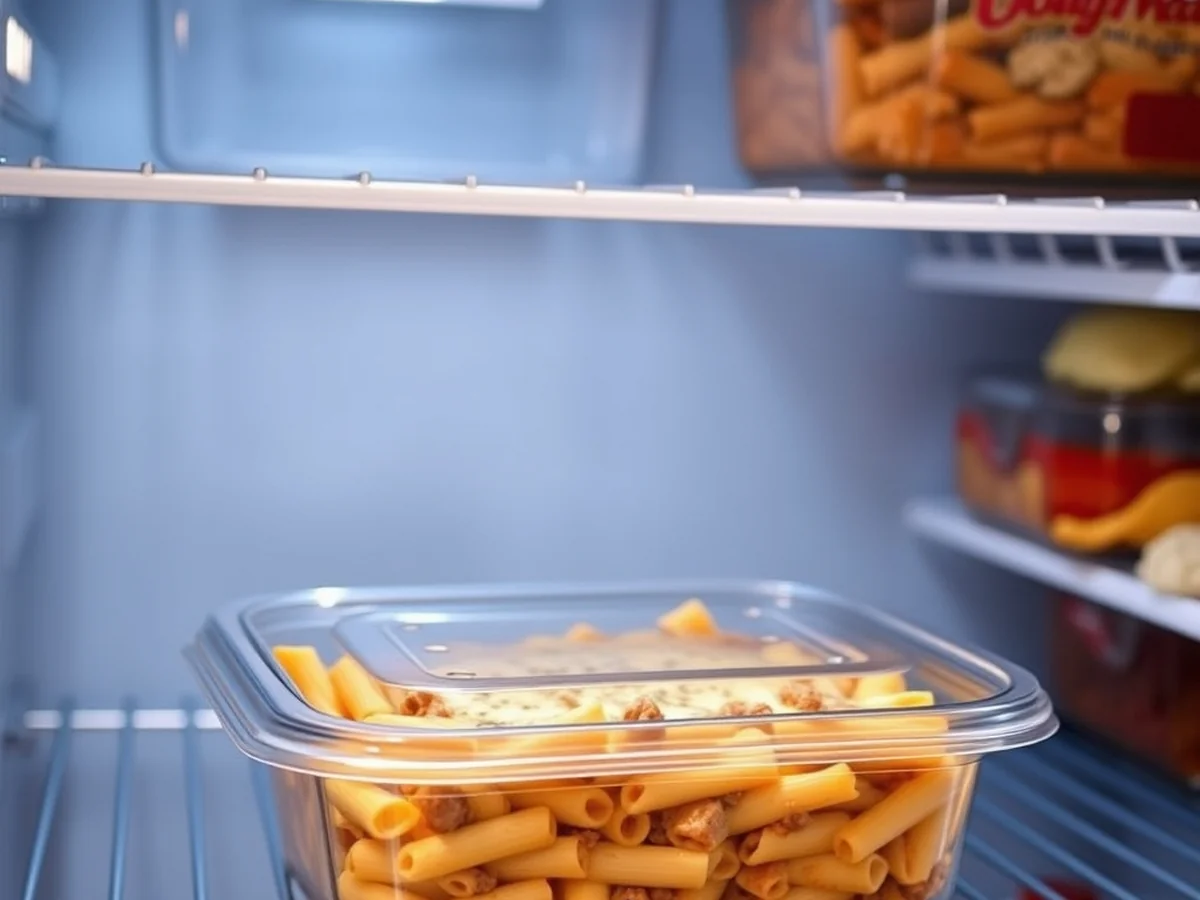
Proper storage ensures your cheesy sausage penne retains its comforting texture and rich flavor for days. When dealing with dairy sauces and penne pasta, careful handling prevents the sauce from separating or turning grainy. Whether you are prepping meals ahead or saving leftovers, follow these practical steps to maintain the quality of your dish.
Allow your casserole to cool completely at room temperature before sealing. Transfer leftover portions into an airtight container and store them in the refrigerator for up to four days. Sealing warm food creates condensation, which leads to excess moisture on top of the sauce and alters the texture of the penne pasta.
Freezing Your Cheesy Sausage Penne
Freezing works well if you plan your meals ahead of time, though the heavy cream and Parmesan cheese require gentle treatment. Divide the pasta into freezer safe containers or heavy duty storage bags. Label each container with the date to keep track of freshness. You can safely freeze this meal for up to two months.
When you are ready to serve frozen portions, thaw them overnight in the refrigerator. Avoid placing a frozen casserole dish directly into a hot oven, because the sudden temperature shock can break the emulsion in the garlic cream sauce and make the meat tough.
Best Reheating Practices
Reheat leftovers gently to keep the sauce smooth and the meat tender. On the stovetop, warm the pasta over low heat while stirring frequently. In the microwave, use fifty percent power to prevent the dairy from separating. If the sauce appears too thick after storage, stir in a small splash of milk or broth to restore its velvety consistency.
Common mistakes to avoid during reheating include using high heat, which causes the fats in the cheese and cream to split, and overheating the Italian sausage, which makes the protein chewy. Warm the food only until heated through for the best dining experience.
How to Make Cheesy Sausage Penne From Scratch
Making comforting cheesy sausage penne starts by boiling penne pasta until tender while simultaneously browning the meat in a large skillet. You will need 1 pound of bulk Italian sausage, as noted in guidelines from the University of Colorado Staff Council, to build a savory flavor base for your dish. When preparing this family dinner, home cooks often follow methods similar to those tested by professional test kitchens like Taste of Home to ensure reliable results.
Building the Creamy Tomato Sauce
Once the meat is fully cooked, drain any excess grease and stir in minced garlic, tomato sauce, and heavy cream to create a rich base. Simmer the mixture briefly so the flavors meld together into a smooth consistency that clings to the noodles. This creamy sausage penne pasta relies on proper simmering to thicken the dairy without curdling.
Assembling and Baking the Casserole
Toss the drained pasta directly into the skillet along with freshly grated Parmesan cheese. Transfer everything into a casserole dish, top with extra shredded cheese, and bake until the top turns bubbly and golden for an easy cheesy sausage pasta bake that satisfies busy weeknight dinners.
Essential Ingredients for Cheesy Sausage Penne
Gathering the right components ensures your warm pasta bake turns out rich and flavorful. You need penne pasta, minced garlic, tomato sauce, heavy cream, and Parmesan cheese to build a comforting meal. According to guidelines from the University of Colorado Boulder staff council recipe collection, this dish specifically uses 1 pound of bulk Italian sausage as its protein base. Having these staples ready makes the cooking process smooth and keeps dinner stress low.
Selecting Proteins and Dairy
Quality ingredients dictate the final texture of the meal. Freshly grated cheese melts much better than pre-shredded varieties, giving this baked pasta dish an extra smooth consistency. Heavy cream adds richness without requiring a complicated roux, while bulk sausage distributes savory flavor throughout every bite of meat and pasta.
Pantry Staples
A reliable box of penne pasta holds up well during baking, catching the thick tomato sauce in its ridges. Minced garlic and standard pantry seasonings round out the flavor profile. Home cooks can adapt these proportions to suit a standard casserole dish while keeping preparation straightforward for busy weeknights.
Nutritional Breakdown of Cheesy Sausage Penne
Understanding the nutritional profile of this hearty skillet meal helps you fit this comforting dish into your weekly meal planning. Each portion delivers a solid amount of protein and carbohydrates, making it a satisfying option for active families and busy weeknights.
Balancing Rich Ingredients
Because this style of warm pasta dinner typically features heavy cream, rich cheeses like Parmesan, and 1 pound of bulk Italian sausage (according to documentation from the University of Colorado staff council), it tends to be higher in calories and saturated fat. Home cooks can balance out the richness of the meal by serving it alongside a crisp green salad or roasted vegetables.
Portion Management
When preparing a savory meat and tubular noodle dinner for family dinners, keeping an eye on portion sizes allows everyone to enjoy the comforting flavors without overindulging. Pairing smaller casserole servings with nutrient dense side dishes helps create a well rounded plate while still delivering the cozy flavors everyone craves.
Frequently Asked Questions About Cheesy Sausage Penne
Can I use a different type of pasta for this recipe?
You can substitute other short pasta shapes like rigatoni or rotini if you do not have penne on hand. These alternatives hold onto the creamy tomato sauce just as well.
How should I store leftover baked pasta?
Store your leftovers in an airtight container in the refrigerator for up to three days. Reheat individual portions in the microwave with a splash of water to restore the creamy texture.
Can I freeze this casserole before baking?
You can freeze the assembled casserole tightly wrapped for up to two months before baking. Thaw it completely in the refrigerator overnight before baking according to the standard instructions.
What is the best way to reheat leftovers without drying them out?
Reheating leftovers slowly on the stovetop over medium-low heat with a tablespoon of milk or cream brings the sauce back to life. Microwaving also works well if you cover the dish and stir halfway through the heating time.
Conclusion and Final Comfort Food Tips
Making a satisfying dinner at home is wonderfully simple when relying on pantry staples and savory meat. This warm skillet meal with pasta and seasoned meat comes together quickly, offering maximum comfort with minimal effort on busy weeknights. Feel free to swap out the vegetables or adjust the dairy to match your family favorite flavors. Grab a skillet and start cooking your own version tonight.
Sources: colorado.edu
You might also like: Crispy Buttermilk Chicken Sandwich Recipe