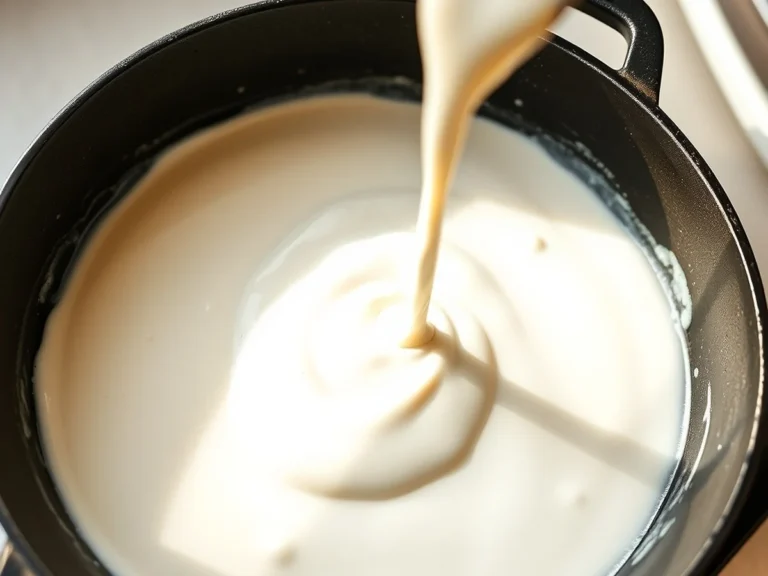

Creamy Rotini Pasta Recipe
Introduction
You can create a delicious creamy rotini pasta at home by mastering the balance of starch and fat to achieve a smooth, restaurant-quality coating. This recipe for creamy rotini pasta focuses on simple techniques that transform basic pantry staples into a satisfying meal.
This guide covers the essential steps for achieving the perfect texture, including how to properly emulsify your sauce using starchy pasta water. You will learn how to select the best ingredients, such as heavy cream containing 36 percent or more milk fat and authentic Parmigiano Reggiano aged for at least 12 months. Beyond the basics, this article provides troubleshooting tips for common sauce issues and storage advice to keep your leftovers safe for up to 4 days when refrigerated at 40 degrees Fahrenheit or below.
Ingredients for Creamy Rotini
The essential components for this dish center on high-quality dairy and the right pasta shape to ensure a luxurious final result. By selecting ingredients that complement one another, you can achieve restaurant-quality results at home with minimal stress.
Rotini is widely considered the ideal choice for this type of meal due to its unique corkscrew geometry. These spirals act as small traps, holding onto thick, velvety sauces that would otherwise slide off smoother noodle varieties.
To build your base, you will need the following items:
- 12 to 16 ounces of rotini pasta
- 1.5 cups of heavy cream, which must contain at least 36 percent milk fat to provide the necessary richness
- 1 cup of freshly grated Parmigiano Reggiano, which is aged for at least 12 months for optimal flavor
- 3 cloves of garlic, minced
- 2 tablespoons of unsalted butter
- Reserved pasta water to help with emulsification
- Salt and black pepper to taste
When preparing the sauce, remember that heavy cream can be stabilized with a small amount of flour or cornstarch if you are concerned about the mixture splitting. Additionally, always reserve a portion of your pasta water before draining the noodles. This water contains starch that helps emulsify sauces, creating a cohesive coating that clings perfectly to every spiral.
For the aromatics, sauté your minced garlic in melted butter for 30 to 60 seconds. This common practice ensures the garlic releases its fragrance without burning, which would introduce a bitter note to your meal.
When cooking your noodles, aim for al dente, which is generally achieved in 8 to 11 minutes depending on the specific brand. Testing the texture early ensures you maintain a firm bite that stands up well to the weight of the sauce. Once finished, if you have leftovers, remember that they should be consumed within 3 to 4 days when stored in a refrigerator kept at 40 degrees Fahrenheit or below.
Why Rotini Holds Sauce Best

Rotini pasta is commonly classified as a corkscrew shaped pasta ideal for holding thick sauces. When you prepare a creamy rotini pasta, the physical geometry of the noodles features deep, continuous ridges and a tight spiral twist that acts as a superior vessel for rich liquids. This unique structure creates a high surface area that traps thick ingredients within the spirals, ensuring every bite is fully coated rather than pooling at the bottom of the dish.
The Mechanics of Sauce Adhesion
Smooth, long-strand varieties often present a challenge for heavy cream sauces because they lack the necessary texture. In contrast, rotini pasta cooking tips frequently emphasize matching the noodle shape to the density of the sauce. As the pasta cooks to an al dente texture, which is generally 8 to 11 minutes depending on the brand, the exterior texture allows heavy cream, which typically contains 36 percent or more milk fat, to cling tightly to the surface.
Mastering the Emulsion and Technique
Achieving a cohesive texture requires more than just picking the right shape. Reserve pasta water contains starch that helps emulsify sauces, binding the dairy and fats together seamlessly. If you are working with rich cheeses, note that Parmesan cheese must be aged for at least 12 months to be labeled as Parmigiano Reggiano, ensuring the deep savory notes that define the best cheese for creamy pasta. When incorporating aromatics, garlic should be cooked for 30 to 60 seconds to release aromatics without burning, which prevents bitterness from ruining the delicate dairy base.
Troubleshooting Common Sauce Issues
Home cooks frequently encounter split or grainy sauces when working with high-fat dairy. To prevent this, common guidance suggests that heavy cream can be stabilized with a small amount of flour or cornstarch to prevent splitting. Applying these techniques transforms a standard meal into a reliable recipe for creamy garlic rotini that holds its structure from the first serving to the last.
- The corkscrew shape creates pockets that capture herbs, spices, and finely chopped aromatics.
- Ridges provide a physical grip that prevents heavy dairy mixtures from sliding off the pasta surface.
- The compact geometry allows for an optimal sauce-to-pasta ratio compared to thin, straight shapes.
Mastering The Cream Sauce Base
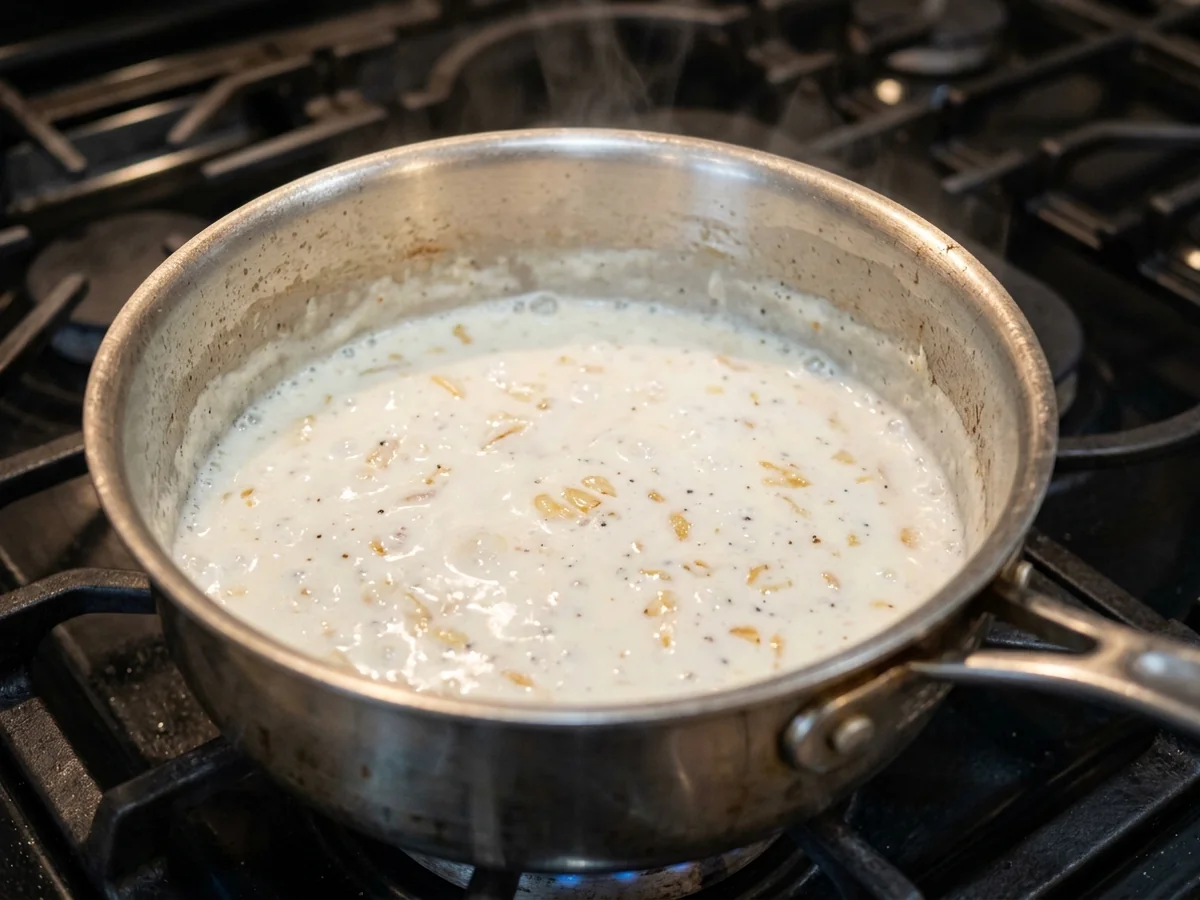
Mastering a rich sauce foundation for your easy creamy pasta sauce recipe starts with understanding dairy composition and timing aromatics correctly. Building a velvety coating requires specific dairy fats, smart heat management, and careful attention to your ingredients. Whether you are preparing a quick weeknight meal or focusing on rotini pasta cooking tips, getting the base right ensures your creamy garlic rotini turns out smooth every single time.
Rotini pasta is classified as a corkscrew shaped pasta ideal for holding thick sauces. When you pair this shape with the right dairy foundation, the grooves catch every drop of flavor. Al dente pasta cooking time is generally 8 to 11 minutes depending on the brand, allowing the noodles to maintain a firm bite before meeting the warm skillet.
Dairy Composition and Heat Management
Heavy cream typically contains 36 percent or more milk fat based on official standards from the U.S. Food and Drug Administration. This high fat content prevents the dairy from curdling when it hits the warm skillet, giving your dish that luxurious texture you want. For home cooks looking to stabilize their sauce even further, common guidance suggests that heavy cream can be stabilized with a small amount of flour or cornstarch to prevent splitting.
Aromatics like minced garlic need careful attention during the initial cooking phase. Common guidance suggests that garlic should be cooked for 30 to 60 seconds to release aromatics without burning. Exceeding this window turns the garlic bitter, which ruins the flavor profile of the entire dish. Keeping the heat at a medium-low level during this step protects the delicate flavors.
The Science of Emulsification
Starch plays a vital role in binding your sauce ingredients together smoothly. Reserve pasta water contains starch that helps emulsify sauces by bridging the gap between oil and water elements. Whisking a splash of this starchy liquid into your reduction creates a cohesive coating that hugs every single twist of the noodles.
Selecting the Right Cheese
When selecting cheese to finish your sauce, quality matters immensely. Parmesan cheese must be aged for at least 12 months to be labeled as Parmigiano Reggiano, according to official standards from the Institute of Culinary Education. Using this authentic cheese provides a rich, nutty depth that elevates your sauce far beyond standard pre-shredded varieties, which often contain anti-caking agents that create a grainy texture.
A common mistake when building a cream sauce is rushing the reduction process over high heat, which causes the dairy fats to separate and results in an oily or clumpy texture. To prevent this, always maintain gentle heat, incorporate your starches properly, and build the layers step by step for a restaurant-quality finish. If you happen to have leftovers, remember that leftover pasta should be consumed within 3 to 4 days when stored in the refrigerator, provided your refrigerator is kept at 40 degrees Fahrenheit or below for optimal food safety.
How to Emulsify Cream Sauce
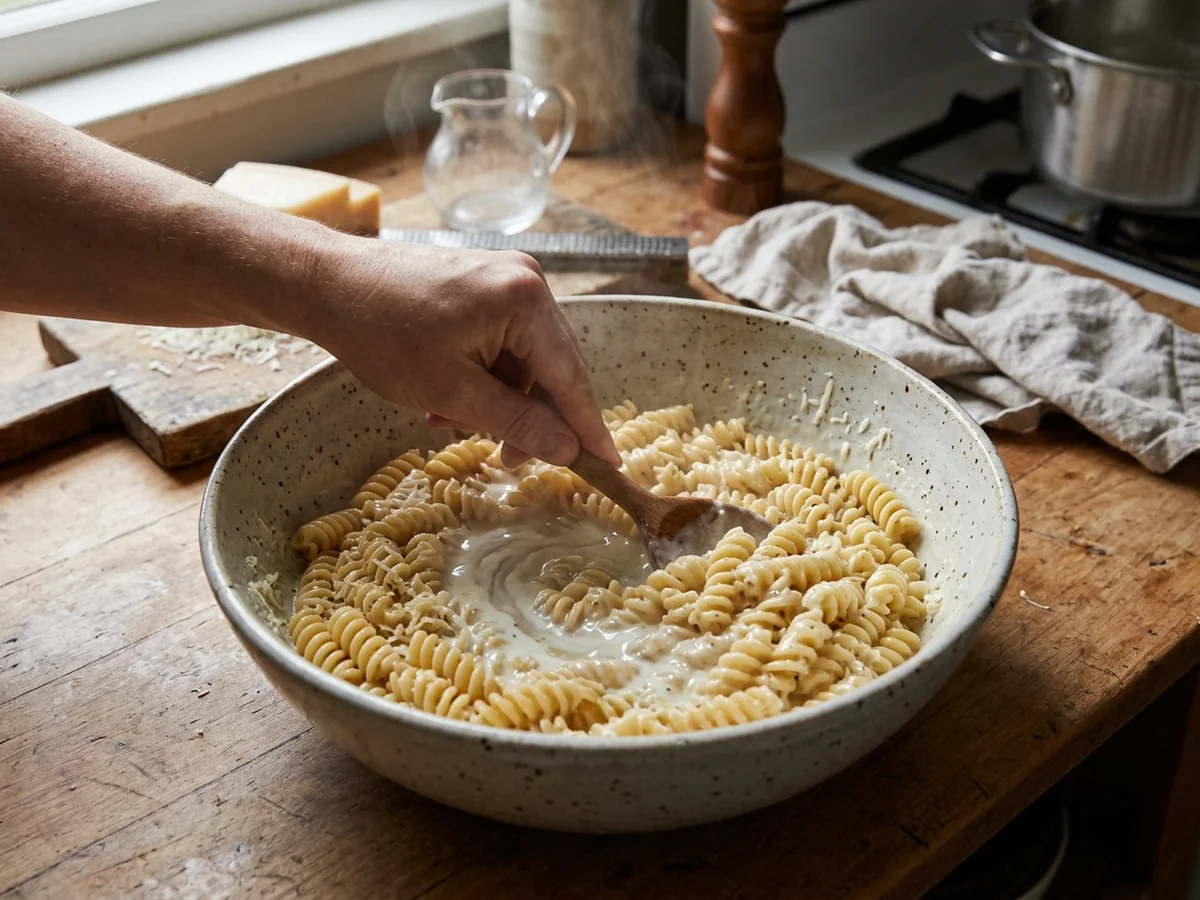
Mastering this technique transforms a simple weeknight dinner into a velvety, restaurant-quality meal. When making a creamy rotini pasta, the goal is to bind the dairy fats and cooking liquids into a glossy, cohesive coating that clings smoothly to the noodles. Because rotini pasta is commonly described in culinary practice as a corkscrew-shaped pasta ideal for holding thick sauces, getting this binding technique right ensures every bite carries maximum flavor.
The Role of Starch and Dairy Fats
The secret to a stable emulsion lies in reserved pasta water. Reserve pasta water contains starch that helps emulsify sauces by acting as a natural bridge between water and fat. To build this structure, heavy cream typically contains 36 percent or more milk fat, which supplies the rich body needed for the base. As the starchy pasta water meets these heavy fats over gentle heat, they fuse together into a smooth glaze rather than separating into an oily mess.
Step-by-Step Emulsification Technique
Achieving the right texture requires patience and careful temperature control. Follow these practical steps to prevent your sauce from breaking or becoming too thin:
- Start by cooking your noodles until they reach the al dente stage, which is generally 8 to 11 minutes depending on the brand, before draining them.
- Reserve a cup of cooking liquid before emptying the rest through your colander.
- Add your liquid in small increments, following typical culinary guidance to begin with a ratio of one part pasta water to three parts cream.
- Maintain low heat while stirring continuously to allow the starches to hydrate and thicken the mixture naturally.
Choosing the Right Cheese for Texture
Adding cheese incorrectly is a common reason why homemade sauces turn grainy. Pre-grated cheeses often contain anti-caking additives like cellulose or potato starch that prevent a smooth melt. For the best outcome in an easy creamy pasta sauce recipe, select a quality block of cheese. For instance, parmesan cheese must be aged for at least 12 months to be labeled as Parmigiano Reggiano. Grating this cheese yourself right before adding it to the skillet guarantees a luxurious, uniform melt without the unwanted grit.
If you find that your pan mixture needs extra body, common guidance suggests that heavy cream can be stabilized with a small amount of flour or cornstarch to prevent splitting during the finishing stages. Always add cheese off the direct heat source if the sauce thickens too quickly, ensuring a seamless finish for your creamy garlic rotini.
Selecting The Perfect Cheese
Choosing the best cheese for creamy pasta dictates how smoothly your sauce binds to the corkscrew grooves of rotini pasta. Different dairy components behave uniquely when exposed to heat due to varying fat and protein structures. Hard aged varieties break down into tiny particles that emulsify evenly with heavy cream and starches, whereas younger cheeses often separate and turn oily under high temperatures. When preparing a comforting dish featuring savory aromatics, selecting the right dairy makes the difference between a velvety coating and a separated sauce.
Why Parmigiano Reggiano Excels in Emulsion
For a flawless sauce, Parmigiano Reggiano stands out as the ideal choice because of its specific aging process and low moisture content. According to the Institute of Culinary Education, Parmesan cheese must be aged for at least 12 months to be labeled as Parmigiano Reggiano. This extensive aging period reduces moisture and concentrates savory flavors, which helps the cheese melt into a velvety consistency rather than clumping.
| Cheese Type | Aging Duration | Melting Quality |
|---|---|---|
| Parmigiano Reggiano | At least 12 months | Smooth and silky |
| Fresh Mozzarella | Unaged | Stringy and elastic |
| Cheddar | Varies | Oily when overheated |
Avoiding Pre-Shredded Varieties
A common mistake when preparing an easy creamy pasta sauce recipe is using pre-shredded cheese from a bag. Pre-shredded varieties often contain cellulose or anti-caking agents that prevent a smooth melt and result in a grainy texture. To achieve the best results when learning how to emulsify cream sauce, always grate your cheese fresh from a block. Furthermore, reserve pasta water contains starch that helps emulsify sauces, acting as a bridge between the melted cheese and heavy cream to create a cohesive coating for your rotini pasta.
Balancing Dairy and Starches
Achieving a restaurant quality finish relies on understanding how components interact under heat. Heavy cream typically contains 36 percent or more milk fat, providing a rich foundation that resists curdling better than lighter milk alternatives. To further protect the texture of your creamy rotini pasta, heavy cream can be stabilized with a small amount of flour or cornstarch to prevent splitting when combined with warm cheese and al dente noodles.
Preventing Common Cooking Mistakes

Mastering a few fundamental techniques will keep your creamy rotini pasta smooth, glossy, and perfectly seasoned every single time. Temperature control and careful ingredient measurements protect the texture of the sauce while ensuring balanced flavor throughout the meal. Following sound rotini pasta cooking tips helps you avoid common kitchen pitfalls and guarantees a restaurant quality dish at home.
Managing Heat and Dairy Separation
One frequent issue involves dairy separation during heating. Because heavy cream typically contains 36 percent or more milk fat, it requires gentle heat to maintain its emulsion. Subjecting the dairy to high heat causes it to split and turn greasy. If your sauce appears too thin, a common practice is whisking in a small amount of flour or cornstarch, which helps stabilize the liquid without altering the rich taste. When garlic is part of the flavor base, cooking it for 30 to 60 seconds is typical practice to release aromatics without burning.
Mastering Seasoning and Emulsification
Another area where home cooks often struggle relates to seasoning and emulsification. A widespread myth suggests that salted pasta water should ideally taste like the sea, but properly salted water simply seasons the noodles without overwhelming the dish. Furthermore, reserve pasta water contains starch that helps emulsify sauces and bind the noodles together, creating a cohesive coating for your corkscrew shaped pasta. Rotini pasta is classified as a corkscrew shaped pasta ideal for holding thick sauces. Al dente pasta cooking time is generally 8 to 11 minutes depending on the brand, ensuring the noodles maintain the right bite before they meet the sauce.
Selecting Authentic Ingredients and Storing Leftovers
Choosing quality ingredients elevates the final meal significantly. For instance, Parmesan cheese must be aged for at least 12 months to be labeled as Parmigiano Reggiano, providing an authentic depth of flavor that prepackaged alternatives simply cannot match. Proper storage is the final step in preventing culinary mishaps. If you have leftovers, remember that the ideal refrigerator temperature for food safety is 40 degrees Fahrenheit or below. Stored properly in this environment, leftover pasta should be consumed within 3 to 4 days.
Here are the primary troubleshooting steps to keep your dish tasting and looking its best:
- Watch the heat closely because heavy cream can easily overheat, which causes it to split and turn greasy.
- Fix a sauce that appears too thin by whisking in a small amount of flour or cornstarch, which is a common practice to help stabilize the liquid.
- Remember that heavy cream typically contains 36 percent or more milk fat, meaning it requires gentle heat to maintain its emulsion.
- Add salt to the boiling water for flavor rather than trying to replicate ocean water salinity, correcting a common myth about overly salty pasta water.
- Utilize the natural starch found in reserve pasta water because it helps emulsify sauces and bind the noodles together.
- Stir continuously when combining dairy products with hot starches to prevent clumping and separation.
Storage And Safety Guidelines
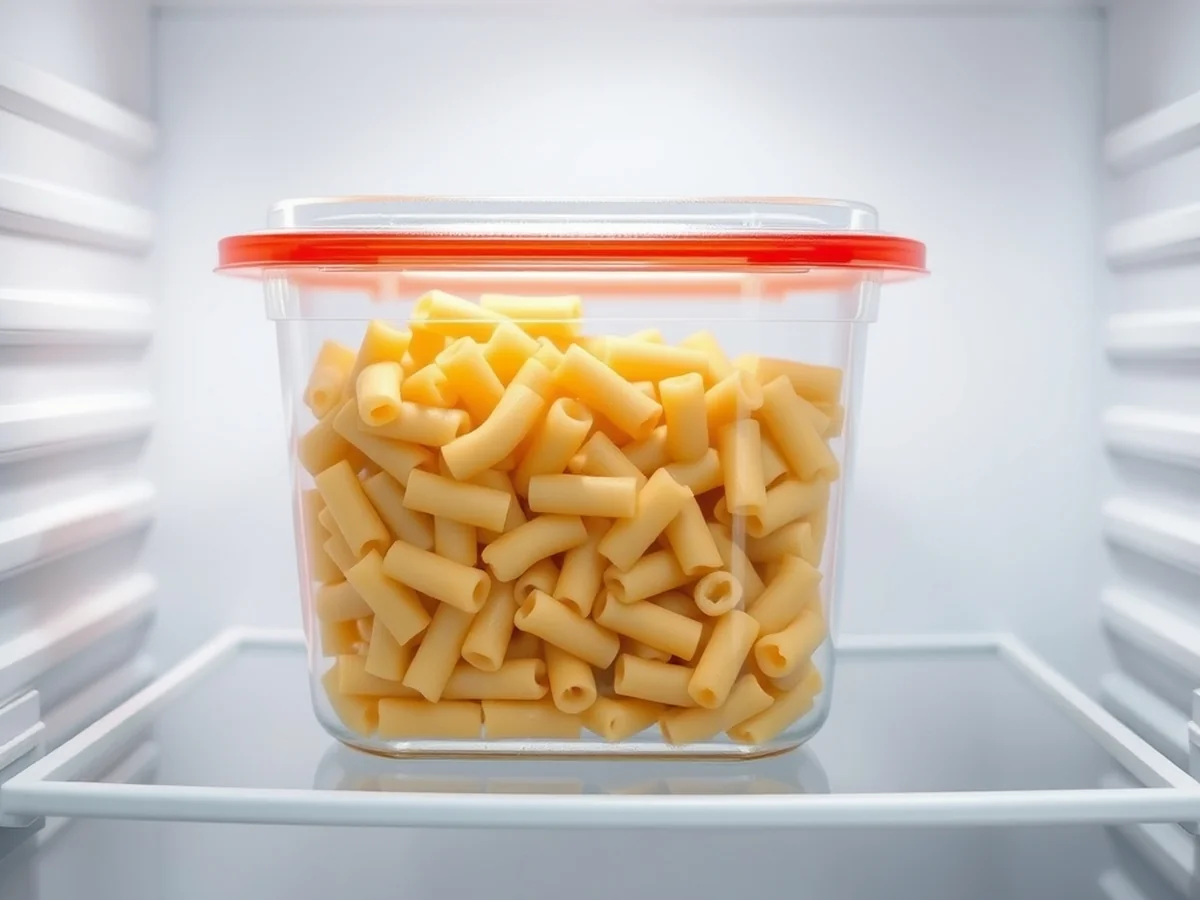
Proper management of leftovers keeps your leftover pasta safe and delicious for days after cooking. Because heavy cream typically contains 36 percent or more milk fat, dairy based meals require careful temperature monitoring. Keeping your refrigerator at the ideal food safety temperature of 40 degrees Fahrenheit or below prevents harmful bacterial growth in meals containing heavy cream and cheese.
When stored in an airtight container in the refrigerator, leftover pasta should be consumed within 3 to 4 days, according to safety guidelines from the United States Department of Agriculture Food Safety and Inspection Service. Beyond that window, the quality of the rotini pasta and the rich dairy sauce declines significantly, and the dish may no longer remain safe to eat. Freezing creamy pasta dishes made with heavy cream and aged cheeses like Parmigiano Reggiano is generally discouraged because high fat dairy emulsions tend to separate, become grainy, and lose their smooth texture upon thawing.
Reheating this comfort meal requires gentle temperature control to keep the sauce from breaking and turning oily. High heat causes the fats in the dairy to separate rapidly from the liquid components. To restore a smooth texture without splitting the emulsion, use low heat on the stove. Adding a small splash of water or milk while warming the dish helps bring the sauce back together. If you notice the sauce thickening too much as it warms, remember that reserve pasta water contains starch that helps emulsify sauces smoothly, reviving your creamy rotini pasta to a restaurant quality texture.
FAQ
How do I prevent the sauce from breaking?
Preventing your cream sauce from breaking often relies on temperature control and starch integration. Heavy cream can be stabilized with a small amount of flour or cornstarch to prevent splitting. Furthermore, removing the pan from direct high heat before stirring in your cheese helps keep the sauce smooth.
Can I freeze creamy pasta?
Freezing dishes made with heavy cream is generally not recommended because dairy-based emulsions tend to separate and turn grainy upon thawing. If you do store leftovers, keep them in a sealed container in the refrigerator and consume them within 3 to 4 days while maintaining a refrigerator temperature of 40 degrees Fahrenheit or below.
What is the best type of cheese for a creamy sauce?
Parmesan cheese works exceptionally well because it melts smoothly into hot liquids and adds a rich, savory depth. Keep in mind that Parmesan cheese must be aged for at least 12 months to be labeled as Parmigiano Reggiano. Freshly grating your cheese yields a much smoother texture than using pre-grated varieties coated in anti-caking agents.
How do I make the sauce thicker?
You can thicken your sauce by simmering it gently to reduce excess liquid or by adding starchy pasta water. Reserve pasta water contains starch that helps emulsify sauces naturally. Whisking in a small pinch of flour or cornstarch also provides reliable thickening power without altering the rich flavor of your dish.
How much salt should I add to pasta water?
Your pasta water should be generously seasoned so the noodles absorb flavor as they boil. While an old myth suggests the water should taste like the sea, a moderate amount of salt is plenty for proper seasoning without overpowering your meal.
Conclusion
Deciding when to cook this comforting dish comes down to planning your next quick weeknight meal. Gather your ingredients and follow the simple steps to prepare a batch of creamy rotini pasta tonight. Your homemade dinner will come together in minutes with minimal stress.
Sources: ecfr.gov, ice.edu, fsis.usda.gov, fda.gov
You might also like: Crispy Buttermilk Chicken Sandwich Recipe