Pork Tenderloin Medallions with White Mustard Sauce
Introduction
You can prepare restaurant-quality pork tenderloin medallions with mustard sauce by using high-heat searing and a simple pan reduction technique. This guide covers the essential steps for achieving a tender, flavorful result while ensuring the meat reaches the safe internal temperature of 145 degrees Fahrenheit as recommended by the USDA.
Pork tenderloin is widely considered the most tender cut of the pork loin and is a lean protein choice containing less than 10 grams of fat per 3-ounce serving. Throughout this article, you will learn proper pork medallion cooking techniques, including how to develop a rich fond during the searing process and how to finish your dish with a balanced, classic pan sauce. We also include practical tips on resting your meat and selecting aromatics to elevate your meal.
Pork Medallion Ingredients
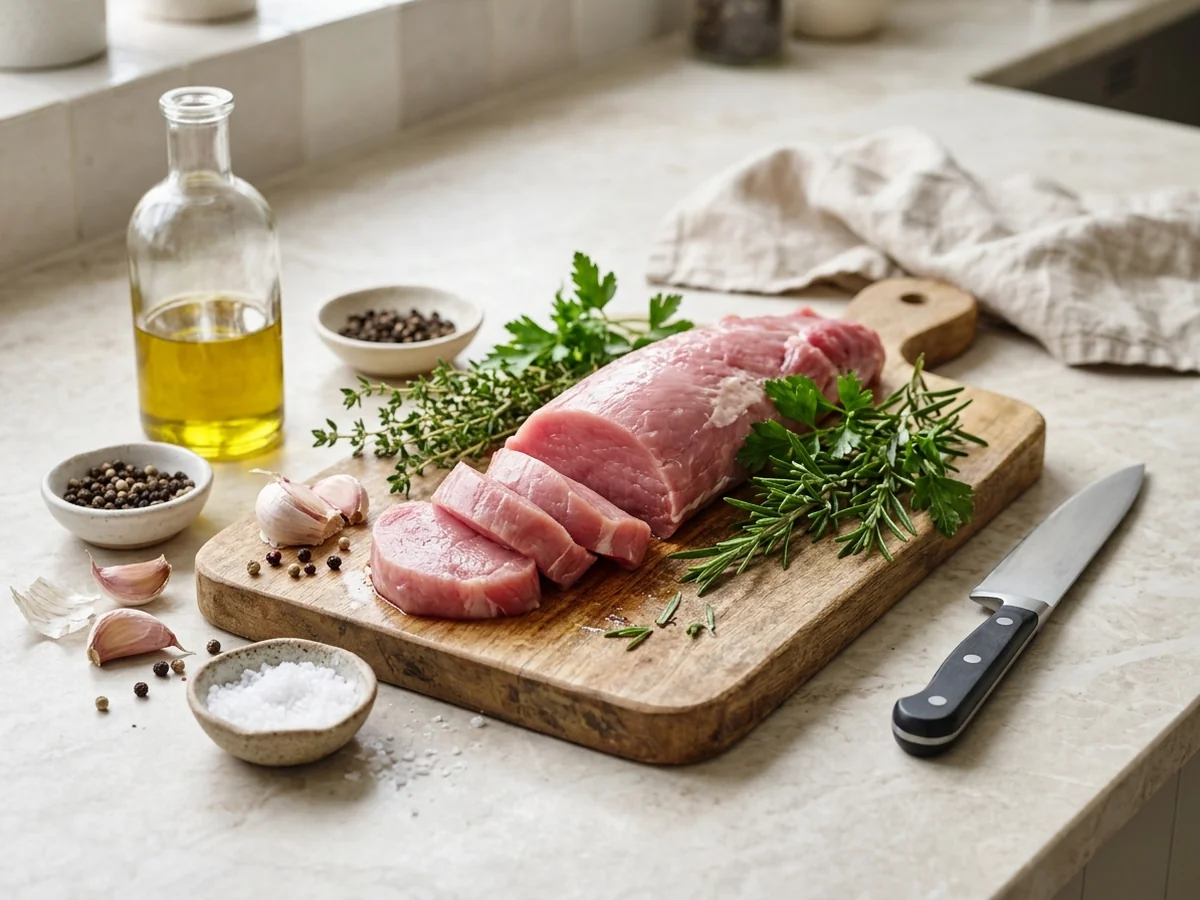
Creating a high-protein dinner starts with selecting the right cut. Pork tenderloin is widely considered the most tender portion of the pork loin. Because it is a lean cut containing less than 10 grams of fat per 3 ounce serving, it requires specific handling to ensure it remains succulent. The goal is to maximize flavor while protecting the integrity of the meat.
The Science of Searing and Fond
The culinary secret to restaurant-quality medallions is the Maillard reaction. By searing the pork at high heat, you trigger a chemical reaction between amino acids and reducing sugars that creates a complex, savory crust. This process leaves behind fond, which refers to the browned bits of food stuck to the bottom of the skillet. Developing this fond is essential for a high-quality pan sauce for pork tenderloin, as it provides the primary flavor base that is released through deglazing with liquid.
Building the Perfect Mustard Sauce
A balanced sauce relies on specific foundational components. Dijon mustard is a staple in French-style bistro cooking, typically incorporating white wine or verjuice for a sharper, more acidic profile than standard yellow mustard. Shallots are frequently used as the aromatic base for their mild, sweet complexity. To finish, fresh herbs like thyme or tarragon are often added to provide a bright contrast to the richness of the meat.
When preparing your ingredients, consider the following pantry essentials:
- Pork tenderloin: Sliced into uniform medallions for consistent cooking.
- Deglazing liquid: White wine, dry vermouth, or chicken stock.
- Aromatics: Finely minced shallots or garlic.
- Mustard: High-quality Dijon for the primary tang.
- Fresh herbs: Thyme or tarragon for seasoning.
Safety and Preparation Standards
Mastering pork medallion cooking techniques requires attention to temperature and timing. Because tenderloin is lean, it can dry out quickly if overcooked. According to the USDA Food Safety and Inspection Service, the minimum internal temperature for pork is 145 degrees Fahrenheit. Using a digital meat thermometer is the most reliable way to check for doneness.
Once the meat reaches this temperature, the final step is essential. You must rest the pork for at least 3 minutes after cooking. This resting period allows the internal juices to redistribute throughout the medallion. Skipping this step often results in moisture loss when the meat is sliced. By honoring these safety and resting guidelines, you ensure that every bite is tender and ready to be served with your prepared mustard sauce.
Preparing Even Medallions
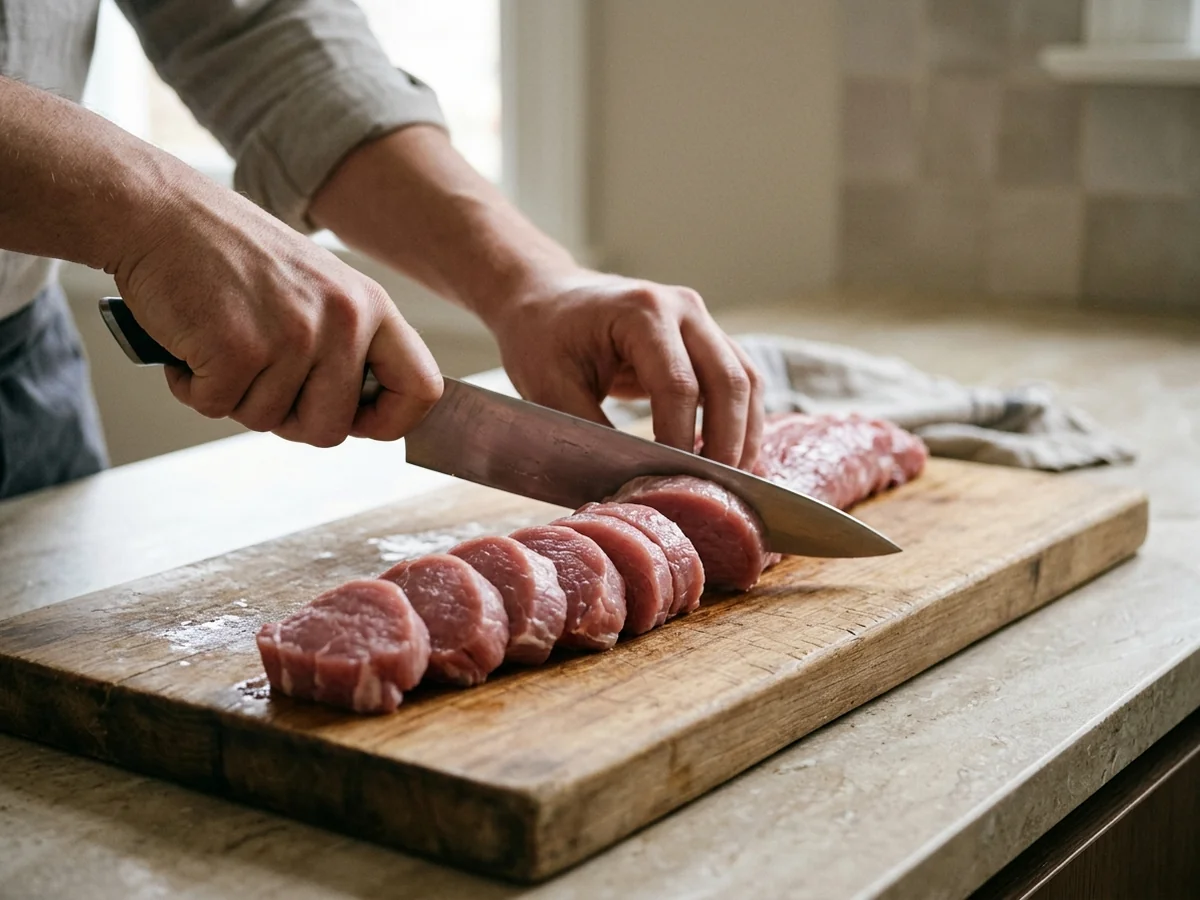
Achieving restaurant-quality results starts with how you prepare your meat. Slicing a pork tenderloin into uniform rounds is the most effective way to ensure every piece reaches the proper internal temperature at the same time. Because pork tenderloin is considered a lean cut of meat with less than 10 grams of fat per 3 ounce serving, it can quickly become dry if overcooked.
Consistency in thickness prevents the frustration of having some pieces reach the safe minimum of 145 degrees Fahrenheit while others remain undercooked or turn tough. The USDA recommends a minimum internal temperature of 145 degrees Fahrenheit for pork, followed by resting the meat for at least 3 minutes to allow the juices to redistribute throughout the cut.
Removing the Silverskin
Before you begin slicing, address the silverskin to ensure a tender eating experience. This connective tissue does not break down during quick cooking and can cause the medallions to curl or become chewy. To remove it, place the tenderloin on a stable cutting board and slide a sharp, thin boneless knife just under the silvery-white membrane. Hold the end of the silverskin with your fingers and pull gently while guiding the knife blade along the meat at a shallow angle to remove it. Trim any excess fat or loose flaps to ensure the surface of each medallion is clean and ready for even browning.
Achieving Consistent Thickness
Once trimmed, use a sharp chef knife to cut the tenderized meat into rounds that are roughly one to one and a half inches thick. Using a consistent measurement is vital for successful pork medallion cooking techniques. If some rounds are significantly thicker than others, they will not finish cooking simultaneously, which complicates your ability to manage the pan sauce effectively. After cutting, press down gently on any uneven rounds with the palm of your hand to create a flat shape that promotes steady contact with the pan surface.
Why Uniformity Matters for Searing
Uniform thickness allows you to focus on developing a rich fond in your skillet without worrying about uneven doneness across the pan. When you sear pork at high heat, you trigger the Maillard reaction, which adds depth of flavor to your meal. By keeping your medallions consistent in size, you ensure that each piece benefits from this reaction equally. This preparation sets the stage for a successful sear and makes it much easier to build a flavorful pan sauce for pork tenderloin later. Once your rounds are prepped, they will cook more predictably.
Mastering the Perfect Sear
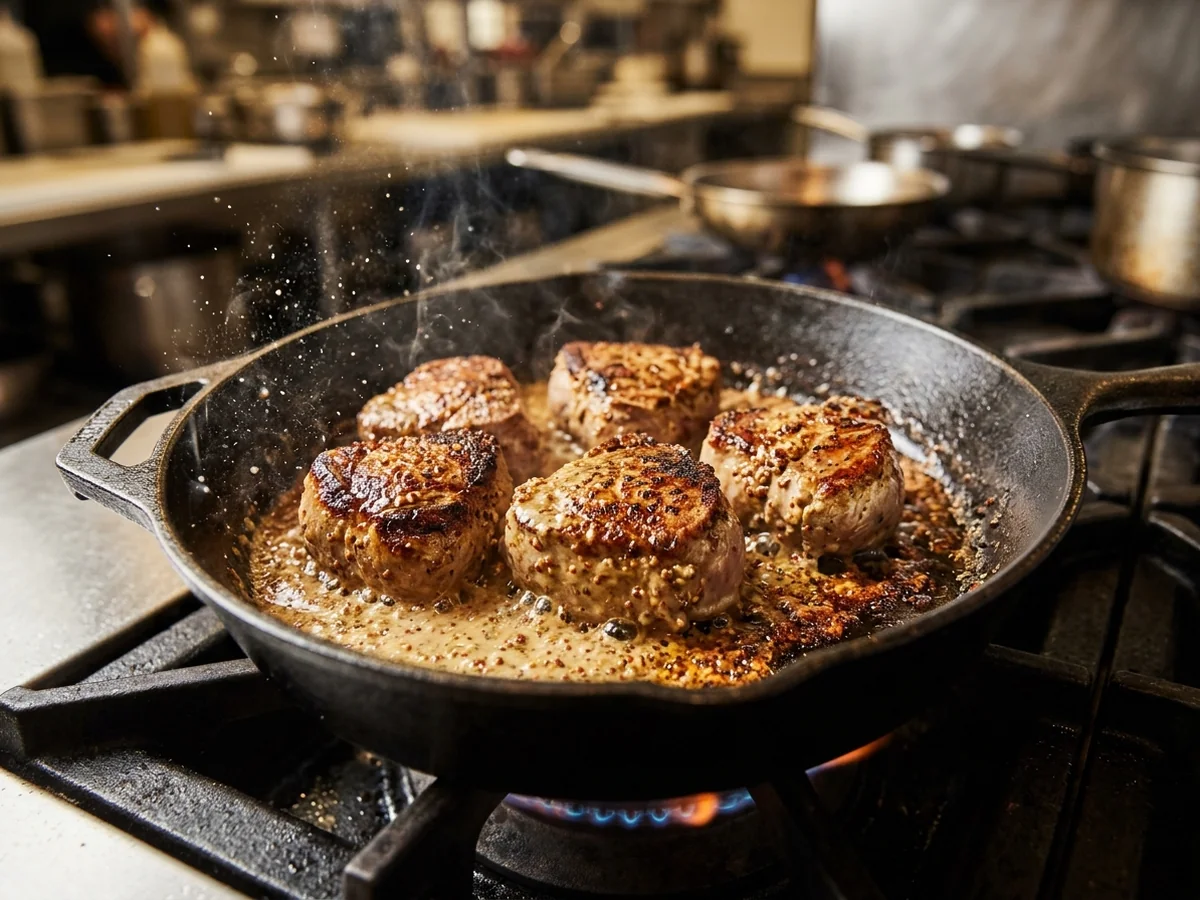
Achieving a professional crust on pork tenderloin medallions begins with using high heat to trigger the Maillard reaction. This chemical process creates a deep, savory flavor profile on the surface of the meat. Because pork tenderloin is commonly considered the most tender cut of the pork loin and a lean protein with less than 10 grams of fat per 3 ounce serving, proper searing is essential for adding moisture and depth to the final dish.
Selecting and Preparing Your Pan
A cast iron skillet is the ideal tool for this technique due to its superior heat retention. Unlike thinner pans that lose temperature immediately when cold meat hits the surface, cast iron maintains a steady, intense heat across the entire cooking area. This consistent performance ensures that every medallion develops an even, golden-brown crust rather than steaming in its own juices. To achieve the best results, always pat the surface of your meat completely dry with paper towels before cooking. Excess moisture creates steam, which prevents the browning process from occurring effectively.
Developing Flavor with Fond
As you sear the meat, you will notice brown bits clinging to the bottom of your skillet. This residue is known as fond, a concentrated source of flavor that serves as the foundation for your pan sauce for pork tenderloin. After removing the cooked meat, deglazing the pan with liquid is the primary method for lifting this fond from the surface. Shallots are a traditional aromatic base for these sauces, while Dijon mustard is frequently chosen for its sharper flavor profile, which often comes from verjuice or white wine. Fresh herbs like thyme or tarragon are also commonly paired with these mustard-based sauces to add brightness.
Safe Handling and Resting
Proper timing is critical when learning how to sear pork medallions. Avoid overcrowding the skillet, as this lowers the pan temperature and prevents proper browning. According to the USDA Food Safety and Inspection Service, you must verify that your pork reaches a minimum internal temperature of 145 degrees Fahrenheit to ensure safety. Once the meat reaches this temperature, transfer it to a plate and let it rest for at least 3 minutes. Resting the pork allows the juices to redistribute throughout the medallions, which prevents the meat from becoming dry when you slice into it. By following these steps for preparing lean protein, you can transform simple ingredients into a restaurant-quality meal.
Making Creamy Mustard Sauce
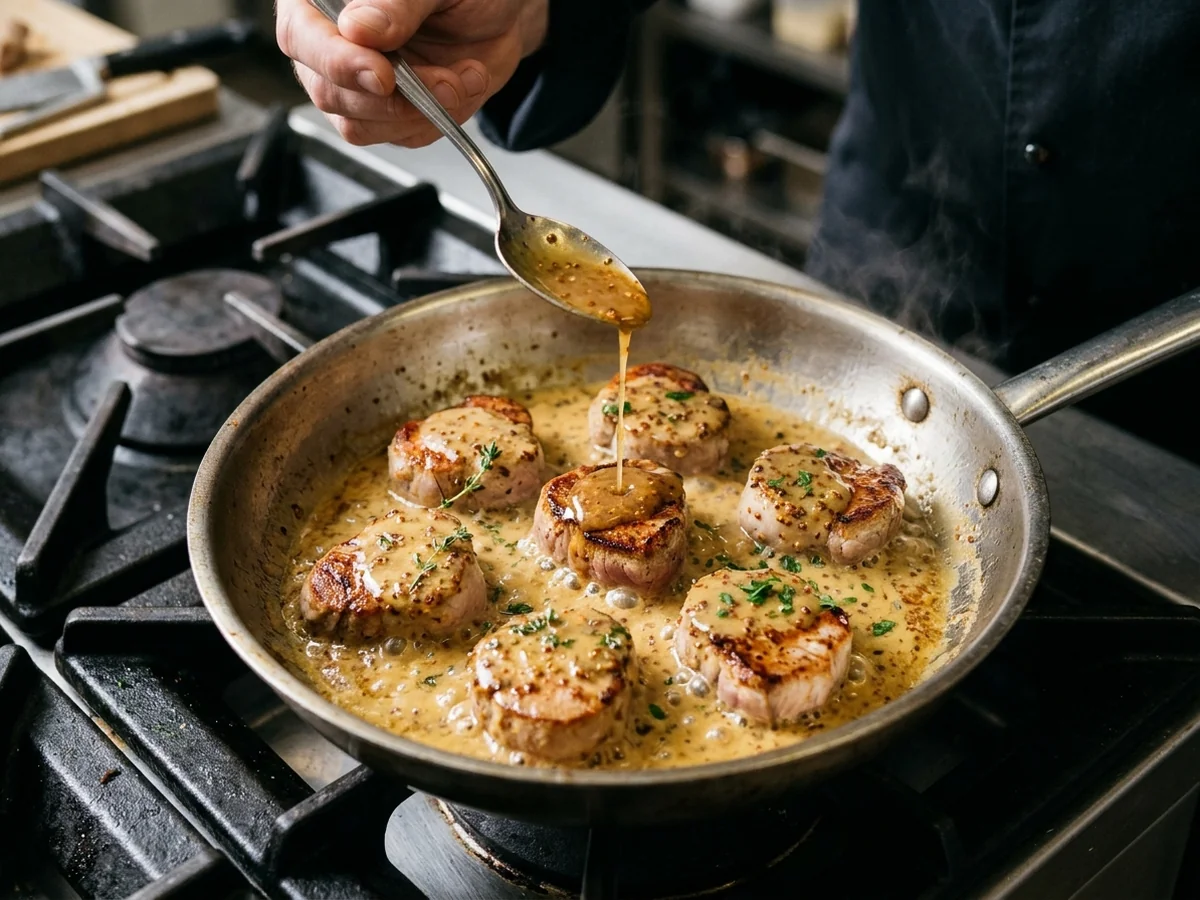
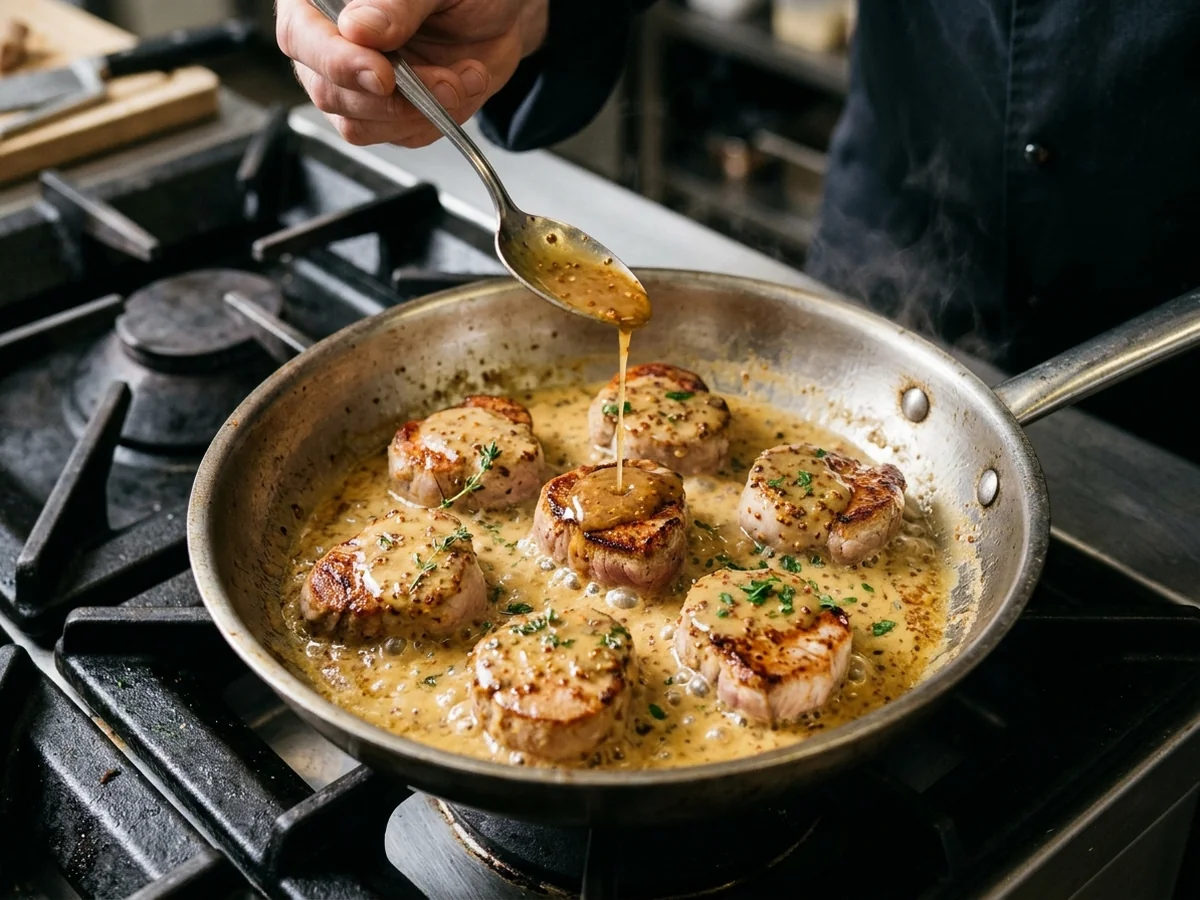
You create a professional-grade finish for your pork tenderloin medallions by deglazing the cooking vessel to lift the concentrated flavor trapped in the browned bits left behind after searing. This technique ensures no flavor is wasted, turning the drippings into the foundation of your meal.
Deglazing is the process of adding liquid to a hot pan after searing meat, which effectively picks up the fond, or those savory, browned bits of food stuck to the bottom of the pan. This residue contains the concentrated essence of the meat, providing a depth of flavor that is essential for a high-quality sauce.
To begin the sauce, add finely minced shallots to the pan after the pork is removed. Shallots are widely considered a traditional aromatic base for French-style pan sauces because they soften quickly and provide a mild, sweet onion flavor that balances the acidity of the mustard.
Once the shallots are translucent, pour in your chosen deglazing liquid, such as white wine or stock, and scrape the bottom of the pan with a wooden spoon to release all the fond. After the liquid has reduced by half, whisk in your Dijon mustard. Because Dijon mustard typically contains verjuice or white wine, it offers a sharper and more complex profile than standard yellow varieties, which is ideal when preparing pork tenderloin medallions with mustard sauce.
You can adjust the consistency of the sauce based on your preference for a lighter or thicker finish. If you desire additional complexity, consider adding these common flavor enhancers:
- Fresh herbs like thyme or tarragon, which are frequently paired with mustard-based sauces to add aromatic brightness.
- A small amount of stock or broth to stretch the sauce without overpowering the delicate mustard flavor.
- A cold knob of butter whisked in at the very end to provide a glossy sheen and a smooth mouthfeel.
Always keep the heat low while incorporating the mustard to ensure the sauce remains smooth and emulsified. Proper temperature control prevents the sauce from breaking, resulting in a velvety finish that coats the medallions perfectly.
Pork Internal Cooking Temperatures
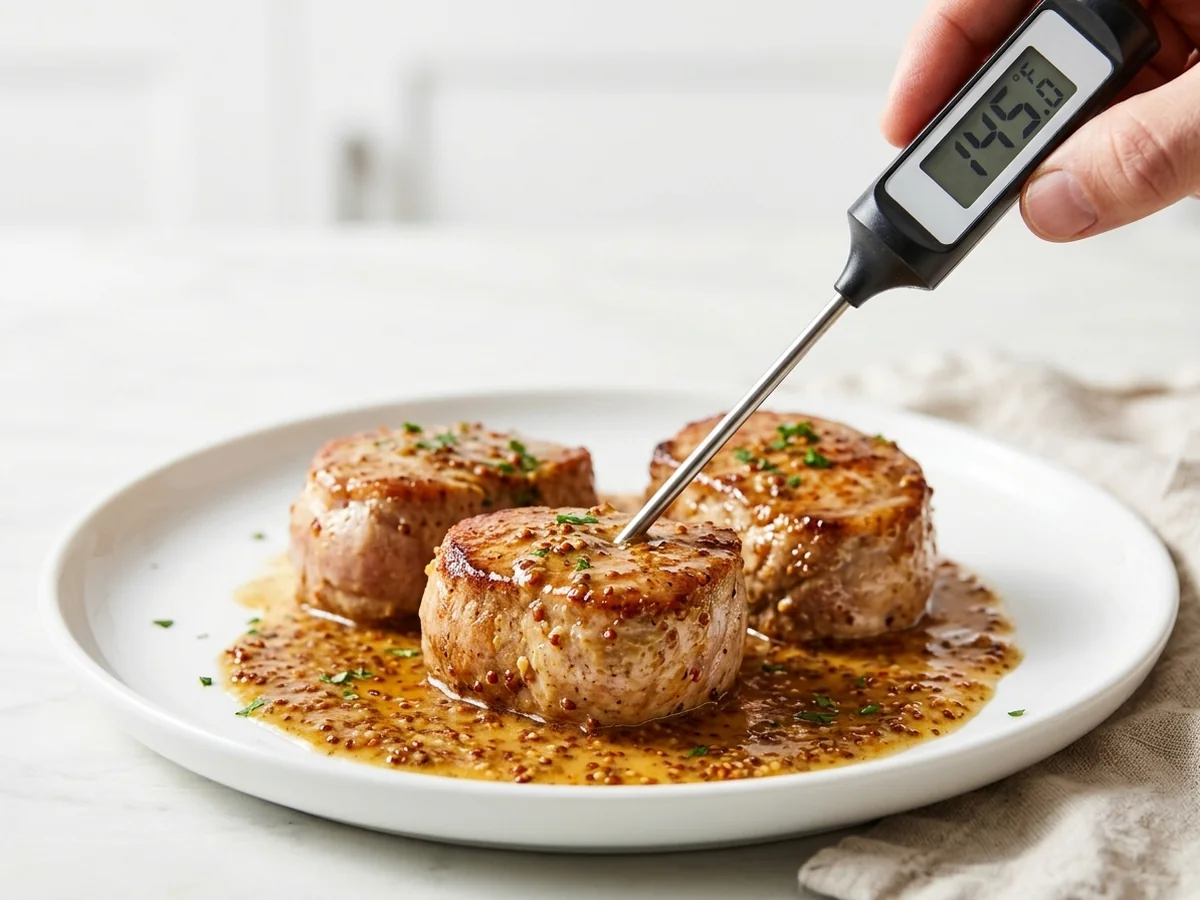
Achieving the correct level of doneness is essential for both food safety and texture. Pork tenderloin is considered a lean cut of meat, containing less than 10 grams of fat per 3 ounce serving, which means it can quickly become dry if overcooked. To ensure safe and high-quality results, the USDA Food Safety and Inspection Service recommends a minimum internal temperature of 145 degrees Fahrenheit for whole cuts of pork.
Mastering the Sear
When preparing pork tenderloin medallions with a mustard sauce, proper searing techniques are the first step toward success. Searing the meat at high heat before it reaches the final temperature creates a Maillard reaction, which adds necessary depth of flavor and a crisp exterior to the lean medallions. Using a heavy-bottomed pan, such as a cast iron skillet, provides the consistent heat required to develop this crust. To ensure even cooking, slice your tenderloin into medallions of uniform thickness before they hit the pan.
The Science of the Sauce
Once the medallions are removed from the pan, you can utilize the browned bits left behind, known as fond. Deglazing the pan with a splash of liquid, such as a dry white wine or stock, allows you to lift the fond from the bottom of the pan. This technique forms the foundation for a professional pan-finished sauce. Dijon mustard is a frequent addition to this base, as it typically features verjuice or white wine, offering a sharper acidity than standard yellow mustard. For a traditional French-style sauce, it is common practice to sauté shallots in the pan first and finish the sauce with fresh herbs like thyme or tarragon.
| Doneness Level | Internal Temperature |
|---|---|
| Medium-Rare | 145 degrees Fahrenheit |
| Medium | 160 degrees Fahrenheit |
| Well-Done | 170 degrees Fahrenheit |
The Importance of Resting
A frequent mistake when preparing these cuts is slicing or serving the meat immediately after removing it from the heat. Resting your pork for at least 3 minutes is a critical step that allows the natural juices to redistribute throughout the fibers of the meat. If you skip this resting period, the juices will escape onto the cutting board instead of remaining in the medallions, resulting in a significantly drier texture. This step remains important regardless of whether you are finishing the meat with a sauce or serving it plain. By monitoring the internal temperature for pork tenderloin and allowing the meat to rest, you ensure the most tender results for this lean cut.
Avoiding Tough Pork Medallions
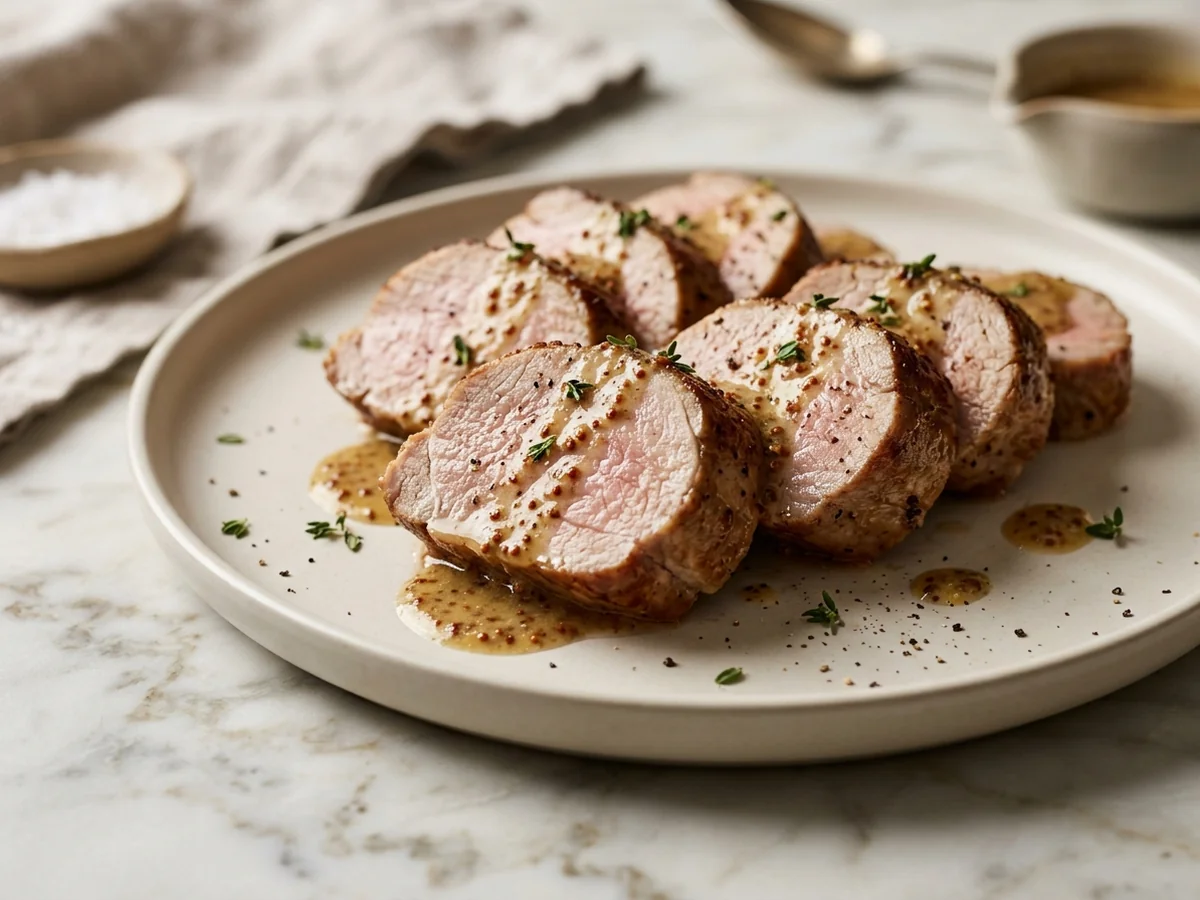
Achieving tender results with lean pork tenderloin relies on precise heat management and allowing the meat to rest. Because this cut contains less than 10 grams of fat per 3 ounce serving, it loses moisture rapidly if cooked beyond the target temperature. To ensure safety, the USDA Food Safety and Inspection Service recommends a minimum internal temperature of 145 degrees Fahrenheit for pork. Using a meat thermometer is the only way to avoid overcooking this delicate protein.
Proper searing technique is equally important for texture and flavor. Searing at high heat creates a Maillard reaction, which adds depth of flavor to the surface of the meat. However, crowding the pan lowers the surface temperature and causes the medallions to steam instead of brown. When finishing the meal by creating a pan sauce, you must deglaze the pan with liquid after searing to pick up the fond, which consists of the flavorful browned bits left on the bottom of the pan.
Follow these practices to maintain quality during the cooking process:
- Space the medallions at least one inch apart in the skillet to allow steam to escape and ensure even browning.
- Always rest the meat for at least 3 minutes after removing it from the heat to allow the juices to redistribute throughout the fibers.
- Keep the heat at a moderate level when finishing your sauce to prevent the fat from separating from the liquids.
- Add acidic components like wine or Dijon mustard gradually while whisking constantly to maintain a stable, emulsified texture.
- Slice the tenderloin into uniform medallions before cooking so that every piece finishes at the same time.
If your sauce appears broken or separated, remove the pan from the heat immediately. You can often bring the emulsion back together by whisking in a small amount of cold liquid or a teaspoon of fresh mustard. Avoid boiling the sauce once the mustard is added, as high heat can cause the proteins to curdle and the sauce to lose its smooth viscosity. Preparing the sauce as the final step ensures it remains vibrant and cohesive when served.
Best Sides for Pork Medallions
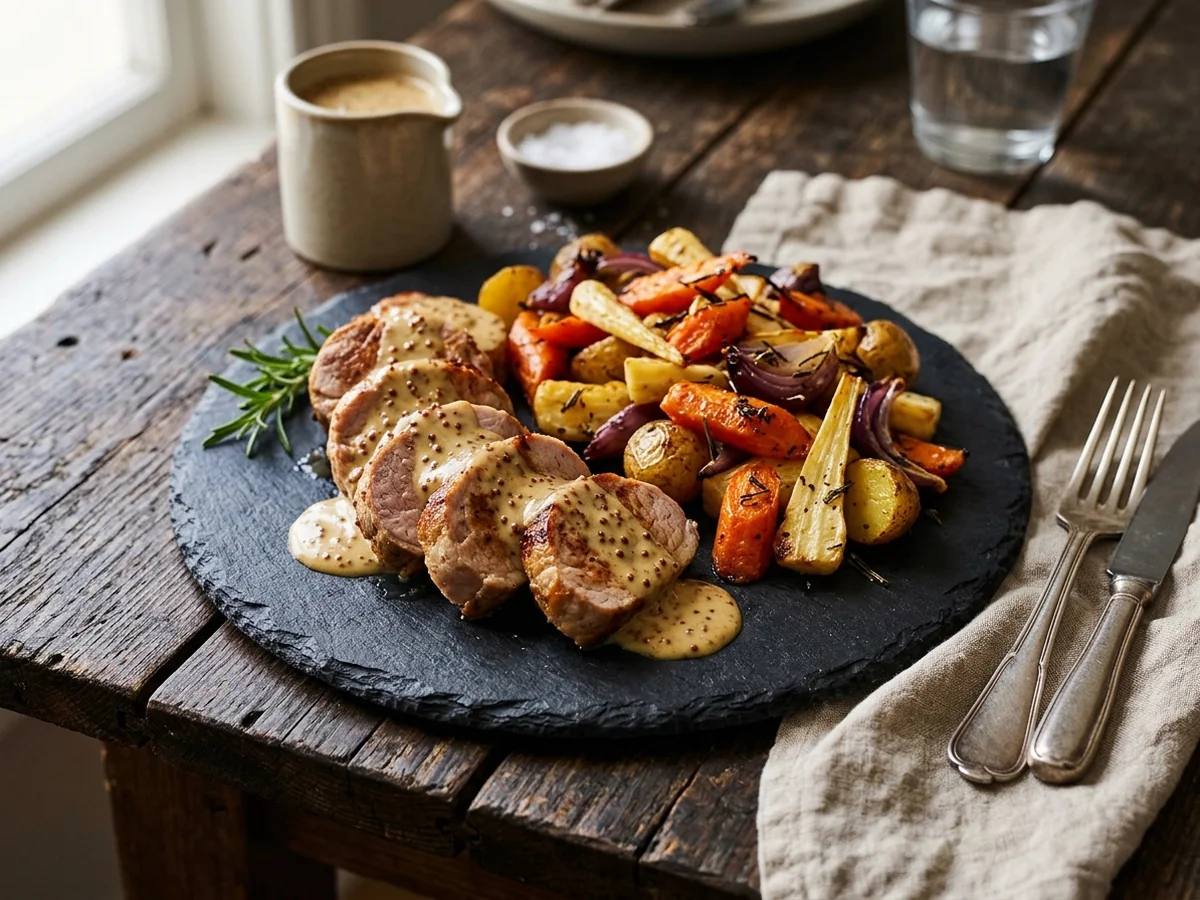
Pairing your protein with the right sides elevates the meal, especially when serving pork tenderloin medallions with mustard sauce. Because this lean cut is mild and delicate, choose accompaniments that provide textural contrast or earthy notes to complement the sharp, bright flavors of the mustard. Pork tenderloin is considered a lean cut of meat with less than 10 grams of fat per 3 ounce serving, which means it benefits from sides that offer moisture and depth.
Balancing Flavor and Texture
Dijon mustard is a popular choice for this preparation as it typically contains verjuice or white wine, giving it a sharper flavor profile than standard yellow mustard. When you sear the meat, you create a Maillard reaction, which adds significant depth of flavor. By deglazing a pan with liquid after searing, you pick up the fond, which refers to the browned bits of food on the bottom of the pan. This technique creates the base for a restaurant-quality liquid accompaniment for the pork. To complement this, consider sides that absorb the sauce, such as mashed potatoes or crusty bread, ensuring no flavor is left behind on the plate.
Fresh herbs like thyme or tarragon are frequently paired with mustard-based sauces to provide an aromatic lift. Thyme offers an earthy, woody undertone, while tarragon provides a subtle, anise-like sweetness that brightens the overall dish. These herbs can be incorporated into roasted root vegetables or sautéed greens to provide a sturdy, nutritious base for the meal.
Essential Preparation Techniques
Achieving the perfect meal requires attention to how you handle and prepare the pork. Since the tenderloin is a lean cut, it can dry out quickly if overcooked. Focus on timing your vegetable sides so they finish just as the pork reaches the USDA-recommended internal temperature of 145 degrees Fahrenheit. Monitoring this temperature is the most reliable way to ensure safety and quality.
Once you remove the pan from the heat, remember to let the meat rest for at least 3 minutes. This resting period allows juices to redistribute throughout the meat, ensuring every bite remains tender and juicy regardless of the sides you choose. If you are preparing shallots as an aromatic base for your sauce, sauté them gently before deglazing to maintain a balanced flavor profile.
| Doneness Level | USDA Recommended Temperature |
|---|---|
| Minimum Safety Standard | 145 degrees Fahrenheit |
By focusing on high-quality ingredients and respecting the resting time of the meat, you can create a balanced and professional dinner at home.
FAQ
What is the minimum internal temperature for pork tenderloin medallions?
The USDA Food Safety and Inspection Service recommends a minimum internal temperature of 145 degrees Fahrenheit for pork. Using a food thermometer ensures the meat is safely cooked while maintaining its moisture.
Why is it necessary to rest pork tenderloin medallions after cooking?
Resting the meat for at least 3 minutes after removing it from the heat allows the juices to redistribute throughout the cut. This simple step ensures that your pork tenderloin medallions with mustard sauce remain succulent when sliced.
How do you create a liquid-based finish for pork tenderloin?
Deglazing the pan with a liquid after searing the meat picks up the fond, which refers to the flavorful browned bits left on the bottom of the pan. This technique serves as the foundation for building a complex, restaurant-quality sauce.
What is the benefit of searing pork medallions at high heat?
Searing pork at high heat triggers the Maillard reaction, a chemical process that adds significant depth of flavor to the exterior of the meat. This professional technique is essential for achieving the best results when preparing this cut.
Is pork tenderloin considered a healthy protein choice?
Pork tenderloin is a lean cut of meat, containing less than 10 grams of fat per 3 ounce serving. It is widely regarded as one of the most tender portions of the pork loin, making it an excellent option for quick, nutritious meals.
Which type of mustard is best for a white mustard sauce?
Common culinary practice favors Dijon mustard for this dish because it typically contains verjuice or white wine, resulting in a sharper and more sophisticated flavor profile than standard yellow mustard. Fresh herbs like thyme or tarragon are also frequently paired with this sauce to enhance its aromatic qualities.
Conclusion
Ensuring your pork reaches a minimum internal temperature of 145 degrees Fahrenheit is the critical final step for both safety and texture. Always allow the meat to rest for at least 3 minutes, which lets the juices redistribute and ensures every bite remains succulent. Mastering these essential pan techniques transforms simple pork tenderloin medallions with mustard sauce into a restaurant-quality meal you can easily replicate at home. Your next move is to select a high-quality Dijon mustard and a dry white wine to deglaze your pan, as these ingredients provide the essential acidic base for your sauce.
Sources: fsis.usda.gov, ndsu.edu, ice.edu, pmc.ncbi.nlm.nih.gov
You might also like: Steak Fajitas Recipe: Sizzling Mexican Dinner