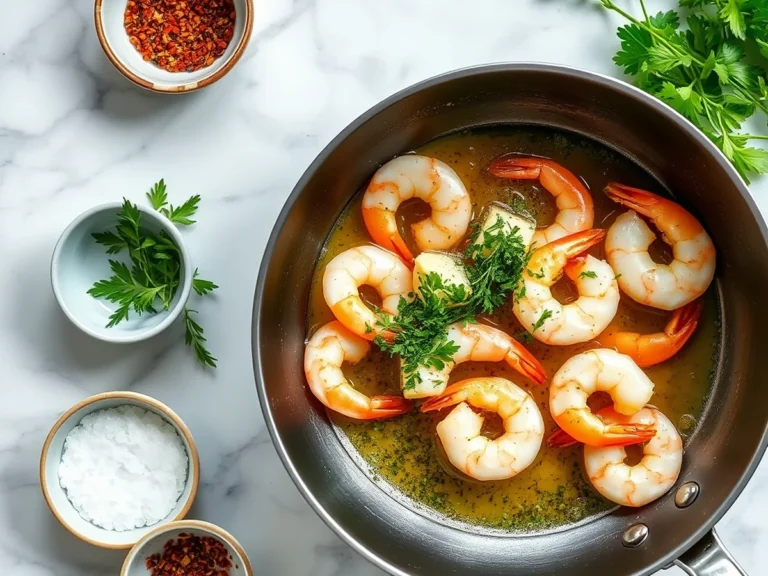

Crispy Chili Honey Halloumi Bites Recipe
Introduction
You can achieve perfectly golden results by following a few simple preparation steps to make crispy chili honey halloumi bites. This popular dish balances the natural saltiness of the cheese with a sweet and spicy glaze for an ideal snack or appetizer.
This article covers the essential techniques for working with halloumi, which originated in Cyprus and is known for its high melting point that allows it to hold its shape during cooking. You will learn the best way to crisp halloumi by managing moisture and surface coatings, ensuring your pan-fried halloumi with honey and chili reaches the right texture every time. We also explore the nutritional profile of this semi-hard cheese, common pitfalls to avoid when glazing, and tips for achieving that satisfying crunch in your own kitchen.
The Perfect Harmony of Texture and Flavor
Achieving a satisfying crunch alongside a soft, squeaky interior is what makes crispy chili honey halloumi bites a standout dish. This semi-hard, unripened cheese, which typically consists of a mixture of goat, sheep, or cow’s milk, possesses a unique high melting point. Because it does not lose its shape when exposed to heat, it is the ideal candidate for achieving a golden-brown crust without collapsing into a mess in the pan.
The appeal of this snack lies in the deliberate balance of contrasting sensations. You get the savory, salty punch of the cheese, which naturally contains between 1.5g and 3g of sodium per 100g, offset by the floral sweetness of honey and the sharp kick of chili. This combination transforms a simple ingredient into a sophisticated hot honey halloumi appetizer that feels indulgent yet remains incredibly quick to prepare.
To ensure your results hit the mark every time, consider these common kitchen practices for the best texture:
- Pat the surface of the cheese dry with a paper towel before frying to remove excess moisture and promote browning.
- Lightly dust the pieces with a thin layer of flour or cornstarch to create a more distinct, crispy exterior.
- Maintain the frying heat around 350 degrees Fahrenheit, as this temperature is often cited as optimal for achieving that signature golden finish.
- Add the honey glaze at the very end of the cooking process, as honey is hygroscopic and can draw moisture back into the crust if applied while the cheese is still cooling.
With its roots in Cyprus, this traditional cheese provides a high-protein foundation that anchors the bold flavors of the glaze. Whether you are serving these as a quick snack or a vibrant start to a meal, the interplay between the crisp exterior and the warm, dense center creates a memorable experience that relies on simple, high-quality ingredients and careful heat management.
How to Prep Halloumi
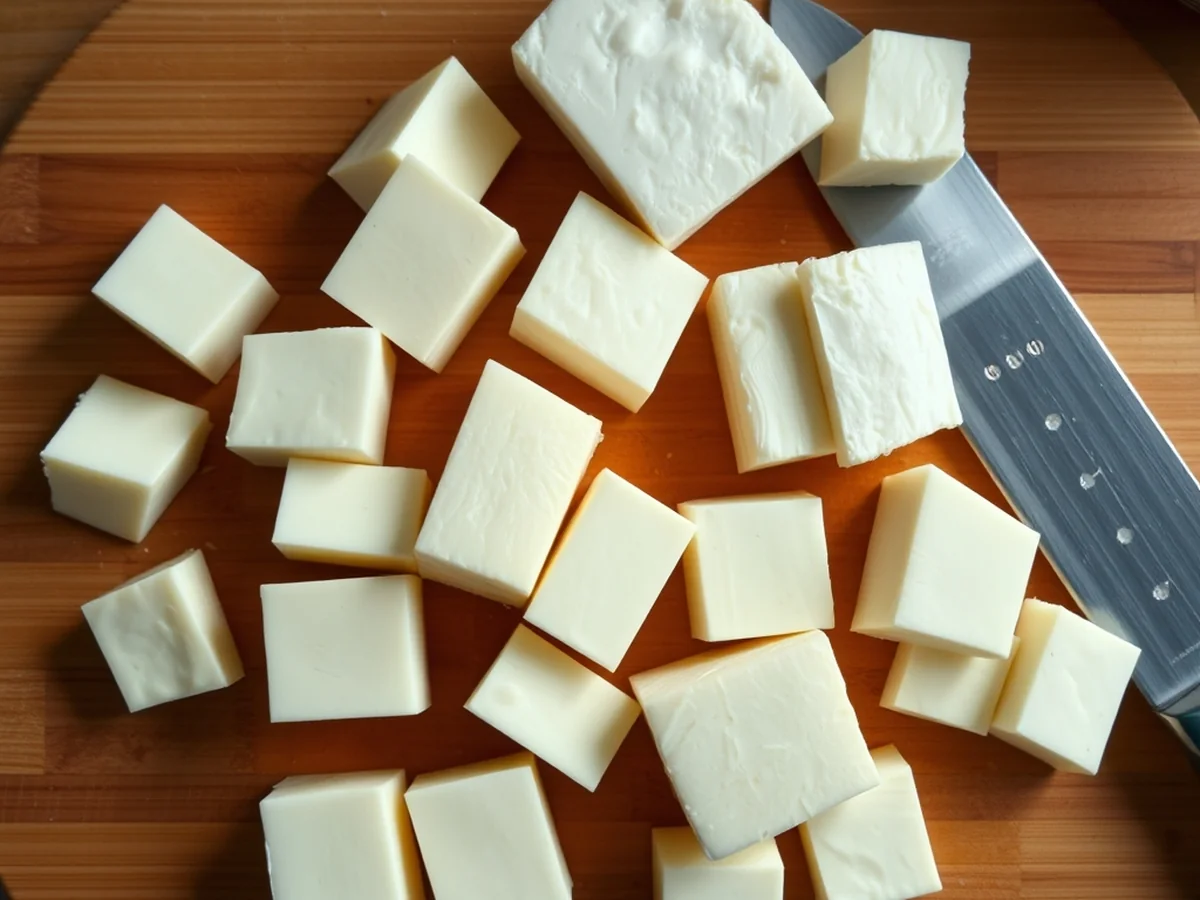
Halloumi maintains its shape during cooking because it has a high melting point, a characteristic verified by research published in the PMC database. This unique structure allows the cheese to withstand high heat without losing its form, which is essential for creating the ideal texture in a hot honey halloumi appetizer. Traditional halloumi originated in Cyprus and is widely recognized as a semi-hard, unripened cheese, typically produced using a blend of goat and sheep milk, though cow milk is often included in modern production.
Mastering the Golden Crust
To achieve the best way to crisp halloumi, surface moisture is your primary obstacle. Even a small amount of water on the exterior will cause the cheese to steam rather than sear when it hits the pan. It is common practice to pat the cheese thoroughly with paper towels before cooking. For an even more reliable crunch, you can apply a light dusting of flour or cornstarch. This coating encourages the Maillard reaction, the chemical process that creates a deep, golden-brown crust and complex savory flavors.
When cooking, temperature control is key. The optimal temperature for shallow frying is approximately 350 degrees Fahrenheit. Using a high-quality non-stick pan helps prevent the protein-rich surface from adhering to the cooking surface, ensuring your crispy chili honey halloumi bites remain intact and visually appealing.
Balancing Flavor and Texture
Because halloumi is naturally high in sodium, with typical values ranging from 1.5g to 3g per 100g, it pairs exceptionally well with sweet glazes. However, timing is vital when adding these finishing touches. Honey is hygroscopic, meaning it attracts moisture from its environment. Adding a honey glaze too early in the cooking process can draw moisture into the crust, softening the exterior and ruining the texture you worked to achieve. Always reserve your glaze for the final moments before serving.
Quick Prep Considerations
If you are looking for efficiency in your meal prep, understanding the relationship between the cheese and your heat source is important. Refer to the table below for quick tips on managing your cooking process.
| Action | Purpose |
|---|---|
| Patting dry | Removes surface moisture for a faster sear |
| Dusting with cornstarch | Creates a protective, crispy barrier |
| Maintaining 350°F | Ensures the exterior crisps before the center softens |
| Glazing last | Prevents the honey from softening the crust |
Whether you are preparing pan-fried halloumi with honey and chili or experimenting with an air fryer halloumi bites recipe, remember that this cheese is a robust, high-protein ingredient. By controlling surface moisture and timing your glazes, you can easily balance its inherent saltiness with spicy, sweet notes for a professional-grade result in your own kitchen.
Achieving the Perfect Crust
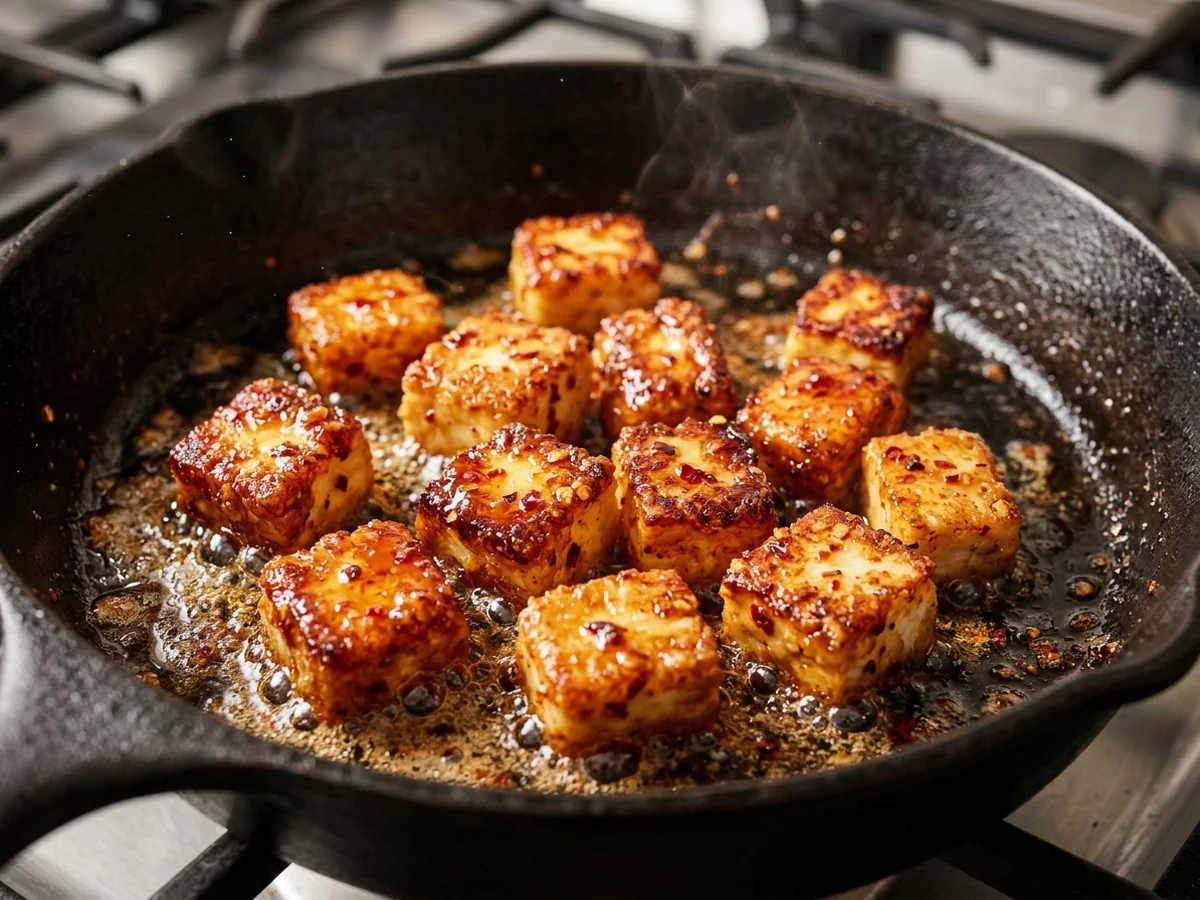
The best way to crisp halloumi centers on controlling surface moisture to facilitate a rapid browning process. Traditional halloumi originated in Cyprus. It is commonly understood to be a semi-hard, unripened cheese typically made from a mixture of goat’s and sheep’s milk, and sometimes cow’s milk. Because halloumi has a high melting point, it is suitable for frying or grilling without losing its shape, making it the ideal base for crispy chili honey halloumi bites.
The Science of the Sear
Achieving a golden exterior relies on the Maillard reaction, a chemical interaction between amino acids and reducing sugars that occurs when the cheese hits the hot pan. To maximize this, surface moisture must be removed. Typical practice suggests patting each piece of cheese thoroughly dry with a paper towel before it touches the pan, ensuring the heat sears the exterior rather than steaming it. Using a light coating of cornstarch or flour is also a common technique to create a barrier that absorbs remaining surface liquid and enhances the crunch.
Temperature and Technique
For those learning how to make crispy halloumi bites, maintaining the right heat is vital. While individual stoves vary, the optimal temperature for shallow frying is approximately 350 degrees Fahrenheit. If the oil is too cold, the cheese may absorb excess fat rather than crisping. When preparing a hot honey halloumi appetizer, timing is everything. Because honey is hygroscopic, meaning it attracts moisture, it is often recommended to add it as a final glaze just before serving to prevent the crispy texture from softening.
One common mistake to avoid is overcrowding the pan, which lowers the oil temperature and encourages steaming. Always use a reliable non-stick pan to ensure the cheese releases easily once the crust has formed. Because halloumi is high in sodium, with typical values ranging from 1.5g to 3g per 100g, it provides a bold, salty foundation that balances beautifully with the sweetness of a honey-based glaze.
| Preparation Step | Purpose |
|---|---|
| Patting dry | Removes surface moisture for a faster sear. |
| Starch coating | Creates a protective, crunchy barrier. |
| Temperature control | Prevents excess oil absorption. |
| Glazing last | Maintains the crispness of the exterior. |
Whether you are experimenting with pan-fried halloumi with honey and chili or looking for techniques to create a satisfying, crackling texture for a quick dinner, focusing on these fundamentals ensures excellent results every time.
Oil Selection and Temperature
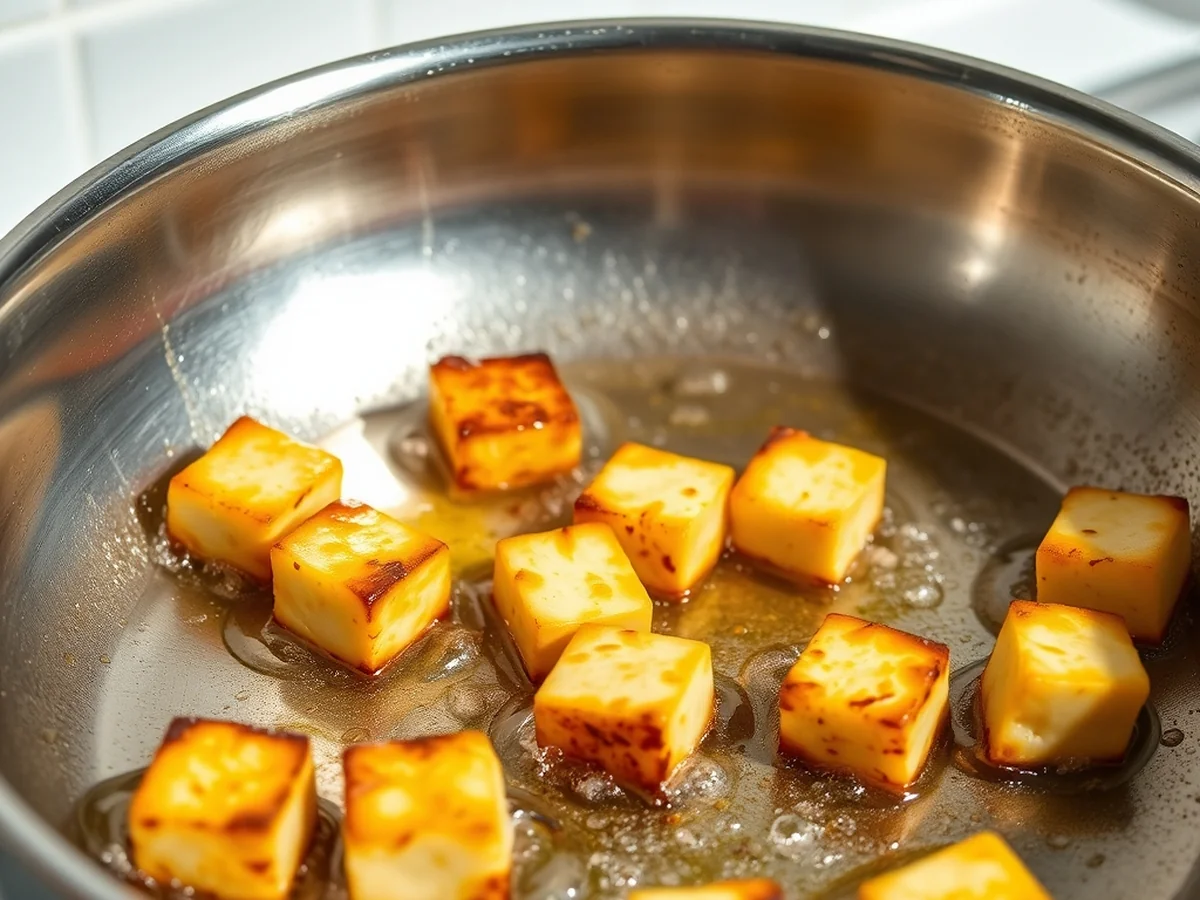
Achieving the perfect texture for crispy chili honey halloumi bites relies heavily on choosing the right cooking fat and managing heat effectively. Halloumi, a semi-hard, unripened cheese traditionally from Cyprus, is unique because it has a high melting point. This allows it to be fried or grilled without losing its shape, provided the heat is applied correctly to facilitate a Maillard reaction on the surface.
When shallow frying, you must select an oil with a high smoke point. The smoke point is the temperature at which an oil begins to break down, resulting in acrid smoke and burnt flavors that can compromise your dish. Using an oil that remains stable at high temperatures ensures your halloumi develops a golden, crisp exterior before the cheese softens too much internally.
| Oil Type | Heat Stability | Best Use |
|---|---|---|
| Avocado Oil | Very High | High-heat frying |
| Grapeseed Oil | High | Searing and frying |
| Refined Olive Oil | Moderate-High | General cooking |
| Extra Virgin Olive Oil | Low-Moderate | Dressings and finishing |
Common culinary guidance suggests that maintaining a temperature of approximately 350 degrees Fahrenheit is optimal for shallow frying halloumi. To reach this consistently, use a heavy-bottomed pan, which retains heat better than thinner alternatives and prevents large temperature drops when you add the cheese. Because halloumi is high in sodium (typically ranging from 1.5g to 3g per 100g), be mindful that the salt content may influence how quickly the surface browns.
Several practical steps can improve your results. It is widely recommended to pat the halloumi dry with a paper towel before it hits the pan, as excess moisture prevents the cheese from crisping. Additionally, many cooks find that coating the pieces in a thin layer of flour or cornstarch significantly increases surface crunch. If you are adding a honey glaze, keep in mind that honey is hygroscopic, meaning it attracts moisture; adding it too early can soften your hard-earned crust. For the best experience, reserve the honey for a final drizzle just before serving to maintain that desired contrast between the savory, salty cheese and the sweet, sticky finish.
Common mistakes to avoid include overcrowding the pan, which lowers the oil temperature rapidly and leads to steaming rather than frying, and using oils that are not intended for high-heat cooking. Always monitor your heat levels throughout the process to ensure the oil remains within the ideal range.
Sweet and Spicy Glazing
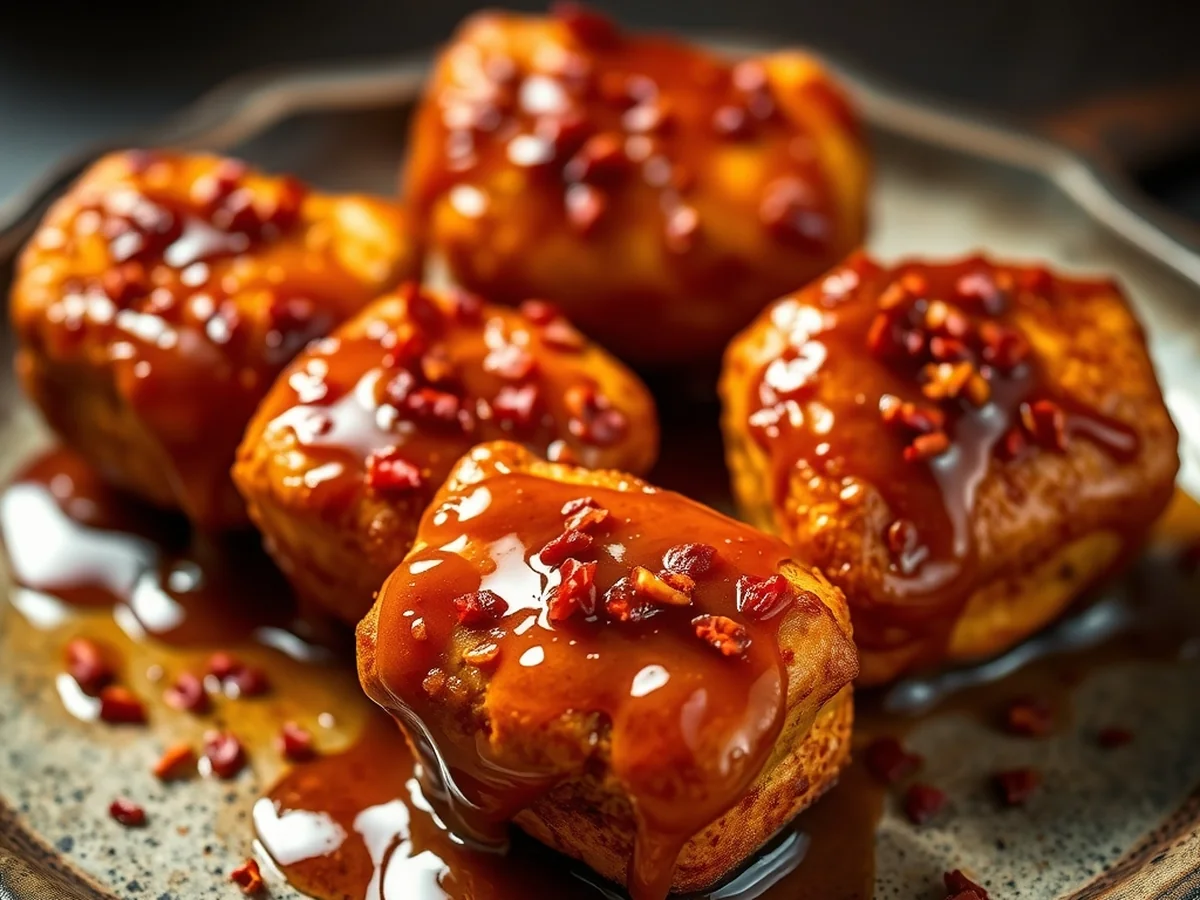
Achieving the perfect balance in your halloumi bites with honey and chili relies on timing. Because honey is hygroscopic, it naturally attracts moisture from the air or the surface of the cheese. If applied too early, this moisture absorption can soften your carefully achieved crust. To keep your crispy chili honey halloumi bites at their peak, drizzle the glaze immediately before serving.
Understanding Halloumi Texture
Traditional halloumi originated in Cyprus. It is a semi-hard, unripened cheese typically made from a blend of sheep and goat milk. Halloumi has a high melting point, making it suitable for frying or grilling without losing its shape. When you pan-fry halloumi with honey and chili, this stability ensures the cheese remains intact while the exterior develops a golden-brown finish. To further enhance this crispness, many home cooks find success by patting the cheese dry with a paper towel before frying and applying a light dusting of cornstarch to the surface.
Balancing Salt and Spice
Halloumi is high in sodium, with typical values ranging from 1.5g to 3g per 100g, so the sweetness of honey acts as an essential counterbalance. This interplay between deep, savory saltiness and floral sweetness creates a complex flavor profile. When incorporating heat, consider these practical steps:
- Maintain an oil temperature of approximately 350 degrees Fahrenheit for shallow frying to ensure you achieve a golden crust on the halloumi without burning the exterior.
- Start with a conservative amount of chili flakes, as their intensity can vary significantly between batches.
- Taste your glaze separately before assembly to ensure the spice level complements rather than masks the natural, rich notes of the cheese.
Common Preparation Pitfalls
One frequent mistake is overcrowding the pan, which lowers the oil temperature and prevents the Maillard reaction necessary for a satisfying crust. If the cheese feels rubbery, it is often a result of overcooking or using too low a heat setting. Keep your pieces consistent in size to ensure they cook evenly. If you find your glaze becomes too runny, it may be due to excess moisture on the cheese. Always ensure the halloumi is completely dry before it hits the pan. By focusing on these specific techniques, you can transform a simple dish into a refined meal that highlights the unique, non-melting properties of this traditional cheese while providing a professional texture contrast.
Common Preparation Mistakes
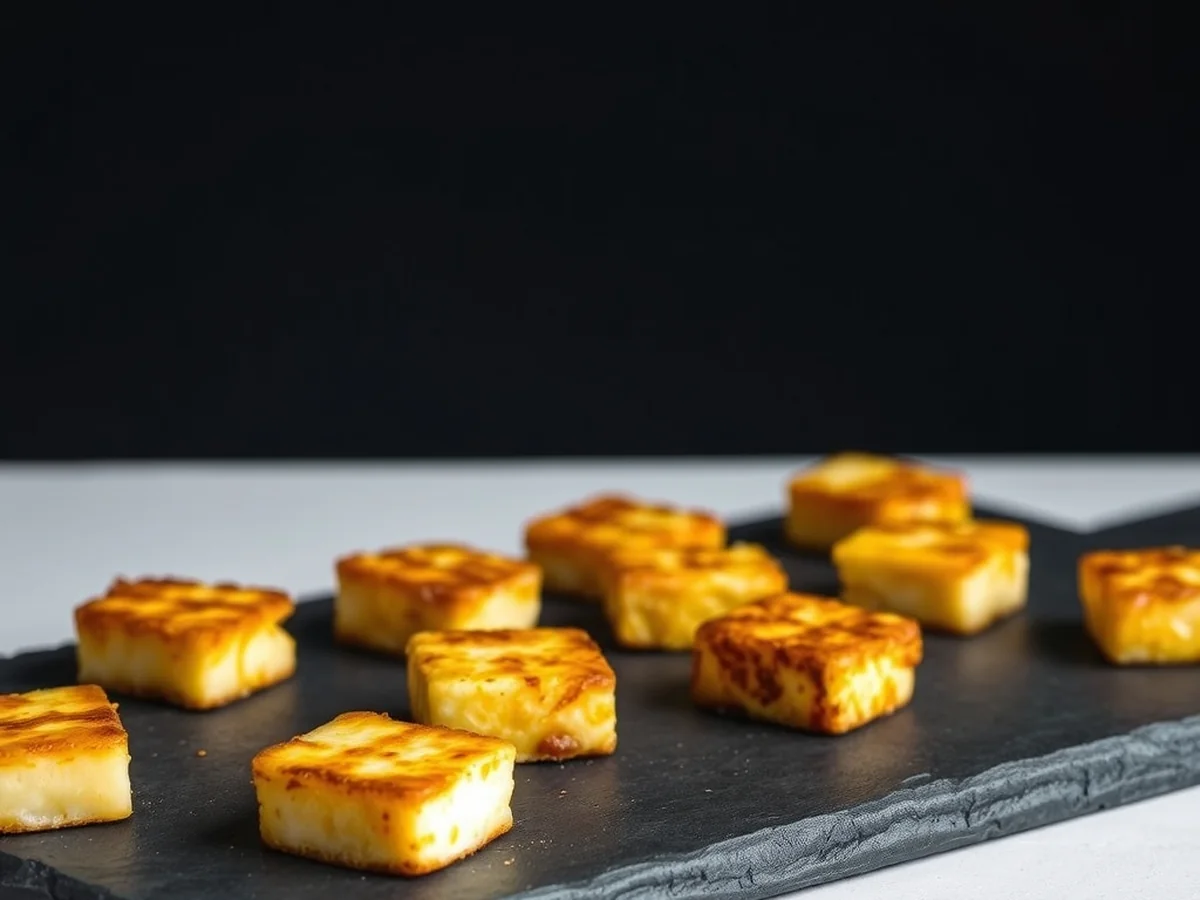
Achieving that perfect golden crust on these crispy chili honey halloumi bites relies on careful temperature management and proper timing. Halloumi, which traditionally originated in Cyprus, is a semi-hard, unripened cheese typically made from a mixture of goat, sheep, or cow milk. Halloumi has a high melting point, making it suitable for frying or grilling without losing its shape. However, even with this stability, several errors can compromise the final texture and flavor.
Moisture Control and Surface Texture
The most frequent oversight is failing to pat the cheese dry with a paper towel before it hits the pan. Surface moisture creates steam, which prevents the Maillard reaction needed to form a golden-brown crust. For those seeking an effective way to achieve a crunchy exterior, applying a light coating of cornstarch or flour can significantly enhance the texture by absorbing residual surface water. Additionally, overcrowding the pan causes the oil temperature to drop rapidly, essentially steaming the cheese instead of frying it. Maintaining a spacious pan allows for consistent heat, which is vital for balancing the intensity of the flavor, especially given that halloumi is high in sodium with typical values ranging from 1.5g to 3g per 100g.
Managing Glazes and Heat
When preparing a hot honey chili halloumi appetizer, the timing of your glaze is crucial. Honey is hygroscopic, meaning it attracts moisture, which can soften crispy textures if added too early. To maintain the structural contrast, always reserve the honey glaze for the final seconds of cooking. Regarding heat levels, the optimal temperature for shallow frying halloumi is approximately 350 degrees Fahrenheit. If the temperature is too low, the cheese may become rubbery before developing color, whereas excessively high heat can lead to uneven charring.
Quick Troubleshooting Table
| Issue | Common Cause | Solution |
|---|---|---|
| Soggy crust | Excess surface moisture | Pat dry with paper towels before frying. |
| Rubbery texture | Cooking for too long | Use medium-high heat for a quick sear. |
| Honey glaze becomes runny | Added during the cook | Drizzle only after removing from heat. |
By keeping the pan at a steady heat and managing your surface moisture, you ensure these bites remain a light and satisfying addition to any meal. Focusing on these small adjustments helps you achieve a professional finish regardless of whether you are making a quick snack or a larger appetizer spread.
Halloumi Bites Calories
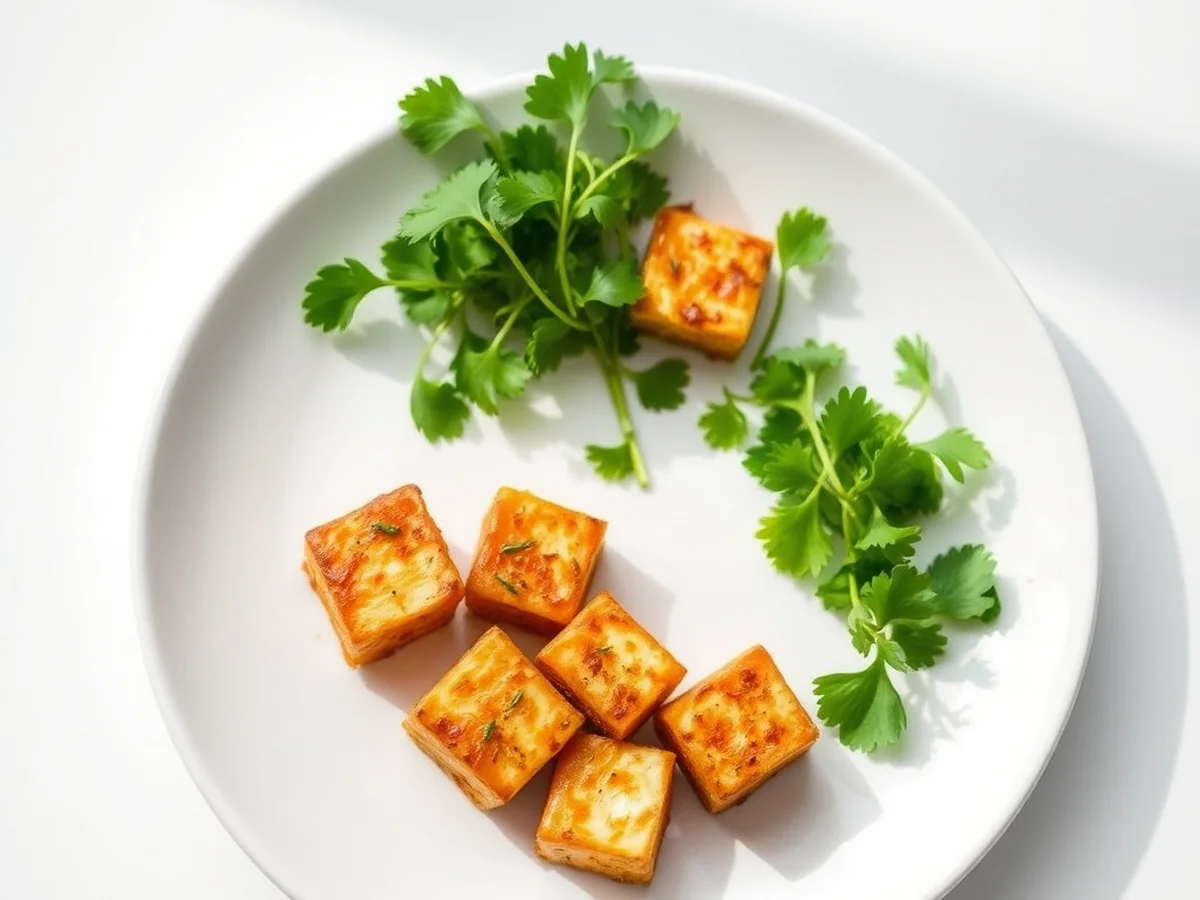
Halloumi is a nutrient-dense cheese that provides a significant amount of protein, though it also contains high levels of sodium. Understanding portion sizes is essential when incorporating these bites into your meals, especially when you are balancing the salty profile with sweet glazes. Traditional halloumi originated in Cyprus and is typically made from a mixture of goat, sheep, and cow milk, resulting in a semi-hard, unripened product.
Official data confirms that halloumi is high in sodium, with typical values ranging from 1.5g to 3g per 100g. Because of this concentration, it is helpful to view halloumi as a flavor-forward accent rather than a main protein source in large quantities. When preparing crispy chili honey halloumi bites, keeping your serving size between 30g and 50g allows you to enjoy the savory, salty taste without overwhelming your daily sodium intake.
Why Halloumi Maintains Its Shape
One of the most unique characteristics of this cheese is its high melting point, which makes it remarkably suitable for frying or grilling without losing its structural integrity. This property is what allows for the Maillard reaction to create that sought-after golden crust. Because halloumi does not melt in the traditional sense, it is an ideal candidate for cooking with honey and chili.
Achieving the Perfect Crispy Texture
To ensure you get the best results for a crunchy exterior, specific preparation techniques are recommended. First, patting the cheese dry with a paper towel is necessary to remove excess surface moisture, which prevents steaming and ensures a golden-brown crust. Many home cooks find that coating the cubes in a thin layer of cornstarch further increases surface crispiness. If you are using a pan, the optimal temperature for shallow frying is approximately 350 degrees Fahrenheit. If you are using an air fryer halloumi bites recipe, ensure the pieces are spaced out to allow air circulation.
Balancing Flavor and Nutrition
While the protein density makes halloumi a satisfying addition to any plate, the addition of a honey glaze requires careful timing. Honey is hygroscopic, meaning it attracts moisture, which can soften crispy textures if added too early. For the best results when serving these as a sweet and savory starter, drizzle your glaze immediately before serving to maintain the crunch.
To manage your meal effectively, consider these practical tips:
- Pair your portions with fresh vegetables or a crisp salad to offset the saltiness of the cheese.
- Measure your cheese before cooking to avoid over-portioning during a quick meal prep session.
- Remember that even small amounts provide a substantial boost of protein to keep you full.
Whether you prefer your bites pan-fried or baked, focusing on sensible serving sizes ensures you can enjoy the unique texture without overdoing the sodium content.
FAQ
How do I stop halloumi from sticking to the pan?
To prevent sticking, it is common practice to use a high-quality non-stick pan and ensure the surface is properly heated before adding the cheese. Additionally, patting the halloumi dry with a paper towel and lightly coating it in flour or cornstarch are common techniques that create a barrier to help achieve a non-stick golden-brown crust.
Can I reheat crispy honey and chili glazed halloumi?
You can reheat your prepared cheese, though it is best enjoyed immediately after cooking to maintain the ideal texture. If you choose to reheat these pieces, a quick flash in a hot pan or an air fryer often helps restore some of the crispiness that may have been lost during storage. Note that honey is hygroscopic, meaning it attracts moisture, which can soften crispy textures if added too early.
What is the best way to get a crispy exterior?
Achieving a crispy exterior relies on removing excess surface moisture by patting the cheese dry before it touches the heat. Keeping the frying temperature near 350 degrees Fahrenheit is a common recommendation to ensure the cheese browns effectively without turning rubbery.
Is halloumi gluten-free?
Halloumi is a semi-hard, unripened cheese typically made from a mixture of goat’s and sheep’s milk, and sometimes cow’s milk, which is naturally gluten-free. If you choose to coat your pieces in flour for extra crunch, ensure you use a gluten-free alternative to keep the entire dish safe for those with sensitivities.
How long does it take to pan-fry halloumi?
Pan-frying this cheese is a quick process that usually takes only 2 to 3 minutes per side over medium-high heat. Halloumi has a high melting point, which makes it suitable for frying or grilling without losing its shape.
Conclusion
The final step for achieving the perfect balance of texture and flavor is to drizzle your glaze only when you are ready to serve. Because honey is hygroscopic, it is widely understood that adding it too early will draw out moisture and soften that golden, crispy exterior you worked hard to create. Once your warm cheese squares finished with a spicy honey coating are ready, the high melting point of the cheese ensures it holds its shape while you enjoy the contrast of the salty, warm bites. Keep these simple, high-protein snacks as a standout appetizer for your next meal. Simply plate them immediately, top with your spicy honey mixture, and enjoy while the crust remains perfectly crisp.
Sources: pmc.ncbi.nlm.nih.gov, cms.ncwc.edu
You might also like: Steak Fajitas Recipe: Sizzling Mexican Dinner