Chicken Adobo Recipe: Traditional Filipino Classic
Introduction
Chicken adobo is a savory Filipino dish featuring chicken braised in a flavorful mixture of soy sauce, vinegar, garlic, and spices. It is widely considered a national dish of the Philippines and is celebrated for its balance of salty and tangy flavors.
This article covers the essential ingredients and techniques needed to prepare this classic meal at home. You will learn why chicken thighs are often preferred for achieving a rich glaze, how to properly balance the braising liquid, and tips for serving the dish with steamed jasmine rice. Whether you are a beginner or looking to refine your method, this guide provides the information necessary to master this traditional preparation.
Authentic Ingredients
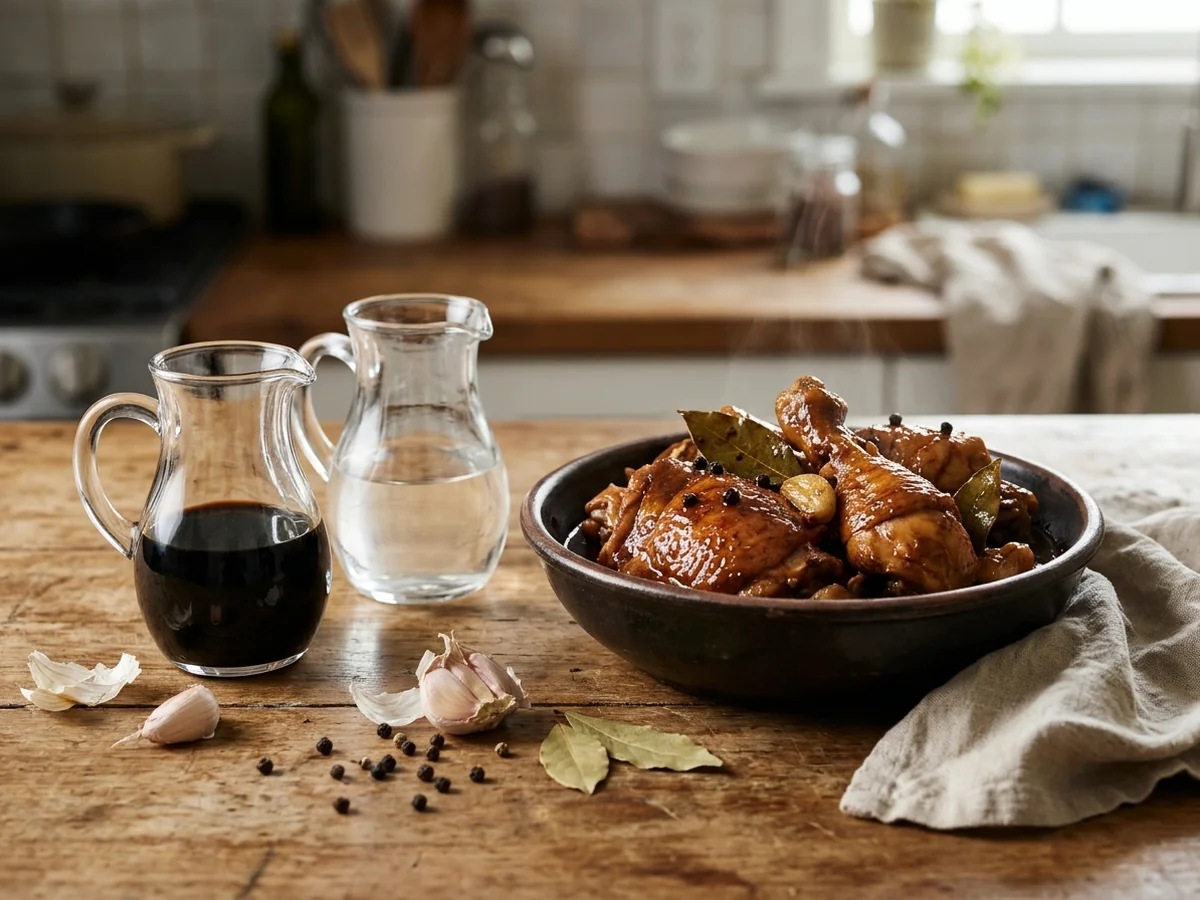
The flavor profile of this dish, frequently identified as a national dish of the Philippines, relies on a precise balance of salty, sour, and aromatic elements. According to Cazenovia College, the standard sauce relies on a base of soy sauce, vinegar, whole black peppercorns, and bay leaves. These core components work together during the braising process to create a deep, savory, and tangy reduction.
Selecting the Right Cuts
While home cooks may choose various parts of the bird, culinary consensus favors chicken thighs over breasts for an authentic Filipino recipe. Thighs contain a higher fat content, which renders down during the long simmer to create a silky, rich glaze. Using chicken breasts often results in a leaner, drier texture that fails to achieve this signature glossy finish. If you are preparing the meat alone, thighs typically cook in 6 to 8 minutes per side, though the braising process for this meal requires a significantly longer duration to allow the flavors to meld.
The Role of Aromatics and Acids
The combination of soy sauce and vinegar acts as the backbone of the dish. The soy sauce provides the savory, salty foundation, while the vinegar offers a bright acidity that tenderizes the meat. Garlic is also commonly added to provide depth. When selecting spices, whole black peppercorns are a hallmark of traditional preparation, providing intermittent bursts of heat. If you prefer a more consistent spice level, cracked pepper is a common substitution. Bay leaves are essential for rounding out the sharp vinegar and salty soy base with a subtle, herbal undertone.
To prepare this dish effectively, ensure you have the following ingredients on hand:
- Chicken thighs (preferred for their fat content and texture)
- Soy sauce
- Vinegar
- Whole black peppercorns or cracked pepper
- Bay leaves
- Garlic (for added depth)
Flavor Customization
One of the most common questions regarding chicken adobo ingredients involves the type of vinegar or soy sauce to use. While specific brands vary, home cooks often experiment with different vinegars, including cane or other varieties, to adjust the acidity level. Similarly, the ratio of soy sauce to vinegar is a matter of personal preference, allowing for a more salty or more sour final result. Because the cooking process involves extended braising, the ingredients have ample time to integrate, ensuring that each bite is well-balanced. Serving the final result over steamed jasmine rice helps to absorb the excess sauce, which is often considered a highlight of the meal.
Essential Adobo Ingredients
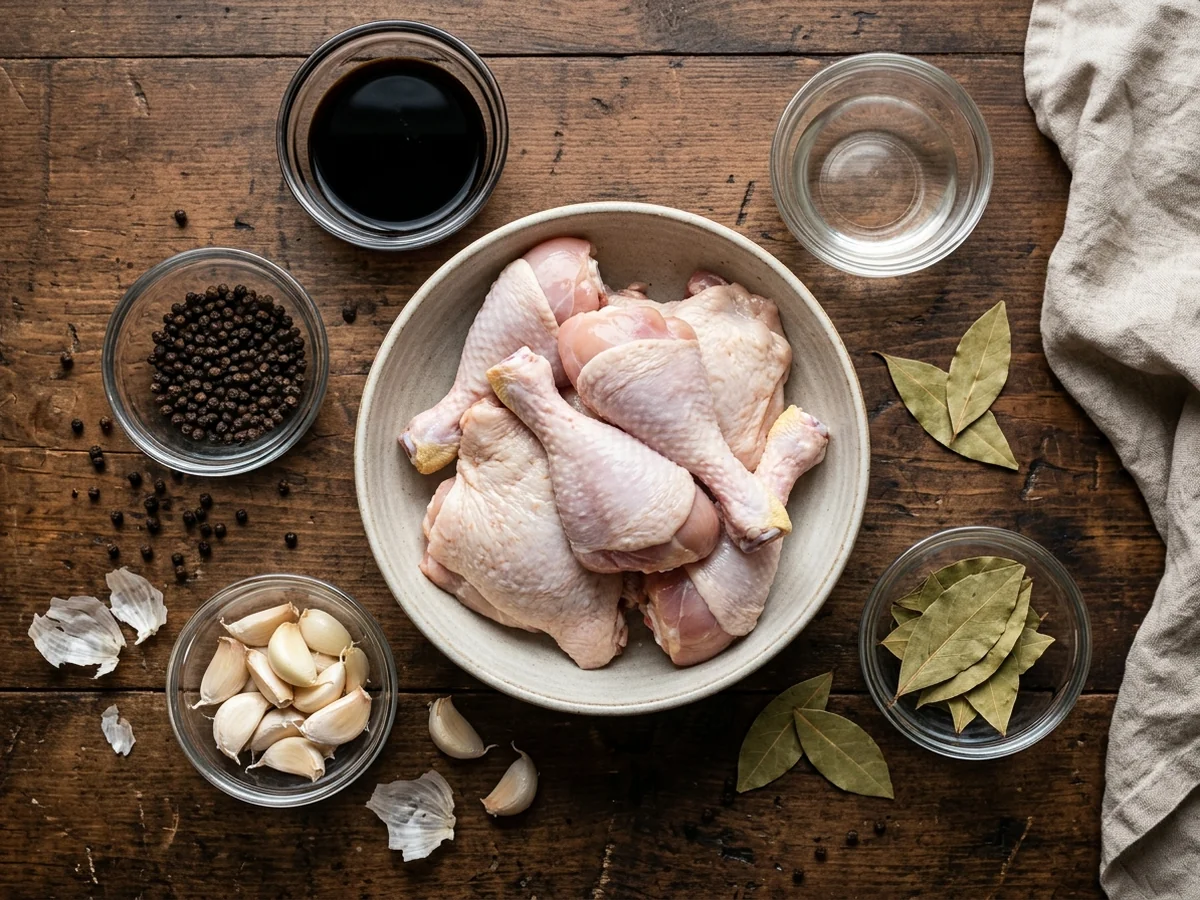
The foundation of this classic dish relies on a specific balance of pantry staples that work together to create its signature flavor profile. According to official food documentation, the standard sauce for this preparation is built upon a core of soy sauce, vinegar, whole black peppercorns, and bay leaves.
- Soy sauce serves as the primary source of salt and deep umami flavor, providing the dark color characteristic of the finished dish.
- Vinegar acts as the essential acidic component, which not only tenderizes the meat but also helps preserve the dish, a technique deeply rooted in traditional Philippine cooking methods.
- Whole black peppercorns add a necessary sharp heat that cuts through the richness of the soy and vinegar base.
- Bay leaves are included to impart a subtle, herbal aroma that balances the intensity of the other strong flavors.
- Garlic is typically used in generous amounts, as it complements the savory and acidic profile by adding a fragrant depth that rounds out the sauce.
The interaction between these components is what gives the meal its complexity. While the vinegar and soy sauce provide the primary structure, the garlic plays a critical role in developing the aromatic base. When sautéed, the garlic releases essential oils that infuse the liquid, tempering the sharpness of the vinegar and enhancing the savory quality of the soy sauce. This harmonious blend ensures that the sauce remains balanced during the long simmering process.
Beyond flavor, these ingredients were historically vital for food preservation in tropical climates. The high acidity from the vinegar creates an environment that resists spoilage, allowing the meat to remain safe and flavorful over several days. Modern home cooks continue to use these ingredients to achieve the same depth of taste, often allowing the meat to marinate so the flavors can fully permeate the proteins before cooking begins. Whether following a standard ratio or adjusting to personal preference, keeping these core elements consistent is the key to achieving a successful and classic result.
Selecting the Right Chicken
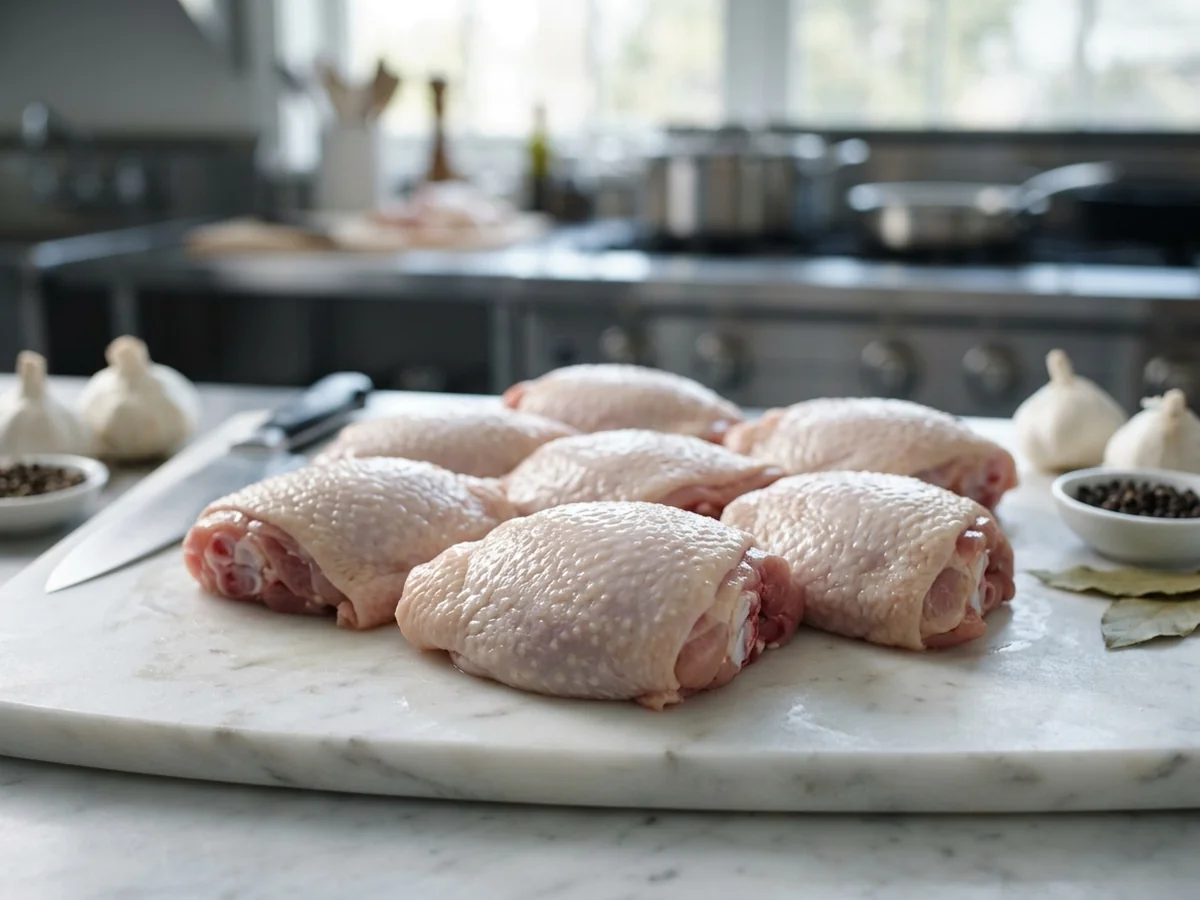
Choosing the correct protein is a foundational step in preparing chicken adobo, widely considered a national dish of the Philippines. While many cuts of meat can be braised, chicken thighs are the preferred choice among home cooks and culinary enthusiasts alike. Their higher fat content is essential for developing the signature texture of the dish, as the rendered fat emulsifies with the soy sauce and vinegar base to create a rich, glossy glaze that coats the meat.
Why Thighs Outperform Breasts
Leaner cuts like chicken breasts are generally discouraged for this preparation. Because the dish relies on a long, slow braising process to infuse flavor, breast meat often becomes stringy and dry when exposed to heat for an extended period. In contrast, the structural integrity of chicken thighs allows them to remain succulent throughout the simmer. When the fat from the thighs melts into the sauce, it provides a depth of flavor and a velvety mouthfeel that lean cuts simply cannot replicate. If you are aiming for a classic experience where the sauce clings to the meat, thighs are the most reliable option.
Bone-in vs. Boneless Considerations
The decision to use bone-in or boneless chicken thighs often depends on your priorities regarding flavor versus convenience. Using bone-in, skin-on thighs is the traditional approach for maximizing flavor extraction. As the chicken braises, the marrow and connective tissues contribute to the richness of the liquid, resulting in a more complex profile. While boneless, skinless cuts offer faster preparation times and are easier to slice for serving, they lack the same degree of savory depth provided by the bones.
| Cut Type | Cooking Benefit | Best For |
|---|---|---|
| Bone-in, Skin-on | Maximum flavor, rich sauce | Traditional, deeply flavored meals |
| Boneless, Skinless | Fast preparation, easy serving | Quick weeknight dinners |
Practical Tips for Success
When working with chicken thighs, keep in mind that they typically require 6 to 8 minutes per side to sear effectively if cooked alone in a pan, though this timing is secondary during the actual braising process. Regardless of the cut, always ensure your base ingredients are prepared correctly. A standard chicken adobo sauce relies on a base of soy sauce, vinegar, bay leaves, and whole black peppercorns. If you prefer a finer texture in your sauce, you may substitute cracked pepper, although using the whole peppercorns is the traditional method for a distinct, pungent bite.
How to Braise Chicken Adobo
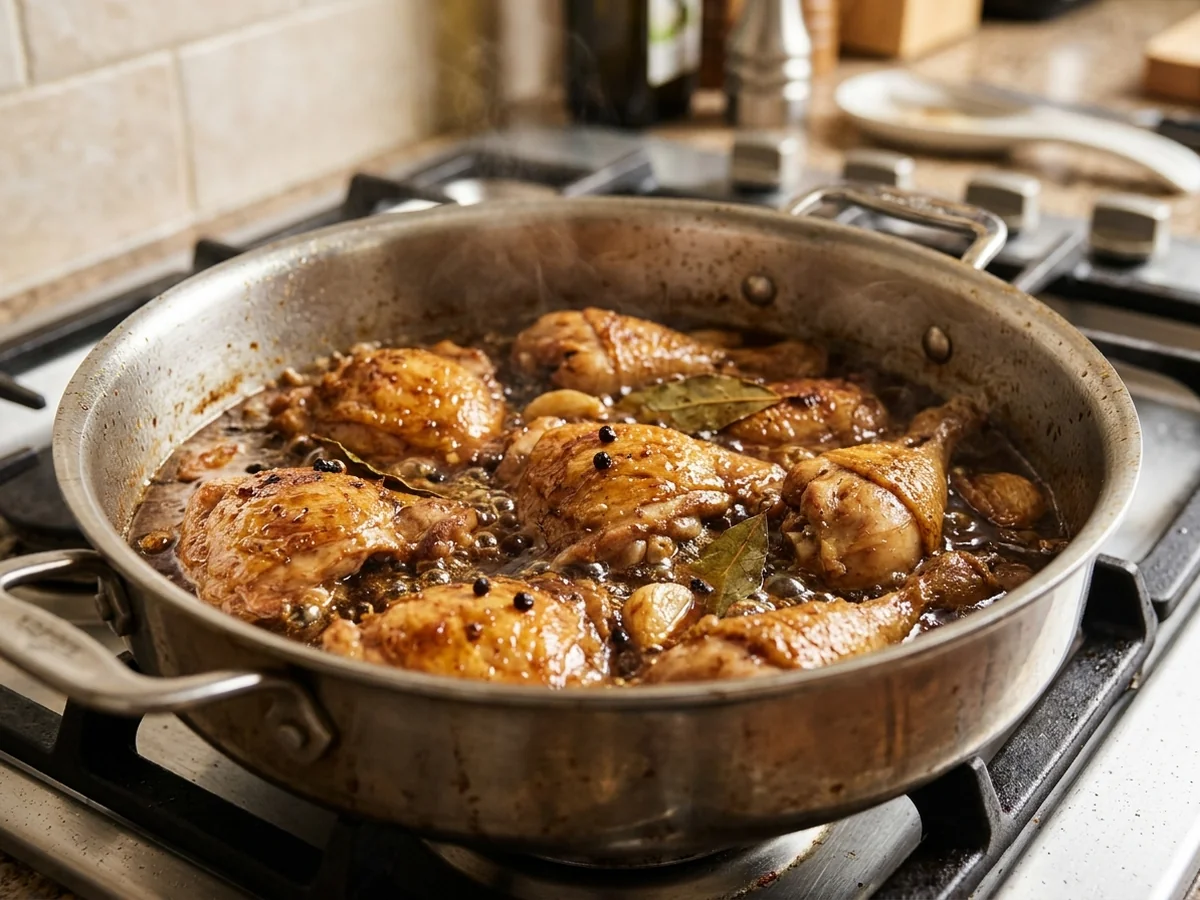
To transition from searing to braising, pour your marinade directly into the pan after the chicken skin achieves a golden brown color. This technique deglazes the pan, effectively lifting the flavorful browned bits from the bottom and incorporating them into your sauce. Braising is a foundational step when learning how to cook chicken adobo, as it transforms the texture of the meat while concentrating the flavors. As the chicken simmers in the liquid, the connective tissues break down, making the meat tender and succulent.
Selecting the Right Cut
While some home cooks prefer the lean nature of chicken breasts, using chicken thighs is common practice in many traditional kitchens. The higher fat content of the thighs is essential, as the rendered fat from the skin combines with the braising liquid to create a glossy, flavorful coating. Without this fat, the sauce may lack the desired viscosity and mouthfeel that defines a classic finish.
The Role of Aromatics and Acids
The standard sauce relies on a base of soy sauce, vinegar, whole black peppercorns, and bay leaves. According to the Cazenovia College food science records, this precise combination serves as the backbone of the dish. The saltiness of the soy sauce interacts with the acidity of the vinegar during the simmer, which helps preserve the meat while allowing the flavors to penetrate deeply. While whole black peppercorns are standard, using cracked pepper is a common variation if you prefer a sharper, more distributed heat throughout the sauce.
Mastering the Simmer
For the best results, follow this typical timeline when preparing your meal:
- Sear the chicken for 6 to 8 minutes per side until the skin is crisp.
- Pour in the marinade and bring the liquid to a gentle boil.
- Reduce the heat to low and cover the pan to simmer until the chicken reaches the desired tenderness.
The braising phase requires patience. A longer, slow simmer ensures the sauce thickens into a glaze and the chicken becomes tender enough to pull away from the bone easily. Cooking until the sauce reaches a syrupy consistency is the final step in achieving a traditional result. Once finished, this dish is often served alongside steamed jasmine rice to balance the intensity of the braising liquid.
Balancing Soy and Vinegar
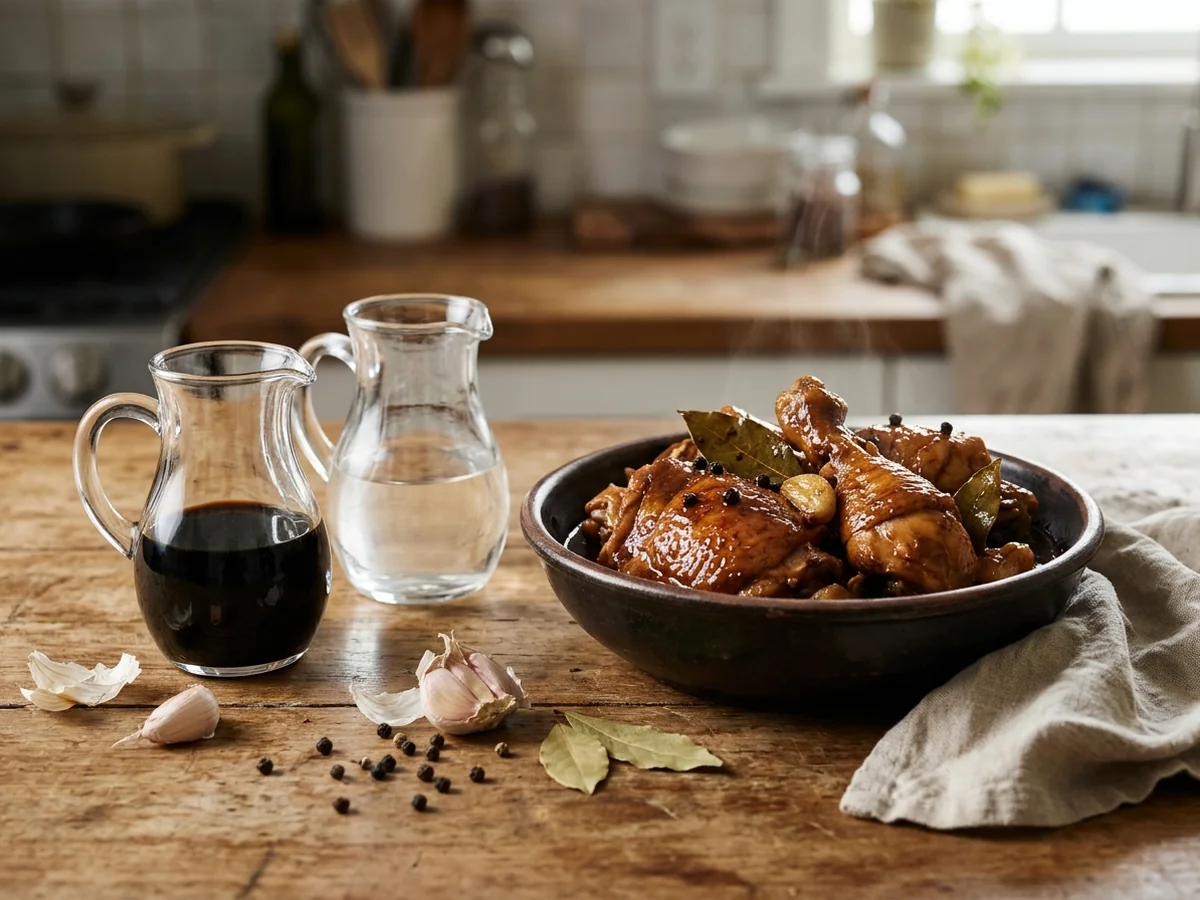
The relationship between soy sauce and vinegar defines the flavor profile of chicken adobo, creating a distinct balance of saltiness and acidity. A standard sauce relies on a base of soy sauce, vinegar, bay leaves, and whole black peppercorns, as noted by the official record from the Cazenovia College cloud system. Adjusting this ratio is a matter of personal preference, as some cooks prefer a bolder, more acidic bite while others lean toward a savory, salty depth.
If you find the sauce too sharp, you can gradually increase the proportion of soy sauce or add a small amount of liquid to mellow the intensity. Conversely, if you enjoy a brighter, more pungent profile, adding a splash of extra vinegar toward the end of the cooking process preserves its acidity. Because this dish is a staple across the Philippines, regional and personal interpretations vary widely, making the sauce highly adaptable to your specific palate.
The type of vinegar you choose significantly influences the final result. While many kitchens use various vinegars interchangeably, regional traditions often highlight specific varieties:
- Cane vinegar: Frequently used in the Philippines for its clean, slightly sweet, and mild acidity.
- White vinegar: Provides a sharp, neutral acidity that cuts through the richness of the meat.
- Apple cider or rice vinegars: Offer a fruitier or softer profile that can subtly alter the depth of the finished glaze.
When preparing an easy chicken adobo marinade, remember that the soy sauce provides the primary savory base, while the vinegar acts as both a seasoning and a tenderizer during the braising process. You can experiment with these liquids to find the balance that suits your taste, provided you maintain enough liquid to properly braise the chicken thighs. As the sauce reduces, the flavors concentrate, so it is helpful to taste and adjust the seasoning before the final serving.
Serving and Storage Tips
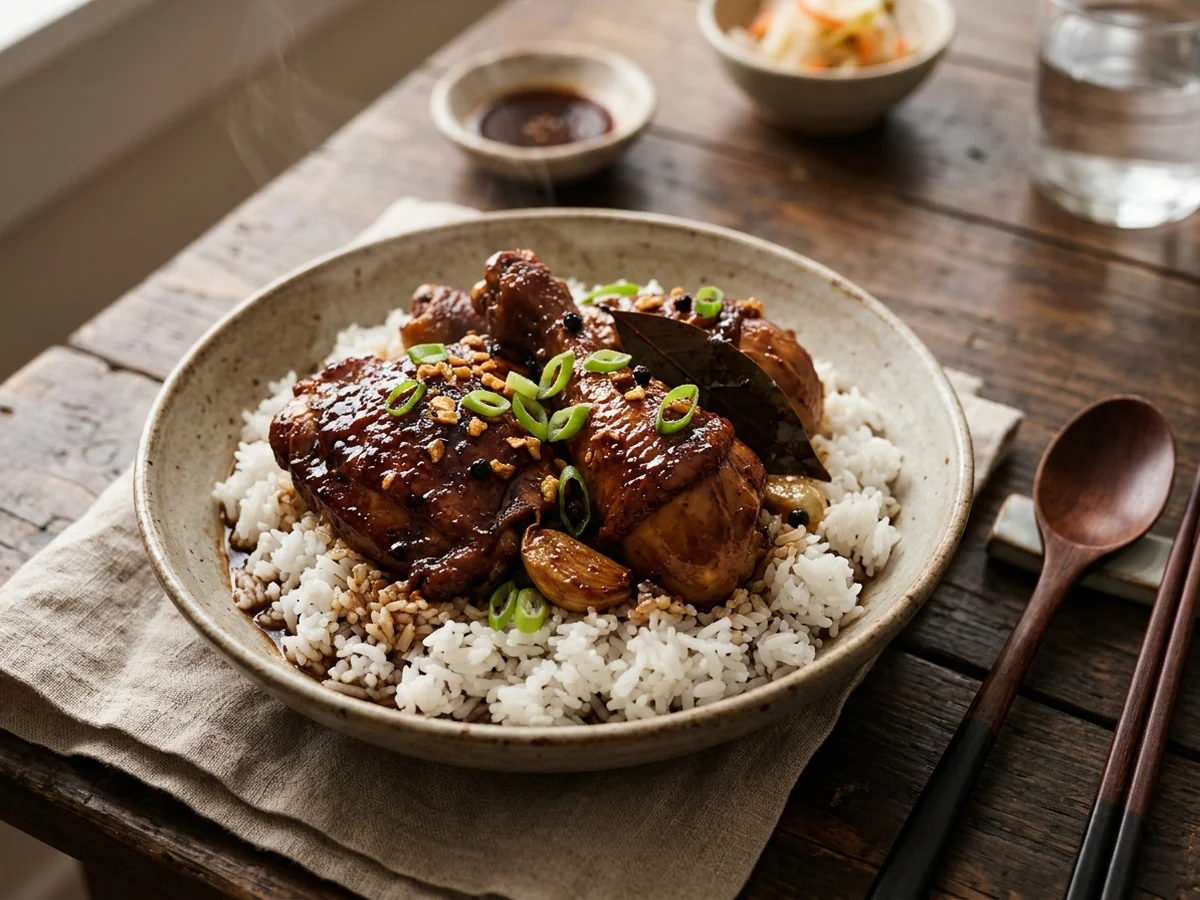
To experience chicken adobo at its best, serve it over a generous bed of steamed jasmine rice. The mild, floral aroma of the rice provides the perfect balance to the intense, savory, and tangy sauce. Because the standard chicken adobo sauce relies on a base of soy sauce, vinegar, bay leaves, and whole black peppercorns, the liquid is highly concentrated and designed to season the grain. Many home cooks prefer to drizzle extra sauce directly onto the rice to ensure every bite is flavorful.
Proper storage is essential for getting the most out of your meal. The vinegar used in the recipe acts as a natural preservative, which helps the dish maintain its quality when stored correctly. To store, place the chicken and sauce in an airtight container once it has cooled to room temperature. It can be kept in the refrigerator for several days. A common benefit of storing this dish is that the flavors have more time to meld and deepen as the proteins rest in the marinade.
When reheating, use gentle heat on the stovetop or in the microwave. If the sauce has thickened significantly in the refrigerator or appears too concentrated, add a small splash of water to loosen the consistency before warming. Avoid high heat, which can cause the sauce to separate or the meat to dry out.
If you have leftover sauce, do not discard it. It serves as an excellent base for other meals. A practical way to repurpose the remnants is to toss cold, cooked rice into a hot pan with the leftover sauce to create a quick, savory fried rice. This method ensures that none of the rendered fat or aromatic spices go to waste, providing an efficient way to enjoy the dish for a second meal.
Common mistakes to avoid when serving and storing include:
- Over-reheating: Excessive heat can toughen the chicken thighs, which are favored for their ability to render fat and create a natural glaze.
- Ignoring the sauce: Failing to use the leftover liquid minimizes the depth of flavor you can add to future meals like fried rice or vegetable sautés.
- Improper cooling: Leaving the dish out too long before refrigeration can affect food safety, so ensure it is moved to the refrigerator promptly after the meal is served.
Common Cooking Mistakes
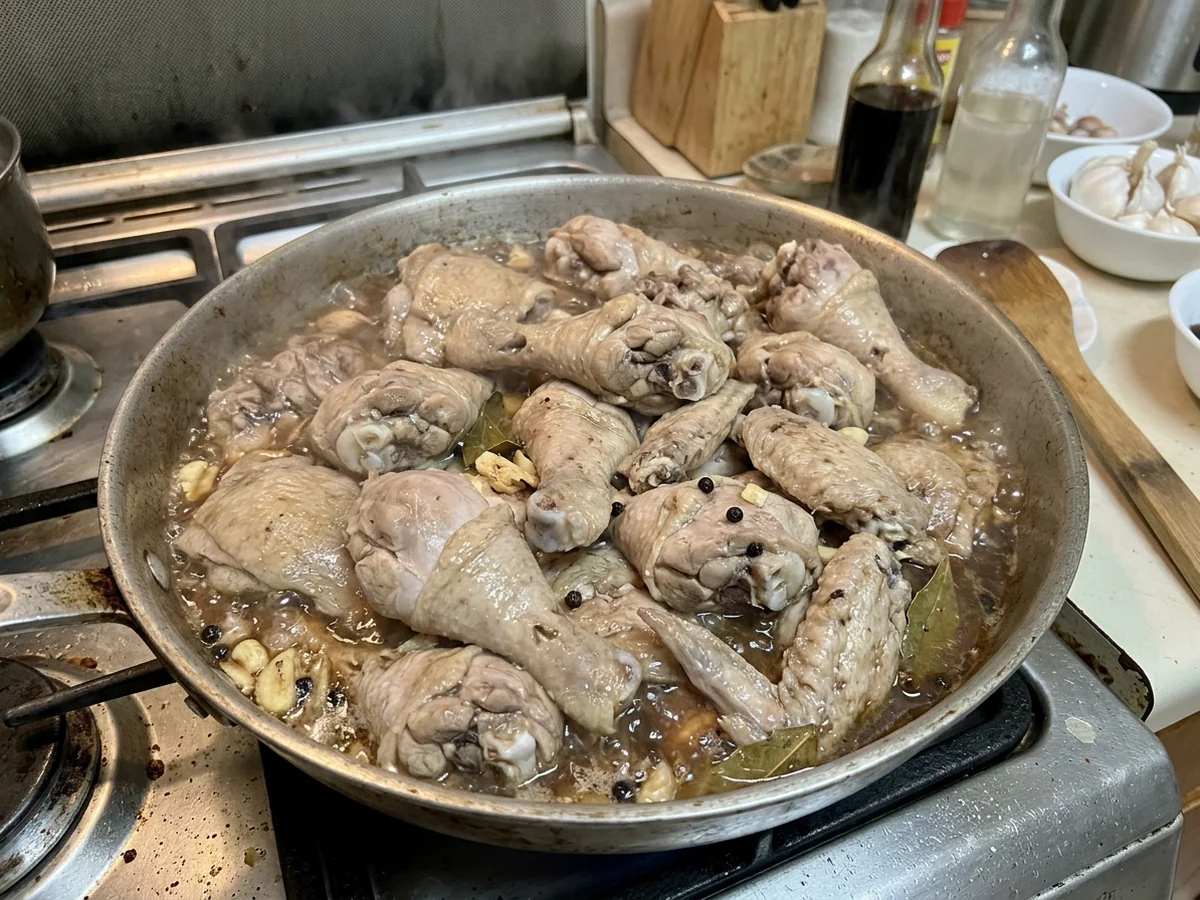
Achieving the right balance of flavor and texture requires attention to specific technical details during the braising and searing stages. Avoiding common errors ensures your chicken adobo maintains the depth and consistency expected of this classic dish.
- Do not crowd the pan during the initial searing phase, as limited space prevents the skin from browning properly and causes the meat to steam instead of crisp.
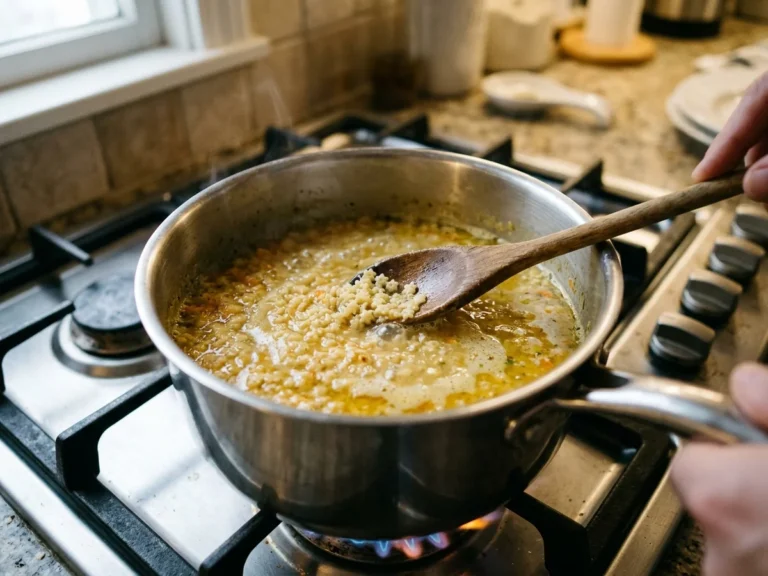
- Ensure the sauce reduces until it reaches a glaze consistency, as failing to simmer long enough results in a thin, watery liquid that lacks the concentrated flavor profile characteristic of the dish.
- Be mindful of the heat level after adding the vinegar, as stirring or boiling too aggressively before the raw aroma dissipates can lead to an unbalanced acidic bite.
- Use whole black peppercorns for a traditional presentation and a subtle, slow-releasing spice, though cracked pepper is a suitable alternative if you prefer a sharper, more immediate heat in every bite.
- Select chicken thighs rather than leaner cuts to ensure the rendered fat integrates with the soy sauce and vinegar base, which is necessary to create a rich, glossy coating.
When searing, give each piece of meat enough room to develop color. If the pan is overcrowded, the temperature drops and moisture is trapped, which stops the fat from rendering effectively. This step is critical for the final texture of the dish.
Regarding the sauce, the base relies on a combination of soy sauce, vinegar, black peppercorns, and bay leaves. You must allow the liquid to reduce sufficiently to achieve the desired glaze. If you choose to use cracked pepper instead of whole peppercorns, note that the spice will be more intense and distributed throughout the sauce. Whole peppercorns provide a milder, more authentic experience that allows the individual components of the marinade to shine without being overwhelmed by heat.
Regional Variations Explained
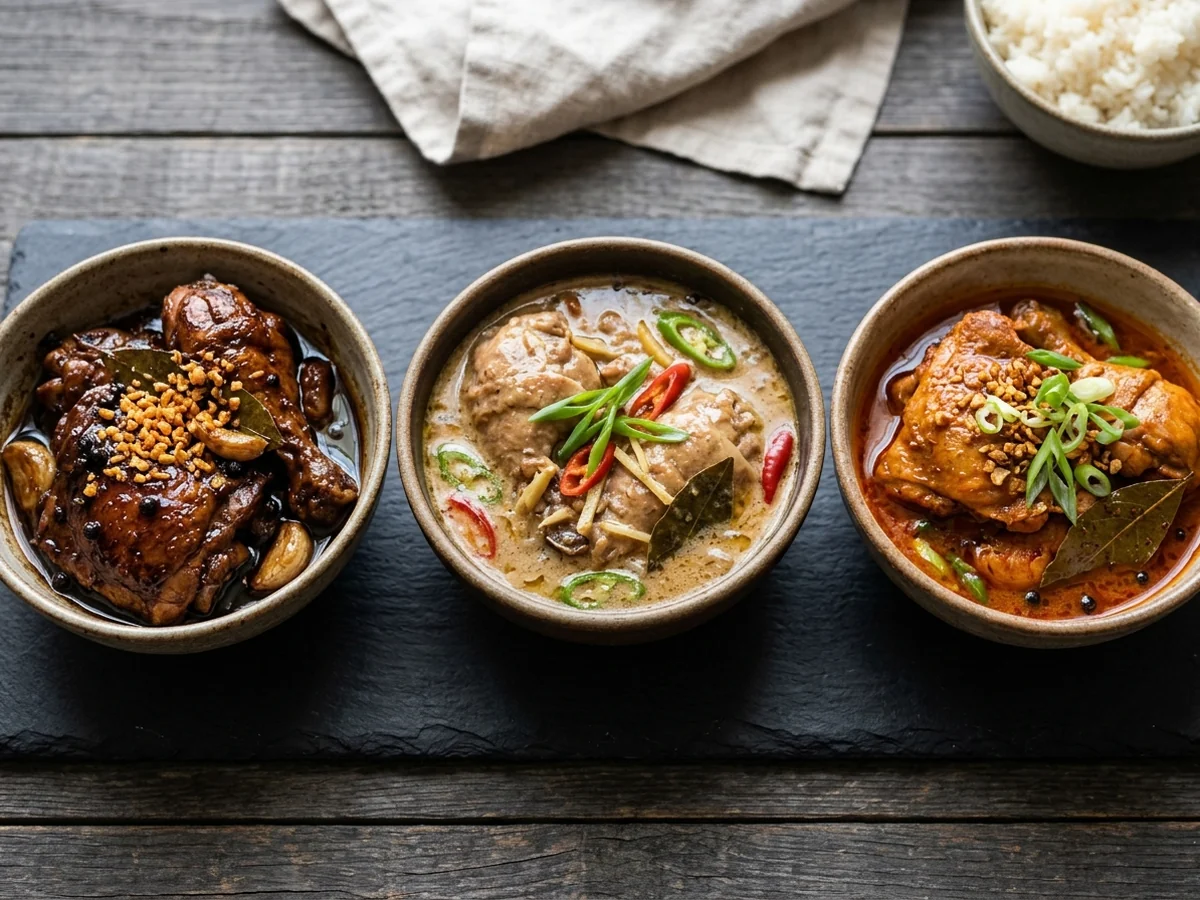
Regional variations of this dish demonstrate how a standard recipe adapts to local tastes and available ingredients across the Philippines. While the standard version relies on a base of soy sauce, vinegar, black peppercorns, and bay leaves, these alternative styles offer distinct flavor profiles by omitting or adding key components.
Adobo sa puti, or white adobo, is a notable variation that omits soy sauce entirely. By removing the salty, dark-colored liquid, the dish focuses on the acidity of the vinegar and the savory depth of garlic. This version often results in a lighter, cleaner appearance and a sharper, more vinegar-forward taste that highlights the natural flavor of the meat.
Adobo sa gata incorporates coconut milk, which transforms the texture and flavor profile of the dish. Adding coconut milk during the final stages of cooking creates a rich, creamy sauce that balances the harshness of the vinegar. This method is common in regions where coconut trees are abundant, as it adds a subtle sweetness and a thick consistency that pairs well with steaming hot rice.
The adaptability of chicken adobo remains a hallmark of Filipino home cooking. Because the dish is not bound by a rigid, singular set of instructions, families often adjust the ratios of vinegar to soy sauce or incorporate local ingredients based on personal preference. This flexibility ensures that the dish remains a staple in kitchens regardless of the cook’s location or access to specific pantry items.
- Adobo sa puti: Uses vinegar and garlic without soy sauce for a light, tangy profile.
- Adobo sa gata: Features coconut milk to thicken the sauce and add a creamy, slightly sweet finish.
- Standard version: Relies on the classic balance of soy sauce, vinegar, bay leaves, and whole black peppercorns for a savory, umami-rich result.
FAQ
What ingredients are needed for traditional chicken adobo?
Standard sauce for this dish relies on a base of soy sauce, vinegar, black peppercorns, and bay leaves. Many recipes also incorporate garlic and aromatics to deepen the savory flavor profile.
Can I substitute chicken breast for thighs?
While you can use chicken breast, chicken thighs are commonly preferred. Using thighs is a typical practice to ensure the sauce becomes a thick glaze via rendered fat, as the meat remains more tender during the extended braising process compared to the leaner breast.
What does this dish taste like?
The flavor profile features a distinct balance of salty and tangy elements derived from the soy sauce and vinegar base. The simmering process allows the meat to absorb these seasonings while the sauce reduces into a rich, savory glaze.
What should I serve with chicken adobo?
The most traditional way to serve this meal is alongside a generous portion of steamed jasmine rice. The rice acts as a neutral base that absorbs the flavorful sauce, balancing the intensity of the marinade.
What type of soy sauce should be used?
Most home cooks use standard all-purpose soy sauce for a consistent flavor and color. Some versions of the recipe may use dark soy sauce if a deeper color and slightly richer body are desired in the final glaze.
What can be done with leftover sauce?
Leftover sauce is frequently used as a base for fried rice or as a flavorful dressing for steamed vegetables. Because the sauce is concentrated and shelf-stable due to its vinegar content, it retains its flavor well in the refrigerator for several days.
Conclusion
The final step in your cooking process is deciding how to reduce the sauce to your preferred consistency. Once the meat is tender, remove it from the pan and allow the remaining liquid to simmer until it thickens into a rich glaze that coats the back of a spoon. Serving this flavorful Filipino dish over a generous portion of steamed jasmine rice ensures you capture every bit of the savory, tangy sauce. If you have leftovers, consider using the reduced liquid to flavor fried rice for your next meal.
Sources: cloudpbx.cazenovia.edu
You might also like: Steak Fajitas Recipe: Sizzling Mexican Dinner