Italian Penicillin Pastina Soup Recipe
Introduction to Italian Penicillin Pastina Soup
Home cooks often turn to italian penicillin pastina soup when they need a bowl of pure comfort. Pastina translates to little pasta in Italian, and this cozy dish is commonly referred to as italian penicillin due to its restorative qualities.
This guide covers the essential ingredients, traditional preparation steps, and the nostalgic history behind the ultimate bowl of comfort food.
Cultural Origins and History of Italian Penicillin

Pastina translates to little pasta in Italian, capturing the essence of the tiny shapes that have nourished generations. Pastina soup is commonly referred to as Italian penicillin due to its comforting and restorative qualities. Families across generations have turned to this simple bowl of broth and tiny pasta whenever illness strikes, viewing it as the ultimate remedy for winter colds and low energy.
The phrase took root primarily within immigrant households as families adapted traditional culinary customs to their new lives. Kitchens kept tiny pasta shapes stocked alongside chicken broth, passing down the bowl as an edible medicine during cold and flu season. This comforting tradition endures because warm broths help maintain hydration during recovery, while easy to digest soft carbohydrates provide gentle energy when appetite is low.
Traditional pastina shapes include stars, small rings, and tiny pearls. Chicken broth serves as the base for most traditional recipes, often enriched at the end with Parmesan cheese and beaten eggs. Preparing this nourishing dish requires care, as pastina cooks very quickly, usually in about four to six minutes on the stovetop. Home cooks should watch the pot closely to prevent the delicate pasta from becoming mushy in the broth.
Recent years have brought changes that sparked widespread discussion among home cooks. Some major pasta manufacturers have altered their pastina product lines, leading to consumer concern about the availability of classic star shaped varieties. Despite shifts from certain large brands, alternative brands continue to produce star shaped pasta and similar small pasta varieties, ensuring that this comforting tradition remains a staple in home kitchens.
Understanding Pastina Shapes and Varieties
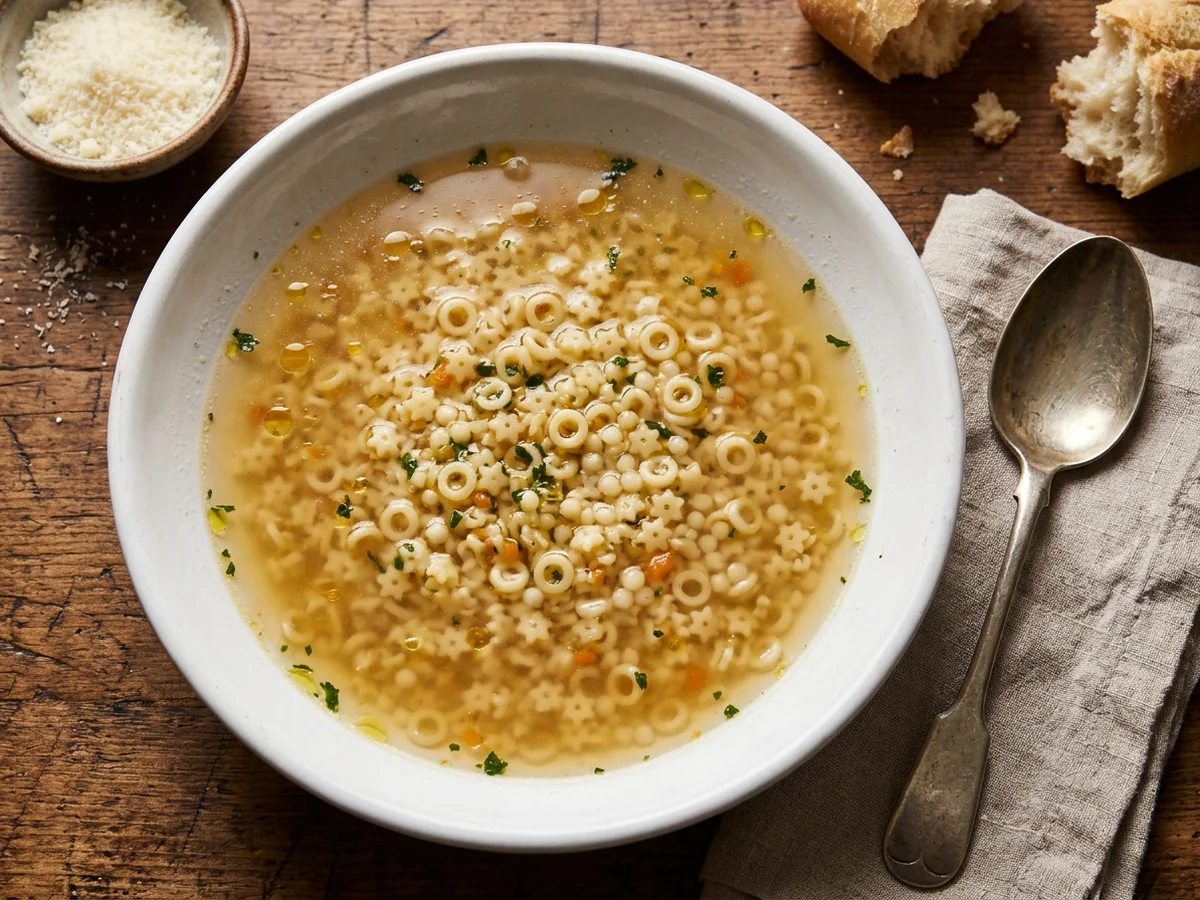
Common guidance notes that pastina translates to little pasta in Italian, capturing the essence of these miniature varieties designed for comforting bowls of soup. Traditional pastina shapes include stars, small rings, and tiny pearls. Common guidance points out that these tiny formats hold their delicate form well without overcrowding a soothing meal, making them a staple for anyone preparing a traditional italian penicillin pastina soup. Because some major pasta manufacturers, including brands like Barilla, have altered their pastina product lines, consumer concern has grown over finding the right ingredients. Fortunately, alternative brands continue to produce star shaped pasta and similar small pasta varieties to keep pantries stocked year round.
Choosing the right variety involves understanding how each shape behaves on the stovetop and interacts with warm broths. Here is a closer look at common pastina shapes and practical alternatives:
- Star shaped pasta offers a whimsical and classic look that holds onto warm broth within its pointed edges, making every spoonful cozy.
- Small rings provide a fun texture that catches bits of melted cheese and herbs on the spoon during a comforting meal.
- Tiny pearls melt gently in the mouth, offering a smooth consistency for anyone seeking extra comfort and easy digestion.
- Acini di Pepe serves as another wonderful alternative when your usual tiny pasta options are out of stock on grocery shelves.
- Alternative brands continue to produce star shaped pasta and similar small pasta varieties to keep your pantry stocked year round despite manufacturing shifts.
Why Pastina Shapes Matter for Texture and Comfort
The physical structure of miniature pasta plays a direct role in how the dish feels during cold and flu recovery. Easy to digest soft carbohydrates provide gentle energy when appetite is low, while warm broths help maintain hydration. Chicken broth serves as the base for most traditional pastina soup recipes, often enriched with Parmesan cheese and beaten eggs added at the end.
Cooking Times and Common Pitfalls
When cooking these miniature options on the stovetop, common guidance suggests keeping a close eye on the pot because pastina cooks very quickly, usually in about four to six minutes. A common mistake is leaving the pasta in the hot broth too long, which causes the starch to break down completely and absorb all the liquid. To prevent a mushy texture, cook the pasta just until tender and serve immediately. If you plan to store leftovers, consider cooking the tiny pasta separately and adding it to individual bowls of warm broth to maintain the ideal consistency.
Essential Ingredients for the Ultimate Soup Base
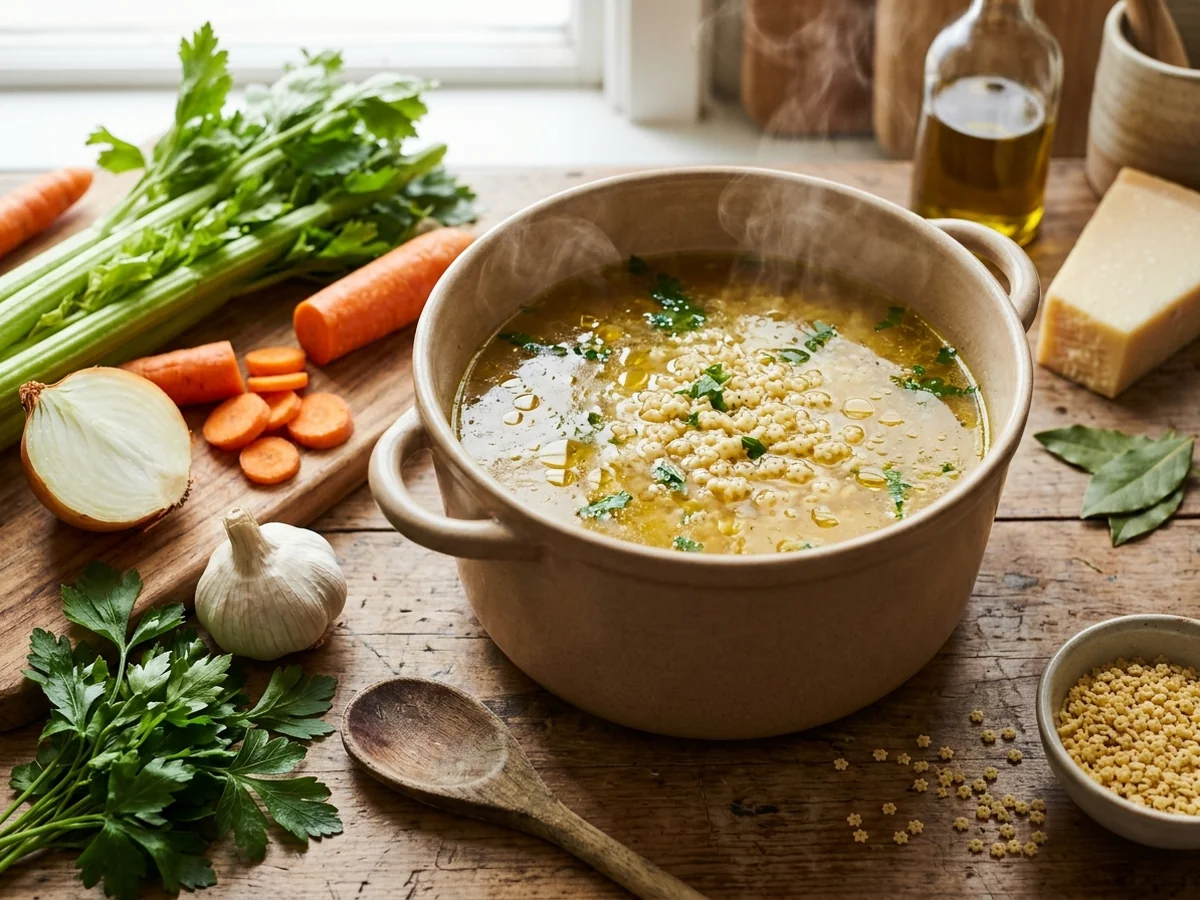
Chicken broth serves as the base for most traditional pastina soup recipes. This savory liquid forms the foundation of every good bowl, tying together the soft star shapes and soothing flavors that make your meal comforting during cold and weather changes. Because the liquid makes up the bulk of the dish, selecting the right foundation determines the overall depth of flavor.
Commercial broths offer a convenient shortcut for busy weeknights, but they frequently contain high levels of sodium. Excess salt can overpower the delicate taste of the tiny pasta and any added enrichments, which leads many home cooks to prefer making their own stock from scratch. Homemade stock allows complete control over the salt content while delivering a richer, more authentic taste that lets the primary ingredients shine.
Balancing Sodium and Flavor
When you rely on store bought cartons for your Italian penicillin pastina soup, checking the sodium label is a helpful practical step. If the liquid tastes too sharp, diluting it slightly with water prevents the salt from masking the gentle flavor of the soft carbohydrates. Warm broths also help maintain hydration during cold and flu recovery, making the salt balance especially important when appetite is low.
Enriching Your Broth
To get the best results when building your savory base, keep a few finishing techniques in mind. Parmesan cheese and beaten eggs are often added at the end to enrich the broth just right. Stirring these ingredients in right before serving creates a velvety texture that elevates a basic pot of soup into a deeply restorative meal.
Avoiding Common Cooking Mistakes
A frequent error is boiling the soup too aggressively after adding your delicate pastina. Traditional pastina shapes include stars, small rings, and tiny pearls, and these tiny varieties cook very quickly, usually in about four to six minutes. High heat can break down the soft shapes and cloud the liquid. Keeping the heat at a gentle simmer ensures your nourishing bowl turns out clear, comforting, and perfectly balanced every single time.
Enriching the Broth with Eggs and Parmesan Cheese
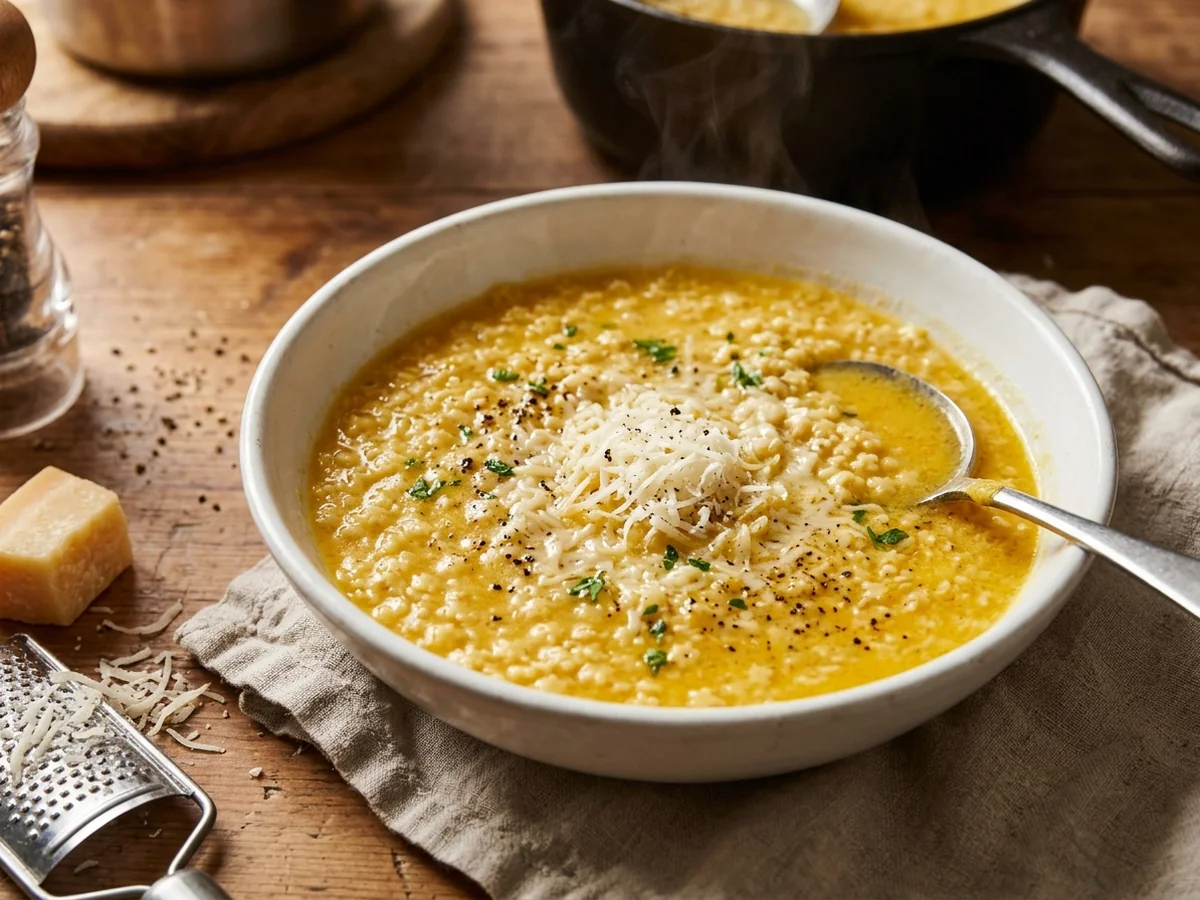
Parmesan cheese and beaten eggs are often added at the end of the cooking process to enrich the broth. This traditional practice transforms a simple stovetop dish into a velvety, satisfying meal that offers deeper savory flavors and extra comfort. Because chicken broth serves as the base for most traditional pastina soup recipes, incorporating these ingredients adds both body and richer nutrition to the bowl.
Why Tempering Matters for Eggs
The main challenge when incorporating eggs into a hot liquid is preventing curdling. Pouring cold or room temperature eggs directly into a boiling pot causes the proteins to seize instantly, resulting in unwanted solid chunks rather than a smooth, silky finish. Proper tempering solves this issue by gradually raising the temperature of the protein before it meets the rest of the meal.
Step-by-Step Tempering Technique
To temper the egg correctly, start by whisking it thoroughly in a small bowl until completely smooth. Slowly drizzle a tiny spoonful of the warm chicken broth into the bowl while beating the mixture continuously. Keep adding the warm liquid in small splashes while maintaining vigorous whisking. This gradual warming prepares the egg to blend smoothly into the rest of the soup without cooking too fast.
A common mistake during this step is rushing the pouring process or leaving the burner on high heat. To avoid curdling, pour the tempered mixture back into the main pot in a slow, steady stream while stirring constantly. Turning off the heat immediately afterward ensures the protein melts into a luxurious consistency.
Folding in the Cheese
Finish the dish by folding in freshly grated cheese along with the warmed protein. The dairy melts seamlessly into the liquid, adding a rich depth that elevates your homemade comfort bowl. This final step enhances the restorative qualities often associated with an italian penicillin recipe, delivering a soothing texture when appetite is low.
Step by Step Stovetop Cooking Instructions
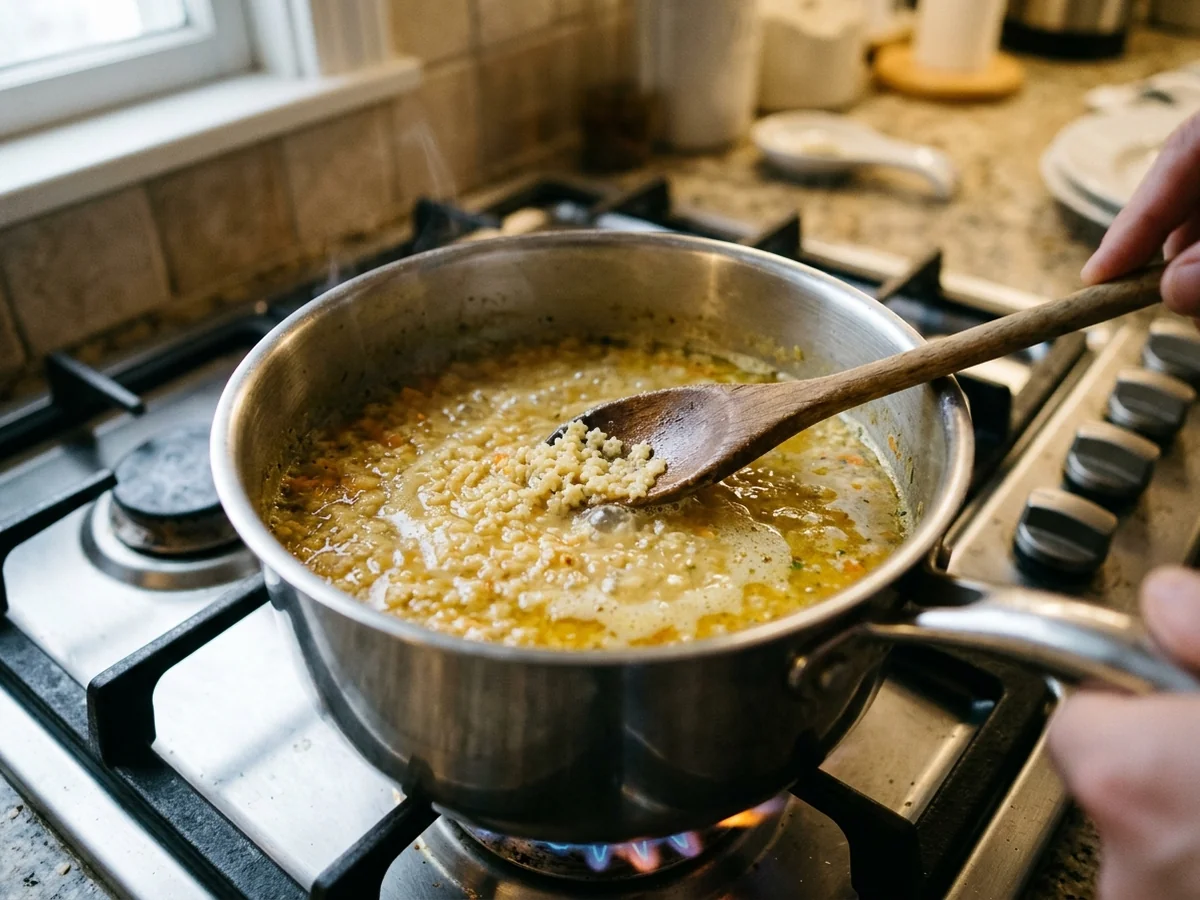
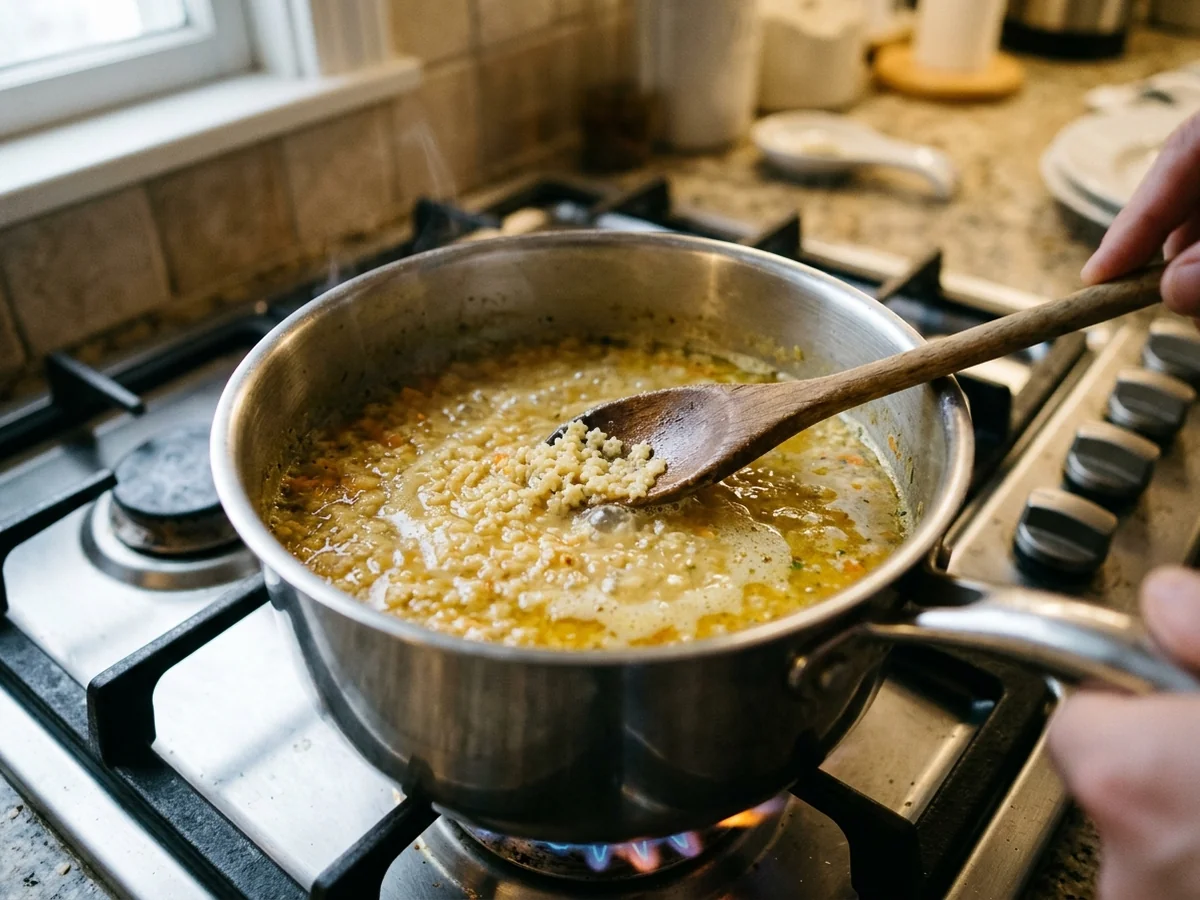
Preparing this restorative comfort food on the stovetop requires cooking the tiny pasta directly in the broth so the starches release and thicken the liquid naturally. You do not need to boil the pastina shapes separately in a separate pot. This method infuses the tiny pasta with rich flavor while creating a velvety consistency that makes the meal so soothing when you feel under the weather.
Why do we cook the pasta right in the liquid? Doing so allows the starches to melt into the broth, giving the dish its signature comforting texture without needing extra thickeners. However, this approach requires careful attention to prevent common mistakes, such as overcooking the pasta until it becomes mushy or letting the broth evaporate too completely.
Choosing Your Ingredients and Broth Base
Chicken broth serves as the base for most traditional variations of this warm dish. Warm broths help maintain hydration during cold and flu recovery, while easy to digest soft carbohydrates provide gentle energy when appetite is low. Because pastina translates to little pasta in Italian, you will want to look for specific shapes. Traditional pastina shapes include stars, small rings, and tiny pearls. While some major pasta manufacturers have altered their pastina product lines, leading to consumer concern, alternative brands continue to produce star shaped pasta and similar small pasta varieties.
Stovetop Execution
- Pour your chicken broth into a medium pot on the stovetop and bring the liquid to a gentle boil over medium heat.
- Add your chosen pastina shapes directly into the simmering liquid once the broth reaches a steady boil. Traditional varieties often include stars, small rings, and tiny pearls.
- Reduce the heat slightly to maintain a gentle simmer so the liquid does not evaporate too quickly while the pasta cooks.
- Stir the pot occasionally to ensure the tiny pasta pieces do not stick to the bottom of the pan, which is a frequent mistake when working with high starch starches.
- Monitor the texture closely, keeping in mind that pastina cooks very quickly, usually in about four to six minutes.
- Remove the pot from the heat as soon as the pasta reaches a tender, easily digestible consistency.
- Stir in optional ingredients like beaten eggs or Parmesan cheese right at the end to enrich the broth before serving. Parmesan cheese and beaten eggs are often added at the end to enrich the broth, a practice common in many homes.
Troubleshooting Texture and Consistency
If the soup sits for too long off the heat, the tiny pasta will continue to absorb the surrounding liquid. To keep the dish from turning into a thick porridge, serve it immediately after preparation, or stir in a splash of warm broth right before eating if you are reheating leftovers. Keeping the heat at a gentle simmer rather than a rolling boil also prevents the broth from disappearing before the pasta finishes cooking.
Nutritional Breakdown and Digestibility of Tiny Pasta
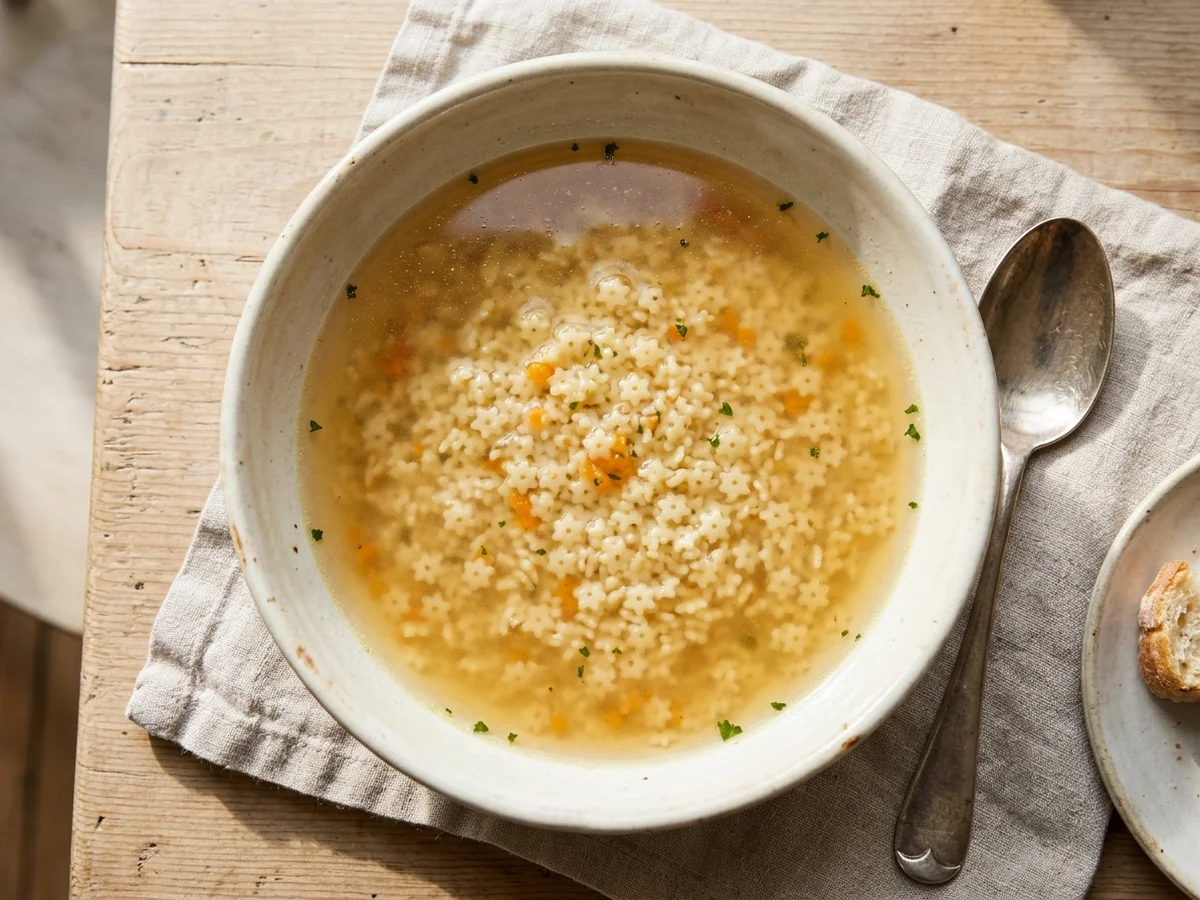
Tiny pasta shapes cooked in a savory broth provide a unique combination of easily accessible nutrients that support the body when digestion is sluggish. Traditional pastina varieties like stars, small rings, and tiny pearls often break down rapidly during cooking, making the final dish exceptionally gentle on the stomach. When appetite is low and the body requires nourishment without heavy processing, this traditional italian penicillin pastina soup frequently serves as a practical choice for recovery. Pastina typically translates to little pasta in Italian, reflecting the miniature nature of these comforting grains.
Carbohydrates and Gentle Energy
Easy to digest soft carbohydrates generally provide gentle energy when appetite is low. Because these small grain components require minimal physical breakdown by the digestive tract, they often supply fast, accessible calories without burdening the system during a bout of illness. The rapid cooking time, which usually takes about four to six minutes on the stovetop, typically ensures the starches break down into a smooth and approachable consistency. While some major pasta manufacturers have altered their pastina product lines, leading to consumer concern, alternative brands commonly continue to produce star shaped pasta and similar small pasta varieties.
Hydration and Warm Broths
Warm broths generally help maintain hydration during cold and flu recovery, working in tandem with the carbohydrates to restore fluid balance and electrolytes. Chicken broth often serves as the base for most traditional warm pastina meals, offering both warmth and fluid replenishment. The liquid base absorbs starches from the simmering pasta, creating a soothing texture that typically slips down effortlessly even if swallowing feels uncomfortable.
Enriching the Bowl for Complete Nutrition
Nutritional value tends to increase when cooks enrich the bowl with traditional additions. Parmesan cheese and beaten eggs are frequently added at the end to enrich the broth, supplying beneficial protein and fats that round out the simple grain profile and keep energy levels stable longer. Pastina dishes are commonly referred to as Italian penicillin due to their comforting and restorative qualities, turning a basic bowl of grain and water into a more complete meal that supports healing while remaining very easy on the digestive system.
Health Benefits and Hydration During Cold and Flu Season

Warm broths help maintain hydration during cold and flu recovery by supplying essential fluids when the body needs them most. Drinking plain water can sometimes feel unappealing or difficult when a sore throat makes swallowing painful, but savory liquids go down much more easily. Chicken broth serves as the base for most traditional pastina dishes, replenishing lost fluids and electrolytes to support overall recovery.
Why Broth and Tiny Pasta Ease Sickness
Eating warm bowls of italian penicillin pastina soup offers notable physical comfort when you feel unwell. The warmth soothes irritated throats and eases nasal congestion. Beyond the physical relief, this familiar comfort food carries strong nostalgic associations that reduce stress and lift your mood during sickness. Preparing a traditional italian penicillin recipe requires very little effort, which helps when energy levels are low. Traditional pastina shapes include stars, small rings, and tiny pearls, which hold their shape nicely in hot liquid.
Gentle Digestion and Gentle Energy
Easy to digest soft carbohydrates provide gentle energy when appetite is low and digestion is sensitive. Tiny pasta shapes break down quickly in the digestive tract without causing stomach distress. That makes a comforting bowl of pastina an ideal choice for recovery days when heavy meals feel unappealing. Because pastina cooks very quickly, usually in about four to six minutes, the meal comes together rapidly when you need relief the most.
Nutritional Boosts for Recovery
To maximize the restorative qualities of the dish, home cooks often enrich the broth at the end of cooking. Parmesan cheese and beaten eggs are often added at the end to enrich the broth, providing extra protein and a velvety texture without making the meal heavy. This simple finishing touch transforms a basic bowl of broth into a nourishing remedy that supports your body through cold and flu season.
Addressing Pastina Product Availability Changes
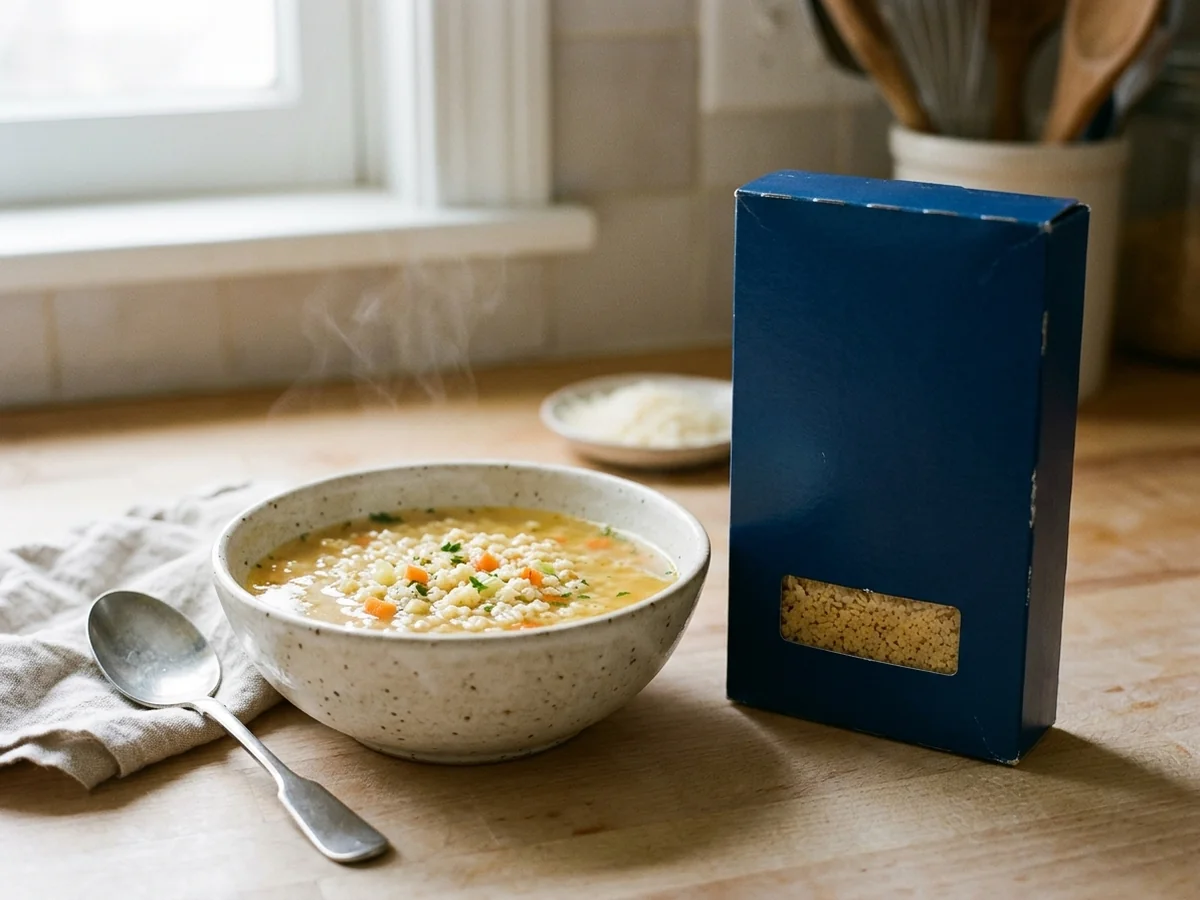
Some major pasta manufacturers have altered their pastina product lines, leading to considerable consumer concern across social media platforms. People noticed empty grocery store shelves and worried they could no longer make their favorite comfort food bowls. These supply shifts sparked widespread discussions online about the future of the beloved tiny star shapes, especially as clips regarding italian penicillin soup viral moments gained traction. Shoppers quickly started searching for answers regarding why their local markets stopped stocking the familiar blue boxes from brands like Barilla.
Understanding the why behind these availability shifts helps calm unnecessary panic in the kitchen. Major food companies frequently streamline their inventories to focus on higher volume products, which sometimes means temporarily or permanently scaling back niche items. When a household staple suddenly disappears from local supermarket aisles, home cooks often experience frustration while trying to source ingredients for their traditional italian penicillin pastina soup dishes. However, these adjustments do not mean the end of the comforting meal altogether.
Finding Alternative Brands on Pantry Shelves
Practical steps can help you secure your pantry supplies if your preferred brand becomes unavailable. Alternative brands continue to produce star shaped pasta and similar small pasta varieties, ensuring the meal remains accessible. Several regional and specialty makers stepped up to fill the gap on pantry shelves. Grocery shoppers can easily find comparable tiny shapes from different makers by exploring international markets, online grocery platforms, or local specialty food shops. Traditional pastina shapes commonly include stars, small rings, and tiny pearls, and many manufacturers still produce these comforting varieties.
Adapting Cooking Methods for Different Brands
Avoiding common mistakes during a product shortage ensures you still get the exact textures you want in your bowl. A frequent error is assuming that all tiny pasta varieties cook at the exact same rate on the stovetop. If you substitute one small shape for another, always check the package directions because cooking times can vary slightly. Pastina typically cooks very quickly, usually in about four to six minutes, whether you use chicken broth as the base or enrich it with Parmesan cheese and beaten eggs at the end.
Keeping a flexible approach allows you to enjoy your comforting bowls without stressing over brand loyalty when store inventories fluctuate. Warm broths help maintain hydration during cold and flu recovery, and easy to digest soft carbohydrates provide gentle energy when appetite is low, making any available alternative brand a great choice for your next soothing meal.
Frequently Asked Questions About Pastina Soup
Why is pastina soup called Italian penicillin?
Pastina translates to little pasta in Italian, and a bowl of this warm, comforting dish is commonly referred to by that affectionate nickname due to its restorative qualities when people feel unwell. Just like medicine, this warm bowl is widely viewed in many households as a cure-all for winter colds and everyday fatigue.
What is an Italian penicillin soup?
An italian penicillin soup is a traditional comfort dish featuring tiny pasta shapes cooked in a savory broth, which is often enriched at the end with beaten eggs and Parmesan cheese. Chicken broth serves as the base for most traditional recipes, while traditional pastina shapes include stars, small rings, and tiny pearls that typically cook very quickly on the stovetop.
Does Italian penicillin soup actually help during illness?
Warm broths help maintain hydration during cold and flu recovery while soothing a sore throat. Additionally, easy to digest soft carbohydrates provide gentle energy when appetite is low, making it an ideal meal when you are recovering from an illness.
Why was pastina taken off the market?
Some major pasta manufacturers have altered their pastina product lines, leading to widespread consumer concern and confusion about the future of this comfort food. However, alternative brands continue to produce star shaped pasta and similar small pasta varieties so home cooks can still prepare their favorite meals without trouble.
Conclusion
This timeless comfort food remains a pantry staple because it offers genuine physical and emotional warmth on difficult days. You can easily whip up a batch of italian penicillin pastina soup in minutes whenever you need a soothing meal. Gather your ingredients and try making this simple bowl in your own kitchen tonight.
You might also like: Steak Fajitas Recipe: Sizzling Mexican Dinner