Cheesy Beef Veggie Wrap Recipe
Introduction to the Cheesy Beef Veggie Wrap
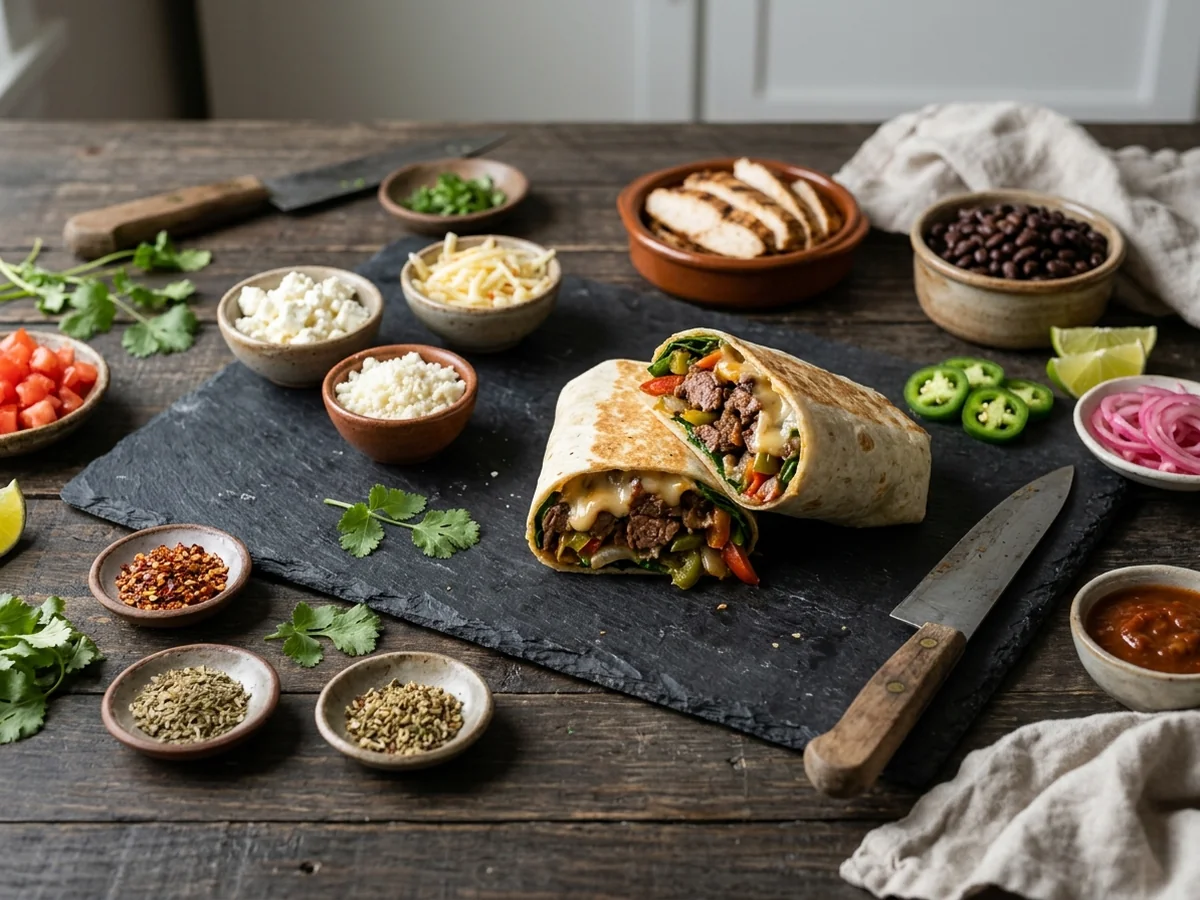
A quick weeknight meal using a simple cheesy beef veggie wrap brings dinner together with minimal effort. This recipe is ideal for busy families seeking low stress cooking when schedules get hectic.
Expect a flavorful meal combining savory ground beef, crisp vegetables, and melted cheese inside warm flour tortillas. Home cooks get a reliable dinner blueprint that satisfies hungry crowds without complicated cleanup.
Essential Ingredients for a Flavorful Wrap
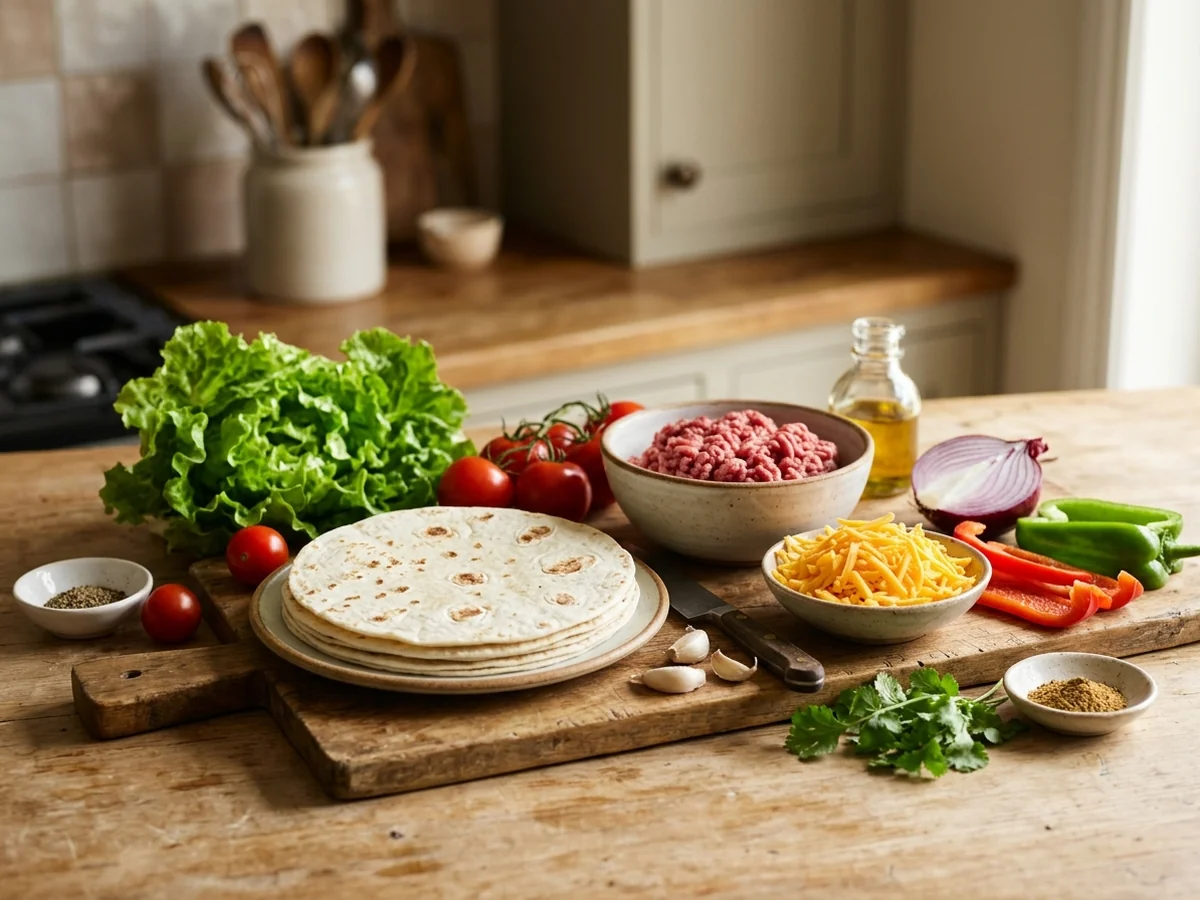
Creating a satisfying and simple cheesy beef veggie wrap relies on balancing savory proteins, crisp produce, and melted dairy inside a pliable base. You want a thoughtful mix of textures and flavors so every bite tastes great. Choosing the right components keeps weeknight cooking fast, approachable, and adaptable to what you have on hand.
When you plan your grocery list, focusing on core components ensures your meal comes together without stress. Selecting quality items aligns with recommendations often found in resources like the Dietary Guidelines for Americans, which emphasize nutrient dense choices across food groups. Here is what you need to build a delicious pocket:
- Ground beef: This ingredient provides a savory and hearty base that anchors the entire dish. Browning the meat thoroughly develops deep flavor while following safety standards from the USDA Food Safety and Inspection Service for proper cooking temperatures.
- Fresh vegetables: Bell peppers and other crisp produce add a vibrant crunch and subtle sweetness to balance the rich meat.
- Cheddar cheese: Shredded cheese melts smoothly to tie all the fillings together into a cohesive, gooey center.
- Flour tortillas: A soft and flexible exterior holds heavy fillings securely without tearing easily during folding or toasting.
- Alternative bases: Whole wheat or spinach varieties work well if you prefer a different texture or extra fiber.
- Grains: You can also add grains into the mix for an extra filling meal that stretches your ingredients further.
Choosing the Right Proteins and Cheeses
The foundation of any easy meal of this type is the interaction between the meat and the dairy. Ground beef offers a robust flavor profile that stands up well to robust seasonings. When you consider what goes well with beef in a wrap, aged or medium cheddar provides a sharp contrast to the savory meat. Selecting the right dairy grade ensures the cheese melts evenly across the warm filling without separating into oil.
Selecting Fresh Produce and Wrappers
Texture plays a major role in keeping handheld meals enjoyable. Bell peppers, onions, and leafy greens introduce refreshing crunch that cuts through the richness of the beef and cheese. When putting together simple wraps with mince and cheese, the choice of outer layer matters just as much as the interior. Standard flour tortillas offer pliability, but alternative grains can alter the density and nutritional profile of your dish.
Managing Moisture for Structural Integrity
A common mistake when assembling these meals is overloading the wrapper with too many wet ingredients, which can make the base soggy. To avoid this, pat your vegetables dry after washing and let your cooked meat drain slightly before mixing in the cheese. Taking a moment to balance your moisture levels guarantees a sturdy, enjoyable handheld meal every time.
Cooking the Beef and Veggie Filling
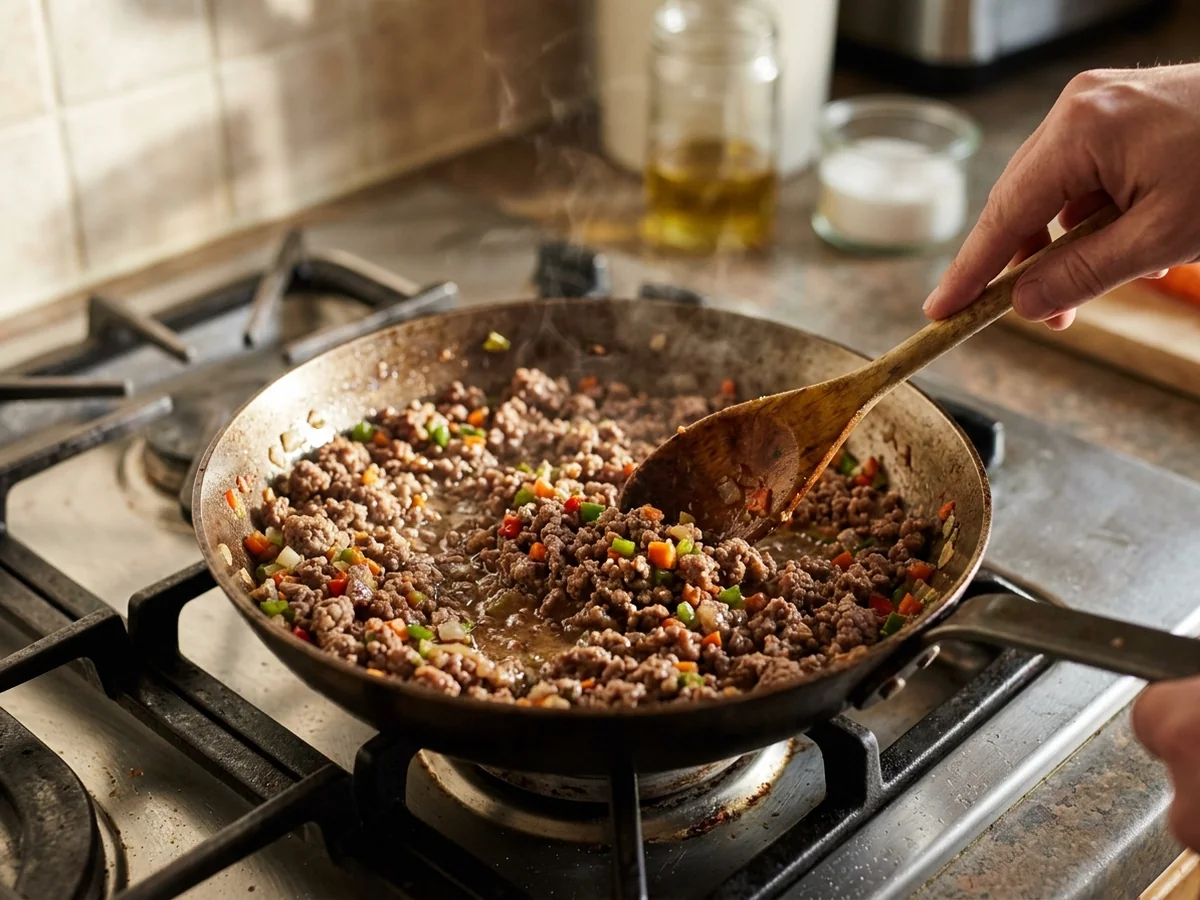
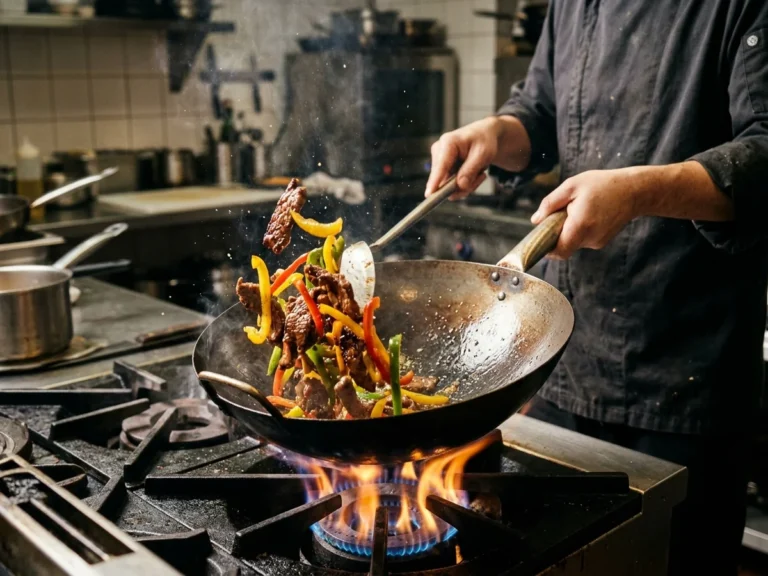
Preparing the filling starts at the stovetop, where getting the technique right ensures maximum flavor and texture. Place your skillet over medium heat and add the ground beef. Break up the meat continuously with a wooden spoon so it browns evenly across the pan without scorching in spots. Stirring frequently helps render the fat properly while developing a savory depth of flavor that anchors your simple wraps with mince and cheese.
Once the meat is fully cooked, safety and texture checks are essential. According to guidelines from the USDA Food Safety and Inspection Service, ground beef must be cooked thoroughly until it reaches a safe internal temperature, which you can verify using a food thermometer inserted into the thickest part of the meat. After confirming the temperature, carefully drain any excess grease from the skillet. Leaving too much liquid in the pan will make your cheesy beef veggie wrap soggy once assembled inside flour tortillas.
Next comes the vegetable stage, which requires careful timing to maintain the right balance of texture. Introducing bell peppers and other chosen produce at the correct moment prevents them from turning mushy. Firmer vegetables benefit from a brief head start in the hot skillet, while tender varieties should be added closer to the end of the cooking time so they soften just enough while retaining a light crunch. Sauté everything together until the vegetables blend harmoniously with the savory beef.
A common mistake during this step is adding the cheddar cheese while the skillet is still over direct high heat, which can cause the dairy to separate or scorch. Instead, remove the pan from the heat source just before folding in your shredded cheddar cheese. The residual warmth from the meat and vegetables melts the cheese smoothly, creating a rich coating that holds the filling together before you spoon it into your cheesy beef veggie wrap.
Mastering Wrap Assembly and Techniques
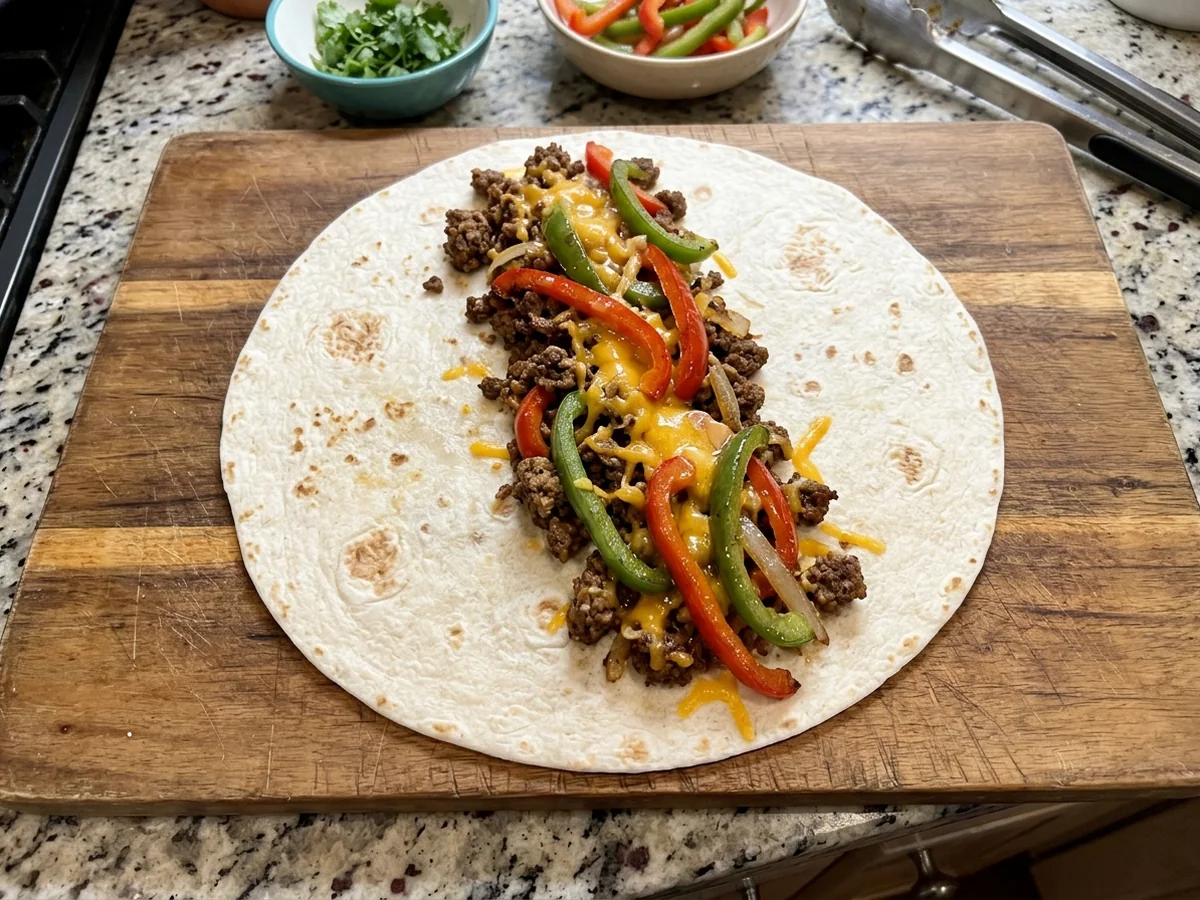
Mastering wrap assembly requires laying flour tortillas flat on a clean surface, adding seasoned ground beef, cheddar cheese, and bell peppers in an even center stripe, and rolling firmly while tucking the ends inward. Proper technique stops fillings from shifting and keeps the casing intact during heating, which is especially helpful when preparing a flavorful warm beef handheld meal for a quick weeknight dinner.
Start by placing your flour tortillas on a flat cutting board. Keep the workspace dry so the dough does not stick or tear before you begin filling. When considering what goes well with beef in a wrap, home cooks often balance savory meat with crisp vegetables to create a satisfying flavor profile.
Layer ingredients evenly across the center rather than piling them too high in the middle. Spreading bell peppers and meat across a neat line prevents the filling from bursting through the sides when you apply pressure. This method also makes it much easier to enjoy a tasty rolled meal without the contents falling apart on your plate.
Prevent sogginess by letting hot components cool slightly before adding them to the flour tortillas. Excess moisture makes the bread delicate, so patting cooked vegetables dry helps maintain structural integrity. Following safe handling guidelines from the USDA Food Safety and Inspection Service ensures that your ingredients are properly prepared before assembly.
Tuck the left and right edges inward over the filling before rolling the bottom flap upward. Maintaining a firm grip as you roll creates a secure cylinder. Common mistakes include overfilling the center and skipping the edge tuck, both of which lead to leaks. Taking your time with these practical steps guarantees a neat finish for every simple wraps with mince and cheese creation.
Flavor Variations and Customization Ideas
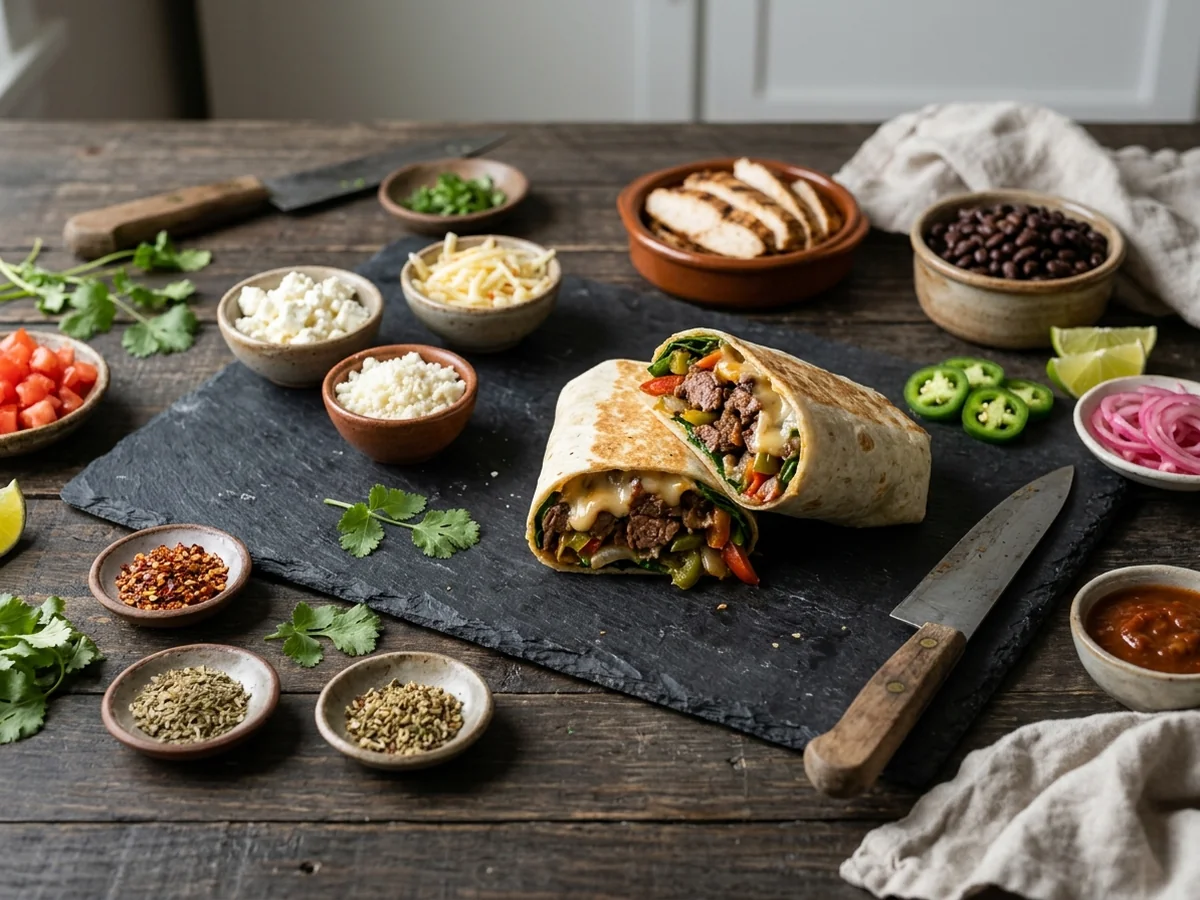
Adapting your meal to match household preferences is simple when you know how to adjust proteins, seasonings, and cheese varieties. Whether you want to clear out the refrigerator or cater to picky eaters, a savory meat and vegetable tortilla provides a versatile base that accommodates almost any ingredient swap.
Protein flexibility is one of the best ways to customize this dish. While ground beef is a classic choice, leftover roast beef works wonderfully as a tasty alternative protein when you do not have fresh meat on hand. Simply shred the cooked meat gently, warm it through with your favorite bell peppers and other vegetables, and roll everything into flour tortillas. For grain lovers, adding a scoop of cooked rice creates a hearty beef and grain handheld meal that keeps everyone full longer.
Spice levels adjust easily depending on who is sitting at the dinner table. Add a pinch of chili flakes or hot sauce for extra warmth if adults prefer a kick, or keep the seasoning mild with garlic powder and cumin for younger kids. Different cheeses also change the final flavor profile completely. Sharp cheddar brings a bold, savory taste, while Monterey Jack melts smoothly for a creamier texture.
To ensure your customized creations turn out great every time, keep a few practical steps and common pitfalls in mind:
- Drain excess moisture: Vegetables like bell peppers and onions release water when cooked. Sauté them thoroughly before adding them to your handheld meal to prevent soggy tortillas.
- Avoid overfilling: It is tempting to pack every wrap to maximum capacity, but leaving a clear border around the edges makes rolling much easier and prevents filling from spilling out.
- Warm the tortillas: Cold flour tortillas tear easily. Give them a quick spin in a dry skillet or microwave them for a few seconds so they become pliable before assembly.
- Balance the flavors: If your cheese and meat choices are particularly rich, add fresh crisp greens or a squeeze of lime juice to brighten the overall taste profile.
By experimenting with different combinations of pantry staples and fresh produce, you can turn quick skillet fillings into a brand new dinner experience every single week.
Nutrition Breakdown and Dietary Considerations
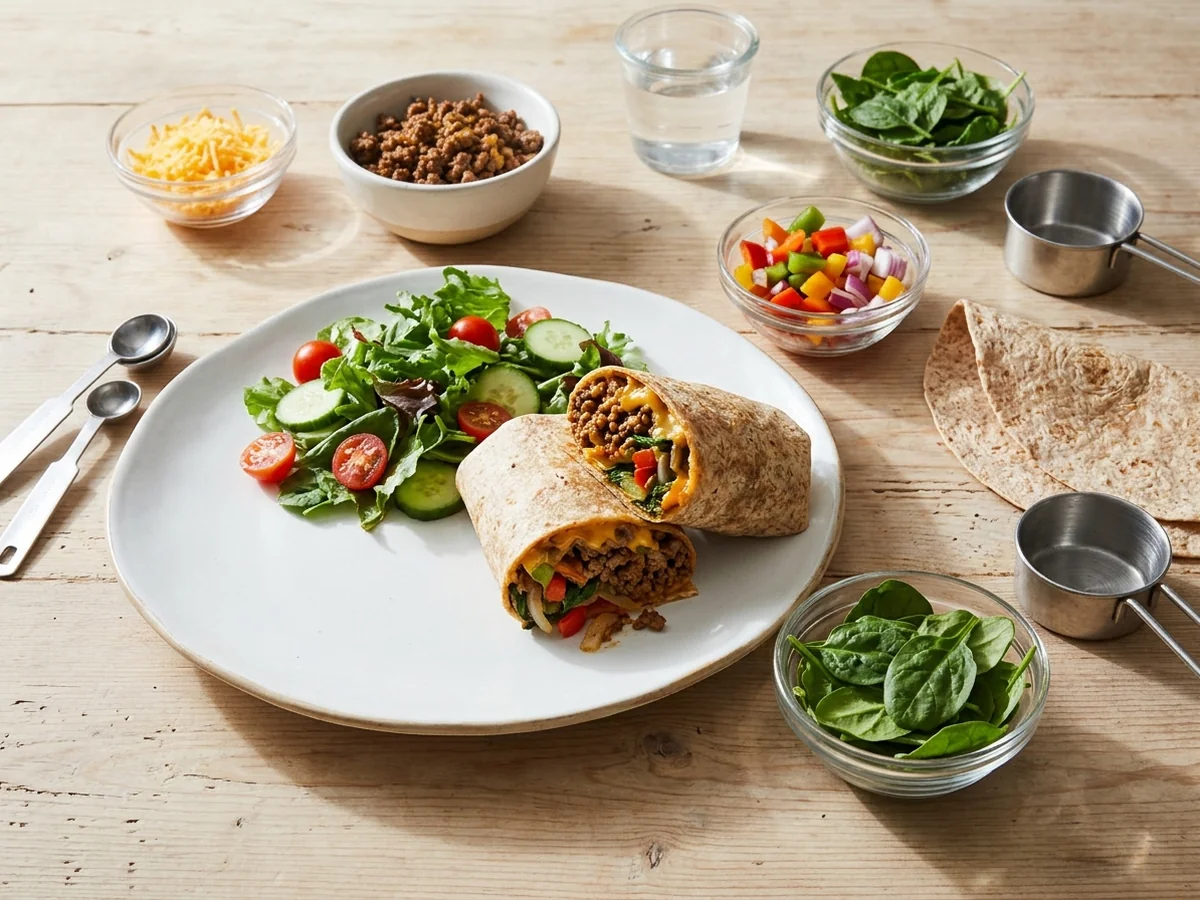
Balancing a hearty meal involves understanding how your choice of ingredients impacts overall calories and nutrients. Making informed swaps lets you enjoy a savory meat and vegetable tortilla meal while staying aligned with healthy eating patterns.
Balancing Ingredients for a Nutrient Dense Meal
Choosing between light and regular dairy varieties significantly shifts the calorie and fat content of your meal. Regular cheddar cheese brings rich flavor and higher calorie counts, whereas reduced-fat alternatives cut back on total energy while still providing protein and calcium. Selecting a lighter variety helps manage daily caloric intake without sacrificing the comforting melt you want in a hot skillet meal.
Tortilla selection also shapes the nutritional profile of your handheld dinner. Traditional white flour options offer a soft texture, while whole-grain or high-fiber alternatives contribute extra dietary fiber and complex carbohydrates. Incorporating whole grains supports sustained energy and matches recommendations outlined in the Dietary Guidelines for Americans for a balanced daily eating pattern.
Filling your meal with fresh bell peppers and lean ground beef adds essential vitamins, minerals, and high-quality protein. Balancing these whole ingredients keeps your dinner nutrient-dense and satisfying. Following general dietary advice ensures your homemade wraps fit neatly into an active lifestyle.
Common Mistakes and Practical Preparation Steps
A common mistake when building a savory beef handhold is overloading the filling, which can cause the tortilla to tear and throw off portion control. To avoid this, measure your ingredients carefully before assembly. Another frequent error is ignoring the cooking temperature of the meat, which can be verified using guidelines from the USDA Food Safety and Inspection Service to ensure proper food safety.
Practical steps for a lighter meal include draining excess fat from the ground beef after browning and loading up on extra bell peppers or other vegetables to increase volume without adding heavy calories. Whether you are wondering what goes well with beef in a wrap or how to keep your meal balanced, focusing on lean proteins and fresh produce makes a noticeable difference.
Customizing Your Wrap for Different Dietary Needs
Home cooks often look for ways to adapt a savory ground meat and melted cheese dish to suit specific household preferences. If you are preparing a quick beef handhold for family members with varying appetites, you can easily adjust the proportions of cheese, beef, and vegetables. Pairing your meal with an optional side of rice is another popular choice when considering complementary grains, as side dishes help stretch the ingredients further for budget conscious weeknight dinners.
Meal Prep, Storage, and Freezing Instructions
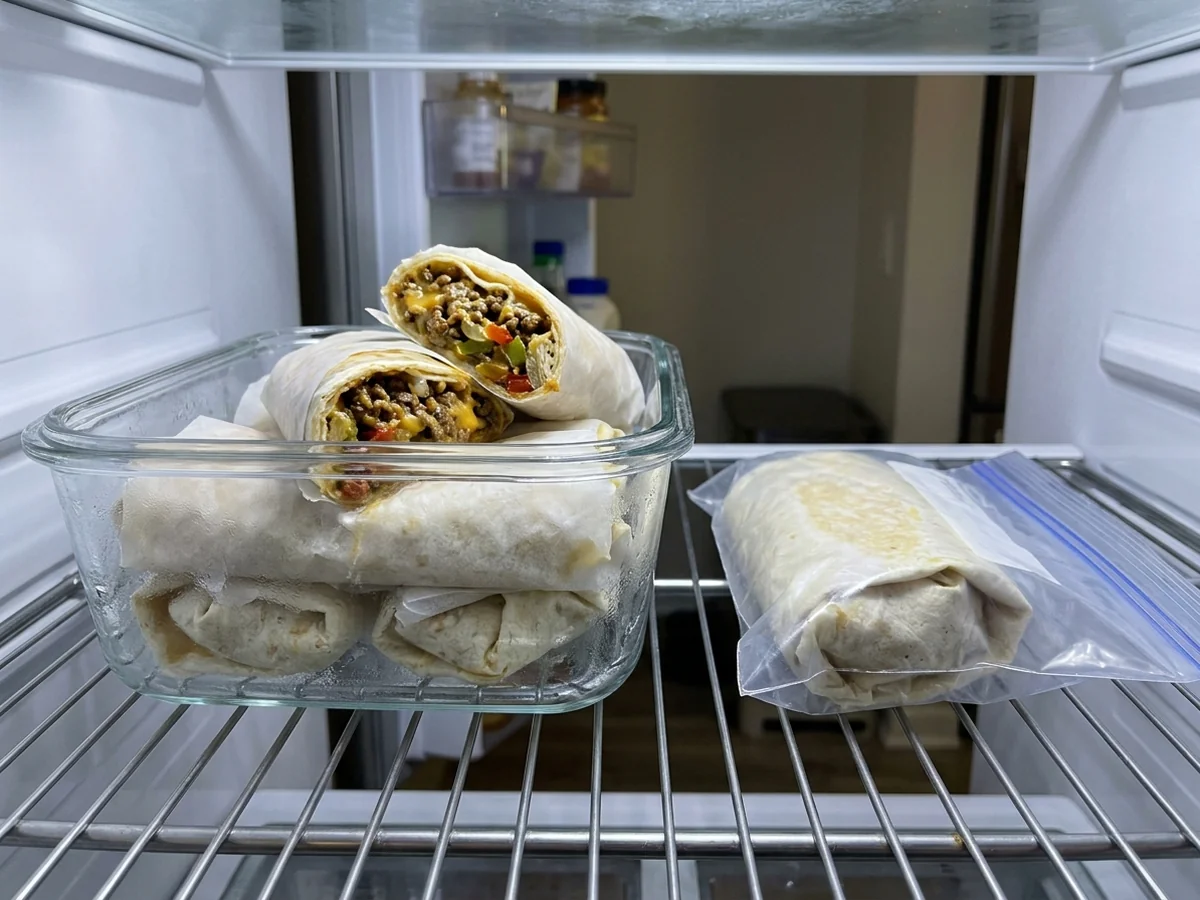
Proper storage is essential for maintaining the texture and safety of your savory beef and vegetable hand-held meal when preparing food ahead of time. Moisture management is the primary challenge when storing flour tortillas with savory fillings like ground beef, bell peppers, and melted cheddar cheese. Without proper barriers, the tortillas can absorb excess moisture and become soggy before you are ready to eat.
Refrigerator Storage and Cooling Steps
For short term refrigeration, wrap each individual portion tightly in parchment paper or foil before placing them inside an airtight storage container. This extra layer absorbs minor condensation and keeps the ingredients tasting fresh. Always allow your cooked fillings to cool completely to room temperature before assembling and sealing the containers, as trapping hot steam inside accelerates moisture buildup.
When you store your food in the refrigerator, consume the portions within the recommended window to maintain optimal quality. Checking the ingredients for any signs of excess liquid or spoilage before reheating helps guarantee a safe dining experience. Following guidelines from the USDA Food Safety and Inspection Service ensures that perishable leftovers remain safe for consumption during busy weeknights.
Freezing and Thawing Your Wraps
Freezing works well for long term planning, but certain ingredients require careful handling. High moisture vegetables can change texture after thawing, so you may want to adjust your filling proportions if you plan to keep the items frozen for extended periods. Wrap individual portions securely in foil and place them inside heavy duty freezer bags to protect against freezer burn.
Thaw frozen portions safely by transferring them from the freezer to the refrigerator overnight before reheating. Reheat the food thoroughly until it is piping hot all the way through, ensuring the ground beef and bell peppers warm evenly while the cheddar cheese returns to a smooth, melted state.
Reheating Best Practices
When you are ready to enjoy your prepared meals, follow safe reheating practices to restore the savory flavor and ensure the cheddar cheese melts evenly. Using a skillet or toaster oven rather than a microwave helps revive the outer texture of the flour tortilla, preventing a rubbery finish. Ensure the filling reaches a uniform temperature throughout to maintain the high standards recommended by the USDA Food Safety and Inspection Service for food safety.
Serving Suggestions and Complementary Sides
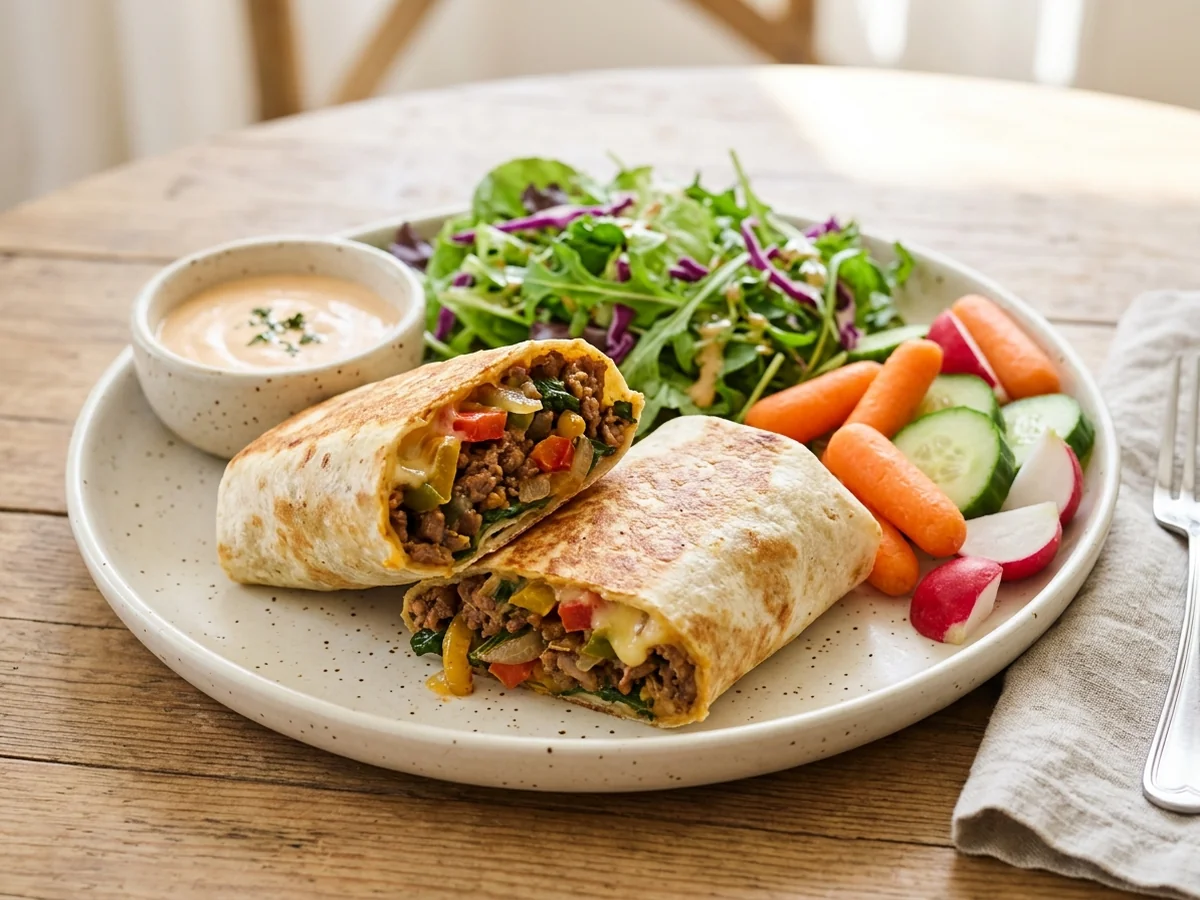
Pairing your meal with the right sides turns a quick handheld main into a complete, satisfying dinner. Ideal pairings for warm beef handhelds include light salads, crunchy raw vegetables, and flavorful dipping sauces that balance the richness of melted cheddar cheese and savory ground beef inside warm flour tortillas.
Simple side dishes like roasted potato wedges, seasoned black beans, or a warm cup of tomato soup complement the savory flavor of bell peppers and seasoned meat. You can also set out bowls of salsa, sour cream, and mild or spicy dipping sauces so everyone at the table can customize their plate.
Fresh salads dressed with a sharp citrus vinaigrette offer a crisp contrast to warm, cheesy meals. Greens tossed with cucumber and cherry tomatoes help lighten the table spread while keeping prep work minimal on busy weeknights, ensuring your warm tortilla meal feels like a well rounded dinner.
Family style weeknight dinners benefit from a casual platter presentation where components are arranged neatly in the center of the table. You can slice the golden flour tortilla handhelds diagonally to show off the colorful filling, letting family members easily grab their portions alongside the side dishes.
Practical Steps for a Balanced Table Spread
Creating an inviting meal involves more than just cooking the main dish. Start by preparing your cold sides ahead of time so they are ready to serve immediately when the warm food comes off the skillet. Keeping temperatures contrasting makes the meal more enjoyable, as cool and crisp vegetables cut through the rich flavors of melted cheese and protein.
Common Mistakes to Avoid
One frequent error when planning sides for a warm beef and vegetable meal is choosing options that are too heavy or greasy, which can overwhelm the palate since the main dish already features rich cheese and meat. Another mistake is forgetting to provide adequate sauces or moisture, as dry handhelds benefit greatly from fresh salsas or light dips. Finally, avoid overcrowding your serving platters, keeping pieces cut and accessible so guests can serve themselves efficiently without messy spills.
Frequently Asked Questions
What to put inside a veggie wrap
You can fill a veggie wrap with crisp leafy greens, sliced bell peppers, cucumbers, and shredded carrots. Adding protein like beans or cheese helps turn these fresh vegetables into a satisfying meal. Sauces such as hummus or ranch dressing tie the various textures together.
How to pair savory meat inside a tortilla
Savory ground beef pairs wonderfully with melted cheddar cheese, crisp lettuce, diced tomatoes, and sautéed onions. Bold seasonings like chili powder or garlic complement the rich meat. Creamy additions such as sour cream or avocado balance the savory flavors nicely.
Are veggie wraps healthy for weight loss
Veggie wraps can support weight loss goals when you choose whole grain tortillas and load them with fiber rich vegetables. Keeping high calorie dressings and excessive cheese to a moderate amount keeps the meal light. Portion control remains an important factor for any balanced diet.
What do you put in a beef wrap
A classic beef wrap features seasoned ground beef, melted cheese, and fresh vegetables rolled inside a flour tortilla. Many home cooks also include rice, beans, or salsa for extra flavor and substance. A well built meat and vegetable roll brings protein and fresh produce together in every bite.
Conclusion
Making a homemade meal like this brings genuine satisfaction with very little effort in the kitchen. Busy weeknights call for practical solutions that keep dinner simple, quick, and flavorful for the whole family. Try putting together a warm handheld meal featuring savory beef, melted cheddar, and fresh produce for your next busy weeknight dinner to enjoy a balanced plate without the usual cooking stress.
You might also like: Steak Fajitas Recipe: Sizzling Mexican Dinner