
Homemade Reuben Sandwich: Deli Style
Introduction to the Classic Deli Style Homemade Reuben Sandwich
Making a homemade reuben sandwich delivers the savory, comforting satisfaction of a traditional diner meal right to your kitchen. Piling tender meat, tangy cabbage, melted cheese, and creamy dressing onto toasted bread creates a rich meal that satisfies heavy cravings.
Setting up an easy homemade reuben sandwich requires very little effort when you gather the proper components ahead of time. This guide walks you through every step of assembling and toasting the ingredients so you can achieve that golden, crisp exterior and warm, gooey interior without any kitchen stress.
Essential Core Ingredients for an Authentic Reuben Sandwich
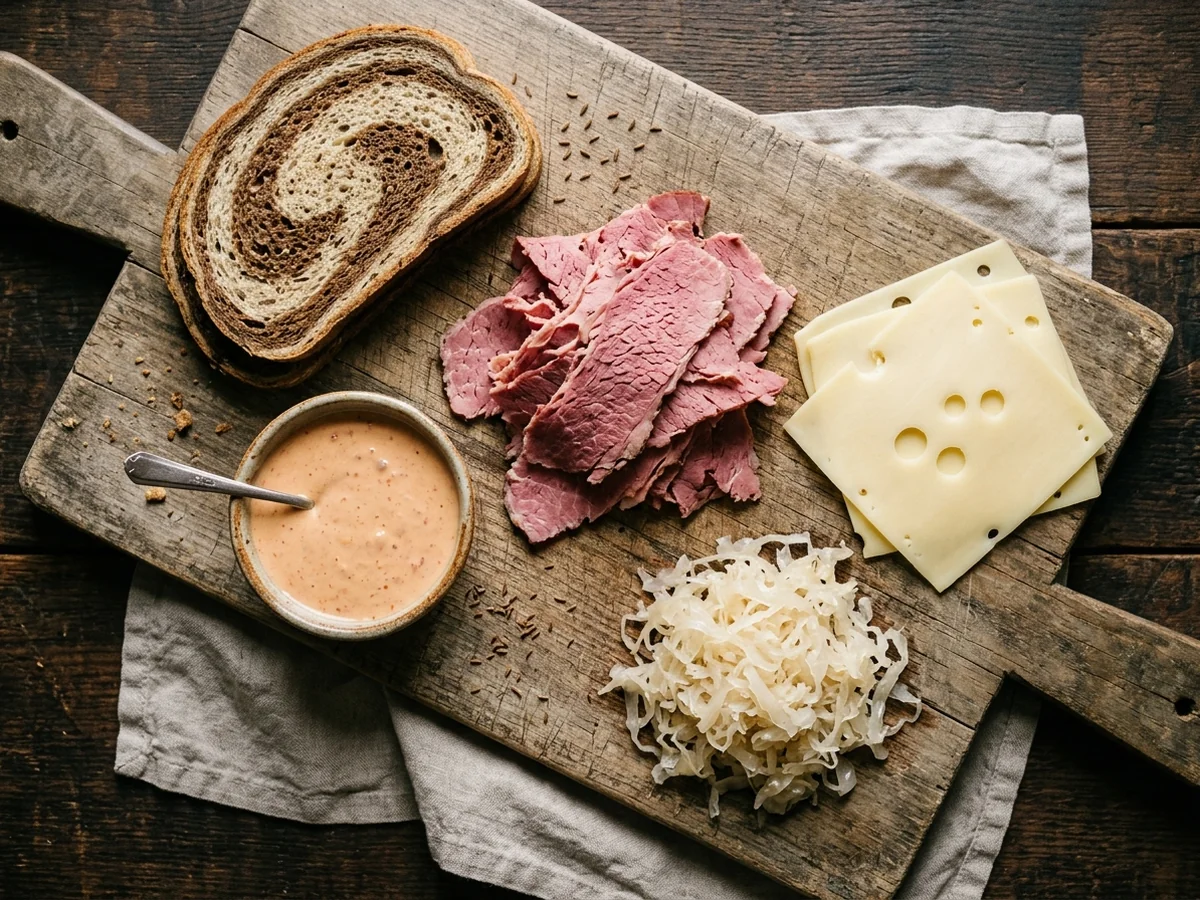
Creating an exceptional homemade reuben sandwich starts with understanding how the reuben sandwich main ingredients work together. Because this classic deli style meal relies on a short ingredient list, every component carries significant weight in the final flavor profile. Selecting quality items ensures your meal delivers the savory, tangy, and rich experience you expect from a traditional neighborhood deli.
The foundation rests on thinly sliced corned beef, which provides a tender and deeply savory protein base. If you prefer a slight variation, using pastrami offers an alternative meat option that brings a spiced, smoky depth to the bread. Paired with this is sauerkraut, which introduces a sharp tang and crucial crunch. A common mistake during preparation is adding straight from the jar without removing excess liquid. Taking a moment to press out extra moisture from the sauerkraut prevents the bread from becoming soggy during the cooking process.
Next comes Swiss cheese, selected for its mild flavor and superior melting capabilities. As the sandwich cooks in a cast iron skillet, the cheese melts into a gooey layer that acts as an edible glue, holding the warm fillings securely inside the bread. For the outer layers, rye bread provides a sturdy, slightly earthy exterior with enough structure to hold up to heavy fillings and butter during grilling. Finally, Russian dressing or Thousand Island dressing introduces a hint of sweetness and creamy richness. While store bought options work well, whipping up a quick homemade dressing from scratch allows you to adjust the tang and spice levels to suit your personal preference.
To master your easy homemade reuben sandwich, pay close attention to how you layer and cook these components. Assembling the ingredients in the correct order ensures that the melting cheese touches the bread directly, creating a barrier that keeps the interior moist without compromising the crisp exterior of the rye.
Mastering Corned Beef and Alternative Meat Options
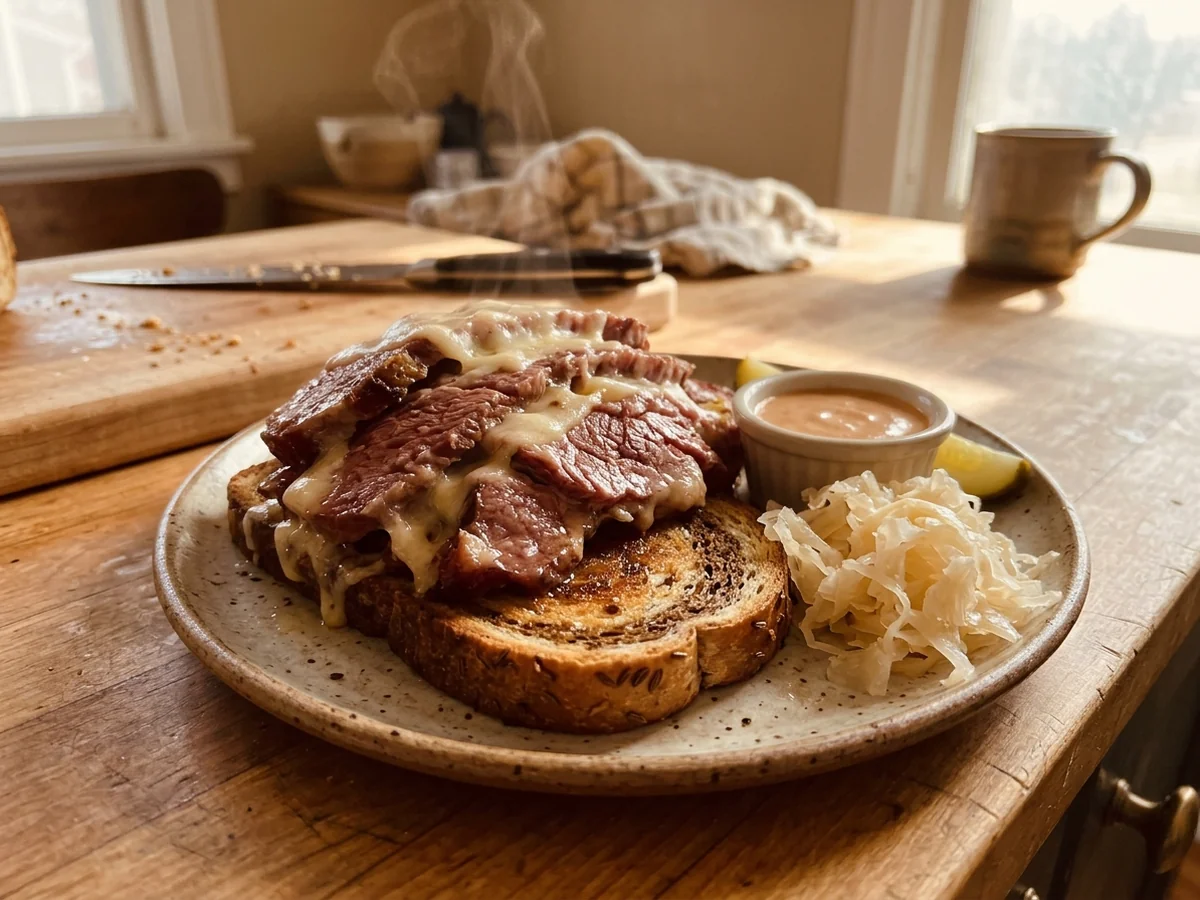
Traditional corned beef serves as the hearty foundation for any easy homemade reuben sandwich. Preparing this cut requires slow cooking until the meat turns tender and sliceable. Slicing the beef thinly against the grain ensures that every bite remains tender, juicy, and easy to chew. Proper preparation prevents the meat from becoming tough, which helps maintain the ideal texture when combined with melted Swiss cheese, tangy sauerkraut, and creamy dressing on toasted rye bread.
When you want to explore different reuben sandwich variations while keeping the classic method intact, alternative proteins offer unique flavor profiles. Swapping the primary meat for pastrami introduces a smoky and peppery character that transforms the entire meal. Pastrami features a distinct spice crust that stands up wonderfully against sharp cheese and tangy Russian dressing or Thousand Island dressing, giving you a delicious deviation from the original recipe.
Choosing your preferred protein comes down to personal taste and the kind of flavor experience you want to create in your kitchen. To help you decide between these deli classics, consider the following characteristics:
- Corned beef: Delivers a savory, traditional comfort with a tender texture that melts in your mouth when sliced properly against the grain.
- Pastrami: Provides a bold, smoky, and spiced profile thanks to a seasoned outer crust that adds an extra layer of depth to the sandwich.
Both meats require careful handling before assembly. Taking time to remove excess moisture and chilling the slices slightly if needed makes layering much easier. Keeping the sliced meat warm helps the cheese melt faster once everything hits a cast iron skillet for grilling. A common mistake during preparation is adding cold meat straight from the refrigerator, which lowers the internal temperature of the sandwich and prevents the cheese from melting before the rye bread burns. Bringing your protein to room temperature or warming it gently beforehand ensures a perfectly balanced, hot, and gooey result every time.
Crafting Homemade Dressing From Scratch

The secret to elevating your Reuben sandwich often lies in the condiment. While many pre-packaged options are available, whisking together a dressing at home allows you to control the exact balance of creaminess, acidity, and heat. Store-bought versions often rely on stabilizers or excess sugar that can overwhelm the savory profile of the corned beef, whereas a fresh blend highlights the quality of your ingredients.
To create a superior dressing, consider the distinct flavor profiles of traditional options. Russian dressing typically features a kick from horseradish or hot sauce, providing a savory depth that cuts through the richness of the Swiss cheese. Thousand Island dressing, by contrast, leans into sweetness with the inclusion of ketchup and finely minced pickle relish. By combining elements of both, you can tailor the dressing to your personal preference, ensuring it complements the rye bread without making the sandwich soggy.
Follow these steps for a balanced, deli-style spread:
- Start with a high-quality mayonnaise base to ensure a thick, creamy consistency that clings to the meat.
- Incorporate either chili sauce or ketchup to provide the necessary color and a subtle underlying sweetness.
- Add finely minced pickles or relish to introduce essential acidity, which helps balance the fat in the meat.
- Whisk in a small amount of prepared horseradish or Worcestershire sauce to build complex, savory notes.
A common mistake is using the dressing immediately after mixing. For the best Reuben sandwich recipe, whisk your ingredients in a small bowl and refrigerate the mixture for at least 30 minutes before assembly. This resting period is critical, as it allows the ingredients to meld into a cohesive, flavorful spread. If you find the dressing is too thin, try using a slightly higher ratio of mayonnaise or ensuring your relish is thoroughly drained of excess liquid. When applied sparingly to the bread, this homemade condiment provides the perfect moisture balance for a crisp, golden-brown finish from your cast iron skillet.
Sauerkraut Preparation and Moisture Control
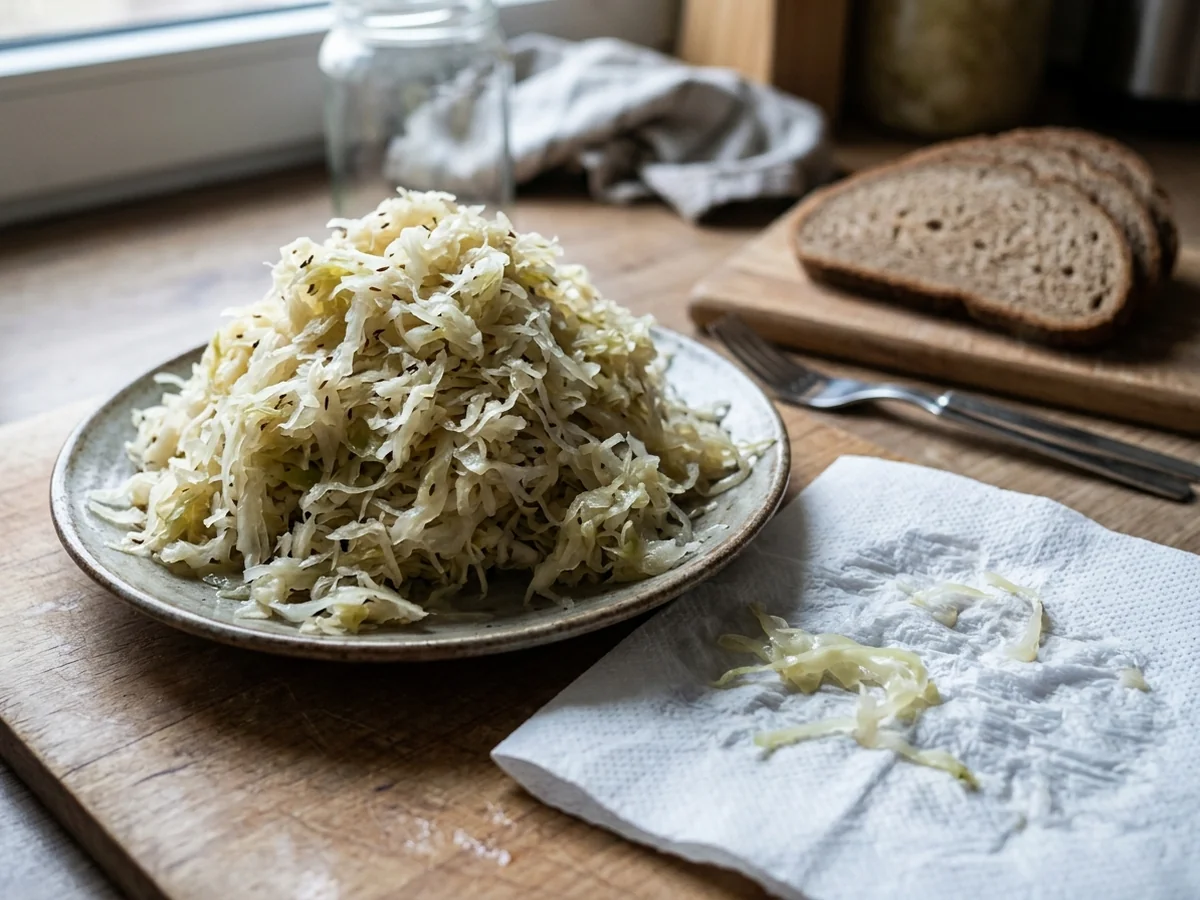
Moisture is the hidden enemy of a classic Reuben. When sauerkraut releases too much liquid, the rye bread steams instead of toasting, and the sandwich quickly turns soggy. Controlling that moisture not only preserves the crisp bite of the bread but also lets the tang of the cabbage shine against the richness of the cheese and dressing.
Why thorough draining matters
- Texture balance: A dry sauerkraut layer stays firm under the melted Swiss, preventing the sandwich from collapsing.
- Flavor focus: Excess brine dilutes the sharpness of the cabbage, making the overall taste flat.
- Heat efficiency: Less water on the skillet means the cast‑iron pan reaches the right temperature faster, giving the bread an even golden crust without burning.
Step‑by‑step drying method
- Transfer the canned or jarred sauerkraut to a fine‑mesh strainer. Let gravity do the first pass of drainage for a minute.
- Press the cabbage gently with the back of a wooden spoon or a clean spatula. This squeezes out the bulk of the liquid without crushing the leaves.
- Lay the pressed sauerkraut on a layer of paper towels. Pat the surface on both sides until the towels remain mostly dry.
- If you have time, spread the sauerkraut on a clean kitchen towel and let it air‑dry for five to ten minutes. The extra air exposure removes any lingering moisture.
Common mistakes to avoid
- Skipping the press: Simply draining without pressing leaves a hidden pool of brine that will re‑release during cooking.
- Using a wet spoon: A damp utensil adds water back onto the cabbage, undoing the drying effort.
- Over‑packing the skillet: Crowding the pan traps steam, which softens the rye instead of crisping it.
- Relying on store‑bought dressing alone: Commercial dressings often contain extra water; a quick stir with a teaspoon of mustard or a splash of vinegar can thicken the mixture and keep the sandwich dry.
Practical tips for the stovetop
Pre‑heat a cast‑iron skillet over medium‑low heat. Butter the outer sides of the rye slices lightly; the butter creates a barrier that helps the bread brown while sealing in moisture. When the pan is hot, place the buttered side down, add a slice of Swiss cheese, then the dried sauerkraut, a generous layer of corned beef (or pastrami for a variation), and finally a spoonful of Russian or homemade Thousand Island dressing. Cover the skillet for 30‑45 seconds; the lid traps heat, melting the cheese without needing higher flame that could scorch the bread. Remove the lid, flip the sandwich, and finish browning the opposite side for another minute.
Make‑ahead and freezing note
Drain and dry a large batch of sauerkraut, then portion it into zip‑top bags. The dried cabbage stores well in the freezer for up to three months. When you’re ready to assemble a sandwich, thaw the portion in the refrigerator and give it a quick pat with a paper towel before cooking.
By treating sauerkraut as a dry, flavorful layer rather than a watery topping, you secure the hallmark crunch of a deli‑style Reuben while keeping the balance of tang, richness, and savory meat perfectly in check.
Stovetop Temperature Control and Grilling Techniques

Achieving the classic deli‑style crust on a homemade Reuben sandwich starts with mastering heat. A cast‑iron skillet is ideal because it holds temperature evenly, allowing the rye to brown without hot spots that can scorch the bread. Begin by preheating the pan over medium heat for two to three minutes. You’ll know it’s ready when a few drops of water sizzle and evaporate quickly. This moderate setting creates a steady surface that will toast the buttered rye to a golden hue while leaving enough margin to finish the sandwich without burning.
Why medium, then low‑medium? The first stage, medium heat, provides the initial crisp on the bread’s exterior. Once the rye is browned, lowering the heat to low‑medium gives the cheese time to melt and the flavors to meld. If you keep the skillet on high heat, the cheese can seize or the rye may turn black before the interior reaches the desired melt. Conversely, starting too low will result in a pale crust and a soggy sandwich.
Step‑by‑step grilling process
- Butter the bread. Spread a thin, even layer of softened butter on each slice. Too much butter creates excess grease; too little leaves the rye dry.
- Toast the first side. Place the buttered side down in the preheated skillet. Cook for 2, 3 minutes, pressing gently with a spatula to ensure contact. The surface should turn a deep amber without smoking.
- Assemble inside the pan. Flip the bread so the buttered side faces up. Layer corned beef, well‑drained sauerkraut, Swiss cheese, and a spoonful of Russian or Thousand Island dressing. The dressing adds moisture, so a light hand prevents sogginess.
- Cover and melt. Reduce the heat to low‑medium and cover the skillet with a lid. The trapped steam softens the cheese while the reduced heat protects the rye. Check after 90 seconds; the cheese should be supple but not bubbling over.
- Crisp the opposite side. Uncover, flip the sandwich, and press lightly. Cook for another 1, 2 minutes until the second slice reaches the same amber color.
- Rest briefly. Transfer the sandwich to a cutting board and let it sit for 30 seconds. This rest allows the cheese to set slightly, making slicing cleaner.
Common mistakes and how to avoid them
- Over‑buttering. Excess butter pools in the pan, causing the rye to fry rather than toast. Use just enough to coat the surface.
- Skipping the lid. Without covering, the cheese may stay firm while the bread continues to brown, leading to an uneven melt.
- Using wet sauerkraut. Drain and pat the sauerkraut dry before adding it. Too much moisture makes the bottom of the sandwich soggy.
- Cooking on high heat. Rapid browning can mask an under‑melted interior. Adjust to low‑medium as soon as the bread is toasted.
For a quick reference, the one‑pan approach fits right into a 30‑minute dinner routine. If you prefer a make‑ahead option, assemble the sandwich without the final toast, wrap tightly, and refrigerate up to 24 hours. When ready to serve, follow the same temperature steps for a fresh, buttery crust and a perfectly gooey interior.
Step by Step Assembly and Layering Order

Building a homemade Reuben sandwich is as much about timing as it is about placement. Each layer plays a role in texture, flavor balance and the final bite. Below is a detailed walk‑through that explains why each step matters, offers practical tips, and highlights common pitfalls to avoid.
- Butter the rye. Spread a thin, even coat of softened butter on the outer faces of both rye slices. The butter creates a barrier that prevents the bread from soaking up moisture from the sauerkraut and dressing, while also promoting a golden crust when the sandwich hits the pan. Tip: Use a pastry brush for an even spread; too much butter can cause the bread to burn before the cheese melts.
- Lay the cheese first. Place a slice of Swiss cheese directly on the buttered side of the bottom slice. Starting with cheese ensures that the heat from the pan melts it quickly, creating a seal that holds the meat in place. Why: Swiss has a mild nuttiness that complements the tang of the sauerkraut without overwhelming the beef. Common mistake: Skipping this step often leads to the meat slipping out when you flip the sandwich.
- Add the meat. Arrange a generous layer of sliced corned beef (or pastrami if you prefer a spicier profile) over the cheese. Spread the slices so they cover the entire surface; overlapping pieces helps keep the sandwich hearty. Tip: If using leftover corned beef, warm it briefly in the microwave or a skillet; warm meat melds better with the melting cheese.
- Drain the sauerkraut. Sprinkle well‑drained sauerkraut over the meat. Excess liquid is the main cause of soggy Reubens, so place the sauerkraut in a fine‑mesh sieve and press gently with a paper towel. Why: Removing moisture preserves the crispness of the toasted rye while still delivering the classic tang.
- Dress it lightly. Drizzle Russian or Thousand Island dressing over the sauerkraut, using just enough to coat the surface. A light hand prevents the bread from becoming soggy and keeps the flavor bright. Alternative: For a homemade twist, blend mayo, ketchup, sweet pickle relish and a dash of paprika; this adds freshness and lets you control the seasoning.
- Top and press. Place the second rye slice on top, buttered side up. Press the sandwich gently with a spatula to compact the layers; this helps the cheese adhere to the meat and encourages even cooking.
- Cook on medium heat. Heat a cast‑iron skillet over medium heat (about 350 °F). Add the sandwich and let it grill for 3‑4 minutes per side, or until the rye is deep golden and the cheese is fully melted. Tip: If the bread browns too quickly, lower the heat slightly; the goal is a uniform melt without burning.
- Rest and slice. Remove the sandwich from the pan and let it rest for a minute. This allows the cheese to set slightly, making slicing cleaner. Cut diagonally for a classic presentation.
By following this order you achieve a crisp exterior, melty interior and balanced flavor profile that defines the best Reuben sandwich recipe. Remember, the secret to a great Reuben lies in proper moisture control, even heat and respecting the traditional layering.
Make Ahead and Freezing Strategies for Busy Cooks
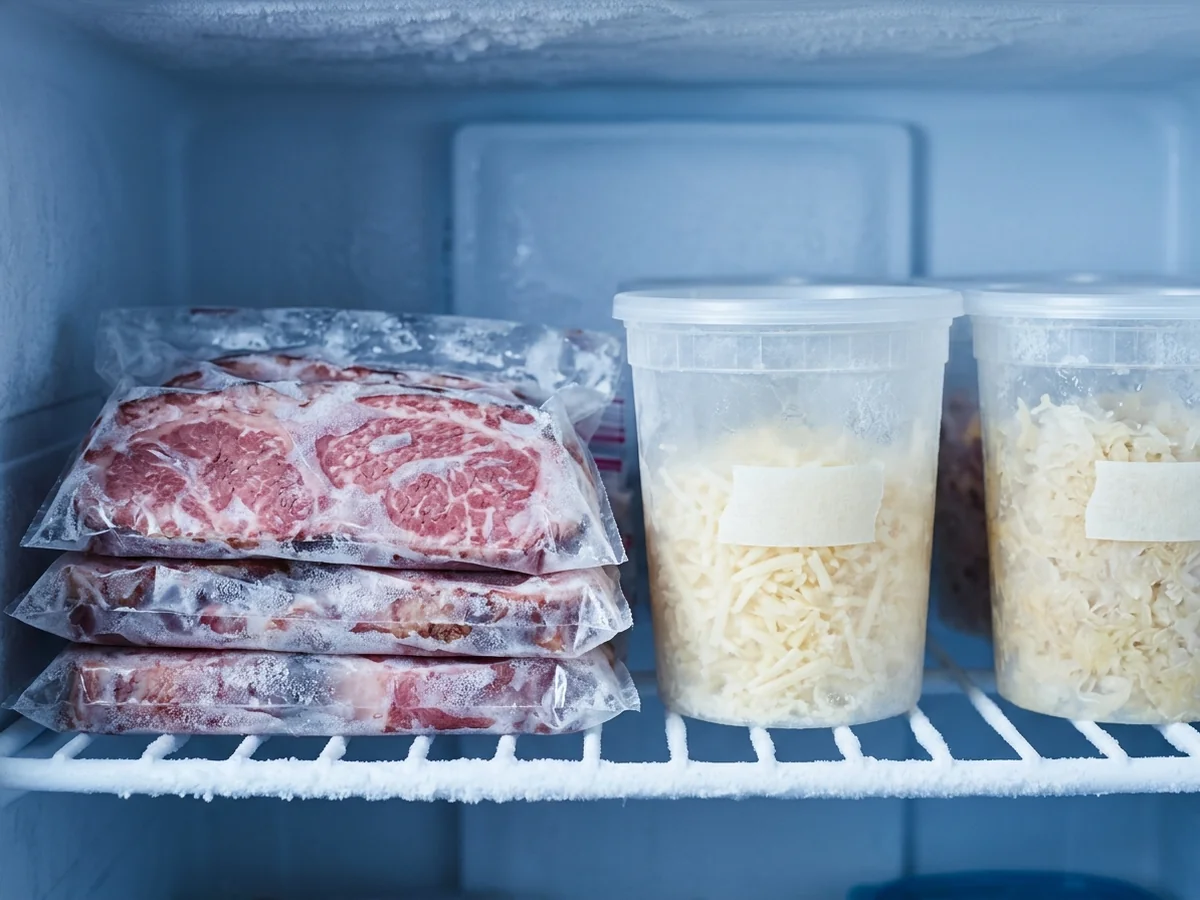
Prepare the core components in advance and store them safely so the sandwich comes together in minutes. By separating the meat, cheese, and bread, you keep each element at its best texture and flavor.
Cooked corned beef freezes well when sliced thinly and placed in an airtight container or freezer‑safe bag. Remove as much air as possible to prevent freezer burn, then label with the date. The meat will retain its flavor for up to three months.
Swiss cheese slices can be wrapped individually in parchment paper before stacking in a resealable bag. This protects the cheese from absorbing odors and makes it easy to pull out the exact number of slices you need for one serving.
Rye bread holds up best when toasted lightly before freezing. Slice the loaf, butter each side, and grill briefly in a skillet. Once cooled, layer the slices on a baking sheet, freeze until solid, then transfer to a freezer bag. This method reduces sogginess and speeds up the final grilling step.
For the sauerkraut, drain excess liquid, then spread it on a paper towel to blot dry. Portion the dried sauerkraut into small zip‑top bags and freeze flat. When you’re ready to assemble, simply thaw in the refrigerator or microwave for a quick minute.
- Label every package with contents and freeze date.
- Store meat, cheese, bread, and sauerkraut in separate containers.
- Use freezer‑safe bags or airtight containers to keep flavors isolated.
- Defrost only what you need, preferably in the fridge overnight.
When it’s time to cook, reheat the meat in a skillet over medium heat, add the cheese to melt, then quickly grill the prepared rye slices. The pre‑prepped ingredients come together in under ten minutes, delivering a deli‑style result without the last‑minute rush.
What is the secret to a great Reuben?
The secret lies in balancing moisture and heat. Drain the sauerkraut thoroughly, butter the rye lightly, and cook the sandwich in a medium‑heat cast iron skillet so the cheese melts before the bread browns.
What are the ingredients on a Reuben sandwich?
The classic reuben sandwich main ingredients are sliced corned beef, sauerkraut, Swiss cheese, Russian or Thousand Island dressing, and rye bread.
Should a Reuben be pastrami or corned beef?
Traditional deli‑style Reubens use corned beef; pastrami is a tasty variation but changes the flavor profile.
How do you make a homemade Reuben sandwich?
Start by warming sliced corned beef in a skillet for a minute per side. Meanwhile, rinse sauerkraut and squeeze out excess liquid. Butter one side of each rye slice, then place the buttered sides down in a pre‑heated cast iron pan over medium heat. Layer Swiss cheese, the warmed corned beef, sauerkraut, and a generous spoonful of homemade Russian dressing. Top with the second slice of rye, buttered side up, and press gently. Cook 3‑4 minutes per side, adjusting the heat to keep the bread golden while the cheese fully melts.
Frequently Asked Questions About Making a Reuben Sandwich
Can I use store‑bought Russian dressing?
Yes, store‑bought dressing works fine for a quick assembly. For brighter flavor you can whisk together mayonnaise, ketchup, horseradish and a dash of Worcestershire to create a fresh homemade version.
How do I prevent a soggy sandwich?
Drain the sauerkraut thoroughly and press it with a paper towel to remove excess liquid. Pat the corned beef dry before layering so that moisture does not soak into the rye.
What heat level should I use on the stovetop?
Medium heat is ideal because it melts the Swiss cheese evenly without scorching the bread. This temperature also gives the corned beef enough time to warm through.
Can I freeze a homemade Reuben for later?
Yes, you can freeze the sandwich if you leave out the dressing. Wrap it tightly, freeze, and then reheat in a skillet, adding fresh dressing just before serving.
Is there a vegetarian version of the Reuben?
A plant‑based take swaps the meat for grilled portobello mushrooms or sliced tempeh while keeping the sauerkraut, Swiss cheese and dressing. The result is a satisfying sandwich that retains the classic flavors.
Conclusion
Give this deli‑style recipe a try and experience the comforting blend of corned beef, melted Swiss, tangy dressing and crisp sauerkraut between buttery rye. With simple stovetop control and a quick squeeze of homemade dressing, you’ll end up with a satisfying, restaurant‑quality bite right at home. Serve it warm, let the cheese melt fully, and enjoy the hearty flavors that make a classic sandwich feel special. This is your chance to master the perfect homemade reuben sandwich and add a timeless favorite to your weekly menu.
You might also like: Steak Fajitas Recipe: Sizzling Mexican Dinner