Spaghetti ai Frutti di Mare: Seafood Pasta
Introduction
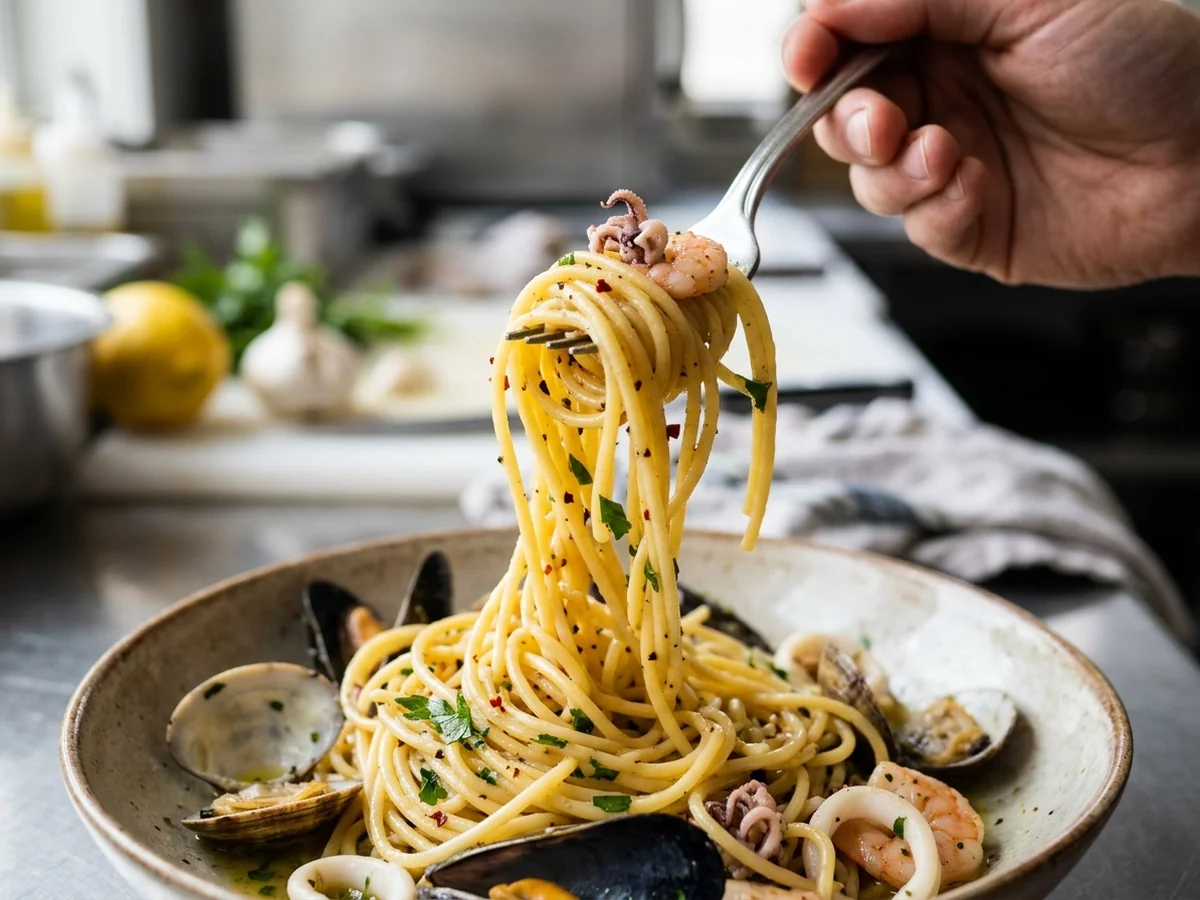
Spaghetti ai frutti di mare translates literally to spaghetti with fruits of the sea. This classic Mediterranean dish brings together fresh shellfish and pasta in a way that highlights the vibrant flavors of coastal Italian cooking.
This guide covers the essential techniques for preparing an authentic meal, including how to select and clean fresh shellfish and the correct methods for achieving a perfectly balanced sauce. You will learn the importance of cooking pasta al dente and how to properly deglaze your pan to build depth of flavor. We also include safety guidelines for handling raw ingredients, ensuring your finished seafood pasta is as safe as it is delicious. Whether you are a beginner in the kitchen or looking to refine your technique, these steps provide a reliable foundation for mastering this traditional recipe at home.
Authentic Spaghetti ai Frutti di Mare
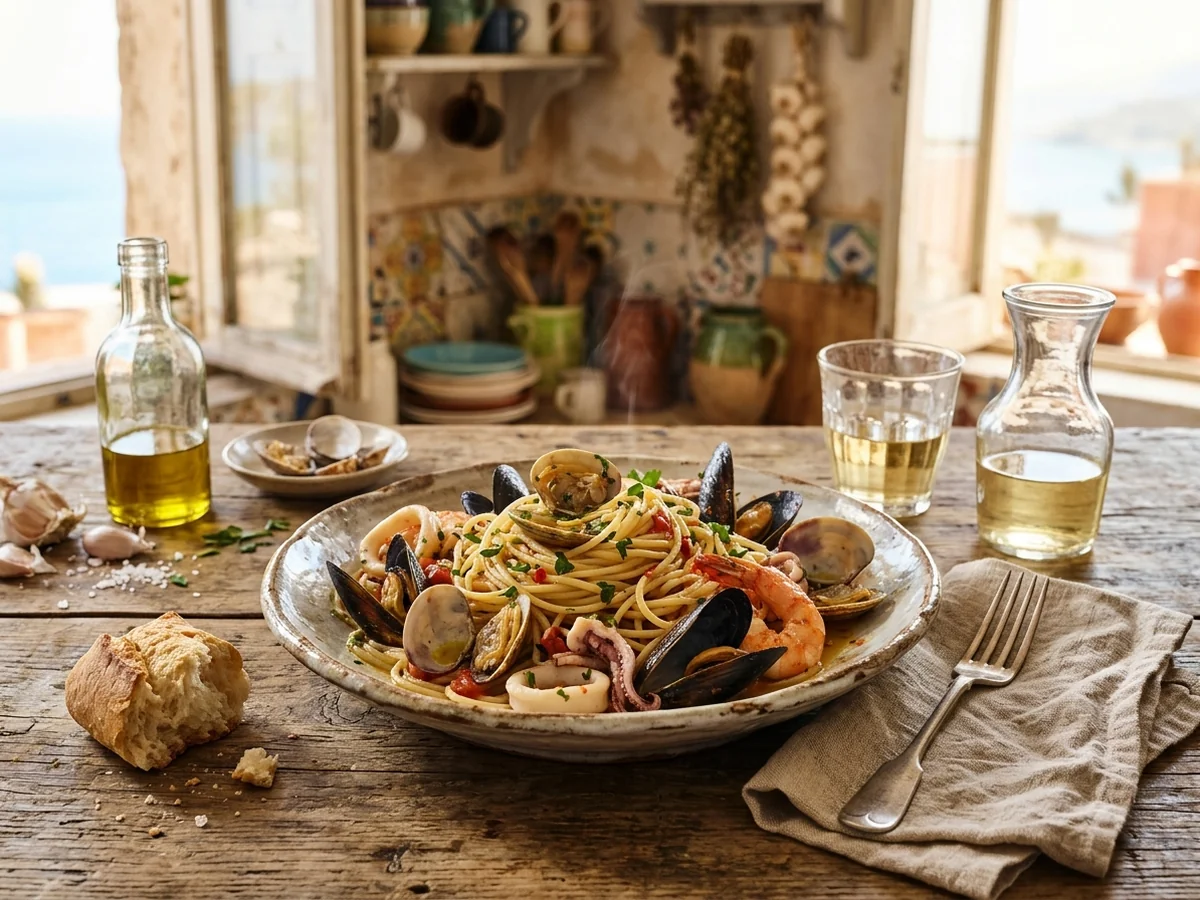
Spaghetti ai frutti di mare translates literally to spaghetti with fruits of the sea. This traditional dish, rooted in the coastal regions of Southern Italy, serves as a celebration of Mediterranean cuisine. The focus is to highlight the natural, briny profile of fresh marine ingredients rather than masking them with heavy sauces.
Essential Preparation and Safety
Working with fresh seafood requires attention to detail to ensure both quality and safety. To maintain freshness, keep raw seafood at or below 40 degrees Fahrenheit until the moment you are ready to cook. Proper cleaning is a critical step in Italian seafood pasta traditions: clams and mussels must be scrubbed and debearded before they reach the pan. If you find any shellfish that fail to open during the cooking process, they should be discarded as a standard safety precaution.
The cooking technique relies on simplicity. It is common guidance to use extra virgin olive oil as the preferred fat for sautéing aromatics, which provides a clean base for the seafood. White wine is often added to the pan to deglaze and provide acidity to the sauce, helping to balance the richness of the shellfish. When cooking the seafood, the goal is to reach an opaque and firm texture, which typically requires only a few minutes. Cooking shellfish in their shells is a common practice, as it helps retain moisture and flavor within the sauce.
Refining the Pasta and Ingredients
The components of the dish are selected for their ability to complement one another. While the composition varies, it is common guidance that the plate features a combination of shellfish including mussels, clams, and shrimp. The pasta itself should be prepared al dente, meaning it is cooked until firm to the bite. To ensure the dish is seasoned correctly, the salt content of the pasta water should be sufficient to season the noodles internally. Once the pasta is integrated with the seafood, a garnish of fresh parsley is a common traditional finish, adding a bright, herbal note to the final plate.
| Key Component | Preparation Note |
|---|---|
| Clams and Mussels | Must be scrubbed and debearded before cooking. |
| Pasta | Cooked al dente to maintain a firm texture. |
| Sauce Base | White wine is used to deglaze and add acidity. |
| Seafood | Discard any shells that do not open during cooking. |
Selecting Fresh Seafood

Spaghetti ai frutti di mare translates literally to spaghetti with fruits of the sea. Because the seafood serves as the primary component of this dish, the quality of your ingredients defines the final result. In coastal regions of Southern Italy, where these Italian seafood pasta traditions originated, the focus remains on using the freshest catch possible to ensure the natural sweetness and texture of the shellfish shine through.
Handling and Safety Standards
Proper temperature control is the foundation of seafood safety. According to USDA food safety guidelines, you must keep all raw seafood stored at or below 40 degrees Fahrenheit until the exact moment you are ready to begin cooking. Maintaining this cold chain is critical for both the safety and the integrity of your ingredients. When shopping, avoid products that appear dull, smell overly fishy, or possess broken shells. Fresh bivalves should feel heavy for their size and must close tightly when tapped. If they remain open, they are likely dead and should not be used.
Preparing Shellfish for the Pan
When selecting the best types of shellfish for seafood spaghetti, consider the specific cleaning requirements for each variety. It is a fact that clams and mussels must be scrubbed and debearded before cooking to remove sand and external debris, which ensures a clean texture in your final sauce. Most cooks favor a combination of clams, mussels, and shrimp to create a balanced, oceanic flavor profile.
Standard culinary practice suggests cooking these ingredients in their shells, as this helps retain flavor and allows the natural juices to infuse directly into the pan. If you are preparing a seafood pasta white wine sauce, white wine is often added to the pan to deglaze the surface and provide necessary acidity to the mixture. Once cooking begins, keep a close watch on your shellfish. Most shellfish are safely discarded if they do not open during the cooking process, as this indicates they were not fresh or were not prepared correctly. Aim to cook the seafood only until it reaches an opaque and firm consistency, which typically requires just a few minutes, ensuring your meal remains tender rather than rubbery.
Cleaning Clams and Mussels
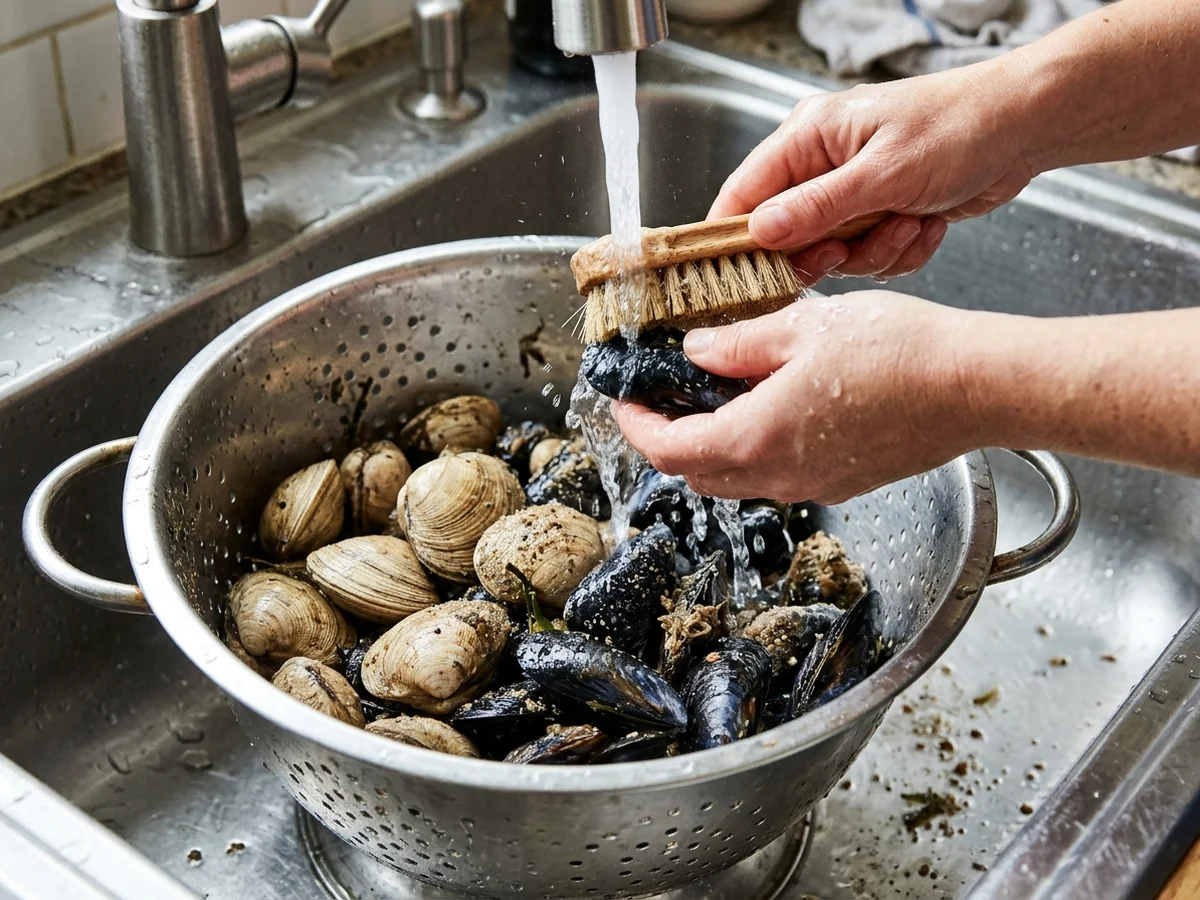
Preparing fresh ingredients is the foundation of any authentic spaghetti ai frutti di mare recipe. Because this dish, which translates literally to spaghetti with fruits of the sea, relies on the quality of the seafood, proper handling is essential. Clams and mussels should be scrubbed and debearded before cooking to ensure that grit or external debris does not detract from the final meal. Following these steps helps maintain the integrity of your seafood pasta white wine sauce and ensures a superior dining experience.
Selecting and Inspecting Shellfish
Before beginning the cleaning process, perform a visual inspection of your shellfish. Discard any specimens with cracked or broken shells, as these may be dead or contaminated. If a shell is slightly open, tap it firmly against your work surface. If it does not close immediately, discard it. This is a critical step for shellfish safety, as only live, healthy shellfish should be consumed. Keep your raw seafood chilled at or below 40 degrees Fahrenheit until the exact moment you are ready to begin cooking to prevent bacterial growth.
The Cleaning Process
Once you have confirmed your shellfish are fresh, focus on removing external impurities. Scrub the outer shells thoroughly under cold running water using a stiff brush to remove mud, sand, and barnacles. For mussels, you must also address the fibrous, thread-like beard that protrudes from the side of the shell. Grasp the beard firmly and pull it toward the hinge of the mussel to remove it completely. After cleaning, rinse the shellfish in a large bowl of cold, fresh water to flush away any remaining surface grit.
Cooking and Quality Control
When you are ready to prepare your dish, remember that cooking shellfish in their shells helps retain flavor in the sauce. As you introduce the seafood to the pan, typically alongside extra virgin olive oil and aromatics, most shellfish are discarded if they do not open during the cooking process. Cooking should be brief, as shellfish are best when they reach an opaque and firm texture, usually requiring only a few minutes. By maintaining these high standards, you ensure the final dish reflects the quality expected in traditional Mediterranean cuisine.
Creating the Garlic Wine Sauce
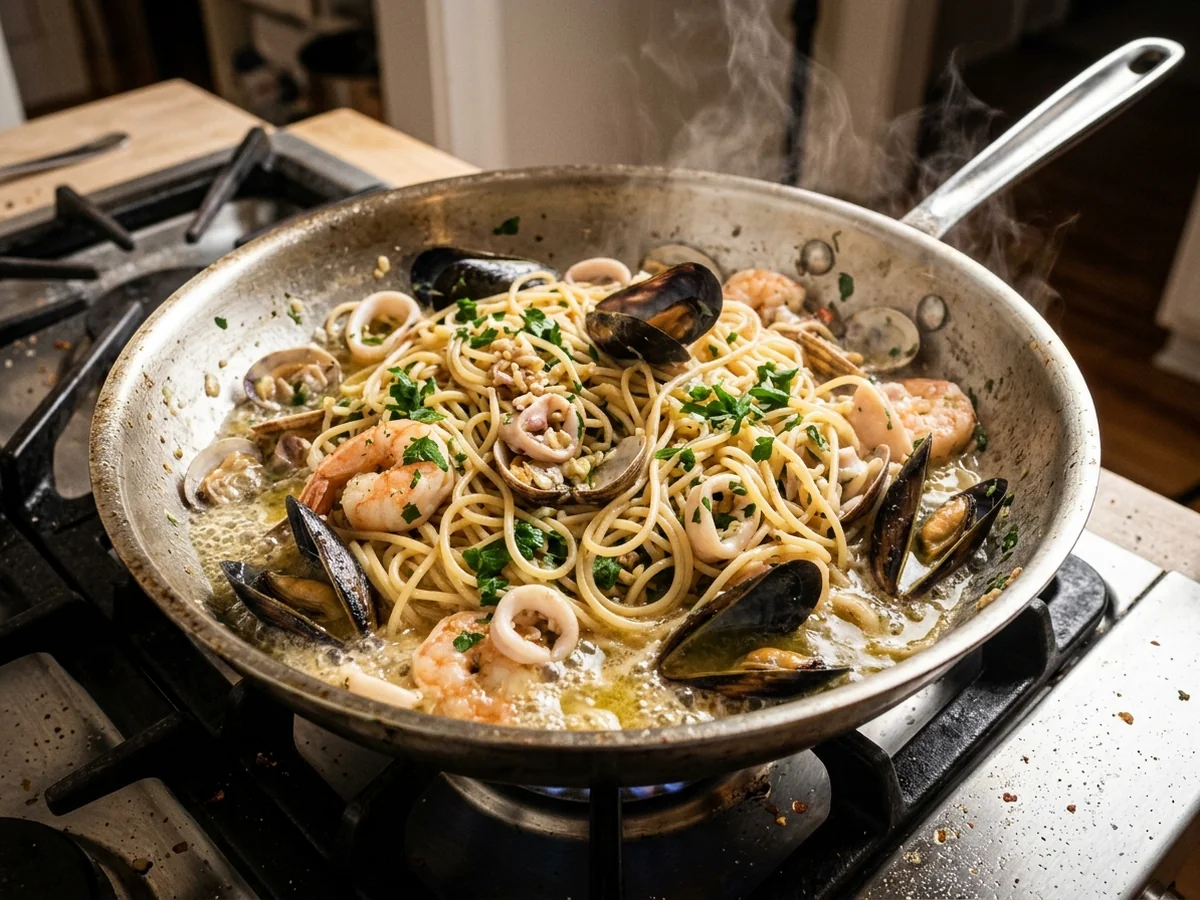
The foundation of an authentic spaghetti ai frutti di mare recipe relies on balancing the natural salinity of the ocean with the aromatic intensity of your base. Spaghetti ai frutti di mare translates literally to spaghetti with fruits of the sea, and the sauce serves to bridge the gap between the pasta and the fresh catch. In many Italian seafood pasta traditions, extra virgin olive oil is the preferred fat for sautéing aromatics, as it provides a clean, rich base that carries heat effectively without masking the delicate flavor of the shellfish.
To build the flavor profile, start by gently warming your aromatics in the oil. Once they are softened, adding white wine is a critical step. White wine is used to deglaze the pan, lifting the caramelized bits of aromatics from the bottom and introducing the necessary acidity to balance the richness of the seafood. This acidity is what makes a seafood pasta white wine sauce feel bright and cohesive rather than heavy.
When selecting your ingredients, keep in mind that the dish typically features a combination of shellfish such as mussels, clams, and shrimp. Cooking these in their shells is a common practice because it helps retain flavor in the final dish. As the shells heat up, they release their concentrated juices directly into the pan, infusing the liquid with a depth that is difficult to replicate with shucked varieties.
Precision in handling and timing is essential for quality results:
- Safety and preparation: Always keep raw seafood stored at or below 40 degrees Fahrenheit until the moment you are ready to cook.
- Cleaning: You must scrub and debeard your clams and mussels before they enter the pan to remove grit and debris.
- Cooking time: Seafood should be cooked until opaque and firm, which typically requires only a few minutes. Overcooking can lead to a rubbery texture.
- Quality control: Most shellfish are discarded if they do not open during the cooking process, as this is a standard indicator of safety.
A common mistake is rushing the process or neglecting the temperature of the pan. If the heat is too low, the shellfish will steam in their own water rather than searing, which dilutes the sauce. Conversely, if the heat is too high, the garlic can burn and become bitter. Aim for a steady, medium-high heat that allows the wine to reduce and the sauce to emulsify with the juices released by the opening shells.
Perfecting the Pasta Texture
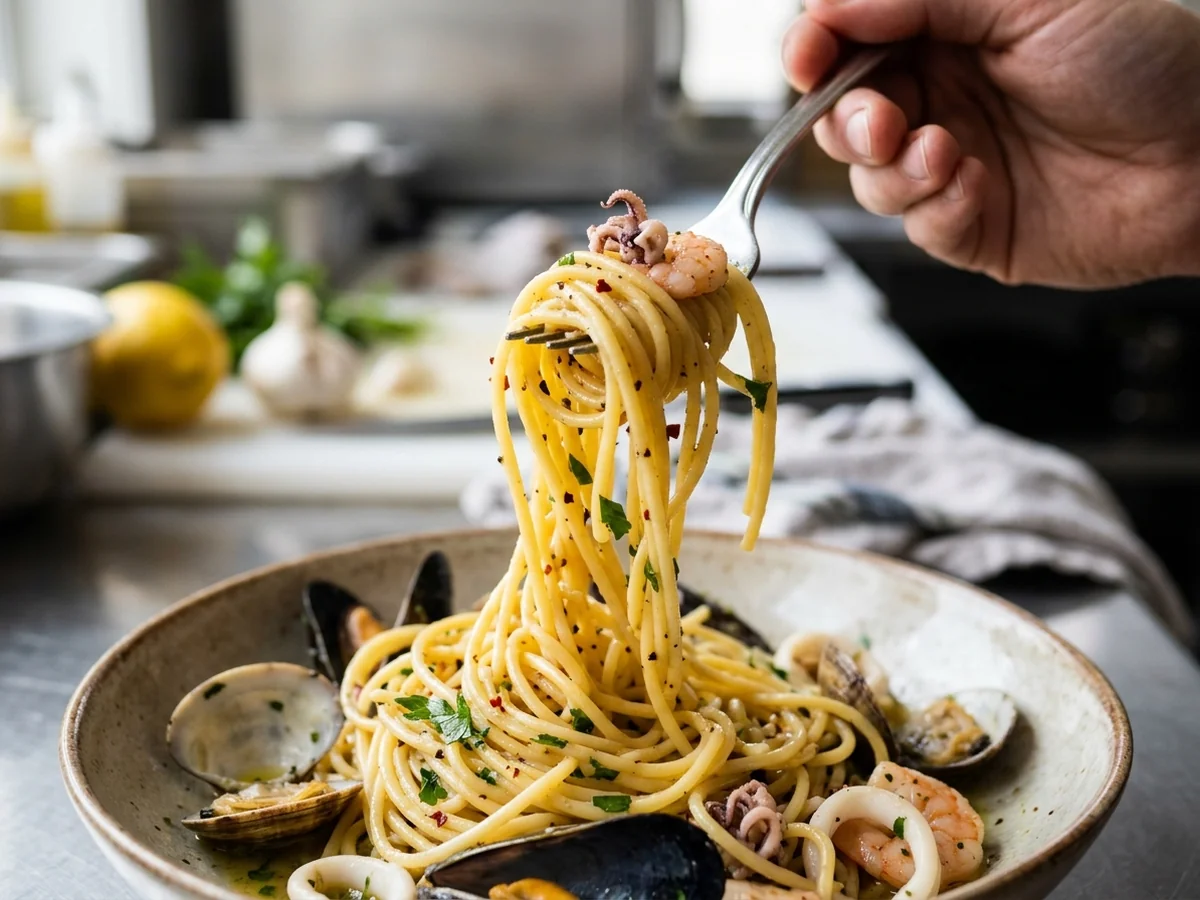
To achieve the ideal texture in this dish, which translates literally to spaghetti with fruits of the sea, the pasta should be cooked until it is firm to the bite. This consistency, commonly known as al dente, ensures the noodles maintain a pleasant chewiness even after they are tossed with the hot sauce and seafood.
Seasoning the pasta correctly begins in the pot rather than the pan. It is common guidance to use a generous amount of salt in your boiling water, as this allows the flavor to penetrate the noodles from the inside out. Without this initial step, the pasta can taste bland regardless of how well the sauce is prepared.
Balancing the timing between the pasta and the shellfish is essential for a cohesive meal. Because seafood typically requires only a few minutes to cook until it turns opaque and firm, you must carefully monitor both components simultaneously. A reliable strategy involves the following steps to ensure everything finishes at the same time:
- Start boiling your water and prepare your seafood aromatics before dropping the pasta.
- Begin cooking the shellfish as the pasta approaches its final three minutes of boiling.
- Drain the noodles slightly before they are fully cooked, allowing them to finish absorbing the liquid and flavors directly in the pan with the seafood.
This method prevents the shellfish from becoming rubbery due to overcooking while ensuring the pasta is perfectly integrated with the juices. By finishing the noodles in the pan, you also allow the starch on the surface of the pasta to help emulsify the sauce, creating a silky consistency that coats each strand evenly.
Managing Seafood Safety
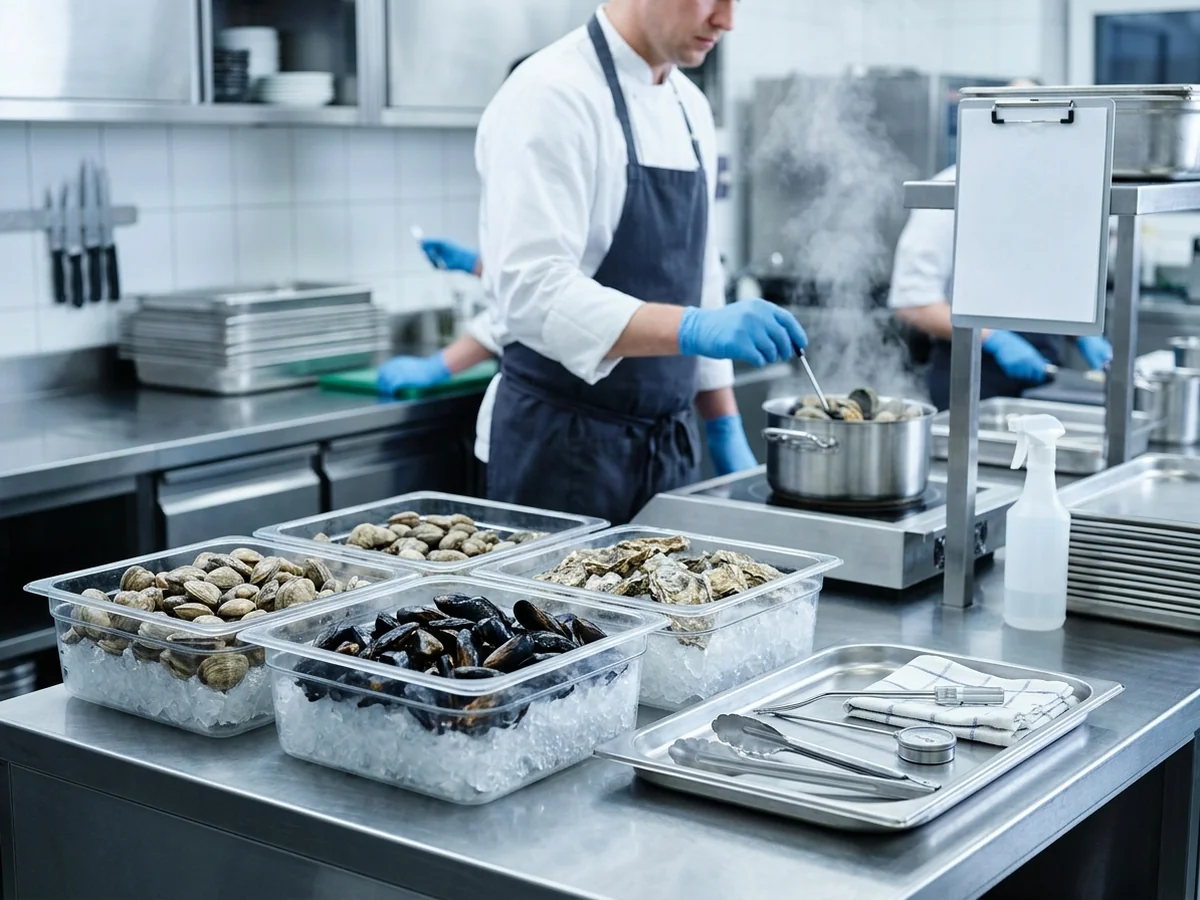
You can ensure a safe dining experience for this Mediterranean dish by prioritizing proper storage and monitoring shellfish during the cooking process. Maintaining strict hygiene standards from the moment you purchase your ingredients until they reach the plate helps prevent foodborne illness.
Safe handling practices are essential when preparing a meal featuring clams, mussels, and other marine ingredients. Follow these guidelines to maintain quality and safety:
- Keep all raw seafood stored at or below 40 degrees Fahrenheit until the exact moment you are ready to begin cooking.
- Clams and mussels should be scrubbed and debearded before cooking.
- Most shellfish are discarded if they do not open during the cooking process, as this is a verified rule for ensuring safety.
- Seafood should be cooked until opaque and firm, typically requiring only a few minutes.
- Avoid overcooking delicate items, as keeping the duration short helps maintain both the flavor and the intended consistency.
Most shellfish are discarded if they do not open while heating. This simple step is a critical precaution in any kitchen. By removing any unopened shells, you avoid serving potentially compromised items. Always inspect your ingredients carefully during every stage of preparation, from cleaning to the final toss with your pasta.
While standard culinary practices suggest that seafood requires only a few minutes in the pan, stay attentive to visual cues. Your shrimp and shellfish should look opaque and feel firm to the touch once they are fully prepared. If you are ever in doubt about the freshness of your ingredients before you start, it is safer to avoid using them entirely. Proper preparation not only protects your health but also preserves the delicate nature of the high quality ingredients central to coastal Italian cooking.
Serving and Garnishing
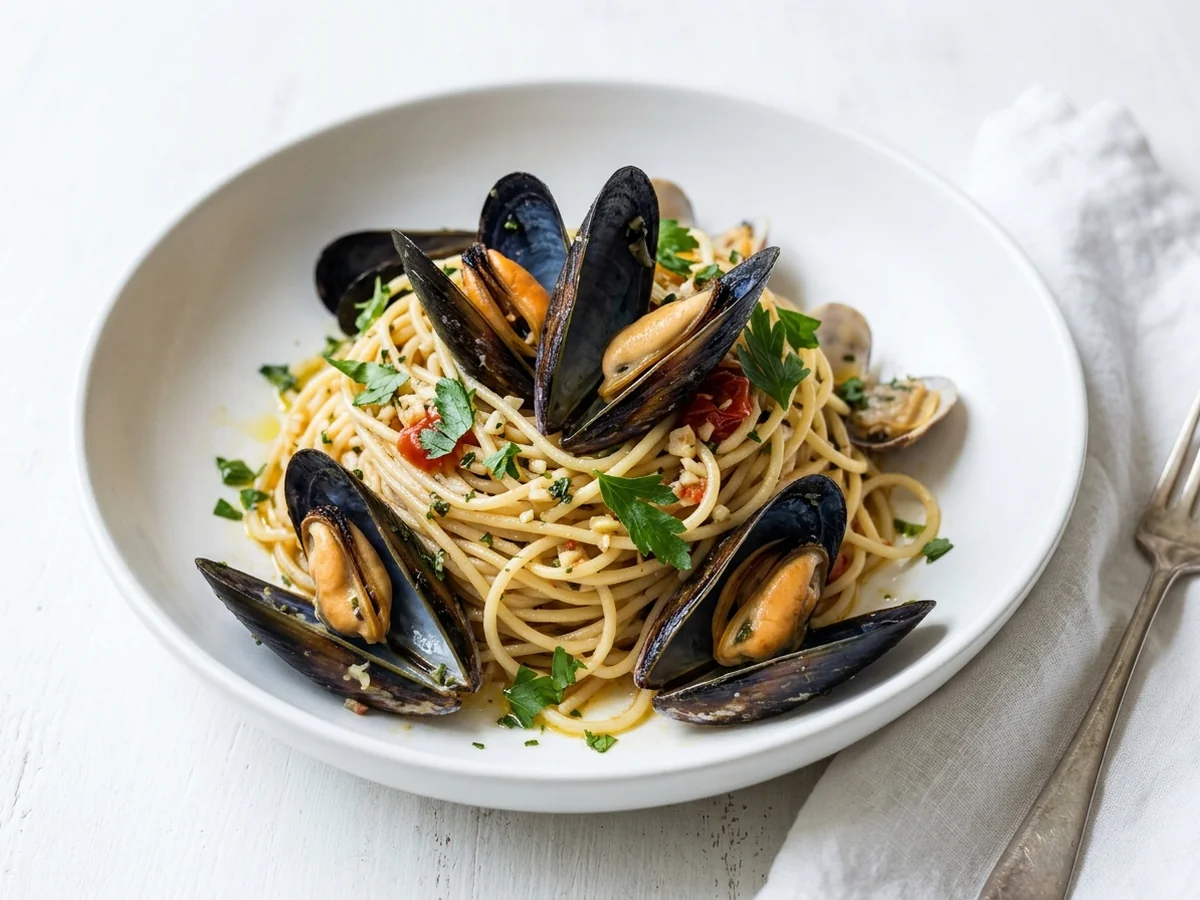
Traditional presentation for this classic pasta dish focuses on highlighting the natural beauty of the shellfish. In Italian coastal cooking, the meal is often served in a shallow bowl that keeps the long noodles neatly gathered while displaying the colorful seafood components prominently on top.
To achieve a professional appearance, arrange the shells so they are visible and evenly distributed across the plate. Since the name translates literally to spaghetti with fruits of the sea, the presentation should celebrate the variety of the catch, which typically includes mussels, clams, and shrimp. Preparing and serving the shellfish in their shells is a common practice that helps retain flavor in the sauce and adds visual interest to the final plate.
Fresh parsley is a traditional garnish for seafood pasta in Italy. It provides a bright, herbal contrast to the richness of the sauce and the salinity of the ocean ingredients. Adding the finely chopped herbs right before serving ensures the flavor remains vibrant and the color stays vivid against the pasta.
Consider these simple techniques to enhance the final presentation:
- Twist the pasta into a high mound at the center of the bowl using tongs to create height and volume.
- Place the largest shells, such as mussels or clams, near the top of the pile to act as a focal point.
- Drizzle a small amount of extra virgin olive oil over the top just before serving to add a glossy finish.
- Scatter a generous amount of fresh parsley over the entire dish to tie the colors together and provide a clean, aromatic finish.
Focusing on the contrast between the tender, al dente noodles, which are cooked until firm to the bite, and the varied textures of the shellfish creates an inviting experience. By keeping the plating clean and highlighting the individual components, the effort put into sourcing and preparing the seafood is clearly showcased.
Common Seafood Pasta Mistakes
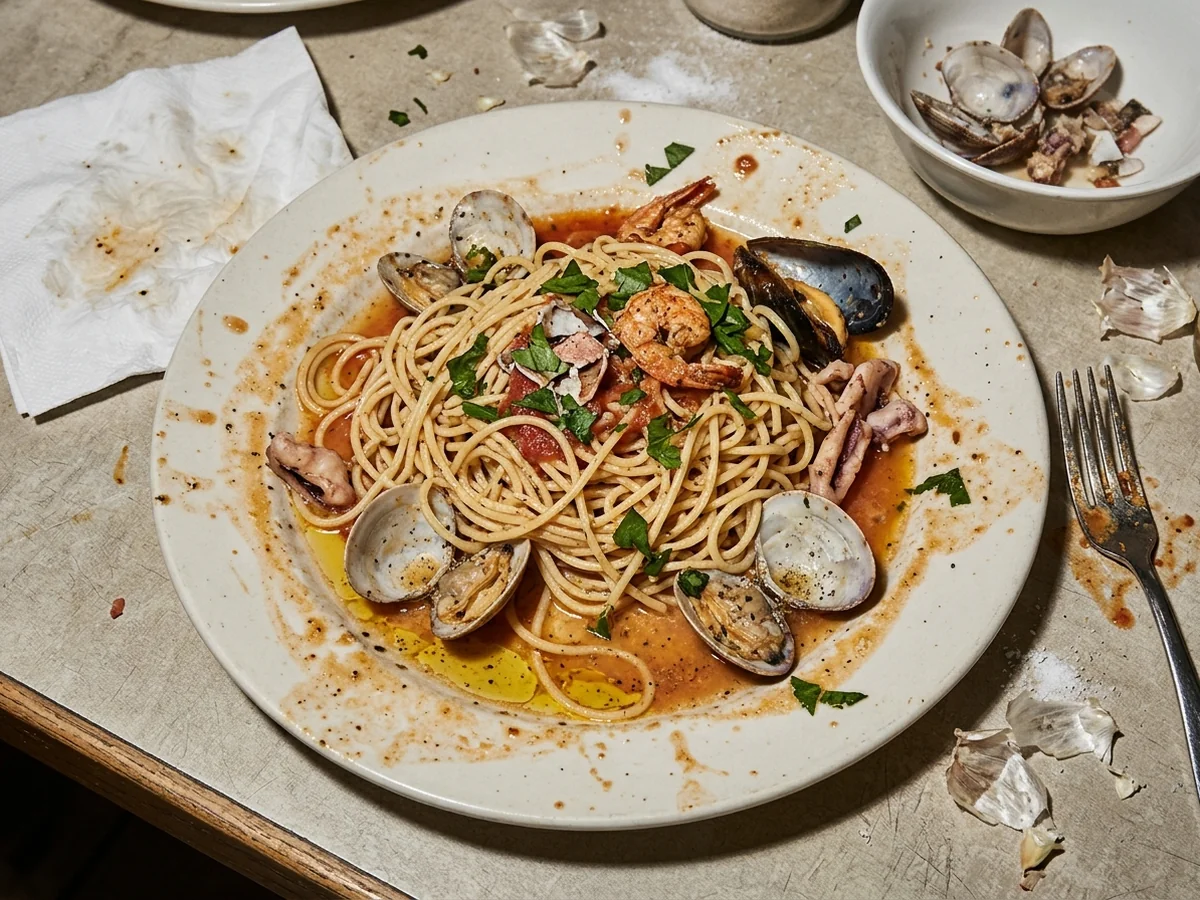
Cooking pasta with shellfish, a dish that translates literally to spaghetti with fruits of the sea, requires precision. This meal, which originated in the coastal regions of Southern Italy, relies on delicate ingredients that can easily be compromised by poor handling or improper heat management. Avoiding these mistakes ensures the final result remains tender, flavorful, and free of grit.
| Error | Consequence | Prevention |
|---|---|---|
| Skipping cleaning | Gritty texture | Scrub and debeard shellfish |
| Overcooking | Rubbery seafood | Cook until opaque and firm |
| Low-quality fat | Dull flavor | Use extra virgin olive oil |
| Weak pasta water | Bland noodles | Use sufficient salt |
Shellfish Preparation and Safety
A frequent oversight involves failing to clean your ingredients correctly. Clams and mussels should be scrubbed and debearded before cooking to remove sand and debris. Because raw seafood must be kept at or below 40 degrees Fahrenheit until the moment it hits the pan, temperature management is vital for safety. Furthermore, always inspect your shellfish during the cooking process. According to FoodSafety.gov, most shellfish are discarded if they do not open during the cooking process, as this is a key indicator of quality and safety.
Managing Heat and Texture
Temperature control is equally critical when handling proteins. While common guidance suggests that seafood should be cooked only until it is opaque and firm, this typically requires just a few minutes of heat. Leaving shrimp or shellfish in the pan too long causes them to toughen, turning a tender ingredient into something rubbery. Many home cooks also find success by cooking shellfish in their shells, a practice that helps retain flavor in the sauce. When building your base, white wine is often added to the pan to deglaze and provide acidity to the sauce, which balances the richness of the seafood.
Balancing Flavors
Finally, the quality of your base ingredients significantly influences the outcome. Extra virgin olive oil is the preferred fat for sautéing aromatics, providing a superior foundation compared to lower-grade oils. Additionally, ensure your pasta water is salted sufficiently, as this is the only opportunity to season the noodles internally. The goal is to achieve al dente pasta, which is cooked until it is firm to the bite, creating the ideal texture to pair with the delicate sauce. Following these practices helps align your home cooking with the values of Italian coastal cuisine, where balance and ingredient integrity remain paramount.
FAQ
What does this seafood pasta dish mean?
The name translates literally to spaghetti with fruits of the sea. This reflects the focus of the dish on a variety of fresh seafood harvested from coastal waters.
How do I prepare clams and mussels for pasta?
Clams and mussels must be scrubbed and debearded before cooking to remove grit and debris. Raw seafood should be kept at or below 40 degrees Fahrenheit until the exact moment you are ready to prepare them.
What happens if a shell does not open during cooking?
Most shellfish are discarded if they do not open during the cooking process. This is a standard safety practice to ensure you only consume items that were live and healthy when cooking began.
What is the role of white wine in this dish?
White wine is often added to the pan to deglaze and provide acidity to the sauce. This liquid helps lift the browned bits from the pan and creates a balanced foundation for the seafood flavors.
What is the best way to cook the pasta?
Common culinary guidance suggests cooking the noodles until they are al dente, which means they remain firm to the bite. You should also ensure the pasta water is sufficiently salted to season the noodles internally as they absorb the liquid.
What ingredients are typically included in this seafood pasta?
The dish typically features a combination of shellfish, including mussels, clams, and shrimp. Extra virgin olive oil is often the preferred fat for sautéing aromatics, and fresh parsley is a traditional garnish used to brighten the final plate.
Conclusion
The best way to ensure a successful meal is to prioritize high-quality, fresh ingredients and careful preparation of the shellfish. Remember that this classic dish translates literally to spaghetti with fruits of the sea, highlighting its deep connection to Mediterranean coastal traditions. Once you have mastered cleaning your shellfish and achieving that firm, al dente texture for your pasta, you are ready to prepare this elegant meal in your own kitchen.
Sources: online.ucpress.edu, wdfw.wa.gov, ice.edu, foodsafety.gov
You might also like: Steak Fajitas Recipe: Sizzling Mexican Dinner