Cajun Steak Alfredo Pasta Recipe
Introduction
cajun steak alfredo pasta is a creamy, spicy fusion dish that combines tender marinated steak with a rich Alfredo sauce and a hint of Cajun seasoning. This quick recipe gives you a restaurant‑style plate in under 30 minutes, perfect for a weeknight dinner.
The dish appeals to home cooks who love the comfort of a silky pasta sauce but want the bold, peppery kick of Cajun flavors. You’ll get step‑by‑step instructions, a short ingredient list, and tips for achieving the ideal balance of heat and creaminess without extra fuss.
Key Ingredients and Their Roles
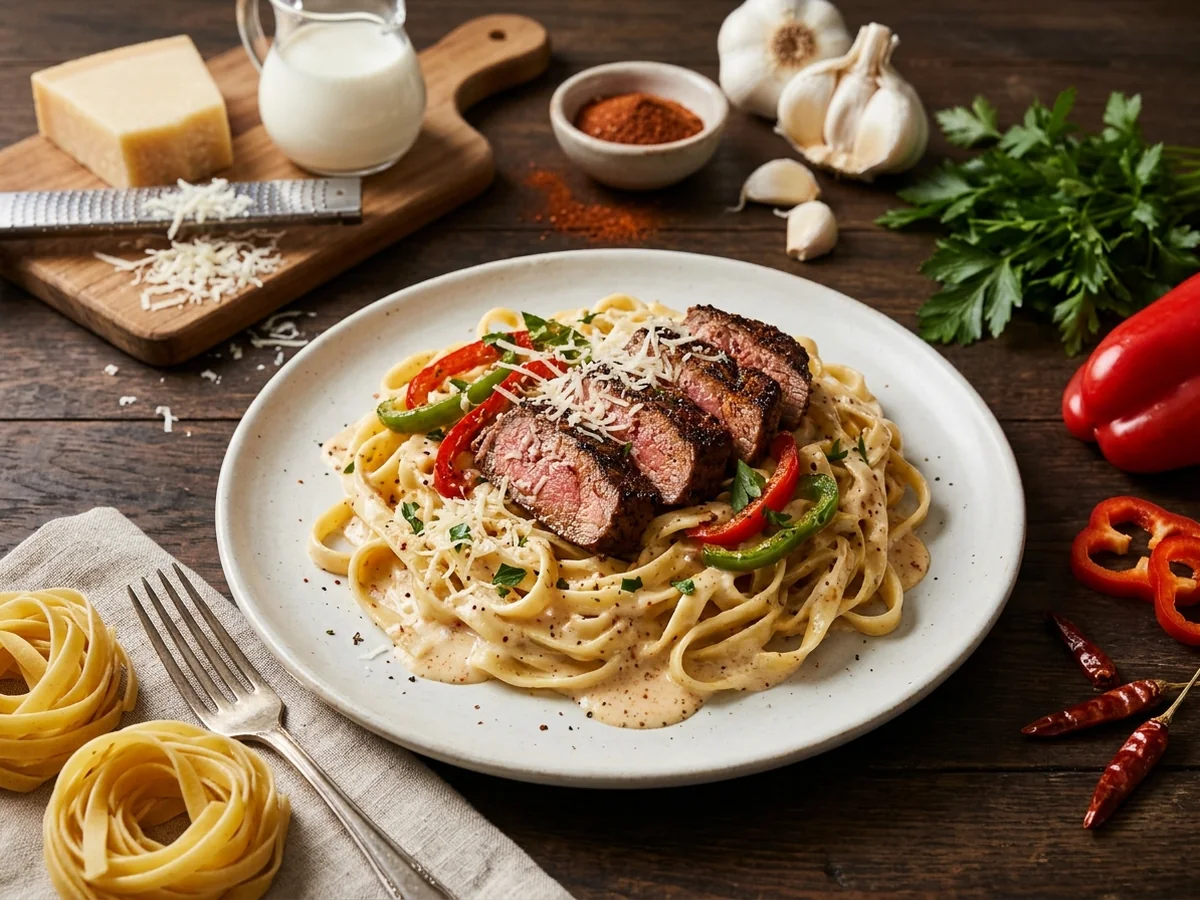
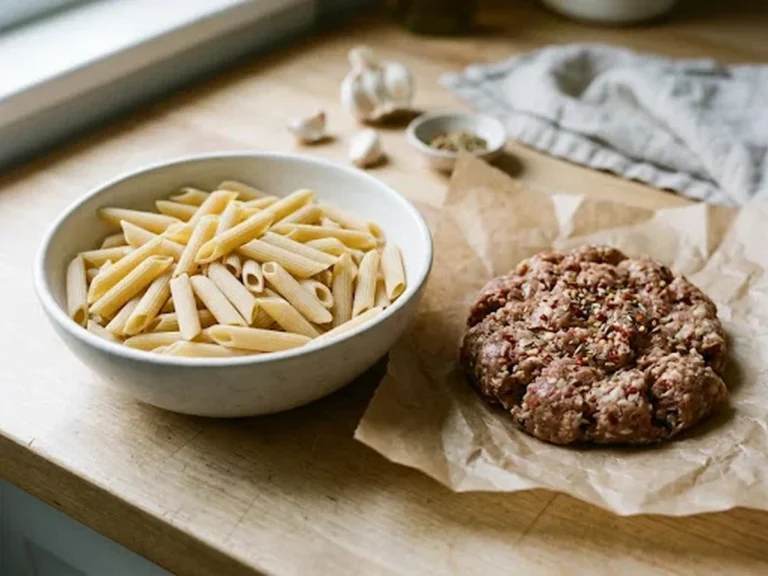
Understanding each component of a Cajun steak Alfredo pasta helps you control flavor, texture, and overall balance. Below is a deeper look at why the ingredients matter, practical steps for handling them, and common pitfalls to avoid.
Steak , the protein backbone
The steak supplies the dish’s beefy character and a firm bite that contrasts with the creamy sauce. Choose a cut that is tender enough for quick cooking, such as sirloin or flank, and slice it thinly across the grain. This technique ensures the meat stays juicy and integrates smoothly with the pasta. A frequent mistake is over‑cooking the steak, which can make it tough and diminish the intended chew.
Pasta , the neutral carrier
Pasta acts as a blank canvas that soaks up the sauce while providing a pleasant al dente texture. Cook the noodles just shy of full tenderness; the residual heat will finish cooking them when they are tossed with the hot sauce. Over‑cooking creates a mushy base that masks the spices and overwhelms the sauce.
Cajun seasoning , the flavor driver
The seasoning blend delivers smoky heat and the signature Southern spice profile. Sprinkle it evenly on the steak before searing, and add a modest amount to the sauce for layered depth. Because the blend can be potent, start with a small portion and taste before adding more; too much can dominate the dish and make it overly spicy.
Heavy cream , the silky foundation
Heavy cream gives the sauce its body and velvety mouthfeel. Warm the cream gently before incorporating it, which prevents curdling and helps it blend with the butter and cheese. Adding cold cream directly to a hot pan often leads to separation, a common error among beginners.
Parmesan cheese , the salty nuance
Finely grated Parmesan introduces a salty, nutty depth that cuts through the richness of the cream. Stir the cheese in off the heat to keep it from clumping. If the cheese is added too early, it can seize and create a gritty texture.
Garlic , the aromatic accent
Garlic contributes a sharp, aromatic edge that lifts the overall flavor profile. Mince it finely and sauté briefly in butter before adding the cream; this releases its oils without burning. Burning garlic adds bitterness, a mistake that can ruin the sauce.
Butter , the unifying element
Butter enriches the sauce, giving it a smooth finish and helping the seasonings meld. Melt the butter first, then use it to sauté the garlic and sear the steak. Using too much butter can make the sauce greasy, so balance it with the cream and cheese.
By treating each ingredient with purpose, selecting the right cut of steak, timing the pasta, layering the Cajun spice, and managing heat, you can create a cohesive Cajun steak Alfredo pasta that is flavorful, well‑textured, and free from common cooking errors.
Step‑by‑Step Cooking Process

Preparing the Steak
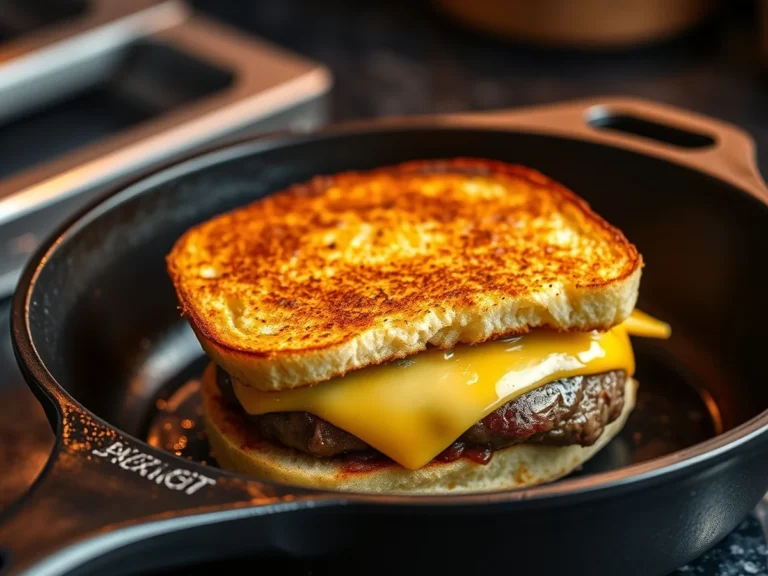
Pat the beef strips dry, then coat them evenly with a blend of Cajun seasoning, salt, and pepper. Let the seasoned meat rest for a few minutes so the spices adhere. Heat a heavy skillet over medium‑high heat, add a splash of oil, and wait until the surface shimmers. Place the steak in the pan, spreading the pieces so they touch the surface. Sear without moving for about two minutes per side, then finish with a quick turn to keep the interior juicy.
Cooking the Pasta
Bring a large pot of salted water to a rolling boil. Add the pasta and stir occasionally to prevent sticking. Cook until the noodles are firm to the bite, usually one minute less than the package suggests. Reserve a cup of the cooking liquid before draining; the starchy water will help bind the sauce later. Quickly rinse the pasta with hot water to keep it warm while you finish the sauce.
Making the Cajun Alfredo Sauce
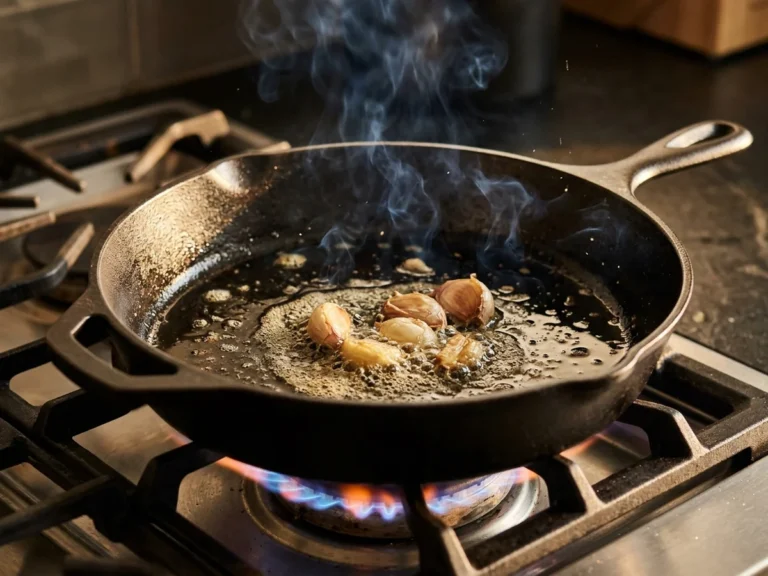
In the same skillet used for the steak, melt butter over medium heat. Stir in minced garlic and let it soften for about 30 seconds. Sprinkle a measured amount of Cajun spice, then whisk in heavy cream, allowing it to bubble gently. Reduce the heat and slowly incorporate grated Parmesan, stirring until the mixture is smooth and glossy. If the sauce thickens too quickly, thin it with a splash of the reserved pasta water.
Combine the cooked steak, pasta, and sauce in the skillet. Toss gently, using tongs to coat each strand evenly. Add a bit more pasta water if needed to achieve a silky finish. Serve immediately, letting the heat from the pan keep everything warm and fully integrated.
Essential Kitchen Tools and Equipment
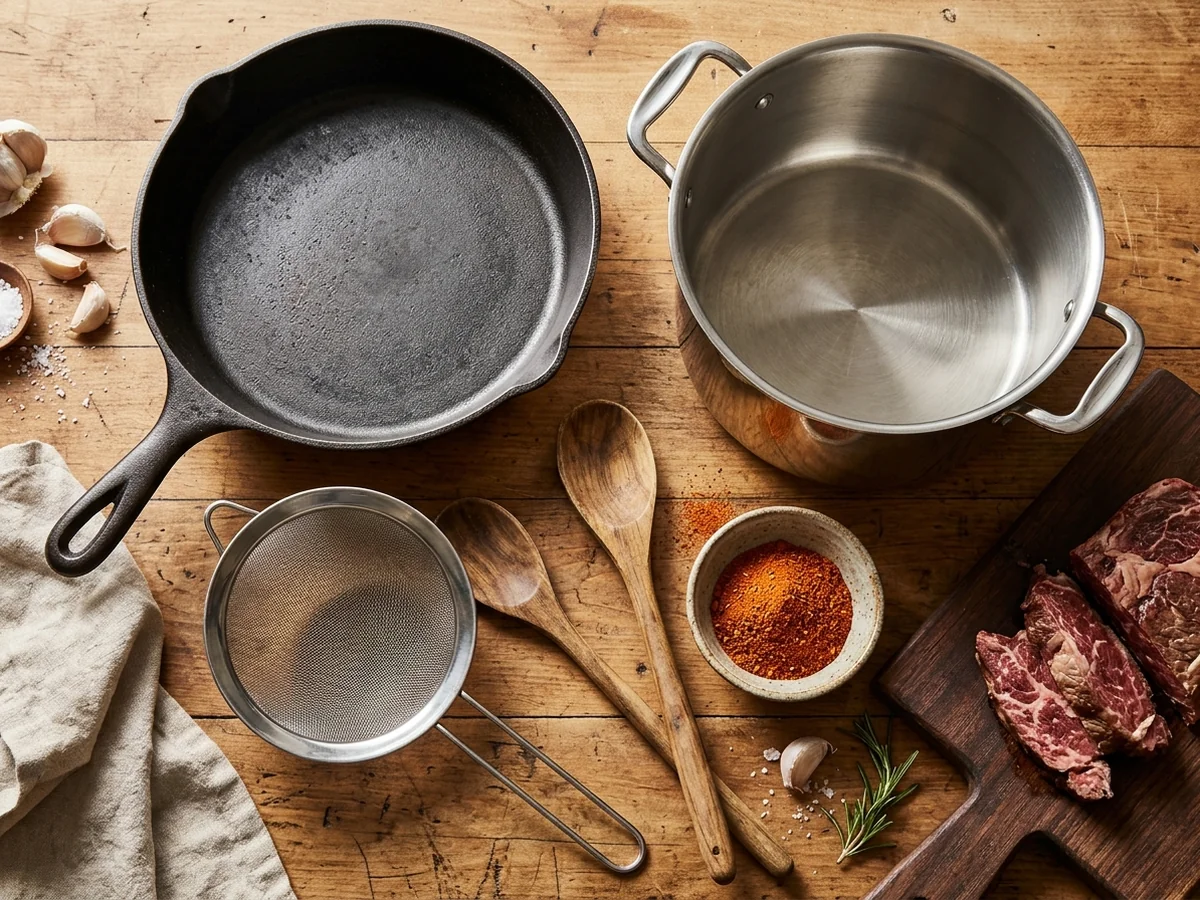
Cooking cajun steak alfredo pasta efficiently depends on having the right cookware and utensils. Each tool plays a specific role that helps you manage high heat, keep pasta from sticking, and create a smooth sauce. When the equipment matches the task, timing improves, flavors develop evenly, and the final dish looks and tastes consistent.
Why each tool matters
- Heavy skillet or cast‑iron pan , The mass of the pan retains heat, allowing you to sear the steak quickly. A hot surface creates a caramelized crust while keeping the interior juicy.
- Large stockpot , Boiling pasta in plenty of water prevents the noodles from clumping together. A roomy pot also makes it easier to stir without the risk of overflow.
- Whisk , A whisk incorporates butter, cream and cheese into a cohesive alfredo sauce. The rapid motion breaks up any lumps and encourages a glossy finish.
- Wooden spoon , Wood conducts little heat, so the spoon stays comfortable to hold while stirring a delicate sauce. Its smooth surface glides through the mixture without scratching the pan.
- Kitchen tongs , Tongs let you turn the steak and toss the cooked pasta without piercing the meat or breaking the noodles. The grip gives precise control, especially when the pan is hot.
Practical steps for using the tools
- Pre‑heat the heavy skillet over medium‑high heat. Pat the steak dry, season it, and place it in the pan. Let it sear undisturbed for a few minutes before flipping with tongs.
- While the steak cooks, fill the large pot with water, add a pinch of salt, and bring it to a rolling boil. Drop the pasta in and stir occasionally with a wooden spoon to keep strands separate.
- When the steak is done, remove it to a resting plate. Reduce the skillet heat, add butter, then slowly whisk in cream and grated cheese. Continue whisking until the sauce thickens and becomes silky.
- Combine the drained pasta with the sauce using the wooden spoon, then slice the rested steak and add it to the pan. Toss everything gently with tongs to coat the meat and noodles evenly.
Common mistakes to avoid
- Overcrowding the skillet , too many pieces lower the pan temperature, resulting in a steamed rather than seared steak.
- Using a thin‑walled pot for pasta , it can cause uneven boiling and increase the chance of noodles sticking together.
- Stirring the sauce with a metal utensil , metal can create hot spots that lead to scorching and a grainy texture.
- Leaving the steak to rest for less than five minutes , this causes juices to run out, making the meat dry.
- Skipping the whisk when adding cheese , without proper emulsification the sauce may separate.
By selecting the appropriate tools, following the step‑by‑step process, and watching for these pitfalls, you can produce a consistently delicious cajun steak alfredo pasta that balances a spicy sear with a rich, creamy sauce.
Tips for Perfect Cajun Flavor Balance
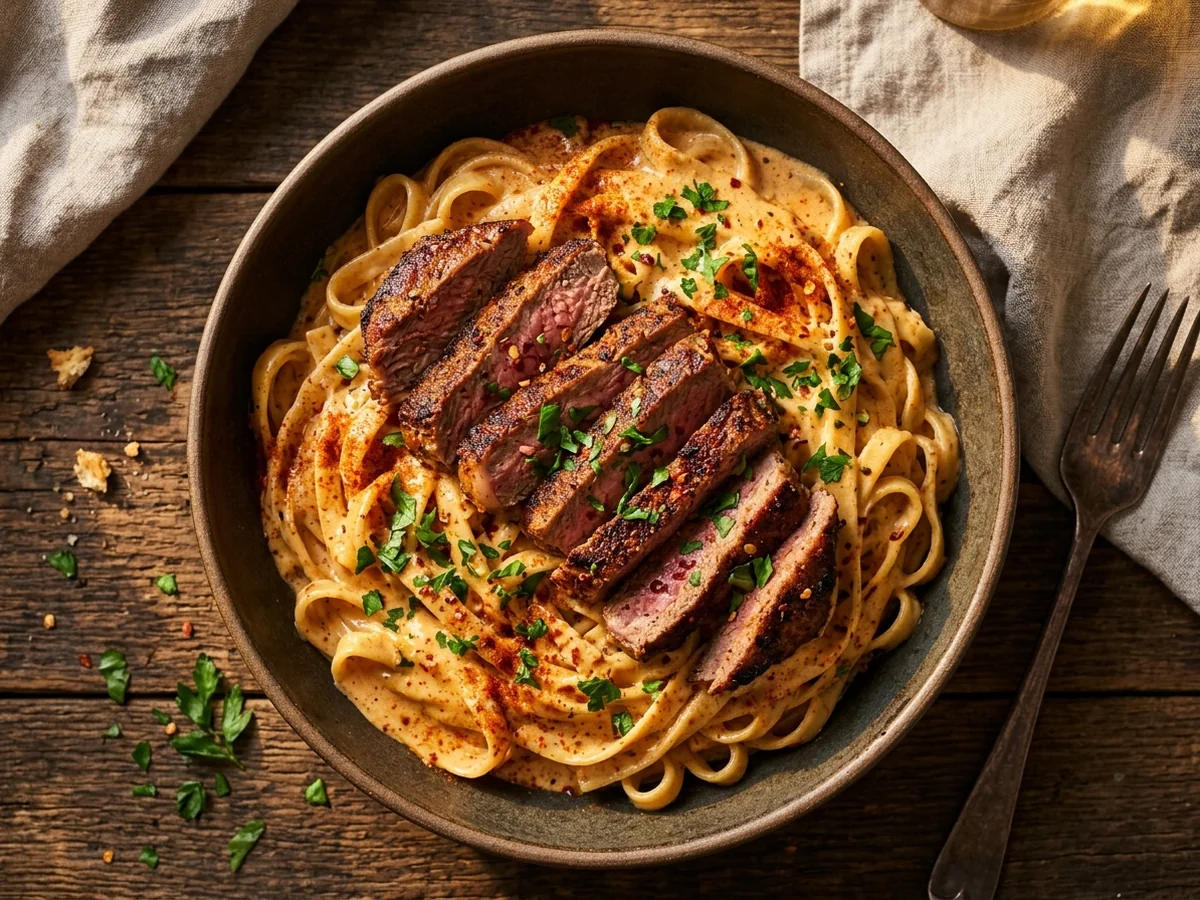
When you aim for a Cajun steak alfredo pasta that sings, the first step is to understand the role of each component. The heat from cayenne or chili powder provides the signature kick, while smoked paprika adds depth without overwhelming the palate. Fresh garlic and onion powder contribute aromatics that round out the spice profile, and dried thyme or oregano give a subtle earthiness that keeps the blend from tasting one‑dimensional. Recognising these functions helps you adjust the mix deliberately rather than relying on guesswork.
Begin by creating a small test batch of the seasoning. Combine a measured pinch of each spice in a bowl, then stir a teaspoon into a spoonful of melted butter or olive oil. Taste the mixture before it reaches the pan; this early check lets you gauge heat and flavor intensity. If the blend feels too sharp, add a little more paprika or a touch of sugar to soften the edge. If it lacks heat, increase cayenne in increments of a quarter teaspoon, tasting after each addition. This incremental approach prevents the dish from becoming overly spicy.
While cooking, sprinkle the seasoning over the steak after it has browned on both sides. The seared surface locks in juices, and the spice adheres better once a light crust has formed. Add the remaining rub to the sauce after the cream has been incorporated; this timing preserves the bright notes of the spices, which can dull if simmered too long.
Common mistakes include over‑salting the pre‑made mix, using too much salt in the pasta water, and adding the Cajun blend too early in the sauce. Both excess salt and premature cooking can mute the nuanced flavors you are trying to highlight. Another frequent error is neglecting the balance between heat and richness. A creamy alfredo base can mask spice if the cream ratio is too high, so finish the sauce with a modest splash of heavy cream and taste before adding more.
Practical steps to keep the balance on point: season the steak first, de‑glaze the pan with a splash of white wine or broth, stir in the alfredo sauce, then finish with the Cajun rub and a final drizzle of cream. Allow the dish to rest for a minute before serving; this pause lets the flavors meld and ensures every bite delivers the intended heat, aroma, and creaminess.
Nutritional Overview

Cajun steak alfredo pasta delivers a moderate amount of calories that can fit into a typical adult’s daily intake when portion sizes are kept reasonable. The dish combines three main nutrient sources: the steak, the creamy alfredo sauce, and the pasta. Understanding how each component contributes helps you tailor the meal to your health goals.
| Component | Typical Nutrient Contribution |
|---|---|
| Steak | High‑quality protein and iron |
| Alfredo sauce | Rich in dairy‑based fats and calcium |
| Pasta | Provides complex carbohydrates for energy |
| Seasonings (Cajun blend, salt) | Can increase sodium content |
Why the balance matters , Protein from the steak supports muscle repair and satiety, while the creamy sauce adds flavor and calcium but also contributes saturated fat. The pasta supplies steady energy but can raise the overall carbohydrate load. Together, these elements create a satisfying meal, yet the combined fat and sodium levels can be higher than recommended for heart‑healthy eating.
Practical steps to adjust the nutrition profile
- Trim excess fat from the steak before cooking to lower saturated‑fat intake.
- Swap half of the heavy cream for a lower‑fat milk or unsweetened almond milk to reduce calories without losing creaminess.
- Use a reduced‑sodium broth or omit added salt, relying on the natural spice of the Cajun blend for flavor.
- Choose whole‑grain or legume‑based pasta for additional fiber, which can help moderate blood‑sugar spikes.
- Add a generous portion of vegetables such as bell peppers or broccoli; they increase volume, add micronutrients, and dilute the calorie density.
Common mistakes to avoid
- Cooking the steak on high heat for too long, which can make it tough and cause you to add extra sauce to mask dryness.
- Using the full amount of cheese and cream prescribed in a recipe without considering personal dietary limits, leading to excess saturated fat.
- Neglecting to taste before adding salt; many Cajun blends already contain salt, so additional seasoning can quickly push the sodium level above a low‑sodium target.
- Serving the pasta without measuring portions; an oversized serving adds unnecessary carbohydrates and calories.
By paying attention to these details, you can keep the signature richness of cajun steak alfredo pasta while aligning the meal with your nutritional needs. Adjustments are simple, and small tweaks often make a noticeable difference in overall health impact.
Storage, Reheating, and Leftover Ideas
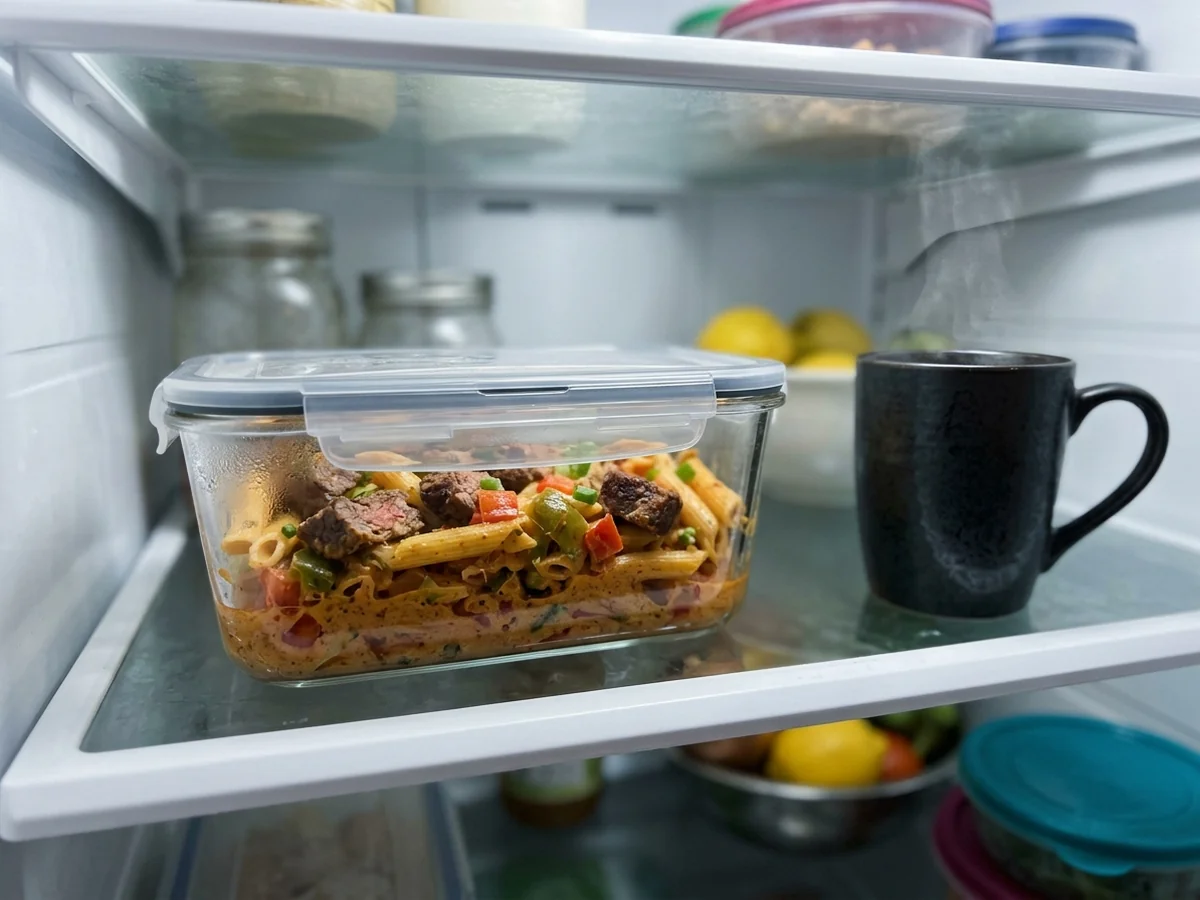
After cooking cajun steak alfredo pasta, let the dish cool to room temperature within two hours. Rapid cooling limits bacterial growth, and placing the pasta in an airtight container helps retain moisture so the creamy sauce does not dry out. Store the container in the refrigerator and use the leftovers within three to four days for best quality.
When you are ready to reheat, the goal is to warm the pasta evenly while keeping the sauce smooth. The safest method is to reheat on the stovetop over low heat. Add a tablespoon of milk, cream, or low‑sodium broth for every cup of leftovers, then stir constantly. The added liquid prevents the dairy from separating and restores the silkiness that can be lost during cooling.
If a stovetop is not convenient, the microwave can be used safely. Heat the pasta in short bursts of 30 seconds, stirring after each burst. This frequent stirring distributes heat and allows you to add a splash of liquid if the sauce looks thick. Avoid heating the pasta in one long interval, as this can cause the sauce to become grainy or cause the steak pieces to overcook.
Common mistakes during reheating include using high heat, which can scorch the sauce, and reheating without covering the dish. A lid or a damp paper towel traps steam, keeping the pasta from drying out. Also, neglecting to stir can leave hot spots that overcook the steak while leaving other parts cold.
Beyond simple reheating, leftovers can be transformed into new meals. Mix the cooled pasta with additional sautéed vegetables such as bell peppers or spinach, sprinkle grated parmesan or mozzarella, and bake at 350°F (175°C) for 15‑20 minutes until the top is golden and bubbly. This casserole repurposes the original flavors while adding texture and nutrition, making a quick, satisfying dinner.
Another option is to turn the leftovers into a skillet‑style hash. Heat a little oil in a pan, add the pasta, and fry until the edges crisp. Finish with a squeeze of lemon juice and a pinch of fresh herbs for brightness. This method gives the dish a new mouthfeel and highlights the cajun seasoning in a different way.
Best Wine Pairing
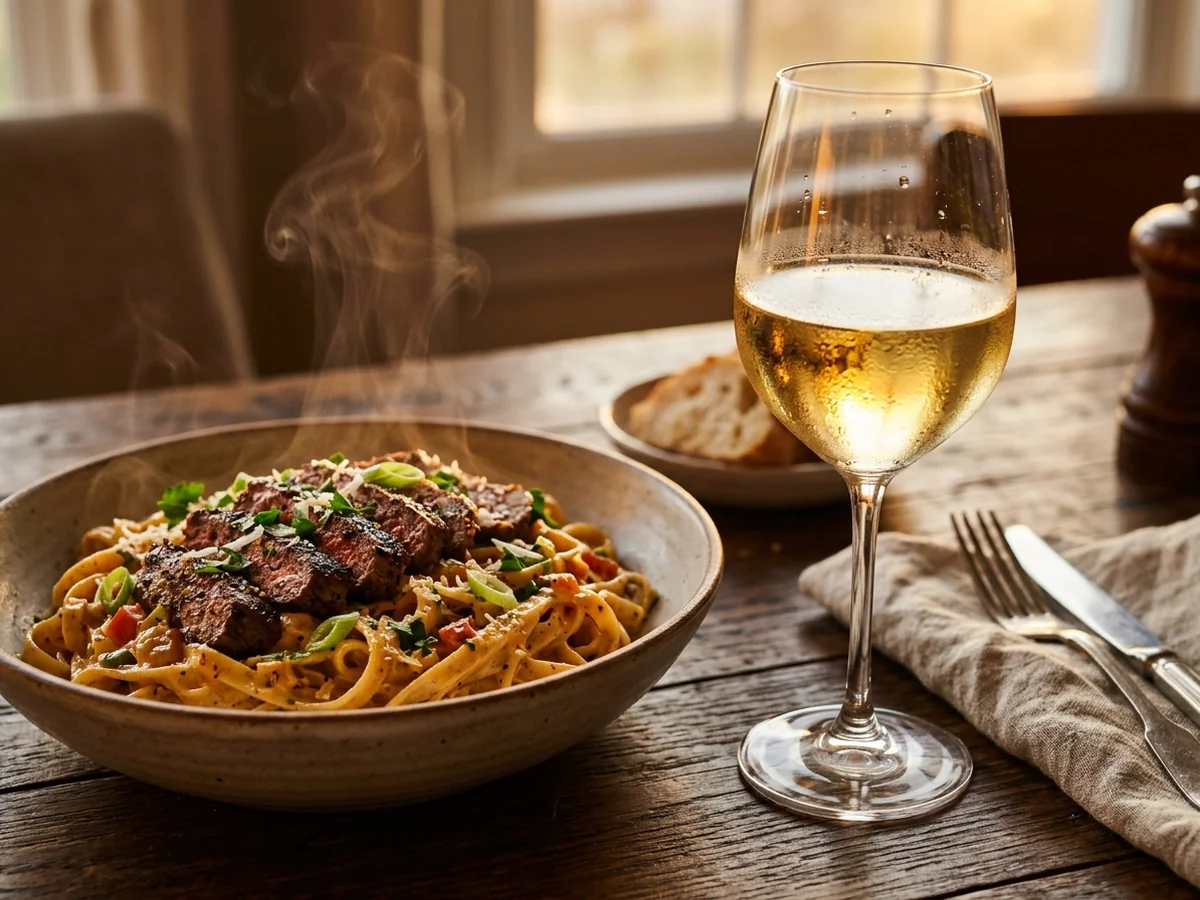
Rich, creamy Alfredo sauce and the smoky heat of Cajun seasoning call for wines that can cut through fat while echoing spice. Choose whites with bright acidity and subtle fruit to balance the dish.
- Chardonnay from a cooler climate, such as Burgundy, offers crisp acidity and a hint of citrus that lifts the cream without overwhelming the Cajun spice.
- Sauvignon Blanc from New Zealand provides zesty green‑apple notes and a lively minerality that refreshes the palate between bites.
- Pinot Grigio from Italy delivers light body and subtle pear flavors, letting the steak’s char shine while tempering the sauce’s richness.
- Vermentino from the Mediterranean presents a saline edge and bright lemon zest, complementing both the seafood‑style seasoning and the buttery pasta.
- For a non‑alcoholic option, try a sparkling water infused with cucumber and a squeeze of lime; the clean fizz and citrus cut mirror the acidity of white wines.
- A chilled hibiscus iced tea offers floral tartness that pairs well with the dish’s creamy texture and spicy undertones.
- Finally, a lightly sweetened ginger‑lemonade provides gentle spice and acidity, creating a balanced contrast to the hearty cajun steak alfredo pasta.
Variations and Substitutions
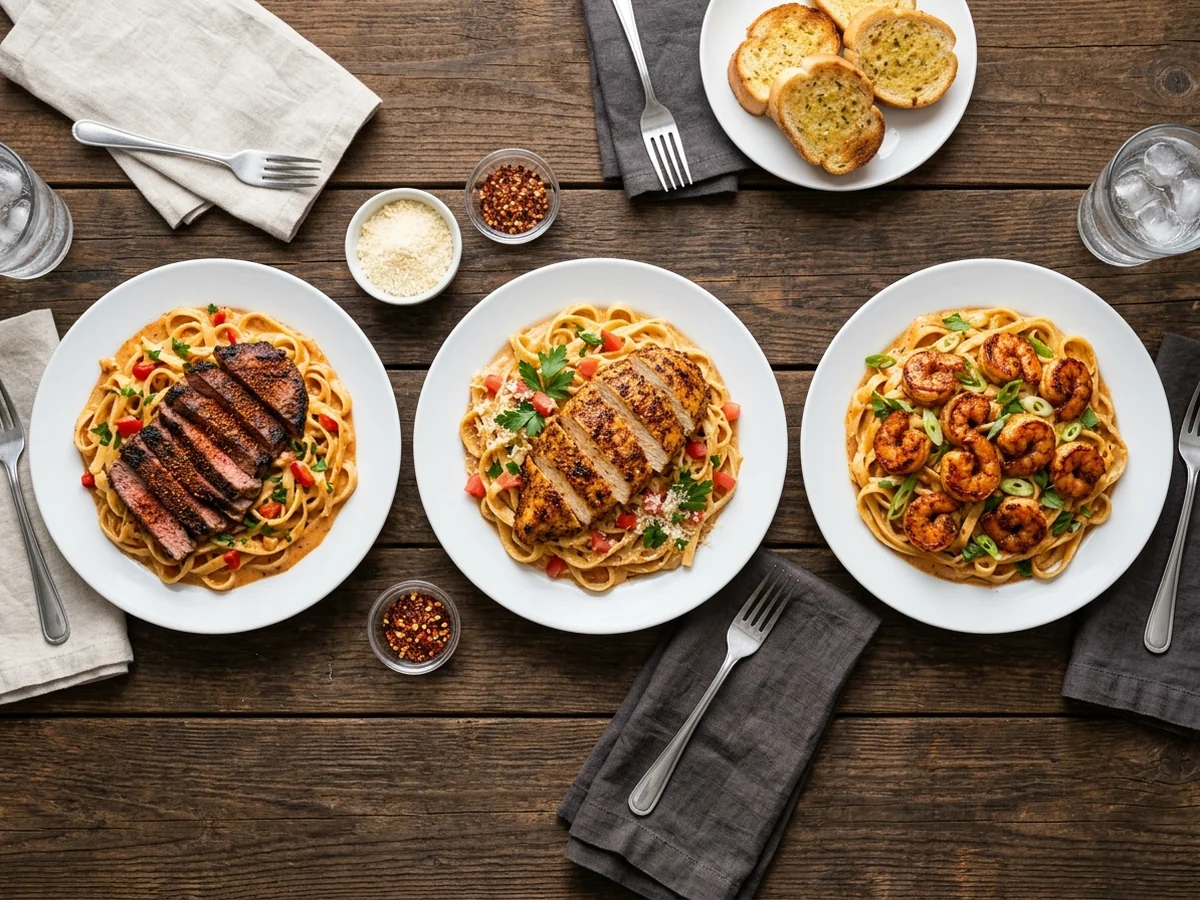
Several swaps let you keep the dish’s bold Cajun flavor while catering to different dietary needs or ingredient preferences. Below are three common adjustments and how they affect the final plate.
Using Chicken or Shrimp Instead of Steak
Replace the steak with bite‑size chicken breast pieces or peeled shrimp for a quicker cook time. Season the protein with the same Cajun rub, then sear it in a hot skillet for 3, 4 minutes per side, or until the shrimp turn pink. Both alternatives absorb the spices well and provide a lighter texture while still delivering the dish’s signature heat.
Gluten‑Free Pasta Options
Swap traditional wheat pasta for rice‑based or legume‑based noodles to accommodate gluten sensitivity. Rice pasta offers a neutral flavor that lets the sauce shine, whereas lentil or chickpea pasta adds extra protein and a subtle earthiness. Cook the gluten‑free noodles according to package directions, usually a minute or two less than regular pasta, to avoid over‑softening.
Lighter Sauce Alternatives
For a lower‑fat version, blend Greek yogurt or steamed cauliflower into a smooth puree and stir it into the heated pan after the aromatics are softened. Greek yogurt contributes a tangy creaminess, while cauliflower provides body without dairy. Add the substitute off the heat and gently warm, preventing the yogurt from curdling or the cauliflower from separating.
Common Mistakes and How to Fix Them
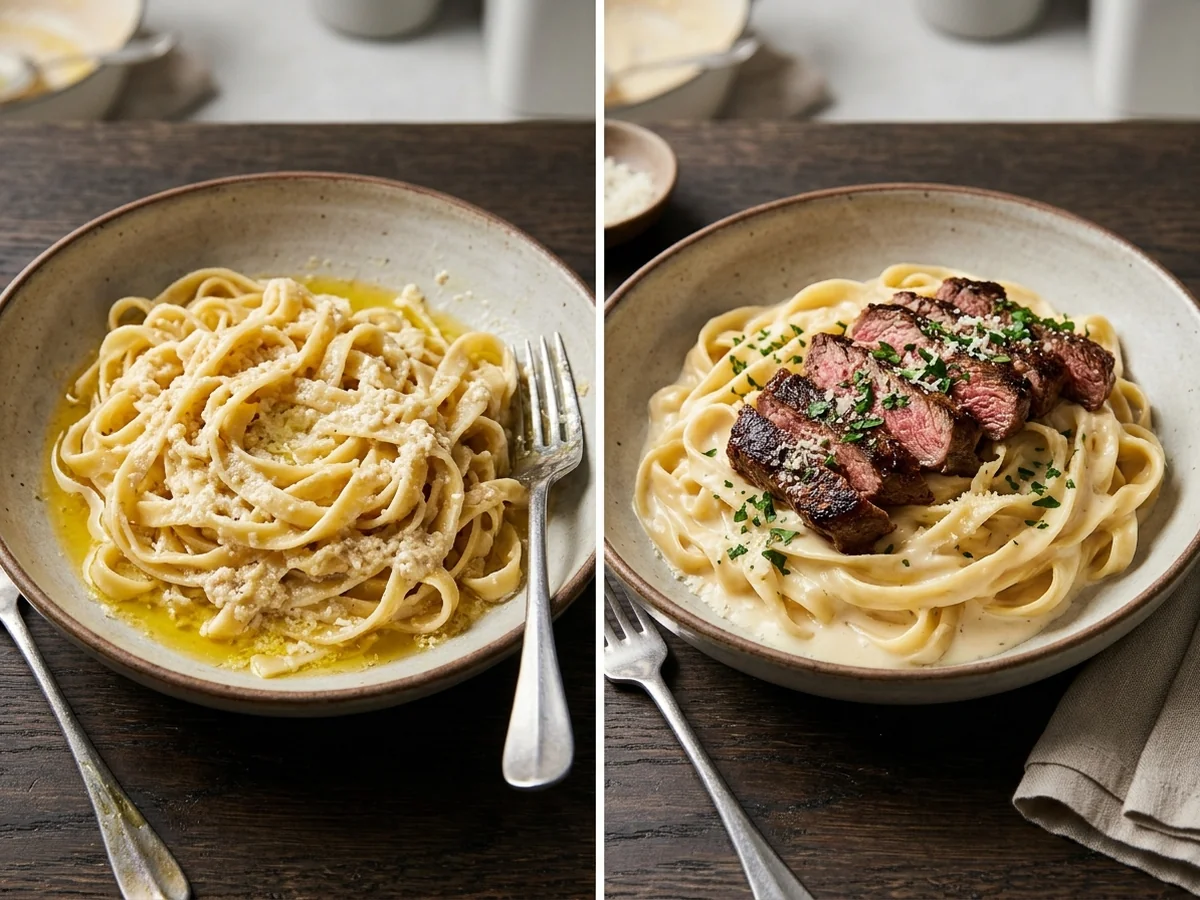
Grainy sauce, tough steak, and soggy noodles are the three most frequent problems when making a Cajun‑flavored Alfredo dish. Below are practical ways to avoid each issue.
- Keep the cream and cheese mixture on low or medium heat; high temperatures cause the proteins to separate, resulting in a gritty texture.
- After searing the steak, let it rest for at least five minutes before slicing; this lets the juices redistribute and prevents a dry, overcooked bite.
- Cook the pasta al dente and drain it just before adding the sauce; the residual heat finishes the noodles without turning them mushy.
- Reserve a small cup of pasta water and stir it into the sauce gradually; the starch helps bind the sauce to the noodles without making them watery.
- Season the steak with Cajun spice before cooking, then taste the sauce after adding cheese; adjusting salt early avoids the need for excessive seasoning later, which can curdle the sauce.
- Use a heavy skillet or sauté pan for the sauce; even heat distribution reduces hot spots that could scorch the dairy.
- Combine the cooked pasta and sauce off the heat, tossing quickly; prolonged cooking after the sauce is added can break down the emulsion and make the dish greasy.
FAQ
Can I use pre‑cooked steak for a Cajun‑spiced steak with creamy Alfredo pasta?
Yes, pre‑cooked steak can be used, but the texture of the meat depends on how it is handled. Slice the steak thinly across the grain so it reheats quickly and stays tender. Add the slices during the last minute of cooking, just long enough to warm them without returning them to a high heat that could make the protein dry. A common mistake is to add the steak too early, which causes the meat to overcook and become rubbery.
What is the best type of pasta for this dish?
Flat, wide noodles such as fettuccine are ideal because their surface area captures the creamy Alfredo sauce and the Cajun‑spiced steak evenly. The shape also helps distribute the seasoning throughout each bite. Using a thin or highly ridged pasta can result in the sauce sliding off, leaving the dish uneven. If you prefer a shorter shape, a wide ribbon cut into bite‑size pieces works as long as the surface is smooth.
How long will the sauce keep in the fridge?
The Alfredo sauce remains safe to eat for a few days when stored in an airtight container at refrigerator temperature. Before reheating, bring the sauce to a gentle simmer and whisk in a splash of milk or broth to restore its silky consistency. Over‑heating can cause the sauce to separate, so avoid boiling. A frequent error is reheating the sauce in a microwave without stirring, which often leads to a grainy texture.
Is there a low‑fat version of the recipe?
A lighter version can be created by swapping heavy cream for a combination of low‑fat milk and Greek yogurt. Use just enough butter to coat the pan and develop flavor, then finish the sauce with the dairy blend, whisking continuously to keep it smooth. Reducing the fat too much can cause the sauce to curdle, so it is important to keep the heat moderate and add the yogurt off the heat if the mixture gets too hot. Many home cooks skip the gradual temperature control and end up with a broken sauce; gentle heat and constant stirring prevent this.
The dish stands out because the smoky Cajun rub gives the steak a bold flavor that pairs perfectly with the creamy Alfredo sauce, while the pasta provides a comforting base. This balance of heat and richness makes the meal satisfying for both spice lovers and fans of classic Italian comfort food.
Give the recipe a try and feel free to customize it: add extra vegetables, swap the pasta shape, or adjust the seasoning level to suit your taste. Experimenting will help you discover your ideal version of this flavorful plate.
Conclusion
Enjoy the rich, spicy experience of this Cajun inspired steak alfredo pasta and make it your own by tweaking ingredients and spices to match your preferences.
You might also like: Sichuan-Style Crispy Chili Beef Stir-Fry