Fried Catfish and Shrimp with Sauteed Broccolini
Introduction
Fried catfish and shrimp with broccolini is a quick, high‑protein dinner that delivers Southern flavor without the stress of a lengthy prep. This guide walks you through a step‑by‑step recipe, from seasoning the seafood to sautéing the broccolini, so you can serve a balanced meal in under 30 minutes.
The dish combines the crunchy, golden coating of classic fried catfish and shrimp with the bright, slightly bitter snap of broccolini, creating a satisfying contrast that feels both indulgent and nutritious. Southern seafood cooking techniques give the fish its iconic crisp, while the vegetable adds color and fiber, keeping the plate light yet filling.
Ingredients for Fried Catfish & Shrimp
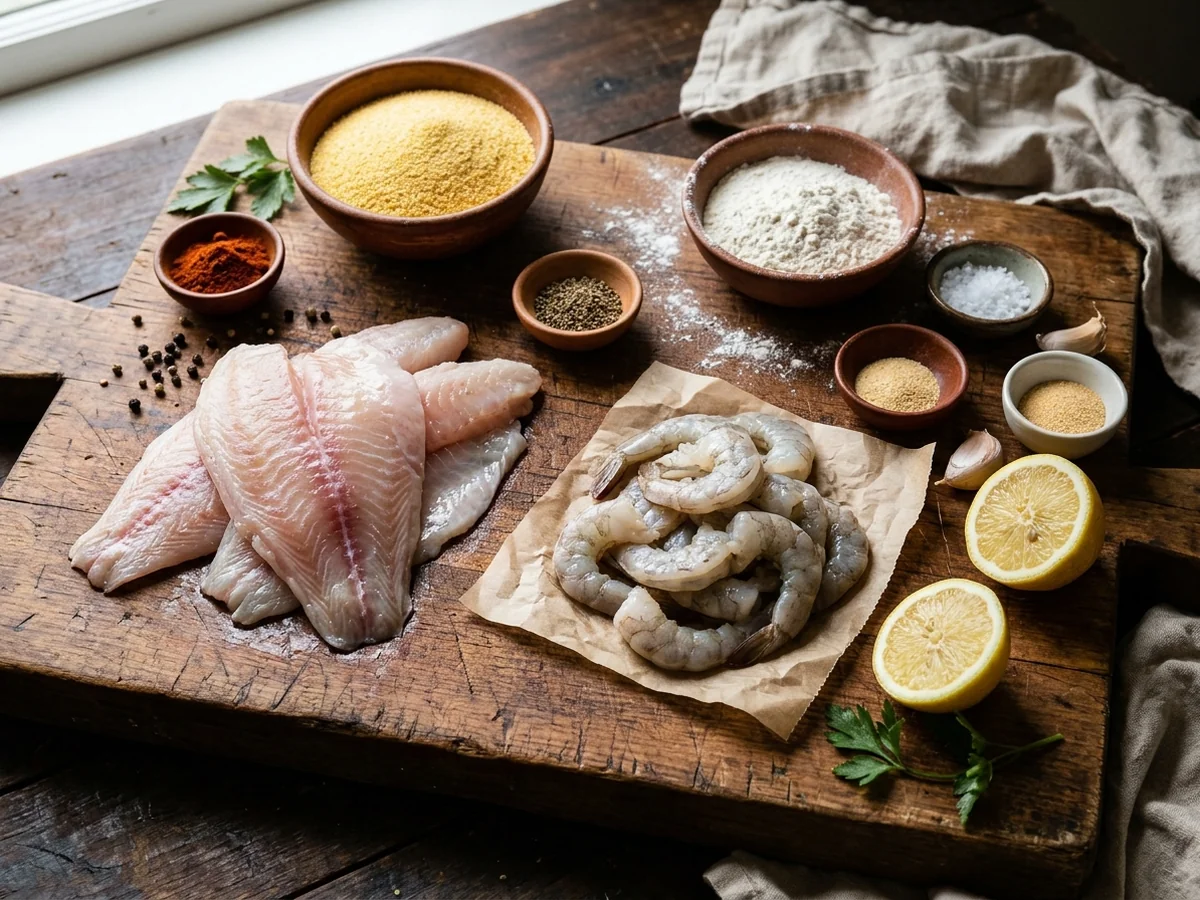
Choosing the right ingredients sets the stage for a crisp, flavorful fry and a bright, tender side of broccolini. Below is a detailed guide that explains why each component matters, how to prep it, and the pitfalls to avoid.
- Catfish fillets and large shrimp , Aim for fillets that are about 6‑8 oz each and shrimp that are peeled and deveined. Fresh, firm flesh holds the coating better and reduces the risk of soggy bites. Buying from a reputable seafood market such as King Earl Seafood or the seafood counter at Whole Foods Market helps ensure quality and proper handling.
- Broccolini , This vegetable adds a pop of color and a slight bitterness that balances the richness of the fry. Select stalks that are firm and buds that are tight; wilted or yellowing tips indicate age. Rinse thoroughly and trim the base before cooking.
- Seasoned cornmeal coating , A mixture of fine cornmeal, a pinch of salt, ground black pepper, and a dash of smoked paprika creates the classic Southern crust. The cornmeal’s texture gives the fry a satisfying crunch while the paprika adds a subtle smoky note.
- Liquid dip , Buttermilk or very cold club soda works as a binding agent. The acidity in buttermilk tenderizes the fish, and the carbonation in club soda creates a light, airy layer that keeps the crust from becoming heavy.
- Spice blend , Combine garlic powder, onion powder, and a modest amount of cayenne pepper from a trusted brand such as McCormick. The blend provides depth without overpowering the delicate seafood.
- High‑smoke‑point oil , Peanut oil or refined canola oil should be heated to 350‑375°F. The FDA Food Safety Guidelines recommend maintaining this temperature range to achieve a golden exterior while keeping the interior moist and to minimize the formation of off‑flavors.
- Seasoned sauté base for broccolini , A splash of olive oil, a pinch of sea salt, and a squeeze of lemon juice finish the broccolini. The acid brightens the flavor and helps prevent overcooking.
- Reference points for nutrition , USDA FoodData Central can be consulted for the nutrient profile of the final dish, which is useful for anyone tracking low‑fat fried fish nutrition or following American Heart Association guidelines.
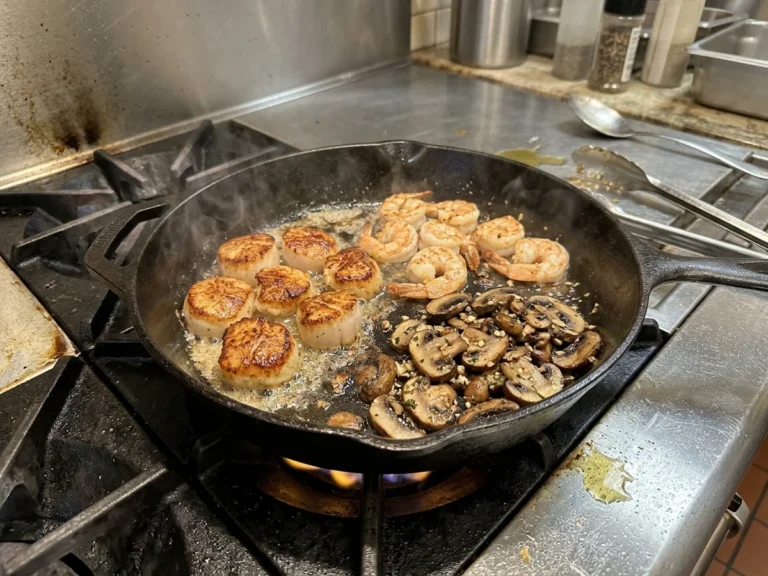
Practical steps: Pat the catfish and shrimp dry, dip them in the chosen liquid, then coat evenly with the cornmeal mixture. Let the coated pieces rest for a few minutes so the crust adheres. Meanwhile, heat the oil to the target temperature and test with a small crumb; it should sizzle immediately. Fry in batches to keep the oil temperature steady, turning once until both sides are golden. While the seafood cooks, sauté the broccolini over medium‑high heat for 4‑5 minutes, stirring until bright green and just tender.
Common mistakes to avoid: crowding the pan, which drops oil temperature and leads to soggy coating; using too much liquid in the dip, which can make the crust heavy; and over‑cooking the broccolini, which turns it mushy and loses its crisp bite.
Preparing the Seafood: Southern‑Style Fry Technique

Choosing the Right Batter
Mix equal parts flour and fine cornmeal in a shallow bowl, then stir in a pinch of salt, black pepper, and a blend of paprika and garlic powder from McCormick Spice Company. The cornmeal adds texture while the flour creates a smooth base that adheres well to the fish and shrimp.
Gradually whisk cold water into the dry mixture until the batter reaches a thin, pour‑able consistency. A thinner batter coats the seafood evenly and helps the crust stay light after frying.
Seasoning the Fish and Shrimp
Pat the catfish fillets and peeled shrimp dry with paper towels. Lightly dust each piece with the seasoned flour‑cornmeal mixture before submerging them in the batter. This double‑coat technique ensures the spices stay on the surface and contributes to a flavorful, crunchy exterior.
For a lower‑fat finish, use a shallow pan with just enough oil to cover the bottom. Heat the oil to a steady 350°F, the temperature recommended by FDA Food Safety Guidelines for safe frying. Using a thermometer prevents the oil from getting too hot, which can cause excess oil absorption and a greasy crust.
- Maintain the oil temperature between 325°F and 350°F throughout cooking; adjust the heat as needed when adding batches.
- Fry each piece for 3‑4 minutes, turning once, until the coating turns golden‑brown and the flesh flakes easily with a fork.
- Transfer the cooked seafood to a wire rack set over a baking sheet to drain any residual oil, keeping the crust crisp.
These steps create a light, crunchy crust while keeping the fat content in line with low‑fat fried fish nutrition guidance. By controlling the batter thickness, seasoning, and oil temperature, you achieve a Southern‑style fry that’s both satisfying and mindful of health considerations.
Shrimp Frying Details
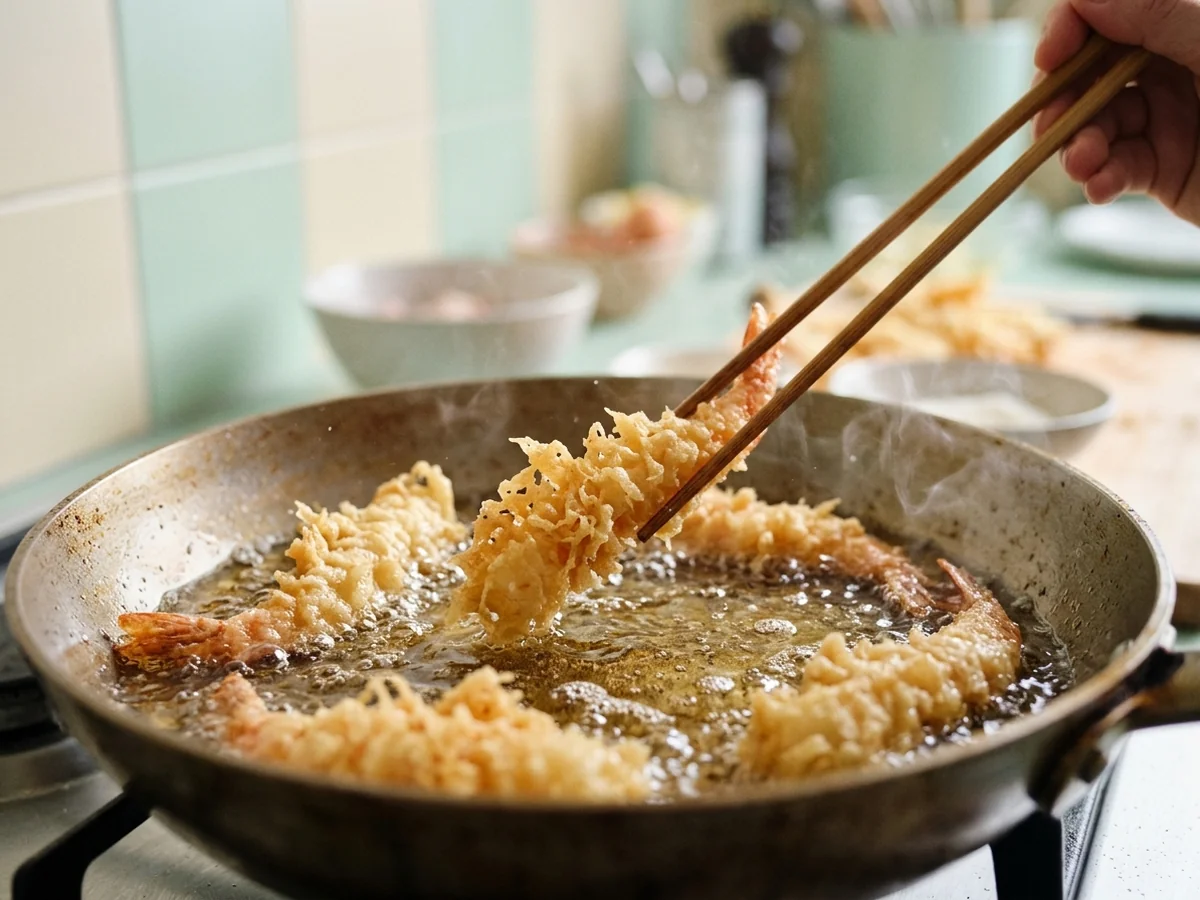
Use a tempura batter for the shrimp when you want a crisp, feather‑light coating that stays delicate even after a quick fry. The batter’s high‑ratio flour‑to‑water mix creates a thin film that fries faster than the thicker, seasoned cornmeal coat typically used for catfish.
Tempura calls for oil heated to about 350°F (175°C). At that temperature the batter puffs up within seconds, so the shrimp only need 1, 2 minutes per side. In contrast, the catfish coating performs best at 325°F (163°C) and requires 4, 5 minutes per side to develop a sturdy crust.
The lower oil temperature for fish allows the seasoning to adhere without burning, while the hotter oil for shrimp ensures the light batter sets before the interior cooks. Adjusting the heat promptly, dropping the temperature a few degrees after adding the first batch, helps keep the oil from overheating and the coating from turning greasy.
- Tempura batter gives a airy mouthfeel and a subtle crunch.
- Hotter oil (≈350°F) shortens shrimp cooking time to 1, 2 minutes.
- Cooler oil (≈325°F) extends catfish fry time to 4, 5 minutes for a solid crust.
- Switching temperatures between batches prevents cross‑flavoring and maintains optimal texture.
The result is shrimp that feel airy in the bite, contrasting nicely with the heartier, more substantial fish. This balance lets the sautéed broccolini stay bright and crisp, completing a plate that feels both satisfying and light.
Broccolini Sauté: Tips for Perfect Greens
Choosing Fresh Broccolini
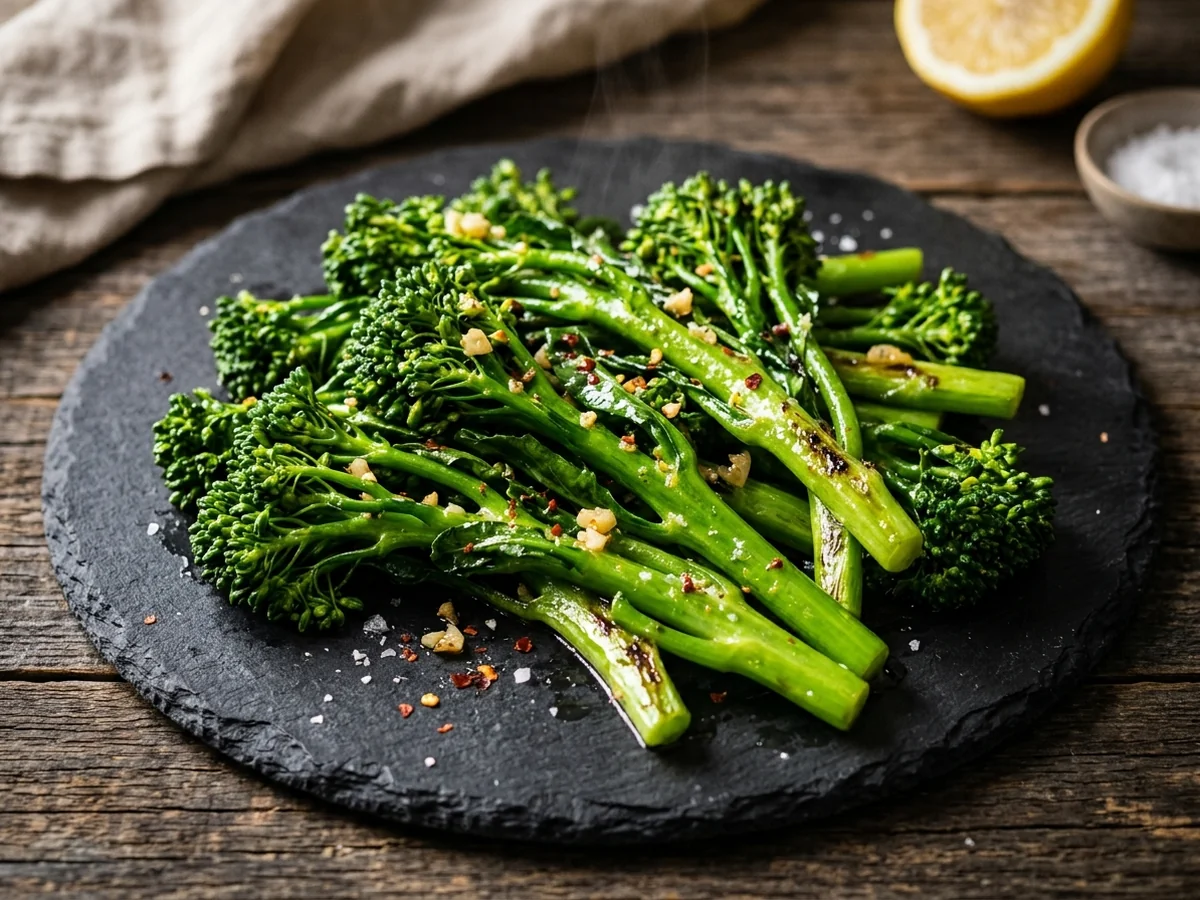
Pick stems that are firm to the touch and display a bright, deep green color. The tips should be tight and vivid, without any yellowing or wilting. Fresh broccolini will have a clean, mild scent and no signs of slime or bruising. Buying from a reputable market such as Whole Foods or a local fish‑market vendor helps ensure the produce was handled safely.
Cooking Method
Start by trimming the ends of the stems and cutting the spears into bite‑size pieces. Heat a thin layer of oil in a skillet over medium heat, then add minced garlic and let it soften for about 30 seconds. Toss the broccolini in, stirring to coat evenly, and let it cook for 2, 3 minutes without moving so it develops a light sear.
Next, splash a small amount of fresh lemon juice over the vegetables and sprinkle a pinch of salt. Continue to sauté, stirring frequently, for another 2, 3 minutes. The lemon adds brightness while the salt enhances the natural flavor.
To keep the greens crisp‑tender and preserve their nutrients, aim for a total cooking time of roughly 5, 6 minutes. Brief, high‑heat cooking helps retain fiber and vitamin content. The broccolini should be vibrant green, slightly softened at the stem, and still have a pleasant snap when bitten.
Plating Fried Catfish & Shrimp

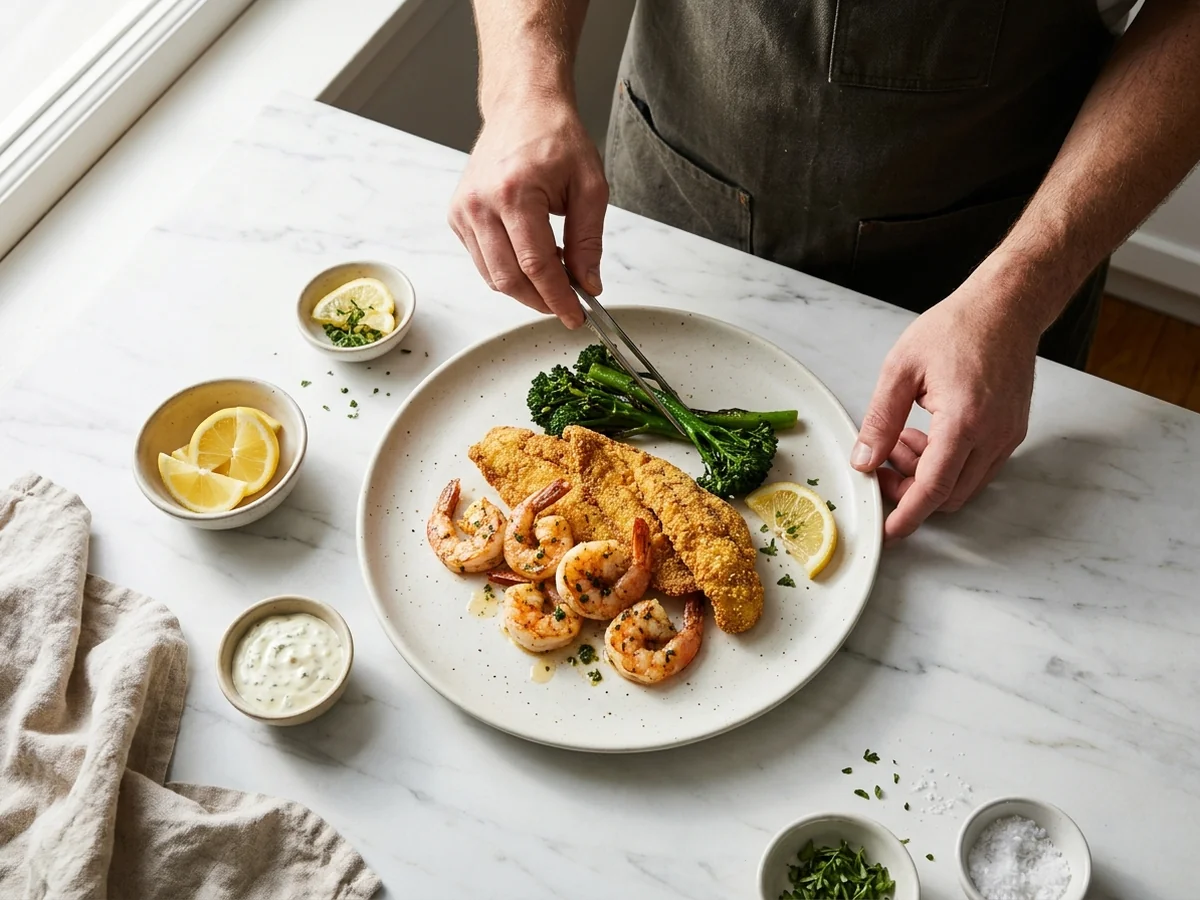
Presenting fried catfish and shrimp with broccolini is more than a visual flourish; it helps diners see the contrast of textures and flavors before the first bite. The crisp, golden crust of the catfish, the tender pink of the shrimp, and the bright green of the sautéed broccolini each signal a different mouthfeel. When the components are arranged deliberately, the plate communicates balance and guides the eater toward a satisfying bite.
Step‑by‑step plating guide
- Choose a wide, shallow plate that gives the food room to spread without crowding. A light‑colored surface highlights the golden fish and the green vegetable.
- Lay the fried catfish slightly off‑center, skin side up, so the crust is fully visible. Position the shrimp in a short line that points toward the catfish; this creates a visual flow.
- Place a generous handful of broccolini between the two proteins, arranging the spears upright. The vertical stems add height and keep the colors separated.
- Drizzle a thin ribbon of lemon‑herb sauce across the middle of the plate. Use a spoon to pull the sauce from one side to the other, allowing the drizzle to sit on the surface without drowning the food.
- Finish with a light sprinkle of fresh herbs such as parsley or chives. The green garnish ties the dish together and adds a hint of freshness.
Why these steps matter
Placing the catfish and shrimp apart prevents the sauces from pooling in one spot, which can make the crust soggy. Keeping the broccolini upright preserves its crisp texture and keeps the green visible, reinforcing the idea of a balanced, high‑protein meal. A thin sauce ribbon adds moisture and flavor while still letting the natural colors dominate the visual presentation.
Common plating mistakes to avoid
- Overcrowding the plate , a cramped layout makes it hard to appreciate each element and can cause steam to soften the fried crust.
- Pouring sauce directly over the fish , this masks the golden exterior and reduces the satisfying crunch.
- Using a dark plate , the contrast is lost, and the dish may look heavy rather than bright and inviting.
- Neglecting garnish , without a pop of fresh herb the plate can appear unfinished and lack a finishing note of flavor.
By following these practical steps and watching for the listed pitfalls, home cooks can serve a Southern‑style seafood plate that looks as good as it tastes. The result is a well‑balanced, protein‑rich dinner that fits the One Pan promise of high protein and zero dinner stress.
Nutritional Info for Catfish & Shrimp
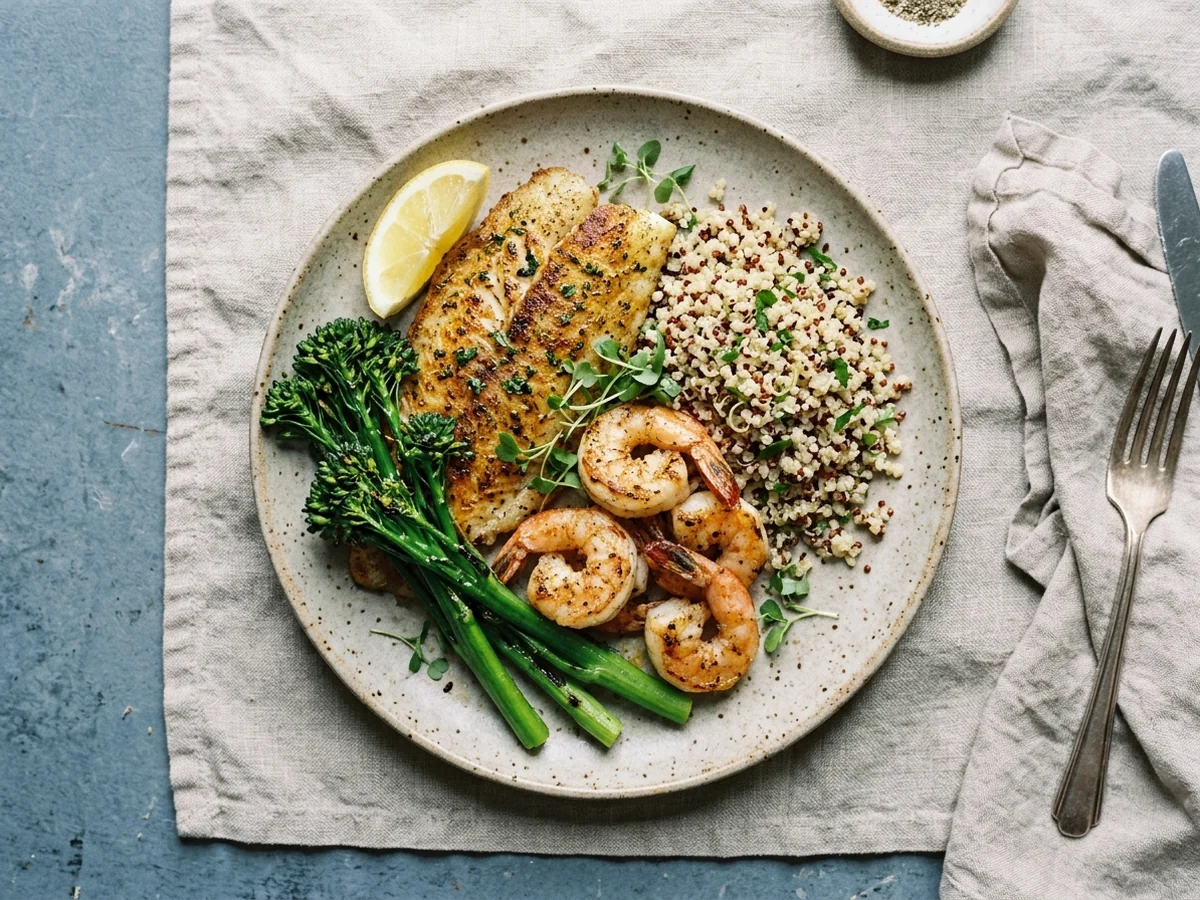
Fried catfish and shrimp paired with sautéed broccolini create a plate that balances protein, healthy fats, and micronutrients while keeping overall calorie density moderate. Understanding the nutrient profile helps you decide how the dish fits into a high‑protein, clean‑eating plan.
| Ingredient | Protein | Fat | Carbohydrate | Key Micronutrients |
|---|---|---|---|---|
| Catfish (breaded, pan‑fried) | moderate | low‑to‑moderate | minimal | selenium, vitamin B12 |
| Shrimp (tempura‑style, fried) | high | low | minimal | iodine, vitamin D |
| Broccolini (sautéed) | low | very low | low | vitamin C, vitamin K, calcium |
Why the nutrients matter
- Protein density , Both catfish and shrimp supply essential amino acids that support muscle repair and satiety, making the dish suitable for active lifestyles.
- Fat control , Using a light coating and a modest amount of oil keeps the fat contribution in line with recommendations from the American Heart Association for low‑fat fried fish nutrition.
- Micronutrient boost , Broccolini adds vitamin C for antioxidant protection, vitamin K for bone health, and calcium, while the seafood contributes selenium, iodine, and vitamin D, nutrients often lacking in typical Western diets.
Practical steps to maximize nutrition
- Pat the catfish fillets and shrimp dry before coating. This reduces the amount of oil the breading will absorb.
- Use a mixture of whole‑grain flour, a pinch of salt, and spices from McCormick Spice Company for flavor without excess sodium.
- Heat a thin layer of oil (such as avocado or canola) to medium‑high. When the oil shimmers, add the breaded pieces; avoid crowding the pan to keep the temperature steady.
- For the broccolini, sauté in a separate skillet with a splash of broth or water instead of additional oil. Finish with a squeeze of lemon and a sprinkle of black pepper for brightness.
- Serve immediately to preserve the crisp texture and the heat‑sensitive vitamins in the broccolini.
Common mistakes and how to avoid them
- Over‑coating , A heavy breading traps oil and raises the fat content. Keep the coating thin and shake off excess flour before frying.
- Cooking at too low a temperature , This leads to soggy crust and longer oil exposure. Maintain a steady medium‑high heat and monitor the color; a golden hue signals readiness.
- Neglecting the vegetable , Over‑cooking broccolini destroys vitamin C. Sauté for just 3, 4 minutes until bright green and tender‑crisp.
- Adding too much salt , Season seafood lightly and rely on herbs such as thyme or dill for flavor, aligning with FDA Food Safety Guidelines for sodium intake.
By focusing on a light breading, controlled oil use, and quick‑cook vegetables, this fried catfish and shrimp with broccolini dish delivers a balanced mix of protein, low‑fat calories, and essential micronutrients while staying true to the clean‑eating ethos of One Pan.
Frying Mistakes & Fixes
Frying Issues
To keep the crust crisp and avoid a mess, control moisture and temperature throughout the pan.
- Pat the fish and shrimp dry with paper towels before coating; excess water creates steam that softens the breading.
- Use a thermometer to keep oil between 350°F and 375°F; overheating causes the coating to burn while under‑heating leads to soggy seams.
- Do not crowd the skillet; adding too many pieces drops the oil temperature and results in uneven browning.
- Place the coated seafood on a rack or paper‑lined tray after frying rather than letting it sit in the oil, which can re‑absorb grease.
- Season the coating lightly after frying, not before, to prevent salt from drawing moisture out of the crust.
Broccolini Over‑cooking
Watch the green spears closely; once they turn vivid green and stay tender‑crisp, they’re done.
- If the stems become mushy and the florets lose their bright color, the vegetable has been over‑cooked.
- Immediately transfer over‑cooked broccolini to a bowl of ice water to halt further cooking and preserve texture.
- After shocking, drain and pat dry, then finish with a quick sauté of garlic and a splash of lemon to revive flavor.
- For future batches, reduce the sauté time by a minute and keep the heat medium‑high so the spears stay firm.
Spicy Variation for Catfish & Shrimp
Spice Variations
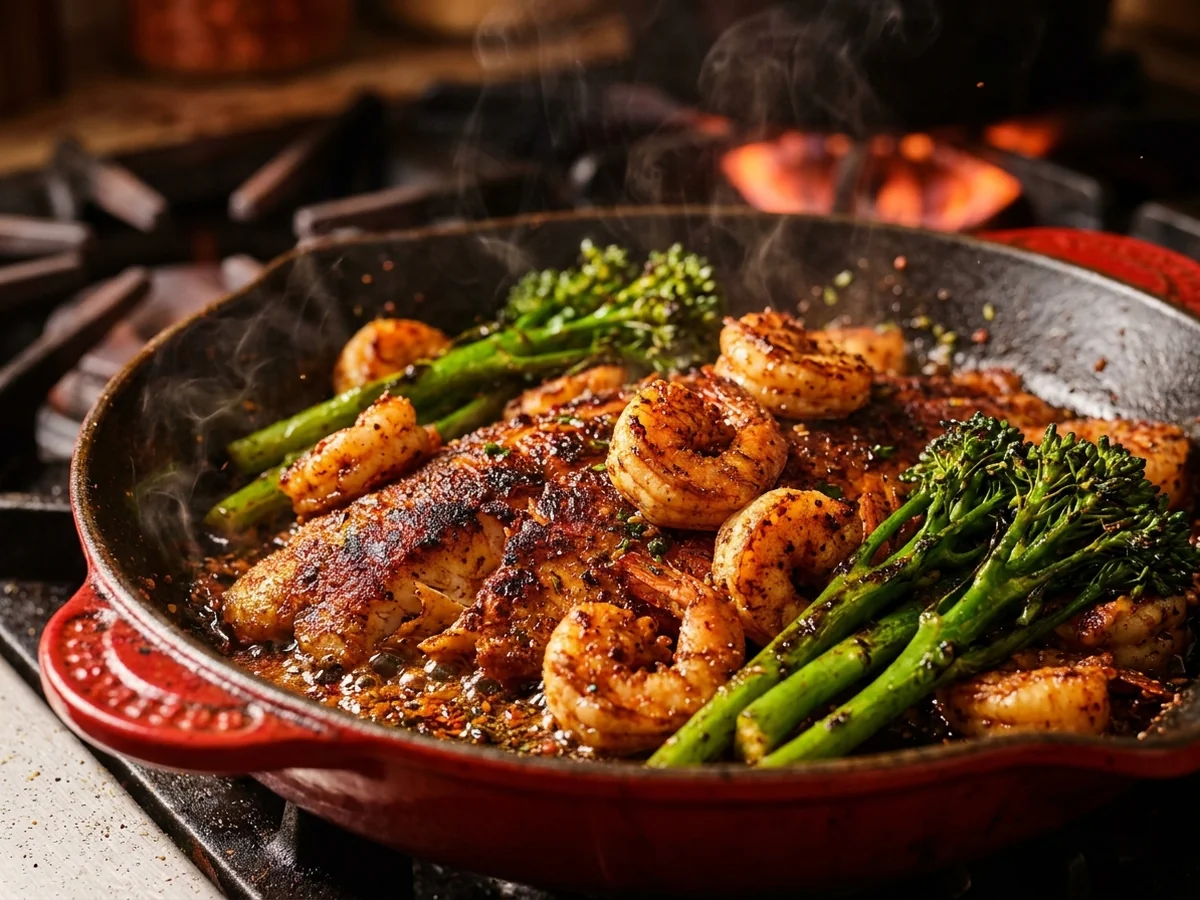
Swap the classic seasoning for a Cajun blend from McCormick Spice Company to give the fish and shellfish a bold, peppery kick. The mix typically includes paprika, garlic powder, onion powder, cayenne, and thyme, which creates a balanced heat without overwhelming the delicate flavors.
If you prefer a milder profile, try a Creole rub that adds oregano and a touch of dried basil. This combination still delivers the Southern character but with a subtler spice level, making it suitable for diners who enjoy a gentle warmth.
For a bright, citrus-forward twist, coat the catfish and shrimp with lemon‑pepper seasoning. The fine zest and cracked black pepper highlight the natural sweetness of the seafood while keeping the dish light and refreshing.
Side Dish Ideas
Serve the crispy seafood alongside a slice of warm corn‑bread. The slightly sweet crumb pairs naturally with the seasoned crust and helps balance any residual heat from the spices.
A quinoa salad tossed with diced cucumber, cherry tomatoes, and a drizzle of olive oil offers a nutritious, protein‑rich side. The neutral grain lets the bold flavors of the main dish shine without competing for attention.
For a quick, crunchy contrast, prepare a simple coleslaw using shredded cabbage, carrots, and a light vinaigrette. The acidity of the dressing cuts through the fried coating, providing a refreshing bite after each mouthful.
FAQ
Can I bake the catfish instead of frying?
Yes, you can bake the catfish for a lower‑fat version; set the oven to 425°F and bake for 12‑15 minutes until the flesh flakes easily. Baking won’t give the same crisp crust as frying, so you may finish with a quick broil or a light dusting of cornmeal for texture.
What oil has the highest smoke point for this recipe?
Avocado oil has one of the highest smoke points, typically around 520°F, making it ideal for the high heat needed to fry catfish and shrimp. Using an oil with a high smoke point helps prevent off‑flavors and keeps the crust golden without burning.
How long can leftovers be stored safely?
Store cooked catfish, shrimp, and sautéed broccolini in airtight containers in the refrigerator for up to three days, following FDA Food Safety Guidelines. Reheat to an internal temperature of 165°F to ensure safety before serving.
Is frozen shrimp suitable for this dish?
Frozen shrimp works well as long as it’s fully thawed and patted dry before coating. Thawing in the refrigerator overnight preserves texture, and removing excess moisture helps achieve a crisp exterior during frying.
Can I substitute kale for broccolini?
You can replace broccolini with kale, but adjust the cooking method; kale benefits from a longer sauté to soften its leaves. Add the kale a minute or two earlier than broccolini would be added, and consider a splash of broth to prevent it from drying out.
Conclusion
Fried catfish and shrimp with broccolini delivers a quick, high‑protein dinner that fits a busy schedule without sacrificing flavor. The crusted seafood and bright, sautéed greens come together in under 30 minutes, making it easy to enjoy a satisfying Southern‑style meal any night of the week. Give the recipe a try, snap a photo of your plate, and share how it turned out with fellow home cooks. Your feedback helps keep the community inspired to create more stress‑free, protein‑packed dishes.
You might also like: Steak Fajitas Recipe: Sizzling Mexican Dinner