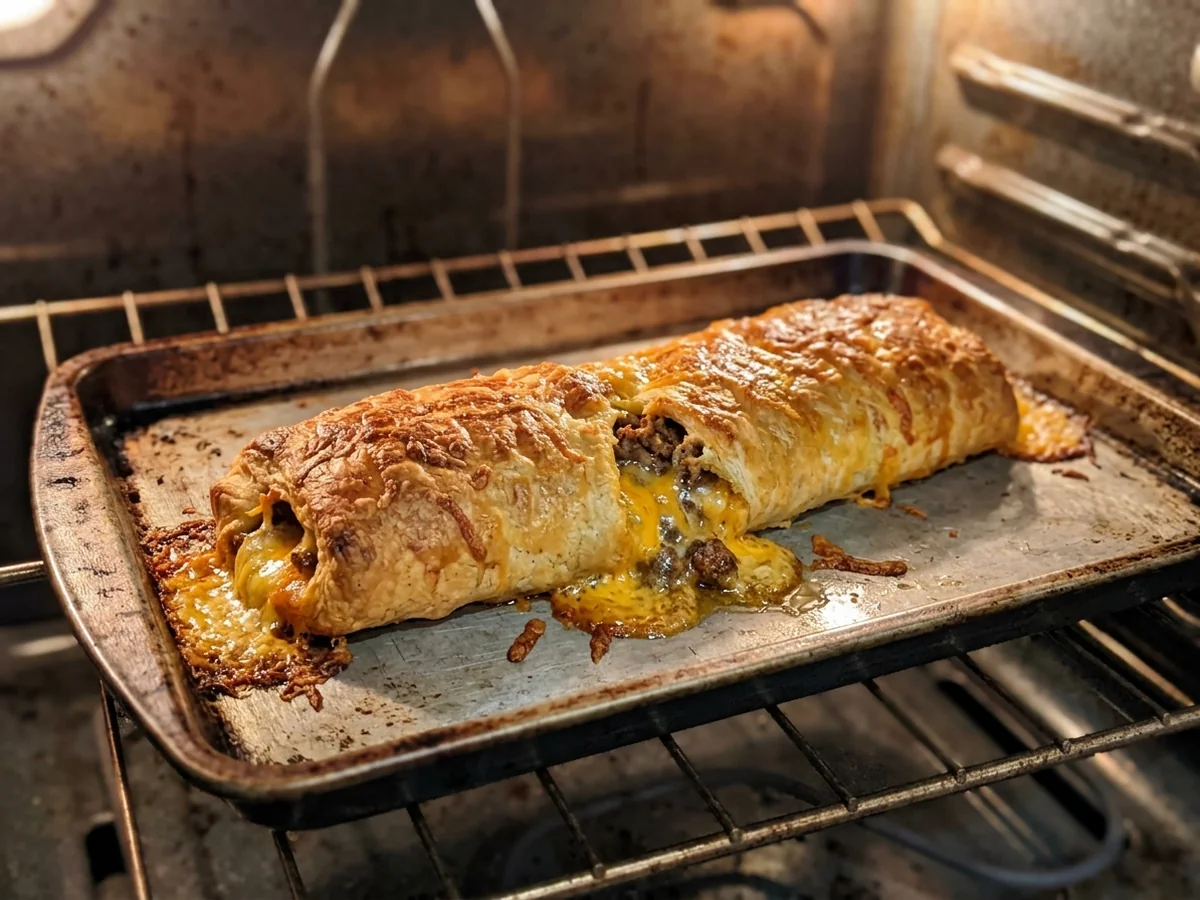
Ground Beef and Cheese Roll Recipe
Introduction to Ground Beef and Cheese Rolls
A ground beef and cheese roll makes a comforting family meal option that brings warm, savory flavors to the dinner table. Busy weeknights demand quick preparation and simple ingredients, which helps you get dinner ready without extra stress. You can rely on an easy ground beef and cheese roll when schedules get hectic and everyone wants something hearty.
This guide covers everything you need to know about assembling and baking this satisfying dish at home. You will learn how to prepare the filling, roll the ingredients securely, and bake the dish until golden and bubbling.
Ground Beef and Cheese Ingredients
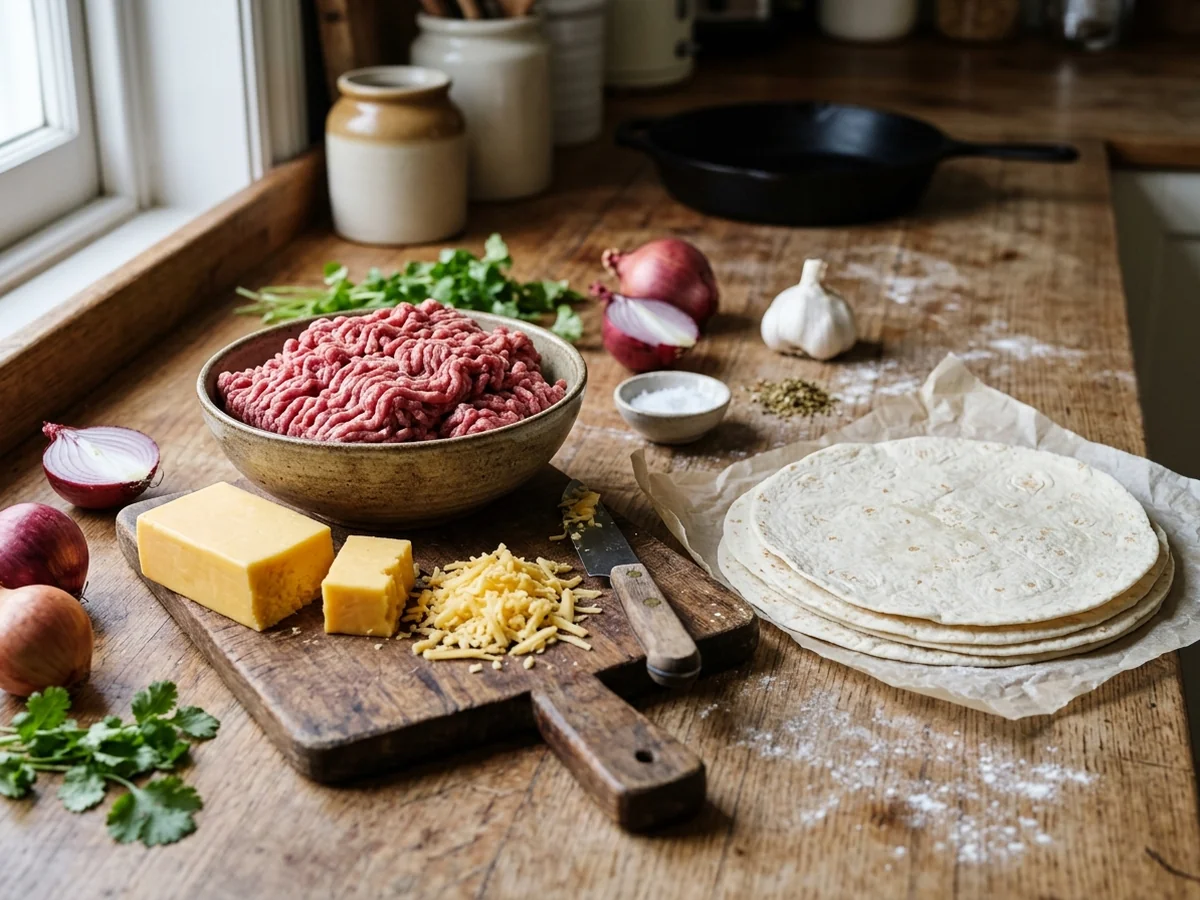
Creating a savory ground beef and cheese roll starts with selecting quality ingredients that bring rich flavor and reliable melting textures together. Busy weeknight dinners require simple components that come together fast without sacrificing taste or family satisfaction. Preparing a successful meal begins with understanding how each component contributes to the final dish, ensuring every bite delivers the comfort your household expects from a quick family dinner.
Home cooks and busy parents looking for an easy, family friendly dinner recipe will find that having the right items on hand makes preparation seamless. Selecting the correct cuts and dairy varieties prevents common kitchen frustrations and guarantees a satisfying result every time.
Core Protein and Dairy Components
The foundation of any satisfying ground beef and cheese roll ups recipe relies on a balance of hearty meat and high melting cheese. Ground beef forms the savory protein base of the filling, offering a deep and satisfying flavor profile when properly browned. To achieve the best texture, cook the meat thoroughly until no pink remains, keeping safety in mind according to guidelines from the USDA Food Safety and Inspection Service. Always drain any excess grease thoroughly so your meal stays light rather than greasy.
Pairing the meat with the right dairy selection elevates the dish significantly. Cheddar cheese adds a bold, distinct tang that stands up well against rich meat and creates a flavorful melt. Meanwhile, Mozzarella cheese brings a stretchy texture and mild dairy notes that help bind the filling together inside your tortilla wraps with ground beef and cheese. Combining these two cheeses creates a complex flavor profile that appeals to both adults and children.
Wrappers and Alternative Doughs
Choosing the correct outer layer is essential for holding your easy ground beef and cheese roll together during the cooking process. Standard flour tortillas act as a pliable base wrapper to hold all the ingredients securely during baking or pan frying, bending easily without tearing. If you prefer a different texture, alternative dough options like crescent sheet dough work well if you prefer a flaky, golden crust instead of flatbread.
Essential Kitchen Tools
Having the right cookware simplifies the preparation process and improves the final texture of your ground beef tortilla roll ups recipe. A heavy cast iron skillet helps develop a rich, even sear on the meat without creating hot spots, which is vital for proper browning and flavor development. Once the assembly phase is complete, a reliable baking sheet handles the final oven phase, allowing the cheese to bubble and the outer wrap to achieve a golden finish.
Getting the preparation right is the key to achieving the best flavor and texture for your ground beef roll ups with mozzarella. Always brown the meat thoroughly over medium heat, drain any excess grease, and ensure the filling reaches a fully cooked state before mixing in your dairy items. A common mistake is adding wet ingredients or un-drained grease to the dough, which leads to a soggy crust. Take time to drain the protein fully and let it cool slightly before rolling to keep your wraps intact and delicious.
Preparing and Seasoning the Ground Beef and Cheese Roll Filling
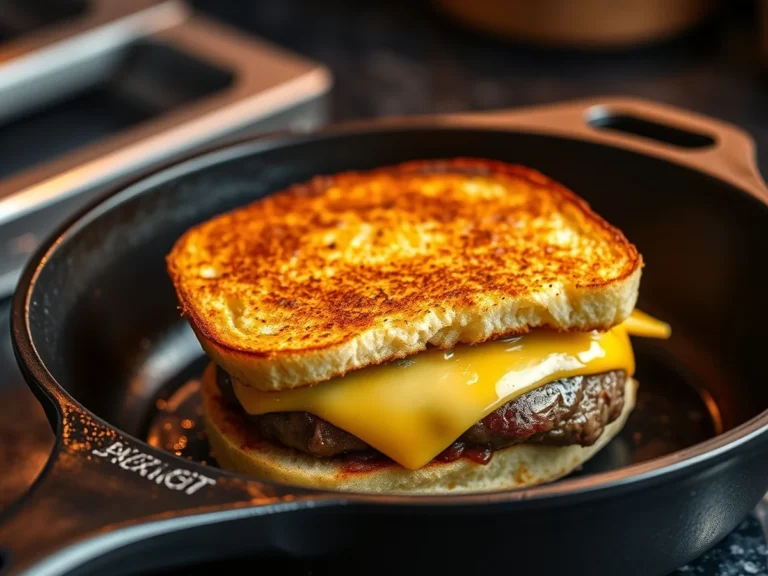
Preparing the savory meat mixture for your easy savory beef meal begins by thoroughly browning the protein in a hot skillet until no pink remains. A properly heated pan helps develop rich flavor as the meat cooks, while draining any excess fat keeps your finished dish from becoming overly greasy. Home cooks often like to use a cast iron skillet for this step to achieve an even sear before adding vegetables and spices.
Customizing the filling is simple when you incorporate aromatic pantry staples and fresh ingredients. You can toss diced onions, bell peppers, or minced garlic directly into the pan while the meat browns to build extra moisture and texture. Blending in dried herbs or spices elevates the savory profile before you fold in shredded Cheddar cheese or prepare ground beef roll ups with mozzarella.
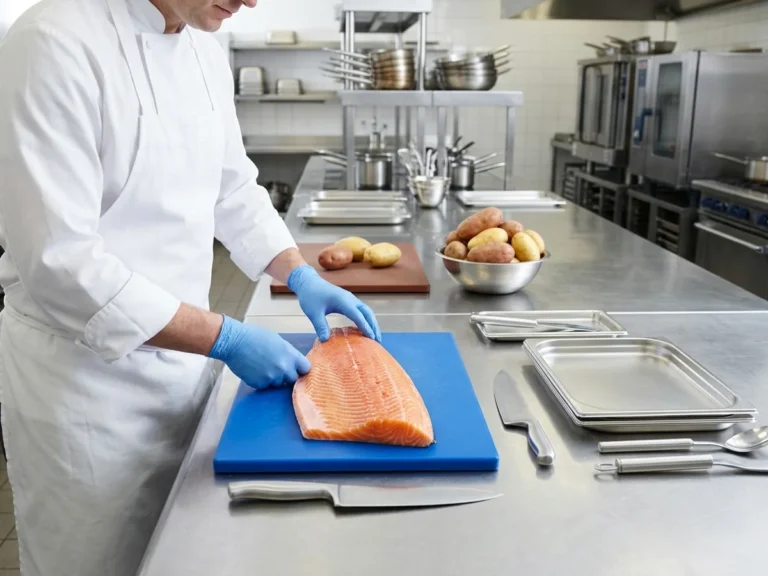
Following proper kitchen safety guidelines ensures your meal is handled correctly from package to plate. You should always verify that the meat reaches a safe internal temperature during the cooking process, adhering to recommendations from the USDA Food Safety and Inspection Service. Maintaining clean hands, sanitized utensils, and separate cutting boards also prevents cross-contamination in the kitchen, keeping your family dinner safe and stress-free.
A common mistake during preparation is adding wet ingredients or excess moisture to the hot skillet, which can make flour tortillas soggy once assembled. To avoid this, cook off all the liquid completely before mixing in your cheeses or spooning the filling onto tortilla wraps with ground beef and cheese. Proper cooling of the skillet mixture slightly before rolling also prevents the cheese from melting prematurely, ensuring your ground beef tortilla roll ups recipe bakes up neatly.
Dough Handling and Assembly Techniques
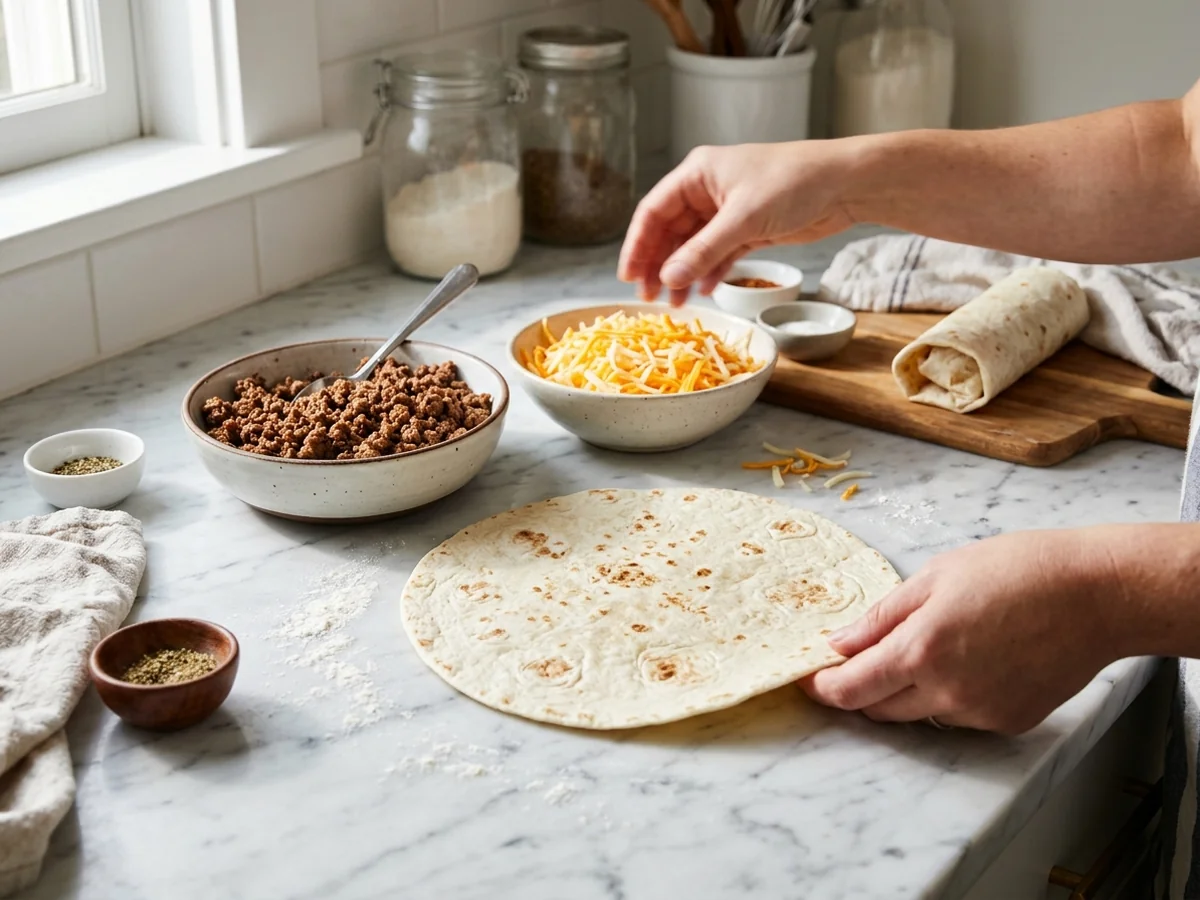
Mastering the preparation process for a simple savory meat and cheese wrap starts with managing moisture to keep your flour tortillas firm and stable. Excess grease from browned meat is the primary cause of soggy textures. Draining the meat thoroughly in a cast iron skillet and letting it cool slightly before assembly prevents trapped steam from breaking down the base of your meal.
When working with tortilla wraps with ground beef and cheese, layering order matters significantly for structural integrity. A common mistake is piling wet ingredients directly onto the dough, which leads to tearing during baking. Instead, apply a light dusting of shredded Cheddar cheese or Mozzarella cheese first. This creates an effective moisture barrier before you add the seasoned meat in an even strip, topped by a final layer of dairy.
Preventing Soggy Textures
Home cooks often struggle with liquid release when the protein is too hot or contains residual fat. Letting the filling cool down for a few minutes before spooning it onto the dough stops condensation from forming inside the wrap. If you notice excess liquid pooling in your skillet after browning, blot it gently with a paper towel before mixing in your spices. This extra step protects the structural integrity of your ground beef tortilla roll ups recipe and ensures a clean bite.
Securing the Roll
Rolling each portion tightly ensures the savory filling stays intact throughout the cooking process. When constructing a cheesy savory bake, tuck the sides inward firmly as you roll to seal the edges completely and prevent leaks. Placing your assembled items seam side down on a lined baking sheet helps hold the shape securely in the oven without needing toothpicks or extra fasteners.
Paying attention to these details during assembly transforms a basic ground beef roll ups with mozzarella or cheddar into a reliable, stress free family dinner. Whether you are preparing a quick weeknight batch of a savory skillet wrap or planning ahead, proper technique guarantees a clean slice and a satisfying texture every time.
Baking Temperatures and Achieving the Golden Crust
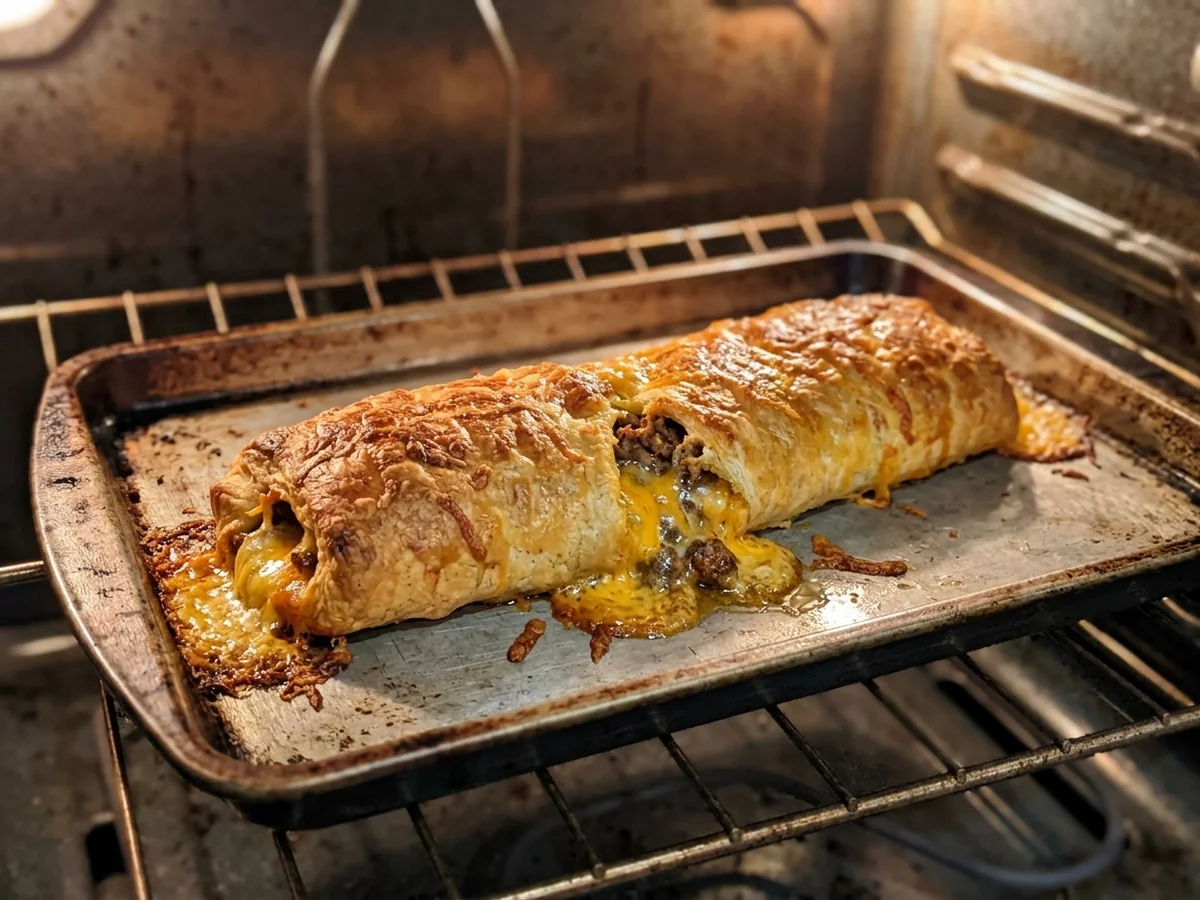
Baking requires proper oven settings and a prepared baking sheet to ensure heat distributes evenly across the entire dish. You want the appliance fully heated before the food goes inside. This step helps the exterior cook uniformly without drying out the interior, which is especially important when preparing a savory baked dinner for the family.
Positioning your baking sheet on the center rack of the oven creates ideal air circulation around your savory baked meat and melted cheese bundles. Lining the metal surface with parchment paper also prevents sticking and promotes steady browning without burning the bottom layer.
Monitoring your dish closely helps you spot the exact moment the cheese begins bubbling and the exterior turns golden brown. Visual cues matter more than strict clock watching since every kitchen appliance heats slightly differently. Watch for a rich color to develop on the edges of the pastry while keeping an eye on your oven baked meal.
Checking the internal temperature ensures the beef and cheese filling is completely safe to eat. Meat fillings must reach the proper internal doneness standard before serving to protect your family. Inserting a food thermometer into the thickest part of the filling provides an accurate reading without guessing.
Common mistakes during baking include placing the pan too close to the heating elements, which causes the edges to burn before the center finishes cooking. Another frequent error is overcrowding the baking sheet, trapping moisture and preventing that desirable crispy texture from forming on your savory pastry bundles.
Make Ahead, Freezing, and Reheating Instructions
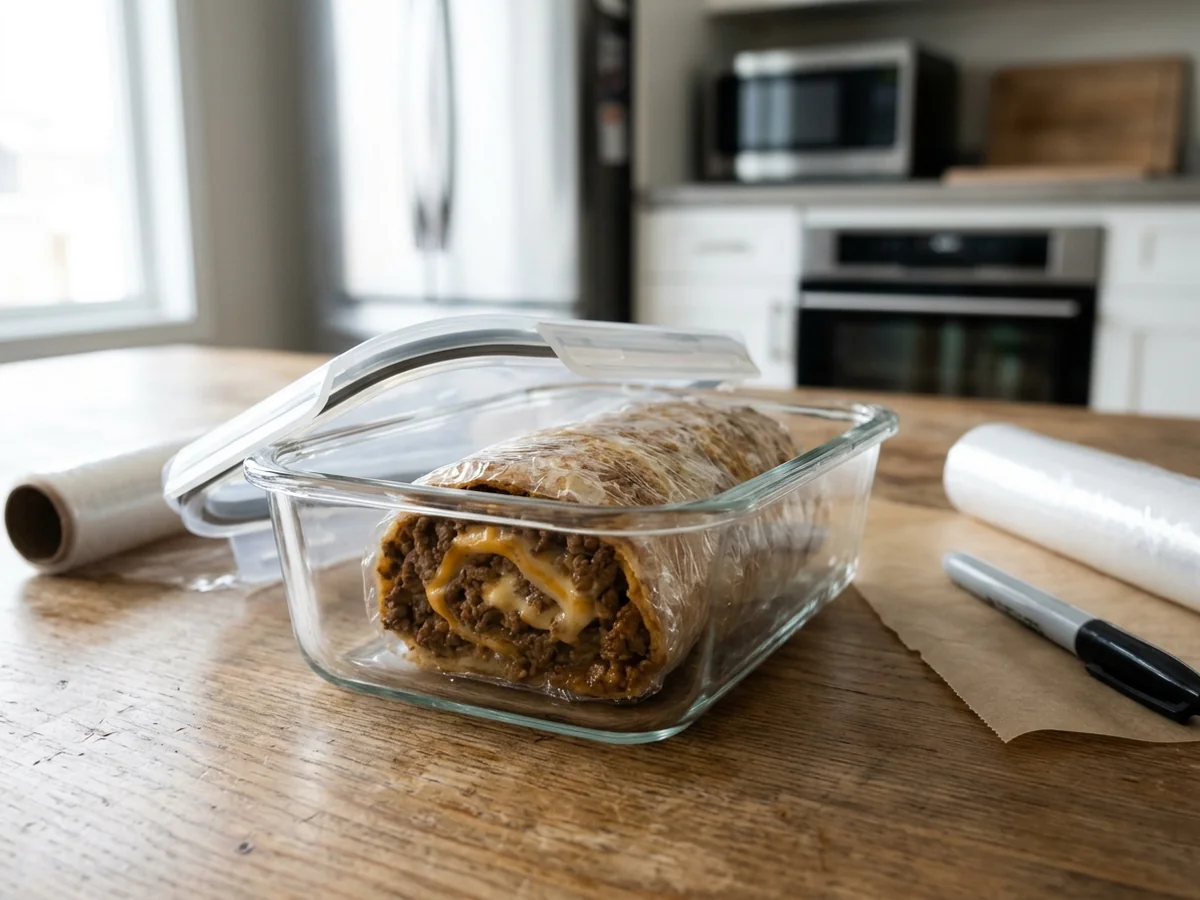
Preparing meals in advance helps busy households save time during hectic weeknights. When you want to streamline dinner preparations, you can assemble a savory meat and dairy pastry ahead of schedule and store it safely for later use. Proper storage methods protect the quality of your ingredients and prevent common texture issues like soggy tortillas or separating cheese.
To prepare your savory meal in advance, assemble the components completely but keep them unbaked. Place the uncooked rolls on a baking sheet lined with parchment paper and put them in the freezer for a brief period until they become firm. This initial freezing step prevents the individual pieces from sticking together. Once firm, transfer the frozen rolls into a suitable airtight container or freezer-safe bag. Keeping raw ingredients separate from fully cooked items also maintains proper food safety standards in your refrigerator or freezer.
When you are ready to serve your meal, you can bake them straight from the freezer or allow them to thaw in the refrigerator overnight. If you are handling leftover cooked portions, store them in a sealed container within the refrigerator and consume them within a few days for the best taste and texture.
Reheating requires the right approach to restore the original texture without drying out the meat filling. Using a conventional oven or a toaster oven works best for a baked savory roll variation because dry heat restores the crispy exterior of the baked pastry while keeping the inside warm and moist. If you use a microwave for a quick reheat, cover the food loosely with foil or a microwave-safe cover to prevent the melted cheese from becoming tough or rubbery.
- Assemble your savory rolls ahead of time and keep them unbaked in the refrigerator for a quick meal later in the week.
- Freeze uncooked portions individually on a baking sheet before transferring them to a sealed container.
- Store cooked leftovers in an airtight container in the refrigerator and eat them within a few days.
- Keep uncooked meat mixtures separate from other fresh ingredients to maintain proper food safety guidelines.
- Reheat leftovers in an oven or toaster oven to bring back the crisp outer texture.
- Cover the food loosely if using a microwave to prevent the cheese filling from drying out too quickly.
Common Assembly Mistakes to Avoid
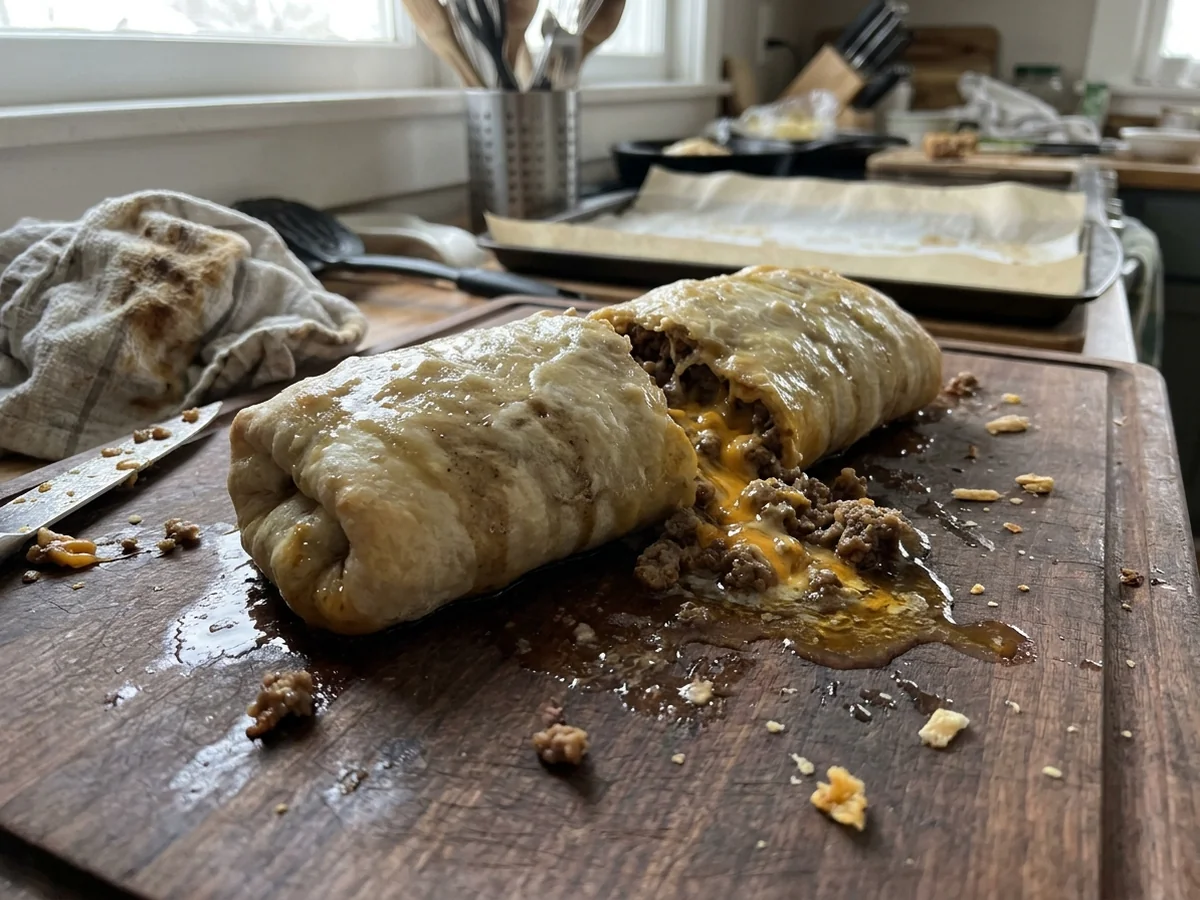
Making a satisfying savory beef and cheddar bake requires careful attention during the assembly stage. Even simple kitchen habits can impact the final texture of your meal, turning a crisp wrapper into a soggy disappointment. Understanding how to handle your ingredients properly prevents common frustrations and keeps your dinner intact.
Balancing Portions for Flour Tortillas
One frequent mistake is overloading the flour tortillas with too much meat and dairy. While a generous filling sounds appealing, packing too much inside stretches the wrapper thin and causes frustrating rips on the baking sheet. Keeping portions balanced ensures every savory beef and cheese portion holds its shape during cooking. Home cooks and busy parents preparing family dinners will find that measuring fillings prevents messy spills in the oven.
Managing Moisture and Dairy Selection
Another major pitfall involves moisture control. Failing to drain excess grease from the cooked beef mixture introduces extra liquid that ruins the texture of the dish. Similarly, choosing the wrong dairy can lead to pooled grease. Selecting quality cheddar cheese or mozzarella cheese that melts evenly without separating keeps your savory meat and cheese bakes from becoming overly wet. Proper browning in a cast iron skillet and thorough draining before mixing in the dairy solves most excess liquid problems.
Controlling Temperature and Edge Sealing
Temperature management also matters greatly before your meal goes into the oven. Spreading a piping hot meat mixture directly onto the dough without letting it cool slightly can weaken the wrapper prematurely. Letting the components settle slightly makes handling much easier.
Finally, improper sealing ruins even the best baked beef pastry preparation method. Packing ingredients right to the very edge without leaving a clean border makes it nearly impossible to seal the seams securely. Leaving a small clear margin around the edges allows you to press and lock the wrapper shut, ensuring a clean and tidy bake every time.
Customizing Your Filling and Cheese Options
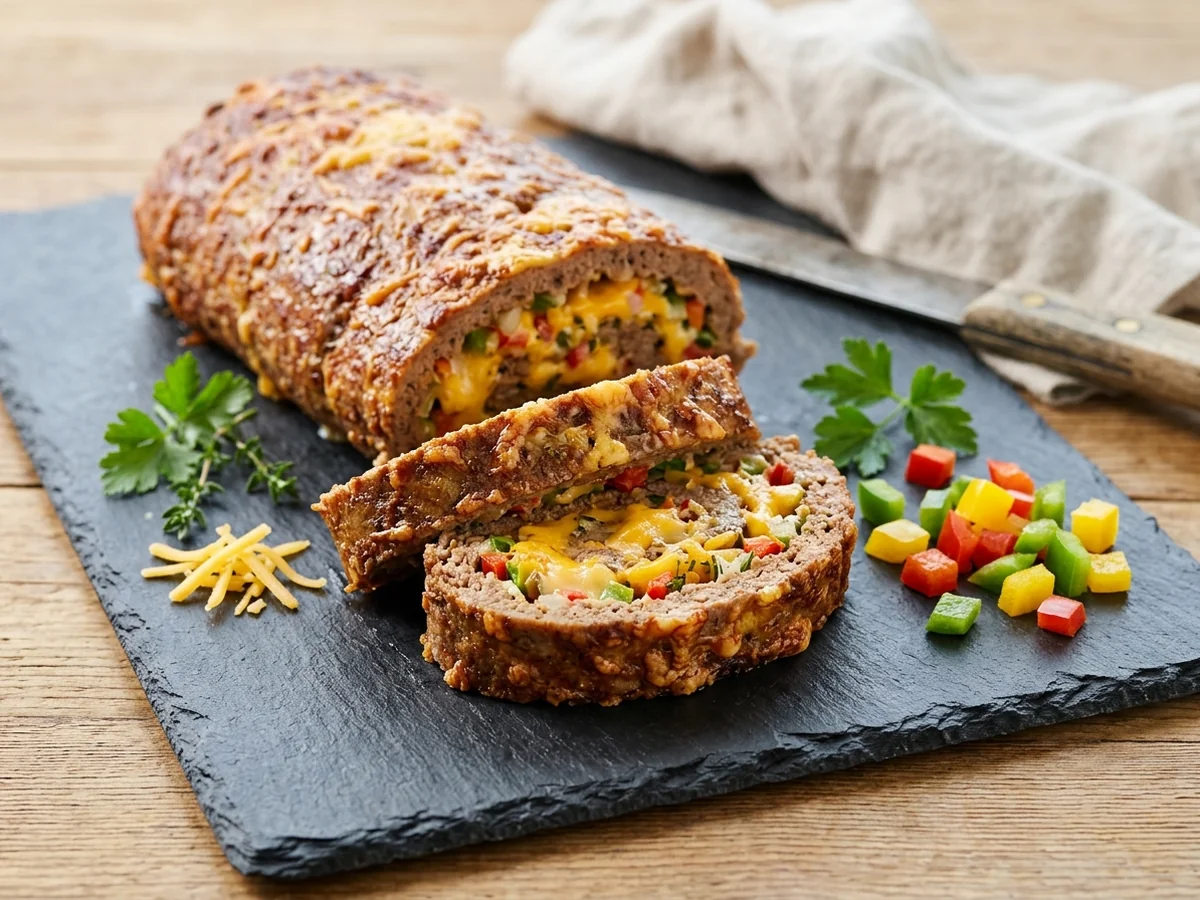
Tailoring the core meat and dairy mixture lets you easily match household tastes and dietary preferences when preparing a savory baked dinner. You can adapt the main components by incorporating fresh vegetables, changing the spice levels, or swapping out dairy types to keep weeknight dinners exciting for the entire family. Busy parents and home cooks appreciate how versatile a standard weeknight meal can be when accommodating picky eaters or clearing out the refrigerator.
Choosing the Right Cheeses for Texture and Flavor
Experimenting with different cheese varieties introduces a subtle kick or a creamy melt that elevates the entire meal. Mild dairy options keep the flavor approachable for younger eaters, whereas sharper cheddars or pepper jack cheese varieties transform savory beef parcels into a bolder culinary experience. Choosing the right melt quality ensures the filling stays cohesive and rich when baked inside flour tortillas. Cheddar cheese provides a sharp, savory depth, while mozzarella creates a stretchy texture that holds everything together nicely.
Adding Vegetables and Balancing Moisture
Adding ingredients like diced bell peppers, onions, or beans introduces extra texture, a hearty bite, and vibrant color to the dish. Diced vegetables soften nicely as they cook alongside the protein in a cast iron skillet, while adding canned beans increases fiber and creates a thicker, more satisfying consistency inside loaded tortilla bundles. A common mistake during customization is overloading the wrapper with too many wet ingredients, which can make the base soggy. To prevent this, drain excess moisture from cooked vegetables and protein before assembly. Balancing moisture with sturdy dairy elements ensures your meal holds its shape neatly during baking on a standard baking sheet.
Adjusting Spices and Seasoning Profiles
Adjusting spice levels to suit family preferences is straightforward when you rely on pantry seasonings like chili powder, cumin, or garlic flakes. Toning down the heat keeps dinner comfortable for kids, while adding extra warmth satisfies adults who enjoy zesty flavors. Following standard food safety guidelines helps ensure that any added ingredients are handled safely during prep work. By keeping flavor profiles flexible, you can turn a basic weeknight meal into a personalized comfort food favorite that satisfies everyone at the table.
Frequently Asked Questions
How do you make a cheesy ground beef roll?
Making a cheesy meat pastry starts by browning ground beef in a skillet and seasoning it to taste. Next, you mix in grated cheese like cheddar or mozzarella, spoon the savory mixture onto dough or flour tortillas, roll everything tightly, and bake until golden and bubbly.
What is a ground beef and cheese sandwich called?
A ground beef and cheese sandwich often goes by names like a sloppy joe melt, a cheeseburger sub, or a chopped cheese depending on the region and preparation style. When wrapped in dough or tortillas rather than traditional bread, it transforms into a hand-held baked meat pastry.
What to do with ground beef and rolls?
You can turn basic ground beef and dinner rolls into stuffed sliders, savory baked pocket sandwiches, or pull-apart bakes. Hollow out soft bread rolls, spoon in seasoned cooked meat with melted cheese, and pop them in the oven for a quick weeknight dinner.
What can I make with cheese and ground beef?
Cheese and ground beef make a dynamic pair for taco dips, stuffed bell peppers, cheesy pasta casseroles, and wrapped meat snacks. Combining these two simple ingredients creates a rich and filling base that pleases hungry crowds with minimal effort.
Conclusion and Serving Suggestions
Serving this warm meal satisfies any weeknight craving with minimal cleanup. Pair your savory savory baked wrap with a crisp garden salad or roasted vegetables to round out the plate. Favorite dipping sauces like salsa, ranch, or warm tomato marinara complement the savory flavors nicely. Feel free to experiment with different cheese blends or mix in chopped bell peppers and onions to suit your family preferences.
You might also like: Honey Lemon Pepper Wings Recipe