Garlic Butter Chicken with Creamy Ricotta Alfredo Pasta
Introduction
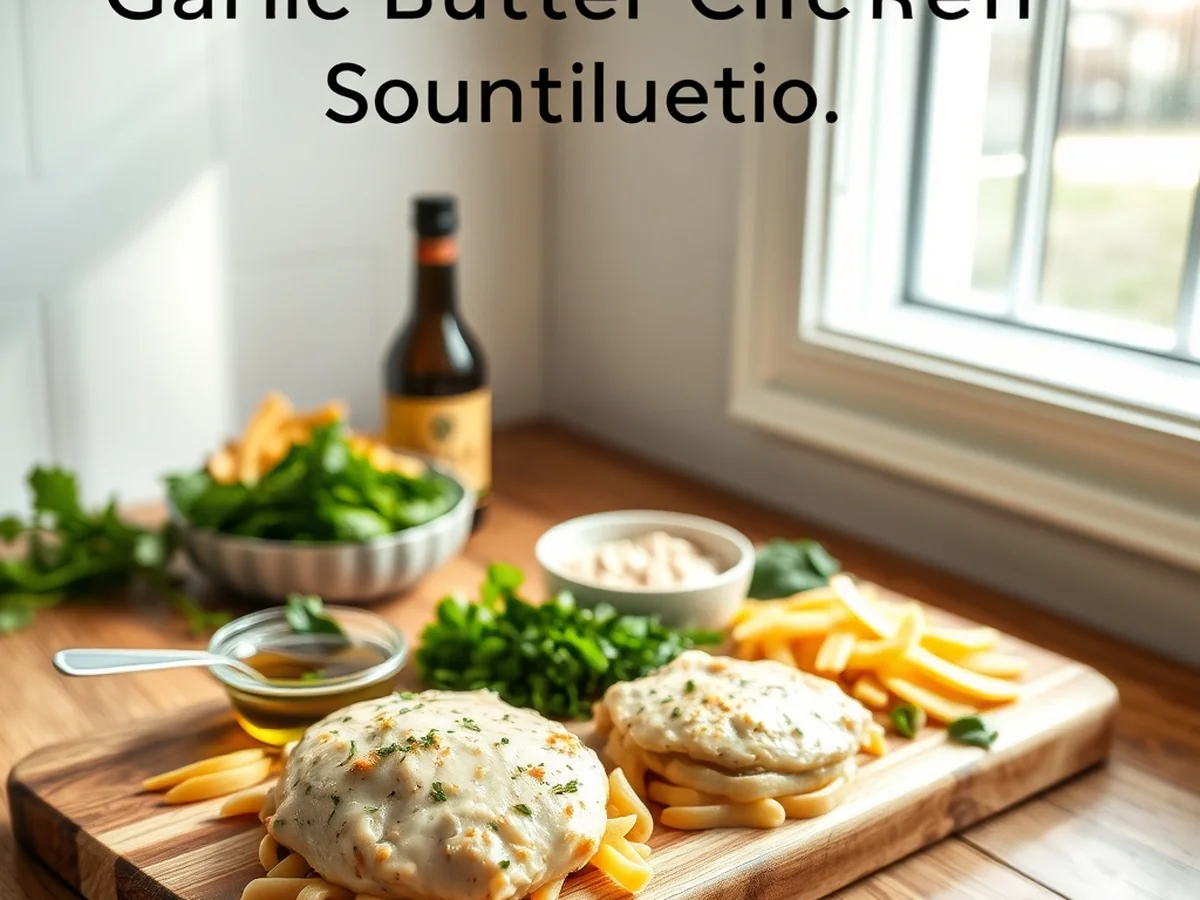
Garlic butter chicken with ricotta alfredo pasta is a comforting dinner that combines tender chicken, buttery garlic sauce, and a creamy pasta base. This guide provides a step‑by‑step recipe, cooking tips, and basic nutrition information.
The dish appeals to home cooks because it delivers rich flavor with just a few pantry staples and can be prepared in under an hour. Using olive oil, Parmesan cheese, and ricotta creates a silky sauce while the chicken stays juicy, making it an easy yet impressive dinner for busy weeknights.
Garlic Butter Chicken Ingredients
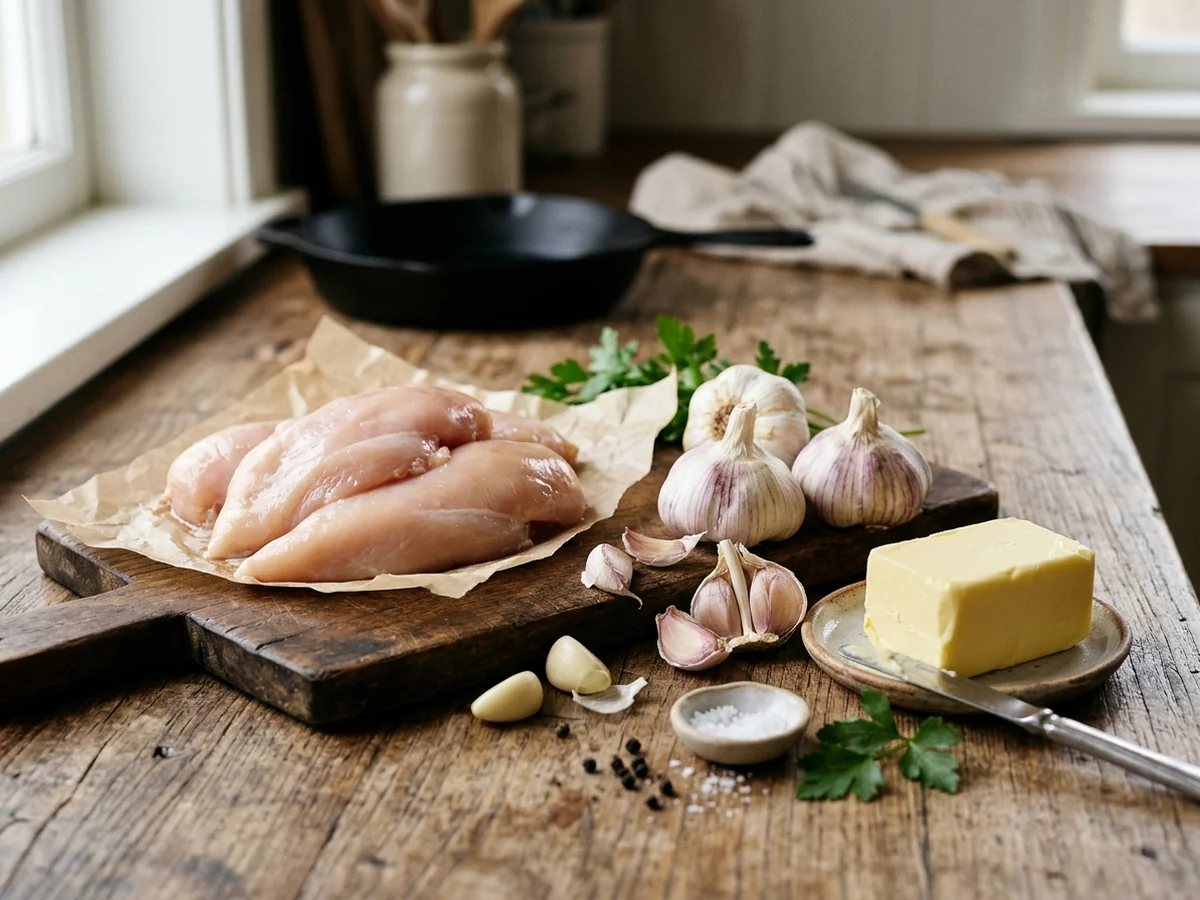
Preparing a balanced and flavorful garlic butter chicken with ricotta alfredo pasta starts with choosing ingredients that contribute both taste and nutrition. Below is a detailed look at each component, why it matters, how to select the best version, and pitfalls to avoid.
- Chicken breasts (boneless, skinless), The lean protein provides the foundation of the dish. Fresh breasts should feel firm to the touch, have a uniform pink color, and show no discoloration. Selecting a high quality product reduces the risk of bacterial contamination, a concern highlighted by FoodSafety.gov.
- Unsalted butter, Butter adds richness and carries the garlic flavor throughout the sauce. Using unsalted butter lets you control the final salt level. Choose butter from a reputable dairy source that lists a high butterfat content for a silkier texture.
- Garlic cloves, Fresh garlic gives the characteristic aromatic bite. Look for tight, unblemished cloves, because sprouted or soft cloves can introduce bitterness and may indicate age, reducing the potency of the allicin compounds.
- Olive oil (extra-virgin), A small amount of oil helps deglaze the pan after searing the chicken, releasing browned bits that deepen the sauce. Extra-virgin oil contributes fruit-forward notes and contains heart-healthy monounsaturated fats, a point noted by the American Heart Association.
- Low-sodium chicken broth, The broth adds moisture and savory depth without overwhelming the dish with salt. Using a low-sodium version lets you fine-tune seasoning, supporting the dietary recommendations of the USDA FoodData Central database.
- Pasta (fettuccine or linguine), Traditional egg-based pasta provides a sturdy surface for the creamy sauce. Durum-wheat semolina pasta holds its shape during cooking, preventing the noodles from becoming mushy in the alfredo mixture.
- Ricotta cheese (whole-milk), Whole-milk ricotta contributes a mild, creamy body to the alfredo sauce while keeping the protein content modest. The National Institutes of Health Nutrition data note that ricotta supplies calcium and vitamin A, which complement the meal nutritional profile.
- Parmesan cheese (freshly grated), Freshly grated Parmesan delivers a sharp, nutty flavor and helps thicken the sauce through its natural proteins. Purchasing a block and grating it yourself preserves aromatic oils that are lost in pre-grated packages.
Practical steps for optimal results
- Pat the chicken dry before seasoning, because excess moisture interferes with browning and can cause steaming rather than searing.
- Heat a mix of butter and olive oil over medium-high heat. The butter adds flavor, while the oil raises the smoke point, preventing the butter from burning.
- Cook the chicken until a golden crust forms on each side. This Maillard reaction creates flavorful browned bits that will later be incorporated into the sauce.
- Remove the chicken and deglaze the pan with low-sodium broth, scraping the fond from the bottom. This step unlocks the deep, caramelized flavor.
- Stir in minced garlic and let it soften briefly, because over-cooking garlic can turn it bitter.
- Add ricotta and a splash of pasta water, then whisk in grated Parmesan until the sauce reaches a smooth, velvety consistency.
- Combine the cooked pasta and sliced chicken with the sauce, tossing gently to coat evenly.
Common mistakes to watch for
- Using salted butter or pre-grated Parmesan can lead to an overly salty final dish.
- Cooking garlic at too high a temperature, as it should be fragrant, not browned.
- Adding the ricotta too early, because it can separate if exposed to high heat for too long.
- Over-cooking the pasta, since al dente noodles better absorb the creamy sauce without becoming soggy.
By selecting fresh, high quality ingredients and following these preparation tips, home cooks can create a delicious and nutritionally balanced meal.
Garlic Butter Chicken Cooking Steps
Preparing the Garlic Butter Chicken
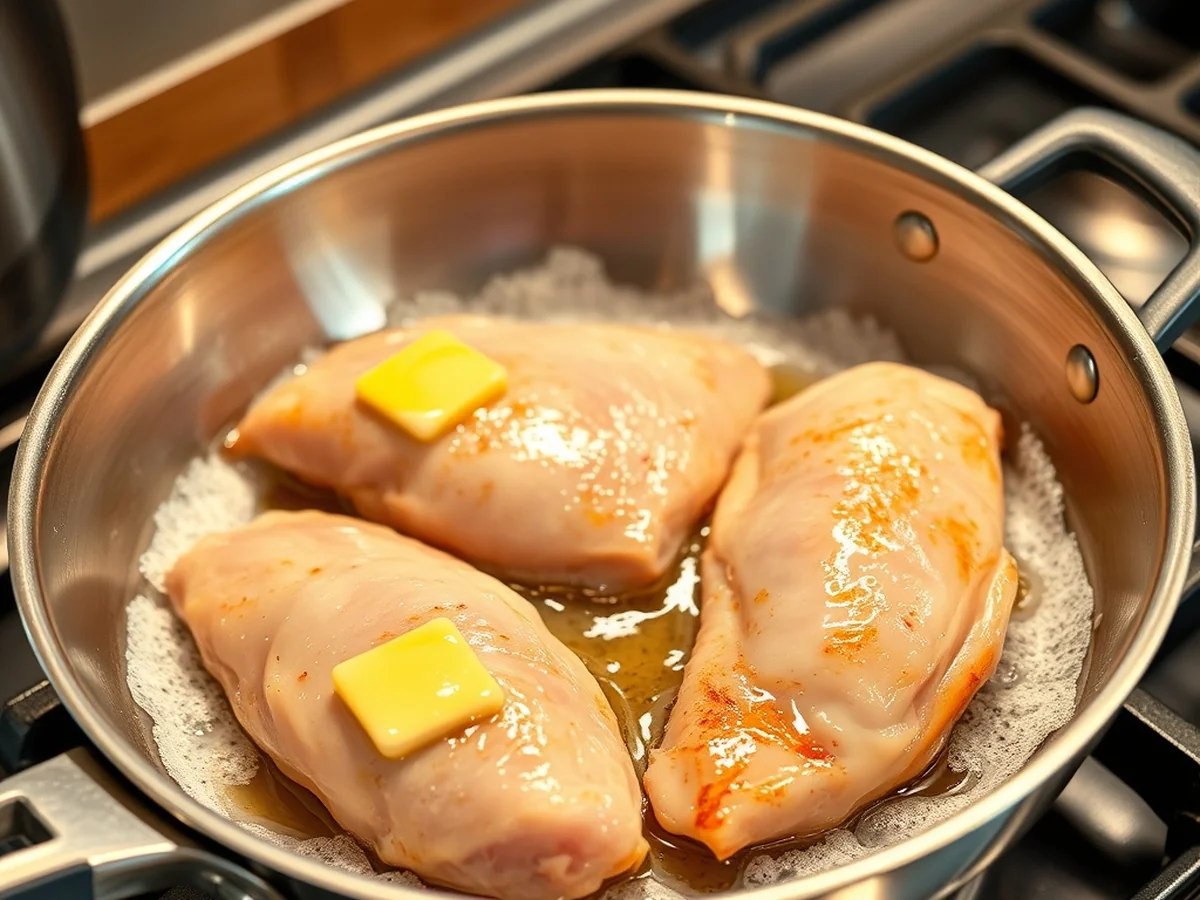
Pat the chicken breasts dry, then season both sides with salt and pepper. Heat a large skillet over medium-high heat and add a thin layer of butter, allowing it to melt and foam quickly to indicate the pan is hot enough for a sear.
Place the chicken in the pan and cook without moving it for about 4 to 5 minutes, or until the edges turn golden and release easily. Flip the pieces and lower the heat to medium, continuing to cook for another 4 to 5 minutes until the interior reaches a safe temperature. If the surface browns too fast, cover the skillet briefly to finish cooking without burning.
Making the Creamy Ricotta Alfredo Sauce
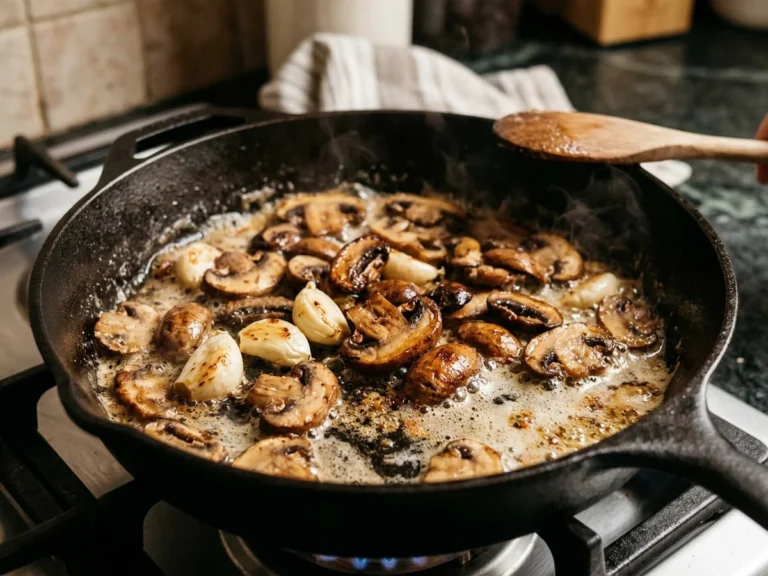
Remove the chicken and set it aside, then add a little extra butter to the same skillet. Reduce the heat to low, let the butter melt, and stir in minced garlic. Cook the garlic just until fragrant, about 30 seconds, being careful not to let it brown.
Pour in a splash of milk or cream, then whisk in ricotta cheese until the mixture is smooth and glossy. Add freshly grated Parmesan, a pinch of nutmeg, and a splash of olive oil for richness. Stir constantly and adjust the heat so the sauce thickens without boiling, which keeps the ricotta from curdling.
Combining Chicken and Pasta
While the sauce simmers, cook your pasta according to the package directions, reserving a cup of the cooking water. Drain the noodles and return them to the pot.
Pour the sauce over the pasta, tossing gently to coat. If the mixture seems thick, thin it with a little reserved pasta water until it reaches a silky consistency. Slice the rested chicken into strips and arrange it on top of the coated noodles.
Finish with a sprinkle of extra Parmesan and a drizzle of olive oil, then serve immediately. This method yields a golden-crusted chicken paired with a velvety sauce that clings to every strand of pasta, making for an easy chicken pasta dinner that feels both comforting and restaurant quality.
Garlic Butter Chicken Nutrition
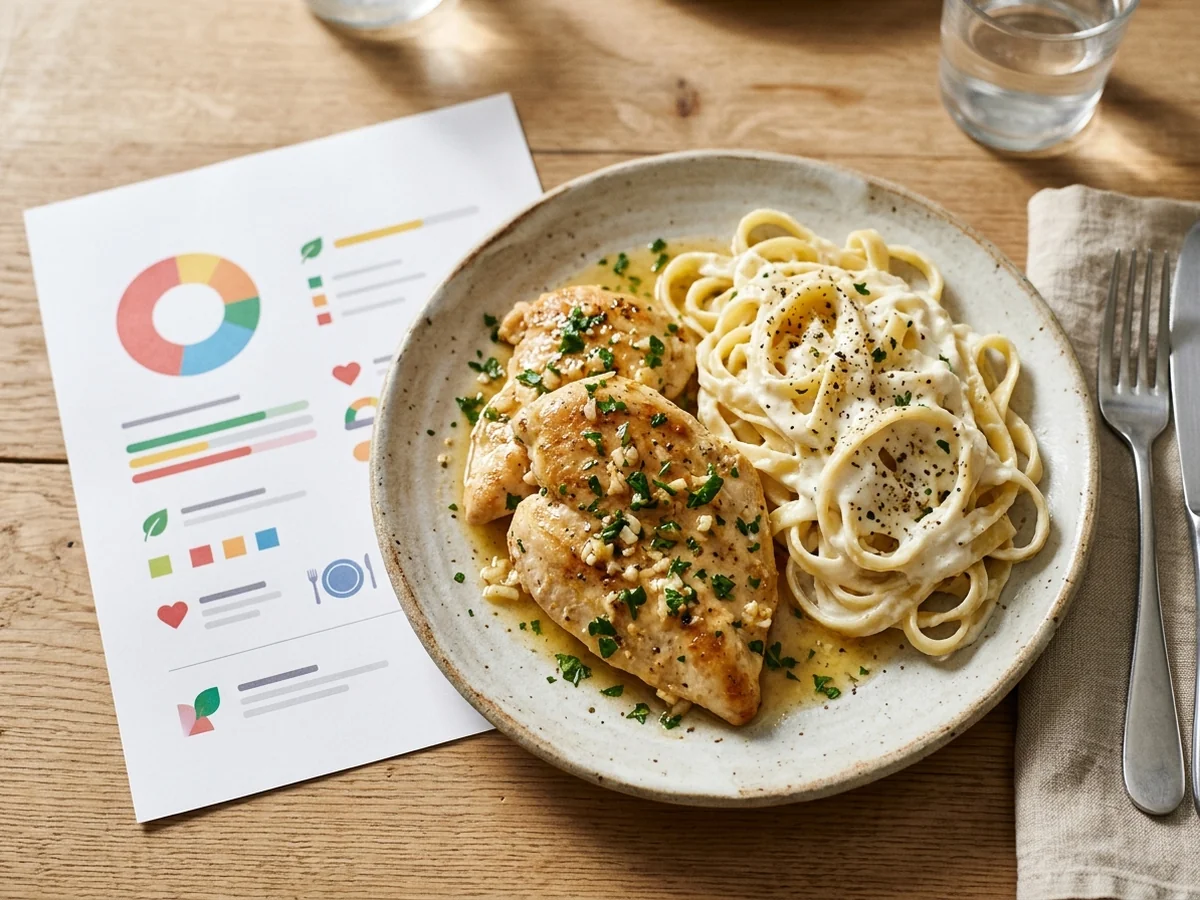
Understanding chicken pasta nutrition information involves looking at the combined components of poultry, dairy, and wheat. Ingredients such as chicken provide a significant amount of protein, while components like butter, cheese, and cream add notable fats and calories. Based on data from USDA FoodData Central for individual ingredients, rich sauces and pasta bases naturally increase the overall energy density of the meal compared to plain poultry.
| Component | General Contribution |
|---|---|
| Protein | Primary source from the poultry and cheeses |
| Fats | Contributed by butter, cream, and oil |
| Carbohydrates | Supplied mainly by the pasta base |
| Sodium | Found in cheeses and added seasonings |
Health guidelines generally suggest balancing meals that feature higher amounts of saturated fats and sodium by monitoring portion sizes and incorporating vegetables. Heart health recommendations often advise moderating intake of heavy dairy fats and refined grains, making portion awareness useful when enjoying rich comfort food dishes.
Garlic Butter Chicken Nutrition
This meal provides a combination of protein from the chicken and carbohydrates from the pasta, along with fats from the butter and cheeses. The nutritional profile of this creamy chicken dish consists primarily of proteins, fats, and carbohydrates.
Exact nutritional values for individual ingredients are typically sourced from USDA FoodData Central. When planning meals, reviewing chicken pasta nutrition information helps home cooks understand the balance of macronutrients in a serving.
| Nutrient | General Range or Level |
|---|---|
| Calories | Moderate to high |
| Protein | High |
| Fats | High |
| Carbohydrates | Moderate to high |
The recipe uses butter, ricotta cheese, and Parmesan, which means it contains significant levels of fats, particularly saturated fats. Health guidelines generally suggest limiting saturated fats to support long term wellness, so portion awareness can be helpful when enjoying rich homemade meals.
Garlic Butter Chicken Nutrition
`
* `
This meal provides a balance of high protein, moderate to high carbohydrates, and significant fats. The nutritional content varies based on the specific portions and brands of ingredients used.
`
* `
`
* `
Detailed chicken pasta nutrition information is often based on data from USDA FoodData Central. This database provides the standard values for raw and cooked ingredients like chicken breast, ricotta cheese, and wheat pasta.
`
Garlic Butter Chicken Safety Tips
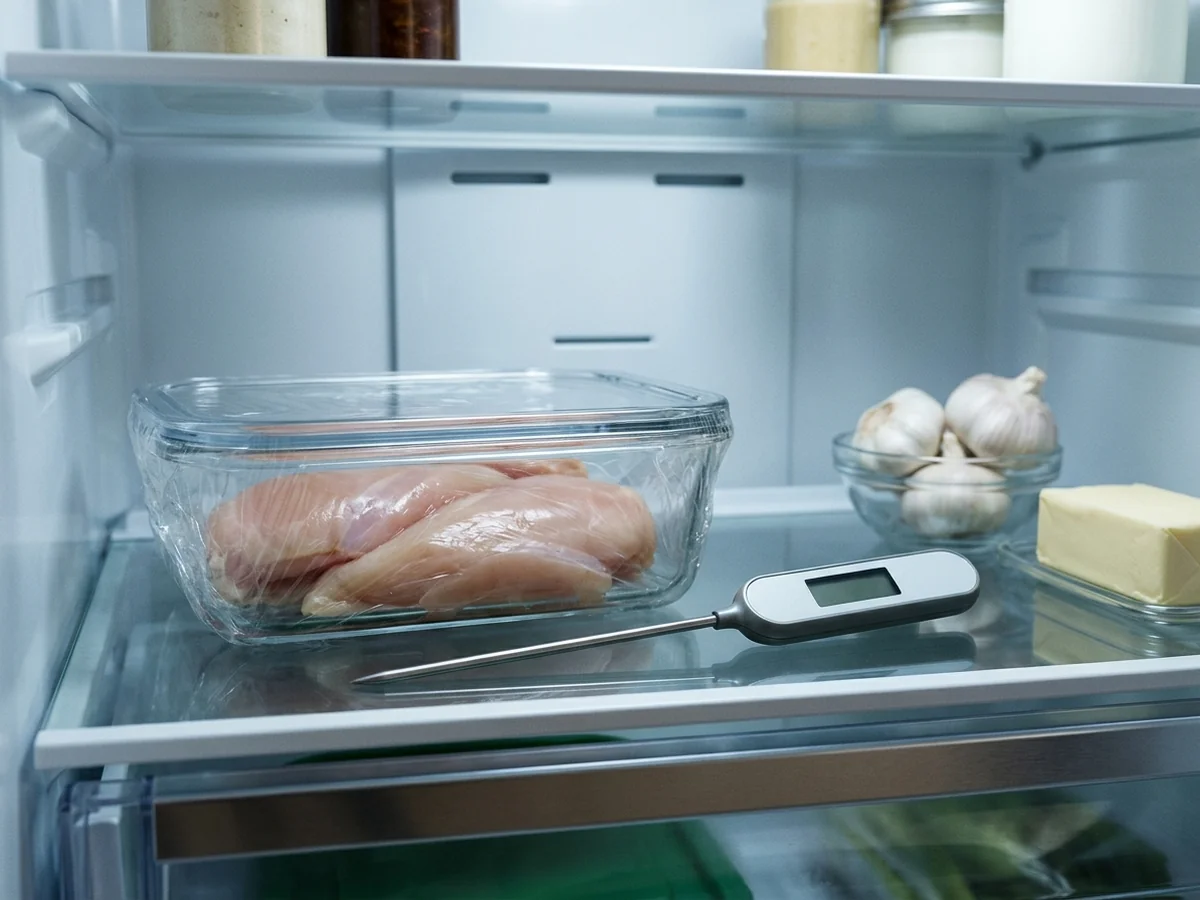
Handling the chicken correctly prevents food‑borne illness and keeps the dish delicious. Follow these practices from FoodSafety.gov to keep raw poultry safe from the moment you bring it home until it’s on the plate.
First, keep the chicken chilled at 40 °F (4 °C) or below. Store it in the refrigerator on the bottom shelf in a sealed container to avoid cross‑contamination with other foods. If you won’t cook it within two days, freeze it promptly; a freezer set at 0 °F (‑18 °C) maintains quality and safety.
When you’re ready to cook, thaw the chicken safely. The recommended methods are thawing in the refrigerator, using a cold‑water bath that’s changed every 30 minutes, or microwaving on the defrost setting. Cook the chicken to a safe internal temperature of 165 °F (74 °C) as measured with a calibrated food‑grade thermometer; this ensures harmful bacteria are destroyed.
After the meal, cool leftovers quickly and store them in shallow containers. Refrigerate within two hours of cooking and consume within three to four days. Reheat to the same 165 °F target before serving to maintain safety.
- Always wash your hands with soap and water for at least 20 seconds before and after handling raw chicken.
- Use separate cutting boards, knives, and plates for raw poultry and other ingredients to prevent cross‑contamination.
- Keep the refrigerator temperature at or below 40 °F and the freezer at 0 °F; check with an appliance thermometer regularly.
- Thaw frozen chicken in the fridge, in cold water that’s changed regularly, or in the microwave, never on the countertop.
- Cook the chicken until a meat thermometer reads 165 °F in the thickest part, avoiding any pink juices.
- Place cooked leftovers in shallow containers, refrigerate within two hours, and use them within three to four days.
- When reheating, heat the food to 165 °F throughout, stirring if necessary to eliminate cold spots.
Garlic Butter Chicken Substitutions
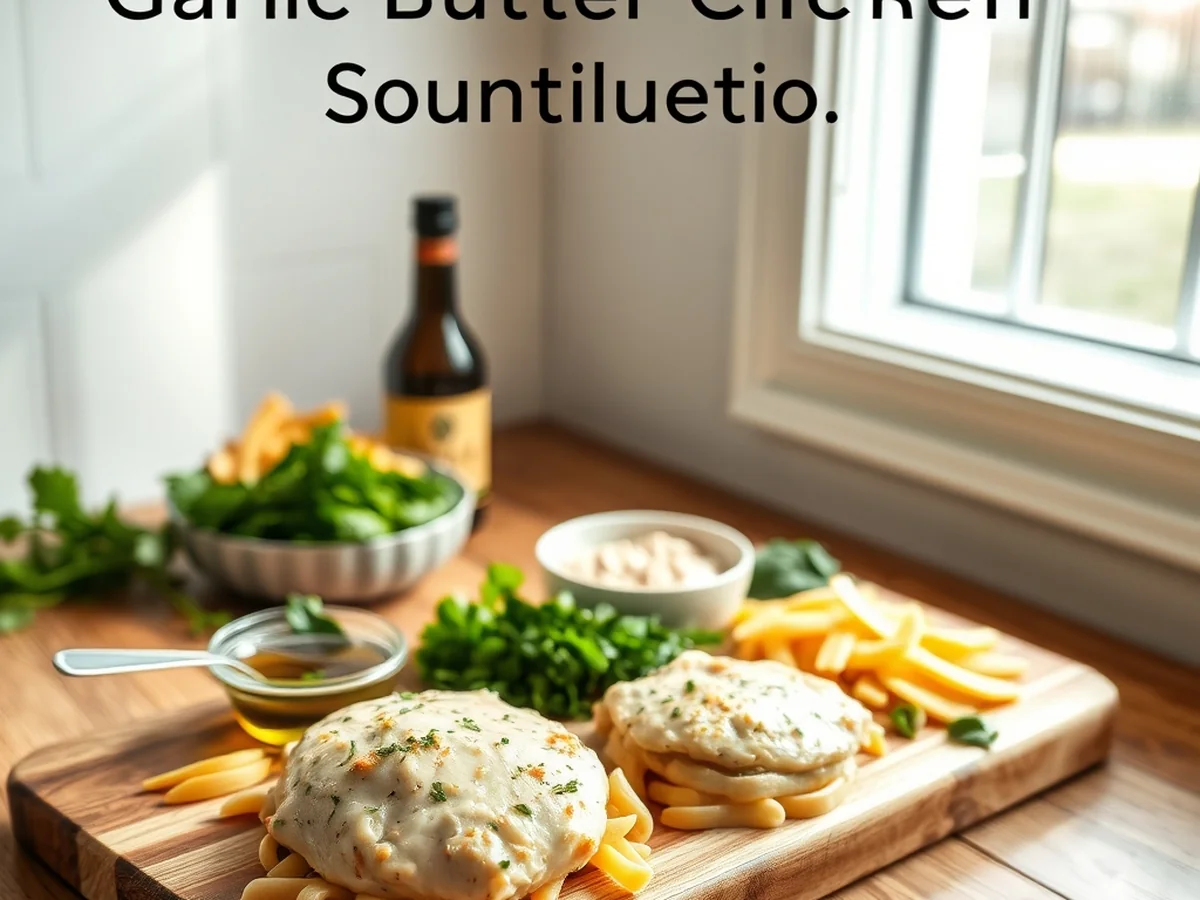
Customizing this easy chicken pasta dinner to match dietary preferences or pantry supplies is straightforward. Making simple ingredient swaps allows home cooks to lighten the meal, add extra produce, or accommodate food allergies while keeping the dish flavorful.
For those looking to adjust the fat profile, swapping butter for olive oil provides a lighter cooking base to sear the poultry. Olive oil brings a mild fruitiness that complements savory garlic notes. When modifying the sauce, replacing ricotta cheese with blended cottage cheese or plain Greek yogurt offers a different texture and flavor profile. Blending cottage cheese until completely smooth creates a consistency similar to ricotta, whereas Greek yogurt introduces a subtle tang to the creamy alfredo sauce.
Incorporating extra vegetables is another practical way to elevate the meal. Tossing in fresh spinach or tender broccoli florets increases the volume and nutritional value. Fresh spinach wilts rapidly when stirred into the warm sauce, and broccoli florets absorb the savory pan juices while adding vibrant color to the plate.
Dietary adjustments extend to the base of the dish as well. Anyone avoiding wheat can easily use gluten-free pasta alternatives. Brown rice pasta, chickpea rotini, and lentil penne hold up well against heavy sauces and maintain a satisfying texture.
A common mistake when making substitutions is failing to account for moisture differences in alternative dairy products or vegetables. Watery vegetables like zucchini should be pre-cooked or drained thoroughly so they do not thin out the sauce. Additionally, when using plant-based or lower-fat dairy alternatives, adding them over direct high heat can cause separation. Lowering the burner temperature before stirring in alternative cheeses or yogurts ensures a smooth, even consistency for your garlic butter chicken recipe.
Garlic Butter Chicken Presentation
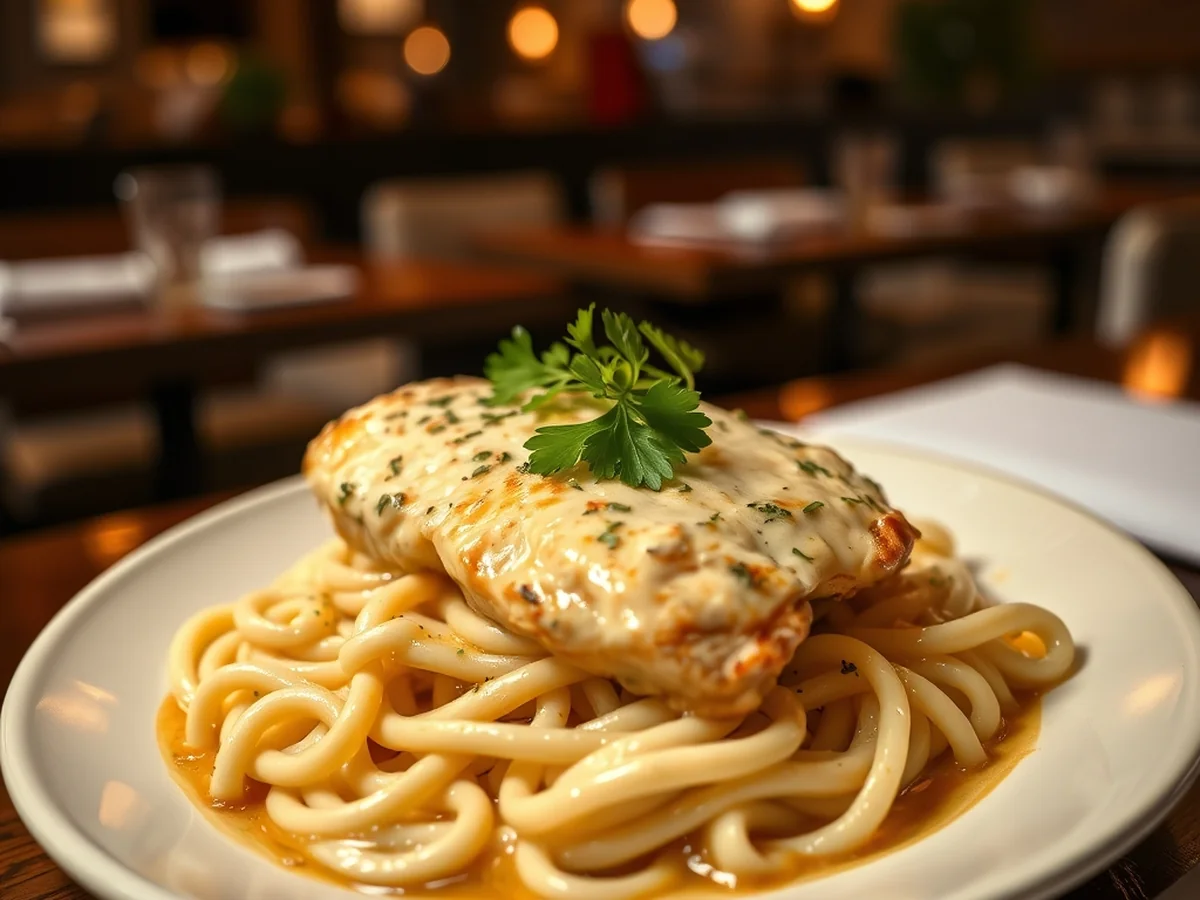
Transforming this rich meal into a balanced dinner relies on thoughtful garnishes, vibrant side dishes, and the right beverage pairings. Bringing together savory poultry, smooth cheese sauce, and pan seared flavors requires simple accompaniments that cut through the richness of the plate. Completing this easy chicken pasta dinner involves several classic touches that enhance both flavor and visual appeal on the table.
When plating the dish, consider the structural balance of the ingredients. Layer the noodles at the base, rest the sliced poultry neatly on top, and spoon the creamy alfredo sauce evenly so it coats every element without overwhelming the plate. Practical steps for a polished presentation include using warm serving dishes to keep the dairy emulsion stable and steady.
- Finely chopped fresh parsley adds a vibrant pop of color and a clean herbal note to balance the heavy cream and butter flavors.
- Freshly grated Parmesan cheese sprinkled right before serving creates an extra layer of nutty saltiness over the poultry and noodles.
- A crisp green salad dressed in a bright lemon vinaigrette provides a necessary acidic contrast to the heavy cream sauce.
- Steamed broccoli or tender asparagus spears offer earthy vegetable flavors that complement the rich sauce without competing with it.
- A chilled glass of dry white wine, such as Pinot Grigio or Sauvignon Blanc, cuts through the dairy and cleanses the palate between bites.
- Sparkling water with a fresh lemon wedge serves as a refreshing non alcoholic option that lifts the heavier elements of the dish.
A common mistake during plating is crowding the plate, which can cause the noodles to clump and trap excess heat, altering the texture of the sauce. Avoid drowning the chicken in sauce before it reaches the table, as keeping the seared crust visible maintains a better textural contrast. Taking a few extra moments to arrange the greens and garnishes ensures the meal looks as inviting as it tastes.
Garlic Butter Chicken Pitfalls
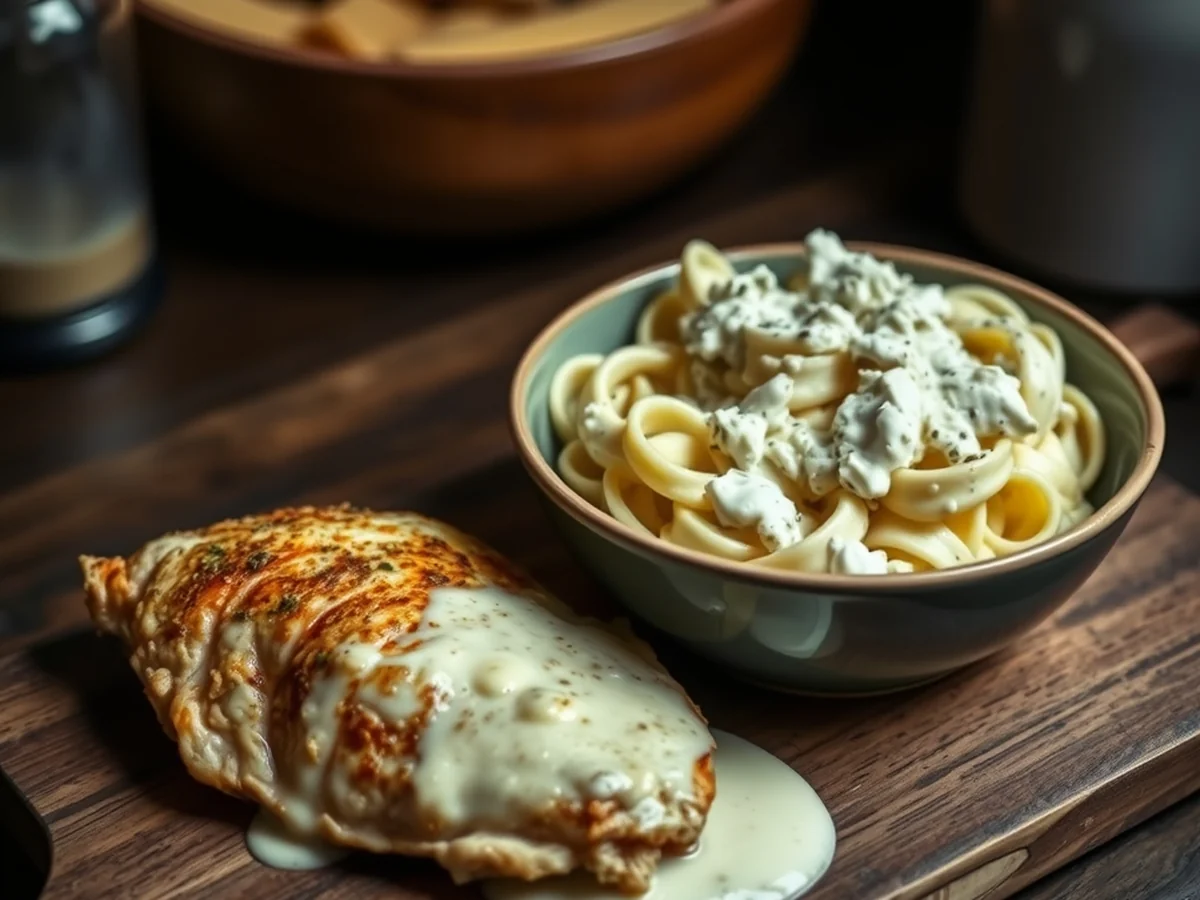
Cooking this poultry dish and its accompanying cheese sauce requires careful attention to avoid overcooking the meat, breaking the sauce, or letting the pasta clump together. Simple missteps in timing or heat management can easily ruin an otherwise delicious weeknight meal when preparing a flavorful poultry dish with pasta.
Overcooking the chicken leads directly to dry, tough meat that loses its natural juices. To prevent this, pull the meat from the heat as soon as it reaches a safe internal temperature according to guidelines from FoodSafety.gov, and let it rest briefly before slicing so the moisture redistributes evenly.
The sauce can separate or turn grainy if the dairy is exposed to excessively high heat. Keep the burner on low when incorporating soft cheeses into your warm pan, stirring constantly to maintain a smooth, velvety texture without letting the mixture boil. When working with ricotta cheese and Parmesan cheese, managing the temperature prevents the proteins from seizing and spoiling the creamy alfredo sauce texture.
Pasta sticking together happens when noodles sit too long without stirring or get added to water that lacks enough movement. Drop the pasta into a large pot of rapidly boiling water, stir it right away, and drain it promptly when it reaches the al dente stage before tossing it into your garlic butter chicken recipe components.
Paying close attention to these details helps home cooks maintain the desired balance of flavors and textures across the entire dish. Proper execution ensures that every element of your cheesy pasta meal comes together smoothly, resulting in a satisfying meal that meets expectations for taste and presentation.
FAQ
Can I make the sauce ahead of time?
You can prepare the sauce a day in advance and store it in a sealed container in the refrigerator. Reheat the sauce gently over low heat on the stove, adding a splash of milk or pasta water to restore its smooth consistency before tossing it with the dish.
What type of pasta works best with ricotta alfredo?
Wide, flat pasta shapes like fettuccine or pappardelle hold up best against the rich texture of the sauce. These varieties catch the garlic butter chicken juices and the cheese coating effectively, ensuring every bite is flavorful.
How long can leftovers be kept in the refrigerator?
Leftovers remain safe to eat for three to four days when stored properly in an airtight container in the refrigerator. Cool the meal completely before sealing it to maintain the best texture and flavor.
Is this recipe suitable for a low sodium diet?
This dish is naturally high in sodium because of ingredients like Parmesan cheese, butter, and salted cooking water. If you manage your sodium intake, you can reduce the salt used in the recipe and select low sodium dairy products where available.
Conclusion
Whipping up this satisfying combination delivers a balanced meal that brings together rich flavor, protein, and a creamy texture without taking all night. Home cooks can easily customize the dish by swapping out herbs, adding extra vegetables, or adjusting the cheese to suit personal taste. Grab the ingredients, fire up the stove, and enjoy a comforting dinner tonight.
You might also like: Sichuan-Style Crispy Chili Beef Stir-Fry