Fish Curry with Coconut Milk Recipe
Introduction to Fish Curry with Coconut Milk
Making a flavorful fish curry with coconut milk combines tender seafood, aromatic spices, and a rich sauce for a comforting meal. Preparing this dish at home is surprisingly quick and simple, making it a reliable option for any busy weeknight dinner.
This comprehensive cooking guide walks you through every step required to master the recipe. You will learn how to balance bold spices, prevent the sauce from separating, select the best white fish, and pair your finished meal with warm jasmine rice.
Selecting the Best White Fish and Fresh Ingredients
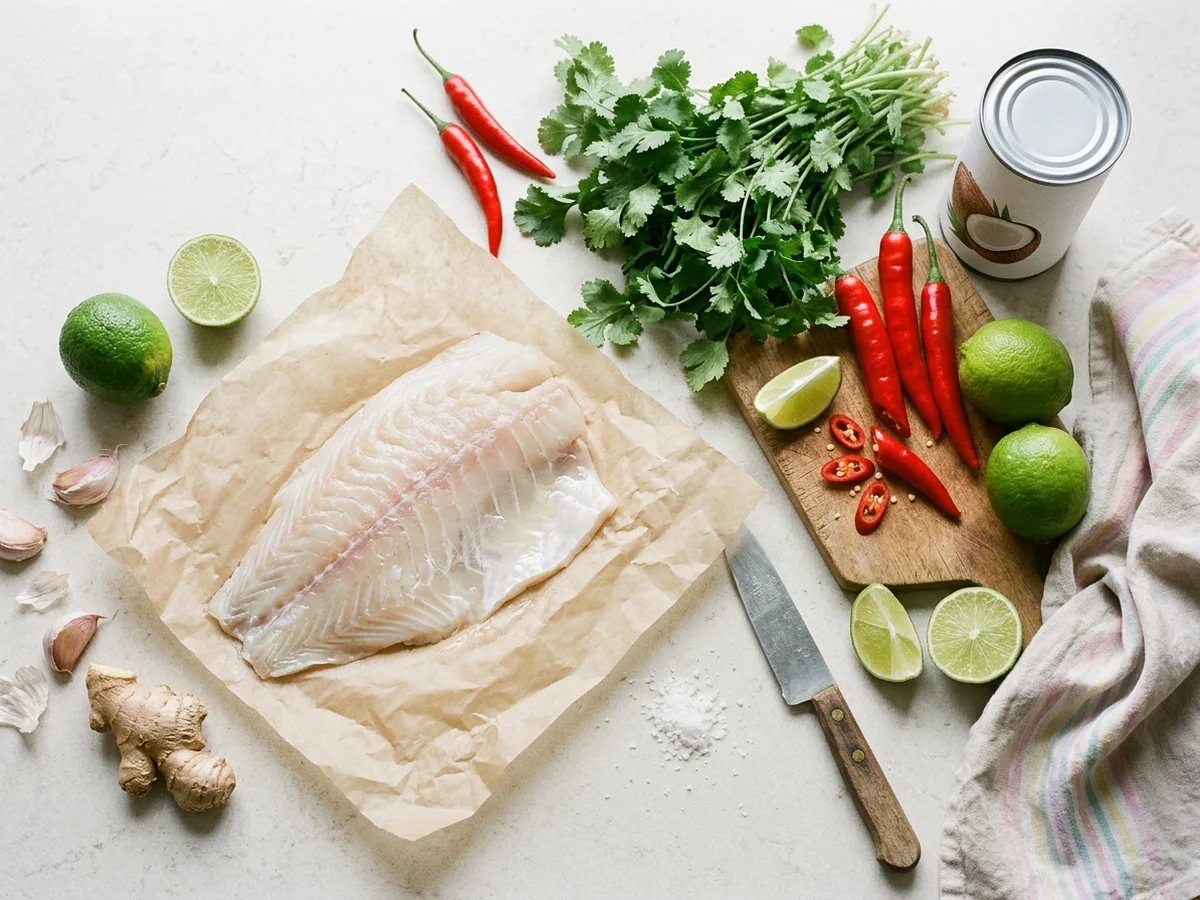
Choosing the right components forms the foundation of any successful fish curry with coconut milk. When you want to make an easy fish curry recipe at home, starting with quality items prevents common cooking frustrations like broken sauces or falling apart seafood. Selecting sturdy white fish varieties ensures your meal holds its shape while simmering, absorbing savory spices without turning into mush.
Choosing Sturdy White Fish Varieties
A common mistake when making a creamy coconut fish curry is using delicate seafood that flakes too easily under high heat. Opting for thick cuts allows the fish to cook evenly in a cast iron skillet alongside a fragrant blend of turmeric and garam masala. Softer or thinner fillets often disintegrate when stirred into active simmering liquids, which ruins the visual appeal and texture of the dish.
Building Flavor with Aromatics and Coconut Milk
Fresh aromatics like onions, garlic, and ginger build a deeply savory base that balances the natural sweetness of the seafood. Pairing these proteins with full-fat canned coconut milk creates a luxurious texture and deep flavor profile that light varieties simply cannot match. Lower fat options tend to separate or curdle when exposed to high heat and acidic ingredients, whereas full-fat canned varieties yield a stable and velvety sauce.
To keep your cooking process smooth and organized, prep all your components and measure your spices ahead of time. Fresh herbs like cilantro add a bright, balancing contrast just before serving. Serving your finished dish over warm jasmine rice completes the meal, soaking up the spiced sauce efficiently.
- Select thick cuts of white fish so they stay intact while simmering in the sauce.
- Avoid overly delicate seafood that flakes too easily and breaks apart during cooking.
- Purchase full-fat canned coconut milk for a rich, velvety sauce.
- Layer foundational aromatics like onions, garlic, and ginger to create a savory base.
- Chop fresh cilantro just before serving to add a bright, herbaceous contrast to the warm spices.
Essential Spices and Flavor Builders

A balanced mix of turmeric, garam masala, and seasonings creates the aromatic foundation for a savory fish curry with coconut milk before any protein goes into the pan. Spices turn a basic broth into a rich sauce that clings to every bite, building the essential depth needed for an easy fish curry recipe.
Turmeric gives the sauce its signature golden color while adding mild earthy undertones. This bright spice blends smoothly into the simmering base, laying down a warm visual and flavor note without overpowering the delicate white fish. To get the best results, allow the spices to bloom briefly in the pan until fragrant, which removes any raw powdery taste and unlocks the natural oils within the aromatics.
Garam masala brings layers of warmth and aromatic complexity right at the end of the spice roasting stage. This blend ties the various elements together, adding depth that makes a traditional fish curry with coconut milk taste savory and complete. Adding this spice too early can cause the delicate aromatic notes to cook away completely, so timing the addition carefully preserves its distinct character.
Balancing heat, acidity, and saltfulness before introducing the seafood prevents the need for heavy stirring later. Tasting the simmering broth allows adjustments to be made to the chili levels and citrus components, ensuring the liquid is seasoned properly. When preparing a creamy coconut fish curry, achieving the right seasoning balance beforehand means you can gently nestle the fish into the pan and let it simmer undisturbed, resulting in tender pieces that flake easily and absorb the surrounding flavors.
Mastering the Traditional Fish Curry with Coconut Milk Method
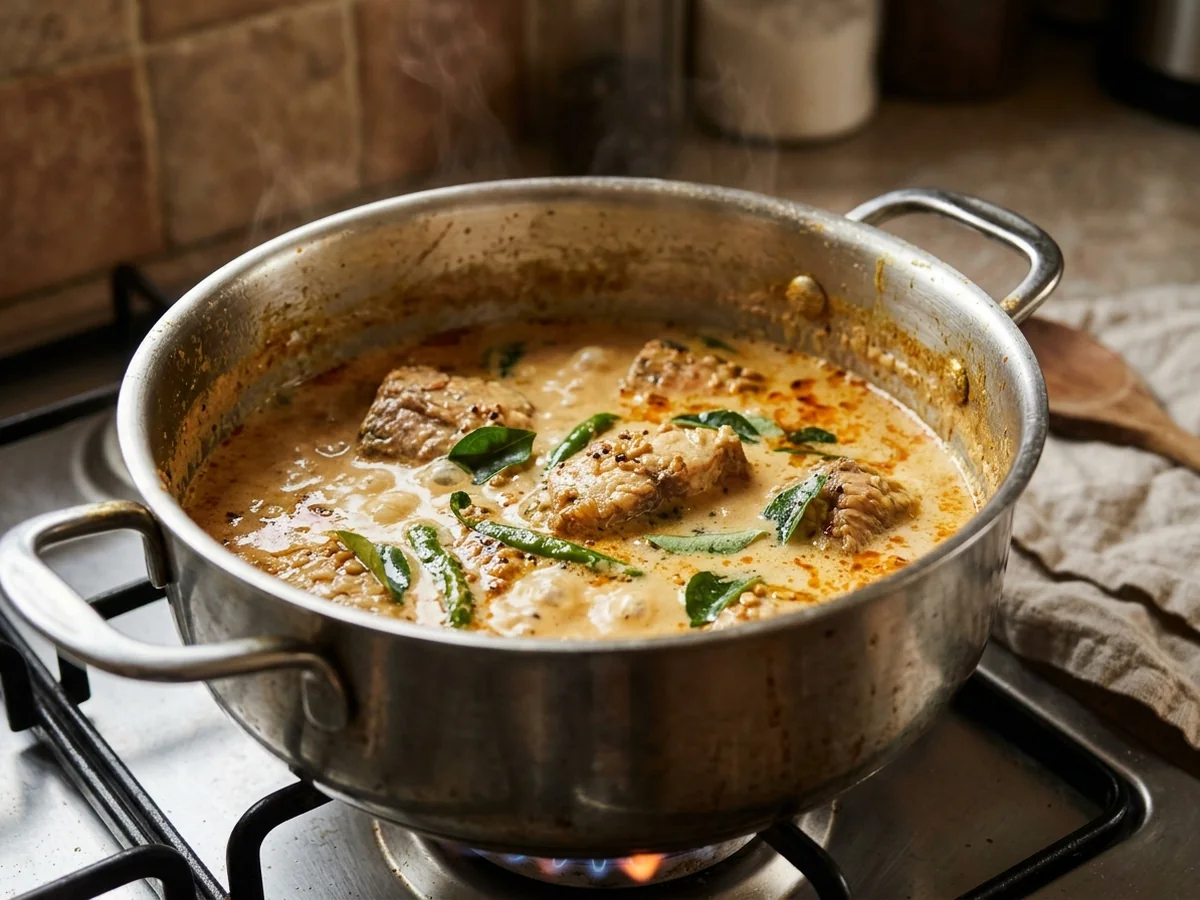
Cooking this dish successfully requires blooming aromatics and spices in hot oil, simmering the sauce until rich, and adding the seafood at the very end. Proper timing ensures the sauce develops deep flavor while the delicate protein stays tender and flaky. Home cooks of all skill levels can achieve restaurant quality results by understanding how each step contributes to the final texture and taste of the meal.
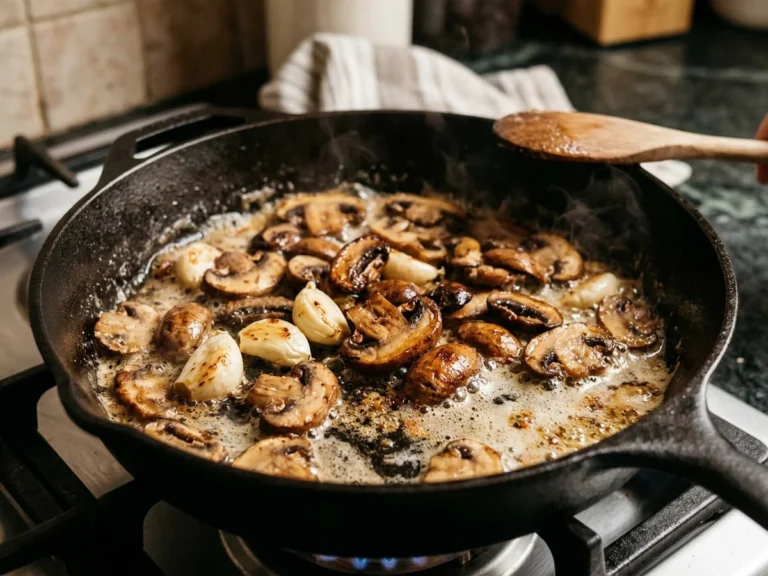
Start by heating a heavy skillet, such as a cast iron skillet, and adding your base aromatics like onions, garlic, and ginger. Let them soften completely before stirring in ground spices such as turmeric and garam masala. Toasting these ingredients directly in the pan releases their essential oils and builds a strong flavor foundation for the sauce. Pour in your liquid ingredients, including coconut milk, and bring the mixture to a gentle simmer.
Troubleshooting the Sauce
A common mistake when preparing this seafood dish is allowing the liquid to boil too aggressively, which can cause the coconut milk to curdle or separate. Keeping the heat at a moderate level prevents this breakdown. Allow the sauce to cook uncovered for a few minutes so the flavors meld together and thicken slightly into a smooth, velvety consistency.
Adding and Cooking the Seafood
Gently slide your pieces of white fish into the bubbling sauce, taking care not to crowd the pan. Spoon the warm liquid over the top of the pieces to help them cook evenly. Lower the heat so the liquid maintains a very gentle bubble rather than a rolling boil. Seafood cooks extremely fast, usually needing only a few minutes depending on the thickness of the cuts. Watch for the flesh to turn opaque and flake easily with a fork, which signals that the food is ready to remove from the heat.
Serving Suggestions
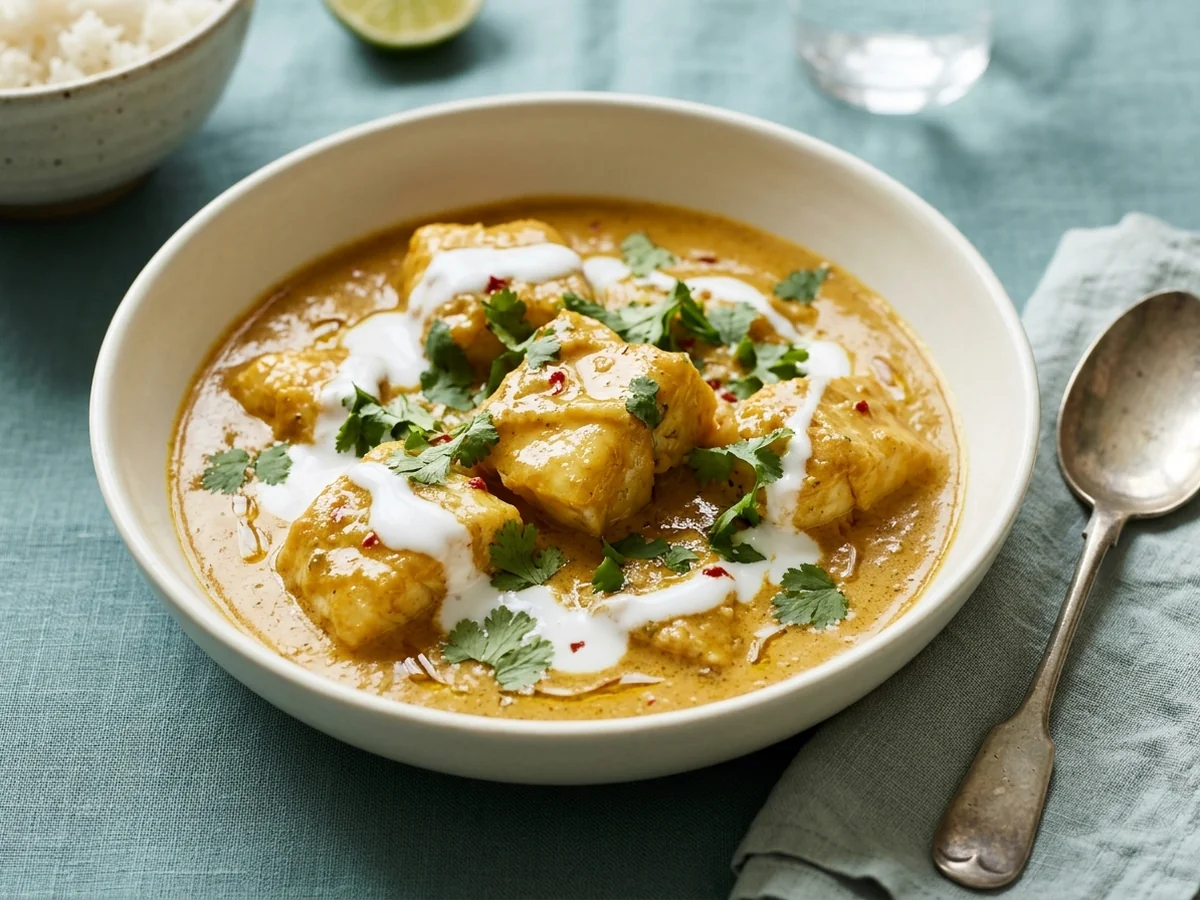
Once the fish is cooked through, remove the pan from the heat source immediately to prevent overcooking. Garnish the meal with freshly chopped cilantro for a bright pop of color and herbaceous flavor. Serve your traditional fish curry with coconut milk alongside a steaming hot bowl of jasmine rice to soak up the rich, spiced sauce.
How to Prepare an Easy Fish Curry Recipe for Busy Weeknights
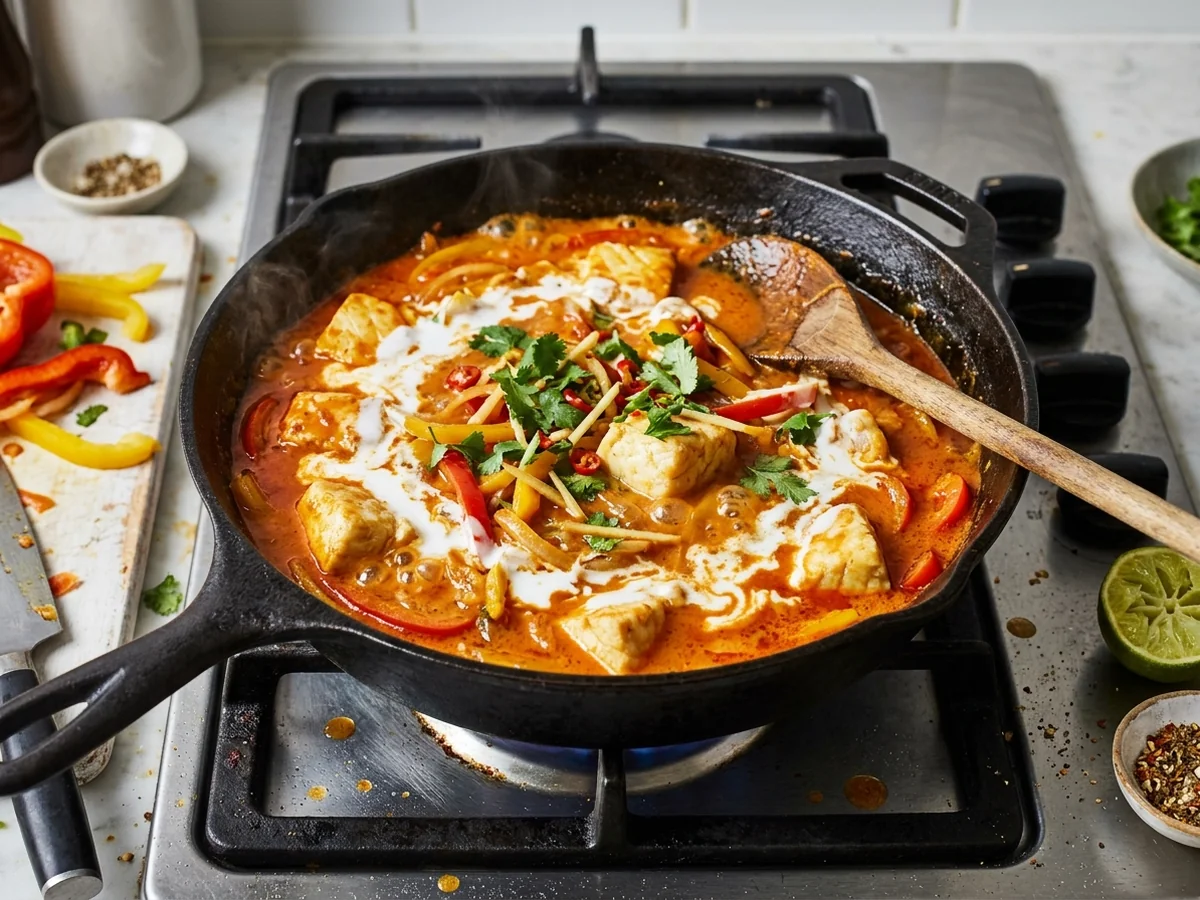
Getting a flavorful seafood dinner on the table quickly relies on streamlined cooking steps and a single heavy pan. You can easily whip up a simple seafood skillet on busy weeknights without sacrificing rich flavor or spending hours on cleanup. When you want a satisfying meal after a long day, keeping the cooking process efficient prevents stress and reduces the friction of weeknight meal planning.
Using a cast iron skillet helps distribute heat evenly and keeps the cooking process fast. Prepping your ingredients before turning on the burner makes the entire process seamless. Grouping your aromatics and spices ahead of time prevents scrambling while the pan is hot. Fast chopping techniques keep prep work moving at a steady pace. Dicing onions uniformly and mincing garlic quickly allows everything to cook at the same rate. Building flavor in layers within the same skillet ensures deep taste while keeping cleanup to a minimum.
Mastering the Creamy Base
A common mistake during weeknight cooking is adding delicate proteins too early, which causes them to break apart before absorbing the proper flavors. To prevent this, build your rich base of spices like turmeric and garam masala first, letting them bloom gently in the oil before pouring in your coconut milk. Allowing the spices to release their fat soluble compounds creates the foundation for a comforting, velvety seafood dish. Letting the sauce simmer just long enough to thicken ensures the flavors meld properly.
Adding and Simmering the Seafood
Once your aromatic liquid simmers gently, you can tuck in your firm white fish just long enough for it to flake easily. Avoid stirring the pan aggressively after the fish goes in, as tender fillets require a gentle hand to stay intact. If you enjoy the depth of a classic coastal-style seafood preparation, you can balance the heat of your aromatics with a squeeze of fresh citrus just before serving. This step brightens the entire dish and cuts through the richness of the dairy free creaminess.
Serving Suggestions
Serving the finished meal over a bed of warm jasmine rice completes the preparation in record time. Garnishing with fresh cilantro adds a bright herbaceous pop that contrasts nicely with the savory sauce. If you want to lean into regional styles inspired by south indian fish curry variations, pairing the skillet meal with warm flatbread provides another simple way to soak up every last drop of sauce without adding extra dishes to your sink.
Achieving a Creamy Coconut Fish Curry Texture
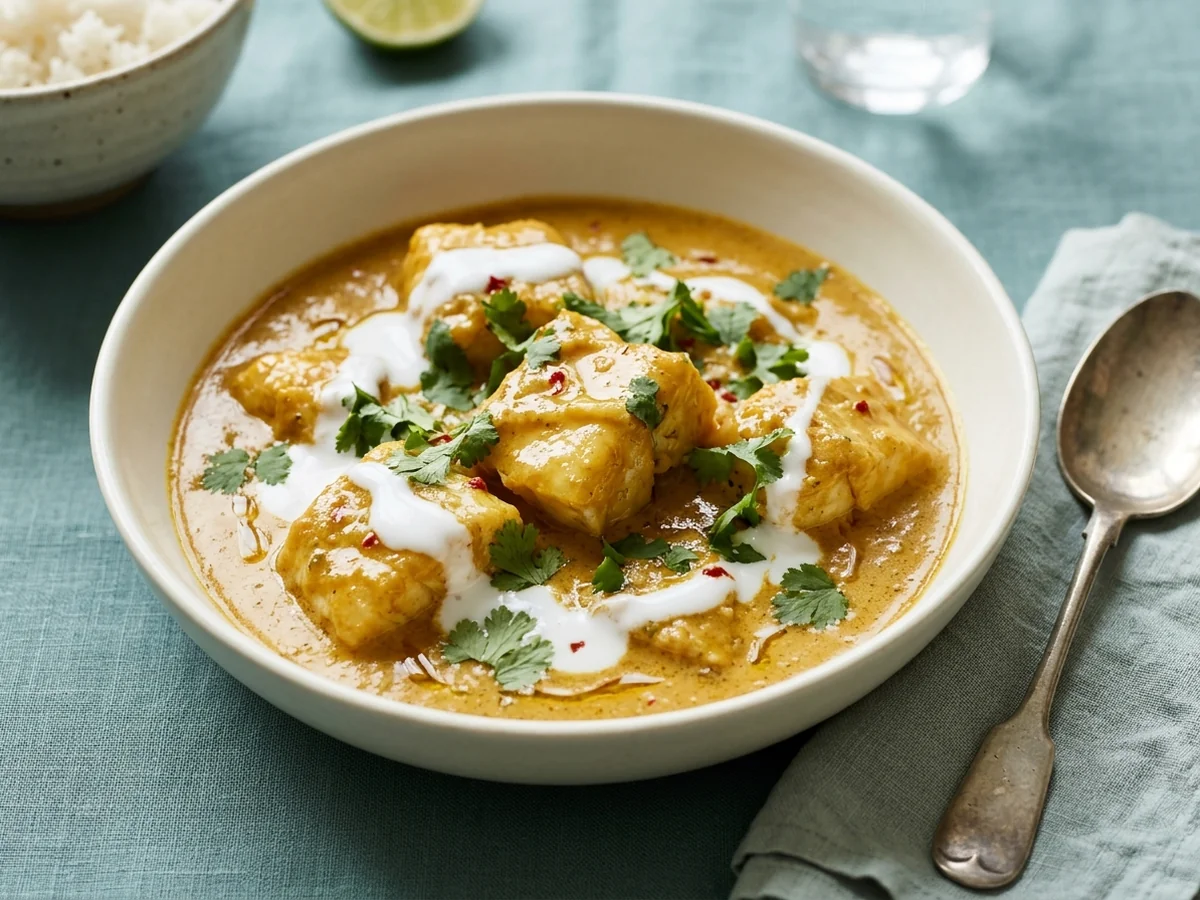
Achieving a smooth, velvety sauce for your seafood dish made with coconut milk comes down to managing fat content, controlling heat, and using proper simmering techniques. When you understand how these elements interact, you can avoid a broken or watery sauce and replicate restaurant quality results right in your own kitchen.
The fat content in coconut milk directly dictates the thickness and richness of your sauce. Higher fat canned varieties naturally yield a thick, luxurious base that coats the back of a spoon. Lighter versions contain more water and less cream, resulting in a thin broth that requires extra reduction or thickening agents.
Managing Heat to Prevent Separation
Maintaining the ideal heat level is critical for keeping that sauce smooth and velvety. High heat causes dairy and coconut liquids to separate and curdle, turning your sauce grainy. Keep your burner at a gentle medium-low setting once the liquids are in the pan, ensuring the sauce warms evenly without aggressive boiling. If you notice the fats beginning to separate, remove the pan from the burner immediately and stir gently to help restore the emulsion.
Simmering Techniques for Delicate Seafood
Comparing simmering techniques helps you choose the best approach for delicate seafood. Gentle bubbling preserves the structure of white fish pieces while allowing flavors to concentrate slowly. Vigorous boiling breaks apart tender fillets and ruins the mouthfeel of the sauce long before the meal finishes cooking. Cook your white fish just until it flakes easily, ensuring the texture of the meat matches the richness of the surrounding sauce.
Balancing Flavors and Accompaniments
Once your sauce achieves the desired consistency, layering your spices properly rounds out the profile. Warm spices like turmeric and garam masala blend seamlessly into the rich coconut base without overpowering the mild seafood. Serve your skillet creation alongside fragrant jasmine rice and garnish with fresh cilantro to balance the rich mouthfeel.
Exploring South Indian Fish Curry Inspirations
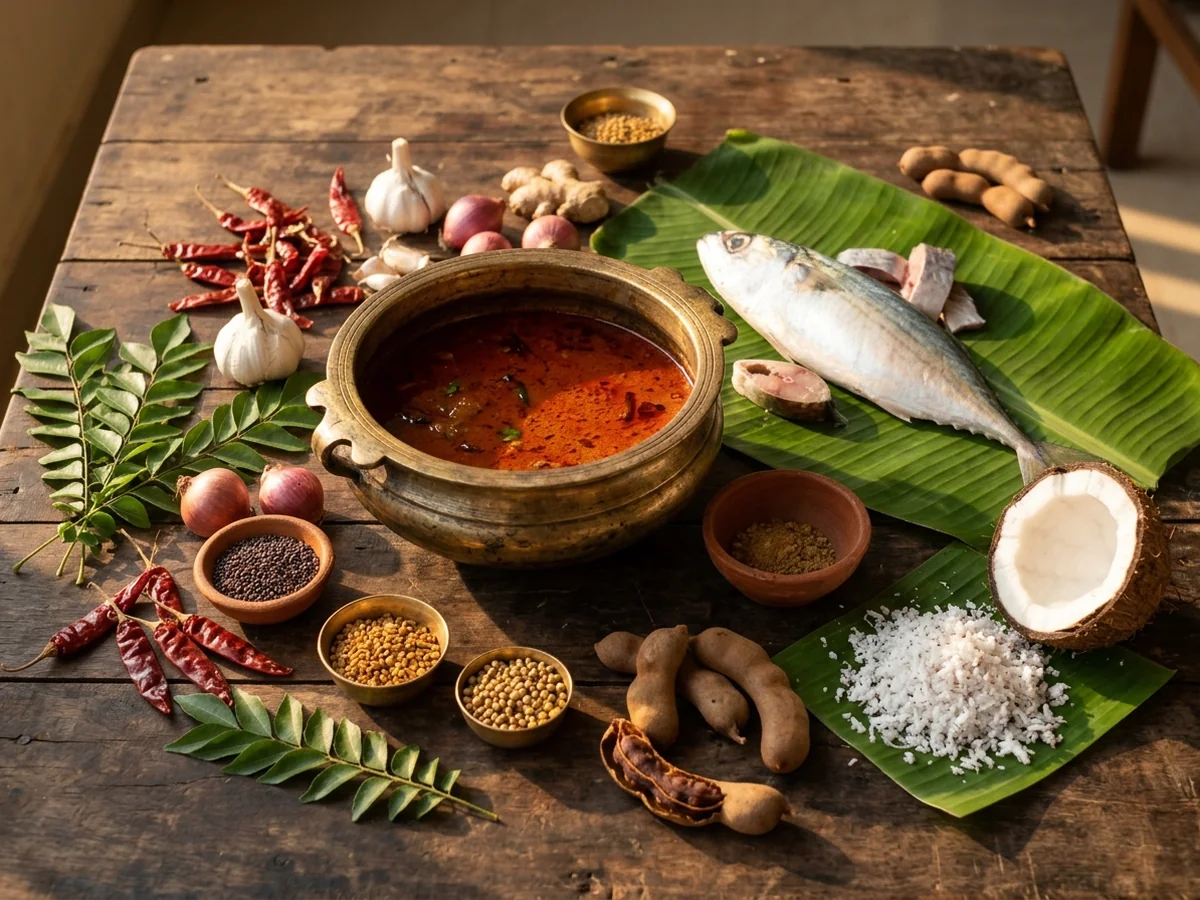
South Indian fish curry draws its distinct character from regional coastal traditions that balance heat, acidity, and rich plant fats. Local cooks rely heavily on fresh seafood, aromatic spices, and coconut elements to build depth in every pan. When preparing a traditional seafood dish featuring rich coconut milk, understanding the why behind each step helps home cooks recreate authentic flavors without feeling intimidated by complex techniques.
Coastal recipes often feature regional flavor profiles that inspire classic coastal seafood dishes by blending sour elements like tamarind with warm spices such as turmeric and garam masala. This balance keeps the delicate white fish from getting lost underneath heavy sauces. To achieve the best results at home, practical steps matter. Start by blooming your spices in a hot pan before introducing liquids, as this releases essential oils and creates a robust flavor base for your spiced coconut sauce.
One common mistake home cooks make is boiling the sauce too vigorously after adding the dairy alternative, which can cause the liquid to separate. Keeping the heat at a gentle simmer protects the texture of your regional seafood stew and ensures the protein stays tender. Traditional pairing combinations and regional garnish traditions complete the meal by serving the seafood stew alongside plain grains such as jasmine rice and finishing the bowl with fresh cilantro. These thoughtful additions offer a cooling contrast to the spiced gravy, creating a balanced and satisfying dinner.
Regional cooking methods heavily influence modern home cooking by encouraging the use of heavy cookware, such as a cast iron skillet, to distribute heat evenly during simmering. Home kitchens adapt these techniques to build complex flavors quickly without losing the integrity of tender white fish, proving that quick weeknight meals can still honor traditional culinary roots.
Troubleshooting Curdled Coconut Milk and Common Sauce Issues

Cooking a flavorful meal with coconut milk can sometimes lead to separation if the heat is too high. This happens because the proteins coagulate and the fat emulsions break apart under aggressive boiling. Understanding why this happens helps home cooks maintain a smooth texture for their homemade seafood dinner without ruining the meal.
A common mistake is turning up the burner to speed up the cooking process, which quickly ruins the sauce consistency. When preparing a rich seafood dish with tropical milk, aggressive heat causes the liquid to break into oil and solids, losing that velvety finish you want alongside your jasmine rice and fresh cilantro garnish.
Preventing Sauce Separation
Preventative cooking tips help maintain a smooth gravy every single time you cook. Follow these practical steps to keep your sauce rich and cohesive:
- Reduce your stove temperature to low before pouring any coconut milk into the pan.
- Simmer the sauce gently rather than allowing it to reach a rapid, rolling boil.
- Stir the liquid continuously during the first few minutes of heating to stabilize the emulsion.
- Add higher fat coconut milk varieties because they resist splitting much better than light versions.
- Remove the pan from the burner briefly if bubbles start forming too fast around the edges.
Rescuing Split Gravy
If your gravy does split, you can often rescue it by whisking in a small splash of warm water or broth off the heat. Blending the separated mixture vigorously for a few seconds can also restore a uniform consistency before adding your white fish, turmeric, and garam masala. Keeping a close eye on your cast iron skillet temperature ensures your meal stays smooth, comforting, and visually appealing from start to finish.
Pairing Suggestions and Side Dishes for Your Seafood Feast
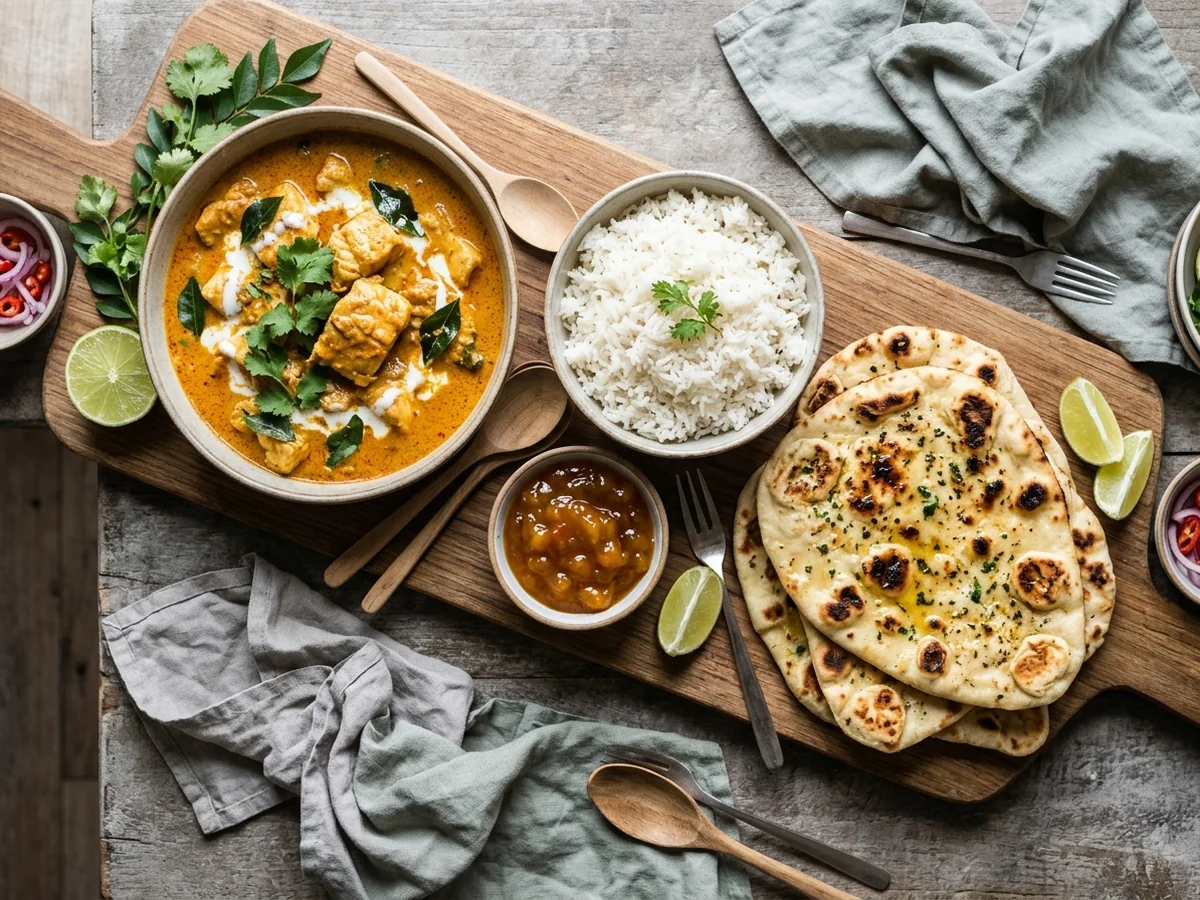
Completing a homemade dinner with the right accompaniments turns a simple weeknight meal into a well rounded spread for family and guests. When serving a flavorful bowl of seafood simmered in coconut broth, selecting side dishes that balance rich spices and aromatic gravies is key to creating a satisfying dining experience.
The primary goal when choosing sides is to find items that absorb liquids effectively while offering a pleasant textural contrast. Home cooks and food enthusiasts of all skill levels preparing this classic coconut seafood dish benefit from understanding how different bases interact with creamy broths and bold spices like turmeric and garam masala.
Balancing Textures and Flavors
When you prepare a spiced seafood dinner, the rich sauce requires a neutral companion to prevent the meal from feeling heavy. Fluffy jasmine rice serves as an ideal base because its light grains catch every drop of the spiced sauce without overpowering the tender white fish. Lightly steamed green vegetables add a crisp texture and a fresh element that counters the rich coconut broth. Fresh cucumber salad provides a cool and refreshing crunch to balance any lingering spicy heat from the aromatics, while warm flatbreads offer another practical vehicle for scooping up extra sauce directly from the bowl.
Common Pitfalls to Avoid
A frequent mistake when pairing food with a rich seafood main course is choosing heavy, overly complex side dishes that compete with the dish itself. Keep your accompaniments relatively simple so the vibrant flavors of your seafood dinner remain the star of the evening. Thoughtful portioning and balanced textures ensure everyone at your table enjoys a harmonious meal from the first bite to the last, allowing the delicate characteristics of the white fish and fresh cilantro garnishes to shine through without distraction.
Complete Nutritional Breakdown and Healthy Meal Planning
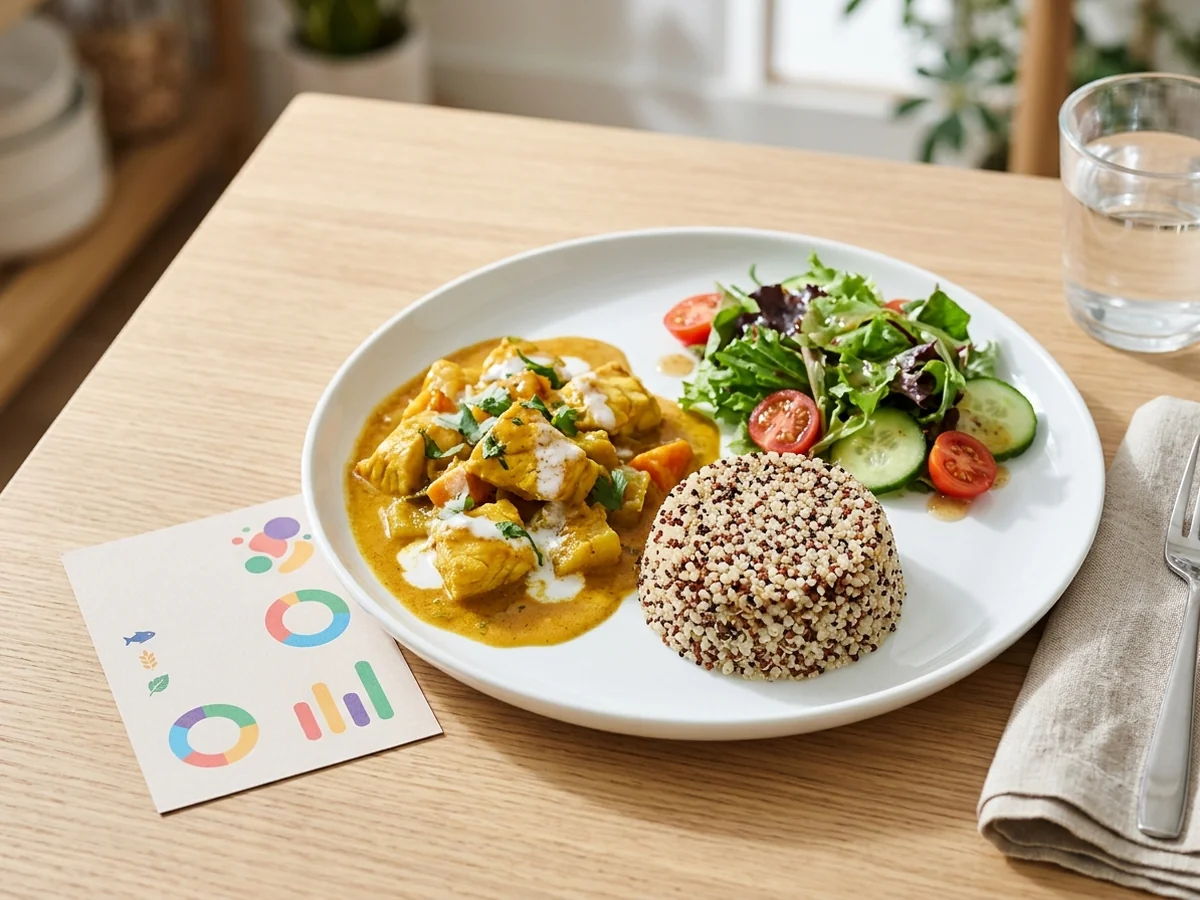
A satisfying bowl of seafood simmered in a tropical broth provides a balanced combination of lean protein and nourishing fats that fits seamlessly into clean eating routines. When preparing a flavorful seafood dish in a rich coconut base at home, home cooks often want to understand the nutritional value of their meals. Seafood offers high quality protein that supports muscle maintenance and keeps hunger at bay without the heaviness associated with red meat. Meanwhile, plant based ingredients supply steady energy and help the body absorb beneficial compounds found in aromatic spices like turmeric and garam masala.
Planning your weekly meals around this dish helps streamline busy weeknights and reduces dinner stress. Incorporating a hearty seafood dinner prepared with coconut milk into your meal prep routine simply requires thoughtful timing. Because delicate white fish cooks quickly and can fall apart if stored too long in liquid, the best approach is to batch cook the aromatic sauce ahead of time. Store the flavorful base in airtight containers, and then gently fold in fresh seafood just before serving to keep the protein tender and flaky.
Even though cooking this flavorful seafood dish is straightforward, a few common mistakes can disrupt your results. Allowing the coconut milk to boil too aggressively can cause the sauce to curdle or separate. To prevent this, maintain a gentle simmer and add delicate proteins toward the end of the cooking process. Overcooking the fish is another frequent pitfall that leads to dry textures, so remove the pan from the heat as soon as the flesh turns opaque and flakes easily with a fork.
- Portion the cooked meal into balanced containers with jasmine rice for quick and satisfying lunches
- Store the fragrant coconut sauce separately from fresh cilantro to maintain vibrant colors and flavors
- Reheat leftovers gently on the stovetop over low heat to prevent the sauce from separating
Frequently Asked Questions About Cooking Coconut Milk Fish Curry
Can you freeze leftover seafood dishes prepared with tropical plant broth?
Freezing leftover rich seafood dishes with plant‑based broth is generally not recommended because dairy alternatives and delicate seafood tend to break down and become rubbery upon thawing. Storing leftovers in an airtight container in the refrigerator for up to two days yields much better texture and flavor results.
How do you tell if white fish is fresh before cooking?
Fresh seafood should smell clean and mild rather than overly fishy or sour. Look for firm, moist fillets with a translucent appearance and no discoloration.
What is the best way to adjust spice levels in a homemade seafood dish?
You can easily lower the heat of your meal by increasing the amount of coconut milk or adding a splash of citrus juice at the end of cooking. Stirring in extra chili powder or cayenne pepper works well if you prefer a spicier kick.
Can you use alternative proteins instead of seafood?
Tofu, chickpeas, or chicken pieces work wonderfully as alternative proteins in this flavor profile. Adjust your cooking times accordingly since denser proteins require longer simmering than delicate white fish.
Why does seafood cook so quickly in a skillet?
Delicate proteins lack heavy connective tissue, meaning they cook through in just a few minutes over medium heat. Keeping a close eye on your pan prevents the meat from turning dry and tough.
Conclusion and Final Kitchen Tips
Mastering a homemade seafood dinner comes down to balancing bold spices, tender white fish, and rich coconut milk for a flavorful meal. Feel free to adjust the heat levels, swap in your favorite vegetables, or tailor the seasonings to match your taste. You can also explore more quick dinner ideas and cooking guides on the site to keep your weekly meal planning fresh and stress-free.
You might also like: Sichuan-Style Crispy Chili Beef Stir-Fry