Egg Salad Sandwich Recipe
Introduction
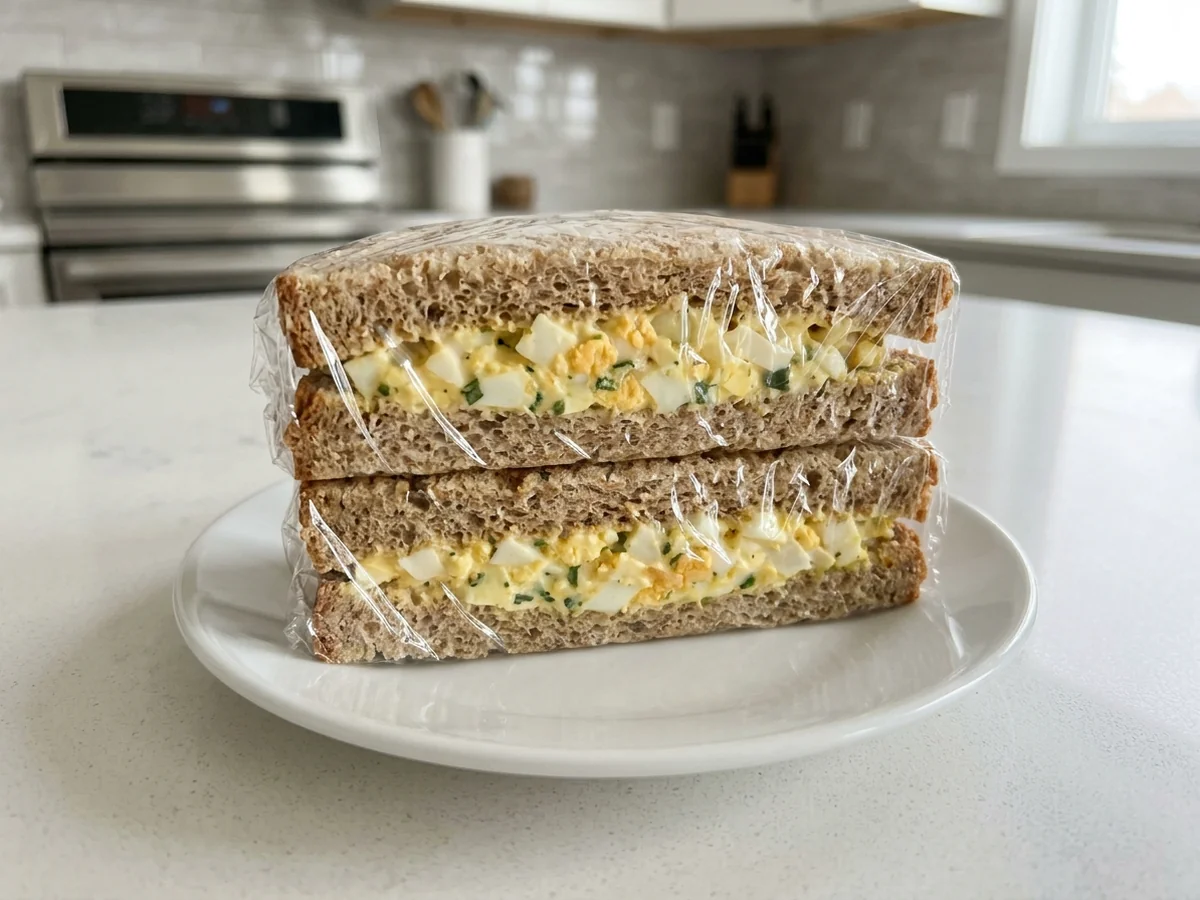
A classic egg salad sandwich is made by combining chopped hard-boiled eggs with a creamy dressing and serving the mixture between slices of fresh bread. You can easily prepare this meal at home by following simple food safety guidelines and choosing high-quality ingredients.
This article provides a reliable recipe for preparing the dish, along with professional techniques for cooking the perfect hard-boiled eggs. You will learn how to balance flavors using common pantry staples like mayonnaise and mustard, and discover how to incorporate fresh additions like celery or chives for extra texture. We also cover essential food safety standards, including how to properly store your leftovers and why certain preparation methods are recommended over others. By the end, you will have all the information needed to assemble a delicious and safe lunch staple that highlights the nutritional benefits of eggs, including protein, vitamin A, folate, and choline.
A Versatile Lunchtime Staple and Essential Safety Practices
A classic egg salad sandwich serves as a reliable, adaptable meal that works well for quick lunches or casual gatherings. By combining hard-boiled eggs with pantry staples, you create a protein-rich dish that delivers essential nutrients like vitamin A, folate, and choline.
Quality results begin with proper preparation of your main ingredients. To ensure food safety, you must cook your eggs until the whites and yolks reach a firm consistency. Consuming raw or undercooked eggs may increase the risk of foodborne illness, making it vital to avoid soft or runny centers when preparing your base. Typical kitchen practice suggests that you can achieve this firm consistency by removing the heat source and letting the eggs remain in the hot water for 10 to 12 minutes.
Following strict food safety protocols is just as important as the selection of your ingredients. Proper storage helps maintain the quality of your finished dish and keeps your meals safe for consumption. Consider these storage practices to keep your leftovers in good condition:
- Store your prepared mixture in a shallow, airtight container in the refrigerator to ensure even cooling and freshness.
- Leftover egg salad can be stored in the refrigerator for up to four days.
- Freezing egg salad is not recommended because it changes the texture and flavor of the ingredients.
- If you find it necessary to thaw previously frozen egg components, always complete the process in the refrigerator rather than at room temperature.
Selecting fresh, high-quality ingredients enhances the overall texture and flavor of your meal. Whether you prefer a simple blend with mayonnaise or enjoy adding crisp celery and fresh chives for extra crunch, starting with properly cooked eggs provides the best foundation for a delicious, reliable result.
Hard Boiled Egg Preparation
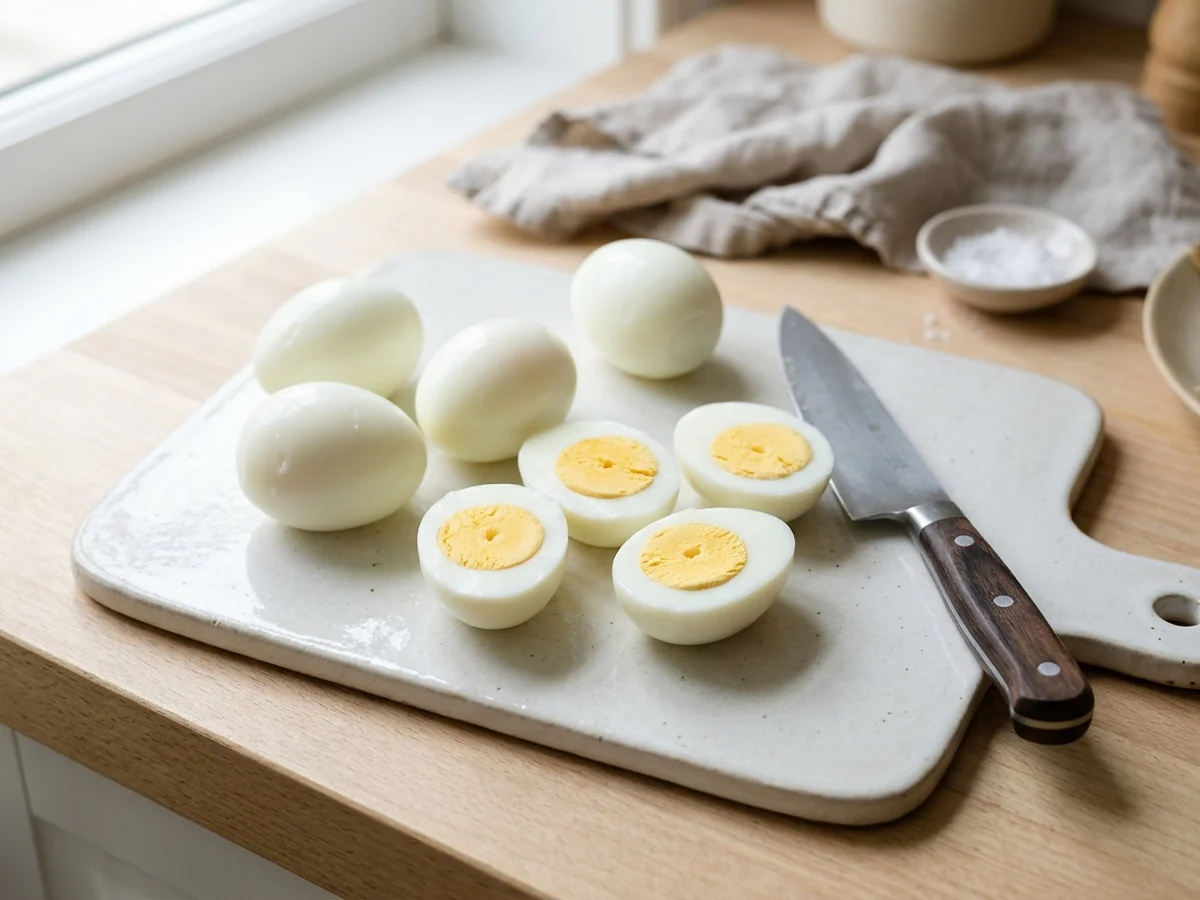
Preparing the base for an egg salad sandwich requires attention to both texture and food safety. To ensure food safety, eggs should be cooked until the yolks and whites are solid throughout. Consuming raw or undercooked eggs may increase the risk of foodborne illness.
While many techniques exist for boiling eggs, a common practice involves bringing water to a boil, removing it from the heat source, and allowing the eggs to stand in the hot water for 10 to 12 minutes. This method helps achieve the desired firmness for your ingredients. To ensure your final salad has a professional appearance and consistent texture, consider the following preparation steps:
- Immediate cooling: Transfer your boiled eggs directly into a bowl filled with ice water. This halts the cooking process, which prevents the outer layer of the yolk from developing an unappealing green tint and makes the shells easier to remove.
- Efficient peeling: Once the eggs have cooled completely in the ice bath, gently crack the shell against a hard surface. Peeling under cool running water or submerged in a bowl of water can help lift the membrane away from the white more cleanly.
- Uniform chopping: Use a sharp knife to chop the eggs into consistent, bite-sized pieces. Uniformity is key to a high-quality salad, as it ensures that every mouthful contains a balanced ratio of egg to dressing.
A common mistake is incorporating dressing while the eggs are still warm. Always allow your chopped eggs to cool completely before mixing them with mayonnaise or other ingredients. If the eggs are too warm, they can cause the dressing to separate or turn watery, which negatively impacts the overall quality of your sandwich. Properly chilled eggs act as a stable foundation for your mixture, allowing the flavors of celery, fresh chives, or Dijon mustard to integrate smoothly without compromising the structure of the salad.
Once your salad is assembled, proper storage is essential to maintain safety. Egg salad should be stored in a shallow, airtight container in the refrigerator to ensure it cools evenly and remains protected from contaminants. Leftover egg salad can be stored in the refrigerator for up to four days. Freezing egg salad is not recommended because it changes the texture and flavor. If frozen, egg salad should be thawed in the refrigerator.
Essential Ingredients and Flavor
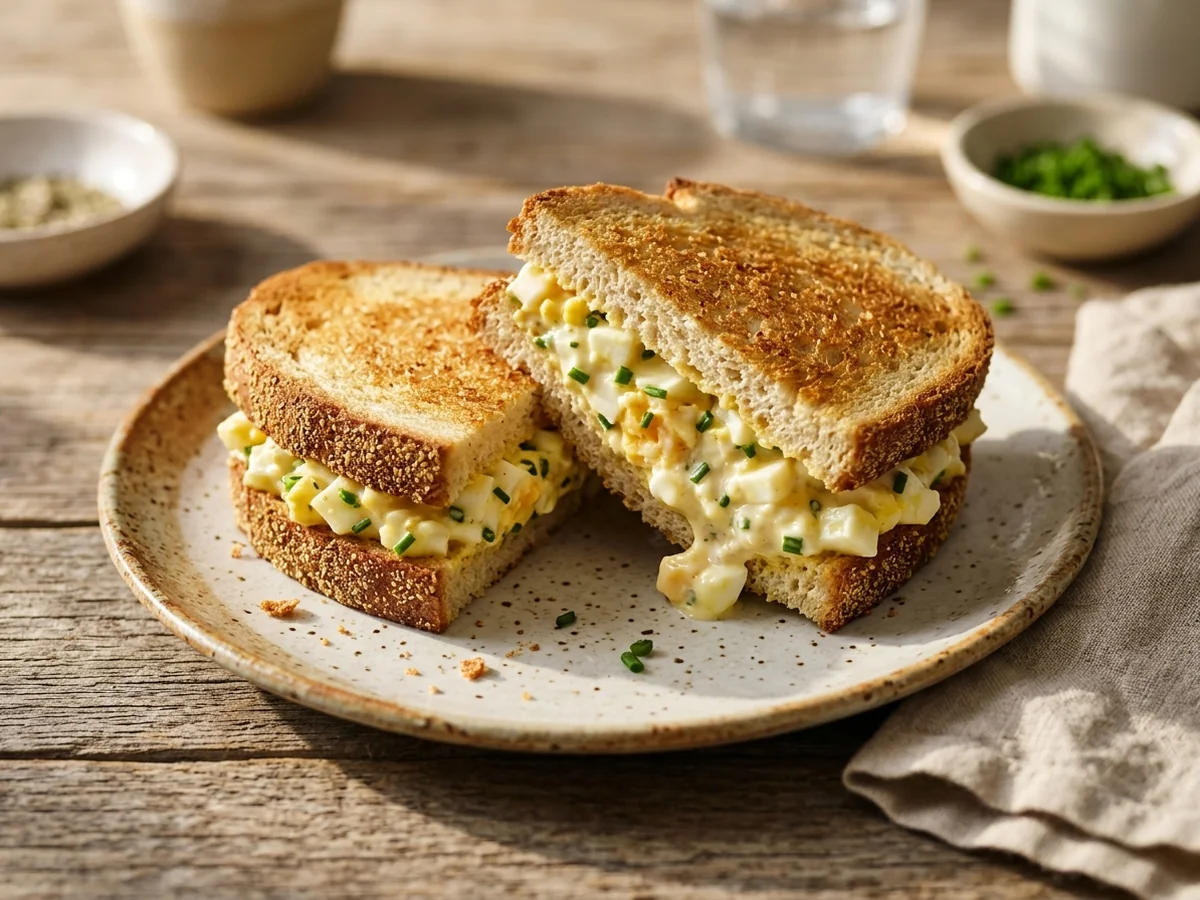
A reliable version of this lunch classic relies on the foundation of firm hard-boiled eggs combined with a creamy binding agent and balanced seasonings. While the core profile remains simple, integrating various textures and aromatic elements allows you to customize the dish to your preference.
To prepare a balanced base, you should prioritize quality components that offer both richness and structure. Consider these common additions and variations to elevate your preparation:
- Hard-boiled eggs serve as the primary protein source, and to ensure food safety, eggs should be cooked until both the yolk and the white are firm.
- Creamy mayonnaise acts as the essential binder, providing the necessary moisture and smooth mouthfeel for the mixture.
- Finely diced celery provides a necessary crunch that contrasts well with the soft texture of the eggs.
- Fresh chives or finely minced shallots add a subtle, savory onion note that brightens the overall flavor profile.
- Adding a small amount of Dijon mustard introduces a sharp, tangy element that cuts through the richness of the yolk.
- Finely chopped pickles offer a briny acidity, which serves as a popular way to modify the taste and add a refreshing bite.
Following common culinary practices, many cooks prepare eggs by removing them from the heat after the water reaches a boil and allowing them to sit in the hot water for 10 to 12 minutes. This method helps avoid rubbery whites while ensuring the yolks are fully set. Because consuming raw or undercooked eggs may increase the risk of foodborne illness, verifying that the eggs are thoroughly cooked remains the most important step in the process. Beyond the texture, eggs are a valuable source of protein, vitamin A, folate, and choline.
If you have extra portions, proper handling is essential. You must store egg salad in a shallow, airtight container in the refrigerator. According to food safety guidelines, leftover egg salad can be stored in the refrigerator for up to four days. Freezing is not recommended because it changes the texture and flavor, but if you do freeze the mixture, always thaw it in the refrigerator.
Egg Salad Sandwich Nutrition

Eggs serve as a nutrient-dense food source, providing high-quality protein, vitamin A, folate, and choline. These components support various bodily functions, including immune health, cell division, and cognitive function. Because eggs are the primary component, the nutritional profile of your meal remains beneficial regardless of the simple egg salad ingredients you choose to add.
Food safety begins with proper preparation. According to the U.S. Food and Drug Administration, you should cook eggs until both the yolk and the white are firm to ensure safety. Consuming raw or undercooked eggs may increase the risk of foodborne illness. While a common method for creating hard-boiled eggs involves allowing them to sit in hot water for 10 to 12 minutes following a boil, confirming the final texture is firm remains the most important step for safety.
Following proper egg salad storage tips helps maintain both quality and safety. You should store egg salad in a shallow, airtight container in the refrigerator. Leftover egg salad can be stored in the refrigerator for up to four days. Freezing is not recommended because it changes the texture and flavor of the mixture. If it has been frozen, it should be thawed in the refrigerator rather than at room temperature to minimize safety risks.
By focusing on proper cooking techniques and storage, you can enjoy a classic egg salad sandwich that is both nutritious and safe. Preparing your ingredients with care ensures that you retain the integrity of the vitamins and minerals while keeping your kitchen habits consistent with current food safety guidelines.
Safe Storage and Handling
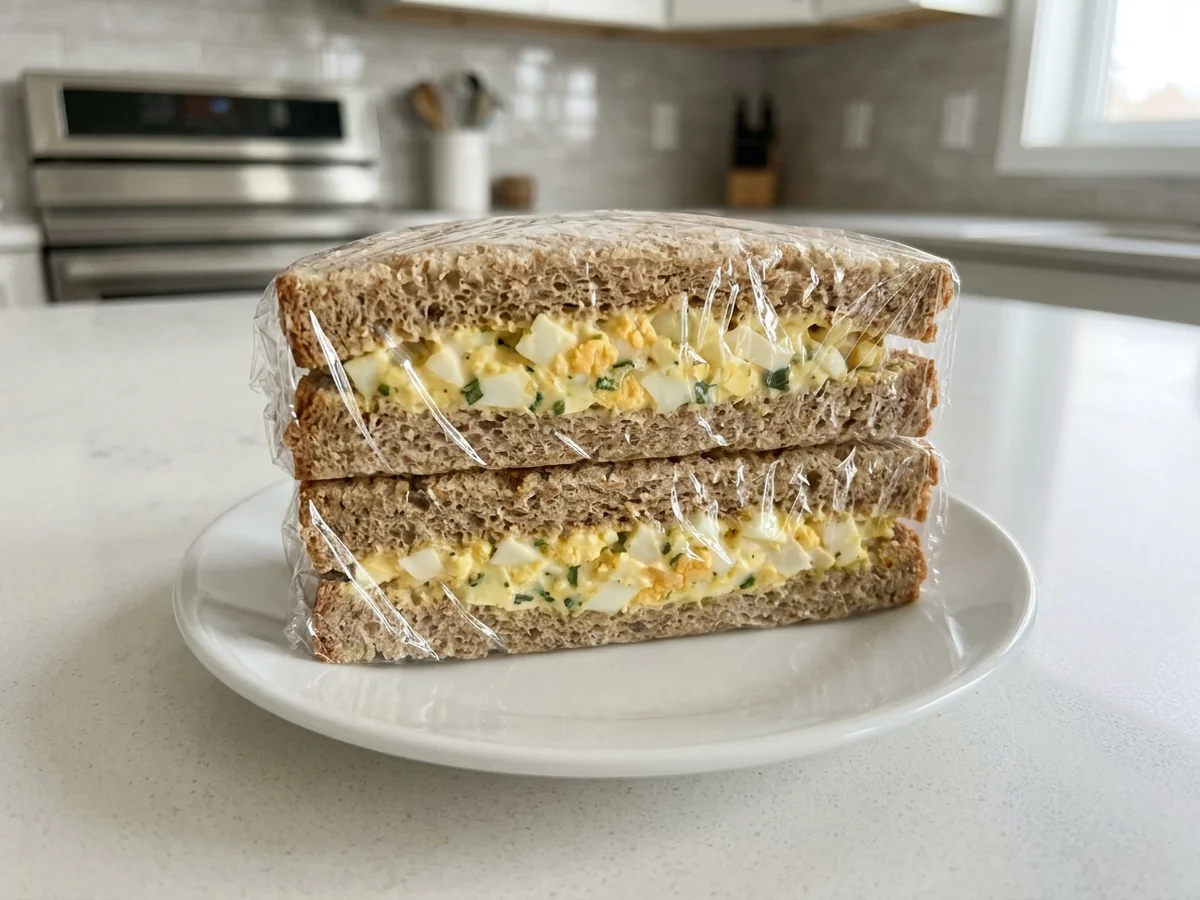
Maintaining high standards for food safety is vital when preparing egg salad. Because eggs are a nutrient-dense source of protein, vitamin A, folate, and choline, they provide excellent sustenance, but they also require careful temperature control to remain safe for consumption. Proper storage begins immediately after you finish preparing your dish.
According to the U.S. Food and Drug Administration, you must store egg salad in a shallow, airtight container in the refrigerator. Using a shallow container is a practical step because it allows the mixture to reach a safe, cold temperature more quickly than a deep bowl would. An airtight lid is equally important, as it prevents the salad from absorbing other odors in your refrigerator and keeps the ingredients fresh.
You can safely store leftover egg salad in the refrigerator for up to four days. A common mistake is leaving the salad at room temperature for too long, which encourages the growth of harmful bacteria. You must discard any egg salad that has been left out for more than two hours. To ensure food safety, you should cook eggs until the whites and yolks reach a firm consistency, as eating them raw or undercooked may increase your risk of foodborne illness.
Freezing egg salad is not recommended because it changes the texture and flavor. Upon thawing, mayonnaise-based dressings often separate, and the eggs can develop a rubbery or watery consistency that ruins the quality of your meal. If you do choose to freeze the salad, you must thaw the container in the refrigerator rather than on the kitchen counter to maintain food safety standards.
To ensure your egg salad remains at its best, follow these practical guidelines:
- Always check that your refrigerator maintains a consistently cold temperature.
- Keep the salad in the coldest part of your refrigerator, away from the door.
- If you prepare hard-boiled eggs in advance, ensure they are fully cooled before adding them to your mayonnaise and mustard base.
- Avoid cross-contamination by using clean utensils for serving and storing.
How to Store Leftovers
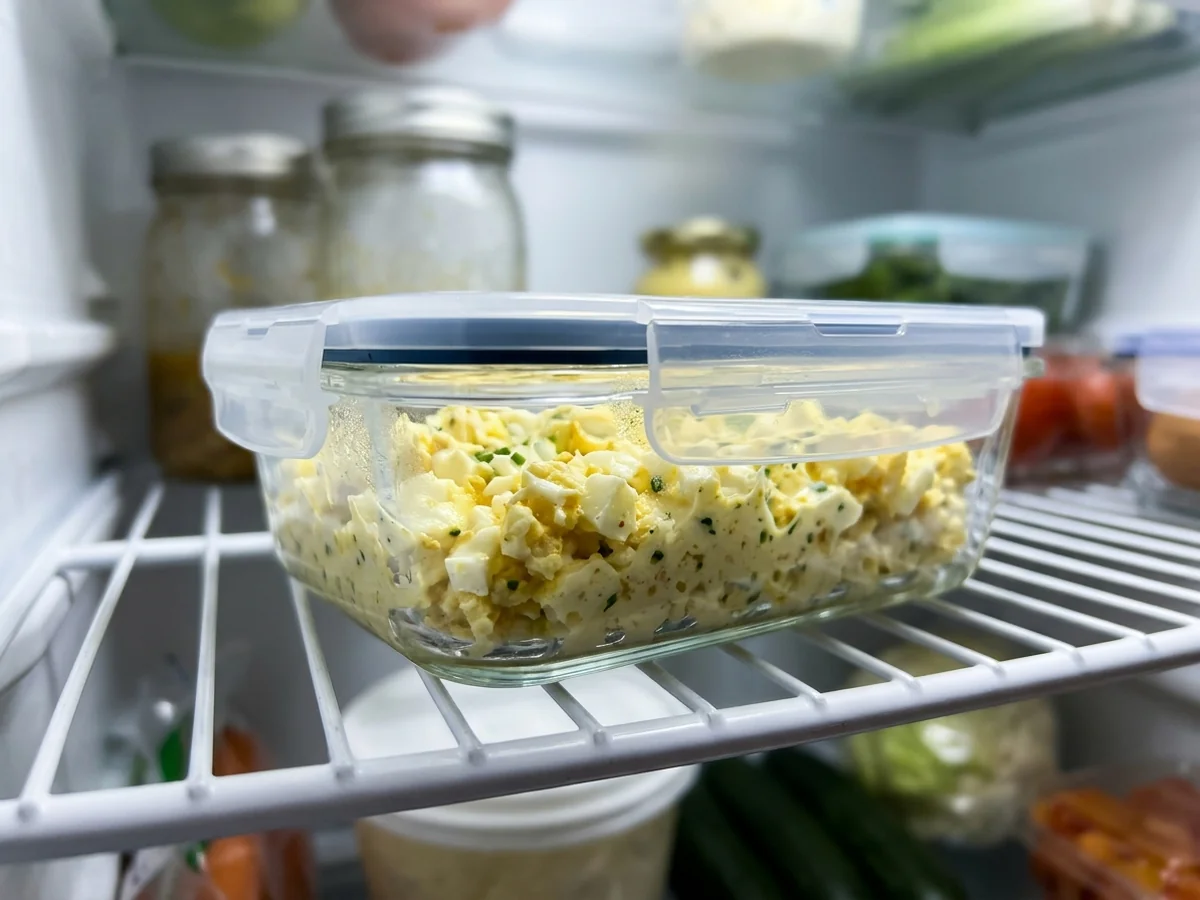
Proper storage is essential to maintain the quality and safety of your egg salad sandwich filling. According to the United States Department of Agriculture and the Food and Drug Administration, egg salad should be stored in a shallow, airtight container in the refrigerator. Using a shallow container allows the mixture to cool down more quickly and evenly, which helps keep the ingredients fresh for the duration of the storage period.
You can safely keep leftover egg salad in the refrigerator for up to four days. To ensure you stay within this window, it is a helpful practice to label your container with the date the mixture was prepared. This simple step helps you track exactly how long the salad has been stored, preventing any uncertainty about its safety.
While some home cooks may consider freezing their leftovers, this is generally not recommended. Freezing egg salad typically results in a significant change to both the texture and the flavor of the dish. The mayonnaise base can separate during the freezing and thawing process, often leading to a watery or grainy consistency that may not be palatable. If you find yourself in a situation where freezing is unavoidable, you must thaw the mixture in the refrigerator. Never thaw egg salad on the counter at room temperature, as this can encourage the growth of bacteria.
When you take the mixture out of the refrigerator, take a moment to evaluate its condition before serving. If you notice that the ingredients have separated significantly, or if the texture has changed in a way that seems unappealing, it is best to discard the batch. Maintaining these food safety guidelines ensures that you can enjoy your meal without unnecessary risk, as consuming raw or undercooked eggs can increase the risk of foodborne illness. Always prioritize safety by adhering to these storage timeframes and temperature recommendations.
Common Preparation Mistakes
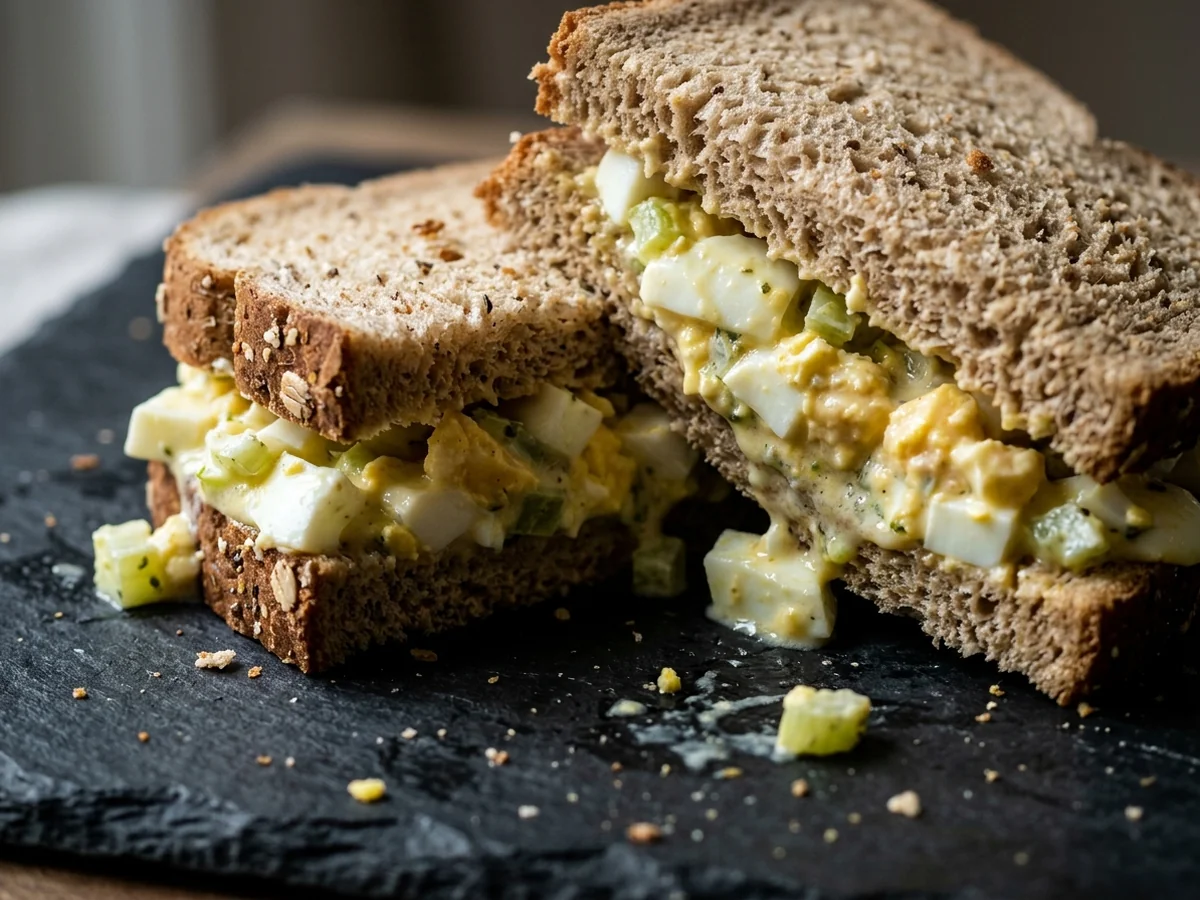
The most frequent issues when preparing an egg salad sandwich stem from excess moisture and inconsistent chopping, both of which can compromise the final texture. Addressing these variables ensures your filling remains creamy without becoming unpleasantly soggy.
Achieving the perfect balance in your mixture requires careful attention to ingredient preparation and assembly techniques. Follow these guidelines to maintain high standards for your sandwich:
- Ensure hard-boiled eggs are completely dry after peeling to prevent excess surface moisture from thinning your mayonnaise dressing.
- Use a sharp chef knife to chop eggs into uniform pieces, as over-chopping creates a paste-like consistency that loses the desired chunky mouthfeel.
- Add dressing gradually rather than all at once, allowing you to stop as soon as the eggs are coated to avoid an overly wet mixture.
- Pat any add-ins like celery or pickles dry with a paper towel before incorporating them, as these ingredients often release water into the salad over time.
- Avoid using watery vegetables or excessive acidic components that can break down the emulsion of the dressing and turn the finished dish soggy.
- Assemble your sandwich immediately before serving to prevent the bread from absorbing moisture from the filling.
When storing your prepared salad, always follow proper food safety protocols. The Food and Drug Administration confirms that egg salad should be stored in a shallow, airtight container in the refrigerator. Leftover egg salad can be stored in the refrigerator for up to four days. Freezing is not recommended because it changes the texture and flavor of the ingredients. If you do freeze it by mistake, ensure it is thawed in the refrigerator before consumption.
Serving and Pairing Ideas
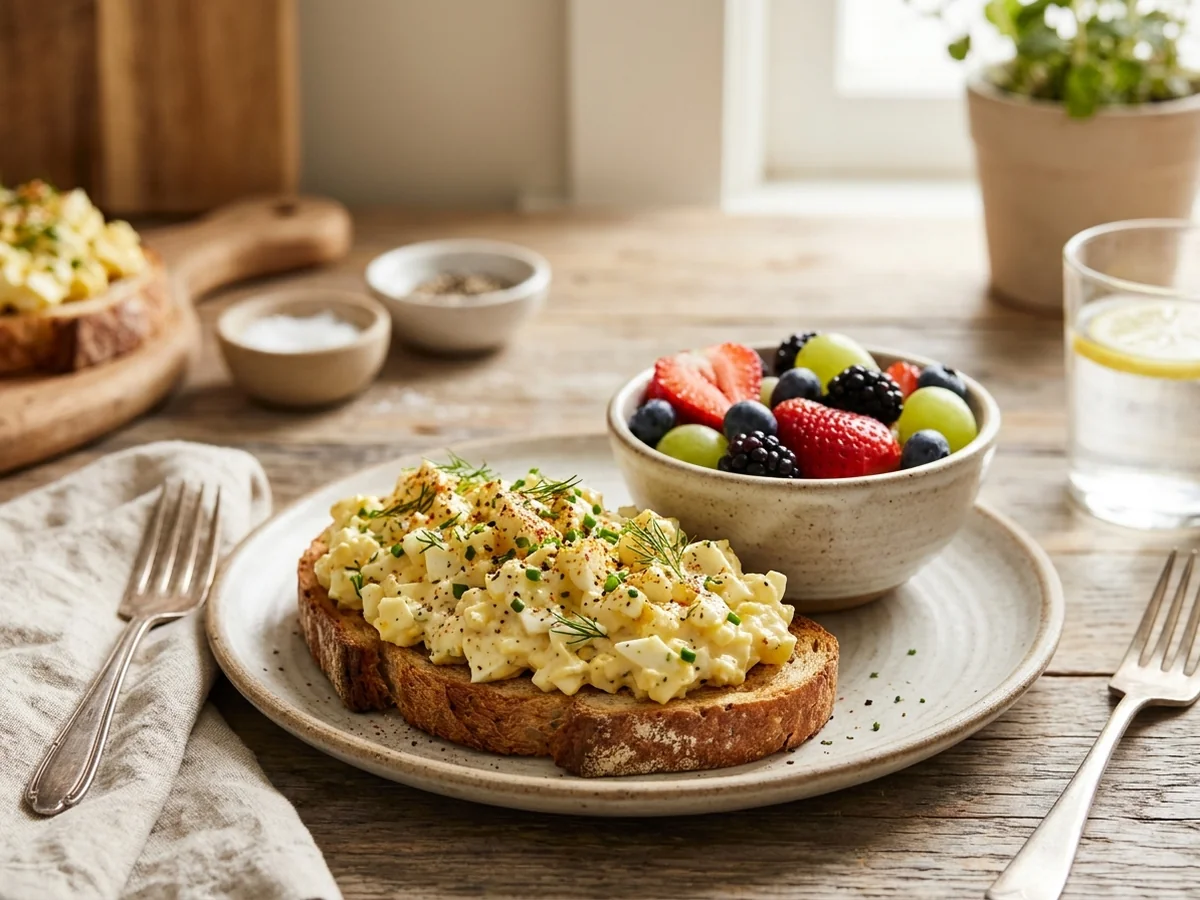
Choose bread that provides a sturdy foundation for the creamy filling, such as toasted sourdough or thick-cut whole wheat. These options resist getting soggy quickly, allowing you to enjoy the meal at your own pace. If you prefer a lighter texture, a soft brioche bun or a classic white loaf works well for immediate consumption.
Balance the richness of the main dish by including crisp or acidic side items. Fresh greens like arugula or a simple side salad with a vinaigrette provide a bright contrast. Alternatively, crunchy pickles or thinly sliced radishes add a refreshing snap that cuts through the creaminess of the mayonnaise and yolk mixture.
For smaller portions or social gatherings, prepare tea-sized versions by trimming the crusts off your bread. You can cut these into neat triangles or rectangles for an elegant presentation. Using a slightly firmer bread helps these smaller pieces maintain their structure on a serving platter.
When packing these meals for lunchboxes, keep the filling separate from the bread if you have the time. Assemble the pieces right before you eat to ensure the best texture. If you must pack them fully assembled, wrap each one tightly in parchment paper or beeswax wraps to prevent the edges from drying out and to keep the contents secure during transport.
- Toasted sourdough for a reliable, hearty base.
- Fresh garden greens or peppery arugula to balance the fat.
- Dill pickles or pickled red onions for necessary acidity.
- Parchment paper wrapping for lunchbox stability.
- Crust-free triangles for tea-time service.
FAQ
How long can I store an egg salad sandwich in the refrigerator?
Leftover egg salad can be stored in the refrigerator for up to four days. According to the FDA, you should keep it in a shallow, airtight container to maintain safety and quality.
Can I freeze egg salad for later use?
Freezing is not recommended because it changes the texture and flavor of the ingredients. If you do freeze the mixture, it should be thawed in the refrigerator before consumption.
How do I know when the eggs are cooked enough for an egg salad sandwich?
To ensure food safety, you must heat the eggs until the white and yolk are completely solid. Consuming raw or undercooked eggs may increase the risk of foodborne illness.
What are the nutritional benefits of the main ingredients in this recipe?
Eggs are a source of protein, vitamin A, folate, and choline. These nutrients contribute to a balanced diet when included in your meal.
What is the typical method for preparing hard-boiled eggs?
Common guidance suggests that you can prepare hard-boiled eggs by removing the pan from the heat after boiling and allowing the eggs to sit in the hot water for 10 to 12 minutes. This technique helps ensure the eggs reach the desired firmness needed for your recipe.
How can I customize my egg salad without changing the texture?
You can improve your mixture with substitutions like finely diced shallots or chopped pickles to add crunch and flavor. These additions provide variety while keeping the consistency suitable for your meal.
Conclusion
Once you have prepared your hard-boiled eggs and combined them with your chosen mix-ins, store any leftovers in a shallow, airtight container in the refrigerator. Following food safety guidelines, this mixture remains safe to consume for up to four days. Freezing this dish is not recommended because it negatively impacts both the texture and flavor of the ingredients. If you do freeze the mixture, it should be thawed in the refrigerator before use.
Sources: fda.gov, ndsu.edu, food.unl.edu, in.gov
You might also like: Melt-in-Your-Mouth Chicken Breast Recipe