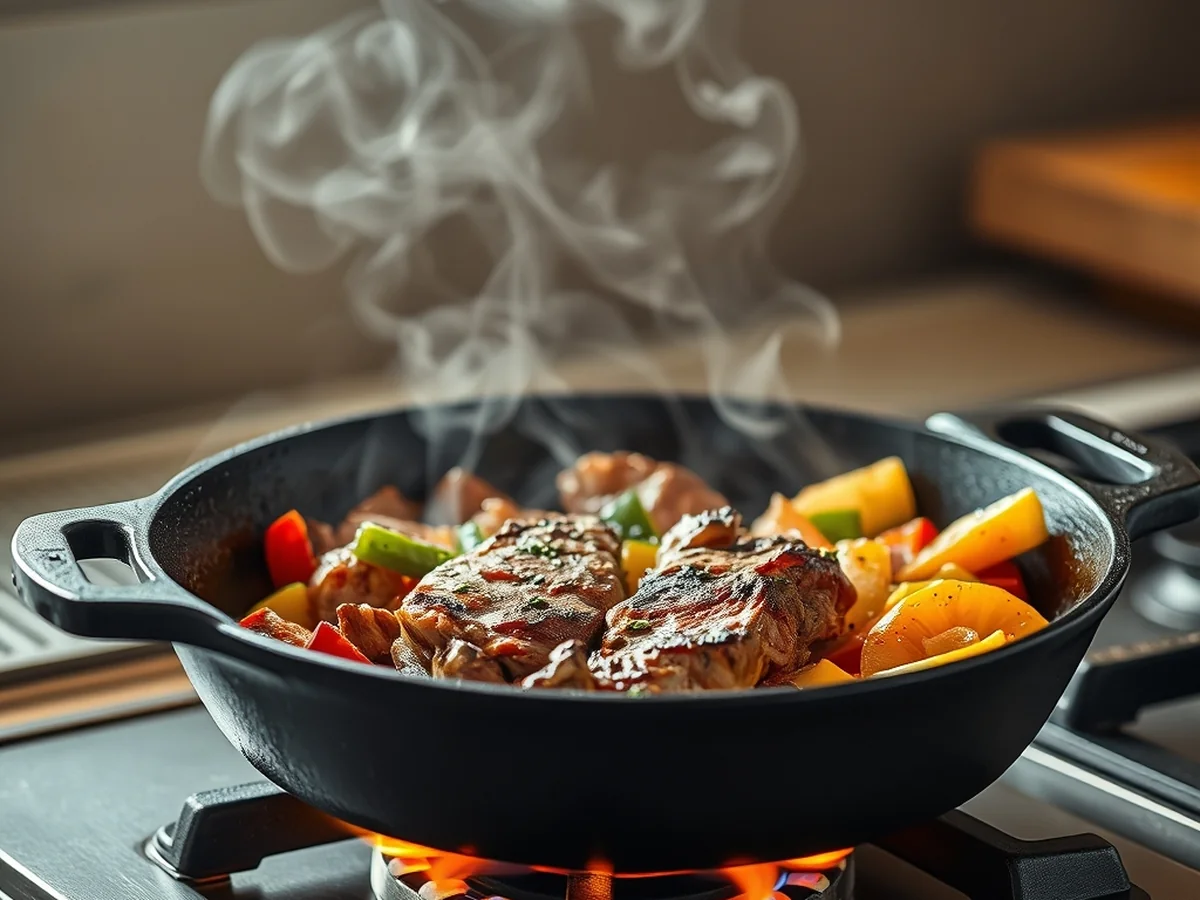
Steak Fajitas Recipe: Sizzling Mexican Dinner
Introduction to Sizzling Steak Fajitas
A reliable steak fajitas recipe brings vibrant Mexican flavors straight to your home kitchen with minimal stress. This satisfying meal combines tender strips of beef, colorful bell peppers, and warm flour tortillas for a complete dinner.
Making this dish at home involves simple preparation steps and a hot cast iron skillet to achieve that classic restaurant sizzle. You will learn how to season the meat properly, cook the vegetables to the right tenderness, and assemble everything efficiently for a quick weeknight meal.
Selecting the Best Cut of Beef for Fajitas
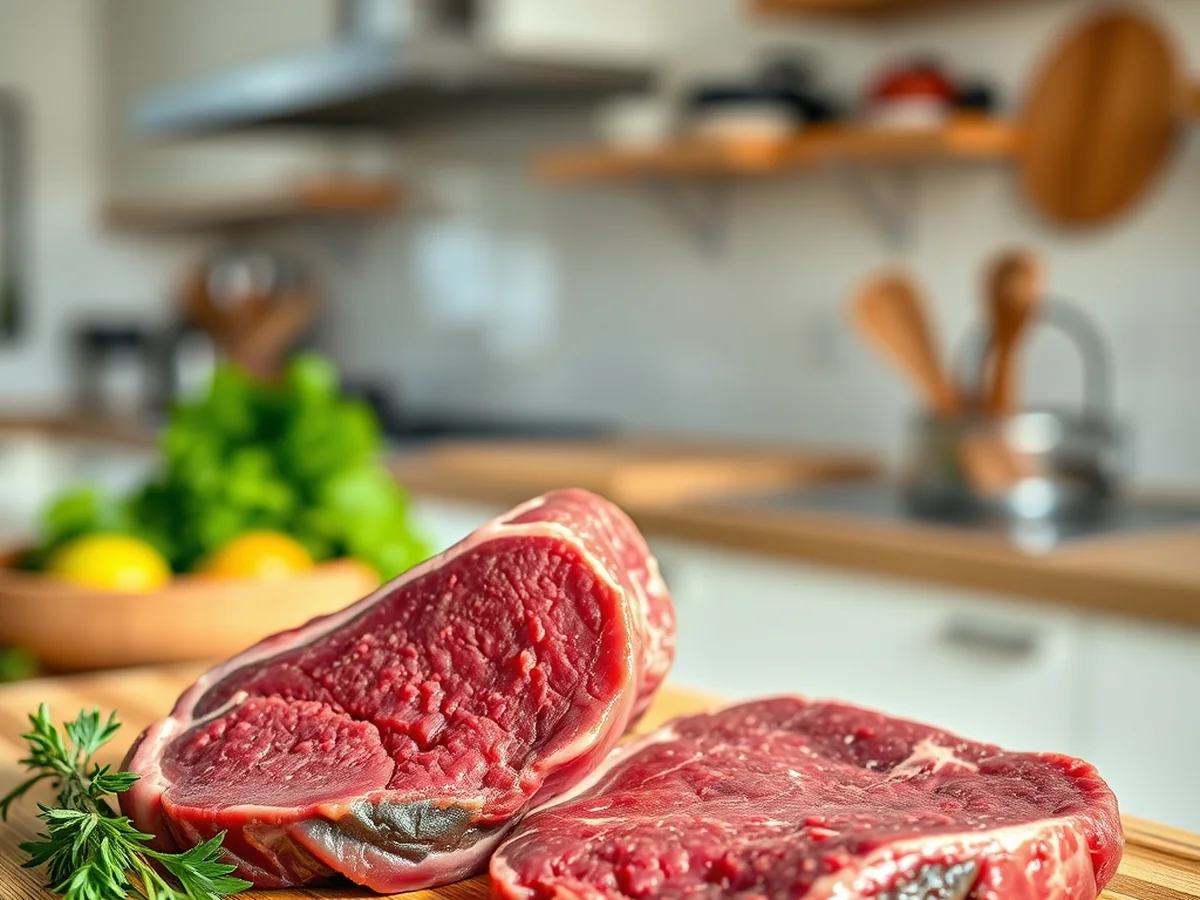
Choosing the right beef for homemade skillet meals makes all the difference in achieving tender results. The best cut of beef for fajitas is traditionally either skirt steak or flank steak. Both cuts absorb marinades effectively and cook quickly over high heat, which helps create a great texture without spending hours in the kitchen.
Skirt steak comes from the plate of the animal. It features a loose, muscular grain and a rich, intense beef flavor. Because it cooks very quickly, it benefits from a fast sear in a hot cast iron skillet.
Flank steak comes from the abdominal muscles. It is slightly thicker, leaner, and wider than skirt steak. While it delivers a robust beef flavor, it can turn tough if overcooked. Keeping the interior medium rare helps maintain juiciness and tenderness.
No matter which option you select, understanding the grain of the meat is essential for a tender bite. Muscle fibers run in parallel lines across each piece of beef. Before cooking, inspect the meat to spot the direction these lines run.
The most common mistake home cooks make is slicing the cooked meat incorrectly. Slicing against the grain means cutting perpendicular to those muscle fibers rather than parallel to them. This technique shortens the muscle fibers into smaller pieces. Slicing along the grain leaves long fibers intact, which results in chewy meat that requires extra effort to eat.
Proper preparation also involves resting the beef after cooking. Letting the meat rest for a few minutes allows the natural juices to redistribute evenly throughout the cut. Once rested, use a sharp knife and cut at a slight angle across the grain for the best possible texture.
Crafting an Easy Steak Fajitas Marinade
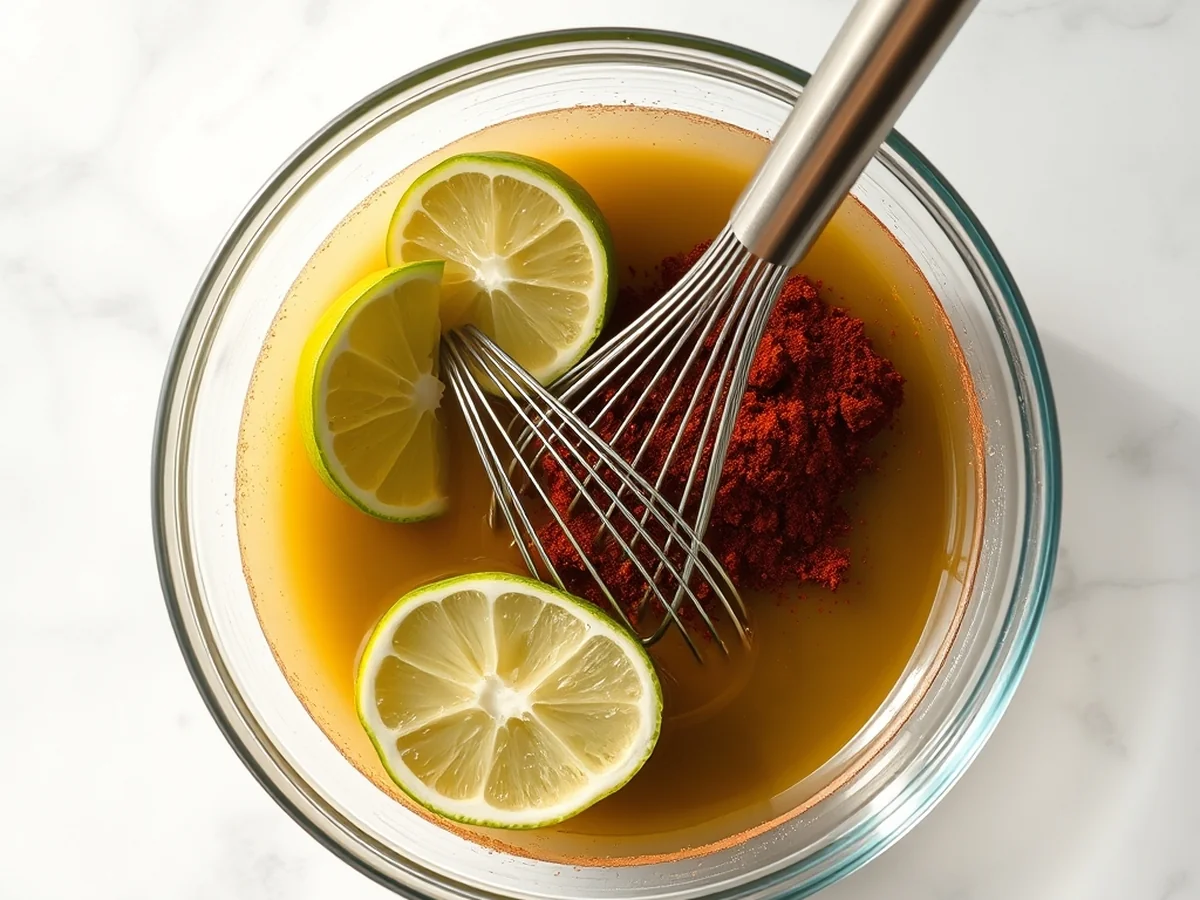
An effective marinade relies on combining citrus elements like lime juice with seasonings such as chili powder to tenderize the beef and build bold flavor. This simple mix breaks down surface proteins while infusing the meat with savory spices before it hits the pan. Making any steak fajitas recipe taste like a restaurant meal starts with getting the liquid and spice ratios balanced. Acidic components help soften tougher cuts of beef, while oil carries the fat-soluble flavor compounds throughout the protein.
Giving the beef adequate resting time in the marinade allows flavors to penetrate the meat before cooking. The seasoning needs minutes to travel past the outer layer and season the interior evenly. Skipping this step leaves the center bland while the exterior holds all the taste. A common mistake is leaving the meat in the acid for too long, which can alter the texture of the outer layers. Balancing the oil and acid prevents this issue while ensuring the skirt steak or flank steak absorbs the spices properly.
Selecting the Right Ingredients for Maximum Flavor
Every component in the flavor mixture serves a specific purpose in transforming the texture and taste of the beef. Fresh lime juice provides the necessary acidity to break down outer muscle fibers, while neutral cooking oil adds moisture and helps form a rich crust when exposed to high heat. Blending chili powder, cumin, garlic powder, salt, and black pepper creates a savory profile that complements the natural beef flavor without overpowering it.
Applying and Resting the Beef Properly
Coating every square inch of the meat ensures that the seasoning and acid work uniformly across the entire surface. After thoroughly rubbing the mixture over the skirt steak or flank steak, cover the container tightly and place it in the refrigerator. Allowing the meat to rest in the cold environment lets the flavors soak inward properly. Home cooks should remove the beef from the refrigerator shortly before cooking so the protein approaches room temperature, which promotes even searing in a hot cast iron skillet alongside sliced bell peppers and onions.
Follow these practical steps to build and use your flavor mixture properly:
- Whisk fresh lime juice and oil together in a bowl before adding any dry ingredients to create a smooth base.
- Stir in chili powder along with cumin, garlic powder, salt, and black pepper until fully combined.
- Coat the beef thoroughly on all sides to ensure even exposure to the acid, oil, and spices.
- Cover the container tightly and place it in the refrigerator to let the flavors soak inward.
- Remove the beef from the cold environment briefly before cooking so it sears evenly in the cast iron skillet alongside bell peppers and onions.
Preparing Bell Peppers and Aromatics
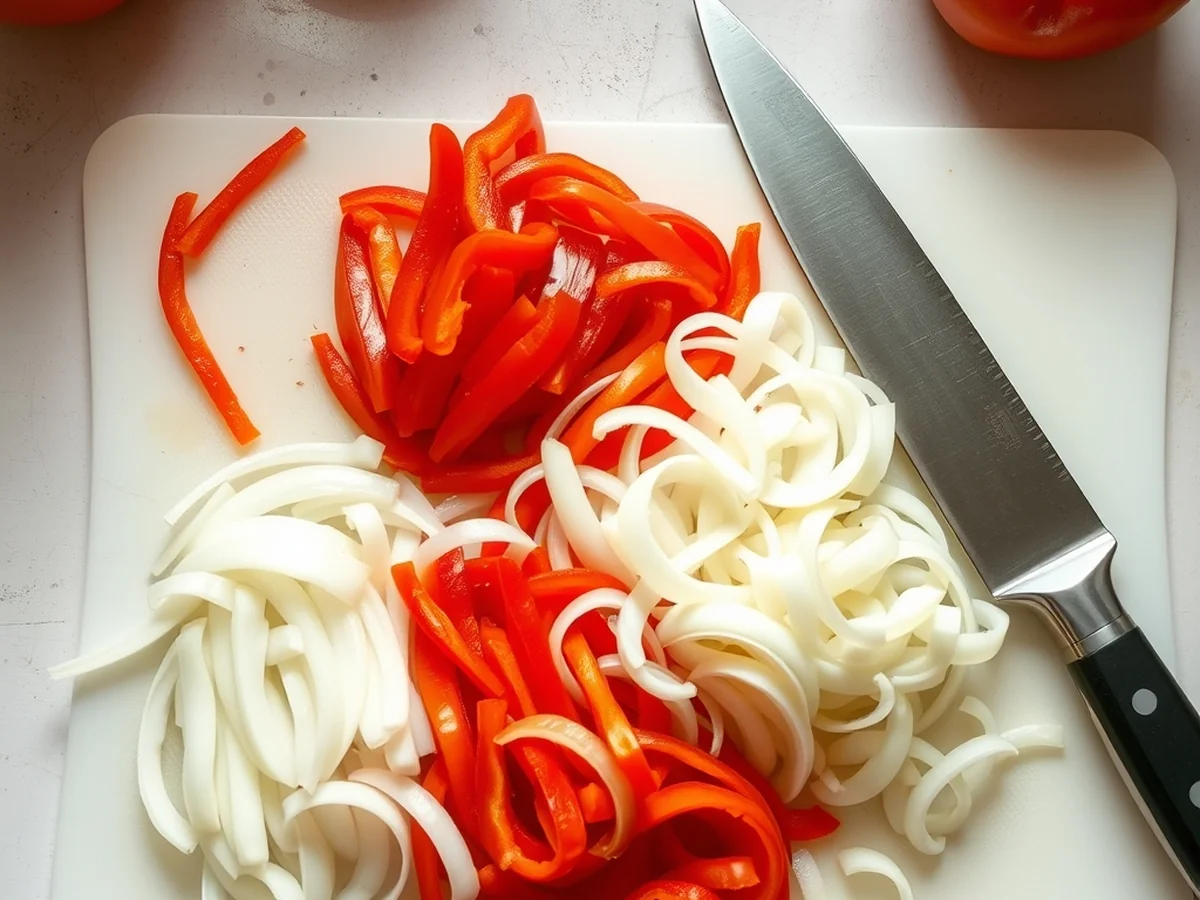
Preparing bell peppers and onions requires slicing both ingredients into uniform strips to ensure they cook evenly in the hot pan. Uneven pieces often lead to burnt edges while the centers remain raw, which negatively alters the final texture of your meal. Taking a little extra care during the cutting phase lays the foundation for a successful dinner.
Selecting and Washing Fresh Produce
Begin by thoroughly washing your fresh bell peppers and peeling the outer layers of the onions. Cut off the stem ends of the peppers and carefully remove the core and interior seeds. Slicing the remaining pepper flesh lengthwise into thin, uniform strips creates the ideal shape for quick cooking alongside your skirt steak or flank steak. For the onions, cut them in half from the top to the root, then slice each half into strips that closely match the width of your pepper pieces.
Balancing Textures in the Pan
Balancing vegetable textures means cooking the peppers and onions just long enough to soften while still retaining a slight, pleasant crunch alongside the tender meat. A common mistake is overcooking the vegetables until they turn to mush, so keep a close watch on them while using a heavy cast iron skillet to achieve a proper sear. This method supports cast iron skillet fajitas by letting the vegetables caramelize slightly without losing their structural integrity.
Streamlining Your Kitchen Workflow
Tossing the sliced peppers and onions together in a bowl before you start cooking makes it much easier to add them to the pan all at once. This practical preparation step keeps the entire cooking process smooth and fast, allowing you to manage high heat without rushing. Having everything ready to go is especially helpful when working with high temperatures, ensuring your warm flour tortillas and other accompaniments are ready to serve alongside your meal.
Mastering Cast Iron Skillet Fajitas
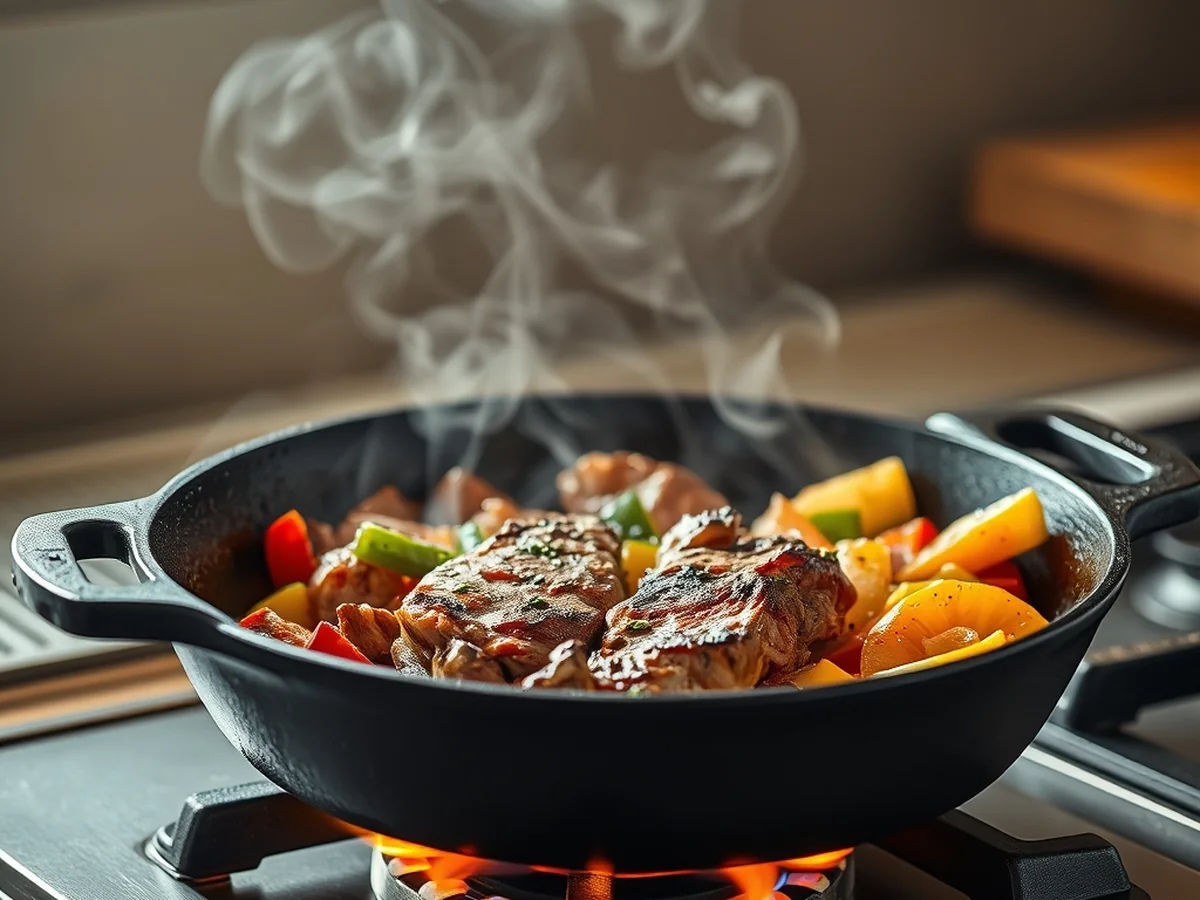
Cooking cast iron skillet fajitas relies on heavy cookware because it retains heat effectively and transfers that energy directly to the meat and vegetables. When the metal reaches a high temperature, it creates a fast, deep crust on skirt steak or flank steak without overcooking the inside. Lighter pans simply lose heat too quickly when cold ingredients hit the surface, which causes the meat to steam instead of sear.
This intense thermal energy also causes moisture from bell peppers and onions to flash evaporate instantly, producing the signature loud sizzle and smoky flavor associated with authentic Mexican steak fajitas. To achieve this result consistently, proper preparation is essential before anything touches the hot surface. Slice your vegetables uniformly so they cook at an even pace alongside the protein.
Selecting the Right Cut and Marinade
Choosing the best cut of beef for fajitas ensures a tender bite and rich flavor. Both skirt steak and flank steak have robust muscle fibers that absorb marinades efficiently and handle high heat well. If you are using an easy steak fajitas marinade containing citrus notes like lime juice, pat the meat dry before cooking to encourage a better crust rather than excess sputtering.
Managing high heat without burning chili powder or other delicate spices requires careful oil selection and timing. Oils with a high smoke point prevent bitter residue from forming in a hot cast iron skillet, keeping the meal savory.
Avoiding Common Cooking Mistakes
Home cooks often crowd the pan, which traps steam and cools the cooking surface rapidly. Working in small batches or keeping the pan properly preheated ensures the ingredients brown instead of stew, completing any good steak fajitas recipe successfully. Overcrowding prevents the Maillard reaction, turning a dry sear into an unwanted boiling process.
Temperature management remains critical throughout the process. Allow the pan to recover its heat between batches if you are cooking large quantities of food. Once the meat reaches your preferred doneness and rests briefly, slice it against the grain to shorten the muscle fibers.
Serving for Maximum Flavor
The final assembly dictates the overall texture and taste profile of the dish. Serve the sizzling meat and vegetables immediately with warm flour tortillas for the best texture and flavor balance. Adding fresh garnishes just before eating rounds out the preparation, delivering a balanced and satisfying meal straight from the stove.
Achieving Authentic Mexican Steak Fajitas Flavor
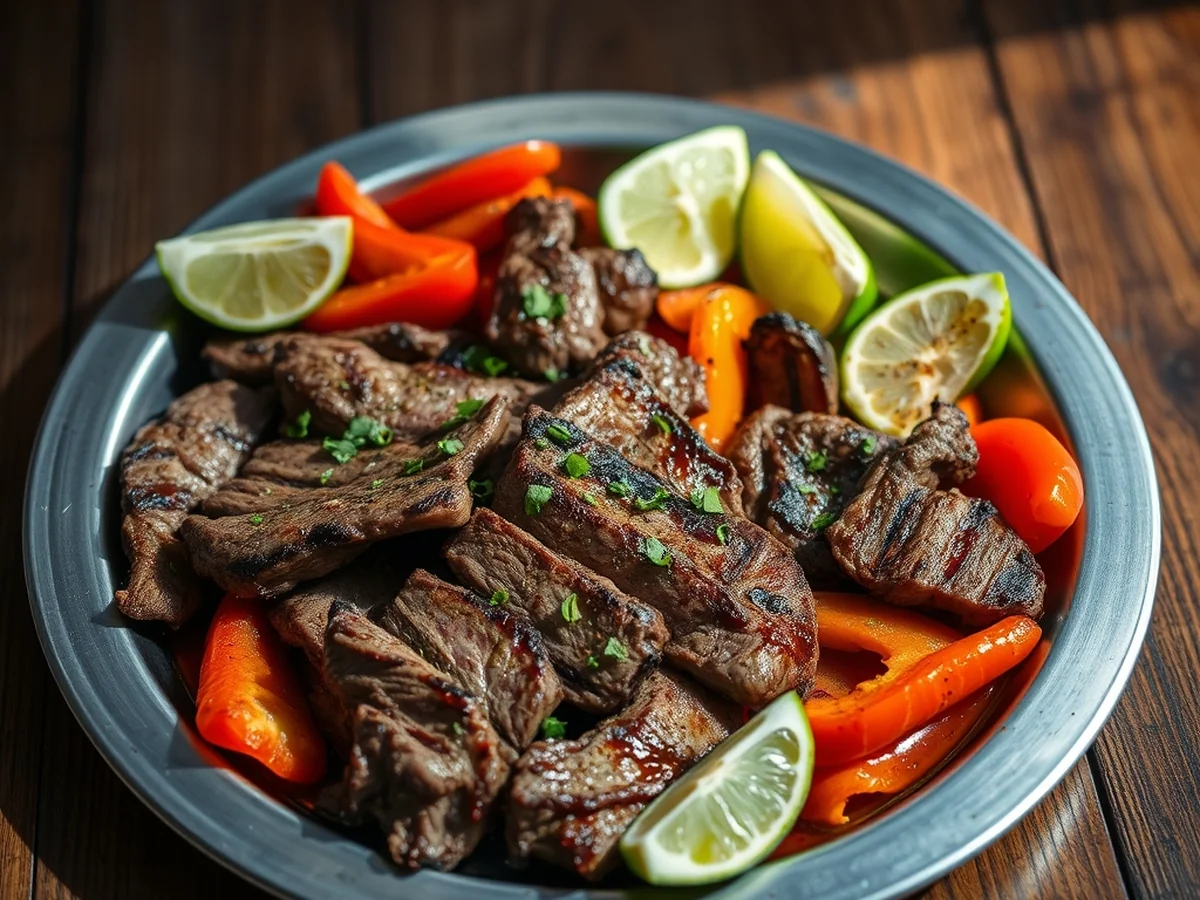
Creating authentic Mexican steak fajitas at home requires a focus on proper technique rather than relying on overly complex ingredients. The main goal is to achieve a balance between a deep, smoky char on the exterior of the meat and a bright, acidic finish from fresh citrus. When preparing these meals, selecting the right cut is essential for both texture and taste.
Selecting and Preparing the Meat
The optimal cut of beef for fajitas is typically skirt steak or flank steak, as these specific cuts possess a robust beefy flavor that stands up exceptionally well to high heat and bold seasonings. Because these cuts come from hardworking muscles, they benefit greatly from proper preparation. The foundation of the flavor profile begins with a simple preparation using citrus. Using fresh lime juice is essential because the acid acts as a natural tenderizer, breaking down the tough muscle fibers inherent in the meat.
To maximize this tenderizing effect without ruining the texture, allow the meat to marinate for at least thirty minutes but no longer than a few hours. Excess time in an acidic environment can cause the structure of the beef to break down too much, turning the texture mushy rather than firm and tender.
Cooking in a Cast Iron Skillet
For the cooking process, using a heavy pan like a cast iron skillet is highly effective for home cooks. Cast iron retains heat exceptionally well, which is necessary for achieving that signature restaurant quality sear. To prevent the meat from steaming in its own juices, ensure the pan is smoking hot before adding the beef.
If the pan is overcrowded, the temperature will drop significantly, leading to grey, boiled meat instead of the desired charred crust. Work in batches if necessary to maintain consistent, high heat throughout the cooking process. Sautéing bell peppers and onions alongside or just after the meat allows their natural sweetness to complement the savory beef.
Seasoning and Resting Techniques
Seasoning should focus on dry spices like chili powder, cumin, and garlic powder. These spices provide an earthy backbone that rounds out the dish. A common mistake is adding the seasoning too early or burning the spices directly in a dry pan. Instead, incorporate the dry rub just before searing to ensure the flavors bloom properly without turning bitter.
Once the beef reaches your preferred level of doneness, transfer it to a cutting board and let it rest for several minutes. This final step is crucial because it allows the internal juices to redistribute throughout the meat rather than spilling out onto the board. Always slice the meat against the grain to ensure each bite remains tender. Serve the finished steak immediately alongside warmed flour tortillas to complete the meal.
Warming and Assembling with Flour Tortillas
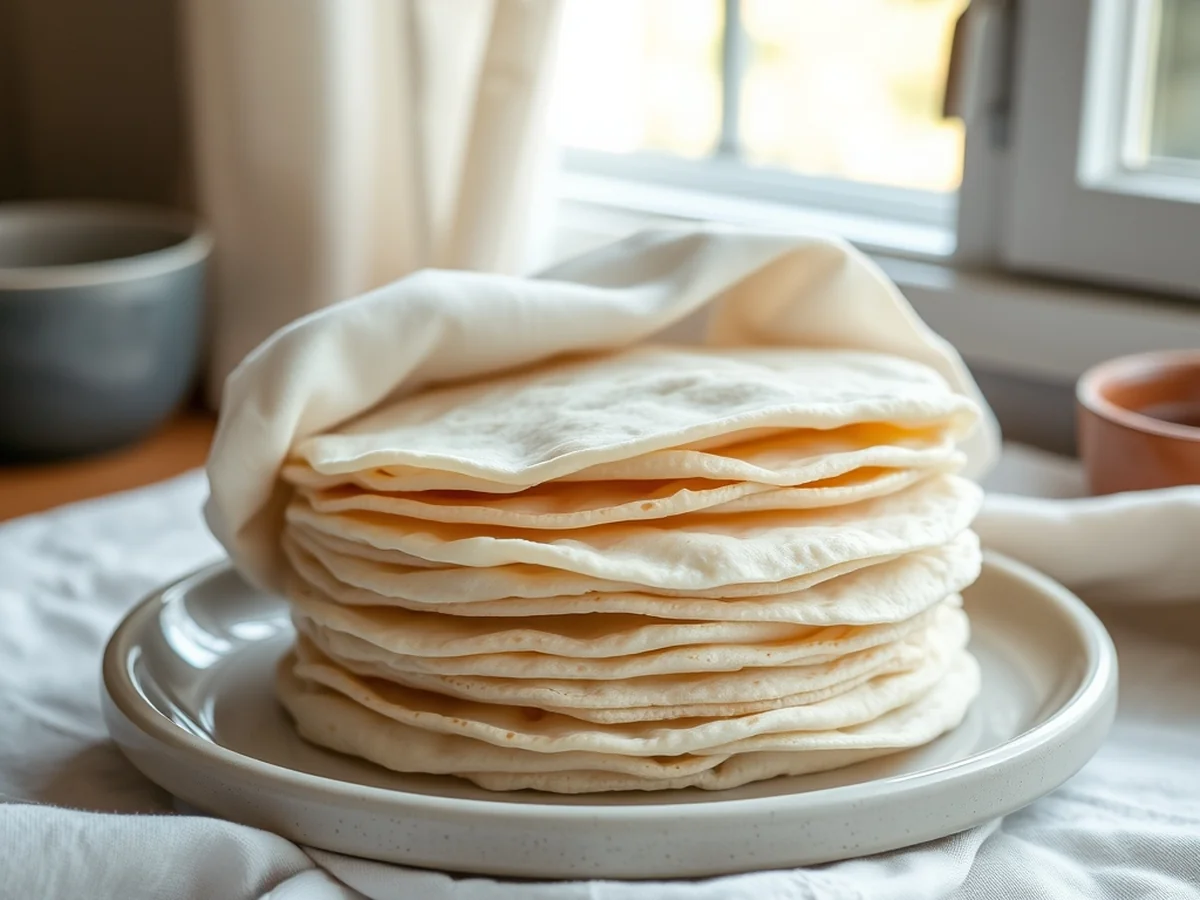
Properly warmed flour tortillas stay soft and pliable by trapping steam, which prevents them from tearing when rolled around the filling. You can achieve this texture by wrapping a stack in damp paper towels and heating them briefly in the microwave, or by warming them individually in a hot skillet for a few seconds on each side until they become flexible. When preparing meat and vegetable wraps in a pan, using the residual heat of your cooking surface can also work well if managed carefully.
Building your meal correctly ensures every bite has the right balance of flavors and textures without falling apart on your plate. Start by laying your warmed flour tortillas flat on a clean surface to prepare for efficient assembly.
Creating the Foundation
Place a solid base of cooked bell peppers and onions directly down the center of each piece. This vegetable layer creates a protective moisture barrier that keeps the wrapper from getting soggy during the meal. Adding sliced beef next ensures the protein rests evenly on top of the vegetables. When following a reliable steak fajitas recipe, you can then top the warm meat with your favorite garnishes like fresh lime juice, cheese, or salsa to enhance the overall flavor profile.
Whether you choose skirt steak or flank steak as your primary protein, keeping the slices uniform helps maintain a balanced structure inside the wrap.
Avoiding Overloading
One common mistake to avoid during assembly is overloading the wrapper, which makes the rolling process difficult and causes the ingredients to spill out. Start with smaller portions until you find the right capacity for your size of wrap. Adding too many fillings at once compromises the structural integrity of the tortilla, leading to rips and leaks before you even take your first bite.
The Folding Technique
Fold in the sides of the flour tortillas first, then roll them forward from the bottom to lock the ingredients securely inside. This technique keeps everything stable while you eat, preventing the juices from leaking out the ends. Taking your time during this step ensures that traditional beef fajita dishes hold together neatly, providing a clean and enjoyable dining experience for family dinners and quick weeknight meals alike.
Safe Beef Handling Practices
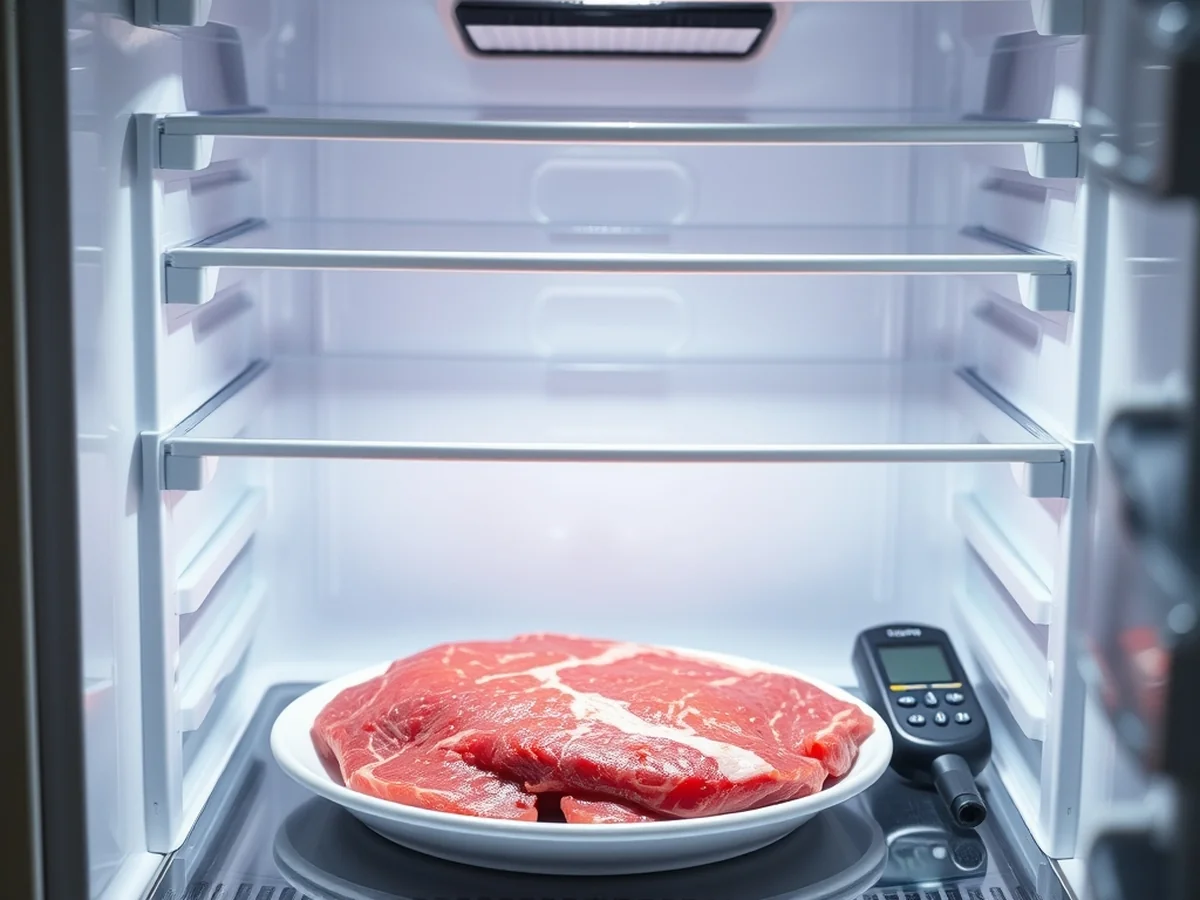
Proper food safety habits matter just as much as getting the flavor right when you prepare homemade meals with fresh ingredients. Keeping raw meat properly chilled until the moment it hits the heat prevents harmful bacteria from multiplying and protects everyone at your table from food-borne illness. Whether you are prepping skirt steak or flank steak for a weeknight dinner, maintaining strict kitchen hygiene requires a few deliberate steps from storage to cleanup.
Start by keeping your beef in the refrigerator at a safe, cold temperature until you are ready to begin cooking. When thawing frozen meat, always use safe methods such as placing it in the refrigerator, submerging it in cold water that you change every thirty minutes, or using the microwave. Never leave raw meat out on the counter at room temperature.
Cross-contamination is one of the most common pitfalls in home kitchens. Always use a dedicated cutting board exclusively for raw beef, keeping it completely separate from produce like bell peppers and onions. After you finish handling the meat, wash your hands, knives, and countertops thoroughly with hot, soapy water, followed by a thorough rinse and a kitchen sanitizer. Never place cooked food or ready-to-eat items back onto a surface that held raw meat unless it has been fully cleaned and sanitized.
- Keep raw beef refrigerated until just before cooking.
- Thaw only in the refrigerator, cold water, or microwave.
- Use a dedicated cutting board and utensils for raw meat.
- Wash hands, surfaces, and tools with hot, soapy water after contact.
- Sanitize any area that may have been contaminated before preparing other foods.
Following guidelines from the USDA and university extension services helps ensure your cooking routine remains entirely safe. Taking these precautions protects your family and keeps your kitchen running smoothly while you focus on cooking.
Frequently Asked Questions About Making Steak Fajitas
What is the ideal cut of beef for this dish?
Skirt steak and flank steak are widely considered the ideal choices because they have a bold beefy flavor and respond well to high-heat searing. Skirt steak is particularly prized for its loose grain, which absorbs a flavorful marinade effectively and remains tender when sliced thinly against the grain.
How long should I marinate the steak?
Marinate your beef for at least thirty minutes, though two to four hours provides the best balance of flavor and texture. Avoid leaving meat in acidic mixtures containing lime juice for longer than eight hours, as the acid can eventually break down the fibers and turn the meat mushy.
Can I make these in a standard pan instead of a cast iron skillet?
While a heavy cast iron skillet is preferred for achieving a deep sear, you can certainly use a large stainless steel or non-stick pan. If you choose a lighter pan, cook the meat in smaller batches to ensure the surface temperature stays hot enough for traditional skillet meals rather than steaming the ingredients.
Do I need to slice the steak before or after cooking?
Slicing the beef into thin strips after it has finished resting is the most effective way to ensure the center stays juicy. Cooking the meat in larger pieces allows for better control over the doneness and prevents the strips from drying out while you are charring your bell peppers.
How do I prevent the vegetables from getting soggy?
Cook your bell peppers and onions over high heat for a short time to keep them crisp and vibrant. Keeping the vegetables slightly al dente ensures they provide a nice contrast to the tender, seared steak when served in warm flour tortillas.
Conclusion
Mastering this steak fajitas recipe requires only thin, uniform meat slices and a very hot cooking surface to lock in flavor. By searing your protein quickly and tossing in fresh vegetables until just tender, you can recreate a restaurant-style meal in your own kitchen with minimal cleanup. Now that you know the essentials, gather your ingredients and test this steak fajitas recipe for your next weeknight dinner.
You might also like: Sichuan-Style Crispy Chili Beef Stir-Fry