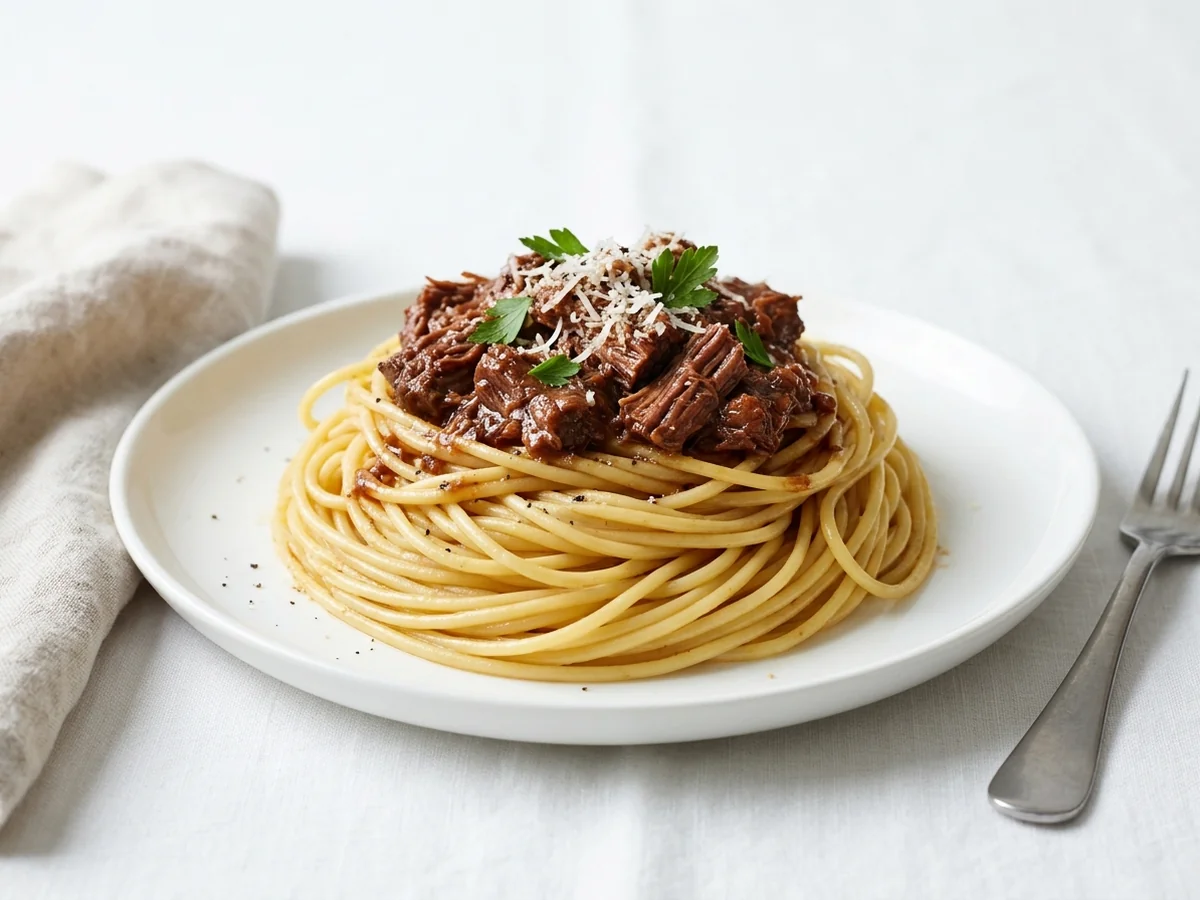
Spaghetti with Braised Beef and Tomato Sauce
Introduction
You can create a restaurant quality meal at home by preparing spaghetti with braised beef, which results in a rich and deeply flavorful sauce. This dish features meat cooked low and slow until it is tender enough to shred, making it an excellent choice for a comforting family dinner.
This guide covers everything you need to know to master a braised beef ragu recipe, from selecting the best cuts of meat to the proper simmering techniques. We will explore how to build a complex flavor profile using aromatics like mirepoix and San Marzano tomatoes, as well as how to achieve the perfect texture for your sauce. You will also find tips on choosing the right pasta, as while spaghetti is a classic choice, many cooks also enjoy using pappardelle for its ability to hold heavy, hearty sauces. Whether you are using a Dutch oven or an alternative cooking method, these steps ensure consistent, delicious results every time.
Ingredients for Braised Beef
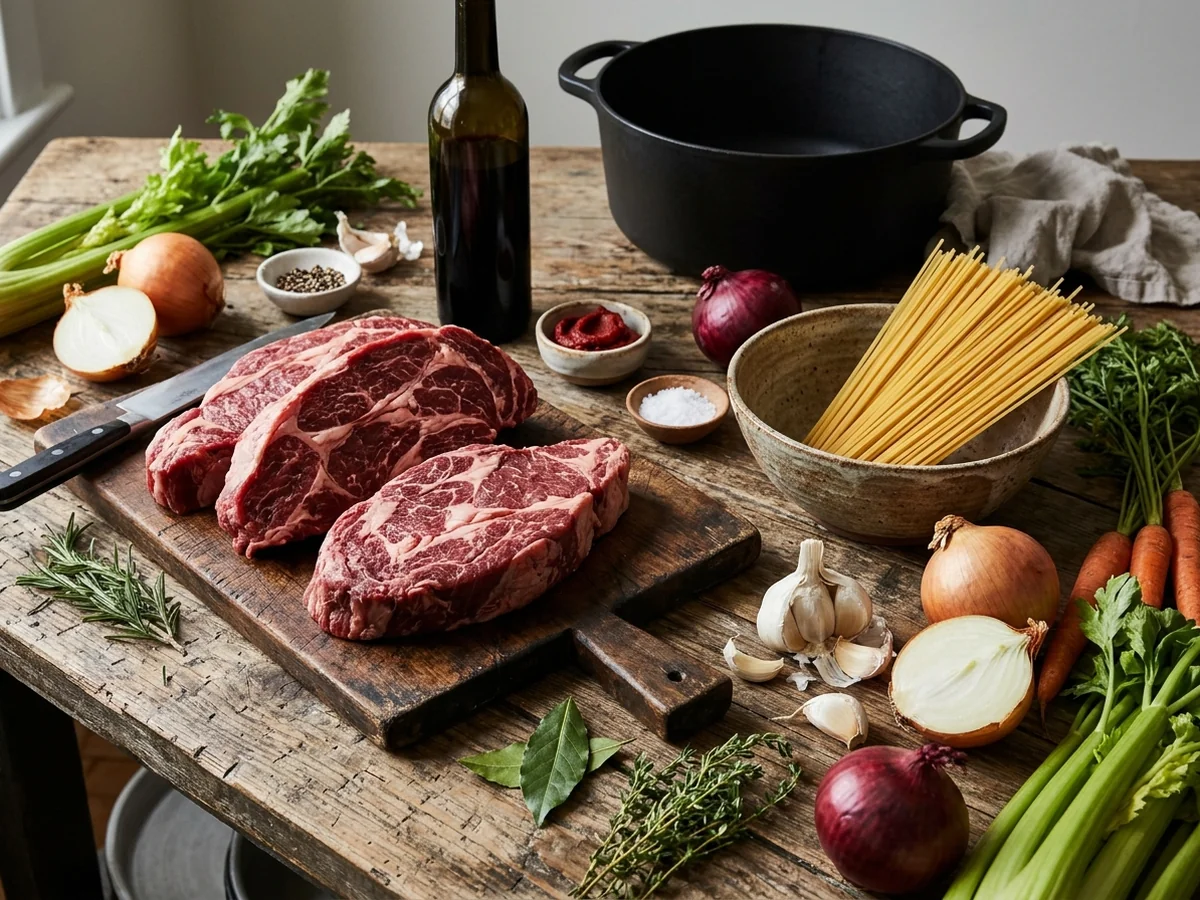
To create a superior sauce for your pasta, you need tough, connective-tissue-rich cuts of meat that transform through long, gentle heat. While standard ground meat sauces rely on quick browning and minimal simmering, this elevated approach centers on whole-muscle cuts that break down into tender, flavorful strands. A chuck roast is the gold standard for this method, as its generous marbling ensures the meat remains succulent during the extended cooking process.
Patience acts as the most critical ingredient in developing deep, complex flavors. You are looking to build a foundation that balances acidity and richness. By slowly simmering your ingredients, you allow the proteins to relax and the aromatics to meld into a thick, savory coating that clings to every strand of pasta. This slow transformation is what separates a basic weekday meal from a rustic, restaurant-quality experience.
- Chuck roast, cut into large, uniform chunks for even browning
- A traditional mirepoix consisting of diced onions, carrots, and celery
- High-quality San Marzano tomatoes for a bright, balanced acidity
- Beef stock or dry red wine to provide the necessary liquid for the braise
- Fresh herbs like rosemary, thyme, or bay leaves to infuse earthy notes
- Olive oil for searing the meat to develop a flavorful crust
While the meat is the star, the pairing of your pasta matters significantly. Common culinary guidance suggests that while long, thin strands work well, a hearty shape like pappardelle is often recommended for heavy, rustic sauces because its wide surface area stands up better to the dense texture of the shredded meat. For those who prefer a more traditional look, serving your creation over spaghetti remains a classic, comforting choice.
Remember that the braise itself requires time. It is typical practice to allow the beef to simmer for 2 to 2.5 hours, depending on the size of your cuts and your preferred level of tenderness. This window allows the collagen to fully liquefy, resulting in a melt-in-your-mouth consistency that a ground meat sauce simply cannot replicate. Keep your heat low and your lid tight to ensure moisture stays within the Dutch oven throughout the process.
Selecting The Best Beef Cuts
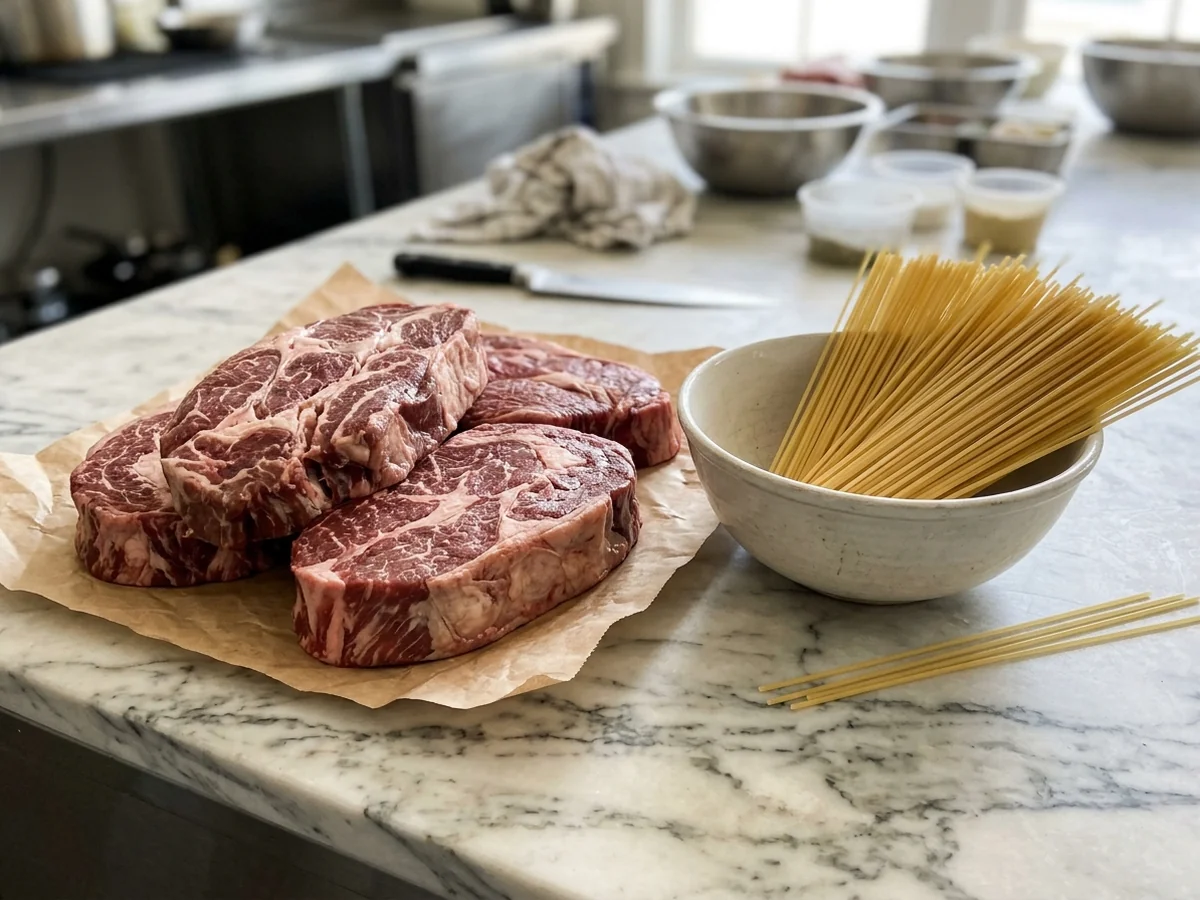
The success of a braised beef ragu recipe hinges entirely on your choice of meat. Because the goal is to achieve a texture that is fork-tender, you must select cuts that possess significant connective tissue and intramuscular fat. When cooked slowly in a Dutch oven or slow cooker, this collagen breaks down into gelatin, which thickens the sauce and creates a luxurious mouthfeel that lean cuts simply cannot replicate.
Why Tougher Cuts Work Best
While it might seem counterintuitive to choose tougher, harder-working muscles for a long-cooked meal, these are exactly what you need. Chuck roast is widely considered the gold standard for this dish. It offers the ideal balance of fat and connective tissue, ensuring the meat remains succulent as it renders during the braising process. As the fat melts, it bastes the beef from the inside out, preventing the fibers from drying out even after hours of simmering.
Avoiding Common Mistakes
A common mistake is using lean cuts like sirloin or round. Because these muscles lack the necessary fat and collagen, they do not soften during long periods of heat. Instead, they often tighten up and become dry, stringy, and unpleasant to eat. If you are preparing an easy beef ragu with spaghetti, always prioritize cuts from the shoulder or brisket area to ensure the best results.
Preparation and Serving Guidance
When you are ready to prepare your braised beef and tomato sauce pasta, keep these practical tips in mind for a successful dinner:
- Typical practice involves simmering these cuts for 2 to 2.5 hours until the meat reaches a point where it easily pulls apart with a fork.
- Once the meat is tender, learn how to shred beef for pasta by transferring it to a large bowl and using two forks to pull the fibers into thin, bite-sized strands.
- While pappardelle is a recommended pasta shape for rich, heavy sauces because its wide surface area holds the ragu well, many home cooks also enjoy serving these braised meats over polenta for a comforting alternative.
- If you find yourself short on time, using an Instant Pot can drastically shorten the cooking time compared to traditional stovetop methods while still achieving the desired tenderness.
Mastering The Braising Technique
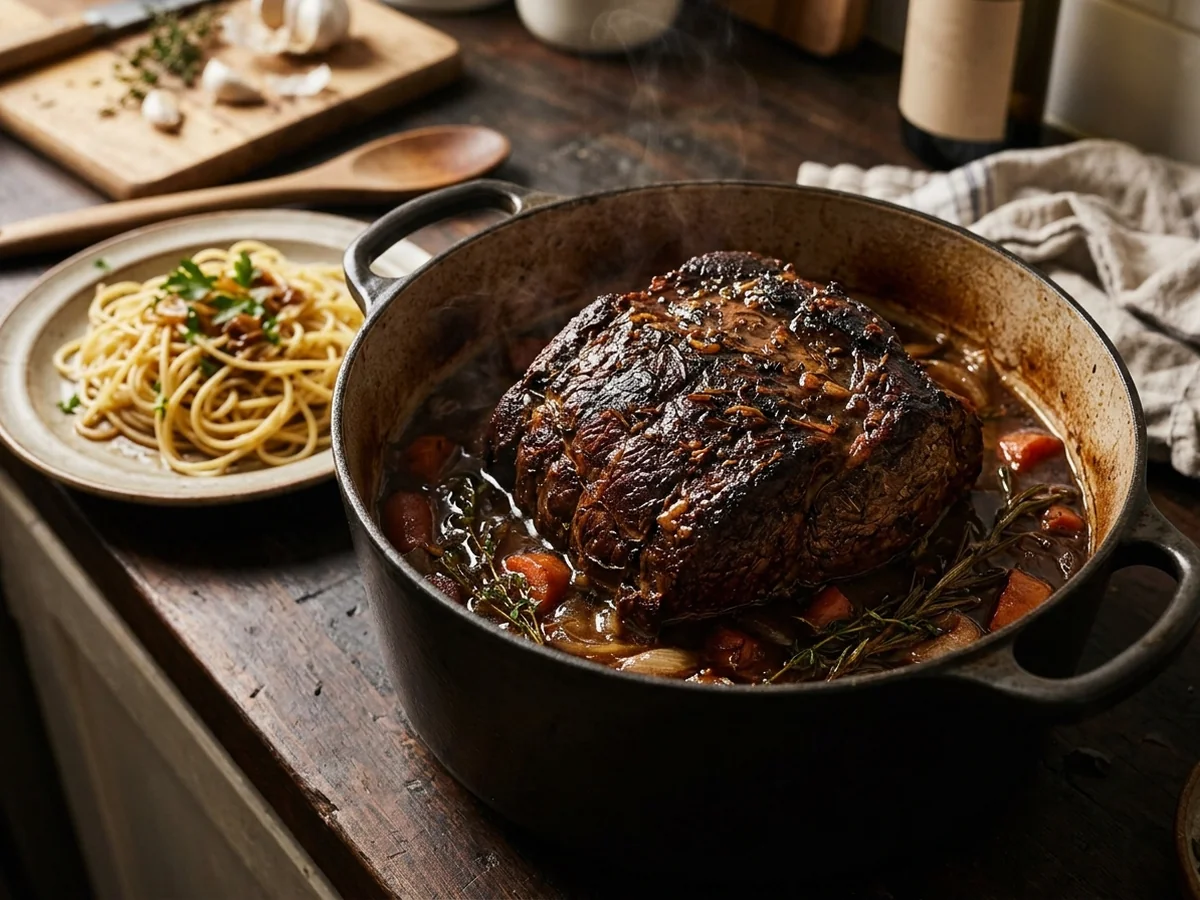
The secret to a deep, savory foundation for your sauce lies in properly searing the meat before adding any liquid. By developing a dark brown crust on all sides of the beef, you create complex flavor compounds that cannot be replicated through simmering alone.
Always pat your meat dry with paper towels before it touches the hot pan. Moisture is the enemy of a good sear, as it causes the beef to steam rather than caramelize. Use a heavy pot or Dutch oven and enough oil to lightly coat the bottom, ensuring the pan is hot before you begin.
When it comes to the liquid, aim for a ratio that allows the meat to be partially submerged without being completely drowned. You typically want the braising liquid to reach about halfway up the sides of the beef pieces. This balance ensures the meat stays moist while allowing the exposed portions to develop additional flavor from the aromatic steam.
Patience remains the most critical ingredient when preparing spaghetti with braised beef. Common culinary guidance suggests that for the toughest cuts to become fork-tender, you should allow for 2 to 2.5 hours of simmering time. This duration allows the connective tissues to break down slowly, resulting in a texture that shreds easily with a fork.
- Sear the beef in batches to avoid crowding the pan.
- Maintain a gentle simmer, as a rolling boil can toughen the fibers.
- Check the liquid level periodically and add a splash of broth or water if it reduces too quickly.
- Test for tenderness by piercing the meat with a fork, which should slide in and out with zero resistance.
While this slow cooking method is ideal for creating a rich sauce, remember that the specific cut of meat also plays a role in the final result. Although many cooks enjoy the classic presentation, remember that pappardelle is a recommended pasta shape for rich, heavy ragu sauces because its wide ribbons hold the thick, shredded meat exceptionally well compared to thinner noodles.
How To Shred Beef
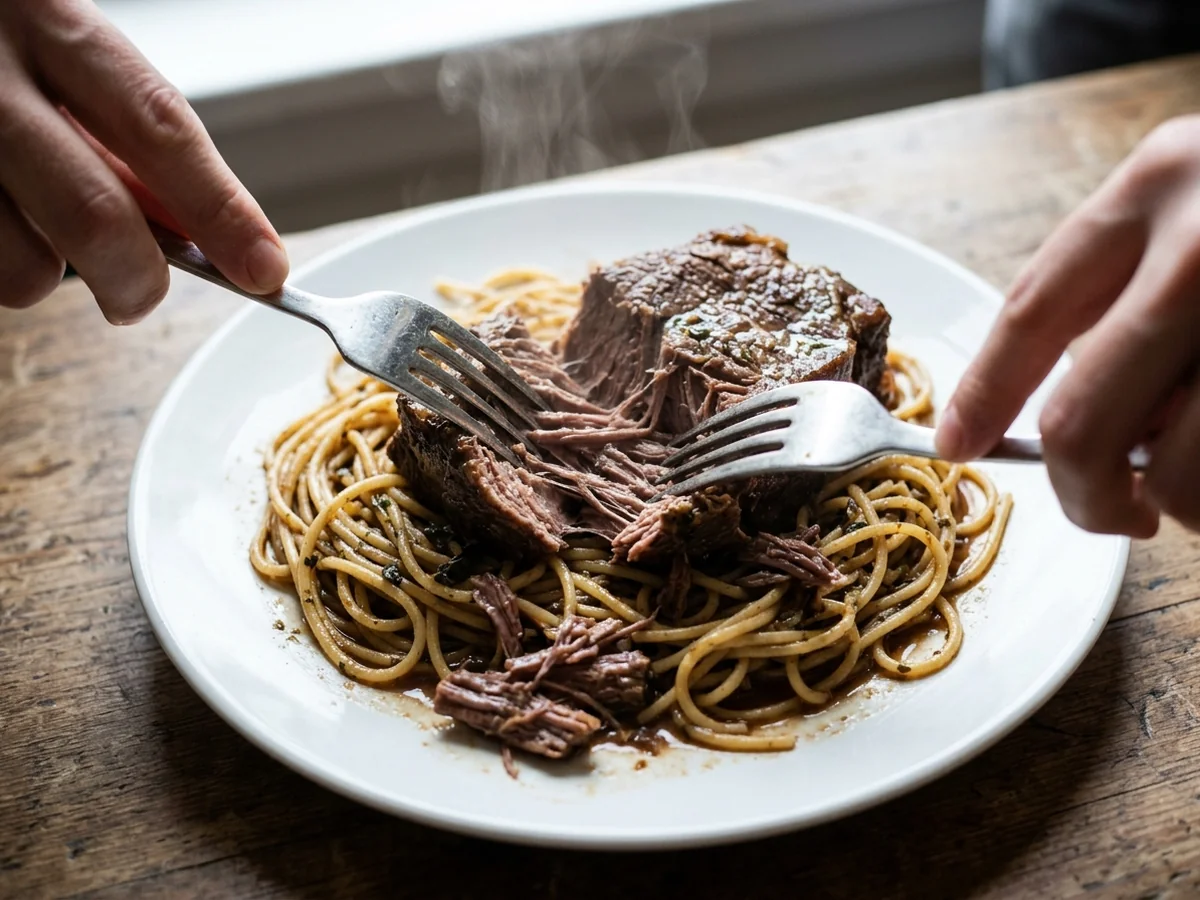
Achieving the right texture is the final step in creating an authentic braised beef ragu. When the beef has finished its long, slow simmer, it should be tender enough to fall apart with minimal effort. Typical practice suggests this process requires 2 to 2.5 hours of simmering time. Using the correct technique ensures you get those distinct, rustic strands that hold onto your sauce, rather than turning the meat into a mushy paste.
Selecting Your Tools
For the best results, use two sturdy forks or dedicated meat claws. Forks are generally sufficient for smaller batches, allowing you to grip and pull the fibers in opposite directions. If you are processing a larger roast, meat claws provide superior leverage and speed, making the work much more efficient. Always ensure the beef has rested for a few minutes after cooking, but keep it warm to maintain its tenderness while you work.
Safety and Technique
When learning how to shred beef for pasta, consistency is key. Pull the meat apart until you reach the desired texture, then fold it back into your simmering tomato base. According to the USDA Food Safety and Inspection Service, it is important to keep the meat at a safe temperature above 140 degrees Fahrenheit during this process to prevent bacterial growth.
By folding the beef gently into your sauce, you ensure every strand is coated thoroughly without breaking the meat down too much.
Pasta Pairing and Sauce Integration
Once your meat is incorporated, allow the mixture to sit on the stove for a few extra minutes. This allows the ingredients to meld and the beef to absorb the flavors of the sauce. While spaghetti is a popular choice for many, pappardelle is a widely recommended pasta shape for rich, heavy sauces because its wide, flat surface is designed to hold onto the shredded beef and thick ragu.
If you are preparing a braised beef and tomato sauce pasta, avoid mixing the sauce and pasta too early. For the best experience, toss the pasta with the sauce right before serving to maintain the integrity of both components. This approach creates a cohesive, high-protein meal that avoids the stress of over-processing your ingredients.
Choosing The Perfect Pasta
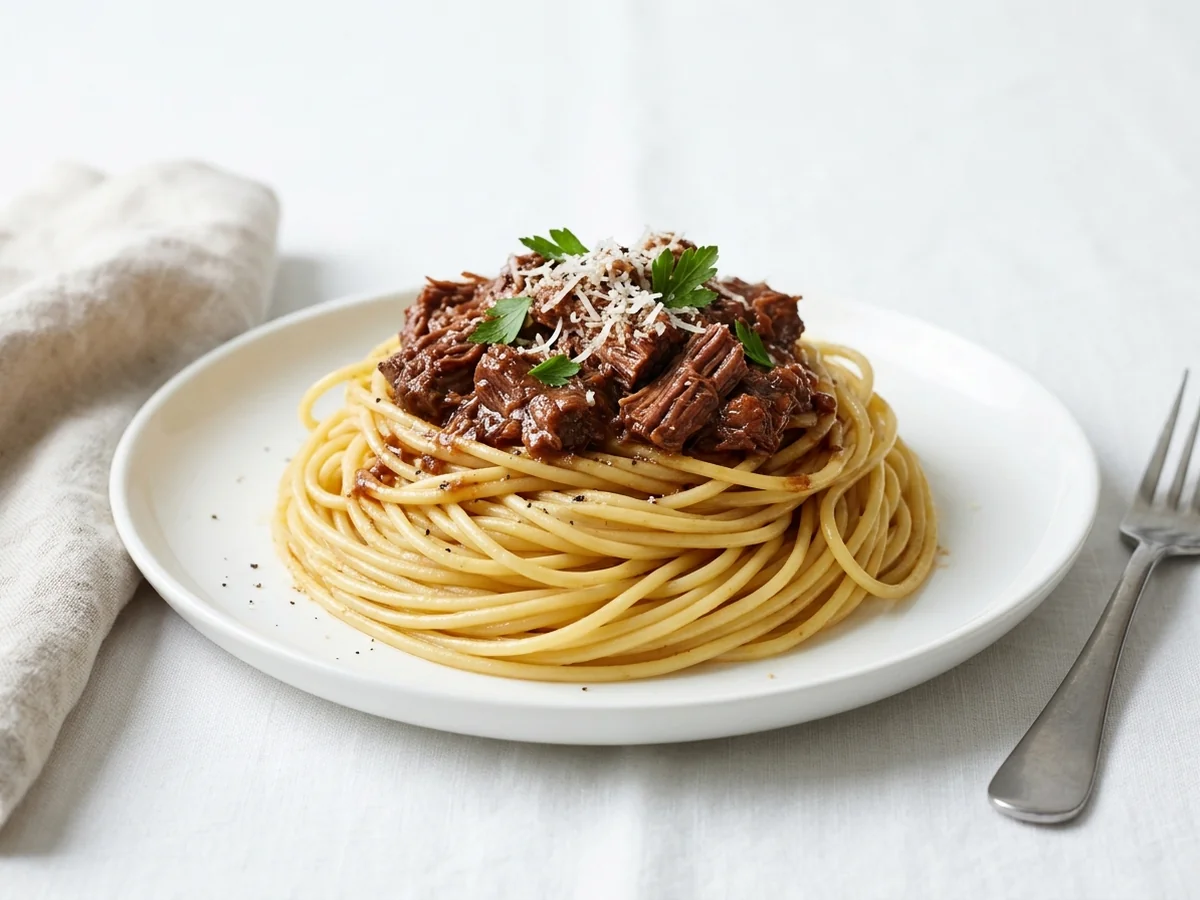
Selecting the right noodle transforms a simple meal into a cohesive dish. While spaghetti remains a popular choice for many due to the way its long strands twirl easily around a fork, the structure of your pasta should be guided by the weight and texture of your sauce.
Matching Shape to Sauce
When you prepare a rich braised beef ragu recipe, common culinary guidance suggests using a heartier shape. Pappardelle is a recommended pasta shape for these heavy sauces. The broad, flat ribbons of pappardelle create significantly more surface area compared to thinner strands. This structure allows thick, rustic meat sauces to cling to the noodles rather than sliding off, ensuring every bite is flavorful and balanced.
If you are working with a leaner or lighter sauce, classic spaghetti is an excellent choice. However, for a slow cooked meal where the beef is tender and shredded, the wider surface of ribbon pasta helps hold the moisture and flavor of the sauce better than slender alternatives. If you do not have pappardelle on hand, wide fettuccine acts as a suitable substitute, providing a similar mouthfeel that stands up to the depth of a braised beef and tomato sauce pasta.
The Art of the Al Dente Finish
Achieving the right texture requires precision during the boiling process, especially when you plan to combine the noodles with your meat mixture. Following these steps helps ensure your pasta is perfectly prepared:
- Remove the pasta from the boiling water roughly one minute before the package instructions suggest.
- Reserve a small amount of the starchy cooking water to help emulsify and bind the sauce to the strands.
- Transfer the noodles directly into the pan containing your warm, shredded beef mixture.
- Finish the cooking process by tossing everything together over low heat for that final minute.
By pulling the noodles early, you prevent them from becoming mushy once they hit the heat of the sauce. This al dente preparation is essential for maintaining a satisfying bite. Whether you prefer the classic appeal of thin strands or the robust nature of wide ribbons, the key is integrating the pasta with the sauce before serving to ensure each component is properly coated.
Slow Cooker Braising Method
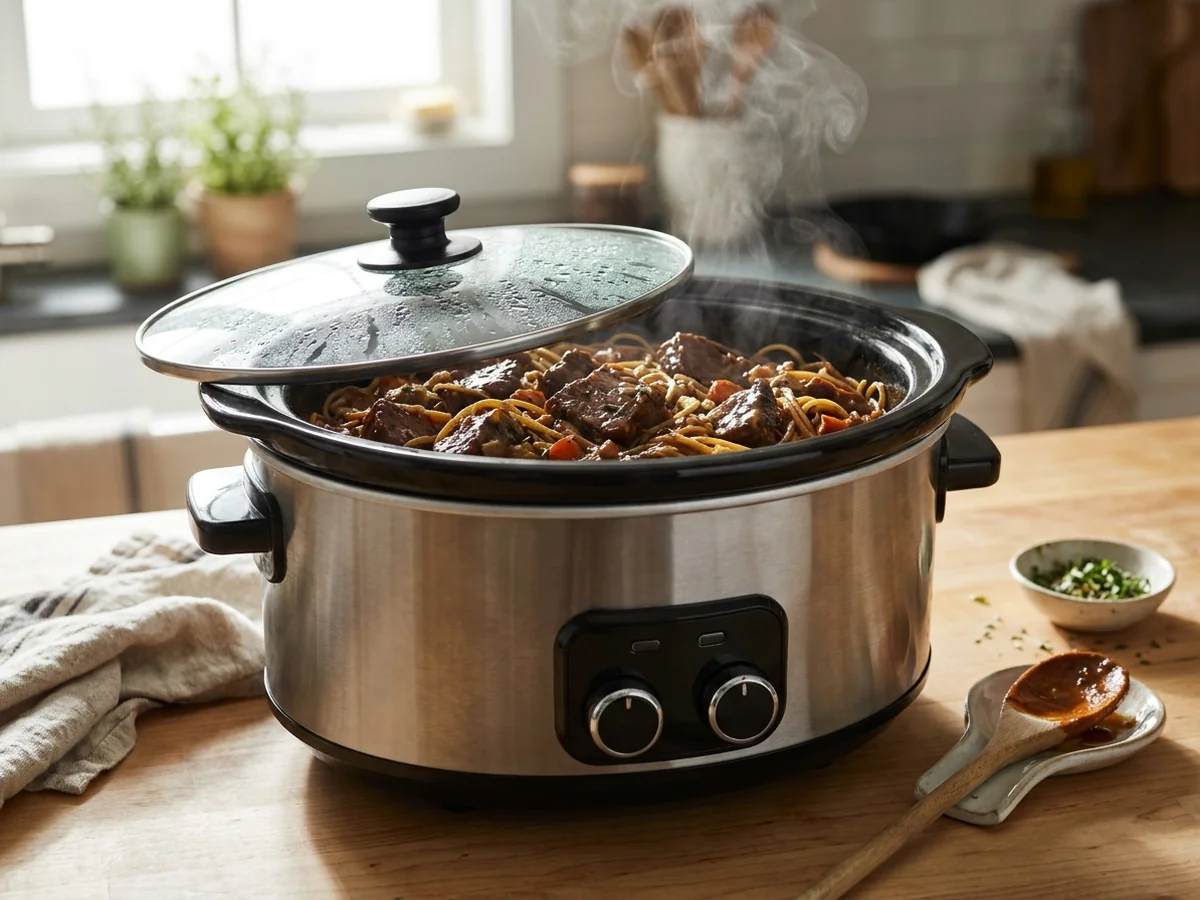
Adapting your method for preparing tender beef in a sauce for a slow cooker requires a shift in how you manage moisture. While a traditional stovetop Dutch oven method relies on steady, gentle heat to reduce the sauce and concentrate flavors, electric cookers trap steam and retain almost all moisture throughout the cooking process. To achieve the perfect consistency for your spaghetti with braised beef, you must adjust your liquid ratios accordingly.
| Feature | Dutch Oven | Slow Cooker | Instant Pot |
|---|---|---|---|
| Liquid Evaporation | High | Minimal | None |
| Cooking Speed | Moderate | Slow | Fast |
| Texture Control | Direct | Hands-off | Pressure-based |
Adjusting Liquid for Slow Cooking
When using a slow cooker, reduce your added broth or wine by about one third compared to stovetop instructions. Because the lid creates a sealed environment, excess liquid will not evaporate, potentially leaving you with a thin, watery sauce rather than the thick, savory coating desired for pasta. If you choose an Instant Pot, use even less liquid. Stick strictly to the manufacturer minimum requirement to ensure the pot reaches pressure safely without triggering a burn warning.
Achieving the Perfect Texture
Common guidance suggests that cooking beef for this type of dish typically requires 2 to 2.5 hours of simmering time on the stovetop to reach a tender, shreddable consistency. When using a slow cooker, this duration often extends to several hours on low heat. Patience is key here, as the connective tissue in tougher cuts like chuck roast needs time to break down fully.
Selecting the Right Pasta
Once your beef is tender, knowing how to shred beef for pasta is the final step before assembly. While standard options like spaghetti work well, pappardelle is a recommended pasta shape for rich, heavy sauces. Its wide surface area stands up to the thick, savory coating far better than thinner noodles. For those looking for an alternative to pasta, serving this slow-cooked beef over creamy polenta offers a comforting, hearty base that highlights the depth of the braised ingredients.
Storing And Reheating Safety
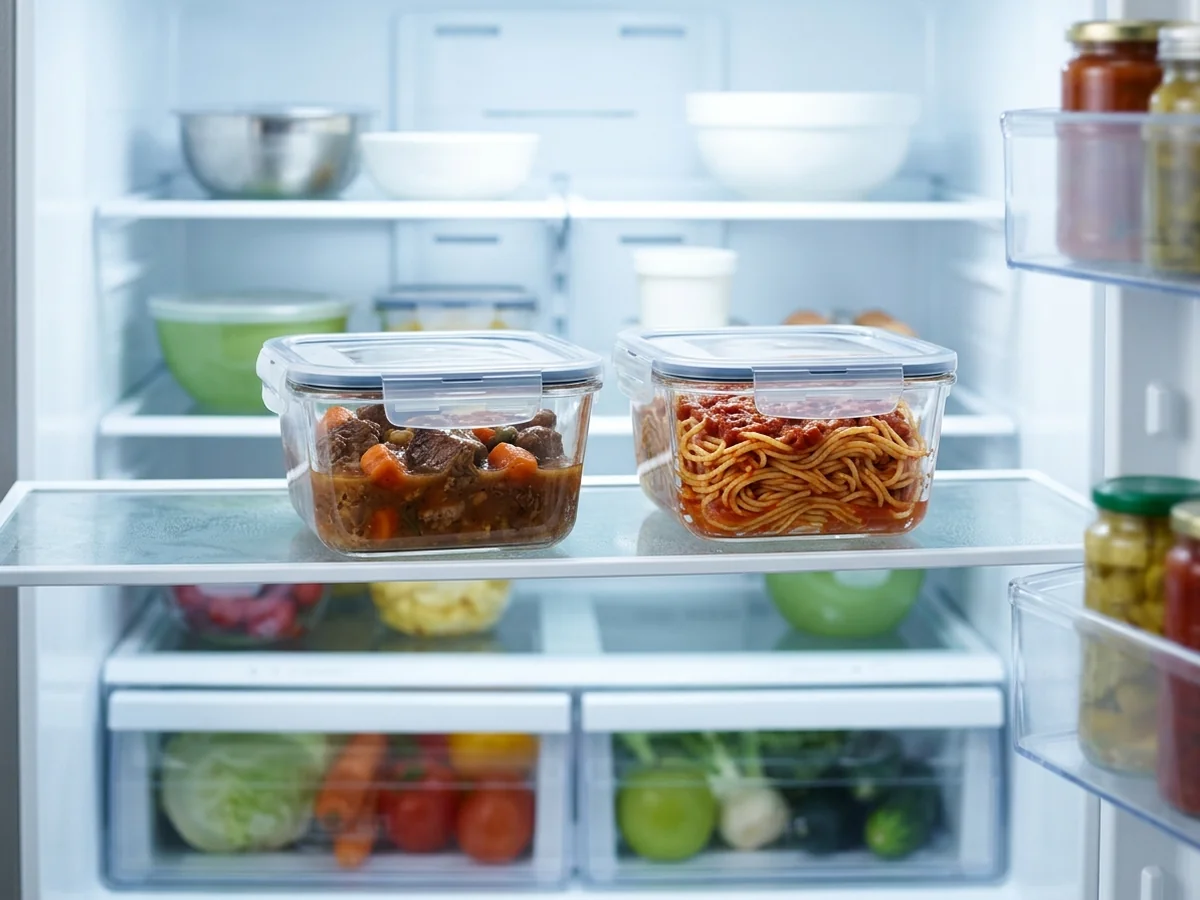
To keep your leftovers safe, move the cooked meal into the refrigerator within two hours of preparation. If the ambient temperature is above 90 degrees Fahrenheit, shorten that window to one hour to prevent rapid bacterial growth.
Proper cooling is vital for maintaining food quality and safety. Avoid placing a large pot of hot sauce directly into the fridge, as it can raise the internal temperature of the appliance and endanger other stored items. Instead, portion the spaghetti with braised beef into shallow containers. This smaller volume allows the heat to escape more efficiently, ensuring the dish cools quickly and evenly throughout.
When you are ready to serve your leftovers, aim to reheat the sauce gently to preserve its texture. High heat or excessive time in the microwave can cause the meat to toughen and the sauce to separate or dry out. Follow these tips for a better result:
- Add a small splash of water or beef stock to the container before heating to reintroduce moisture.
- Cover the container loosely to trap steam, which helps heat the dish uniformly without dehydrating the meat.
- Stir the sauce halfway through the reheating process to ensure there are no cold spots.
- Heat the sauce until it reaches an internal temperature of 165 degrees Fahrenheit, as recommended by the USDA Food Safety and Inspection Service.
If you prefer using the stovetop, place the sauce in a pan over medium-low heat. Keep the lid on to maintain humidity, and stir occasionally until the sauce is warmed through. This slower method is often the most effective way to keep the beef tender and the tomato base silky. Always discard any leftovers that have been left out at room temperature for longer than the two-hour safety limit.
Common Preparation Mistakes
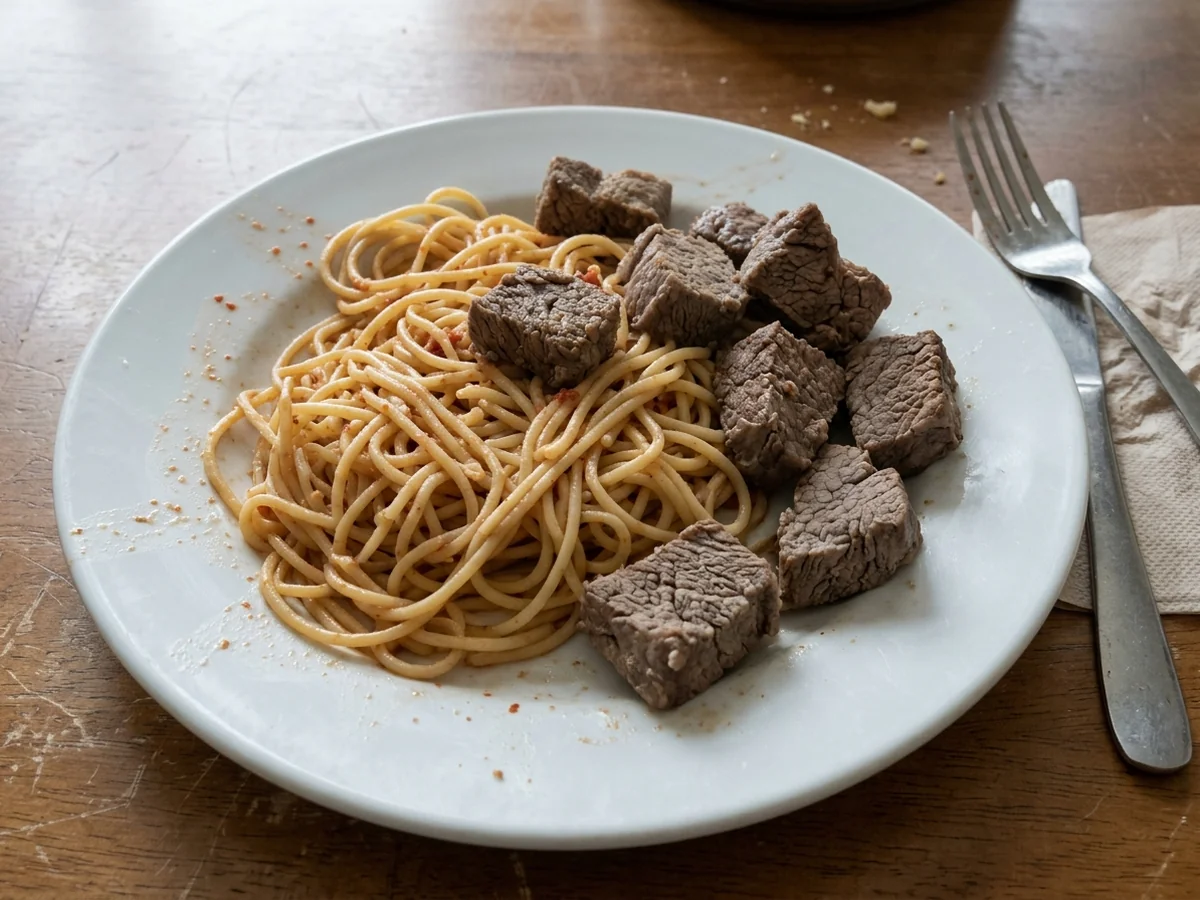
Achieving a restaurant-quality meal of spaghetti with braised beef relies on patience and precise heat management. When working with tough, connective-tissue-rich cuts like chuck roast, the goal is to transform the protein into tender, shreddable fibers through slow, gentle heat. Rushing this process or neglecting foundational techniques often results in dry, chewy meat or a sauce that lacks depth.
Heat Control and Browning
A frequent misstep is skipping the initial sear. Browning the beef in a heavy-bottomed Dutch oven is not just about color. This process creates a layer of caramelized proteins on the bottom of the pan, known as fond, which provides the primary flavor base for your sauce. Use medium-high heat to achieve a deep crust, and avoid overcrowding the pan, which causes the beef to steam rather than sear. Once the meat is browned, ensure you maintain a low, consistent bubble throughout the simmering phase. High heat will cause the muscle fibers to tighten prematurely, leading to a tough, stringy texture that cannot be fixed by further cooking.
Liquid and Texture Management
Balancing the moisture in your sauce is essential for a cohesive meal. Adding too much liquid at the start can dilute the flavor of your aromatics, such as the mirepoix and San Marzano tomatoes, and prevent the sauce from properly thickening. It is better to start with just enough stock or liquid to partially submerge the meat. If the sauce remains too thin near the end of the cooking time, remove the lid to increase evaporation, which intensifies the tomato profile and helps the sauce cling to the pasta.
Selecting the Right Pasta
While spaghetti is a popular choice for many, the structure of the noodle plays a significant role in how the dish is perceived. Because a hearty meat ragu is heavy, it can overwhelm thin, delicate pasta strands. It is common guidance among cooks to pair rich, meat-based sauces with wider noodles like pappardelle. The broad surface area of this pasta shape is designed specifically to capture chunks of shredded beef and thick sauce, ensuring every bite is balanced.
Shredding and Resting
Understanding the proper technique for processing the meat into tender strands is vital for the best mouthfeel. Never attempt to break down the beef until it reaches a fork-tender state, meaning it pulls apart with minimal pressure. If the meat resists, it needs more time. Slow cooking typically requires two to two and a half hours of simmering, though this varies based on the cut size. Always let the meat rest briefly after simmering before shredding to help it retain its juices.
FAQ
What pasta goes with braised beef?
While spaghetti with braised beef is a classic pairing, pappardelle is a recommended pasta shape for rich, heavy ragu sauces. The wide, flat noodles are sturdy enough to hold onto the tender pieces of meat and the thick tomato sauce.
How long should you cook beef for a ragu?
Slow cooking beef for a dish like this typically requires 2 to 2.5 hours of simmering time to achieve the desired texture. This duration ensures the collagen breaks down sufficiently, resulting in meat that easily shreds with a fork.
What are the essential ingredients for braised beef pasta sauce?
A traditional sauce base relies on a mirepoix of onions, carrots, and celery, combined with high-quality San Marzano tomatoes. Beef chuck roast is the most common cut for this dish because it becomes exceptionally tender during the long cooking process.
Can I make braised beef sauce in an Instant Pot?
You can certainly use an Instant Pot as an efficient alternative to stovetop simmering for an easy beef ragu with spaghetti. This method significantly reduces the total cooking time while still yielding flavorful, fall-apart meat.
What can I use instead of red wine in a beef pasta sauce?
If you prefer to avoid alcohol, you can substitute red wine with extra beef stock or a splash of balsamic vinegar for acidity. These alternatives help maintain the depth of flavor required for a balanced, slow-cooked meat sauce.
How do I store and reheat beef pasta leftovers safely?
According to the USDA Food Safety and Inspection Service, you should store leftovers in shallow containers to allow for rapid cooling and refrigerate them at 40 degrees Fahrenheit or below. When reheating, ensure the pasta and sauce reach an internal temperature of 165 degrees Fahrenheit to maintain food safety standards.
Conclusion
The final step in perfecting your dish is ensuring the sauce coats the noodles evenly before serving. While spaghetti is a classic choice, many cooks prefer using wider ribbons like pappardelle for a heartier, more substantial bite that stands up to the richness of the meat. To achieve the best results, aim for a simmering time of two to two and a half hours, which allows the beef to become fork-tender. Once your sauce reaches the desired consistency, you are ready to plate your spaghetti with braised beef and enjoy a comforting, slow-cooked meal at home.
You might also like: Steak Fajitas Recipe: Sizzling Mexican Dinner