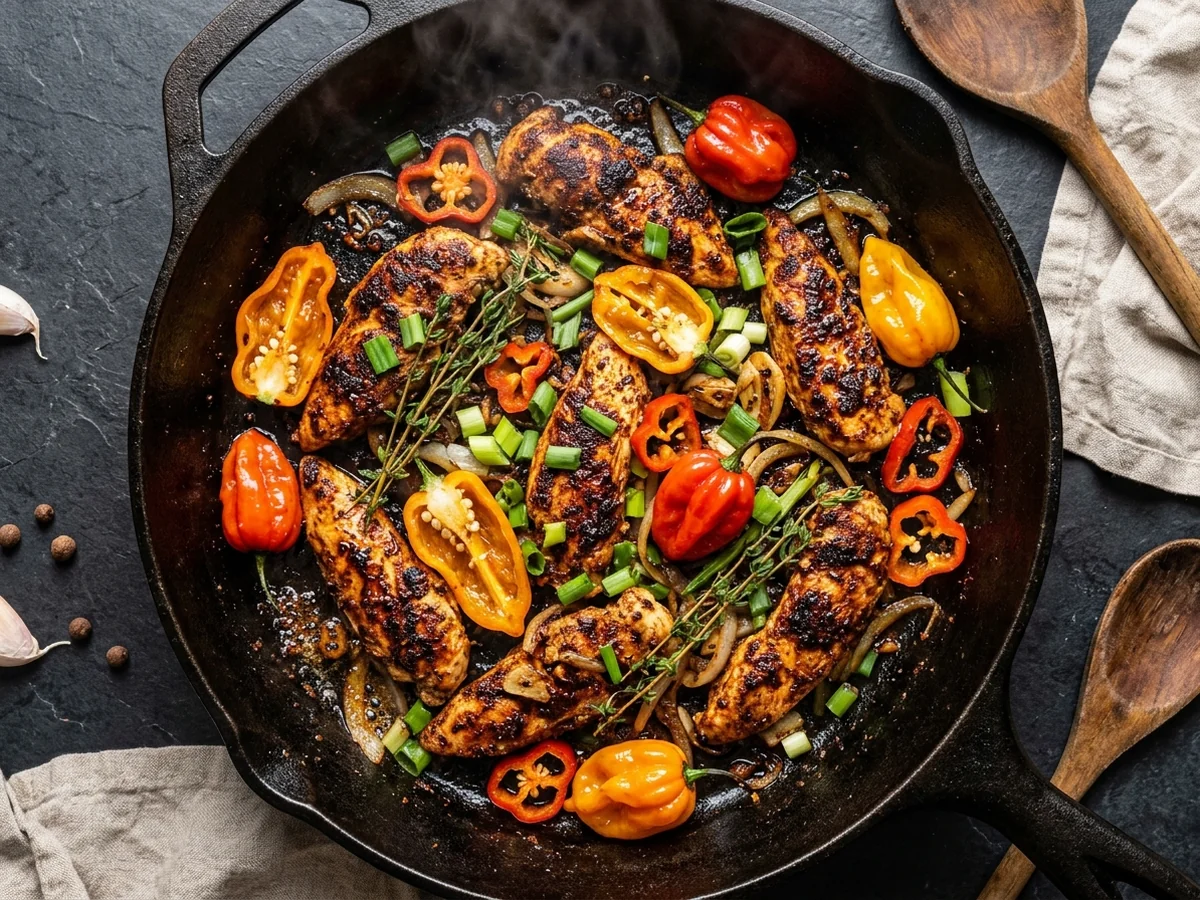
Rasta Pasta with Spicy Chicken
Introduction
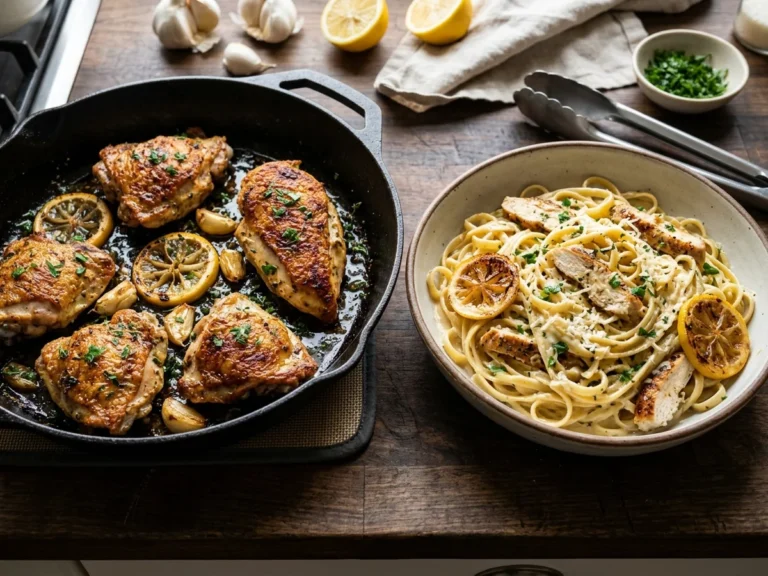
Rasta pasta with spicy chicken is a vibrant, Caribbean-inspired dish that combines seasoned poultry with a colorful medley of bell peppers in a rich sauce. This meal, which commonly features penne pasta, offers a bold balance of heat and creamy comfort for home cooks.
This article covers the historical origins of the dish, which emerged in Jamaica during the 1980s. You will learn how to build an authentic flavor base using traditional jerk seasoning ingredients, including allspice and scotch bonnet peppers. We also explore the role of heavy cream in modern preparations and provide guidance on managing heat levels while selecting the best pasta shapes to hold your sauce. Whether you are looking for a quick weeknight dinner or a flavorful meal prep option, you will find everything needed to prepare this signature spicy pasta sauce with bell peppers at home.
Best Rasta Pasta Ingredients
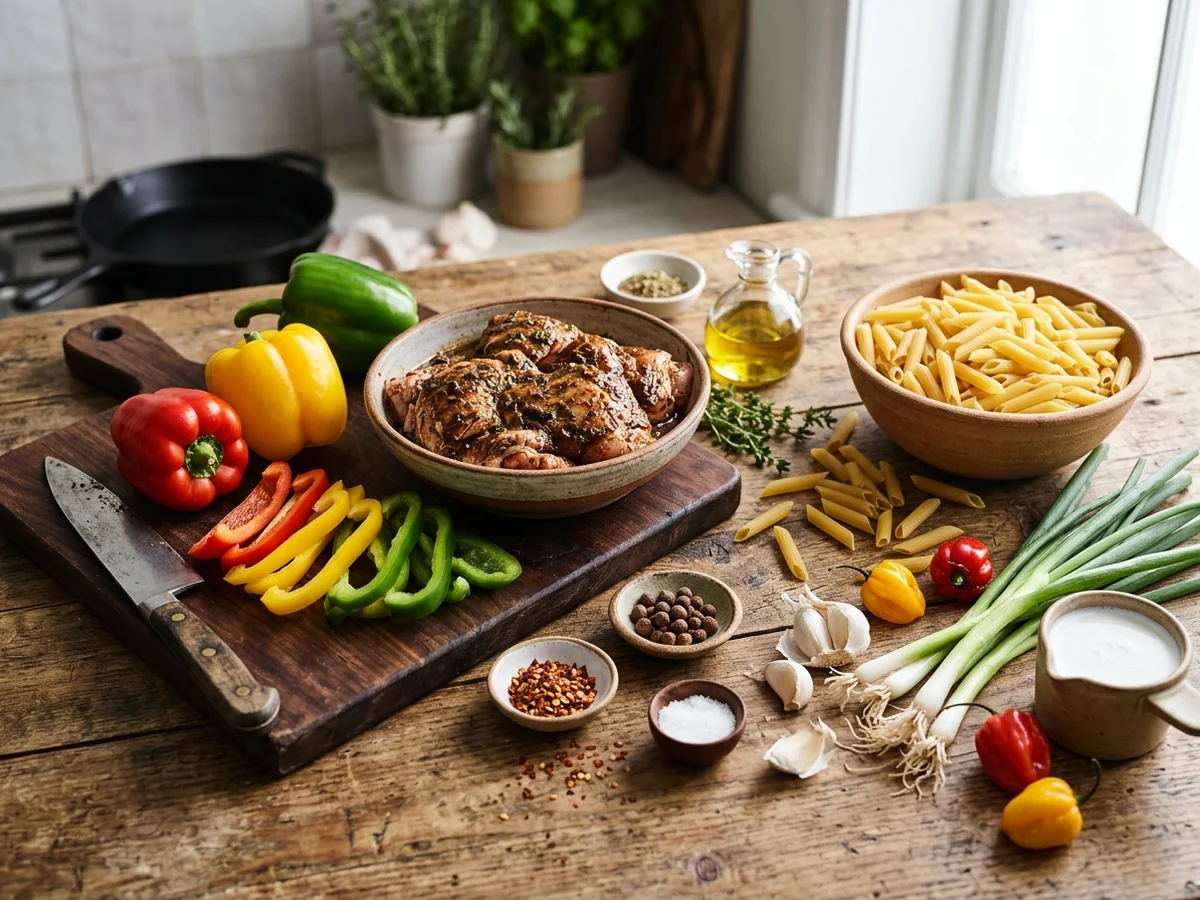
Creating a balanced rasta pasta with spicy chicken relies on combining high quality aromatics, vibrant vegetables, and the right base for your sauce. While personal preferences vary, certain components are widely considered standard to achieve the signature flavor profile of this Caribbean-inspired dish.
The foundation of the dish features colorful bell peppers. It is common practice to use red, yellow, and green peppers, as these colors are traditionally associated with the Rastafarian movement. Beyond their visual appeal, these peppers provide a necessary sweetness that helps balance the intense heat of the jerk seasoning.
For the protein, jerk seasoning is essential. This is a style of cooking where meat is either dry-rubbed or wet-marinated with a hot spice mixture. According to research on Caribbean-style barbecue, traditional jerk seasoning must include allspice, also known as pimento, and scotch bonnet peppers. These peppers are quite potent, typically measuring between 100,000 and 350,000 Scoville Heat Units.
To build the flavor base for the sauce, garlic and onions are standard aromatics. Fresh thyme is also commonly used to season the chicken, as it is a staple herb in Jamaican-style cooking. When it comes to the sauce itself, heavy cream is the standard base for achieving a rich and smooth consistency in modern versions of the recipe.
Regarding the pasta selection, penne is the most commonly used shape. Its structure is ideal for holding creamy sauces, ensuring that every bite is well-coated. As a standard culinary practice, cooking your pasta in salted water is vital because it seasons the noodles from within before they are added to the sauce.
- Bell peppers (red, yellow, and green) for color and sweetness
- Scotch bonnet peppers for authentic heat
- Allspice (pimento) as a core jerk seasoning ingredient
- Heavy cream for the base of the sauce
- Penne pasta to capture the creamy texture
- Garlic, onions, and fresh thyme for the flavor profile
- Chicken prepared with a dry-rub or wet-marinated jerk spice mix
The Origin of Rasta Pasta
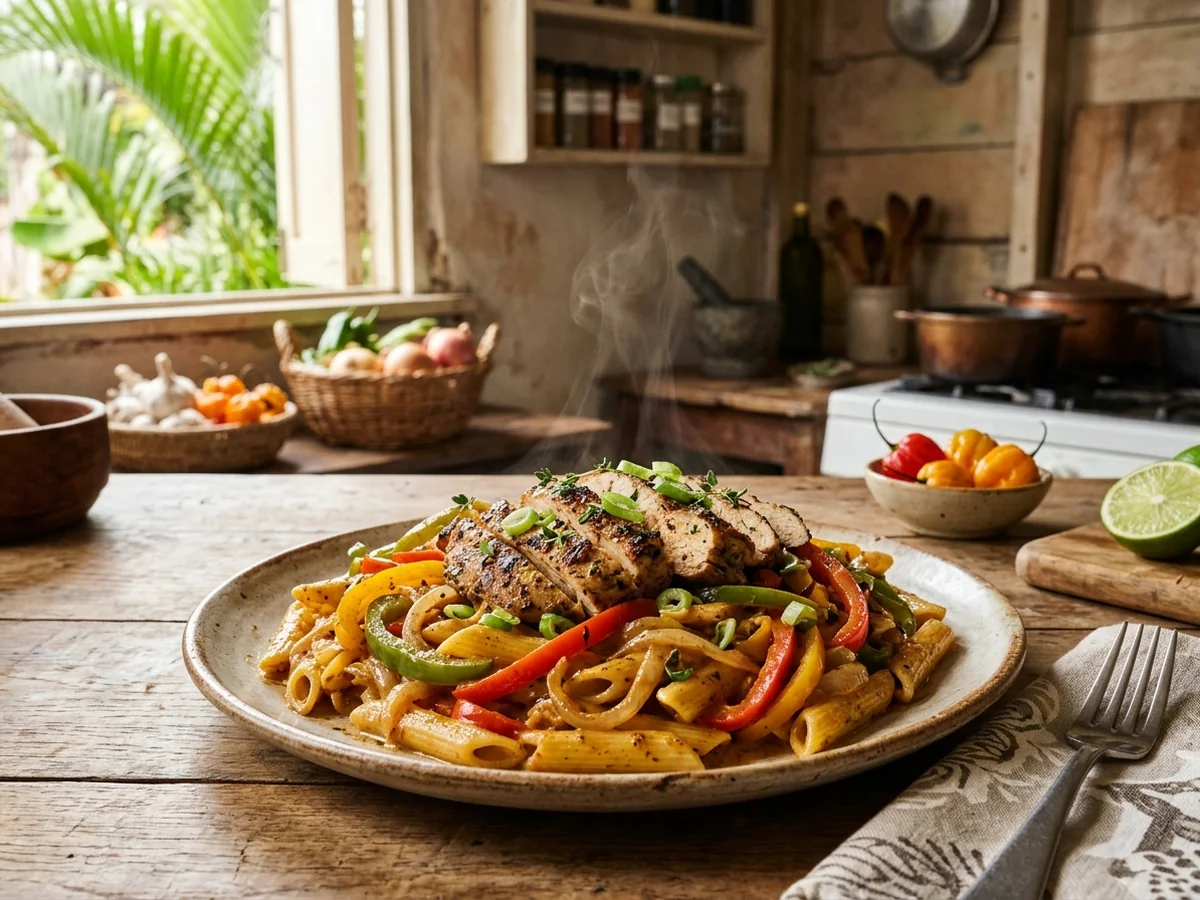
This vibrant dish traces its roots to Jamaica during the 1980s, where it emerged as a creative fusion of local flavors and global comfort food. The name and signature aesthetic draw inspiration from the Rastafarian movement, reflecting a cultural connection through a distinct color palette.
It is common guidance that the inclusion of red, yellow, and green bell peppers serves as a symbolic nod to the Rastafarian flag. These peppers provide more than just visual appeal, as they contribute a mild, sweet crunch that offsets the intense heat of traditional Caribbean spices. By incorporating these specific colors, the dish transforms into a celebration of both flavor and cultural identity.
Expect a bold fusion that balances the fiery intensity of Jamaican jerk seasoning with the soothing properties of a rich, velvety sauce. Jerk seasoning is a style of cooking where meat is dry-rubbed or wet-marinated with a hot spice mixture, which traditionally includes allspice, also known as pimento, and scotch bonnet peppers. Because these peppers typically measure between 100,000 and 350,000 Scoville Heat Units, they provide a significant kick that defines the character of the chicken.
To ground this heat, modern recipes often rely on heavy cream to create a luscious coating for the noodles. This approach ensures that every bite remains approachable despite the spice, offering a satisfying harmony between the following elements:
- The sharp, aromatic heat from jerk-marinated proteins.
- The sweet, earthy contrast of tri-color bell peppers.
- The cooling effect of a dairy-based sauce that clings to the pasta.
While the combination may seem unconventional to some, it has become a staple for those who enjoy Caribbean-inspired home cooking. The result is a hearty meal that bridges the gap between high-heat island traditions and the creamy comfort many home cooks crave.
Understanding Jerk Seasoning Essentials
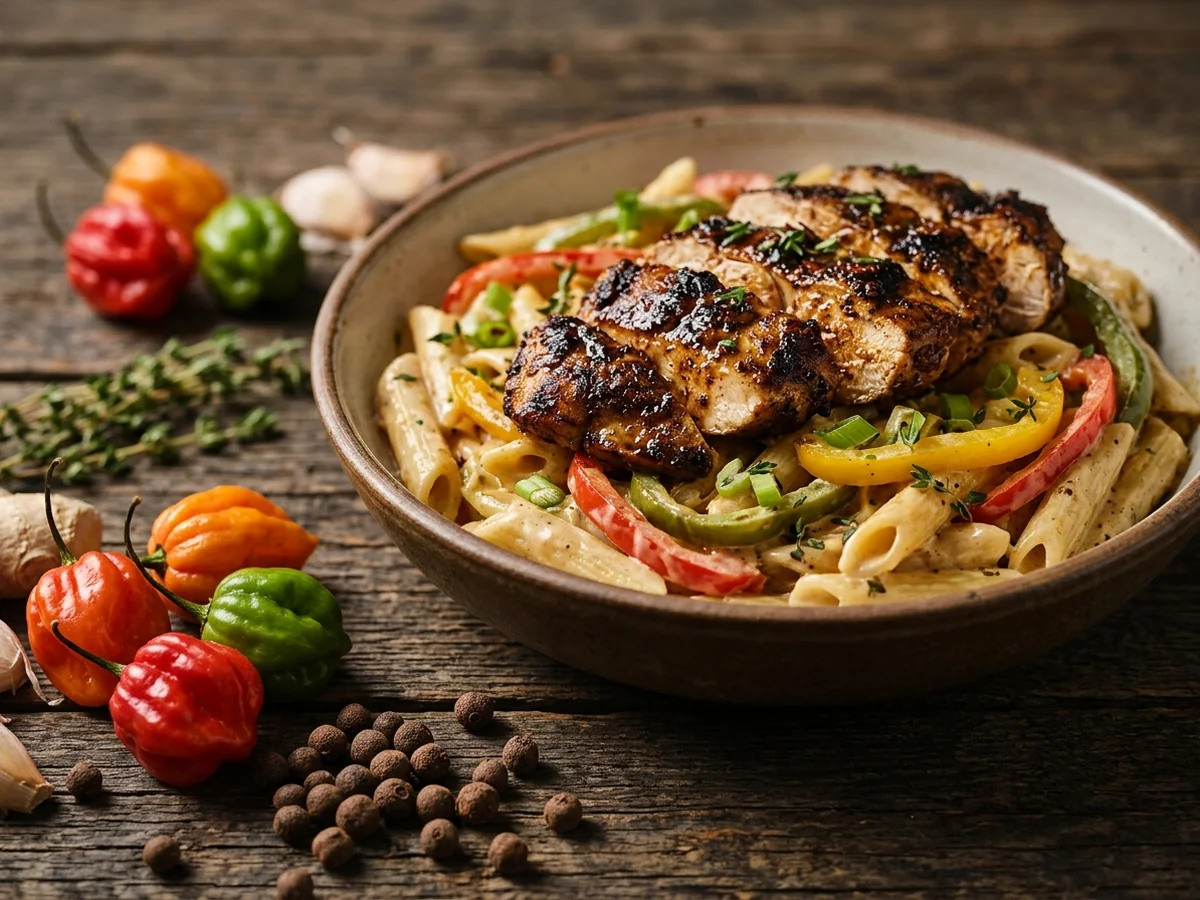
Jerk seasoning is a style of cooking where meat is dry-rubbed or wet-marinated with a hot spice mixture to infuse deep, complex flavors. This traditional method relies on specific aromatics and heat sources to create its signature profile.
When preparing this dish, building the right flavor base is essential for a balanced result. Consider these core components of the seasoning style:
- Traditional jerk seasoning includes allspice, also known as pimento, which provides a warm, earthy foundation.
- Scotch bonnet peppers serve as the primary source of heat, giving the dish its characteristic Caribbean kick.
- These peppers typically measure between 100,000 and 350,000 Scoville Heat Units, making them significantly hotter than many common chili varieties.
- Garlic and onions are commonly used as primary aromatics to build the flavor base for the sauce.
- Fresh thyme is widely recognized as a standard herb used in Jamaican-style cooking for chicken marinades.
Managing the intensity of the peppers is key to creating a dish that is flavorful rather than overwhelming. Because the heat level is substantial, many home cooks begin by using a small portion of the pepper and adjusting to taste. This allows you to maintain the bright, fruity notes of the scotch bonnet without masking the other ingredients. By balancing these potent spices with the creamy elements of the pasta, you can achieve a result that highlights the distinct character of the seasoning.
Rasta Pasta Pantry Staples
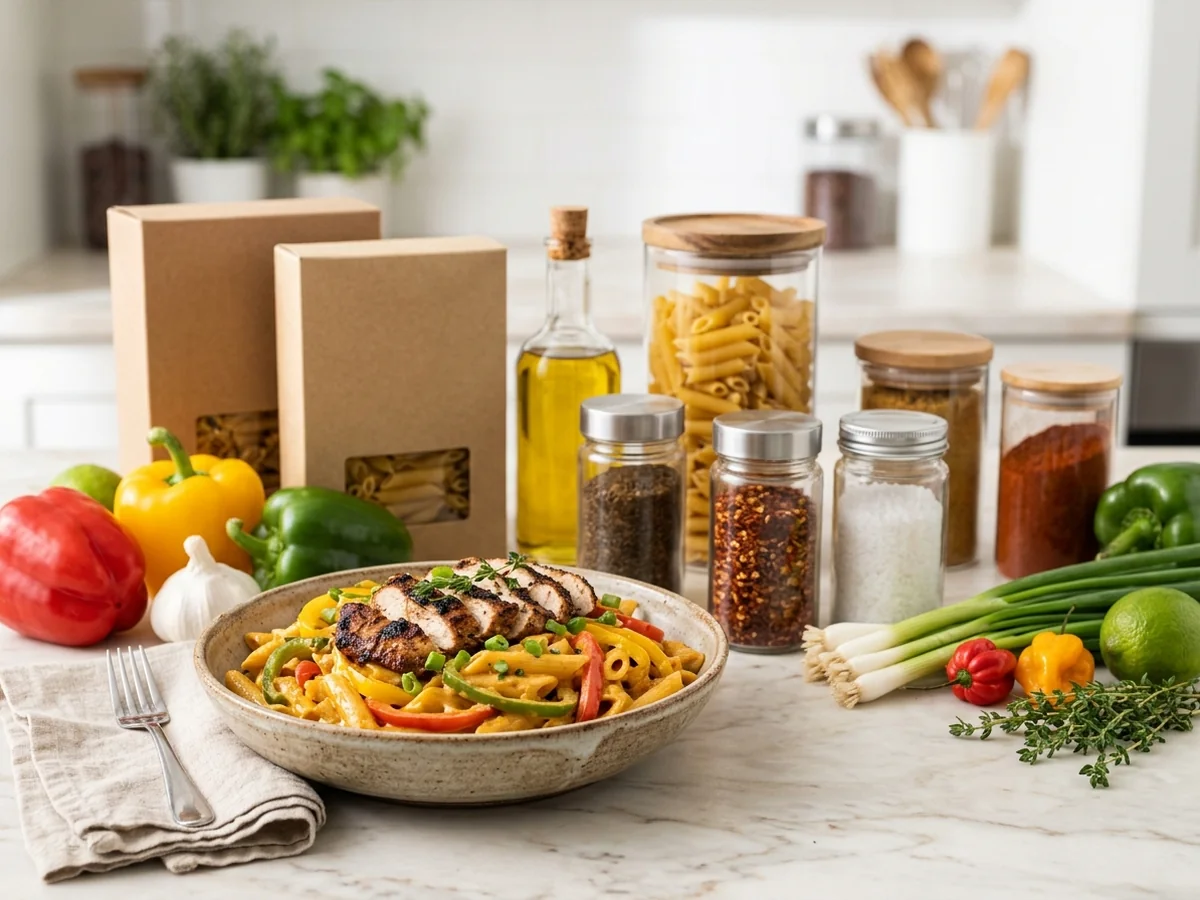
Creating a balanced dish relies on selecting ingredients that honor the roots of this Jamaican-inspired meal while ensuring a smooth cooking process. Rasta pasta is widely considered to have originated in Jamaica during the 1980s, and it takes its name from the vibrant colors of the Rastafarian movement represented by red, yellow, and green bell peppers.
Because this is a creamy jerk chicken pasta recipe, your pantry choices directly impact the final texture and heat level. Below are the core components often used to build this dish.
| Ingredient | Role in the Dish |
|---|---|
| Penne | Ideal for catching and holding creamy sauce |
| Garlic and Onion | Essential aromatics for the flavor foundation |
| Heavy Cream | Standard base for achieving a velvety consistency |
| Fresh Thyme | Provides earthy notes characteristic of Jamaican cooking |
| Scotch Bonnet | Primary heat source (100,000 to 350,000 SHU) |
When preparing your base, start by sautéing garlic and onions. These aromatics provide the savory foundation required to stand up to the boldness of the jerk seasoning. Authentic jerk is a style of cooking where meat is dry-rubbed or wet-marinated with a hot spice mixture; the essential jerk seasoning ingredients are allspice, known as pimento, and scotch bonnet peppers. When working with these peppers, be aware that they typically measure between 100,000 and 350,000 Scoville Heat Units, so adjust the quantity based on your heat tolerance.
For the pasta, penne is the most commonly used shape. Its hollow center and ridged exterior are scientifically well-suited for trapping thick, creamy sauces, ensuring that every bite is coated evenly. A common mistake is skipping the salt in your pasta water. According to standard food science practices, cooking pasta in salted water is essential to season the noodles from within, which prevents the pasta from tasting bland against the rich sauce.
While heavy cream is the standard base for creating a smooth sauce in modern versions, you can experiment with coconut milk for a different profile. Using coconut milk provides a lighter, slightly sweet undertone that pairs effectively with the heat of the peppers, though it will yield a thinner sauce than dairy. To round out the dish, fresh thyme is a standard herb used in Jamaican-style cooking that infuses the sauce with the herbal notes necessary to balance the intensity of the spices.
Preparing the Spicy Chicken
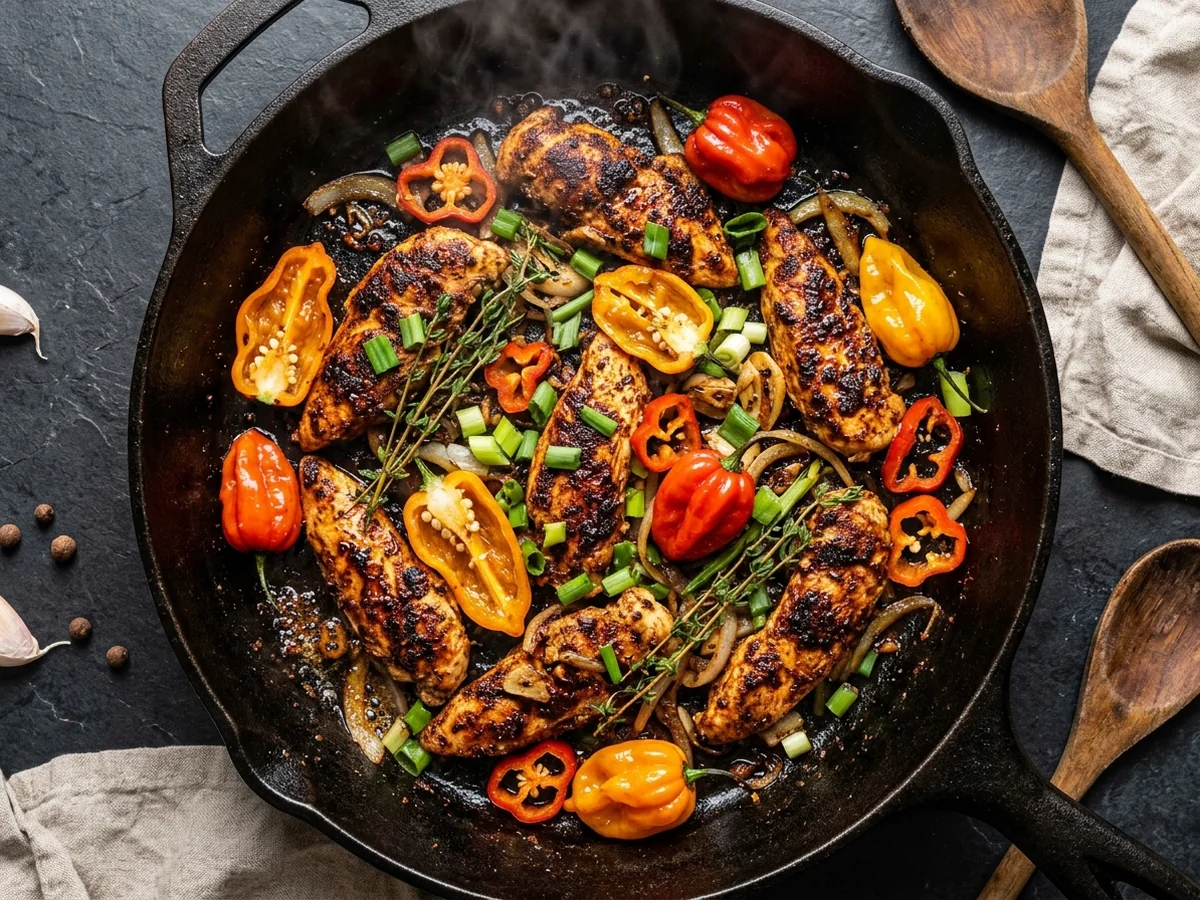
To prepare flavorful chicken for your rasta pasta with spicy chicken, use a wet marinade that combines allspice and scotch bonnet peppers. Jerk seasoning is a style of cooking where meat is dry-rubbed or wet-marinated with a hot spice mixture, and the key to deep flavor penetration is allowing the protein to rest in the marinade for at least two hours before cooking. Fresh thyme is a standard herb used in Jamaican-style cooking for chicken marinades, providing an earthy balance to the intense heat of the peppers.
Scotch bonnet peppers typically measure between 100,000 and 350,000 Scoville Heat Units, so adjust the quantity carefully if you prefer a milder profile. Traditional jerk seasoning includes allspice, also known as pimento, which adds a distinct warm, woody aroma that defines the dish.
Searing the chicken properly ensures a golden crust that adds texture and depth to the final meal. Start by heating a heavy-bottomed pan over medium-high heat with a small amount of oil. Place the marinated chicken pieces in the pan without overcrowding them, as this allows the surface to brown rather than steam. Leave the pieces undisturbed for several minutes until a deep, caramelized crust forms, then flip to cook through. This technique locks in moisture and creates fond on the bottom of the pan, which acts as a flavor base for your creamy jerk chicken pasta recipe.
Balancing the intense heat of the jerk marinade with a rich sauce is essential for a cohesive dish. Since heavy cream is the standard base for creating the creamy sauce in modern versions of this meal, its high fat content naturally coats the palate and mellows the capsaicin from the peppers. If the sauce still feels too spicy, you can implement the following adjustments:
- Increase the ratio of heavy cream to dilute the heat intensity.
- Add a splash of coconut milk, which provides a natural sweetness that complements the heat of the scotch bonnet peppers.
- Ensure the aromatics like garlic and onions are softened thoroughly in the pan before adding the cream, as they add depth that bridges the gap between the spicy chicken and the smooth sauce.
Mastering the Creamy Sauce
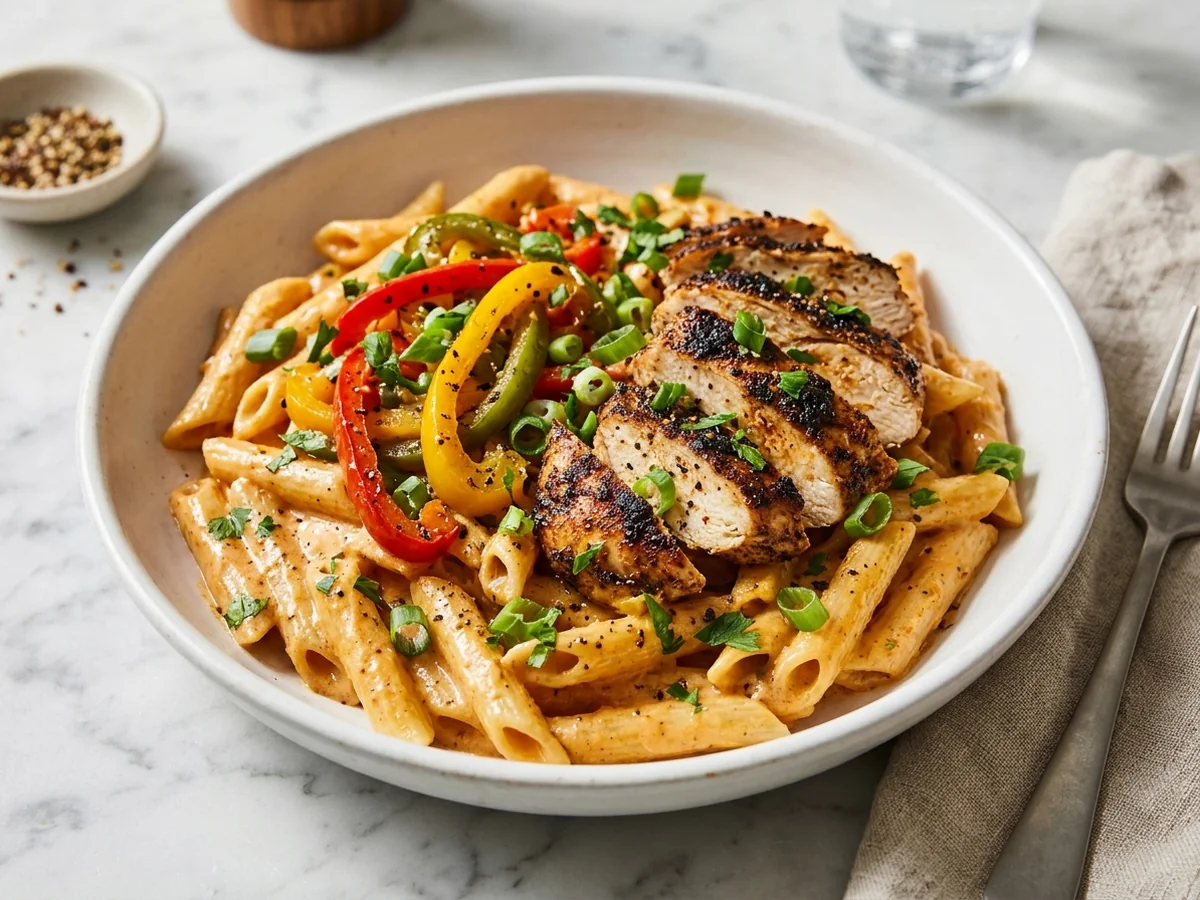
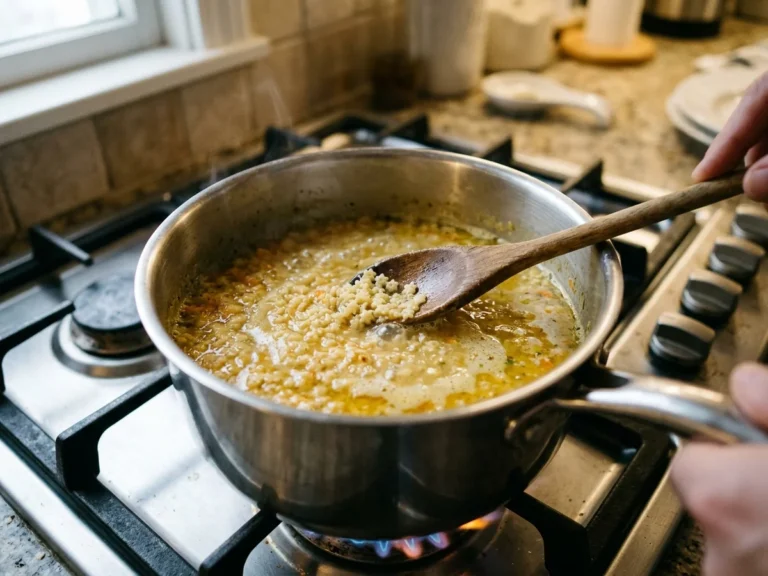
Achieving the perfect texture for your spicy pasta sauce with bell peppers starts with properly seasoned water and heat control. Cooking pasta in salted water is standard practice to season the noodles from within, ensuring the base flavor is balanced before it ever meets the sauce.
When preparing the vegetables, time your additions carefully to maintain their vibrant appearance and bite. Incorporate your bell peppers toward the end of the cooking process for the sauce. This ensures they remain crisp and retain their signature colors, which are commonly associated with the Rastafarian theme of the dish.
To avoid common kitchen mishaps, pay close attention to your heat management and sauce consistency. Follow these tips to keep your meal smooth and professional:
- Keep the heat at a low to medium setting when incorporating heavy cream to prevent the sauce from breaking or curdling.
- Avoid boiling the sauce vigorously once the dairy is added, as high heat can separate the fats.
- Ensure your aromatics, such as garlic and onions, are fully softened in the pan before introducing liquids to build a stable flavor base.
- Remove the pan from the heat entirely before stirring in any final cheese, which helps maintain a silky emulsion.
If you notice the sauce thickening too quickly, add a small splash of reserved, salted pasta water to loosen the consistency. This trick helps integrate the starch from the noodles into the cream, creating a cohesive coating that clings perfectly to the penne. Always monitor your heat levels closely, as gentle cooking is the key to a velvety finish that highlights your spicy chicken and fresh vegetables without any risk of separation.
Rasta Pasta Cooking Tips
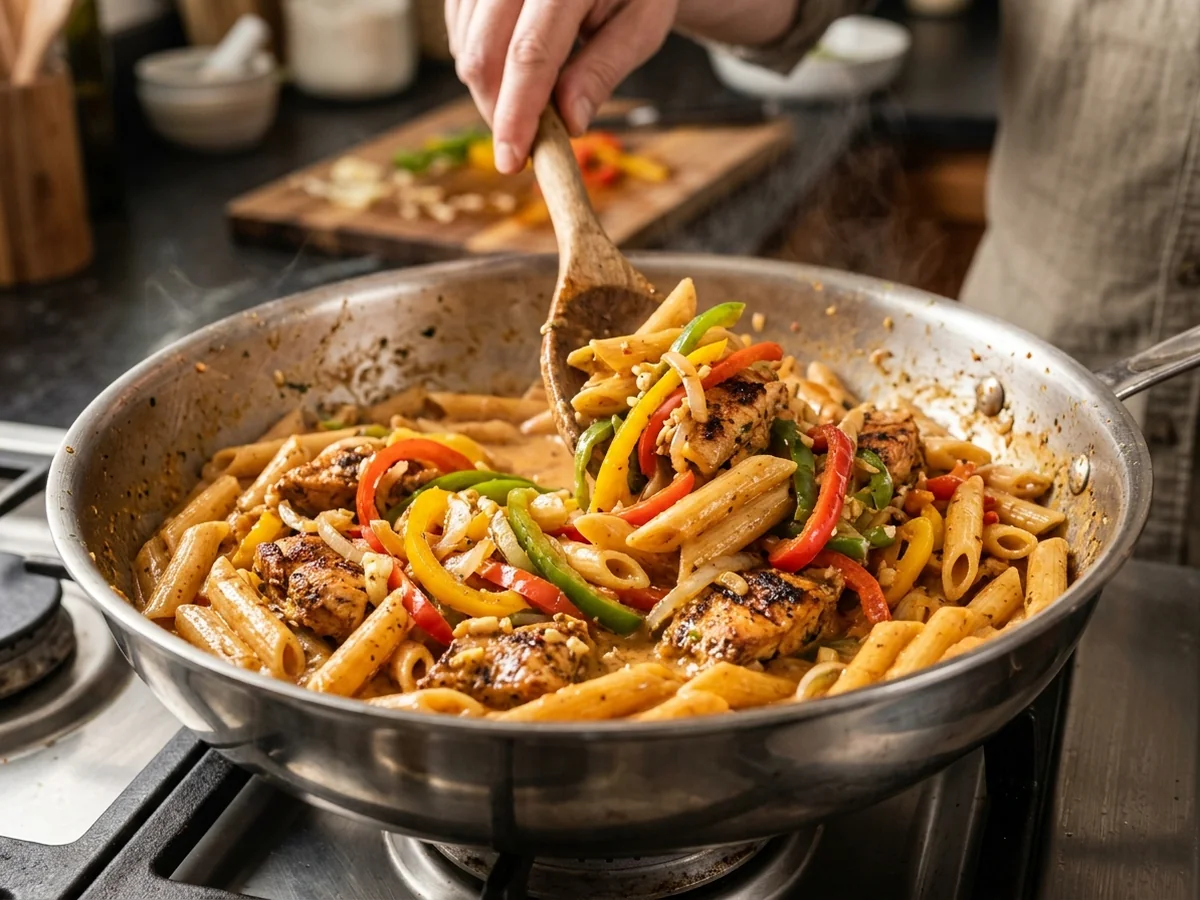
Building a deep, flavorful base requires patience with your aromatics, as rushing the cooking process prevents them from releasing their full potential into the sauce. Garlic and onions are primary aromatics used to build the flavor base for the sauce, and they need gentle heat to soften and sweeten without burning. If you increase the heat too early, you risk charring these ingredients, which creates a bitter flavor instead of the savory foundation needed for a balanced dish.
Achieving the right texture for your noodles is equally important to ensure the final result is satisfying rather than gummy. To maintain the ideal consistency, consider these preparation techniques:
- Cook your penne pasta in salted water to ensure each noodle is seasoned from within before it meets the sauce.
- Drain the pasta while it is still slightly firmer than al dente, as it will continue to soften once tossed in the hot cream.
- Reserve a small amount of the starchy pasta water to thin the sauce if it thickens too quickly during assembly.
- Avoid overcooking the noodles in the sauce, which often leads to a mushy texture that loses the structural integrity of the dish.
- Rinse the pasta only if you are preparing it for a cold salad, as the starch on the surface is necessary to help the sauce cling to each piece.
Managing heat levels is essential when cooking with jerk seasoning, which traditionally relies on scotch bonnet peppers to provide its signature intensity. Since these peppers typically measure between 100,000 and 350,000 Scoville Heat Units, they pack a significant punch. To adjust for varying tolerances in your household, start by using a smaller amount of the pepper or removing the seeds and white ribs entirely, as these contain the highest concentration of capsaicin. You can also increase the ratio of heavy cream, which acts as a natural buffer to mellow the heat. By gradually introducing the spice, you can ensure that everyone enjoys the complex profile of allspice and herbs without being overwhelmed by the intensity of the peppers.
Tips for Customization
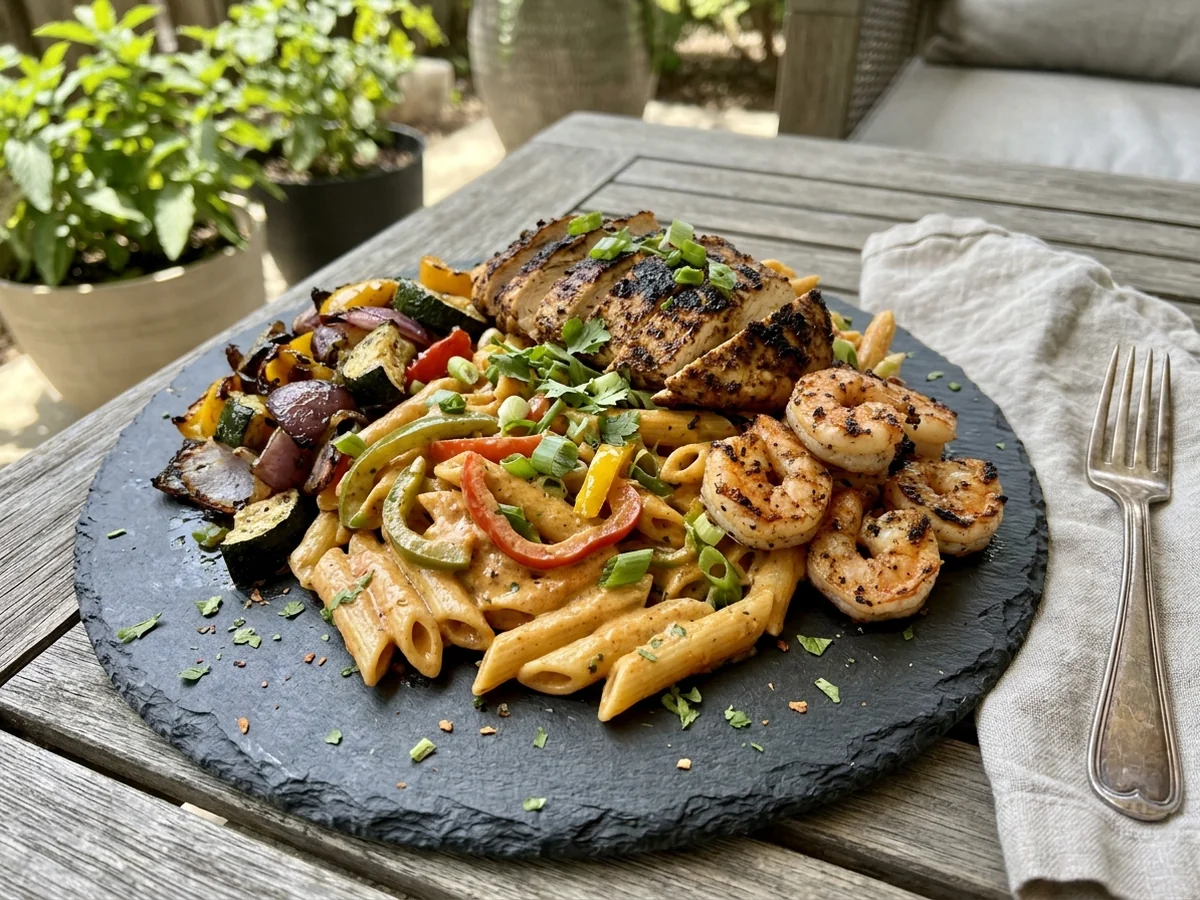
You can easily tailor this meal to your preferences by swapping the main protein or incorporating more vegetables. While the dish typically features poultry, it is just as effective with other ingredients.
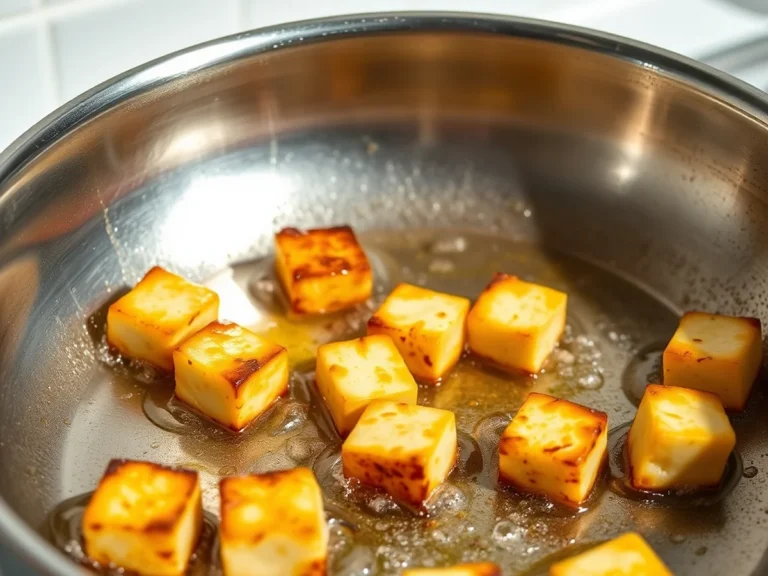
For protein substitutions, shrimp works exceptionally well because it cooks quickly and absorbs the bold flavors of the jerk seasoning. If you prefer a plant-based option, firm tofu provides a satisfying texture that holds up against the rich, creamy sauce. Simply marinate your chosen protein in the same spice mixture before searing it in your skillet.
Adding more vegetables is a great way to boost the nutritional profile and visual appeal of your dinner. Since the dish is traditionally named for the red, yellow, and green colors represented by bell peppers, you can lean into this theme by adding extra sliced peppers or even sautéed spinach. These additions provide a fresh crunch that balances the richness of the heavy cream.
To round out your meal, consider these pairing suggestions:
- Side dishes: Serve with fried plantains for a sweet contrast or a crisp garden salad to provide a light, refreshing counterpoint to the heat.
- Cooling beverages: Opt for drinks that cut through the spice, such as chilled coconut water, a classic ginger beer, or lime-infused iced tea.
Remember that the heat level of the dish comes from scotch bonnet peppers, which typically measure between 100,000 and 350,000 Scoville Heat Units. If you are sensitive to spice, you can easily adjust the amount of peppers or remove the seeds before incorporating them into your sauce. This ensures you still get the signature Caribbean flavor profile without overwhelming your palate.
FAQ
Is Rasta pasta with spicy chicken supposed to be spicy?
The dish is traditionally intended to have a noticeable kick, primarily derived from the scotch bonnet peppers used in the jerk seasoning. Because scotch bonnet peppers typically measure between 100,000 and 350,000 Scoville Heat Units, you can easily adjust the intensity by reducing the amount of pepper or removing the seeds before cooking.
What kind of sauce is used in Rasta pasta?
Modern versions of this dish typically rely on a rich, creamy sauce base, which is commonly created using heavy cream. This silky texture helps balance the heat from the jerk spices while coating the noodles and vegetables effectively.
What is the difference between jerk pasta and Rasta pasta?
While the terms are sometimes used interchangeably, the defining feature of Rasta pasta is the visual representation of the Rastafarian colors. It is common practice to use a vibrant mix of red, yellow, and green bell peppers to achieve this specific look, whereas generic jerk pasta may not emphasize these colors.
What should I use to season chicken for Rasta pasta?
For authentic flavor, use a classic jerk seasoning, which is a style of cooking where meat is dry-rubbed or wet-marinated with a hot spice mixture. Traditional jerk seasoning includes allspice, also known as pimento, and scotch bonnet peppers, often complemented by fresh thyme as a standard herb in Jamaican-style cooking.
What are the best pasta shapes for this cream sauce?
Penne is the most commonly used pasta shape for this dish due to its ability to hold creamy sauces within its hollow center and ridges. When preparing your pasta, remember that cooking it in salted water is standard practice to season the noodles from within before they meet the sauce.
Conclusion
The final step in preparing this dish is balancing the intense heat of the jerk marinade with the cooling properties of the heavy cream. Once your chicken reaches a safe internal temperature and your pasta is cooked to an ideal al dente texture, toss everything together to allow the flavors to meld. Adjust the amount of scotch bonnet pepper based on your personal heat preference before serving. Preparing rasta pasta with spicy chicken is a straightforward process when you prioritize fresh aromatics and quality spices. Gather your ingredients, manage your heat levels carefully, and enjoy this vibrant, flavor-forward meal.
Sources: jobs.esade.edu, gardeningsolutions.ifas.ufl.edu, pmc.ncbi.nlm.nih.gov
You might also like: Steak Fajitas Recipe: Sizzling Mexican Dinner