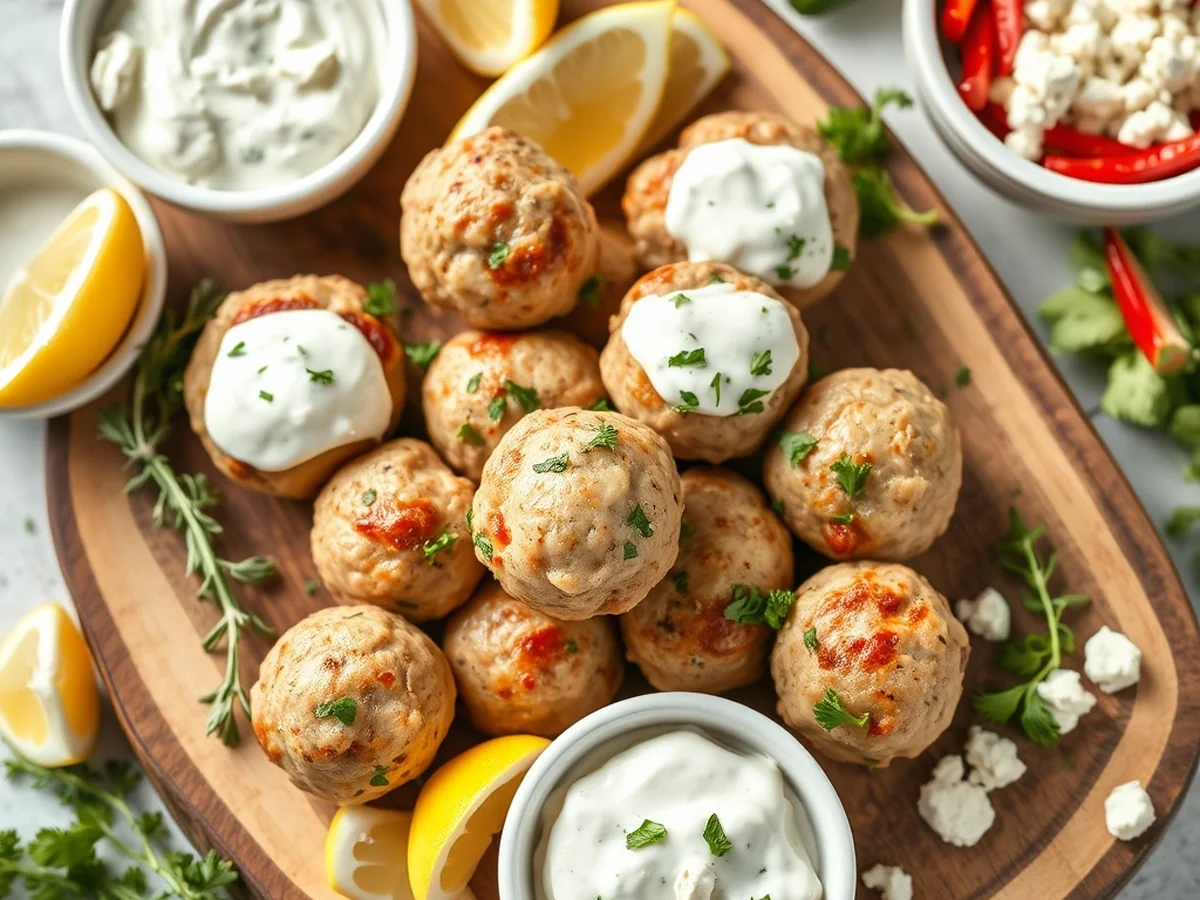
Greek Chicken Meatballs with Homemade Tzatziki
Introduction
Preparing greek chicken meatballs with tzatziki provides a flavorful and balanced meal that is well-suited for both quick weeknight dinners and efficient meal prep. This guide covers the essential techniques for balancing lean poultry with moisture-retaining binders and creating a thick, refreshing sauce from scratch.
You will find instructions on selecting the right ingredients to ensure your meatballs remain tender rather than dry. The process includes guidance on properly straining yogurt and prepping vegetables to achieve a consistent texture. By following these steps, you can confidently assemble a nutritious Mediterranean-inspired dish that highlights fresh herbs and vibrant citrus notes in every bite.
A Fresh Take on Mediterranean Classics
Greek chicken meatballs with tzatziki serve as an ideal staple for healthy Mediterranean dinner ideas because they combine lean, high-quality protein with bright, vibrant flavors. This dish simplifies weeknight cooking by offering a meal that feels elevated yet comes together with minimal effort and straightforward techniques.
The core appeal lies in the contrast between savory, seasoned poultry and the refreshing, tangy qualities of a yogurt-based sauce. Whether you are looking for easy greek chicken meatballs with feta or simply want to master the basics, these techniques provide a reliable foundation for your cooking.
Mastering the Meatballs
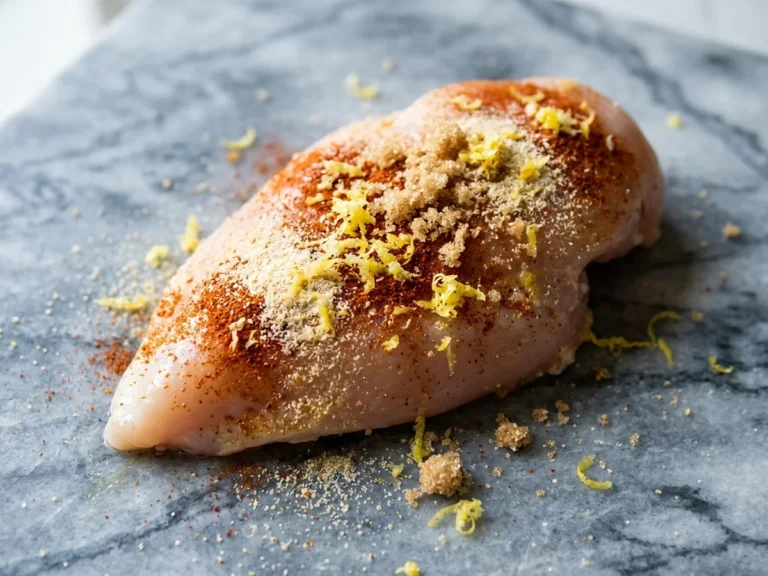
Because ground chicken typically has a lower fat percentage than ground beef, it requires careful cooking to avoid dryness. A common practice is using panko breadcrumbs as a binder to help the meat retain moisture. When mixing your ingredients, avoid excessive handling. Over-mixing the ground chicken can lead to a rubbery texture in the final meatball, so aim to incorporate components just until combined.
To ensure even cooking and juicy results, use an internal meat thermometer to verify that the meatballs reach an internal temperature of 165 degrees Fahrenheit for safety, as confirmed by the USDA Food Safety and Inspection Service. If you are preparing ahead of time, freezing raw chicken meatballs is possible if they are processed immediately after mixing.
Crafting Authentic Tzatziki
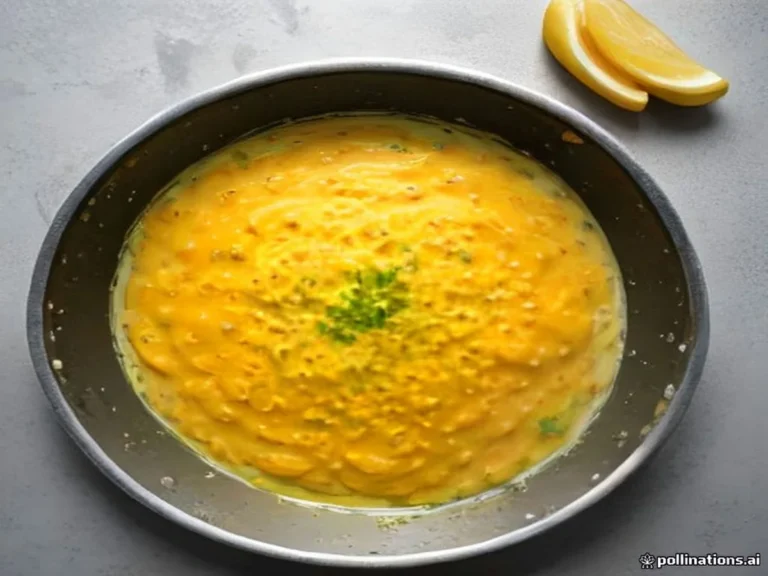
The success of the sauce depends on controlling moisture levels. It is common guidance to salt and drain cucumbers before adding them to the sauce to prevent a watered-down consistency. Regarding the base, Greek yogurt must be strained to reach the consistency required for authentic tzatziki.
Adding fresh dill is a common practice to provide the signature herbal profile, while lemon juice serves as both a flavor enhancer and a common acid in Greek cuisine. Once prepared, these components store well. Meatballs can be kept in an airtight container in the refrigerator for 3 to 4 days.
Essential Tips for Success
| Component | Best Practice |
|---|---|
| Cooking Fat | Extra virgin olive oil is the standard choice. |
| Texture Control | Drain cucumbers thoroughly to prevent watery sauce. |
| Safety | Always verify 165 F internal temperature. |
| Storage | Keep sauce and meatballs in separate airtight containers. |
By following these habits, you can create a high-protein dinner that is both nutritious and packed with Mediterranean character.
Achieving Perfect Meatball Texture
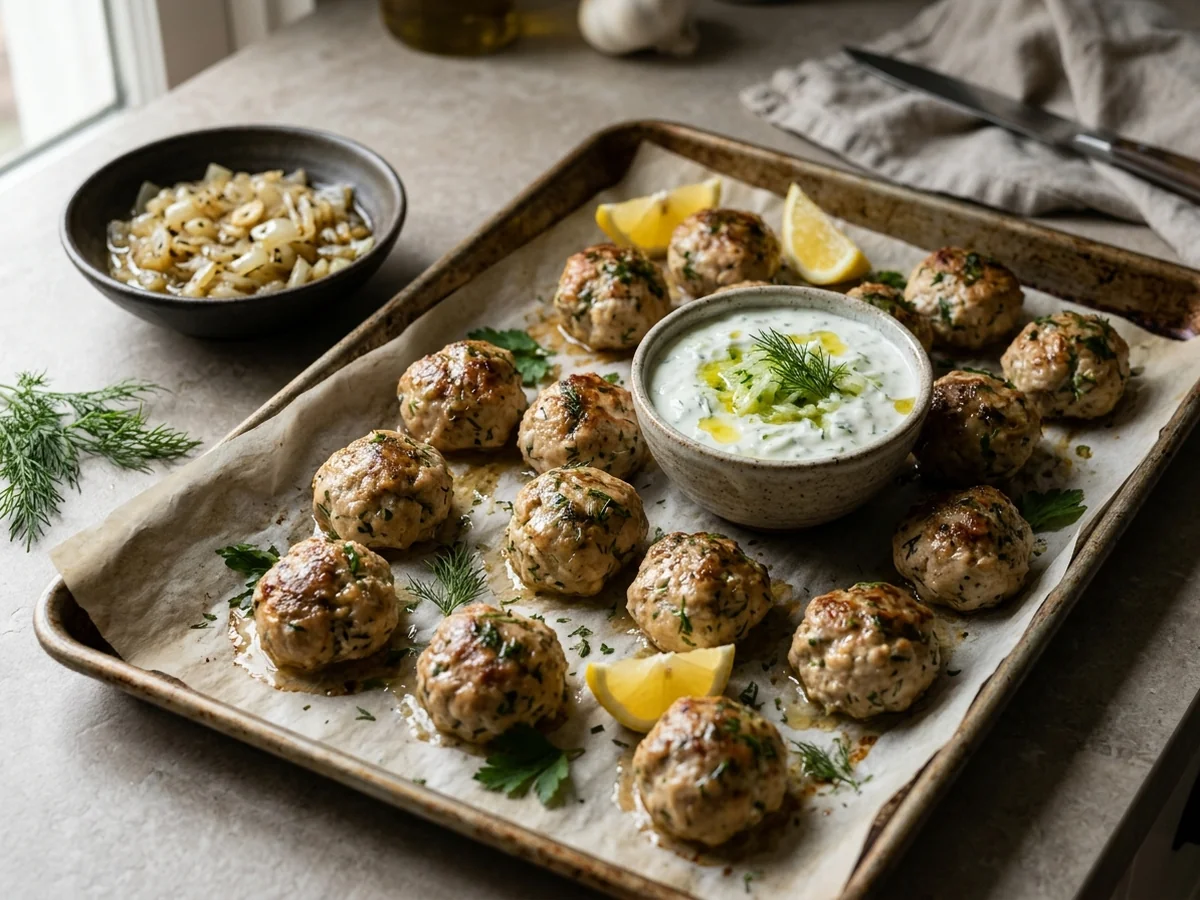
Creating tender meatballs starts with managing moisture and handling the protein gently. Because ground chicken typically has a lower fat percentage than ground beef, it requires careful cooking to avoid dryness. Mastering the texture of baked greek chicken meatballs involves balancing fat, binders, and heat control.
The Role of Binders and Mixing
To keep your meatballs moist, it is common guidance to use panko breadcrumbs as binders. These ingredients absorb juices and help retain moisture throughout the cooking process. A common mistake is overworking the mixture: excessive mixing of ground chicken can lead to a rubbery, dense final product. Handle the meat mixture lightly with your hands just until the ingredients are incorporated, ensuring you do not compress the meat too firmly when shaping individual balls. For consistent results, aim for uniform sizes to ensure they cook at the same rate.
Temperature and Safety
Monitoring heat is essential for a soft exterior and a juicy center. Using an internal meat thermometer is the only way to ensure quality without overcooking. According to the USDA Food Safety and Inspection Service, the internal temperature for ground poultry must reach 165 degrees Fahrenheit for safety. If the exterior browns too quickly before the center reaches this temperature, the result will be a dry, toughened meatball.
Meal Prep Considerations
When planning healthy mediterranean dinner ideas, proper storage is key. You can keep cooked meatballs in an airtight container in the refrigerator for 3 to 4 days. If you prefer to prepare your easy greek chicken meatballs with feta ahead of time, freezing raw chicken meatballs is possible if they are processed immediately after mixing. By keeping these ground chicken meatball tips in mind, you can ensure a reliable, high-protein meal that remains tender even after reheating.
Pairing your meatballs with an authentic tzatziki sauce recipe further enhances the dining experience. Remember that Greek yogurt must be strained to reach the consistency required for authentic tzatziki, and it is typical practice to salt and drain cucumbers beforehand to prevent a watered-down sauce. Adding fresh dill as a primary flavor component rounds out the dish.
Mastering Authentic Tzatziki
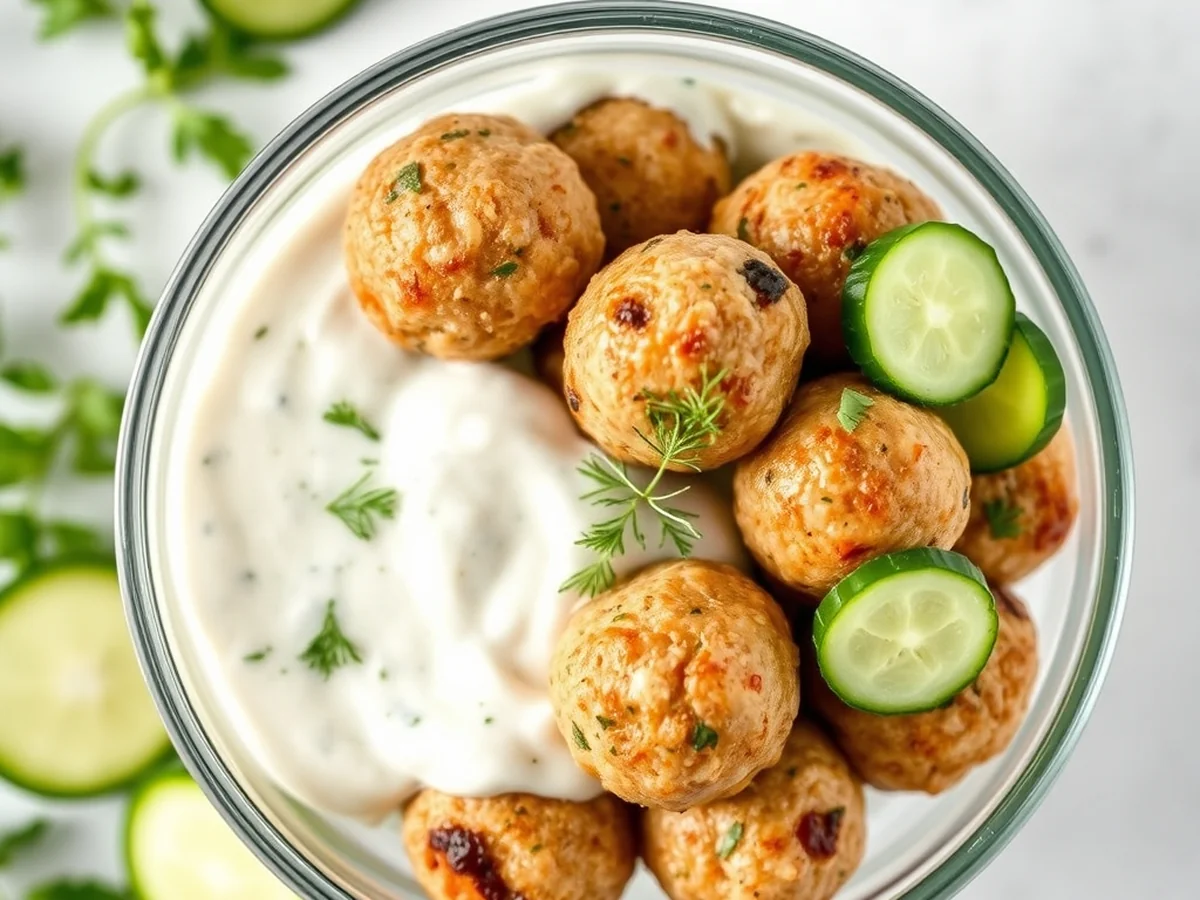
Achieving the right texture is the foundation of a successful sauce. Greek yogurt must be strained to reach the consistency required for authentic tzatziki. This critical step removes excess whey, transforming standard yogurt into a thick, concentrated base that clings to your baked Greek chicken meatballs rather than sliding off. If you are using a standard yogurt variety rather than a pre-strained Greek style, consider placing it in a cheesecloth-lined sieve over a bowl in the refrigerator for an hour to ensure the desired thickness.
The role of the cucumber is equally important. Because cucumbers contain a high water content, it is a common practice to salt and drain them before incorporating them into the mixture. If this step is skipped, the moisture released by the cucumber can quickly turn a thick, creamy sauce into a thin, watery liquid. To do this effectively, grate your cucumber and sprinkle it with a light pinch of salt, then allow it to sit in a colander for about 10 minutes. Afterward, use a clean kitchen towel or a fine-mesh sieve to squeeze the liquid out firmly until the cucumber shreds feel dry to the touch.
Flavor balance relies on the interplay of fresh aromatics and acidity. While recipes vary, fresh dill is widely considered a primary flavor component in traditional tzatziki, providing a bright, herbal finish. Lemon juice is another essential element, serving as both a flavor enhancer and a common acid in Greek cuisine that cuts through the richness of the dairy. When preparing your sauce, consider these practical tips to ensure the best results:
- Select full-fat Greek yogurt for a richer mouthfeel compared to non-fat alternatives.
- Squeeze the grated cucumber thoroughly; any remaining liquid will dilute the final consistency of the sauce.
- Fold in fresh dill and lemon juice just before serving, as these bright notes are most vibrant when freshly added.
- Start with a small amount of garlic and taste as you go to control the sharpness of the sauce.
- Keep your prepared tzatziki in an airtight container in the refrigerator for up to 3 to 4 days to maintain freshness.
Tips for Cooking Chicken
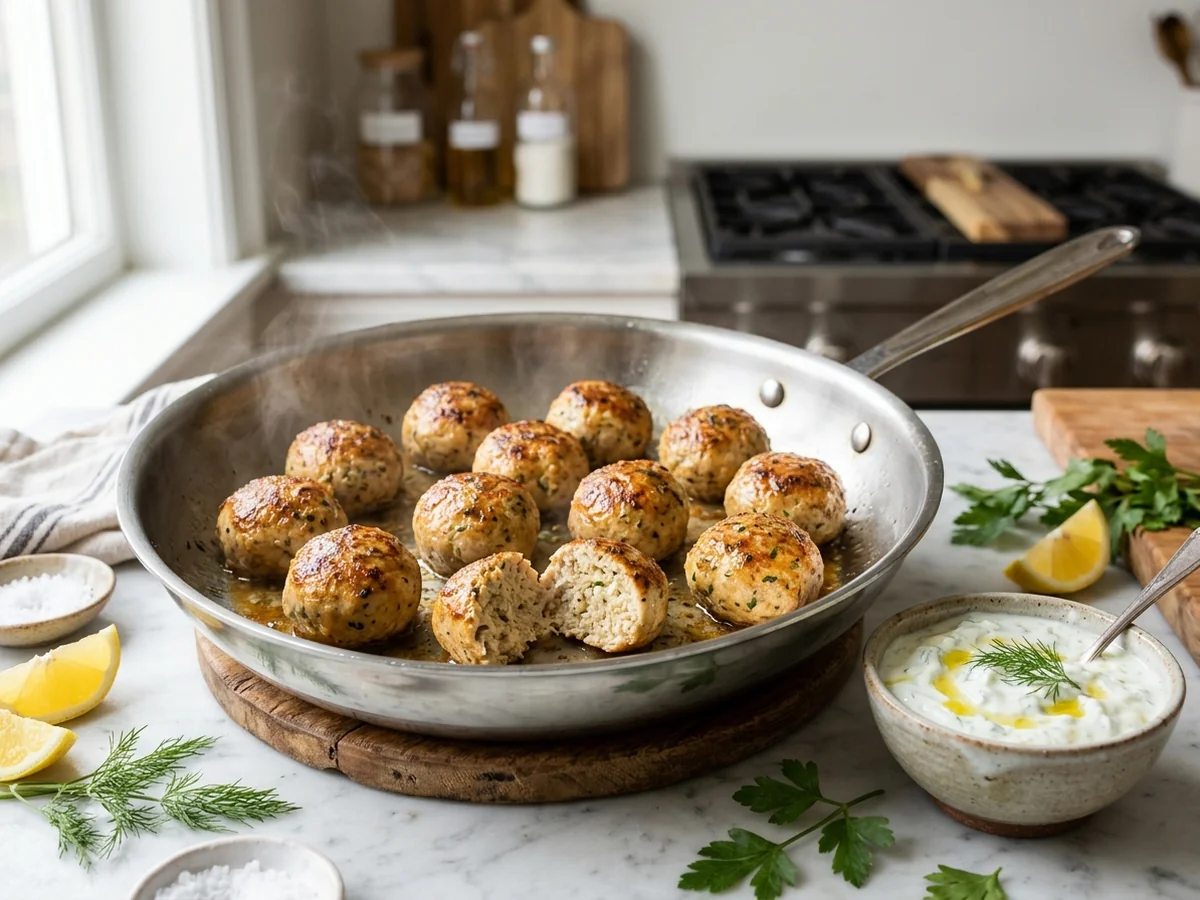
Achieving perfectly cooked poultry requires careful temperature management and consistent portioning. Because ground chicken typically has a lower fat percentage than ground beef, it is common guidance to handle the meat gently and monitor it closely to avoid dryness. Preparing your mixture with care helps maintain moisture, while precise cooking techniques ensure every bite is safe and tender.
Mastering Texture and Moisture
To ensure your baked Greek chicken meatballs remain juicy, avoid overworking the mixture. Excessive mixing can lead to a rubbery texture in the final result. Many home cooks incorporate binders like panko breadcrumbs into the blend to help the meatballs retain moisture while they cook. Since olive oil is the standard fat source for Mediterranean meatball recipes, adding a small amount to your mixture can also improve the final mouthfeel.
Precision in the Kitchen
Consistency is key to even cooking. Using a standard cookie scoop or tablespoon ensures that your meatballs are uniform in size, which prevents the risk of having some pieces overcook while others remain raw. You should also rely on an internal meat thermometer to verify doneness. According to the USDA Food Safety and Inspection Service, the internal temperature for ground poultry must reach 165 degrees Fahrenheit for safety.
Prep and Storage Strategies
If you are planning your healthy Mediterranean dinner ideas in advance, you can prepare your mixture ahead of time. Freezing raw chicken meatballs is possible if they are processed immediately after mixing, which makes meal prep efficient. Once cooked, meatballs can typically be kept in an airtight container in the refrigerator for 3 to 4 days.
When preparing the accompanying authentic tzatziki sauce recipe, remember that Greek yogurt must be strained to reach the consistency required for the dish. Additionally, it is typical practice to salt and drain cucumbers before adding them to your yogurt base, as their high water content can otherwise cause the sauce to become watered down. Integrating fresh dill and lemon juice, which serves as a common acid in Greek cuisine, will round out the flavors of your meal.
Flavor Variations and Substitutions
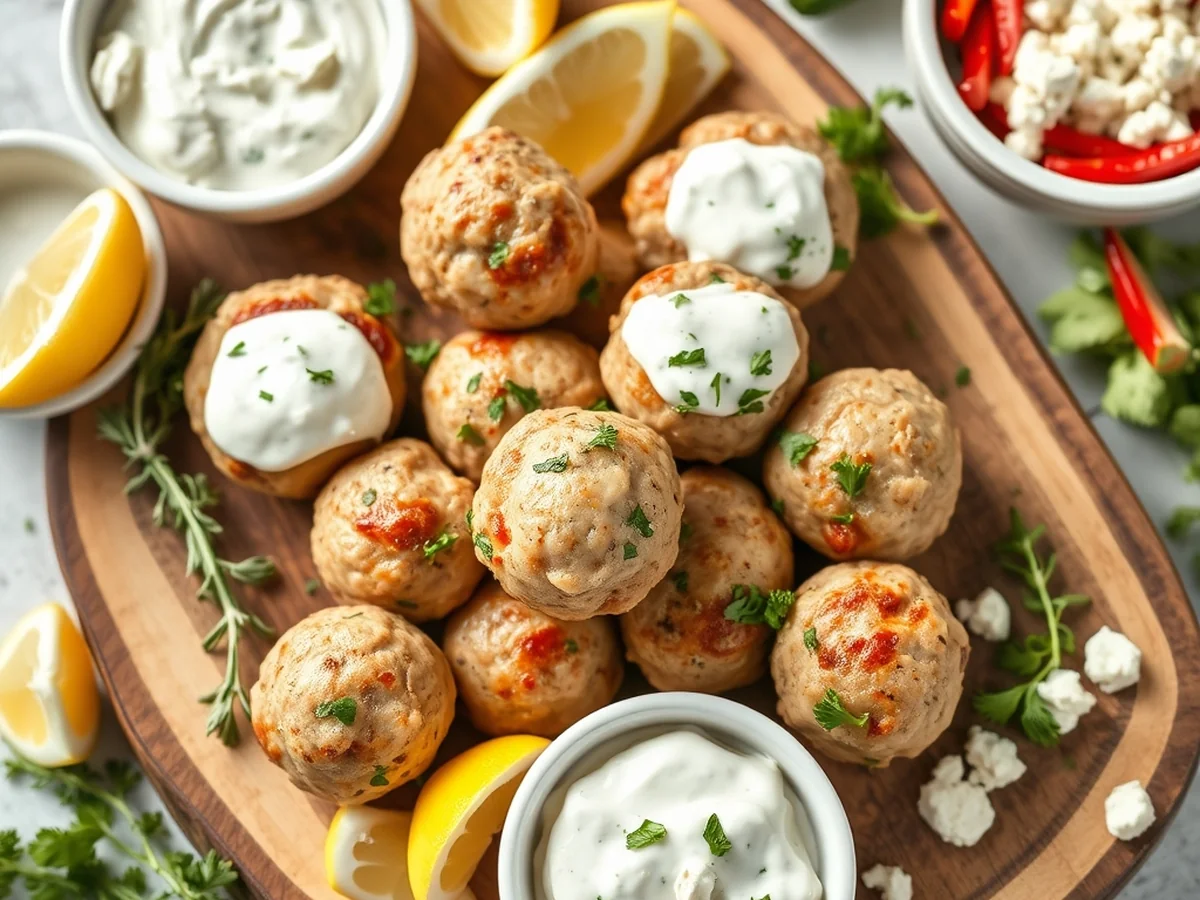
You can easily customize greek chicken meatballs with tzatziki by adjusting aromatics and binders to suit your pantry or dietary needs. These modifications help you maintain the Mediterranean profile while tailoring the dish to your specific preferences.
Refining the Meatball Mixture
Ground chicken typically has a lower fat percentage than ground beef, which makes it prone to dryness. To maintain moisture, it is common practice to add panko breadcrumbs or similar binders to the mixture. Be cautious during the mixing process, as excessive handling of ground chicken can lead to a rubbery texture. Ground turkey serves as a reliable lean substitute if chicken is unavailable, though it requires the same careful attention to cooking times. As a safety standard set by the USDA Food Safety and Inspection Service, the internal temperature of these meatballs must reach 165 degrees Fahrenheit to be considered safe for consumption.
Gluten-Free and Dietary Adjustments
If you prefer to avoid gluten, there are several effective alternatives to traditional breadcrumbs that still provide the necessary structure and moisture retention. Consider these swaps for a more inclusive meal:
- Almond flour: Adds a subtle nuttiness and helps maintain a tender crumb.
- Crushed gluten-free crackers: These effectively mimic the texture of standard breadcrumbs.
- Rolled oats: Pulse these into a fine meal for a hearty, fiber-rich consistency that holds the meat together well.
Perfecting Your Tzatziki Sauce
The texture of your sauce is just as important as the flavor. Greek yogurt must be strained to reach the consistency required for authentic tzatziki, as the thickness provides the necessary creaminess to coat the meatballs. Furthermore, English cucumber contains high water content and it is common practice to salt and drain it before folding it into the yogurt to prevent the sauce from becoming thin or watered down. Fresh dill is a primary flavor component in traditional recipes, while lemon juice acts as a standard acid to provide a bright finish.
If you are planning ahead, meatballs can be kept in an airtight container in the refrigerator for 3 to 4 days, and freezing raw portions is possible if they are processed immediately after mixing. These ground chicken meatball tips ensure your Mediterranean-inspired meals remain consistent and delicious, regardless of the variations you choose to incorporate into your routine.
Meal Prep and Storage
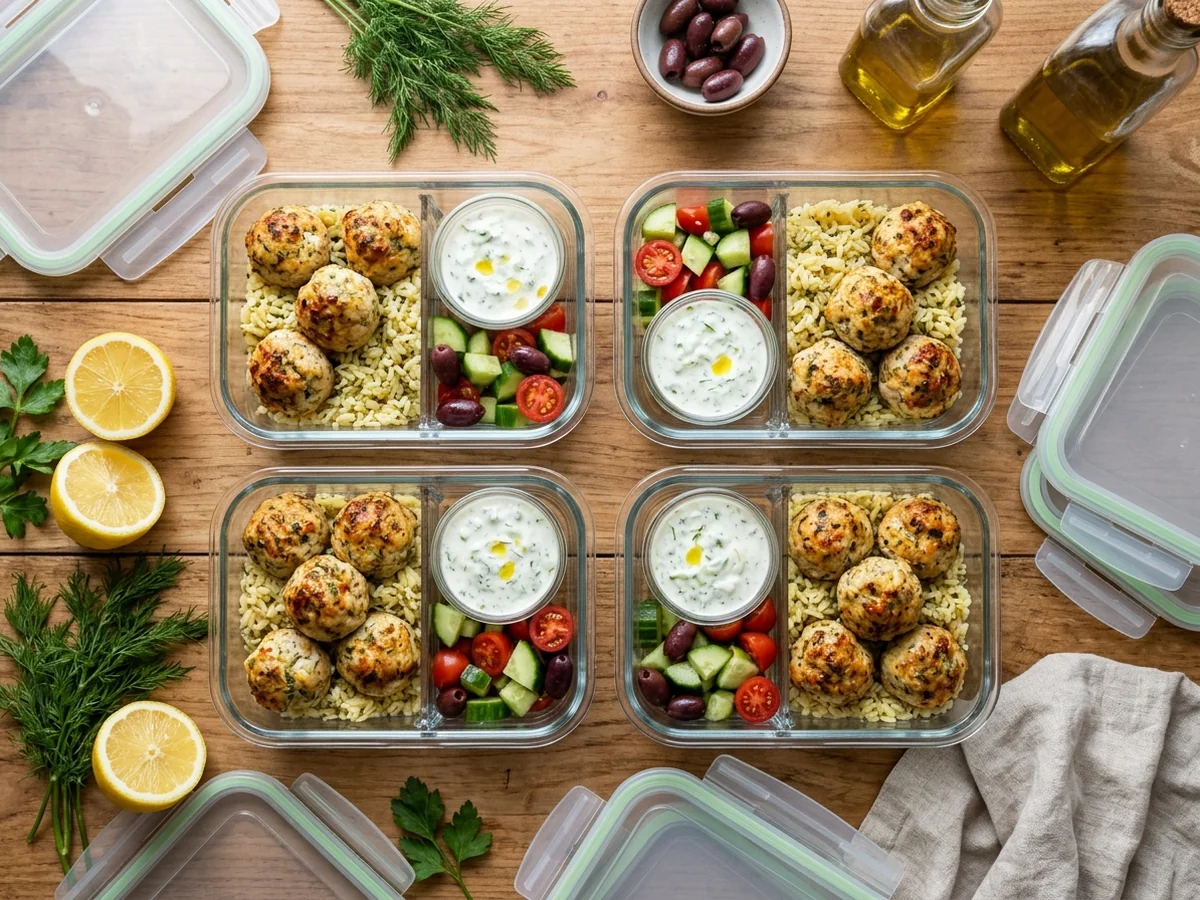
Proper storage and reheating techniques ensure your prepared proteins remain tender and safe to eat throughout the week. Because ground chicken typically has a lower fat percentage than ground beef, it requires careful handling to avoid dryness. Incorporating binders like panko breadcrumbs into your mixture helps retain moisture, while avoiding excessive mixing is essential to prevent a rubbery texture.
Managing Meatball Quality
For your mediterranean-inspired meals, proper cooling and containment are key. Cooked meatballs can typically be kept in an airtight container in the refrigerator for 3 to 4 days. If you prefer to batch cook, freezing raw chicken meatballs is possible if they are processed immediately after mixing. To prevent them from clumping, place raw portions on a parchment-lined baking sheet until firm, then transfer them to a freezer-safe bag. Always thaw them completely in the refrigerator before cooking to ensure even heat distribution.
When reheating, moisture is your best tool. Add a small splash of water or broth to your pan or container to create steam, which prevents the lean chicken from drying out. Using a microwave-safe cover or a damp paper towel also helps the meatballs retain their texture. According to the USDA Food Safety and Inspection Service, the internal temperature for ground poultry must reach 165 degrees Fahrenheit for safety, which you should verify using an internal meat thermometer.
Tzatziki Preparation Tips
Authentic tzatziki sauce recipe components require specific attention to consistency. Greek yogurt must be strained to reach the consistency required for authentic tzatziki, as any excess whey can lead to a thin, runny sauce. Additionally, it is typical practice to salt and drain cucumbers before mixing, as they contain high water content that can water down your sauce over time. Fresh dill is a primary flavor component in traditional tzatziki, while lemon juice and zest serve as common flavor enhancers. If you prepare your sauce ahead of time, keep it in an airtight container, noting that flavor profiles may evolve slightly while refrigerated.
Serving Suggestions
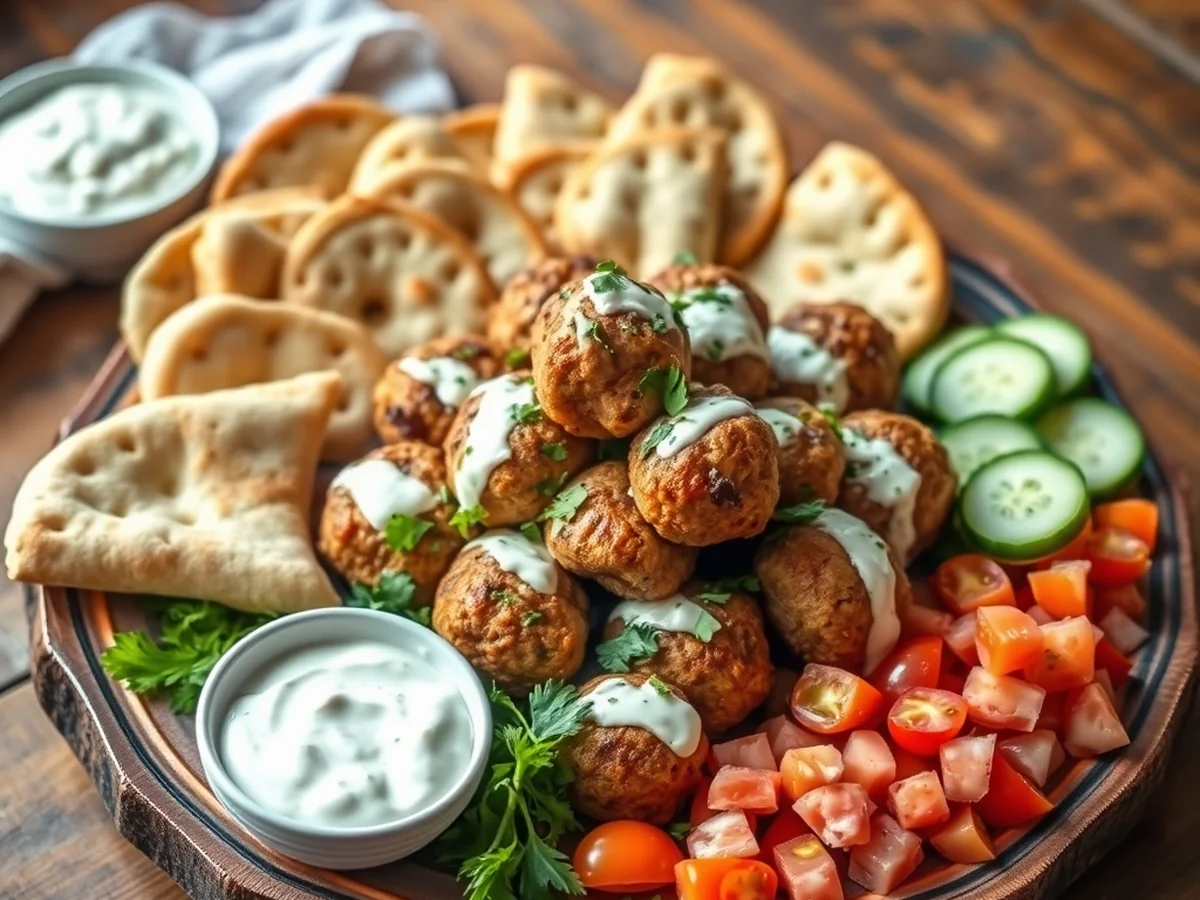
The key to elevating Greek chicken meatballs with tzatziki lies in balancing the lean protein with refreshing, acidic components. Because ground chicken typically has a lower fat percentage than ground beef, it requires careful cooking to avoid dryness. To ensure safety and quality, use an internal meat thermometer to verify that the meatballs reach 165 degrees Fahrenheit as required by the USDA Food Safety and Inspection Service. Once cooked, these meatballs serve as the perfect anchor for a variety of Mediterranean-inspired meals you can easily put together at home.
Building the Perfect Plate
Start with a base that complements the Mediterranean profile. Lemon-infused rice or fluffy quinoa act as a neutral canvas, absorbing the flavorful juices from the meat. For a lighter, nutrient-dense option, incorporate these meatballs into nourish bowls alongside a bed of mixed greens, roasted vegetables, and a generous dollop of tzatziki. Greek yogurt must be strained to reach the consistency required for authentic tzatziki. It is also common practice to salt and drain cucumbers before mixing them into the yogurt, as their high water content can otherwise result in a watered-down sauce that loses its creamy texture. Adding fresh dill serves as a primary flavor component to round out the dish.
Pro Tips for Texture and Flavor
To avoid common mistakes that lead to dry or rubbery meatballs, consider these techniques:
- Binders: Incorporating panko breadcrumbs into your mixture helps retain moisture, preventing the chicken from becoming too dense during the baking process.
- Mixing: Avoid excessive mixing of the ground chicken, as this can lead to a rubbery final texture. Gently combine ingredients until just incorporated.
- Fat Sources: Since extra virgin olive oil is the standard fat source in this cuisine, use a light drizzle over your finished bowls to enhance the overall richness and mouthfeel.
- Acidity: Lemon juice and zest serve as common acids in Greek cooking. A final squeeze of fresh lemon juice over the entire plate brightens the dish and unifies the flavors of the meat, yogurt, and fresh vegetables.
For convenience, you can store cooked meatballs in an airtight container in the refrigerator for 3 to 4 days. If you prefer to batch cook, freezing raw chicken meatballs is possible if they are processed immediately after mixing, allowing you to have a quick, high-protein meal ready for busy evenings.
Fixing Dry Chicken Meatballs
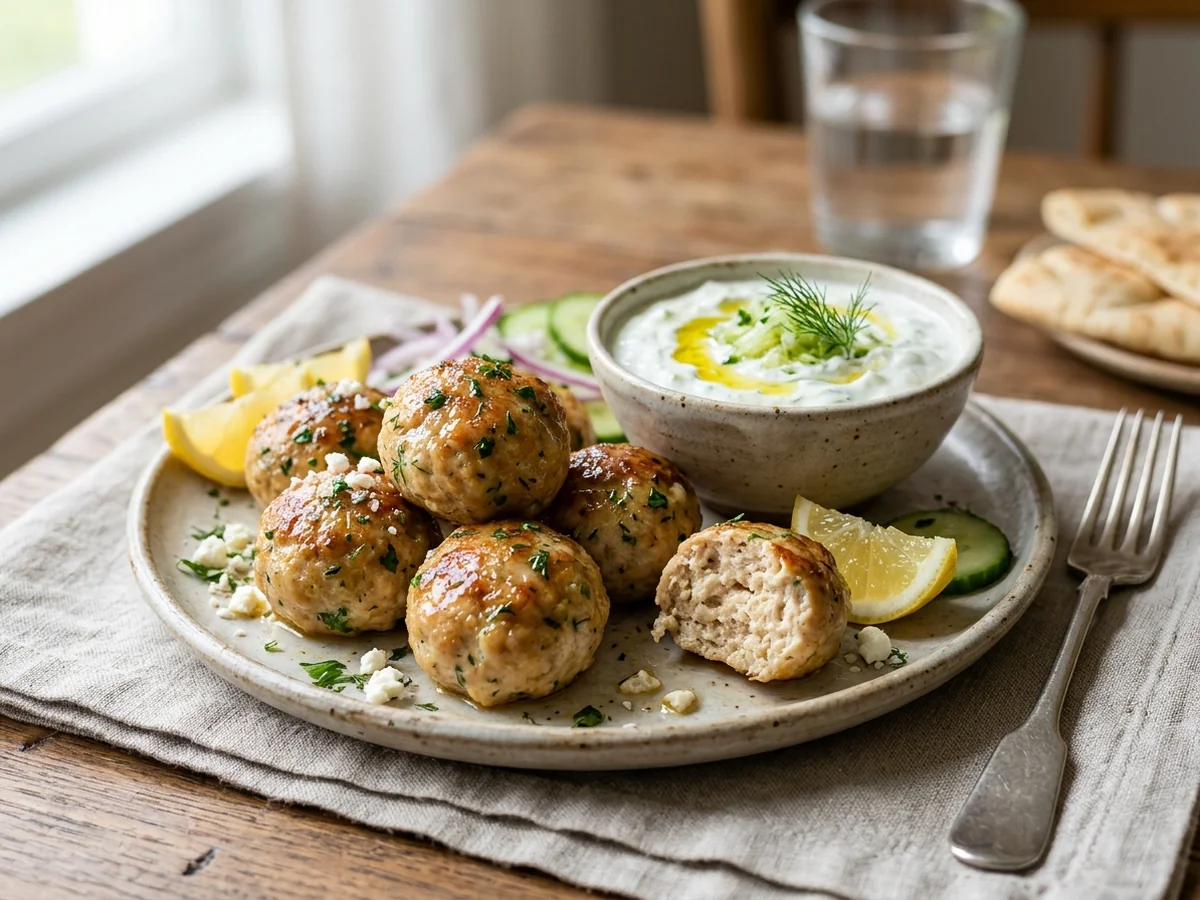
Dryness in ground chicken preparations typically stems from the meat’s lower fat content compared to beef, requiring careful management during preparation and cooking. To ensure your chicken meatballs remain tender and structurally sound, consider these adjustments to your technique.
- Ground chicken requires careful cooking to avoid dryness, so always use an internal meat thermometer to confirm the poultry reaches 165 degrees Fahrenheit for safety as established by the USDA Food Safety and Inspection Service.
- Incorporate binders like panko breadcrumbs into your mixture, as this is common practice to help retain moisture and improve the texture of the finished meatballs.
- Avoid overworking the meat mixture during the shaping phase, as excessive handling can lead to a rubbery consistency rather than a light and tender bite.
- If your sauce consistency is too thin, remember that Greek yogurt must be strained to reach the consistency required for authentic tzatziki, as the whey content can otherwise dilute the dip.
- Follow the common guidance of salting and draining grated cucumber before adding it to your yogurt, which prevents the high water content in the vegetable from thinning out your sauce.
- Balance the acidity of lemon juice and the pungency of garlic by adding these ingredients gradually, tasting as you go to ensure the flavors complement one another without becoming overpowering.
When preparing nutritious meals for your week, remember that the resting time of your sauce can influence flavor distribution. While garlic intensity can change as the sauce sits, adjusting the lemon and salt levels right before serving is the best way to maintain a bright, fresh profile. If you find your meatballs falling apart in the pan or oven, ensure the mixture is thoroughly chilled for at least thirty minutes before shaping. This simple step helps the fats set, making the meatballs easier to handle and less likely to lose their shape during the cooking process.
FAQ
How long should I cook the meatballs?
You must cook ground chicken until the internal temperature reaches 165 degrees Fahrenheit for safety, as confirmed by the USDA Food Safety and Inspection Service. Using an internal meat thermometer is the most reliable way to ensure they are fully cooked while avoiding the dryness that comes from overcooking.
Can I make tzatziki ahead of time?
Yes, you can prepare this sauce in advance and keep it in an airtight container in the refrigerator for several days. Keep in mind that Greek yogurt must be strained to reach the consistency required for authentic tzatziki, which also helps the sauce maintain its texture during storage.
What can I serve with chicken meatballs?
These meatballs pair well with classic Mediterranean sides like warm pita bread, a crisp Greek salad, or steamed rice. Since olive oil is the standard fat source for Mediterranean recipes, drizzling a little extra virgin olive oil over your finished plate adds a nice flavor finish.
Why are my chicken meatballs dry?
Ground chicken typically has a lower fat percentage than ground beef and requires careful cooking to avoid dryness. To help retain moisture, it is common practice to use panko breadcrumbs as a binder in the meatball mixture, but be careful not to over-mix, as this can lead to a rubbery texture.
Do I need to peel the cucumber for tzatziki?
Peeling the cucumber is optional depending on your preference for the skin texture, though you should always address the water content. It is common guidance to salt and drain your grated cucumber before mixing it into the yogurt to prevent the sauce from becoming watered down.
Conclusion
The final step for your meal is ensuring the meatballs reach an internal temperature of 165 degrees Fahrenheit for safety, as confirmed by the USDA Food Safety and Inspection Service. While the sauce rests to meld flavors, double-check that your cucumber is thoroughly drained to maintain a thick consistency. Once you have mastered these steps, your greek chicken meatballs with tzatziki are ready to serve alongside your favorite Mediterranean sides. If you are planning for future meals, remember that these store well in the refrigerator for three to four days or can be frozen raw for later use.
Sources: discover.hastings.edu, fsis.usda.gov
You might also like: Steak Fajitas Recipe: Sizzling Mexican Dinner