Blackened Salmon with Creamy Dijon Sauce
Introduction
Blackened salmon with creamy dijon sauce brings together bold spices and a smooth finish for a standout meal. You can easily make this restaurant quality dish right at home using a cast iron skillet to achieve a flavorful crust.
This straightforward cooking process fits neatly into busy schedules without sacrificing flavor. You will get a complete guide to searing fish, mixing a rich sauce, and serving a memorable dinner with minimal stress.
Selecting the Right Salmon and Quality Grades for Searing
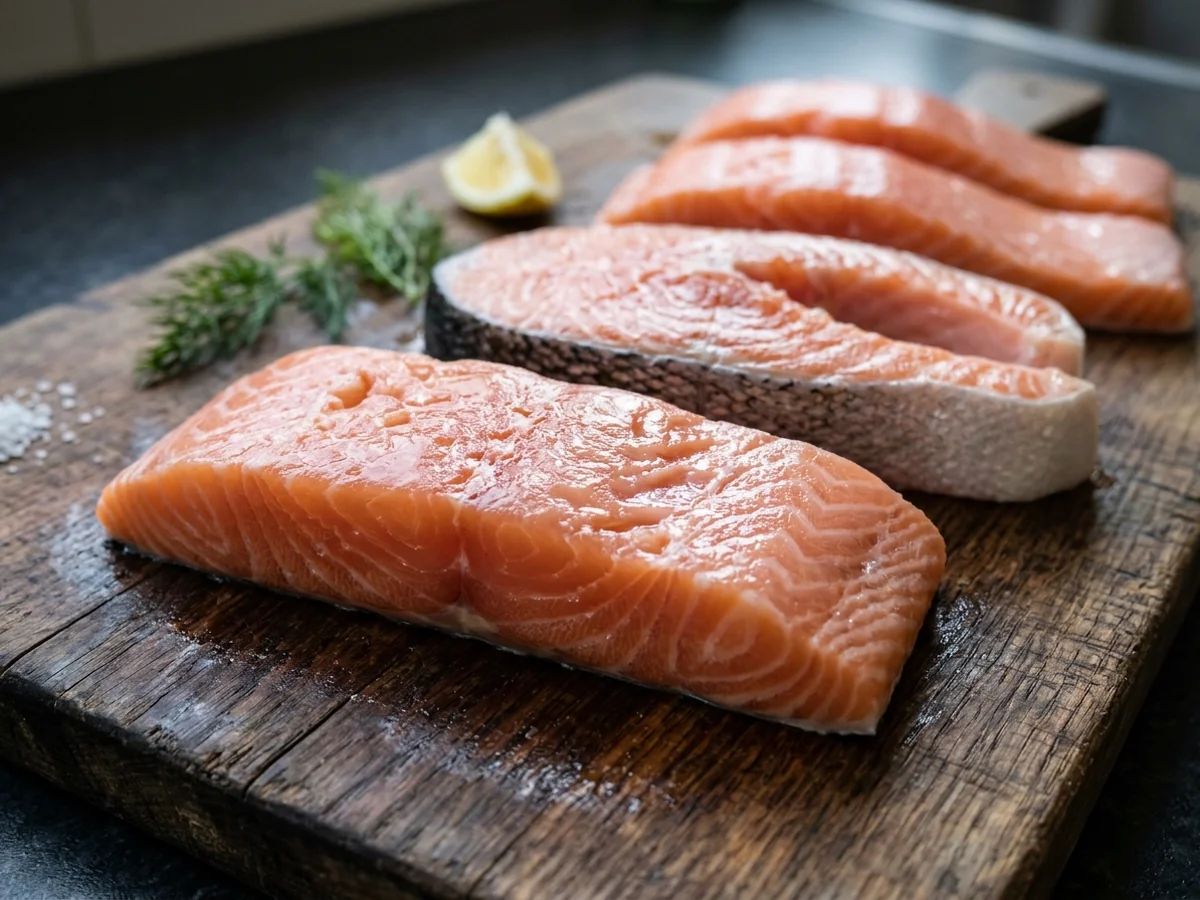
Choosing the right cut of fish forms the foundation of any successful meal when preparing a flavorful dish like cast iron pan seared salmon. Fresh fillets with a firm texture and uniform thickness work best for pan-searing, ensuring the meal cooks evenly without drying out the outer edges before the center finishes. Selecting high-quality protein requires paying close attention to both the cut and the overall freshness indicators at the market.
Thicker center-cut pieces provide the best results because they hold up well to high heat cooking. Thin tail pieces tend to overcook too quickly, leaving those sections dry and texturally unappealing. Deciding between skin-on and skinless cuts depends on personal preference and your cooking method. Keeping the skin on protects the delicate flesh from direct heat and helps hold the fillet together during flipping, while skinless cuts offer a uniform texture throughout every bite.
Uniform thickness matters just as much as cut selection. Fillets that vary wildly in thickness will cook at uneven rates, leaving one end overdone while the middle remains underdone. Home cooks often make the mistake of grabbing random packages without checking the shape of the individual pieces.
To avoid common pitfalls during preparation, consider these practical steps when shopping for your ingredients:
- Inspect the flesh for a vibrant color and a firm bounce when pressed gently with a finger.
- Avoid fillets with brown spots along the edges or a strong, overly fishy odor.
- Opt for uniform center-cut portions to guarantee predictable cooking times.
- Check labels for trusted certifications that trace seafood from responsible fisheries to your local market.
Sourcing sustainable fish options requires looking for trusted certifications that trace seafood from responsible fisheries to your market. Many local fishmongers and major grocers label their stock with catch methods or farming standards to help buyers make eco-conscious choices. Taking the extra time to evaluate quality grades and cut thickness ensures your dinner turns out flaky, tender, and properly cooked every single time.
Crafting Your Homemade Blackening Spice Blend
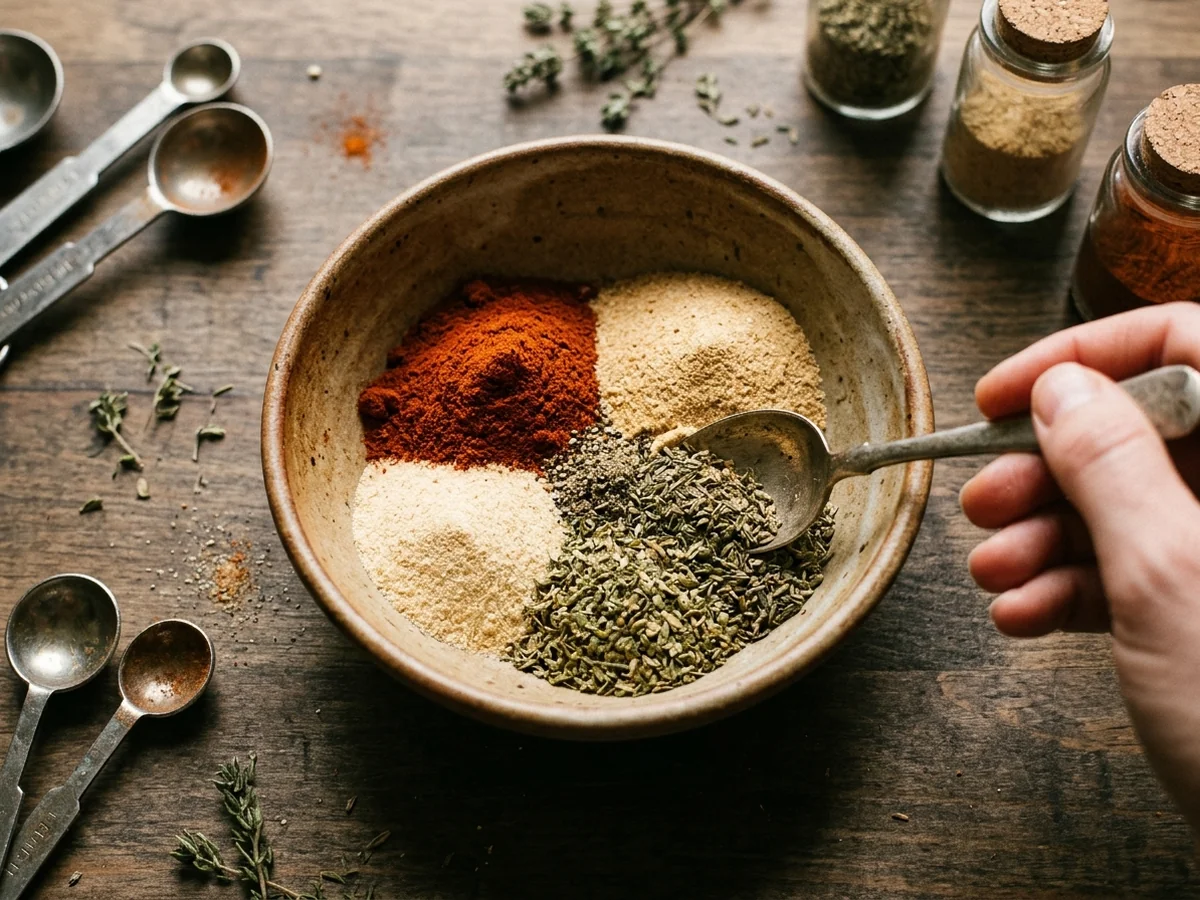
Mixing a homemade blackening spice blend relies on combining basic pantry staples like paprika, garlic powder, onion powder, and dried herbs with the right measure of salt and pepper. You control the exact flavor profile and salt content when you build the seasoning mix from scratch rather than using pre-packaged store bought varieties. This approach ensures your dinner remains balanced and flavorful without unexpected additives.
Balancing these dry ingredients prevents the mixture from turning bitter during the high heat cooking process. Spices like paprika and cayenne easily scorch if the heat gets too high, which introduces an unpleasant acrid taste to the fish. Keeping a careful ratio of sweet and earthy spices helps protect the flavor while building a deep, rich crust on your cast iron pan seared salmon.
Balancing Heat Levels and Spices
Adjusting the heat levels for different stovetops and personal preferences requires small changes to the cayenne pepper and black pepper quantities. A hotter burner transfers thermal energy rapidly to your cookware, meaning you might need to lower the stove dial slightly or reduce the amount of spicy components if you prefer a milder finish. Test your spice tolerance gradually when preparing an easy blackened salmon recipe so the dish stays enjoyable for everyone at the table.
Step-by-Step Mixing Instructions
Here are the key steps for mixing and balancing your seasoning:
- Measure out equal parts of smoked or sweet paprika as the bulky base for your seasoning mix.
- Add finely ground garlic powder and onion powder to build a savory background flavor profile.
- Stir in dried thyme or oregano for an herbal note that cuts through rich proteins and balances the creamy dijon sauce for fish.
- Control the spicy kick by adjusting cayenne pepper in small increments based on your tolerance and burner intensity.
- Mix the dry ingredients thoroughly in a small bowl to ensure even distribution before coating the fish.
Common Blending Mistakes to Avoid
A frequent error when preparing this seasoning is using too much salt in the base, which overpowers the herbs during the searing process. Ensure you measure every component carefully and mix the spices uniformly in a bowl before applying them to your fish fillets. Proper mixing guarantees that every bite receives an even balance of earthy, savory, and spicy notes without localized hot spots that can burn quickly in the pan.
Mastering the Cast Iron Searing Technique
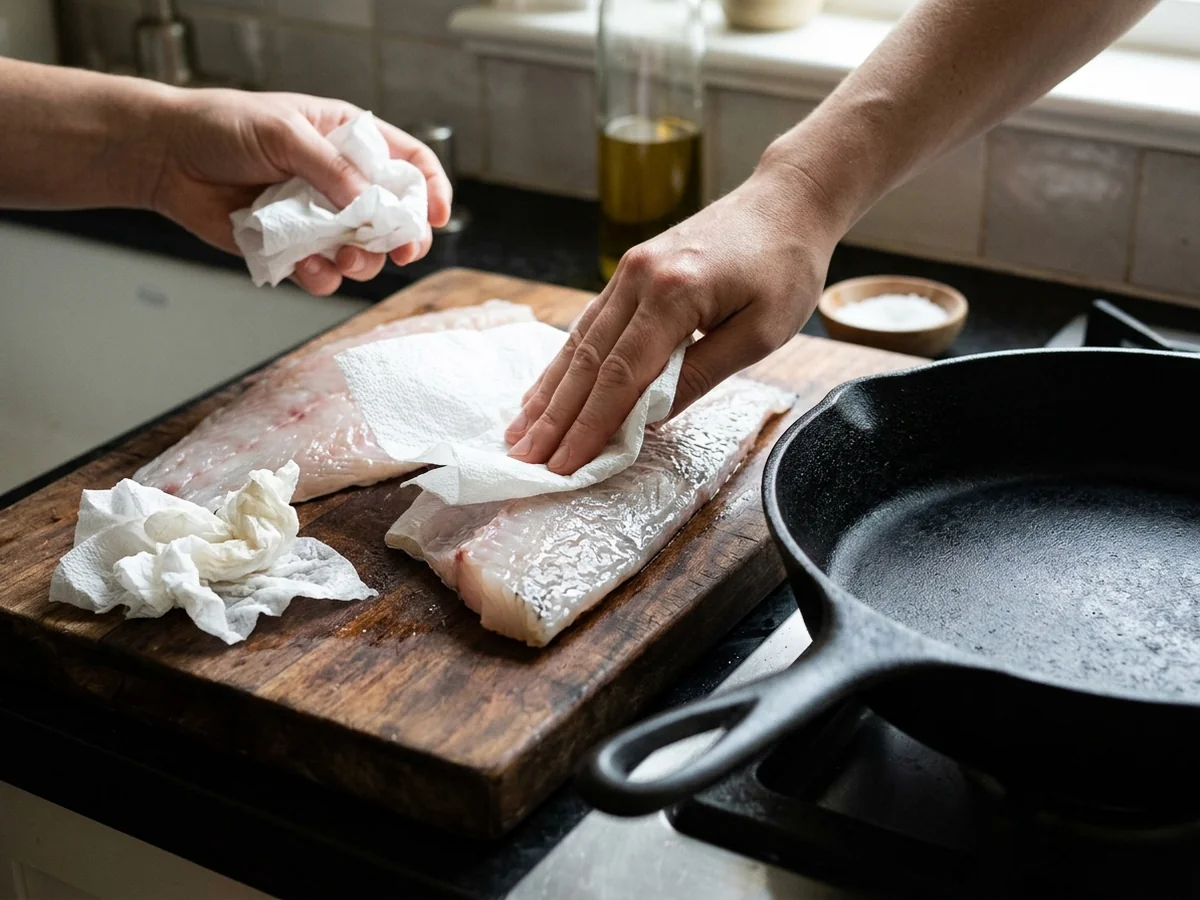
Preparing fish fillets for the skillet requires careful attention to moisture control. Before applying any homemade blackening spice blend, take your time patting each piece thoroughly with paper towels until the surface feels completely dry to the touch. Excess moisture on the fish creates steam in the hot pan, which ruins any chance of getting a proper sear and washes away the seasonings instead of toasting them.
Preheating and Fat Management
Achieving the ideal cast iron pan seared salmon relies entirely on proper preheating and fat management. Heat your skillet over medium-high heat until it is thoroughly hot before adding your cooking fat. When you lay the fillets down, place them gently away from you to avoid splashing. Let the fish sear completely undisturbed. Rushing this process or trying to peek too early will tear the delicate protein. When the exterior forms a natural crust, it releases easily from the metal surface on its own.
Troubleshooting Heat Levels
Managing heat properly is the main difference between a flavorful meal and a burnt dinner. If the spice crust browns too quickly before the fish finishes cooking through the center, lower your burner heat immediately. You can also transfer the entire skillet to a preheated oven to finish the cooking process gently through indirect heat. Adjusting your stove temperature early prevents burnt spices from creating an unpleasant bitter taste, ensuring your easy blackened salmon recipe turns out perfectly tender and flaky every single time.
Preventing Common Sticking Issues
Sticking usually happens when the skillet is not hot enough or when the fish is moved too early in the cooking process. Letting the pan reach the correct temperature before adding the fillets creates a natural release as the protein firms up. If you notice resistance when attempting to lift the fish, allow it to cook for another minute before trying again.
Making the Creamy Dijon Sauce from Scratch
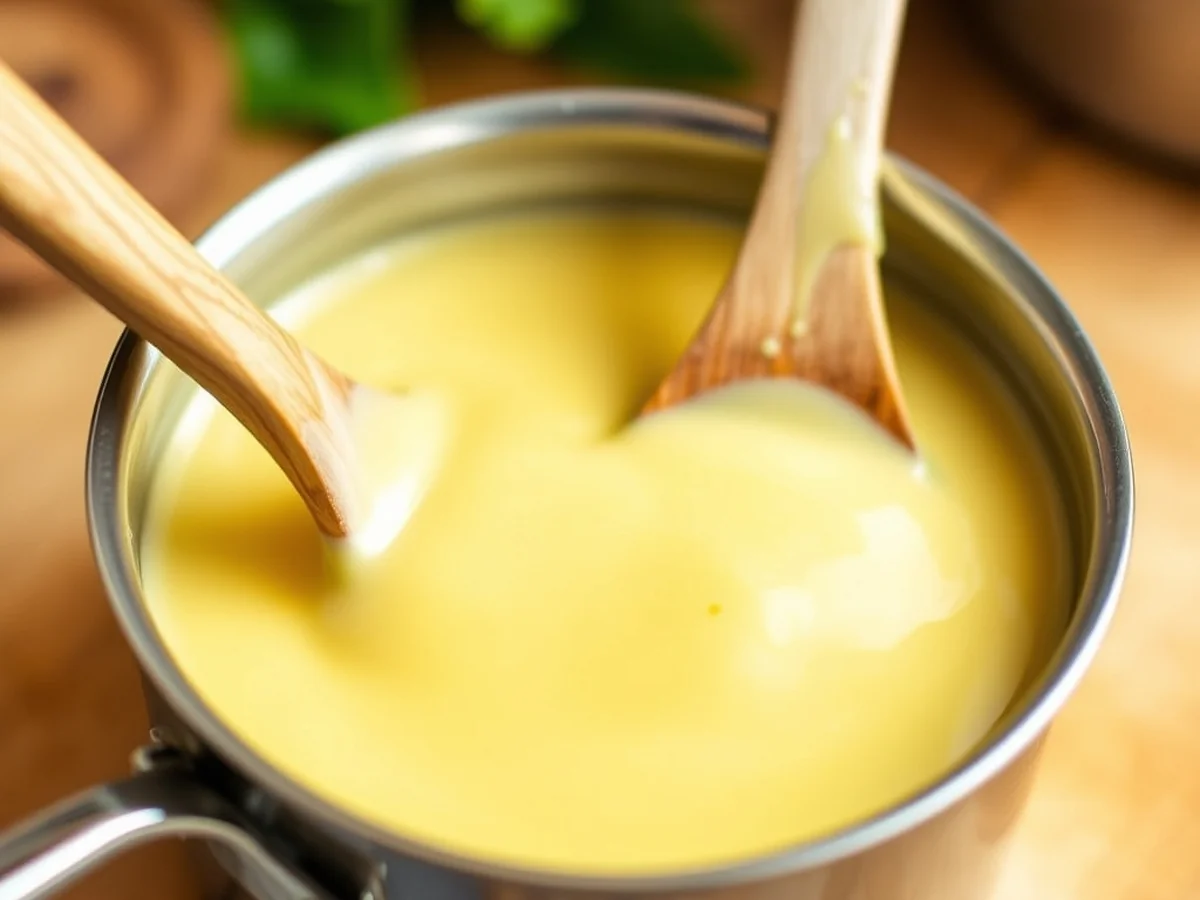
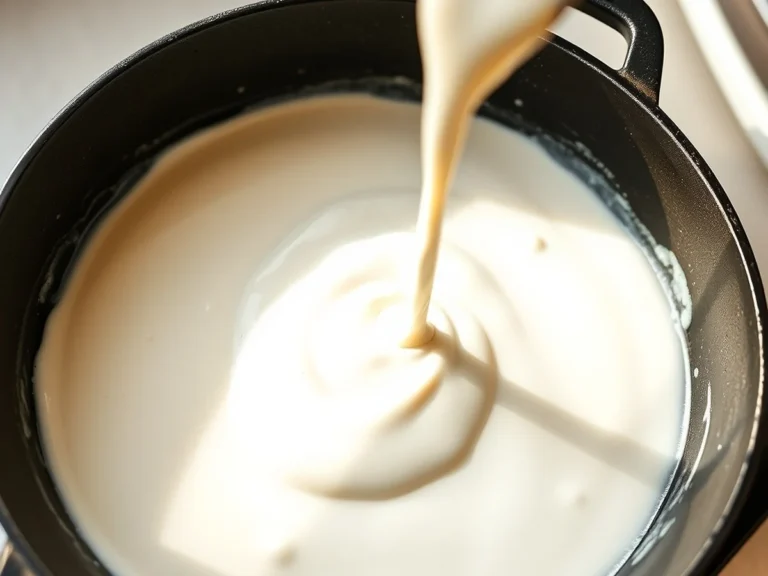
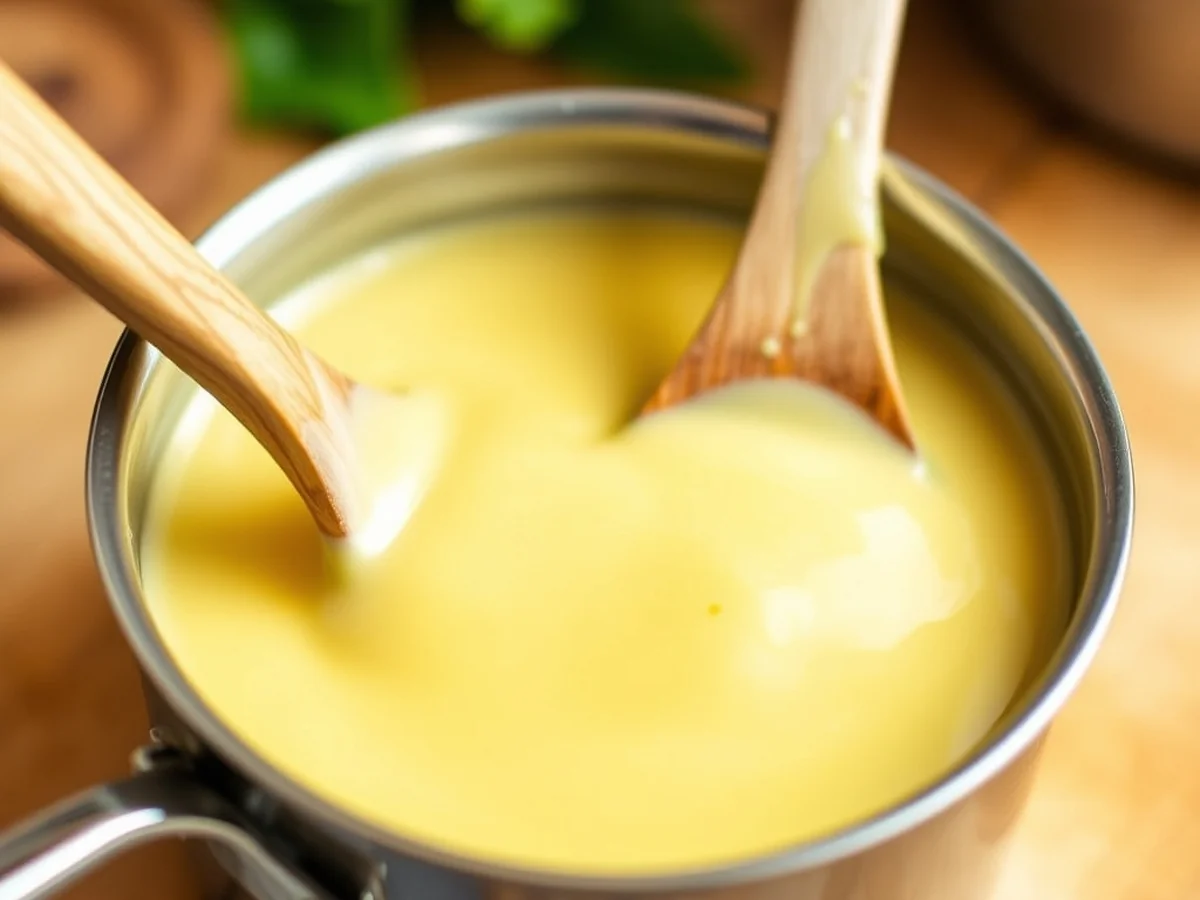
Preparing a smooth dijon sauce for fish requires careful temperature management and gentle stirring to combine rich dairy with sharp mustard. You can create this element easily while the fish rests, making it a reliable addition to blackened salmon with creamy dijon sauce. When you manage the stovetop temperature correctly, the dairy reduces into a velvety coating that clings to the back of a spoon without breaking.
To integrate ingredients like Dijon mustard and heavy cream smoothly, you should warm the base gently over low heat. Adding the mustard gradually helps it disperse without clumping into the liquid. Whisking continuously prevents the dairy from separating as it thickens. If you dump all the mustard in at once, pockets of concentrated spice can form, making it difficult to achieve a uniform texture.
You can make the sauce ahead of time, but you need to store it properly in an airtight container to maintain its texture. Reheat it gently over low heat, and stir in a splash of water or broth if it thickens too much in the refrigerator. Keeping the heat low prevents the sauce from breaking or developing a grainy mouthfeel.
- Whisk the cream and mustard thoroughly before heating to ensure even distribution.
- Keep the stovetop on low heat to avoid separating the dairy and ruining the texture.
- Stir occasionally while the sauce simmers gently to prevent scorching at the bottom of the pan.
- Add a splash of liquid during reheating if the mixture gets too thick in storage.
- Remove the pan from the direct burner flame immediately if bubbles start to form too rapidly.
A common mistake during preparation is turning the burner dial too high in an attempt to speed up the reduction process. High heat shocks the dairy fats, causing them to separate into oil and solids. If this happens, saving the batch becomes difficult. Always stick to a gentle simmer, and use a heavy-bottomed pan to distribute warmth evenly across the base of the cookware.
Dairy Free Variations and Dietary Adjustments
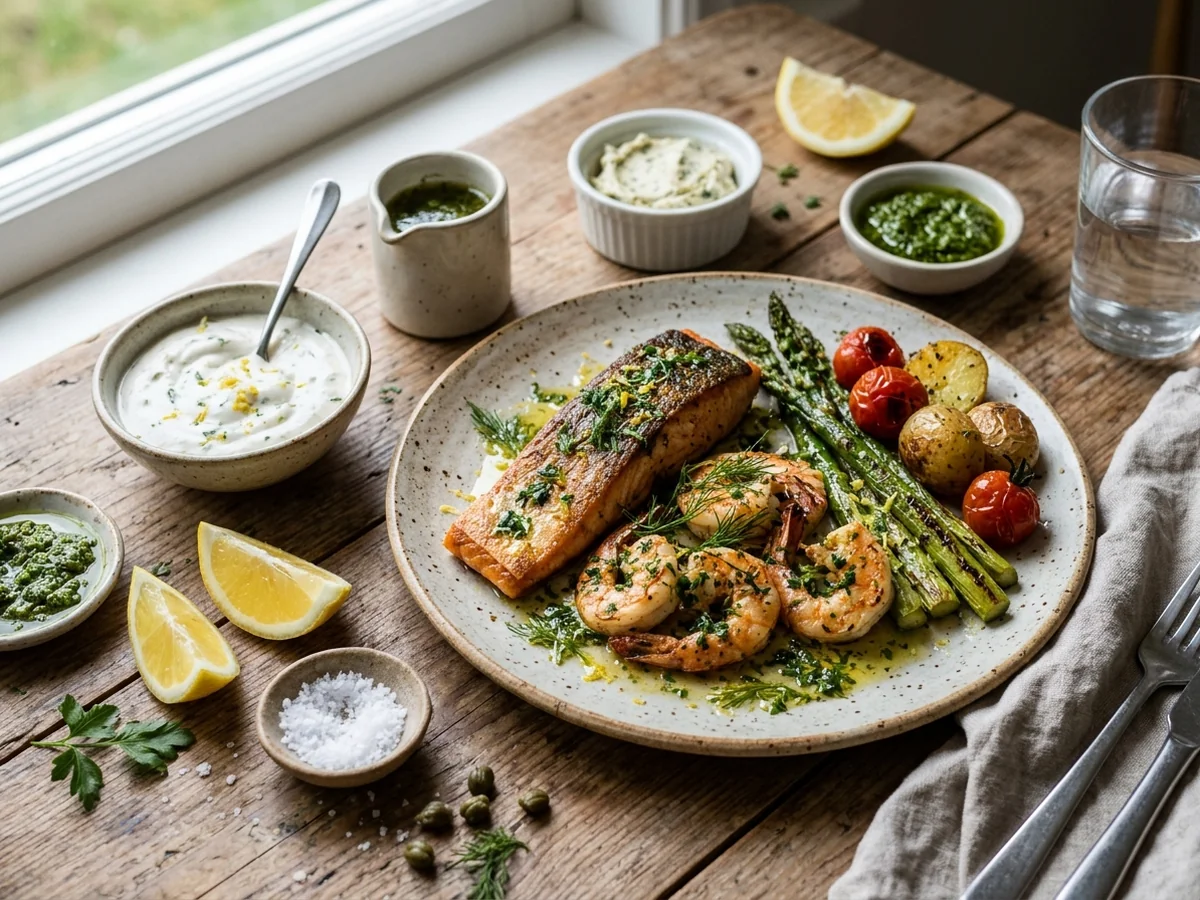
You can easily adapt your seafood dinner for different dietary needs by swapping dairy ingredients for plant-based alternatives while keeping the rich flavor intact. Adjusting recipes for lactose intolerance or lighter eating does not mean sacrificing the savory depth you expect from a great meal.
Plant-based creams and oils behave differently under heat compared to dairy fats. Many dairy-free cream substitutes tend to thin out or separate when exposed to high temperatures in a hot pan. Coconut cream provides a thick, stable texture that mimics heavy dairy products very well, though it adds a slight tropical note. Cashew cream is another great option because it blends into a smooth consistency and holds up under gentle heat.
You can also use olive oil or avocado oil to replace butter in the pan without losing that savory depth. These oils handle heat efficiently and let the spices shine through. Broth or vegetable stock reduced down with a spoonful of mustard creates a lighter base that still coats the back of a spoon.
Maintaining a rich and savory flavor profile requires thoughtful seasoning when you remove dairy. Dijon mustard naturally brings a sharp, pungent kick that anchors the dish and cuts through richness. Adding extra garlic, fresh herbs, or a splash of lemon juice boosts the savory notes so you do not miss the heavy cream.
- Substitute heavy cream with full-fat coconut milk or cashew puree for a similar mouthfeel.
- Use olive oil or plant-based butter alternatives for cooking the fish and building the pan sauce.
- Enhance the savory profile with extra mustard, cracked black pepper, and garlic powder.
- Whisk plant-based cream alternatives gently over medium-low heat to prevent curdling or separation.
Making a creamy dijon sauce for fish with these simple modifications ensures everyone at the table enjoys a flavorful meal. You get all the comfort of a rich pan sauce with ingredients that fit your personal lifestyle.
Nutritional Breakdown and Dietary Insights
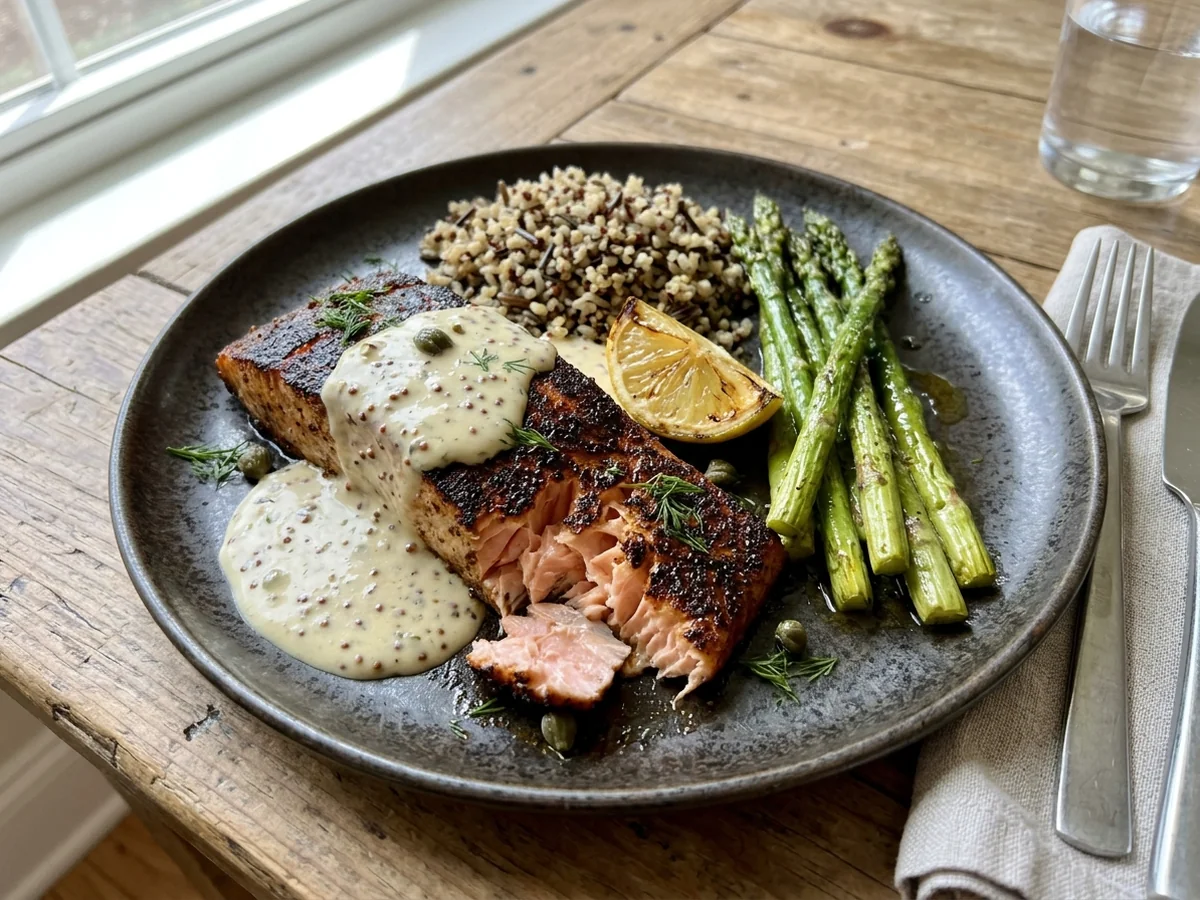
Evaluating the nutritional profile of blackened salmon with creamy dijon sauce involves looking at the clean protein provided by the fish alongside the richer elements found in the accompaniment. A single serving delivers a robust protein profile driven by the main protein source, making it a strong choice for muscle recovery and satiation. Balancing this requires understanding how the macronutrients break down between the lean seafood and the dairy-based topping.
| Component | Primary Attribute | Dietary Role |
|---|---|---|
| Fish Filet | High Protein | Muscle Maintenance |
| Spice Crust | Zero Sugar Flavor | Enhances Taste Without Carbs |
| Dijon Sauce | Rich Fats and Sodium | Flavor and Caloric Density |
Separating the health benefits of the fish from the calorie and fat content of the sauce helps maintain dietary goals. The seafood contributes beneficial marine fats and lean tissue, whereas the dairy and butter components add significant richness, calories, and saturated fat. Keeping track of portion sizes for the topping allows home cooks to enjoy the decadent texture without exceeding their daily energy limits.
For clean eating and high protein meal planning, this dish fits well into structured dietary regimens by supporting daily protein targets. The combination of nutrient-dense seafood and a bold, tangy topping provides high satiety, which keeps hunger at bay. Meal planners can easily adjust the richness of the accompaniment or pair the main component with steamed vegetables to tailor the macro split to their specific nutritional needs.
Home cooks can reference data from USDA FoodData Central to track precise macronutrient counts for individual ingredients like heavy cream or Dijon mustard. When designing a balanced weekly menu, keeping an eye on the fat content of the sauce ensures that the overall meal aligns with personal health objectives. Adjusting the amount of butter or cream used in the pan reduction provides a simple method for lowering total calories without sacrificing the bold flavors of the dish.
A common mistake when analyzing the macros of seafood dishes is overlooking the hidden calories in pan coatings and creamy pan sauces. While the fish itself remains exceptionally lean, pouring a heavy dairy reduction over the top significantly shifts the caloric density of the plate. Being mindful of these additions allows individuals to enjoy restaurant quality meals at home while maintaining strict control over their nutritional intake.
Storage and Reheating Instructions for Leftovers

Proper storage is essential for maintaining the quality of your blackened salmon with creamy dijon sauce after mealtime. Once your meal cools down to room temperature, transfer the leftover cooked fish and the mustard sauce into separate airtight containers. Placing them in the refrigerator promptly prevents bacterial growth and keeps the ingredients tasting fresh for your next meal. When dealing with home-prepared seafood, safety and quality go hand in hand. Consume refrigerated seafood dishes within a short window to maintain proper quality and safety standards. Following standard food safety guidelines ensures that you minimize any risk of foodborne illness while enjoying your healthy meal prep portions later in the week.
Reheating Seafood Without Drying It Out
Reheating delicate proteins requires a gentle touch to avoid a rubbery texture or dry meat. Reheat the fish slowly using low heat in a covered skillet or a low oven setting. This gentle warmth works much better than high power in a microwave, which can quickly overheat the fish and ruin the texture achieved during your initial cooking process. Microwaves apply uneven energy that draws out moisture too quickly, leaving the protein tough and altering the flavor profile of the spices.
Managing Creamy Sauces During Reheating
The creamy dijon sauce needs separate attention during the reheating stage to maintain its smooth consistency. Warm the mustard sauce slowly over very low heat on the stovetop. Stir the sauce constantly and avoid letting it reach a boil, because excessive heat causes the dairy component to separate or curdle, ruining the rich mouthfeel of the dish. If the sauce thickens too much in storage, whisking in a tiny splash of water or milk while warming can help restore its original texture without diluting the flavor.
Best Practices for Meal Prep Storage
For home cooks preparing portions in advance, keeping components separate until the final moment of consumption yields the best results. Storing the fish and sauce in individual containers prevents the moisture from the dairy from softening the spiced crust on the seafood. Labeling your airtight containers with the date of preparation helps you track freshness and ensures you enjoy your food at peak quality throughout the week.
Frequently Asked Questions About Blackened Salmon
How do you prevent the salmon from sticking to the pan?
Ensure your skillet is properly preheated and the cooking surface has enough oil or butter before adding the fish. Letting the salmon sear undisturbed for a few minutes allows a natural crust to form, which helps it release easily from the metal.
How can you tell when the salmon is finished cooking?
The fish is ready when the flesh turns opaque and flakes easily with a gentle poke from a fork. You can also watch for the color to lighten along the sides of the fillet as the heat penetrates through.
What is the difference between Cajun seasoning and blackening seasoning?
Blackening seasoning relies heavily on a robust blend of herbs and spices combined with high heat to create a dark, flavorful crust on proteins. Cajun seasoning is generally a broader spice blend used to season various regional dishes without necessarily requiring the intense charring technique.
Can you make the sauce ahead of time?
You can whisk together the components of your sauce in advance and store them in a sealed container in the refrigerator until dinner time. Gentle reheating on the stovetop over low heat will bring it back to the right consistency before spooning it over an easy blackened salmon recipe.
What kind of salmon is best for pan-searing?
Thicker fillets with consistent thickness cook evenly and hold up well to high heat methods like pan-searing. Skin-on cuts are especially helpful because the skin acts as a barrier between the hot pan and the delicate flesh.
Conclusion
Making a successful dinner comes down to simple preparation steps, like seasoning the fish and whisking the pan sauce, followed by careful heat control. You should definitely try this flavorful dinner recipe the next time you want a quick meal upgrade. Focus on quality ingredients and steady temperature management to get the best results every time you cook blackened salmon with creamy dijon sauce.
You might also like: Sichuan-Style Crispy Chili Beef Stir-Fry