Buffalo Garlic Butter Chicken
Introduction
Buffalo garlic butter chicken delivers a bold fusion of tangy heat and rich, savory aromatics in one simple meal. This dish combines the classic punch of buffalo sauce with the mellow depth of garlic butter to create a versatile weeknight staple.
This guide covers the essential techniques for preparing this meal, including how to achieve even cooking and the best ways to balance your sauce flavors. You will learn how to prepare bite-size chicken pieces, select the right cuts for maximum moisture, and incorporate cider vinegar to add acidity to the buffalo butter sauce. Whether you are looking for quick dinner inspiration or meal prep ideas, these instructions ensure a flavorful result every time.
Buffalo Garlic Butter Chicken Recipe
Buffalo garlic butter chicken brings together the sharp, tangy heat of traditional hot sauce with the mellow, savory richness of garlic-infused butter. This combination creates a coating that clings to the meat, providing a bold flavor experience without the need for deep frying. This dish is an efficient choice for those who prioritize healthy meal prep and minimal kitchen cleanup.
Mastering the Sauce and Protein
A traditional buffalo-style sauce base relies on a blend of hot sauce and melted butter. To ensure the sauce is balanced, cider vinegar is used to add a necessary layer of acidity that cuts through the richness of the butter. If you find the heat level too intense, you can introduce a small amount of honey or extra butter to round out the sharp edges of the vinegar and capsaicin.
When preparing the protein, chicken thighs are often preferred for this preparation, as they tend to stay moist during the cooking process. To ensure consistent results, cut your chicken into uniform 1-inch pieces to help them cook evenly. Marinating the meat for 30 minutes to 3 hours is a common practice to help tenderize the protein before it hits the heat.
Cooking Methods and Tips
You can achieve excellent results using a cast iron skillet or an air fryer. If you choose to use a broiler, the pieces typically brown in about 7 minutes, providing a nice texture without the need for additional breading. When cooking chicken in an air fryer, ensure you do not overcrowd the basket to allow the hot air to circulate, which helps in achieving a crispier exterior.
| Technique | Benefit |
|---|---|
| Uniform Cutting | Ensures even cooking times for every piece. |
| Brief Marination | Improves tenderness and flavor absorption. |
| Cider Vinegar Addition | Balances the richness of the butter sauce. |
For leftovers, store the chicken in an airtight container in the refrigerator. To reheat safely, use a skillet over medium heat or an air fryer to help restore some of the original texture. Serving suggestions include pairing the dish with blue cheese dressing or crunchy celery sticks to contrast the warm, buttery sauce.
Essential Ingredients for Success
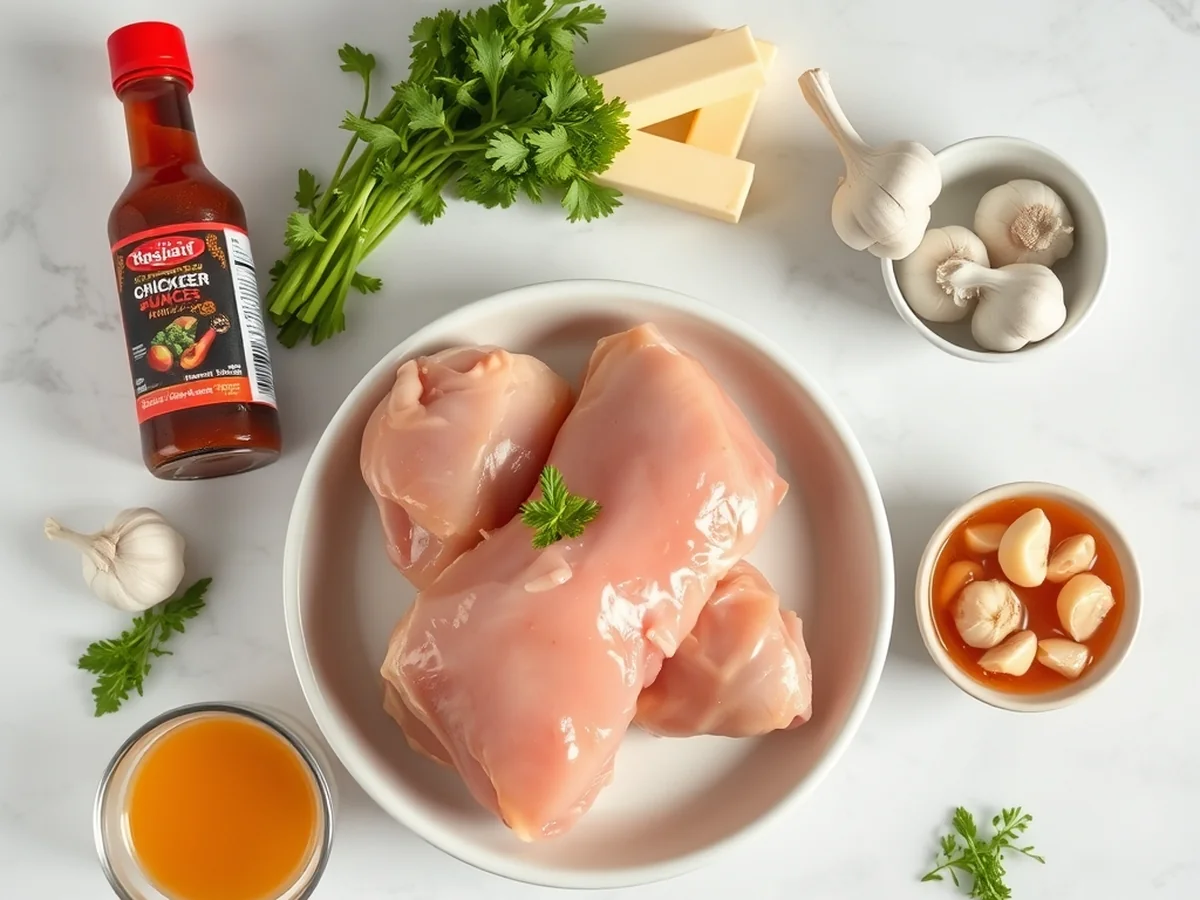
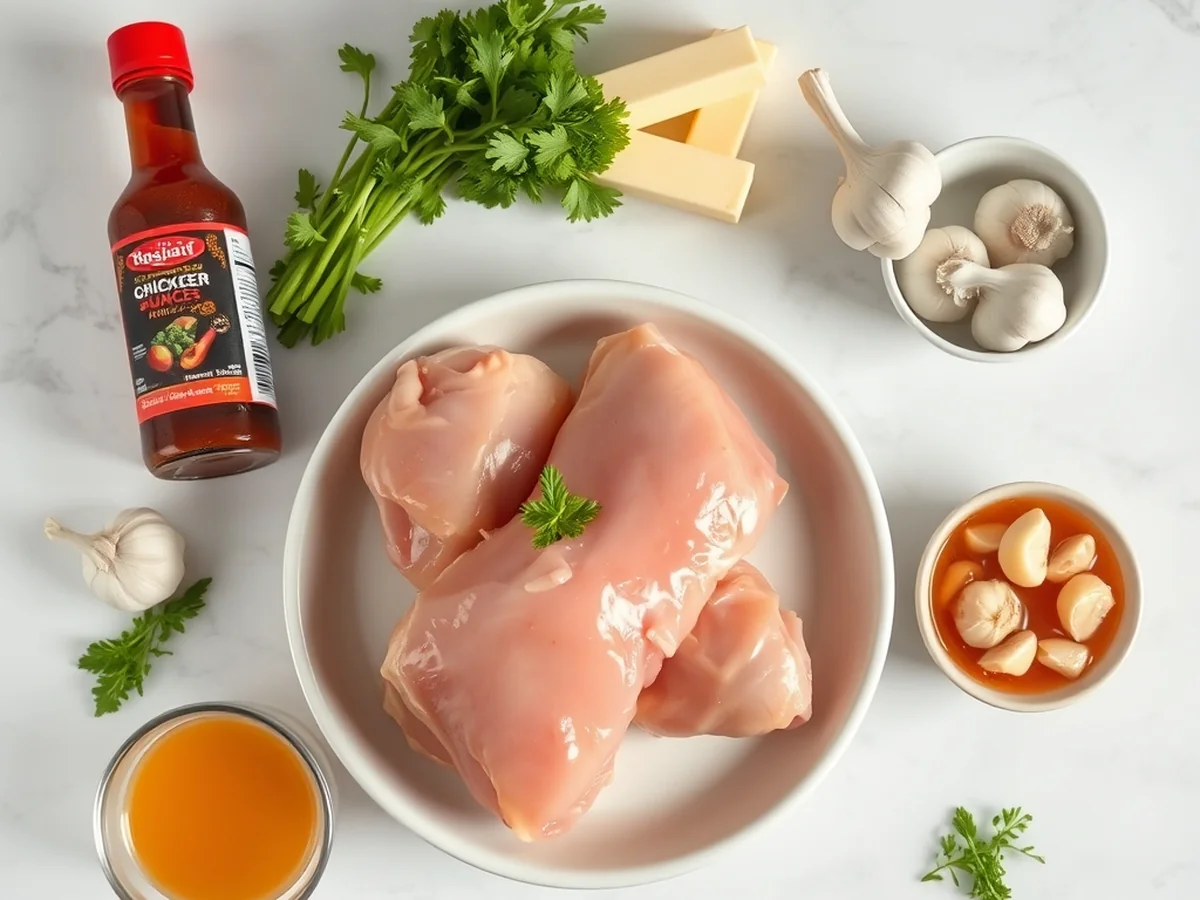
Selecting the right components is the foundation of a balanced buffalo garlic butter chicken dish. Because this meal relies on a sauce that must cling to the protein while delivering a complex flavor profile, quality staples are necessary. Using chicken thighs is common practice for bite-size recipes because their higher fat content helps the meat remain moist during high-heat cooking. For consistent results, it is standard technique to cut your protein into uniform 1-inch pieces to promote even cooking across every bite.
The Role of Acid and Fat
The buffalo sauce base traditionally includes hot sauce and butter. To ensure the sauce remains vibrant rather than one-dimensional, acidity is required to cut through the richness of the fats. According to the Cazenovia College cloud service, cider vinegar is used to add acidity to the buffalo butter sauce. This ingredient acts as a bridge between the sharp heat of the hot sauce and the savory notes of garlic powder. When selecting your butter, choose an unsalted variety. This allows you to control the total sodium level of the final dish, preventing the sauce from becoming overly salty as it reduces in the pan.
Ingredient Preparation Tips
Proper preparation ensures the best texture for your meal. Many home cooks find that marinating chicken for 30 minutes up to 3 hours helps infuse flavor into the meat before it hits the heat. If you are aiming for a crispier exterior without deep frying, consider the following preparation adjustments:
| Ingredient | Purpose |
|---|---|
| Chicken Thighs | Maintains moisture during quick cooking |
| Unsalted Butter | Provides a stable, neutral base for the sauce |
| Apple Cider Vinegar | Balances the intensity of the hot sauce |
| Garlic Powder | Adds depth without burning in the pan |
Whether you are cooking chicken in an air fryer or using a traditional cast iron skillet, the quality of your ingredients dictates the outcome. By focusing on these core elements, you can achieve a restaurant-quality finish that elevates simple boneless buffalo garlic butter chicken thighs into a reliable, high-protein dinner option.
Preparing the Chicken Pieces
Uniformity is the foundation of a successful buffalo garlic butter chicken dinner. Cutting chicken into 1-inch sizes is common culinary guidance because it ensures every piece cooks at the same rate. When pieces vary significantly in size, smaller chunks often dry out or turn rubbery before the larger pieces are safely cooked through. For recipes that require quick, even searing, this consistency is essential for maintaining a pleasant texture throughout the dish.
Selecting and Prepping the Meat
Many home cooks find that using boneless chicken thighs is the best way to maintain moisture when making this dish. Thigh meat is more forgiving during the cooking process and holds its structure well, even when subjected to the high heat of a cast iron skillet or an air fryer. To prepare, use a sharp chef’s knife on a dedicated poultry cutting board. This practice keeps the meat intact and helps you avoid cross-contamination in your kitchen. If you notice excess fat or connective tissue, trimming it now will result in a cleaner, more enjoyable bite later.
Managing Moisture for Texture
Proper seasoning requires a dry surface, so take a moment to pat your chicken pieces thoroughly with paper towels before applying your spices. If the surface of the meat is damp, it will steam in the pan rather than brown. By removing that excess surface moisture, you encourage a better sear, which creates a stronger foundation for the sauce to cling to during the final tossing phase.
Marination and Temperature Basics
Marinating the chicken for 30 minutes up to 3 hours is a typical practice to enhance flavor and tenderness. While you might be tempted to leave the meat in the marinade for longer, this window is usually sufficient for smaller pieces to absorb seasoning without the protein fibers breaking down too much. Always keep the chicken refrigerated while it marinates to maintain food safety standards. Before you begin cooking, it is helpful to bring the chicken to room temperature for about 10 to 15 minutes. This small step reduces the temperature shock when the meat hits the hot pan, which promotes more even browning and prevents the exterior from toughening before the interior reaches the correct temperature.
How to Pan-Sear Chicken
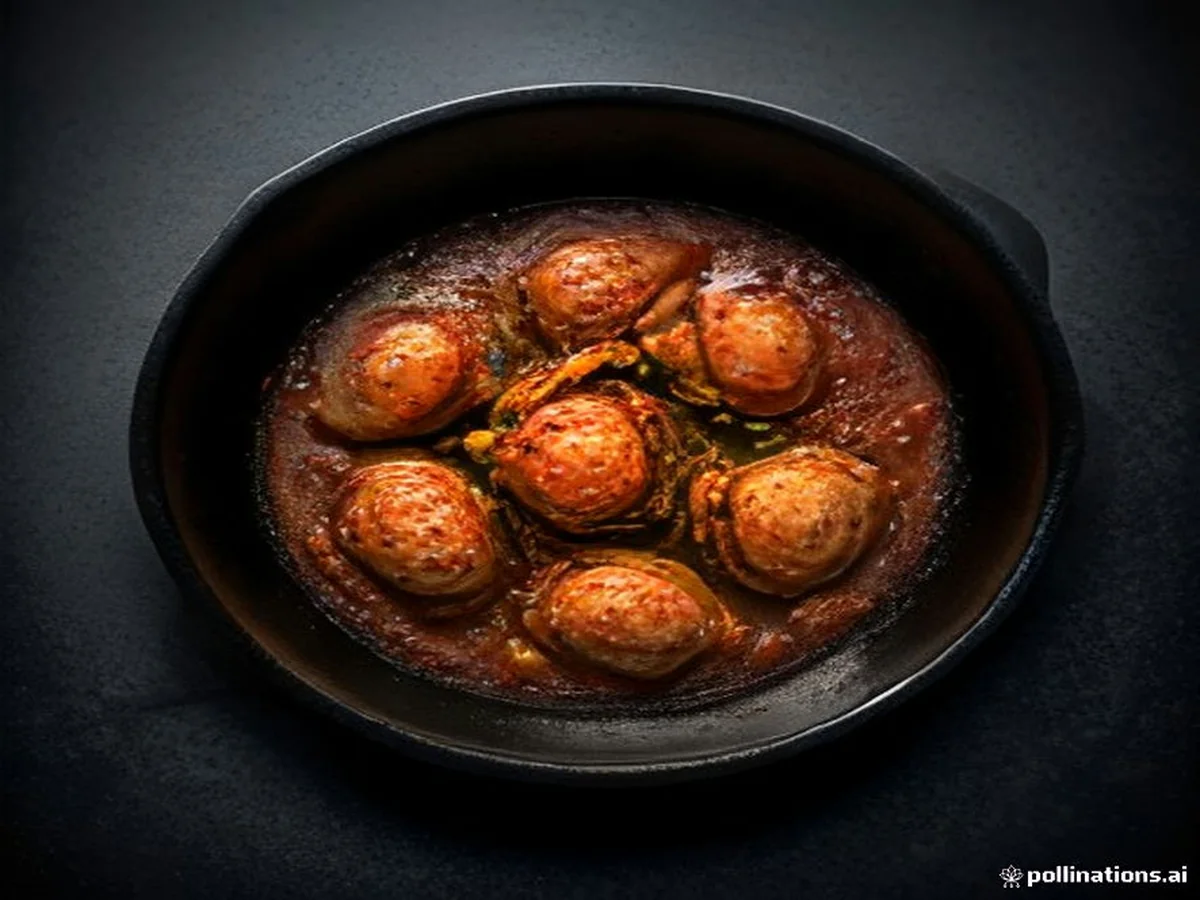
Achieving a restaurant-quality sear on chicken requires careful preparation and the right equipment. Using a heavy cast iron skillet is the most effective way to distribute heat evenly across the surface. The high thermal mass of iron prevents the pan from cooling down too quickly when you add the meat, which is vital for developing a deep, golden-brown crust rather than steaming the chicken in its own juices.
To prepare the meat, it is common practice to cut chicken thighs into 1-inch pieces. Using thighs is a popular choice for bite-sized recipes because they are more forgiving and maintain moisture better than white meat during the searing process. Uniformly sized pieces ensure that the entire batch cooks at the same rate, preventing some pieces from drying out while others remain undercooked.
Before the meat touches the hot surface, always pat the pieces dry with a paper towel. Excess moisture creates steam, which acts as a barrier to the Maillard reaction needed for a flavorful crust. If the pan is crowded, the temperature will drop rapidly, leading to grey, rubbery chicken. Cook in batches if necessary to maintain consistent heat.
While pan-searing is ideal for flavor, other methods offer unique benefits:
| Cooking Method | Best Feature | Typical Outcome |
|---|---|---|
| Cast Iron Skillet | Heat Retention | Deep, flavorful crust |
| Air Fryer | Air Circulation | Extra crispy exterior |
| Broiler | Direct Heat | Rapid browning |
For those interested in alternative techniques, cooking chicken in an air fryer is a practical way to achieve a crispier exterior with less added fat. If you prefer to finish your chicken under a broiler, common guidance suggests that this process typically takes about 7 minutes to achieve a golden-brown finish.
A common mistake is neglecting to marinate the meat. While not strictly required for every recipe, it is common guidance to marinate chicken for 30 minutes up to 3 hours to deepen the flavor profile before it hits the skillet. Whether you are preparing an easy buffalo garlic butter chicken recipe or a simpler dish, these small steps in preparation and heat management determine the final texture and quality of your meal.
Balancing Heat and Flavor
Creating a successful buffalo garlic butter chicken dish requires a delicate equilibrium between the sharp intensity of hot sauce and the rich, mellowing properties of fats. Because a traditional buffalo sauce base relies on a combination of hot sauce and butter, understanding how these components interact is the foundation of the recipe. The butter functions as an essential emulsifier, working to soften the capsaicin in the peppers and providing a luxurious mouthfeel that prevents the spice from feeling abrasive on the tongue.
The Role of Acidity and Sweetness
When you need to determine how to balance buffalo sauce heat, acidity and sweetness are your most effective tools. Apple cider vinegar is used to add acidity to the buffalo butter sauce, which cuts through the density of the butter and provides a bright, tangy finish. If the spice level remains too aggressive, a small amount of honey or brown sugar can effectively round out the profile. This subtle sweetness distracts the palate from the direct heat of the sauce, making the meal more approachable while highlighting the savory qualities of the meat.
Enhancing Savory Depth
Garlic powder serves as the primary bridge between the spicy elements and the rich, buttery base. By incorporating it, you create a layered profile that mirrors a homemade buffalo garlic parmesan sauce without needing to add extra dairy. To ensure the garlic flavor remains prominent, use it liberally during the cooking process. Because the garlic can get lost behind the intensity of the peppers, adding it at the right stage is crucial for a cohesive result.
| Adjustment | Goal |
|---|---|
| Increase butter ratio | Milder heat and richer mouthfeel |
| Add apple cider vinegar | Brighten flavor and cut through fat |
| Use garlic powder | Enhance savory aroma and depth |
Selecting and Preparing Your Protein
Choosing the right cut of meat is just as important as the sauce composition. Chicken thighs are typically preferred for this recipe, as the higher fat content in dark meat helps maintain moisture throughout the cooking process and stands up to bold, tangy flavors better than leaner white meat. For the most consistent results, it is common practice to cut the chicken into 1-inch sizes to ensure even heat distribution. Whether you are cooking chicken in an air fryer or using a cast iron skillet, maintaining these uniform pieces allows the sauce to coat every surface effectively, resulting in a balanced, savory dish that delivers the signature kick of traditional wings with a refined, buttery finish.
Avoiding Common Sauce Mistakes
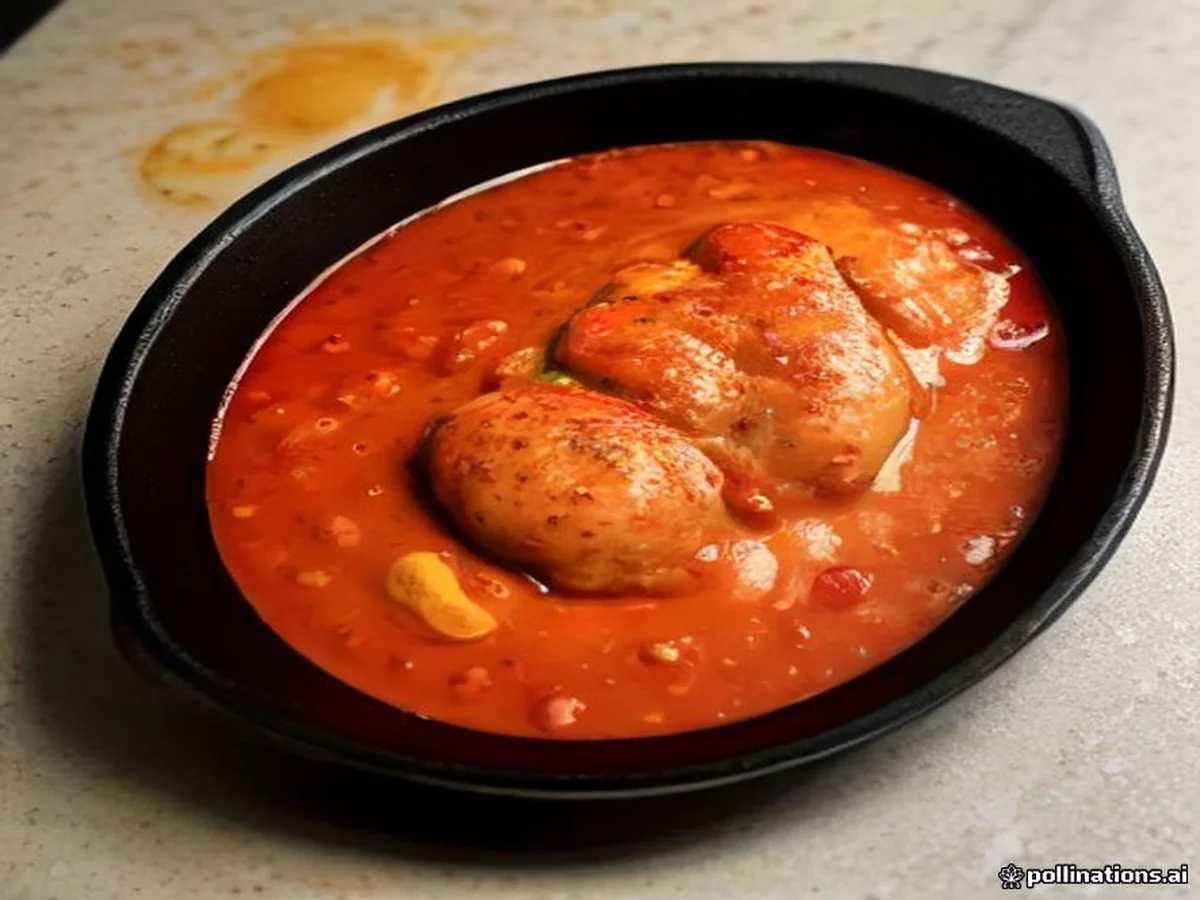
Achieving the perfect balance of flavors for this dish requires attention to heat control, pan spacing, and timing. By refining your technique, you ensure the meat develops a rich sear while the sauce components remain smooth and fragrant.
- Provide enough room for each piece of meat in the skillet, as overcrowding the pan releases moisture and causes the protein to steam rather than brown properly.
- Add minced or powdered garlic toward the end of the cooking process to prevent it from burning, which creates an unpleasant and bitter flavor profile.
- Maintain moderate heat when preparing the sauce base, because excessive temperatures can cause the butter and hot sauce to separate or scorch.
- Allow the finished meat to rest for a few minutes before serving, as this crucial period helps the juices redistribute throughout the fibers for a better texture.
- Incorporate apple cider vinegar into your butter mixture to add necessary acidity, which balances the richness of the fat and the intensity of the spice.
- Cut your protein into consistent 1-inch pieces to ensure even cooking, helping you avoid the common issue of some bites becoming dry while others remain undercooked.
Managing your heat levels is particularly important when working with aromatic ingredients like garlic. If the pan gets too hot, the garlic loses its sweet, savory notes and quickly turns acrid. Always keep an eye on the color of your aromatics to ensure they stay golden rather than dark brown. If you find the heat is rising too quickly, pull the skillet off the burner for a moment to stabilize the temperature.
Finally, do not overlook the importance of the resting phase. While it is tempting to serve the dish immediately, waiting allows the internal moisture to settle. This small step makes a significant difference in the final quality of the meal, ensuring every bite remains tender and juicy. Consistent preparation methods transform a simple dinner into a well-executed dish that highlights the best qualities of your ingredients.
Storage and Reheating Tips
To keep your leftover buffalo garlic butter chicken fresh and safe, you must cool it quickly and store it in an airtight container in the refrigerator. Proper cooling prevents the growth of harmful bacteria, which thrive in temperatures between the danger zone of 40 and 140 degrees Fahrenheit.
Ideally, do not leave your cooked chicken at room temperature for longer than two hours. If the ambient temperature is particularly warm, move it to the refrigerator even sooner. Dividing the meat into smaller, shallow containers allows it to chill faster, ensuring the internal temperature drops safely throughout the entire portion.
When you are ready to eat your leftovers, the goal is to warm the meat gently without drying it out. The best practice for reheating is using a low temperature setting on the stove or in the oven. Adding a small splash of water or extra butter to the pan creates steam, which helps maintain moisture levels in the chicken thighs.
Microwaves can be convenient, but they often result in uneven heating and rubbery textures. If you must use a microwave, cover the dish with a damp paper towel and use a lower power setting, stirring the pieces halfway through the process. This method helps the heat distribute more evenly without overcooking the edges.
Follow these general guidelines to ensure your meal remains high quality:
- Refrigerate leftovers within two hours of cooking.
- Use airtight containers to prevent the chicken from absorbing other refrigerator odors.
- Consume refrigerated chicken within three to four days for the best taste and safety.
- Avoid reheating the same portion of food more than once to maintain texture and food safety standards.
If you find that your leftovers have lost some of their original vibrancy, you can whisk together a small amount of fresh butter and hot sauce to toss with the meat just before serving. This quick refresh restores the glossy finish and bold flavor profile of your easy buffalo garlic butter chicken recipe.
Serving Suggestions
Serving this spicy poultry dish requires balancing the rich, savory sauce with textures that provide relief from the heat. Because the sauce base typically relies on a combination of hot sauce and butter, adding acidity is essential for a clean flavor profile. As noted by the Cazenovia College buffalo sauce resource, cider vinegar is used specifically to add acidity to the buffalo butter sauce, which helps cut through the heaviness of the fat.
Balancing Heat and Texture
To effectively manage how to balance buffalo sauce heat, prioritize sides that offer cooling or crunchy elements. Fresh vegetables like celery sticks and carrot coins act as the classic palate cleanser, while a side of blue cheese dressing or ranch provides a creamy contrast to the spicy garlic butter glaze. If you prefer a heartier meal, serving the boneless poultry thighs over a bed of fluffy quinoa or brown rice allows the grains to absorb the excess sauce, ensuring no flavor is left behind on the plate.
Creative Meal Variations
You can adapt your serving style based on the cooking method used. If you are cooking chicken in an air fryer for a crispier exterior, consider these serving formats:
| Serving Style | Best Accompaniments |
|---|---|
| Handheld | Warm flour tortillas with shredded lettuce and extra dressing |
| Salad | Crisp cucumbers, carrots, and a light vinaigrette |
| Dinner Bowl | Roasted broccoli or cauliflower for added fiber |
For those looking to achieve the best results with an easy recipe of this style, consider the size of your protein. Common culinary guidance suggests that chicken pieces should be cut into 1-inch sizes for even cooking, which also ensures each piece is thoroughly coated in the homemade buffalo garlic parmesan sauce. If you have extra sauce remaining in the pan, do not discard it. It serves as an excellent dip for toasted baguette slices or can be drizzled over steamed vegetables to tie the entire meal together. Regardless of your chosen side, focusing on a mix of temperature and texture will create a more satisfying dining experience.
FAQ
What cut of meat is best for this spicy garlic poultry dish?
Chicken thighs are typically preferred for this type of bite-size recipe to help maintain moisture during the cooking process. Using boneless thighs ensures the meat stays tender even when tossed in a bold, acidic sauce.
How do I achieve an even cook on my chicken pieces?
Common guidance suggests cutting your chicken into 1-inch sizes before you begin the cooking process. This uniform shape allows every piece to reach the desired level of doneness at the same time.
What is the secret to a balanced buffalo sauce?
While a traditional buffalo sauce base typically relies on hot sauce and butter, cider vinegar is used to add necessary acidity to the mixture. This addition helps cut through the richness of the butter and balances the heat from the hot sauce.
How long should I marinate the chicken before cooking?
It is common practice to marinate your chicken for anywhere from 30 minutes up to 3 hours to ensure deep flavor absorption. If you have limited time, even a shorter rest period can help season the exterior of the pieces.
Can I cook this recipe using an air fryer?
Cooking chicken in an air fryer is an efficient way to achieve a crispy exterior for your bite-sized pieces without using a deep fryer. Simply ensure you do not overcrowd the basket so the hot air can circulate properly around each piece.
How long does it take to brown chicken under a broiler?
Broiling chicken pieces typically takes about 7 minutes to develop a nice golden brown color. Keep a close eye on the pan during this time to prevent the garlic or sugar in your sauce from burning too quickly.
Conclusion
The final step in preparing this dish is to toss the cooked chicken in the sauce immediately before serving to ensure the butter remains emulsified and coats each piece thoroughly. Choosing high-quality ingredients, particularly fresh garlic and a reliable hot sauce, makes a significant difference in the final flavor profile.
Once you have mastered the balance of acidity from the cider vinegar and the richness of the butter, you can easily adapt this savory meal to suit your preferred spice level. Simply adjust the ratio of hot sauce to butter or add a touch of honey if you prefer a milder heat. Now that you have the techniques down, gather your ingredients and head to the kitchen to begin your meal prep.
Sources: cloudpbx.cazenovia.edu
You might also like: Crispy Buttermilk Chicken Sandwich Recipe