
Classic Bacon Egg and Cheese Sandwich
Introduction
A classic bacon egg and cheese sandwich is defined by the harmonious balance of crispy pork, a perfectly cooked egg, and melty cheese on a sturdy roll. Achieving the ideal classic bacon egg and cheese sandwich requires specific culinary techniques that elevate these simple ingredients into a breakfast staple.
This guide explores the essential components and methods used to replicate this iconic meal in your own kitchen. You will learn how to properly render bacon fat for flavor, the common practice of using American cheese for its superior melt, and techniques for preparing eggs bodega style. We also cover optimal bread selection to ensure your sandwich maintains its structure from the first bite to the last. Whether you are aiming for a quick morning meal or a weekend treat, these instructions provide the foundation for a professional quality breakfast sandwich every time.
The Classic Recipe
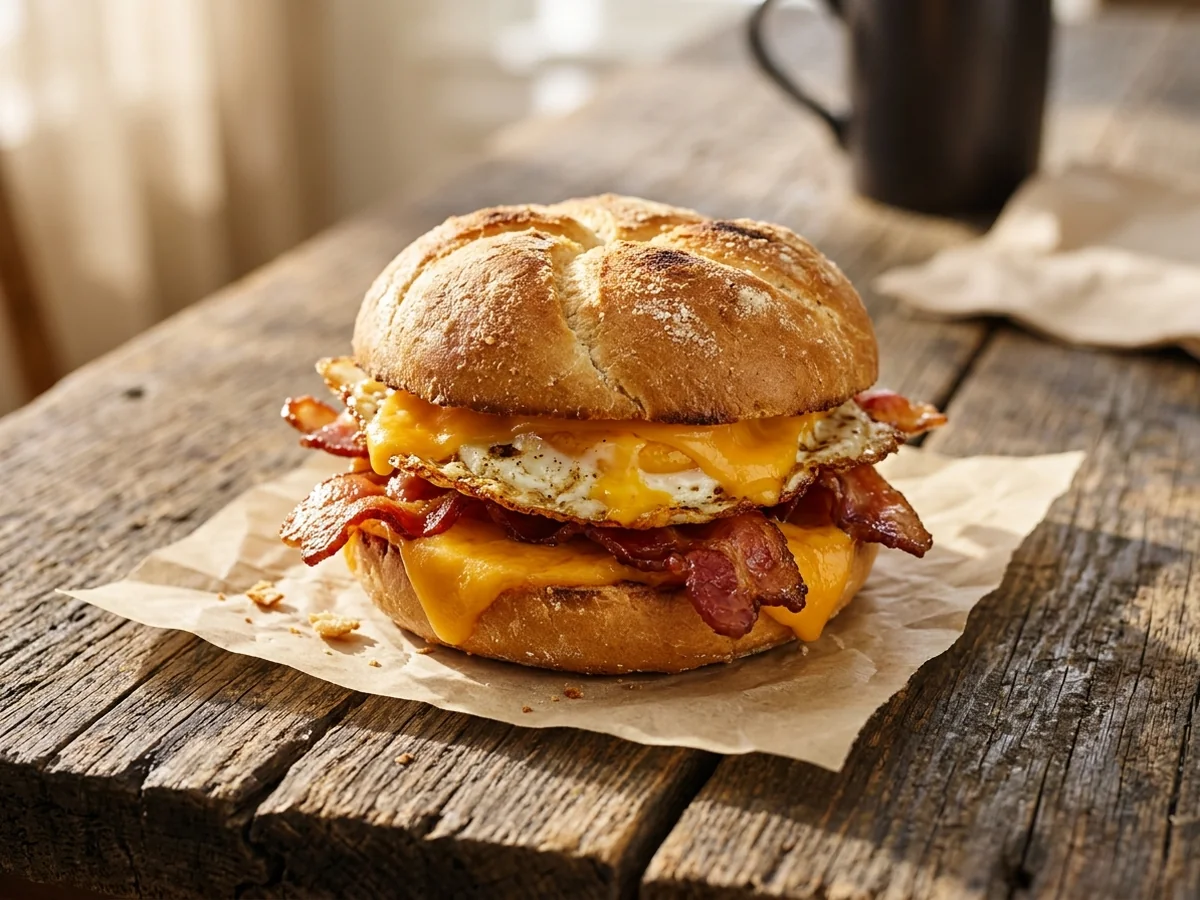
This iconic morning staple earns its status through a perfect harmony of salty, fatty, and savory components that create a reliable breakfast experience. It represents a culinary tradition that prioritizes efficiency and bold flavor, cementing its place as a staple in kitchens and corner shops alike.
What defines this meal is the balance of its foundational elements. Home cooks often turn to specific methods to achieve the signature textures that make these sandwiches so satisfying.
- American cheese is the standard choice for a classic bacon, egg, and cheese sandwich, providing a consistent melt and salty profile.
- Baking bacon on a sheet tray is a common practice to ensure uniform fat rendering and crisping.
- Many cooks prefer toasting the cut sides of their bread in rendered bacon fat to add an extra layer of flavor.
- A popular approach to egg preparation involves cracking eggs directly onto a hot surface and piercing the yolk to cook it through while maintaining a tender texture.
Beyond the specific ingredients, the structural integrity of the sandwich relies on choosing the right bread to hold the contents together. While personal preferences vary, the goal remains the same: a portable, high-protein meal that delivers consistent results. By mastering these fundamental techniques, you can easily replicate the hearty breakfast experience at home without the need for complex equipment.
Essential Ingredient Selection
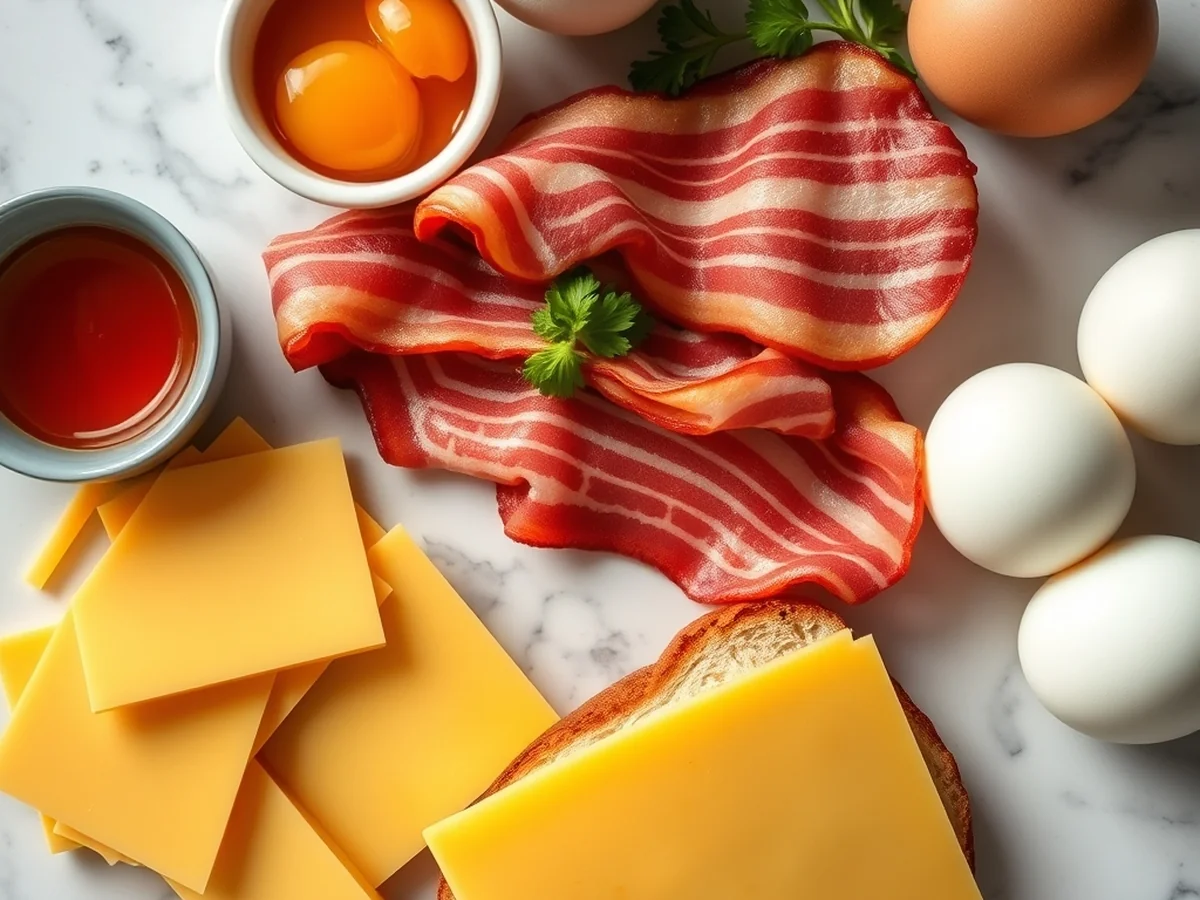
High-quality components define the success of this breakfast staple, with American cheese serving as the standard choice due to its superior melting properties and emulsified texture. While artisanal cheeses may offer complex flavors, they often lack the consistent, velvety consistency that integrates seamlessly with the eggs and bacon.
Choosing the right foundation is equally important, as the bread must balance structural integrity with a soft crumb. Many cooks find that a crusty Kaiser roll provides the necessary support for the ingredients without becoming soggy, though softer alternatives like brioche buns or standard sandwich rolls offer a more tender bite.
Following these preparation practices helps ensure every layer contributes to the final result:
- American cheese is the common preference because it melts evenly without separating, creating a cohesive bond between the other ingredients.
- Baking bacon on a sheet tray is a typical practice that allows for uniform fat rendering and achieves a consistently crisp texture.
- The best bread for breakfast sandwich preparation often balances a firm exterior with a soft interior to contain the ingredients effectively.
- Cracking eggs directly onto the griddle and piercing the yolk is a common method that mimics traditional preparation styles.
- Toasting the cut sides of the roll in rendered bacon fat is a common technique that adds depth of flavor and prevents the bread from absorbing excess moisture.
- Selecting thick-cut bacon ensures that the meat remains prominent against the textures of the egg and melted cheese.
Perfecting Bacon Preparation
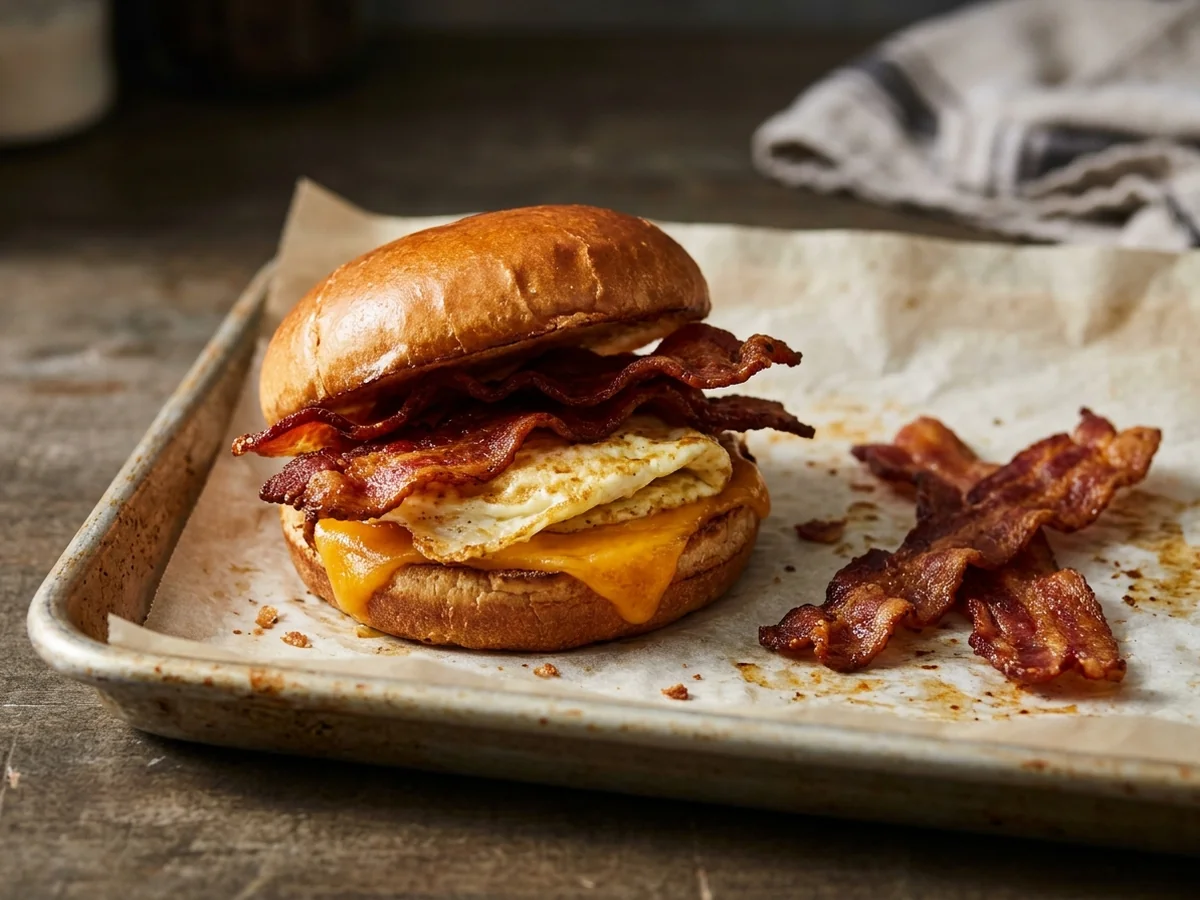
Baking bacon on a sheet tray is widely considered the most effective way to ensure uniform fat rendering and consistent texture across every strip. By laying the slices flat on a rimmed baking sheet, you allow the heat to circulate evenly, which prevents the uneven cooking often caused by overlapping in a crowded pan.
This method also simplifies cleanup and provides a controlled environment for achieving the ideal level of crispiness. Because the bacon cooks in its own juices without the constant flipping required on a stovetop, it develops a deep, golden color that remains uniform from end to end.
Beyond the texture of the meat itself, the leftover liquid gold is a valuable culinary asset for your breakfast sandwich. It is common practice to toast the cut sides of your bread directly in the rendered bacon fat. This simple step infuses the bun with a rich, savory depth that pairs perfectly with melty American cheese.
To achieve the best results, consider these adjustments to your process:
- Start with a cold oven to help the fat render slowly, which leads to a more tender yet crispy final product.
- Avoid overcrowding the sheet tray, as this can cause the bacon to steam rather than crisp.
- Drain the finished slices on paper towels to remove excess oil, which keeps the sandwich from becoming overly greasy.
- Adjust your baking time based on the thickness of the slices, as center-cut or thick-cut varieties will require more time to reach peak crunch.
Bodega Style Egg Techniques

To replicate the authentic New York style bacon egg and cheese, cooks often utilize the specific griddle techniques found in a traditional bodega. This approach favors speed and a compact, uniform egg shape that fits perfectly within the perimeter of a toasted roll. The primary method involves cracking eggs directly onto a hot, seasoned cast iron skillet or flat-top griddle and immediately piercing the yolks to encourage them to spread and integrate with the whites.
Mastering the Griddle Texture
Managing the whites is critical for achieving the right mouthfeel. Rather than letting the egg sprawl across the entire pan, use a spatula to gently pull the edges of the whites toward the center as they set. This technique results in a cohesive patty that remains tender rather than thin or crispy. A common mistake is using too much heat, which can cause the outer edges to become rubbery before the center is cooked. Aim for medium heat to ensure steady, controlled coagulation.
Safety and Consistency
While culinary tradition often highlights the importance of texture, safety remains a priority. The USDA Food Safety and Inspection Service recommends cooking both the yolk and the white until firm to reduce the risk of foodborne illness. While some home cooks prefer a runny center, ensuring the egg is fully set is the most responsible approach for a safe breakfast.
Pro-Tips for Authentic Results
- Preheat your skillet until it is hot enough to sizzle immediately upon contact, which helps prevent sticking without needing excess oil.
- If you are preparing multiple sandwiches, consider using a square ring mold to ensure every egg patty matches the size of your bread.
- To elevate the flavor profile, use the rendered bacon fat left in the pan to toast the cut sides of your roll before assembling the sandwich.
Assembly and Layering Logic

Strategic layering ensures your breakfast staple remains stable and cohesive from the first bite to the last. Proper stacking prevents the ingredients from sliding out, while specific thermal management techniques guarantee a perfectly melted interior.
- Begin by toasting the cut sides of your roll directly in the pan using the rendered bacon fat, as this common practice infuses the bread with savory depth while creating a crisp barrier against moisture.
- Place a slice of American cheese onto the bottom bun immediately after removing it from the heat, allowing the residual warmth of the toasted surface to begin softening the dairy.
- Layer the cooked eggs directly onto the cheese, as their heat will finalize the melting process without requiring extra time under a broiler.
- Add the crispy bacon strips on top of the eggs to anchor them, which keeps the meat securely held within the structure of the sandwich.
- Finish by placing the top bun over the bacon, gently pressing down to meld the flavors together before serving.
When preparing this meal, the order of assembly acts as a functional foundation. By placing the cheese against the warm bread and the eggs between the cheese and bacon, you create a thermal stack that keeps everything intact. This method of utilizing residual heat is the standard approach to achieving a gooey, melted consistency across the entire filling without overcooking the delicate egg components. Keeping the bacon as the final layer before the top bun also prevents the saltier, crunchier elements from making the bottom of the roll soggy.
Common Preparation Mistakes
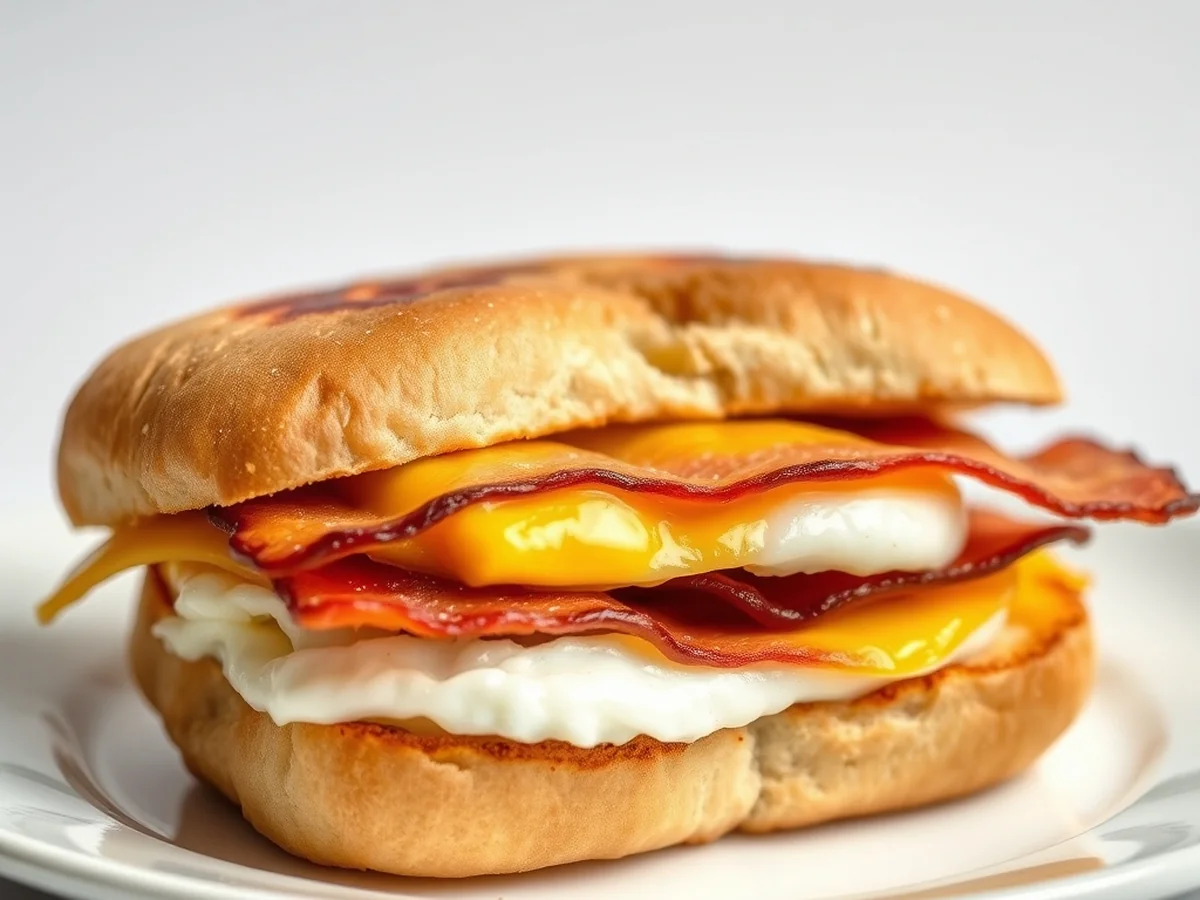
Achieving a classic bacon egg and cheese sandwich requires careful attention to timing and heat management to avoid common texture issues. Mastering these small details prevents the components from losing their structural integrity and ensures the final result is satisfying rather than messy or tough.
The Bacon and Bread Balance
One frequent error is failing to manage fat and moisture. When preparing bacon, typical culinary practice suggests using a sheet tray to allow for uniform fat rendering and crisping. If you cook bacon directly in the pan, consider using the leftover rendered bacon fat to toast your bread cut sides, which adds significant depth of flavor. However, ensure the bacon is drained thoroughly before assembly. Excess grease quickly ruins the structural integrity of your bread, leading to a soggy base that cannot hold the weight of the other ingredients.
Mastering Egg Technique
For those aiming for a New York style bacon egg and cheese, the egg preparation is critical. A common mistake is overcooking the egg, which turns the proteins rubbery and dry. Many rely on the bodega-style method, which involves cracking eggs directly onto a hot griddle and piercing the yolk to ensure the whites cook evenly while keeping the center tender. Keep the heat controlled to avoid scorching the edges of the egg, as a burnt crust will detract from the overall balance of the sandwich.
Assembly and Temperature Control
Assembly order and temperature are the final hurdles. American cheese is the standard choice for this sandwich due to its superior melting properties. Place the cheese directly against the warm egg immediately after cooking to ensure it melts properly. Avoid assembling the sandwich while components are steaming hot, as trapped vapor softens the bread. If the cheese does not melt, a small splash of water in the pan covered with a lid can create steam to finish the process without overcooking the eggs or bread.
Best Serving Suggestions
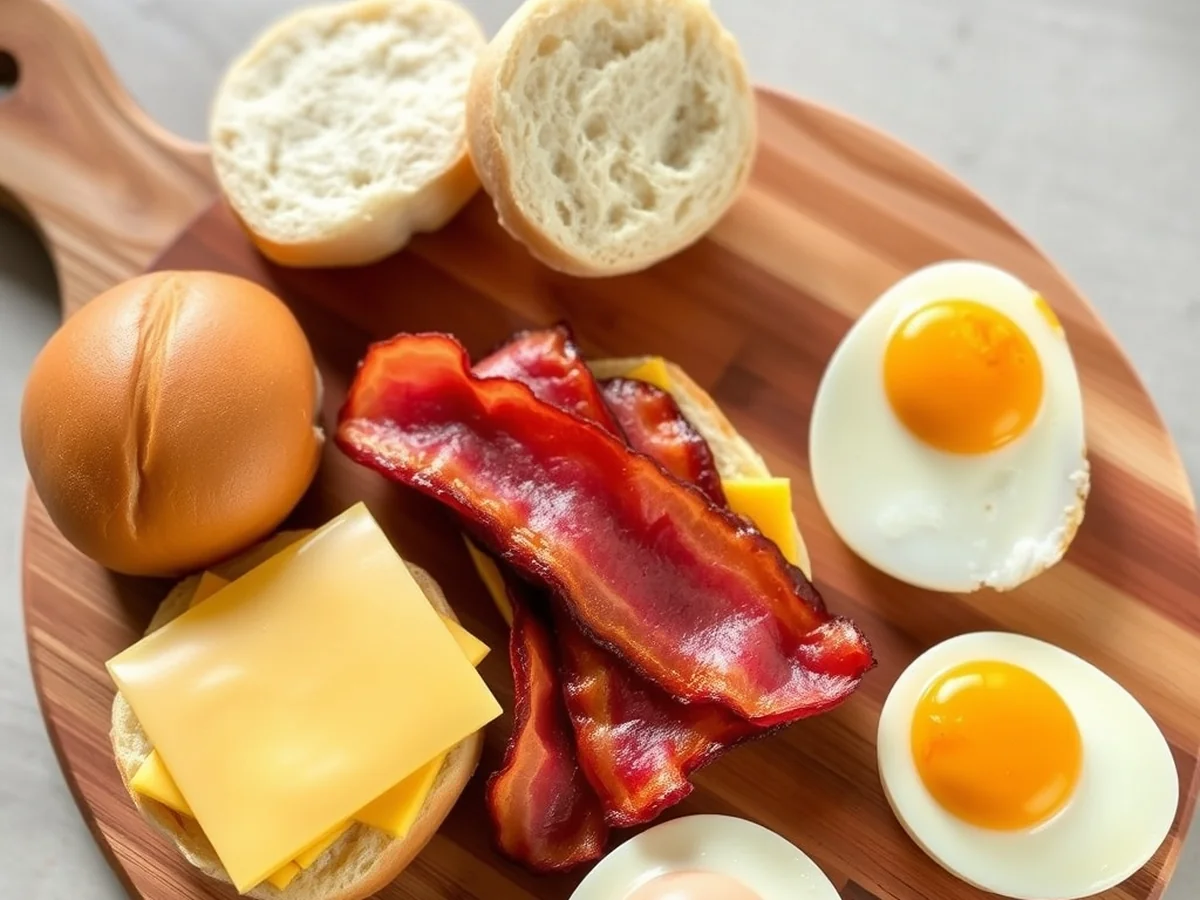
Keep your breakfast components separate until you are ready to eat to maintain the best textures. Storing bacon, eggs, and bread together causes the bread to absorb moisture from the other ingredients, leading to a soggy result that loses its structural integrity.
Store your cooked bacon and eggs in airtight containers in the refrigerator. By keeping the bread in its original packaging or a sealed bag at room temperature, you prevent it from drying out or absorbing unwanted refrigerator odors. Assemble the meal only when you are moments away from serving.
To warm your meal without drying out the bread, use a gentle approach that targets each component individually. You can use these methods to revive the flavors of your breakfast:
- Reheat the bacon briefly in a skillet or microwave to restore its crispness before adding it to the sandwich.
- Warm the eggs in a pan over low heat or for a few seconds in the microwave to ensure they are heated through without becoming rubbery.
- Toast the bread cut sides lightly in a skillet to provide a fresh, warm crunch that holds the ingredients securely.
If you prefer a warm, cohesive sandwich, wrap the assembled components tightly in foil and place them in a low-temperature oven for a few minutes. This method helps the American cheese melt perfectly while ensuring the bread stays soft rather than brittle. Avoid using high heat settings, as this will quickly dry out the bun and alter the texture of the eggs.
Pro Tips for Success
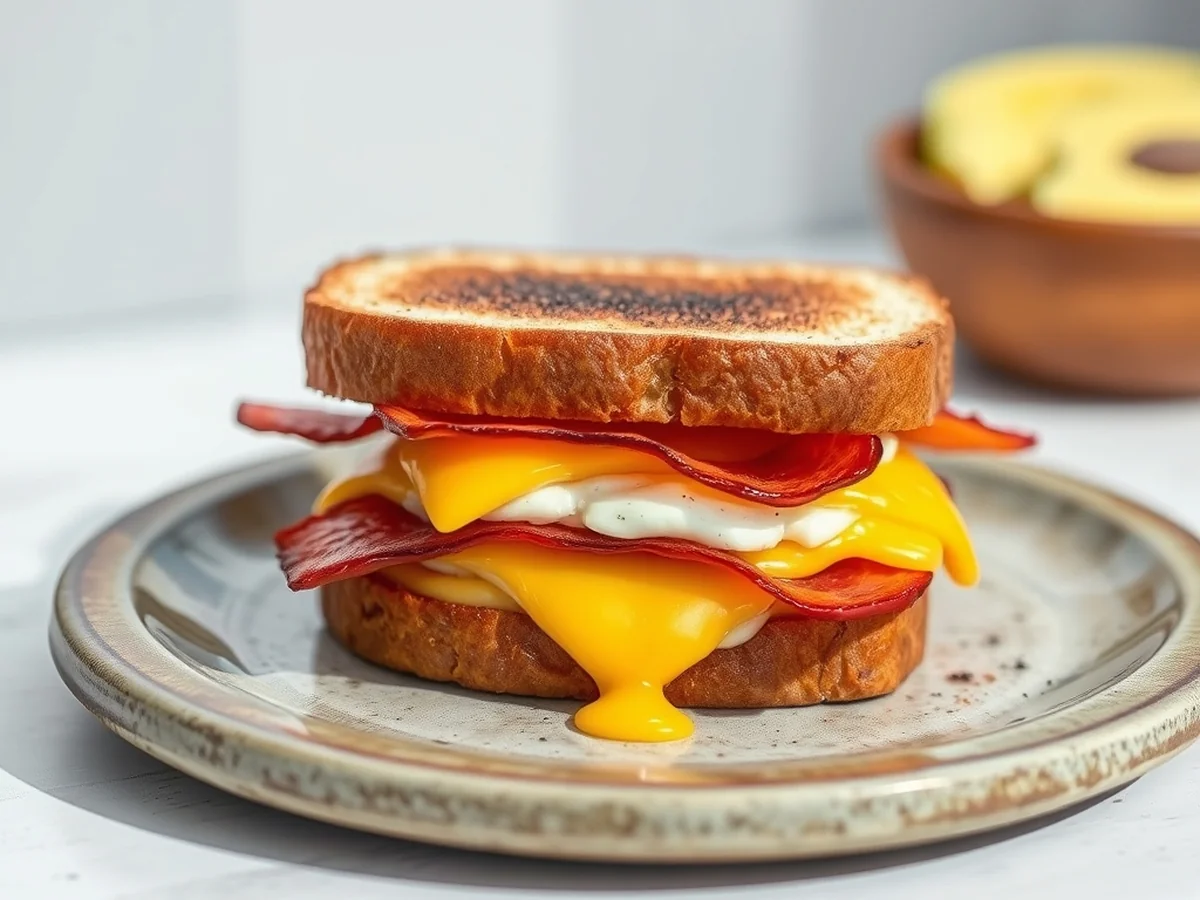
Mastering a classic bacon egg and cheese sandwich relies on precise ingredient handling and efficient cooking techniques. By focusing on quality components and intentional preparation, you can replicate this staple at home. Success often comes down to managing the fat, heat, and texture of each layer.
| Component | Typical Preparation | Flavor Impact |
|---|---|---|
| Bacon | Baked on a sheet tray | Uniform crispness |
| Eggs | Cracked directly on griddle | Bodega-style texture |
| Cheese | American cheese slices | Creamy, consistent melt |
| Bread | Toasted in bacon fat | Savory, toasted finish |
Refining Your Technique
For consistent results, consider the way you cook your protein. Baking bacon on a sheet tray is a common practice that allows for even fat rendering and consistent crispness across every strip. When preparing the eggs, a traditional approach involves cracking them directly onto a hot griddle or skillet and gently piercing the yolk. This creates the signature bodega-style texture where the whites become crispy while the yolk integrates into the sandwich. Using a cast iron skillet helps maintain high, steady heat, which is essential for that rapid sear.
Flavor and Assembly
The secret to an authentic flavor profile often lies in how you treat your bread. Toasting the cut sides of your roll in the rendered bacon fat left behind in your pan adds a depth of savory flavor that butter simply cannot replicate. While many bread options exist, selecting a sturdy roll that can hold the weight of the ingredients without falling apart is key to structural integrity. American cheese remains the standard choice for this sandwich because its meltability provides a creamy, consistent layer that binds the bacon and egg together effectively.
When thinking about bacon egg and cheese sandwich nutrition, remember that high-quality eggs provide a foundational source of protein. If you find the meal too dense, you can easily adjust by opting for leaner bacon or adding a fresh vegetable side. Always prioritize simple, reliable methods, as the best version of this meal is usually the most straightforward one.
FAQ
What do you put on a classic bacon egg and cheese sandwich?
The foundation of this meal typically consists of crispy bacon, eggs cooked to your preference, and a slice of cheese on a sturdy roll. While variations exist, maintaining these three core components ensures a balanced flavor profile and the expected texture.
What cheese usually goes on a bacon egg and cheese sandwich?
American cheese is widely considered the standard choice for this breakfast staple due to its consistent melt and mild saltiness. Its ability to create a smooth, creamy layer against the crisp bacon and savory egg makes it a preferred option for many home cooks.
What is a New York style bacon egg and cheese?
This regional favorite is defined by a specific method often found in a corner bodega, which typically involves cracking eggs directly onto a hot griddle and piercing the yolk for even cooking. The meal is traditionally served on a soft, rounded roll, often with the bread toasted in rendered bacon fat for extra depth.
How do I make the bacon extra crispy for my sandwich?
Baking bacon on a sheet tray is a common practice that often allows for uniform fat rendering and consistent crisping across all slices. This method helps home cooks manage the texture of the meat more effectively than stovetop frying, ensuring every bite adds a satisfying crunch.
Should I toast the bread for a breakfast sandwich?
Toasting the bread, especially on the cut sides, provides a sturdy structure that prevents the sandwich from becoming soggy. Many cooks find that lightly browning the bread in rendered bacon fat adds a distinct flavor that elevates the overall quality of the meal.
Conclusion
The final step in crafting this breakfast staple involves assembling your components while the bacon fat is still warm and the cheese remains pliable. By prioritizing high-quality ingredients and traditional griddle techniques, you can easily replicate the experience of a local favorite in your own kitchen. Whether you choose to toast your bun in the rendered fat or keep it soft, your next move is to prepare your workspace to ensure everything comes together at once. With these methods mastered, you are ready to build a perfect morning meal that holds up to any standard.
You might also like: Classic Breakfast Plate Morning Favorite