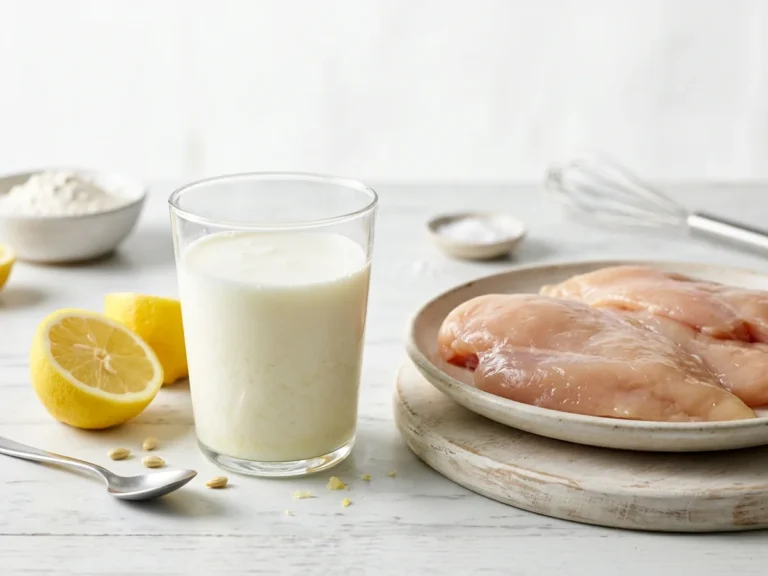
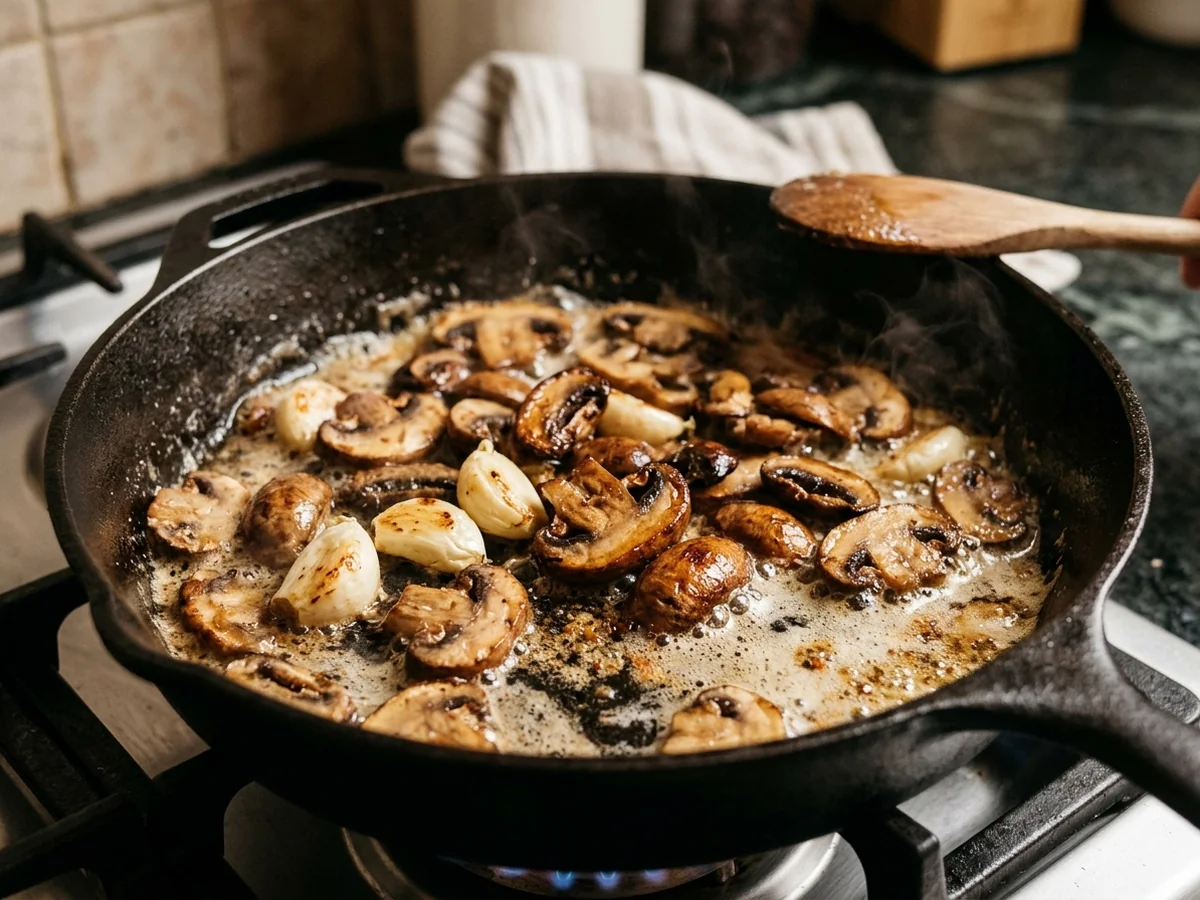
Garlic Mushroom Spinach Chicken
Introduction to Garlic Mushroom Spinach Chicken
Home cooks facing hectic weeknights can easily prepare garlic mushroom spinach chicken, a fast and flavorful meal featuring tender poultry, earthy fungi, and fresh greens. This protein packed dinner solves evening meal stress while keeping cleanup minimal.
Preparation relies on everyday kitchen tools like a standard skillet, keeping the cooking process straightforward. Readers will find practical guidance for getting this satisfying dish on the table quickly.
Essential Ingredients for Your Skillet Meal
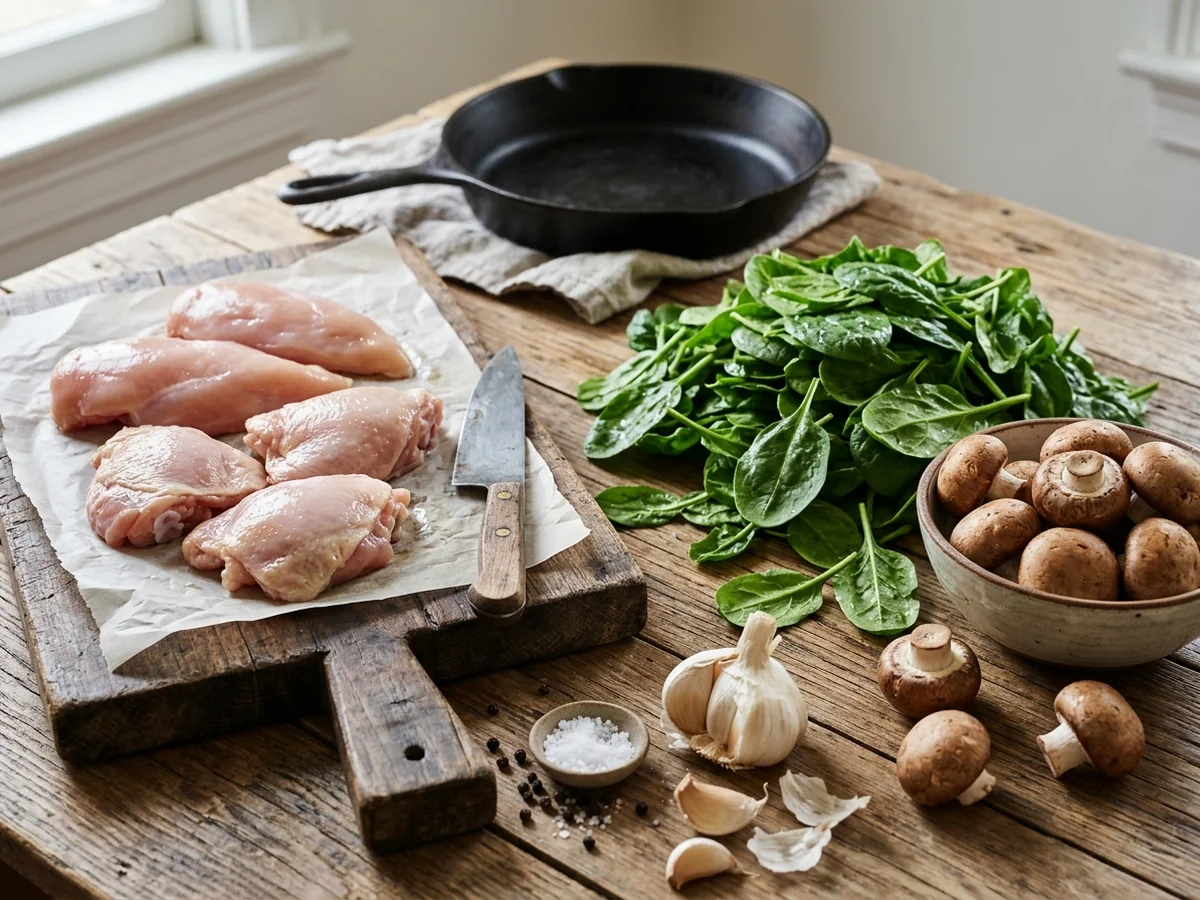
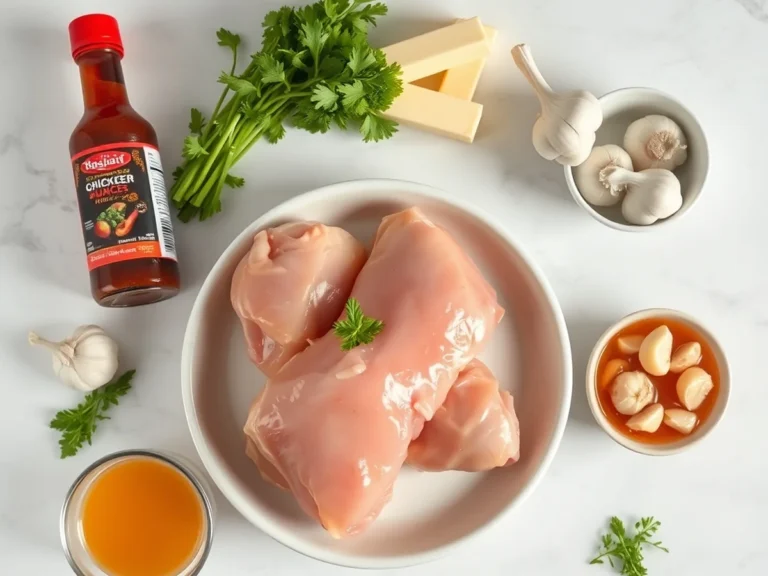
Crafting a memorable weeknight dinner starts with gathering fresh aromatics, quality poultry, and reliable pantry staples that work together harmoniously. When preparing a flavorful garlic mushroom spinach chicken dish, focusing on component quality ensures a rich flavor profile and a satisfying texture. Using a heavy bottom pan or a seasoned cast iron skillet helps achieve an even sear on the meat while keeping the cooking process straightforward and manageable.
Selecting Quality Proteins and Produce
Understanding why each component matters helps you avoid common preparation mistakes, such as overcrowding the cooking surface or adding moisture-heavy vegetables too early. Selecting the right poultry cuts ensures a juicy result, while fresh aromatics build the foundational depth of the meal. Incorporating simple cooking tools like an instant read food thermometer allows you to verify that your poultry reaches safe internal temperatures without drying out, aligning with guidelines from the USDA Food Safety and Inspection Service for safe meat preparation.
- Quality poultry cuts provide the protein base and stay juicy when cooked properly in a cast iron skillet.
- Fresh garlic cloves offer a pungent, aromatic kick that deepens as it gently sautées in extra virgin olive oil.
- Cremini mushrooms add a rich, earthy flavor profile that absorbs savory pan juices exceptionally well, provided you give them enough space to brown rather than steam.
- Fresh spinach leaves melt down smoothly into the sauce near the end of cooking, contributing vibrant color and tender texture without becoming watery.
- Extra virgin olive oil serves as a dependable fat source for browning the meat and softening the vegetables at the correct temperature.
- Simple pantry seasonings like salt and black pepper enhance the natural tastes of every single component without overpowering them.
Techniques for the Cremini Mushroom Spinach Chicken Skillet
To achieve the best results with your warm weeknight skillet, preparation is key. Measure and chop all items before turning on the heat so you can focus entirely on timing. Taking extra care during the searing stage locks in natural juices, setting the stage for a comforting garlic butter chicken with mushrooms and spinach that comes together effortlessly in one pan.
Avoiding Common Pan Crowding Mistakes
When working on a one pan creamy garlic chicken or a similar savory preparation, home cooks often make the mistake of adding too many ingredients at once. Giving your mushrooms and poultry enough room in the pan allows moisture to evaporate correctly rather than pooling around the meat. This simple adjustment ensures that your garlic mushroom spinach chicken develops an appealing golden brown exterior while maintaining a tender and flavorful interior.
Best Skillet for Chicken
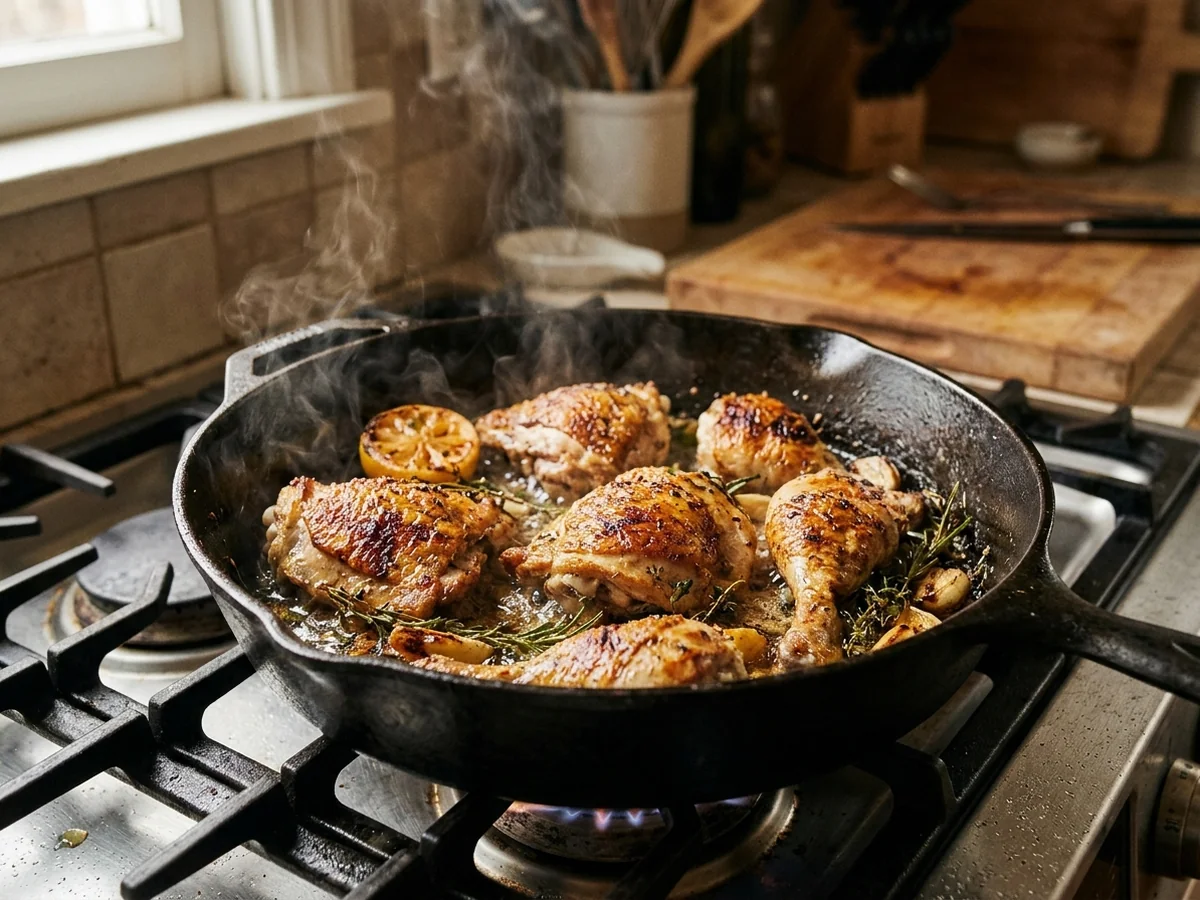
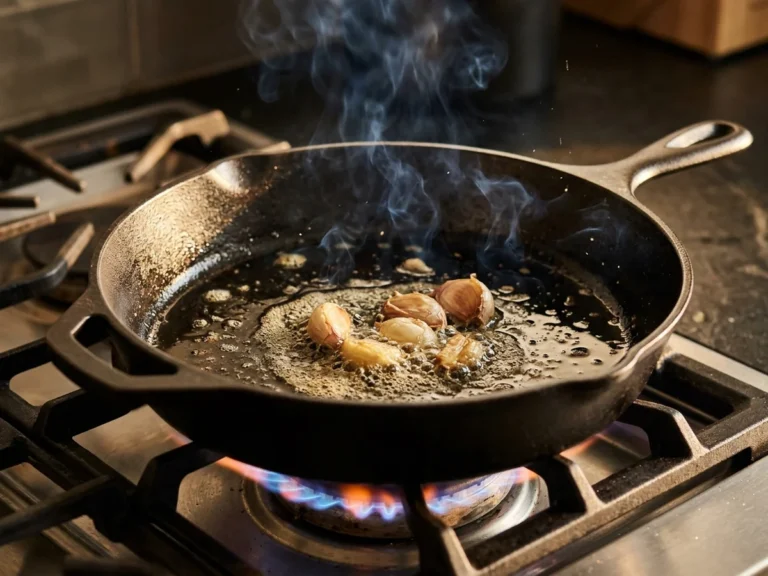
Making a successful garlic mushroom spinach chicken dish starts with selecting the right cookware. A heavy bottom pan or a cast iron skillet works best for this recipe because thick materials absorb heat uniformly and prevent hot spots. That steady thermal mass allows chicken to brown deeply instead of steaming in its own juices. Thin pans heat unevenly, which often burns the outside of the meat before the interior cooks properly.
Choosing the correct cookware prevents food from sticking and creates the ideal surface for savory pan juices. When meat proteins hit a hot, thick surface, they form a natural crust that releases easily once the sear is complete. Those browned bits left behind form the flavorful base for pan sauces, adding depth to your meal without extra effort. For home cooks aiming to master a cremini mushroom spinach chicken skillet, focusing on heat retention changes the entire cooking dynamic.
Proper pan sizing matters just as much as material weight when preparing these quick weeknight meals. If the skillet is too small, the ingredients crowd together and release too much moisture, causing the components to boil rather than sear. A large skillet gives each piece of meat and every vegetable enough breathing room to cook correctly and develop rich flavor. This applies to both a standard weeknight dinner and variations like a one pan creamy garlic chicken.
Managing Heat and Moisture
Working in batches helps manage moisture levels when cooking garlic butter chicken with mushrooms and spinach. Overcrowding the cooking surface traps steam around the ingredients, which prevents the desired browning effect. Giving the vegetables space allows excess liquid to evaporate quickly so the garlic and mushrooms achieve a rich golden color. A drizzle of extra virgin olive oil helps coat the pan evenly and encourages uniform browning across the surface.
Avoiding Common Cooking Mistakes
To get the best results, home cooks should avoid a few common mistakes during preparation. Putting cold chicken straight from the refrigerator into a lukewarm pan often leads to sticking and uneven cooking. Letting the meat rest briefly while bringing the skillet to the right temperature makes a noticeable difference. Additionally, adding too many vegetables at once drops the temperature of the cooking surface too quickly, which ruins the texture of the dish.
Ensuring Food Safety
When you finish cooking, checking internal temperatures ensures the meal is safe and ready to serve according to guidelines from the USDA Food Safety and Inspection Service. Using an instant read food thermometer guarantees accuracy without cutting into the meat and losing precious juices. Pairing the right pan with proper technique delivers tender results every time you cook a comforting one pan meal.
Mastering the Chicken Seeding and Searing Technique
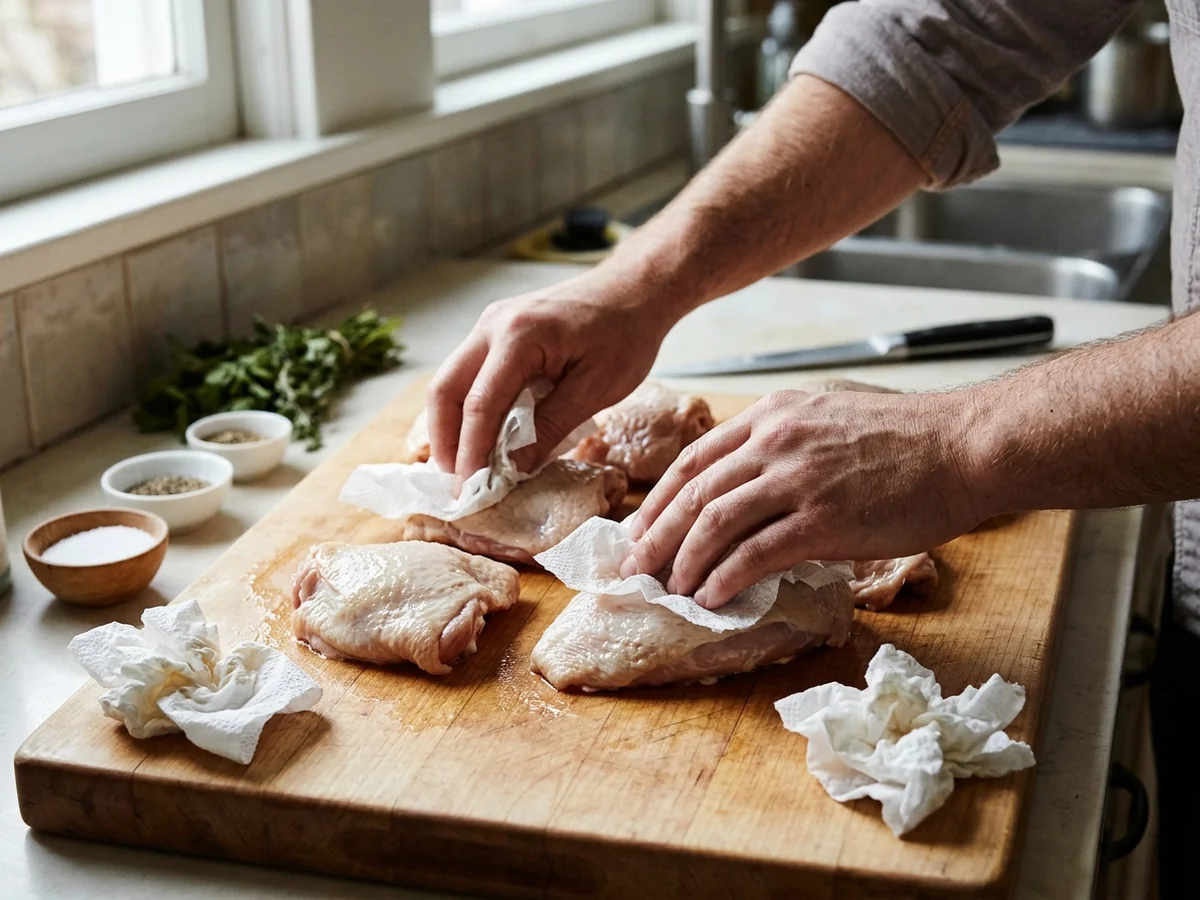
Achieving optimal texture in your poultry starts with proper preparation before the meat ever touches the heat. Patting the pieces completely dry with paper towels removes surface moisture, which prevents steaming and promotes a proper sear. Trimming away excess fat ensures even thickness so that every piece cooks at the same rate. When preparing a flavorful dish like garlic mushroom spinach chicken, this foundational step guarantees that the protein develops an even, golden exterior.
Creating a golden crust while locking in internal juices requires a hot cooking surface and minimal movement. Warming a heavy bottom pan or a cast iron skillet over medium-high heat allows the protein to develop deep flavor without drying out the center. Adding extra virgin olive oil provides the necessary heat transfer for consistent browning across the surface of the meat. A common mistake during this stage is overcrowding the pan, which traps moisture and leads to steaming instead of searing.
Monitoring internal temperature is essential to guarantee safety and prevent overcooking. The USDA Food Safety and Inspection Service recommends cooking poultry until it reaches a safe minimum internal temperature. Using an instant read food thermometer inserted into the thickest part of the meat removes the guesswork from this crucial step. Avoid cutting into the meat to check for doneness, because this lets valuable moisture escape prematurely.
Letting the meat rest for a few minutes after cooking allows the natural juices to redistribute evenly throughout the fibers. Slicing too soon causes the moisture to escape onto the cutting board, resulting in a drier texture. Patience during this final stage ensures every bite of your garlic mushroom spinach chicken remains tender and flavorful, providing a restaurant quality finish right in your home kitchen.
Building Layers with Mushrooms and Garlic Butter
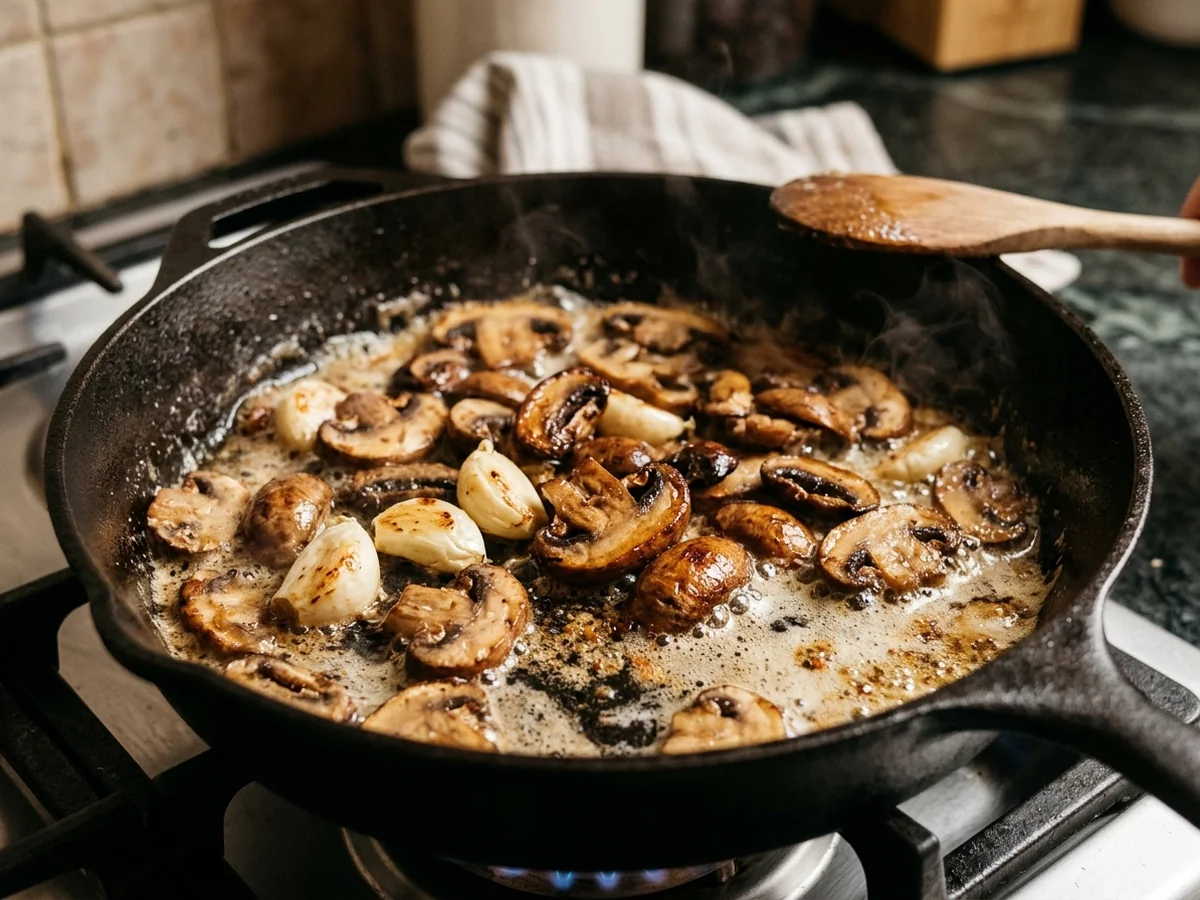
Properly sautéing fungi requires high heat and patience to release and evaporate excess moisture for deep browning. Crowding the pan traps water, which prevents a golden crust from forming on the surface. When making a garlic mushroom spinach chicken dinner, giving the sliced pieces enough room in a heavy bottom pan or cast iron skillet is the most reliable way to achieve proper caramelization instead of steaming the produce.
Let the sliced pieces sit undisturbed in the pan until their natural liquids purge and cook away completely. Once the moisture vanishes, the remaining surface oils help the edges turn deeply golden and flavorful. A common mistake home cooks make is stirring too early or adding salt at the very beginning of the process, which draws out even more liquid and halts the browning phase.
Incorporating aromatics creates a rich garlic butter chicken with mushrooms and spinach base that coats every ingredient evenly. Toss minced cloves into the warm pan alongside melted butter just as the browning finishes. Stirring constantly prevents the garlic from burning while allowing its pungent oils to infuse the fat. This essential step builds the foundation for the savory pan sauce that ties the entire skillet together.
Balancing savory notes requires simple herbs or seasonings to tie the dish together without overpowering the fresh produce. A pinch of salt draws out additional depth while pepper adds mild warmth. Fresh herbs fold into the pan just before the greens go in. As the leaves wilt from residual heat, they absorb the seasoned drippings to complete the meal, creating a cohesive flavor profile across every bite of this delicious one pan dinner.
Incorporating Fresh Spinach and Finishing the Sauce
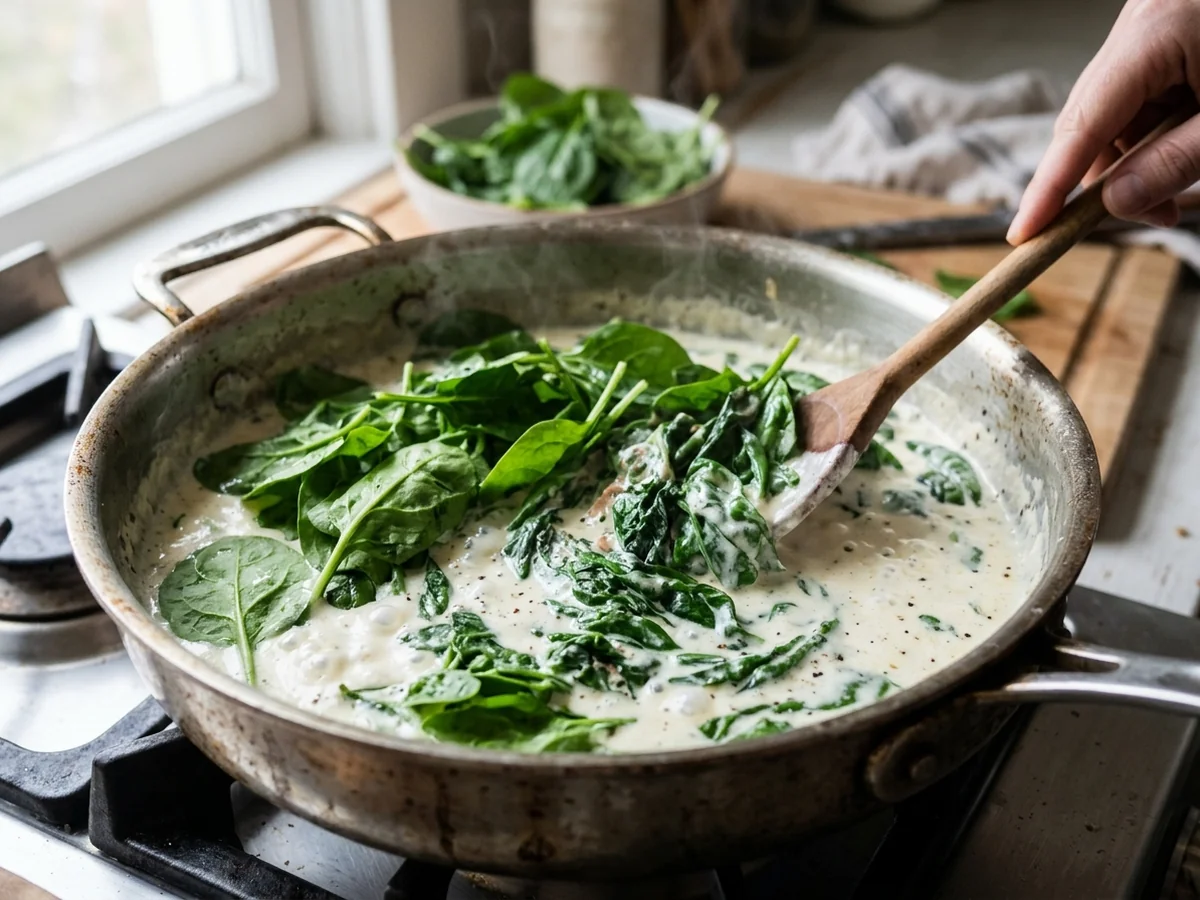
Adding fresh greens during the final moments of cooking ensures they wilt gently while keeping their bright color intact. Tossing them into the hot skillet just before serving prevents them from turning dark or soggy. They need only a minute or two of residual heat to soften completely, blending seamlessly into your skillet meal without losing their fresh texture. Home cooks looking for quick weeknight dinner solutions will find that timing this step correctly keeps the dish vibrant and visually appealing.
Building the Sauce Base
Pouring in liquid elements like broth or dairy creates a rich base that thickens directly in the pan. Whisking continuously helps blend the pan juices smoothly, achieving a consistent texture without lumps when preparing one pan creamy garlic chicken. Letting the liquid reduce slightly concentrates the savory taste before the final assembly, building deep flavor into every bite of your savory mushroom and poultry skillet. Using a heavy bottom pan or a cast iron skillet helps distribute heat evenly so the dairy and broth combine without separating.
Timing and Common Mistakes
A common mistake during this stage is adding leafy greens too early, which causes them to release too much moisture and dilute the sauce. Keeping the heat steady and timing the addition properly ensures the sauce reduces to the right consistency. According to safety guidelines from the USDA Food Safety and Inspection Service, ensuring all components reach the correct internal temperature is essential when preparing poultry dishes, and an instant read food thermometer can verify proper doneness before final assembly.
When cooking meals that feature tender components like a spinach and mushroom stuffed chicken breast or similar skillet variations, temperature control prevents dairy from curdling. Keeping the stove at a moderate setting allows the sauce to thicken naturally without scorching the garlic or herbs.
Bringing the Dish Together
Placing the cooked protein back into the skillet allows it to absorb all those surrounding flavors. Spooning the warm sauce over the meat ensures every bite stays juicy and flavorful. Turning the pieces once in the pan helps them coat evenly before plating, giving you a restaurant quality poultry dinner with savory greens right at home for a quick weeknight meal. Finish the dish with a drizzle of extra virgin olive oil if desired to enhance the richness of the final presentation.
Alternative Preparation: Spinach and Mushroom Stuffed Breast
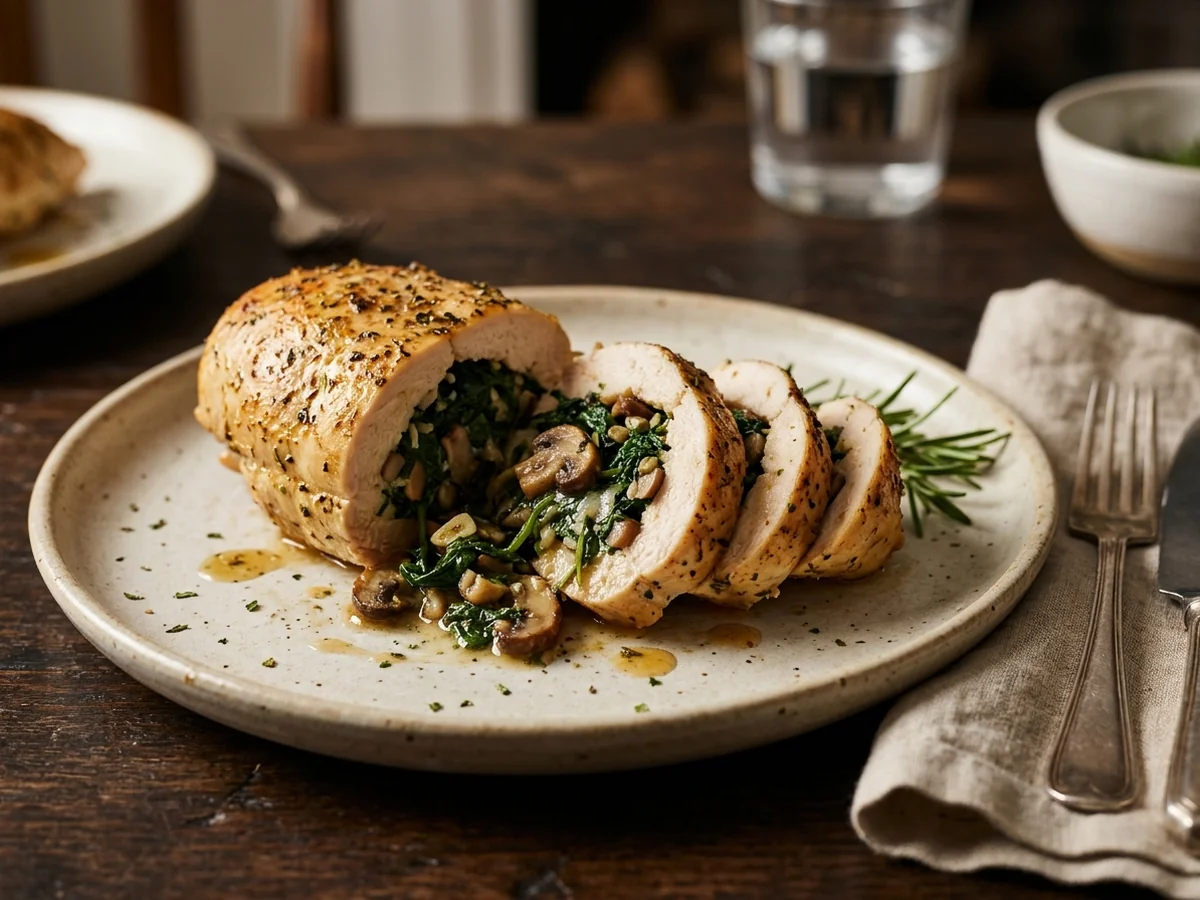
Home cooks can easily transform the traditional skillet format into a spinach and mushroom stuffed chicken breast for a neat presentation at the dinner table. This method keeps the savory filling securely tucked inside the poultry while it cooks, offering a variation on the standard flavor profile.
Understanding why this method works helps home cooks achieve consistent results. Slicing the meat to create a pocket allows the flavors of the vegetable filling to infuse the poultry from the inside out during the cooking process. Selecting fresh ingredients like garlic, mushrooms, and greens ensures that the interior remains flavorful and moist, which counters the tendency of poultry to dry out.
Creating the pocket requires a sharp knife to slice horizontally into the thickest part of the meat without cutting all the way through to the other side. Opening the cut forms a natural cavity for the vegetable mixture. A common mistake during preparation is stuffing the poultry too full, which can cause leaks and mess up the pan. Leaving a small border around the edges prevents the ingredients from pushing out as the meat cooks.
Securing the filling safely prevents the vegetables from spilling out during the cooking process. Toothpicks inserted near the opening hold the edges together tightly. Kitchen twine offers another secure option for home cooks who want to keep the ingredients tightly sealed inside the poultry.
Stuffed variations generally require a combination of searing and baking to cook the poultry thoroughly while browning the outside. A heavy bottom pan or cast iron skillet works well for browning the exterior over medium heat before transferring the dish to the oven. Cooking times vary based on thickness, so checking the interior with an instant read food thermometer ensures safety. According to the USDA Food Safety and Inspection Service, poultry must reach a safe internal temperature before serving.
Checking Chicken Internal Temp
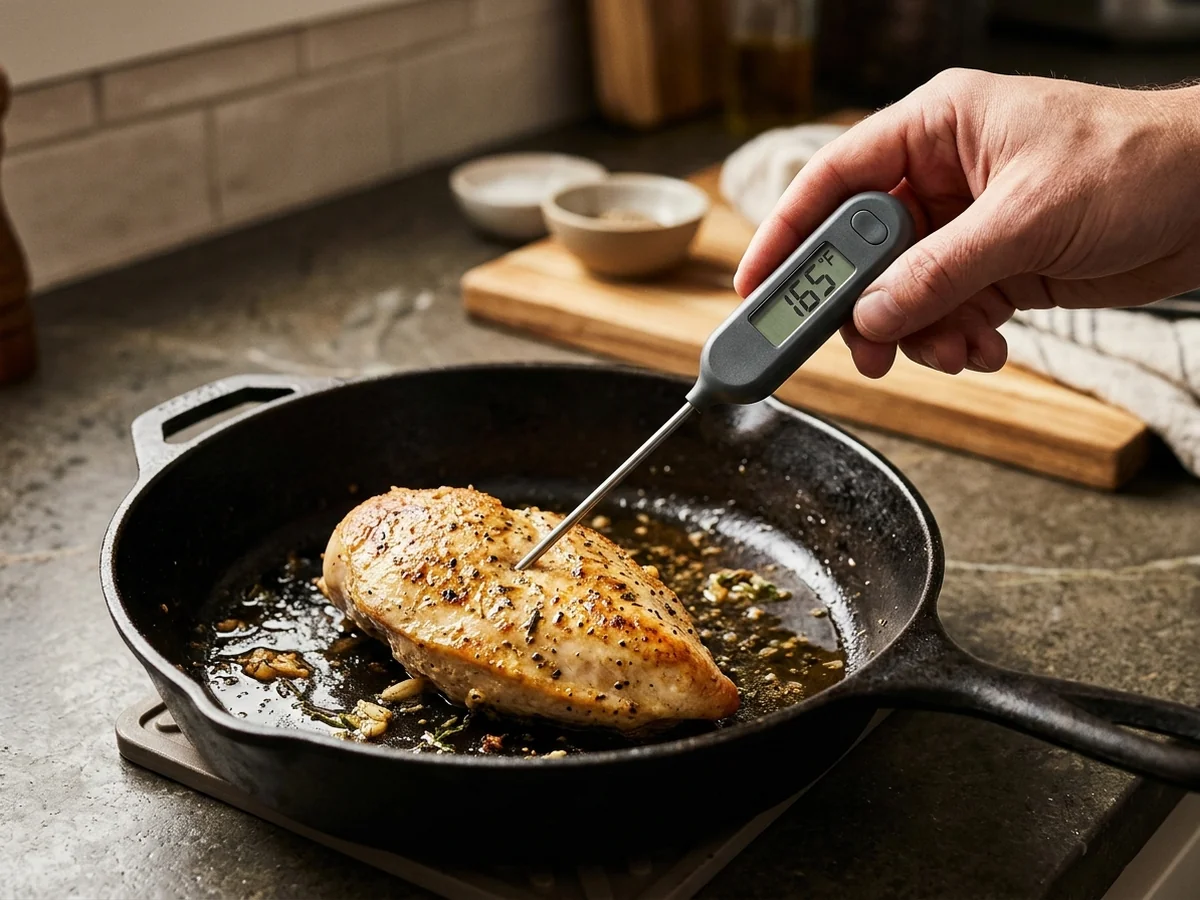
Confirming that your poultry has reached the proper internal temperature is the most reliable way to ensure food safety while keeping your meal tender and juicy. When preparing a quick weeknight recipe featuring poultry, mushrooms, and greens, relying on visual cues alone often results in dry meat or undercooked portions. Using an instant read food thermometer gives you a fast and precise reading every single time, removing the guesswork from everyday cooking.
Following Official Safety Guidelines
According to safety guidelines from the USDA Food Safety and Inspection Service, poultry must reach a specific minimum internal temperature to protect against foodborne illness. To check this accurately, insert your thermometer probe into the thickest part of the meat without touching any bone, as bones conduct heat differently and can give you a false high reading. This simple step ensures your meal is safe without overcooking the surrounding portions.
Preparing Meat for Even Cooking
Home cooks often run into trouble when poultry pieces vary significantly in thickness across the same cut. Uneven pieces cook at different rates, leaving the thinner edges dry and stringy while the center remains raw. Pounding larger breasts to an even thickness before cooking solves this common kitchen problem and helps everything finish at the same time. This preparation technique works especially well when you are making a skillet meal with earthy mushrooms and tender greens or a rich skillet preparation featuring savory herbs.
Managing Your Cooking Surface
Pan management plays an equally important role when preparing dishes that involve searing meat and vegetables in a heavy bottom pan or cast iron skillet. Crowding the cooking surface causes the temperature of the pan to drop rapidly and releases excess moisture, which leads to steaming instead of a proper sear. Cooking your meat and vegetable components in manageable batches keeps the cooking surface hot, builds better flavor, and guarantees evenly cooked results. Whether you are working on a rich garlic chicken dinner or another stovetop favorite, controlling pan temperature prevents moisture buildup and gives your ingredients the golden finish they need.
Frequently Asked Questions
Can I use frozen spinach instead of fresh leaves?
Frozen spinach works well in this skillet meal as long as you thaw and squeeze out the excess moisture first. Excess water dilutes the sauce and affects the final texture of the dish. Stir the drained spinach in at the very end just until it warms through.
How should I store leftovers of this skillet dinner?
Keep your leftover chicken and vegetable dish in an airtight container inside the refrigerator for up to a few days. Let the food cool down completely before sealing the container to maintain the best quality. Ensure your refrigerator maintains a safe temperature for perishable cooked poultry.
What is the safest way to reheat this dish?
Reheat your meal gently on the stovetop over medium-low heat or in the microwave until it is steaming hot all the way through. Adding a small splash of broth or water helps revive the sauce if it thickened too much in the fridge. Always verify that the meat reaches a safe internal temperature using an instant read food thermometer before serving.
Can I prep the ingredients ahead of time for busy weeknights?
You can easily chop the vegetables, mince the garlic, and trim the poultry earlier in the day to make weeknight cooking faster. Store the prepped items in separate containers in the refrigerator until you are ready to cook. This prep-ahead strategy cuts your active kitchen time down significantly when dinner hour arrives.
What adjustments can I make for dairy-free diets?
Swap out any heavy cream or butter for plant-based alternatives like full-fat coconut milk or dairy-free cooking fat. Extra virgin olive oil also works nicely for searing the poultry and sautéing the vegetables. These simple swaps keep the meal rich and flavorful without using dairy ingredients.
Conclusion
Deciding what to cook for a busy weeknight becomes much easier when you have a reliable recipe that combines savory vegetables with lean protein. Gather your fresh ingredients and grab a heavy bottom pan to start making this skillet dinner tonight. You will enjoy a flavorful meal that pulls together fast without leaving a mountain of dishes in the sink.
You might also like: Sichuan-Style Crispy Chili Beef Stir-Fry