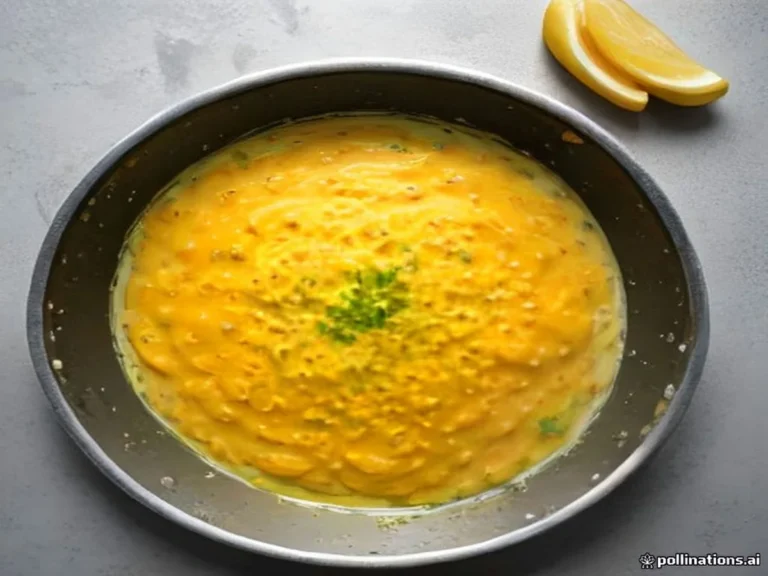
Garlic Butter Steak Bites with Creamy Parmesan Shells
Introduction to Garlic Butter Steak Bites with Creamy Parmesan Shells
Making garlic butter steak bites with parmesan shells brings together tender pieces of seared meat and comforting pasta for a satisfying meal. This combination pairs savory beef with a rich sauce, creating a hearty dinner that fits busy schedules because it cooks quickly in one pan.
Home cooks will find everything needed to prepare this dish successfully, including ingredient details, step by step instructions, and a nutrition information table. The flavor profile centers on rich garlic butter, savory pan-seared meat, and sharp cheese melted into a smooth cream sauce.
Choosing the Right Pasta Shells
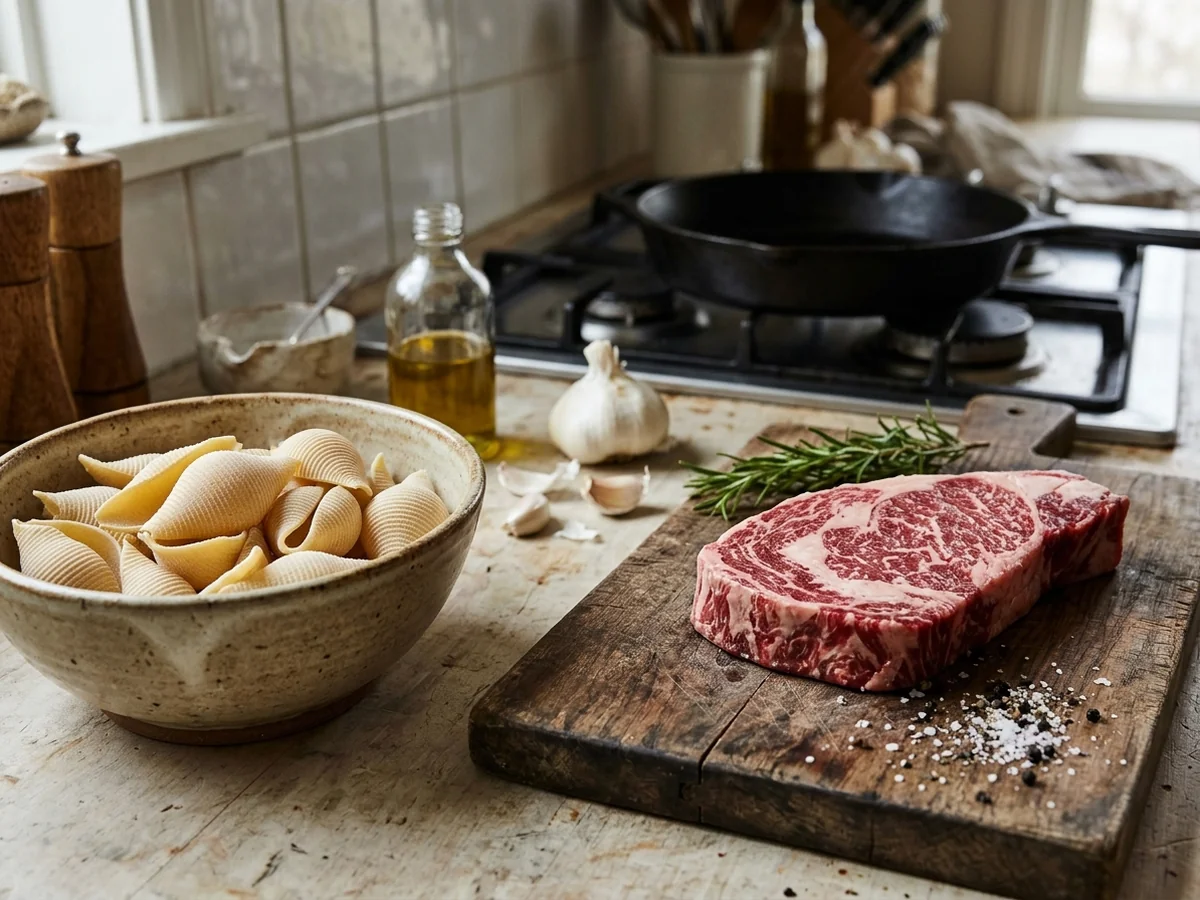
Preparing garlic butter steak bites with parmesan shells requires careful selection of both meat and pasta to achieve a balanced and comforting meal. Home cooks and busy individuals looking for easy steak dinner ideas will find that paying attention to ingredient quality makes a noticeable difference in flavor and texture, especially when combining hearty protein with rich dairy sauces.
Selecting the Best Cut of Beef
Choosing the right cut of beef forms the foundation of a successful pan seared dinner. Cuts featuring good marbling perform best in a hot cast iron skillet because the internal fat melts during cooking. This process keeps the protein juicy while developing a savory depth. Leaner cuts lack this moisture and tend to dry out rapidly under high heat, resulting in a tougher texture that does not mix well with pasta shells and steak bites.
Matching Pasta Shapes to Creamy Sauces
Pasta shapes serve a distinct culinary purpose when paired with heavy cream and garlic butter. Unlike long or flat noodles that let rich mixtures slide away, curved pasta shells act as small scoops. They trap pan drippings, melted parmesan cheese, and thick dairy liquids inside their hollow cavities. This structural design ensures every bite delivers an even proportion of tender meat, fragrant garlic, and cheese.
Achieving the Ideal Sauce Consistency
Creating a smooth sauce requires attention to ingredient quality and heat management. High quality dairy and freshly grated parmesan cheese melt evenly into warm liquids to form a velvety coating without clumping. A common mistake involves adding cold cheese directly to a boiling pan, which causes the proteins to seize and creates graininess. Letting the cream warm gently and stirring in the cheese gradually guarantees a stable texture that clings properly to both the pasta and the steak bites.
Ingredients for Steak and Shells
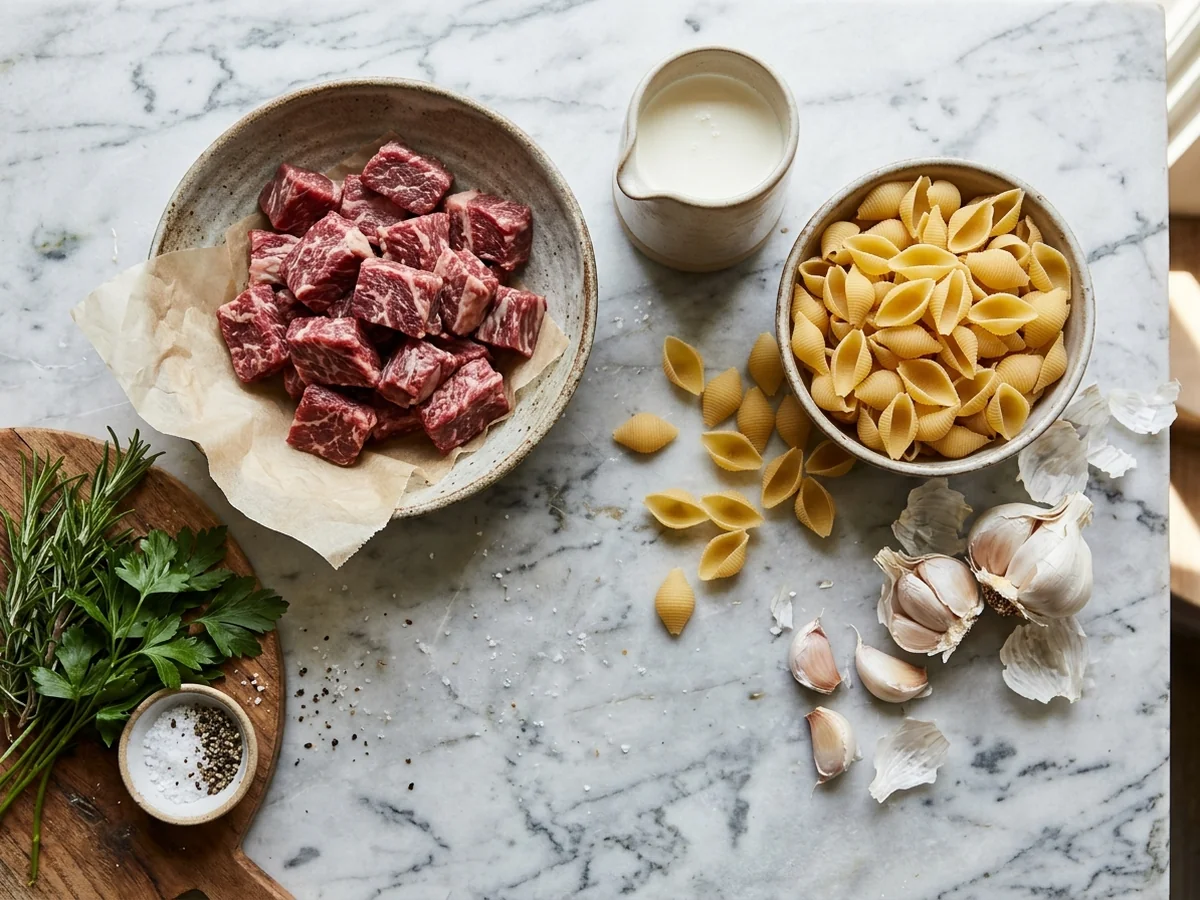
Creating garlic butter steak bites with parmesan shells requires balancing protein, dairy, pasta, and aromatics so that every element complements the dish without overpowering the rest. Bringing these components together for an easy steak dinner idea starts with understanding why each ingredient matters and how to avoid common pitfalls during prep. Having everything organized beforehand ensures a smooth cooking process, particularly when managing multiple elements like searing beef and simmering sauce.
Selecting Proteins and Pasta
The foundation of any great steak bites and pasta dish begins with the beef selection. The protein choice typically features a well marbled cut of beef such as a ribeye steak. Well marbled meat delivers maximum flavor and tenderness when cooked quickly in a cast iron skillet. A common mistake is choosing a lean cut that dries out too fast under high heat, so look for cuts with good fat distribution. Using a meat thermometer helps ensure the beef reaches your preferred level of doneness without overcooking.
For the carbohydrate component, sturdy pasta shells provide the ideal vehicle for capturing sauce, holding pockets of rich flavor in every bite. Using delicate pasta types that break apart easily during tossing should be avoided. The pasta needs to hold its shape while mixing with the meat and dairy components.
Dairy and Aromatics
Heavy cream and parmesan cheese melt together to create a smooth, rich sauce that coats the pasta evenly. To prevent a grainy texture, add grated parmesan gradually and keep the heat moderate rather than boiling the dairy directly. This parmesan pasta shells with steak combination relies heavily on the quality of its sauce, which ties the rich meat and hearty pasta together.
Fresh garlic cloves, butter, and herbs build the foundational flavor profile for both the searing pan and the sauce. Using burnt garlic is a frequent error, so add minced garlic near the end of the searing process or rely on garlic butter to prevent bitterness from ruining the profile. Fresh herbs add brightness to balance the heavy cream and rich cheese.
Pantry Staples and Preparation
Cooking oil with a high smoke point, salt, and black pepper are essential for seasoning the meat properly before it hits the hot pan. Failing to thoroughly dry the meat with paper towels before seasoning is a common mistake that prevents a proper crust from forming. Moisture on the surface creates steam instead of a deep sear, which reduces the overall flavor of the garlic butter steak bites recipe. Gathering these ingredients ahead of time streamlines the cooking process for this comforting meal.
Essential Kitchen Tools and Equipment
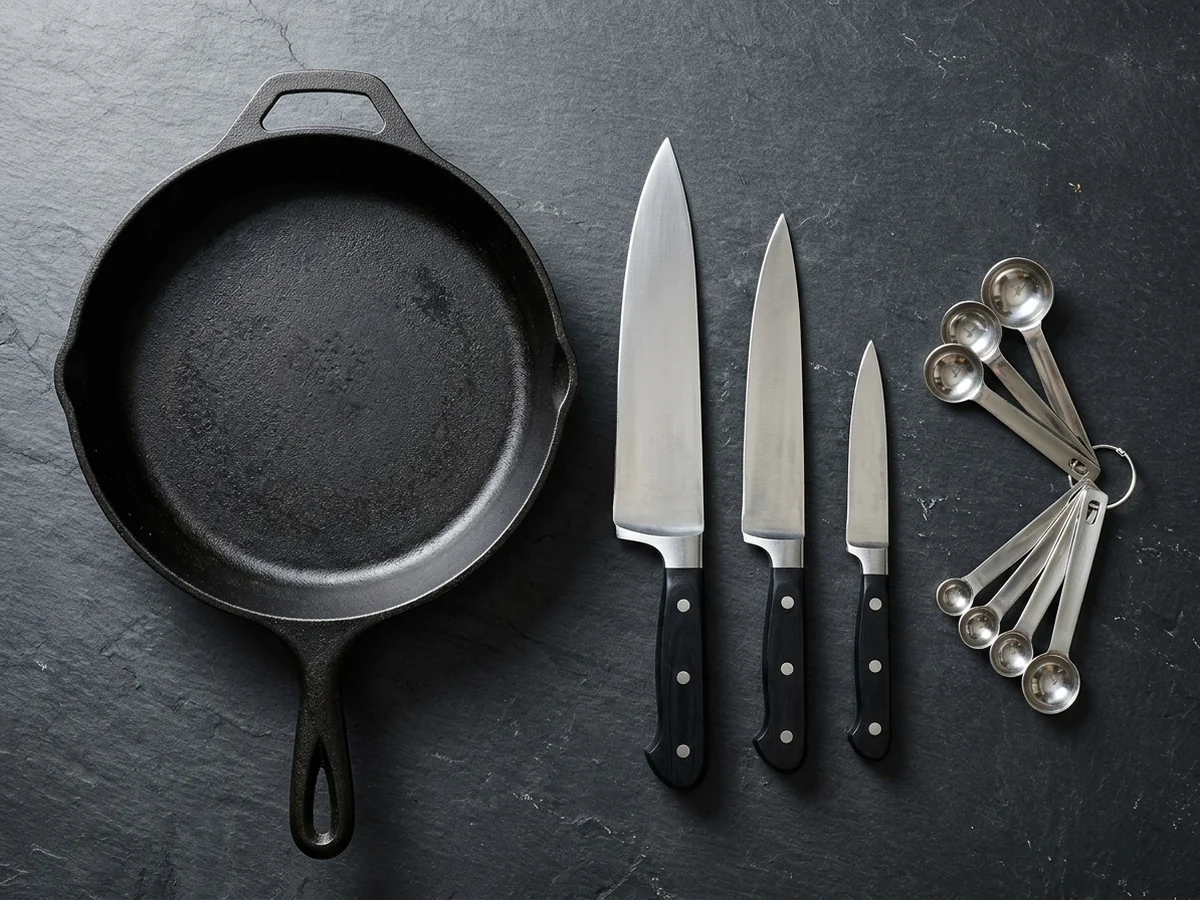
Preparing a comforting meal relies on having the right kitchen instruments on hand. Managing high heat and precise measurements makes the cooking process smooth from start to finish, helping home cooks achieve tender ribeye steak and a smooth cheese sauce without stress. Equipping your kitchen properly supports easy steak dinner ideas, ensuring your cooking workflow stays organised and efficient.
Cooking Vessels and Prep Gear
A heavy cast iron skillet serves as the primary cooking vessel for achieving a deep, flavorful crust on the meat. This type of pan retains heat exceptionally well and distributes it evenly across the cooking surface, which prevents hot spots and ensures the beef pieces brown properly instead of steaming in their own juices. Along with the skillet, standard kitchen knives and a sturdy cutting board are necessary for safe prep work when slicing the protein. A colander is also essential for draining the cooked pasta shells before combining them with the sauce.
Measuring and Monitoring Tools
Accurate measuring tools are equally important for balancing the rich flavors of heavy cream, garlic butter, and grated parmesan cheese. Using dedicated dry and liquid cups along with measuring spoons ensures the sauce ingredients and seasonings harmonize correctly, preventing the rich components from overpowering the dish. A reliable meat thermometer is an indispensable tool for food safety and quality control. Checking the internal temperature of the steak pieces removes the guesswork from cooking, keeping the meat tender and preventing it from becoming tough and overcooked.
- Cast iron skillet for superior heat retention and browning
- Measuring cups and spoons for accurate ingredient ratios
- Meat thermometer for checking doneness and safety
- Standard kitchen knives and a cutting board for safe prep work
- Colander for draining the cooked pasta shells
A common mistake during prep is overcrowding the pan when adding the meat. Cooking the beef in smaller batches maintains high surface heat in the skillet, which is essential for proper caramelization when making garlic butter steak bites recipe variations. Another frequent misstep is guessing meat doneness rather than using a thermometer, which can lead to dry and overcooked bites in your steak bites and pasta dishes. Taking time to gather all instruments before turning on the burner keeps the workflow organized and stress-free for preparing parmesan pasta shells with steak.
Cooking the Parmesan Shells
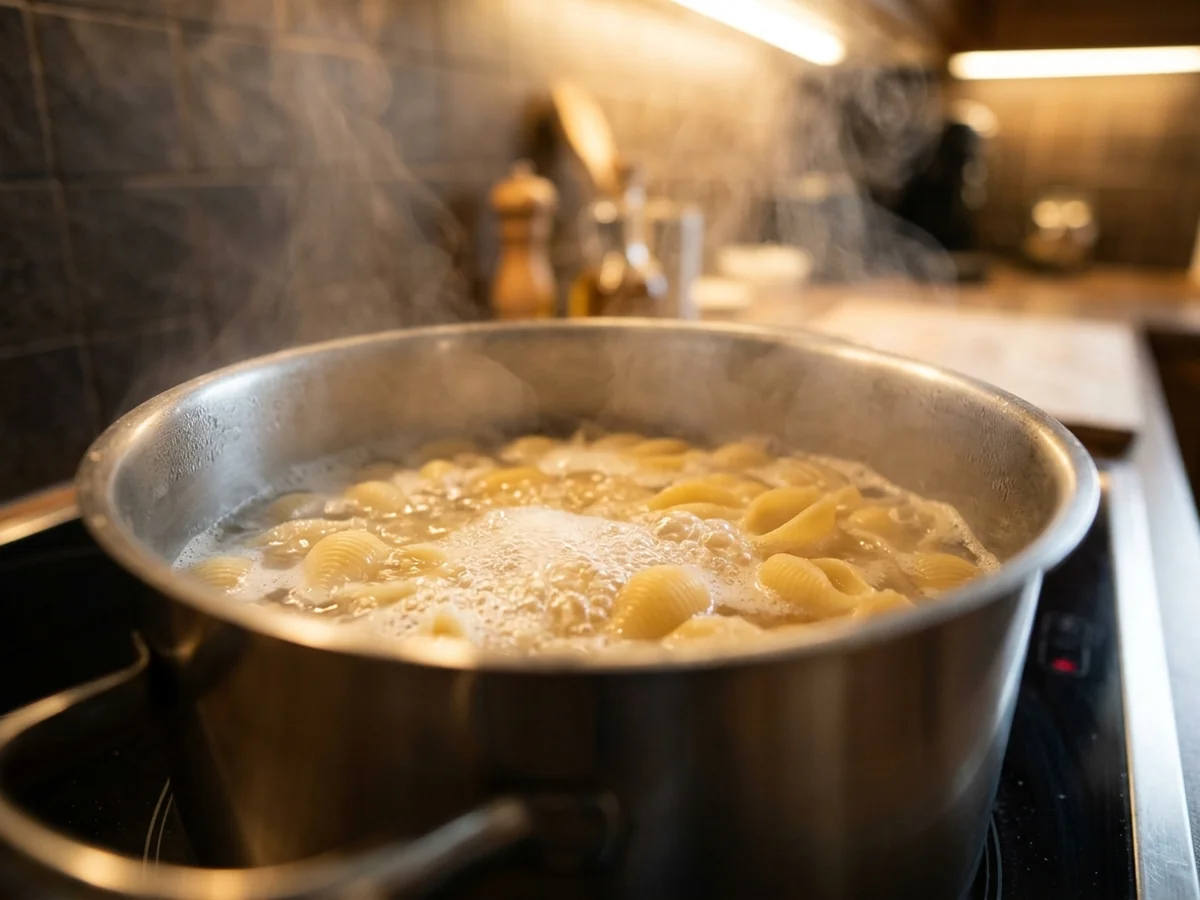
Boil your pasta shells in well-salted water until they reach a firm, al dente texture. This step is essential so the pasta holds its shape and structure when combined with the rich cream and cheese sauce. Proper boiling prevents the shells from becoming mushy or tearing apart once they meet the heavy cream, parmesan cheese, and garlic butter.
Mastering the Pasta Texture
Achieving the right bite in your pasta shells sets the foundation for a successful family dinner. Home cooks often rush this step, but keeping the pasta firm ensures it maintains structural integrity when tossed with heavy cream and parmesan cheese. If the shells overcook in the boiling water, they easily tear or turn mushy during the final stages of the recipe.
Managing Water and Heat
Drain the cooked pasta thoroughly in a colander before bringing it into the pan with your sauce base. Leaving too much residual water behind can dilute the deep savory flavors of the dish and prevent the cheese from clinging evenly to each piece. Taking a moment to drain the shells properly guarantees a smooth, restaurant quality finish.
Essential Kitchen Habits for Pasta Shells
To make sure your pasta shells turn out undamaged and ready for your steak bites and pasta combination, keep these practical kitchen habits in mind:
- Stir the pasta gently during the first minute of boiling to keep the individual shells from settling and sticking to the bottom of the pot.
- Keep the water at a rolling boil throughout the cooking time so the shells move freely and cook at an even rate.
- Avoid overcooking the pasta past the firm stage, because soft shells tear easily when stirred into thick sauces.
- Reserve a small cup of the starchy cooking water before draining, just in case you need to adjust the thickness of your sauce later on.
Working carefully with your pasta shells ensures the entire meal comes together seamlessly. By keeping the texture firm and managing your cooking water, you create the ideal base for tender steak bites and a velvety cheese coating.
Mastering the Garlic Butter Steak Bites
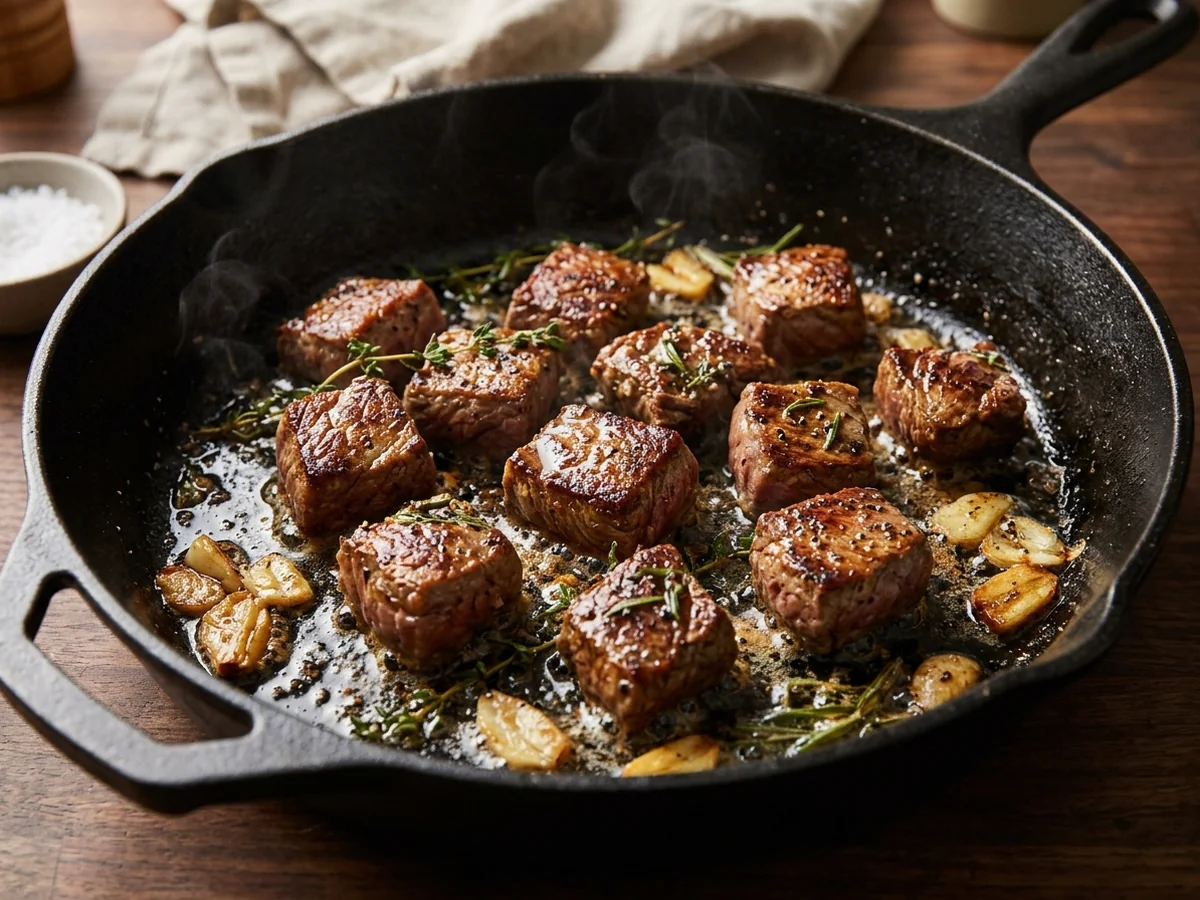
Achieving a restaurant quality texture for garlic butter steak bites with parmesan shells means getting your cast iron skillet intensely hot before adding any meat, timing the cooking process carefully, and stirring in the rich sauce ingredients at the proper moment. High heat ensures the ribeye steak develops a deeply browned crust on the outside while keeping the interior tender and juicy.
Preheating and Searing Techniques
Preheating the cooking vessel properly is the most important step for getting a reliable sear. Placing a dry cast iron skillet over high heat until it radiates intense warmth allows the surface of the meat to caramelize instantly upon contact. A common mistake is crowding the pan, which drops the temperature too quickly and causes the beef to steam rather than sear. Cooking the beef in small batches helps maintain that steady, high heat necessary for a great crust. This approach works especially well for home cooks seeking easy steak dinner ideas that deliver bold flavors quickly.
Managing Cook Time and Temperature
Managing the cooking duration prevents tender cuts from turning tough and dry. Meat cooks very quickly at high temperatures, usually needing only a couple of minutes per side to reach the ideal level of doneness. Using a meat thermometer helps track internal temperatures accurately, while removing the pieces promptly from the hot surface stops the cooking process and preserves natural juices.
Balancing Sauce and Pasta
Adding the savory garlic butter right at the end protects the delicate aromatics from burning. Fresh garlic turns bitter if exposed to high heat for too long, so stirring it in near the completion stage lets the flavors meld with the pan drippings gently without scorching. When combining these tender morsels with pasta shells, balancing the heavy cream and parmesan cheese ensures the sauce clings smoothly to every piece without separating. This harmony of ingredients turns a standard weeknight meal into a complete garlic butter steak bites recipe that satisfies the whole family.
Making the Parmesan Sauce
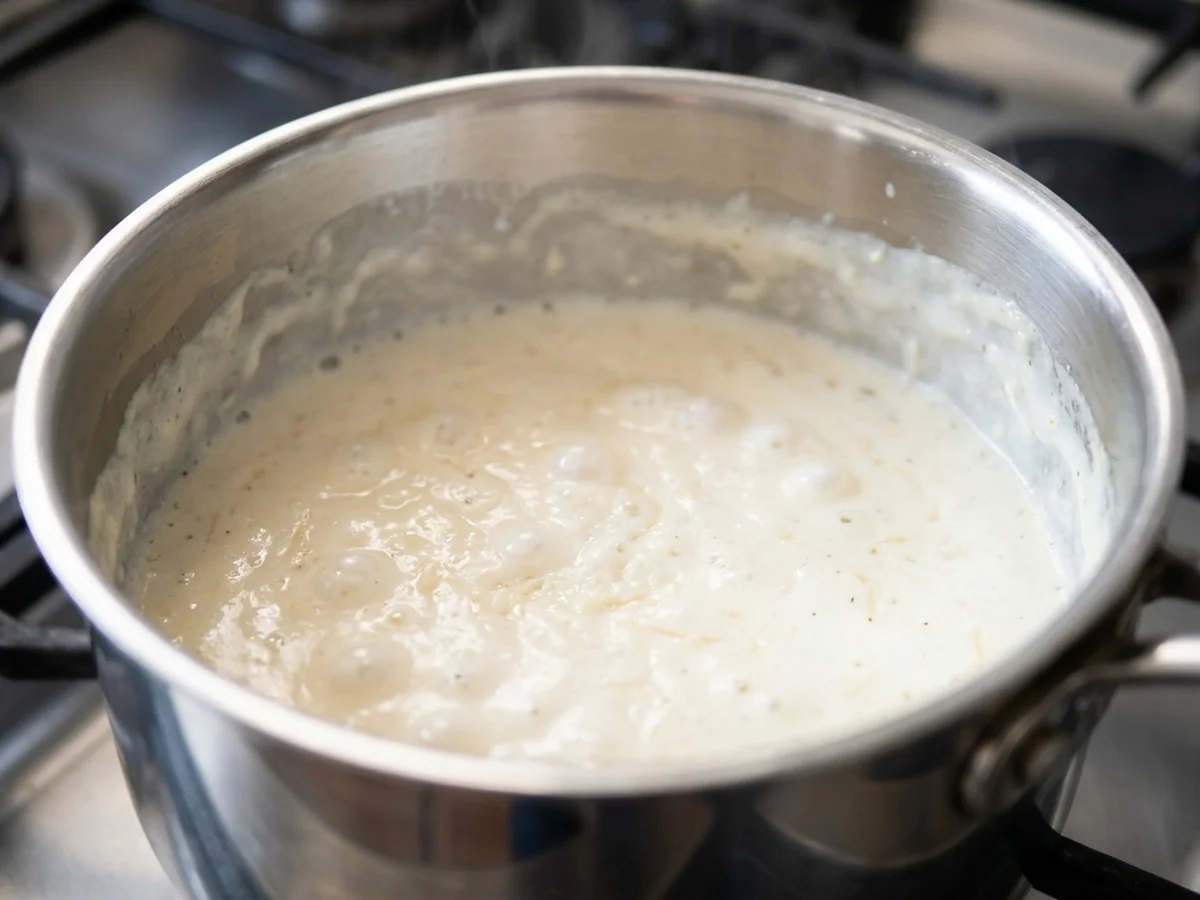
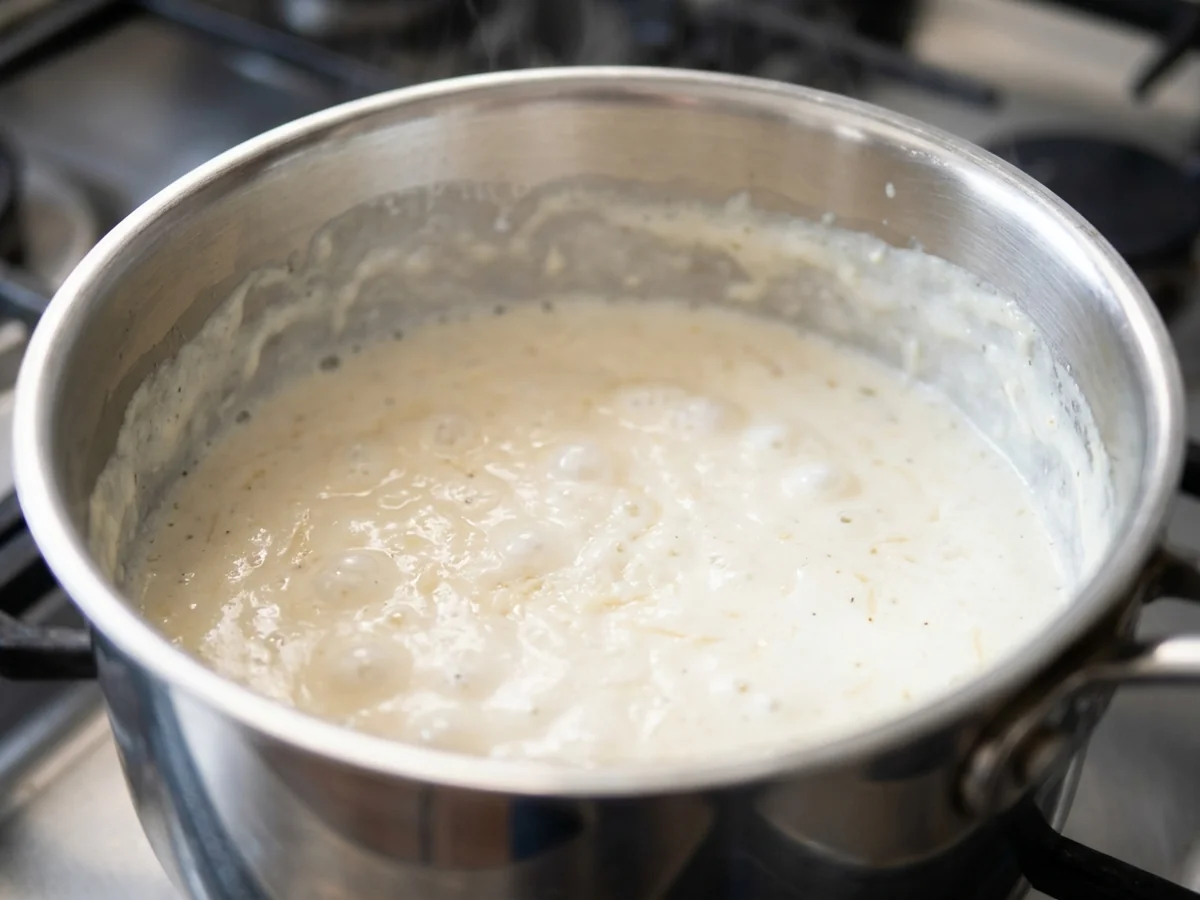
Create a smooth parmesan cheese sauce by gently simmering heavy cream and slowly melting in freshly grated cheese until the mixture thickens into a uniform consistency. This combination forms a rich base that clings naturally to the pasta shells.
Control the heat levels carefully during this step to prevent the sauce from separating or turning grainy. Keeping the burner at a low temperature protects the dairy proteins from breaking down while the cheese melts completely. High heat causes the dairy to curdle and ruins the smooth texture required for a successful pan sauce.
Coat the pasta shells evenly without clumping by adding the cooked pasta directly into the warm sauce pan and tossing everything gently. Stirring continuously distributes the liquid across every shell so nothing sticks together in the dish. A common mistake is dumping the sauce over dry pasta in a separate bowl, which leads to uneven coverage and dry edges. Incorporating the pasta straight into the warm skillet lets the starches from the pasta help bind the heavy cream and cheese together into a cohesive coating.
Achieving the right thickness requires patience. Let the cream reduce slightly before adding the cheese, and remove the pan from the burner if the mixture begins to bubble too vigorously. If the sauce becomes too thick before combining with the pasta, loosen it with a small splash of warm water or cooking liquid to restore the proper consistency before tossing.
Combining Steak Bites with Creamy Parmesan Shells
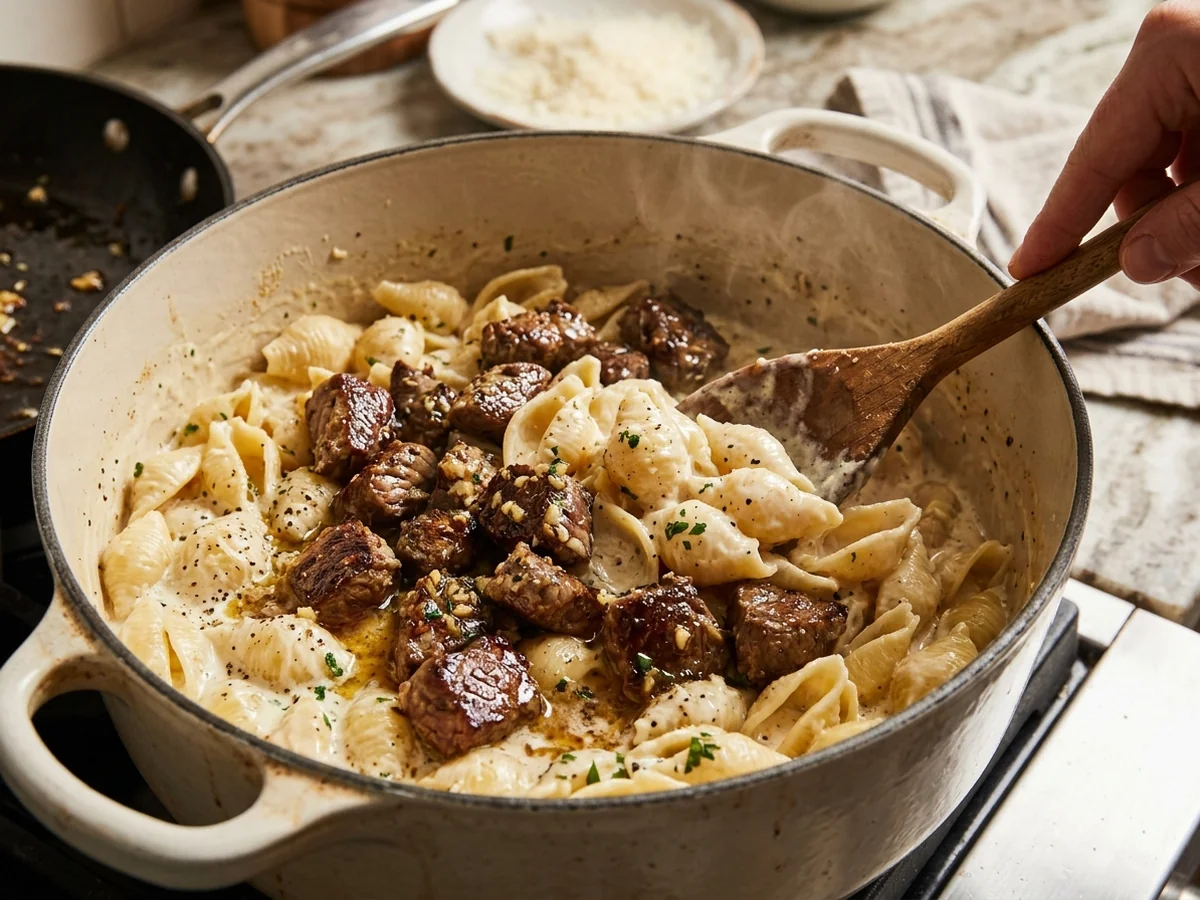
Bringing the cooked meat and noodles together requires a gentle tossing motion so the ingredients mix without breaking the pasta shells. Add the warm protein directly into the pot with the pasta and sauce. This step allows the warm components to meld effectively, creating a cohesive dish where every bite balances rich protein and comforting carbohydrates.
Distribute pan juices for maximum flavor absorption by pouring any remaining golden drippings from the skillet straight over the mixture. Those savory drippings coat every shell and infuse the dish with rich garlic goodness. Using a cast iron skillet for cooking ensures you capture those valuable browned bits at the bottom of the pan, which dissolve into the pan juices and elevate the overall taste.
One common mistake during this combining phase is stirring too aggressively, which can tear tender pasta shells or make the heavy cream sauce separate. Instead, use a silicone spatula to gently fold the ingredients together. If the sauce appears too thick after adding the meat, a small splash of warm pasta cooking water helps loosen the texture without diluting the flavor of the garlic butter.
Final seasoning adjustments before serving ensure the flavors pop. Taste a small bite of the pasta and meat together, then add a pinch of salt or freshly cracked pepper if needed. Checking the seasoning at the very end is crucial because the nutty profile of parmesan cheese and the savory pan drippings change the salt balance of the entire recipe.
For home cooks exploring quick evening meals, mastering this final combination step turns simple ingredients into a restaurant quality meal. Whether you use ribeye steak or another favorite cut, letting the meat rest briefly before slicing keeps it juicy, ensuring that every morsel contributes maximum tenderness to your parmesan pasta shells with steak.
Nutrition and Serving Suggestions
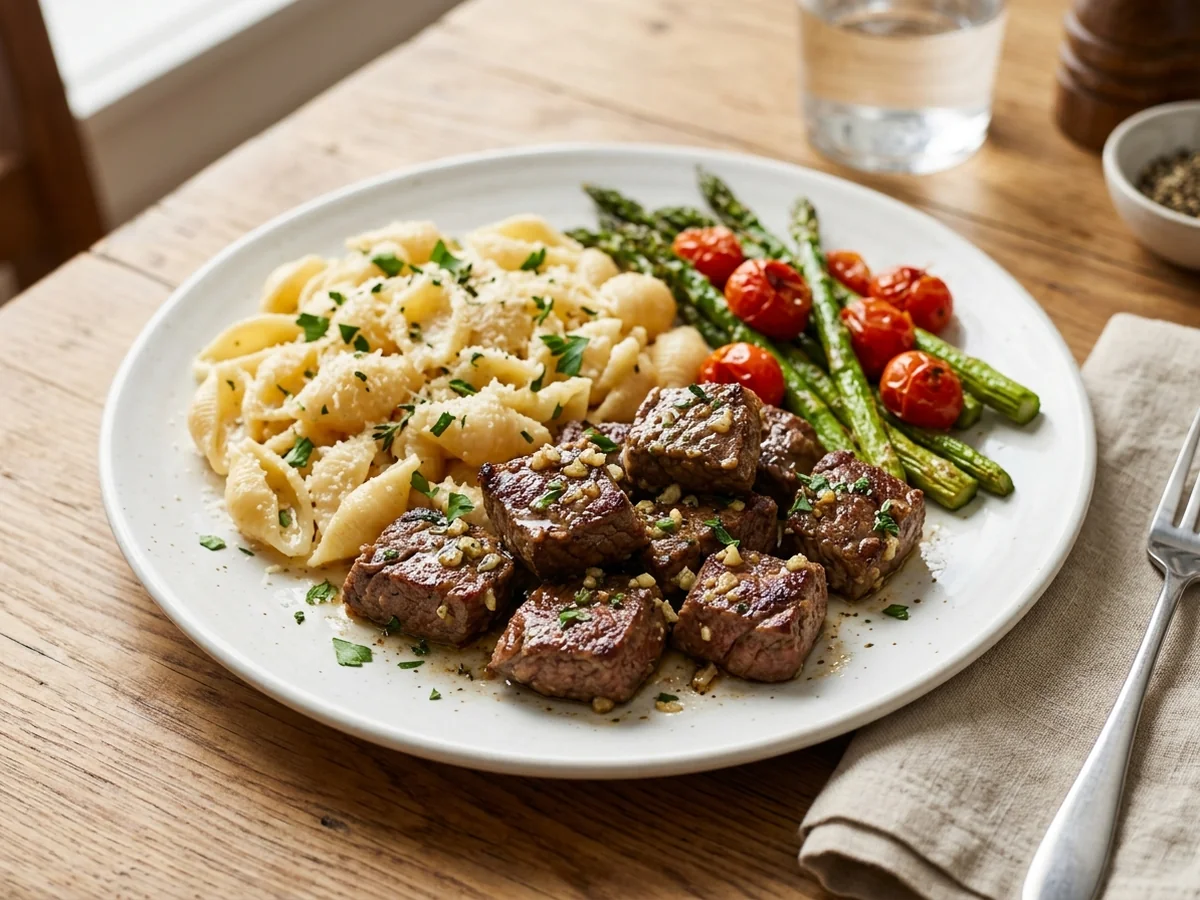
Bringing together garlic butter steak bites with parmesan shells creates a complete dish that balances rich flavors with hearty energy. Because exact nutritional values depend on the specific cuts of meat, dairy products, and pasta you choose, keeping track of portion sizes helps you enjoy this meal while meeting your personal dietary goals. Using quality ingredients like fresh ribeye steak and real parmesan cheese naturally elevates both the taste and the overall profile of the dish.
| Meal Component | Primary Attribute | Dietary Role |
|---|---|---|
| Steak Bites | High Protein | Sustained energy |
| Pasta Shells | Complex Carbohydrates | Hearty base |
| Garlic Butter Sauce | Rich Flavor | Comfort element |
Balancing the richness of the garlic butter and heavy cream sauce is the secret to a satisfying plate. Pairing this savory combination with fresh green vegetables cuts through the heavy butter elements and adds essential texture. Steamed broccoli, roasted asparagus, or a crisp garden salad round out these quick skillet meals without adding extra prep time to your evening routine.
When planning your cheesy meat and noodle pairing, a few practical steps ensure the best results. Start by preparing your cast iron skillet properly so the meat develops a rich sear without overcooking the center. Using a meat thermometer helps you check for doneness accurately. When making the sauce, stir in the parmesan cheese gradually over low heat to prevent clumping and maintain a smooth consistency. Avoid overcrowding the pan when searing the meat, as this releases too much moisture and prevents a proper crust from forming.
Storage, Reheating, and Cooking Tips
Proper storage and gentle reheating methods keep leftover steak and pasta dishes tender and flavorful. Store leftovers in an airtight container in the refrigerator to maintain freshness. Good storage prevents the meat from drying out and keeps the dairy elements stable.
Reheating Without Toughening the Meat
High heat causes beef to toughen and dairy sauces to split or separate. Reheat individual portions on the stovetop over low heat instead of using high microwave settings. Adding a small splash of milk, broth, or heavy cream while warming helps restore the smooth consistency of the rich garlic butter sauce and coats the pasta shells evenly.
Customizing Your Steak and Pasta
Home cooks can adapt this comforting dinner favorite based on pantry inventory and dietary preferences. If ribeye steak is unavailable, substitute other tender beef cuts like sirloin or strip steak. Medium pasta shells can be swapped with alternative shapes like penne or rotini. For dairy alternatives, plant based butter or coconut cream work well, though the flavor profile will shift slightly.
Achieving Optimal Results in a Cast Iron Skillet
Cooking the meat properly in a cast iron skillet builds a flavorful crust while keeping the interior juicy. A meat thermometer helps test for doneness before tossing the beef with freshly grated parmesan cheese and garlic butter. Proper pacing ensures the pasta shells and protein are ready at the same time for a cohesive meal.
Frequently Asked Questions
How do you keep steak bites from getting tough?
Cook the meat quickly over high heat in a hot cast iron skillet and avoid overcrowding the pan. Giving the pieces enough space allows them to sear properly without steaming in their own juices.
Can you use pre-shredded cheese for the sauce?
Freshly grated Parmesan cheese melts much more smoothly into the heavy cream than pre-bagged varieties. Pre-shredded cheese often contains anti-caking agents that create a grainy texture in homemade sauces.
What is the best cut of beef to use?
Ribeye steak provides superior marbling and natural tenderness that stays juicy during a fast sear. Sirloin works well as a leaner, budget-friendly alternative if handled carefully.
How do you prevent the cream sauce from breaking?
Remove the pan from the heat source before stirring in the dairy and cheese to keep the mixture stable. Gentle warmth prevents the fats from separating and keeps the sauce smooth.
Can this meal be prepared ahead of time?
Cooking the pasta shells and searing the meat separately beforehand makes assembly quick on busy nights. Combine everything and warm it gently just before serving for the best texture.
Conclusion
This meal brings together rich flavors and quick preparation for a satisfying evening at home. Anyone can easily recreate this savory meat and cheese pasta combination in their own kitchen with just a few basic ingredients. Give this flavorful dish a try tonight for a comforting dinner that feels special without the stress.
You might also like: Sichuan-Style Crispy Chili Beef Stir-Fry