Garlic Butter Shrimp Veggie Skillet
Introduction
A garlic butter shrimp veggie skillet is an efficient, high protein meal that combines fresh seafood and colorful vegetables in one pan. This quick healthy shrimp dinner relies on simple techniques to lock in flavor and ensure perfectly tender results every time.
This guide covers how to select the best vegetables for garlic shrimp, proper preparation methods, and essential visual cues to ensure your seafood is cooked safely. You will learn the exact steps to manage heat levels for both the shrimp and produce, ensuring everything finishes at the same time. Whether you are prepping for a busy weeknight or looking for a reliable way to cook shrimp in a skillet, these instructions provide everything needed for a successful meal. The following sections detail ingredient substitutions, safe storage practices, and techniques to help you master this versatile dish.
Efficiency and Balance in a Single Pan
A quick healthy shrimp dinner simplifies your evening routine by combining protein and produce in one vessel. Using a single pan reduces cleanup time significantly, allowing you to get a nutritious meal on the table without the stress of managing multiple burners or complex prep work.
This approach relies on the speed of seafood and the versatility of fresh vegetables. Because shrimp cook rapidly, they provide a reliable source of lean protein that pairs well with a variety of textures. When you choose vegetables that soften quickly in a hot pan, the entire process takes just minutes from start to finish.
Achieving this balance is straightforward when you follow these preparation steps:
- Select firm vegetables that cook at a similar rate to the shellfish, such as sliced bell peppers or zucchini.
- Sauté your aromatics briefly, keeping in mind the common guidance that garlic should be cooked for approximately 15 seconds to prevent burning.
- Add the seafood only once the vegetables are tender-crisp to ensure even cooking.
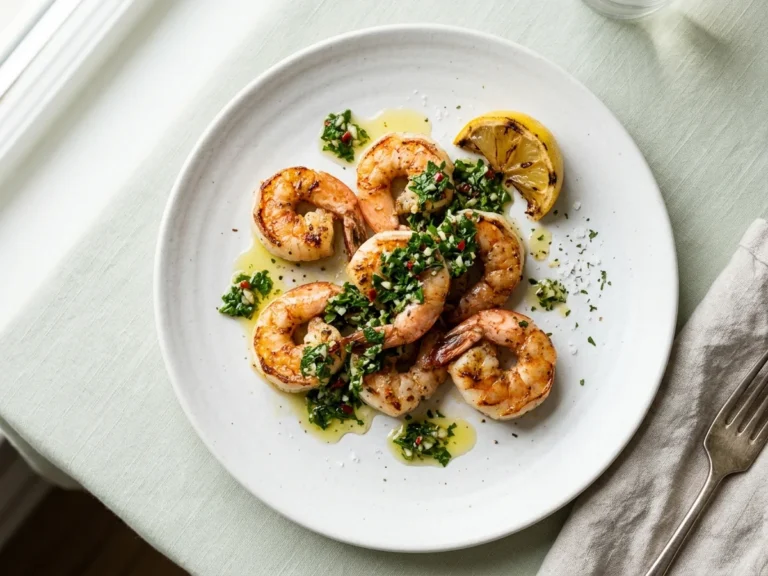
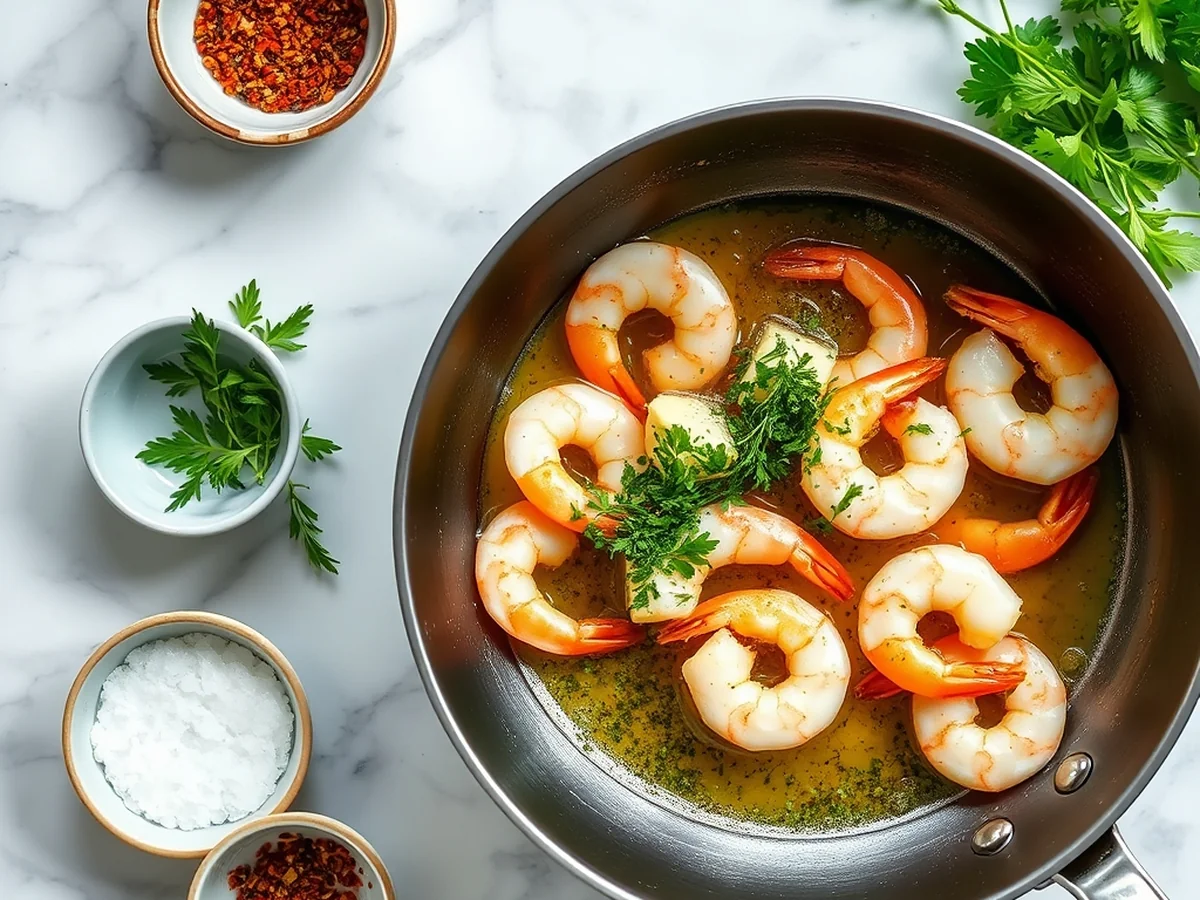
Monitoring your ingredients is the secret to a high-quality result. According to NOAA Fisheries, shrimp are cooked when they turn from translucent to opaque white with pink or red accents. As common practice, you should look for them to curl into a C-shape when they are properly done. Be careful not to leave them in the heat for too long, as cooking shrimp for too long causes the meat to become rubbery. By keeping the cooking time short, you maintain the ideal texture and nutritional integrity of your meal.
Preparing Garlic Butter Shrimp
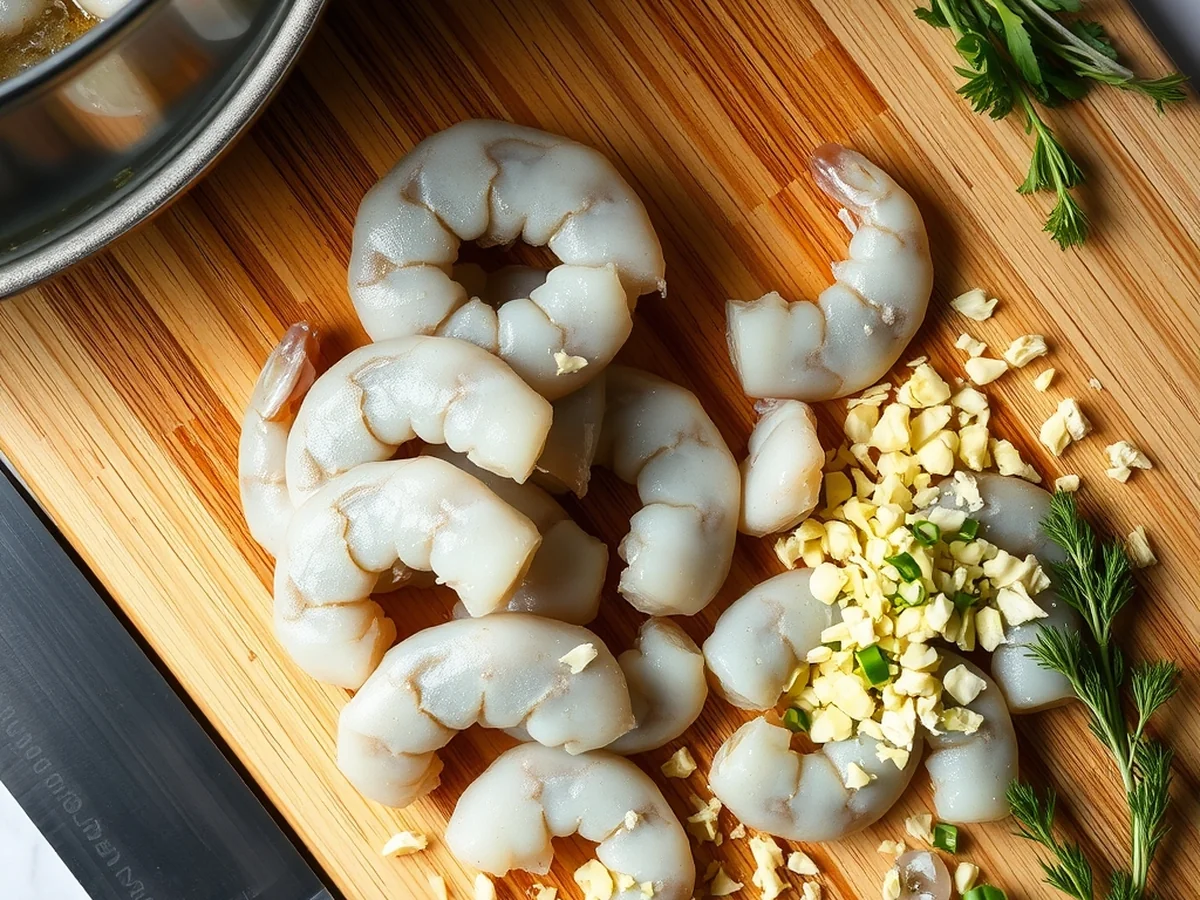
Preparing fresh seafood begins with proper cleaning and safe handling to ensure your shrimp and vegetable dish is both delicious and safe to eat. Using the right equipment is equally vital for achieving a perfect sear without overcooking the delicate protein.
Follow these essential steps to get your ingredients ready for the heat:
- Always thaw frozen shrimp by placing them in the refrigerator overnight or by sealing them in a leak-proof bag submerged in cold water, as these methods prevent harmful bacterial growth.
- Once thawed, peel away the shells and remove the dark intestinal vein running along the back using a small paring knife or kitchen shears.
- After cleaning, pat the seafood completely dry with paper towels to ensure it browns properly rather than steaming in the pan.
- Select a high-quality cast iron skillet for this meal, as its excellent heat retention provides the steady, even temperature needed to cook your shrimp and vegetables uniformly.
- Avoid overcrowding your pan, which ensures that each piece of seafood sears quickly in the butter and garlic mixture instead of boiling in its own juices.
Cooking shrimp for too long causes the meat to become rubbery, so keep a close watch while they sizzle. According to the National Oceanic and Atmospheric Administration, you know they are cooked when they turn from translucent to opaque white with pink or red accents. It is also common guidance to look for a C-shape, which typically indicates the protein is done. Once finished, keep in mind that any leftovers can be stored in the refrigerator for up to 3 days.
Choosing Your Vegetables
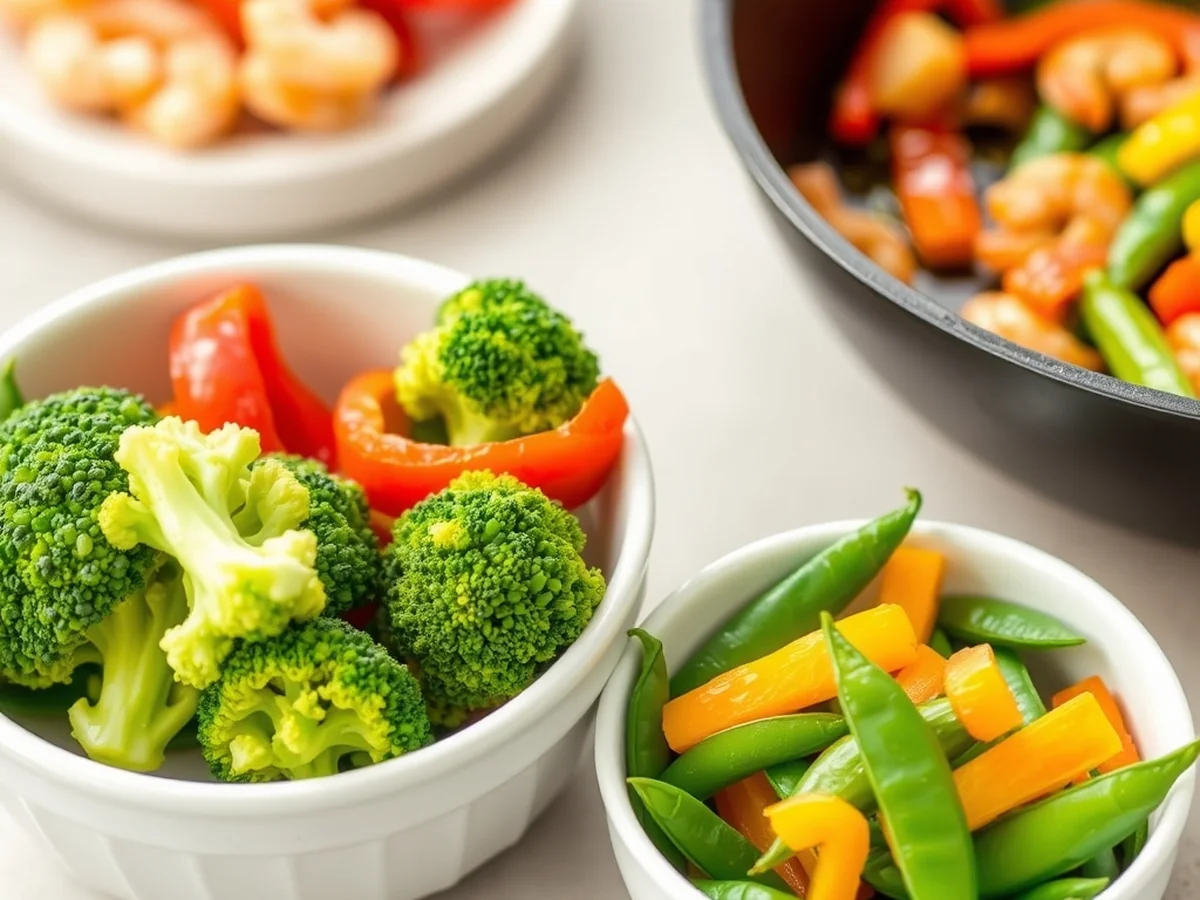
The best vegetables for garlic shrimp are those that maintain a pleasant crunch and absorb the rich butter sauce without releasing too much excess moisture. Selecting the right produce ensures your quick healthy shrimp dinner stays vibrant and avoids becoming mushy during the short cooking process.
To achieve the ideal shrimp and vegetable skillet meal, you must account for the varying cook times of your ingredients. Hard vegetables like carrots or broccoli florets require a head start in the pan to soften, while delicate options like zucchini or bell peppers can be added later to preserve their texture.
- Cut harder vegetables into thin, uniform pieces so they cook through at the same rate as the protein.
- Add softer items like zucchini or sliced bell peppers toward the end of the process to maintain their bite.
- Avoid overcrowding the pan, as this causes ingredients to steam instead of developing a flavorful sear.
- Incorporate leafy greens like spinach at the very last second, as they wilt almost instantly when exposed to heat.
- Pat your vegetables dry after washing them to ensure they brown properly in the skillet rather than simmering in their own water.
Balancing textures is key to a satisfying dish. By staggering your ingredient additions, you ensure that the shrimp remain tender and perfectly opaque white without overcooking, which is essential since cooking shrimp for too long causes the meat to become rubbery. Following this method keeps your meal balanced, fresh, and ready in minutes.
Cooking Shrimp Skillet Perfectly
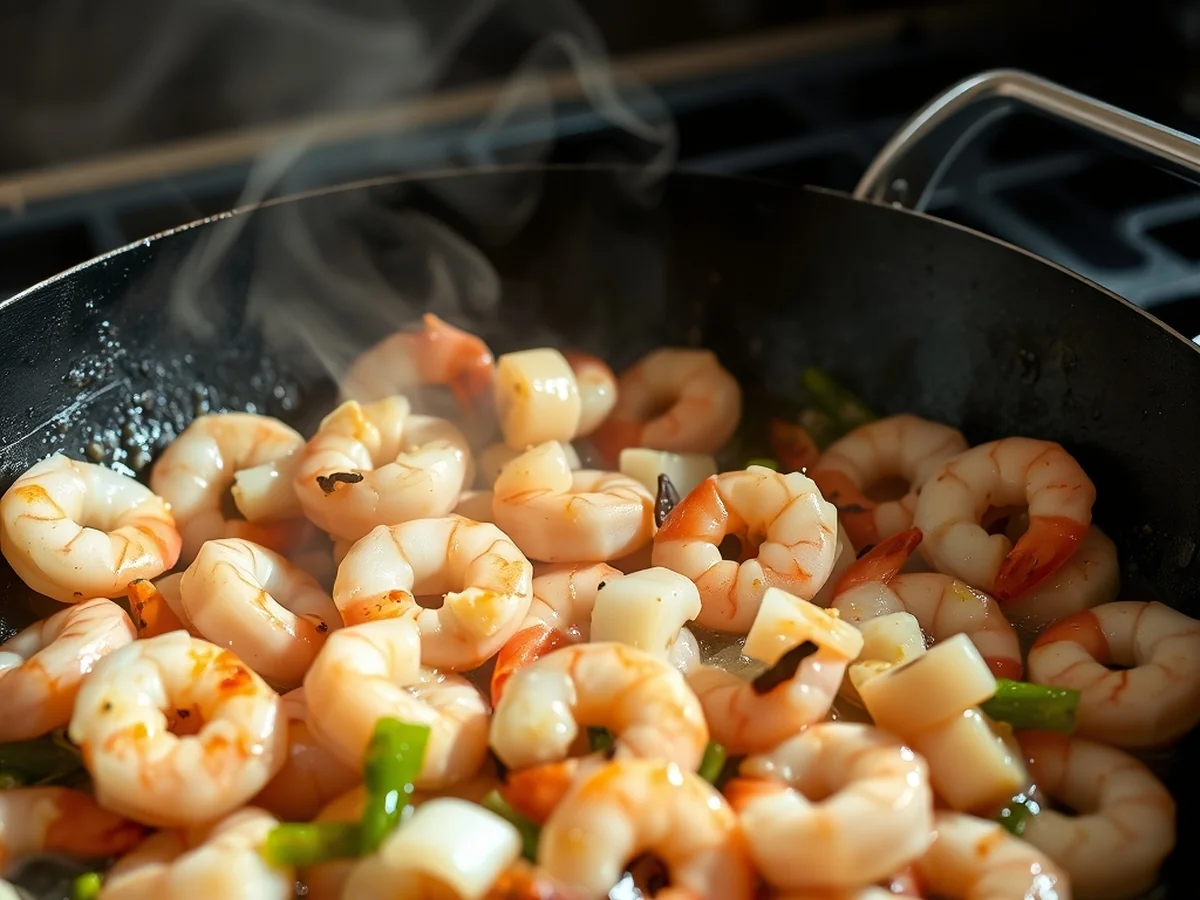
To master how to cook shrimp in a skillet without ruining the texture, focus on visual cues rather than set timers. Shrimp are cooked when they turn from translucent to opaque white with pink or red accents. Once this color change occurs, remove the pan from the heat immediately to maintain a tender consistency.
Cooking shrimp for too long causes the meat to become rubbery, which is why close attention to the pan is essential. A common guideline is to watch for the shape of the shellfish as they heat up. It is typical practice to look for the shrimp to curl into a C-shape when they are cooked properly. If they curl into a tight O-shape, they have likely been in the pan for a moment too long.
When preparing a quick, healthy shrimp dinner, keep these tips in mind for the best results:
- Keep the heat medium-high to ensure a quick sear rather than steaming the protein.
- Avoid overcrowding the pan, as this lowers the temperature and causes the shrimp to release excess liquid.
- Add your minced garlic toward the end of the cooking process, as it is common practice to sauté it for about 15 seconds to become fragrant without burning.
If you have extra portions after your meal, you can store any leftovers in the refrigerator for up to 3 days. Properly managing the time in the pan ensures your seafood remains juicy and flavorful every time you serve it.
Garlic Butter Seasoning Tips
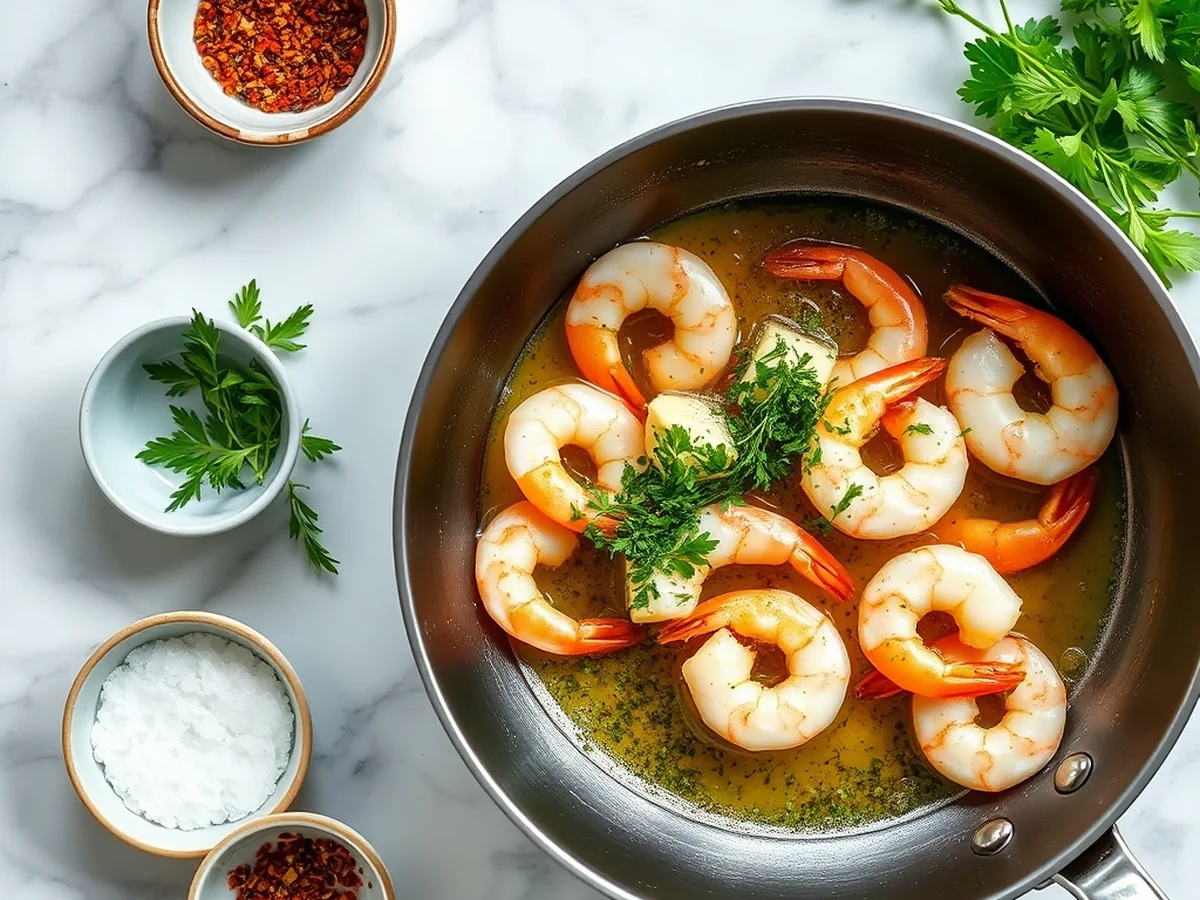
The perfect garlic butter shrimp veggie skillet relies on balancing rich fats with bright, aromatic seasonings to elevate the natural sweetness of the seafood. Using unsalted butter serves as a smart base, allowing you to control the total sodium level of your meal without overpowering the delicate ingredients.
When preparing your aromatics, it is common practice to sauté your minced garlic for approximately 15 seconds. This short window is usually enough to release the fragrant oils while ensuring the pieces do not burn and turn bitter, which can ruin the flavor profile of the entire dish.
Beyond the butter and garlic, a few simple additions can transform the final result. Consider these complementary seasonings to brighten the richness of your skillet:
- Fresh lemon juice added at the very end to cut through the fat.
- Red pepper flakes for a subtle, warming heat that balances the garlic.
- Fresh herbs like parsley or cilantro to add a vibrant, earthy finish.
Always remember that cooking shrimp for too long causes the meat to become rubbery. By adding your seasonings during the final minute of cooking, you ensure the flavors meld perfectly while keeping the shrimp tender and opaque white with pink or red accents. If you find your shrimp starting to curl into a C-shape, this is often considered common guidance that the protein is reaching its ideal level of doneness.
Using Fresh vs Frozen Shrimp
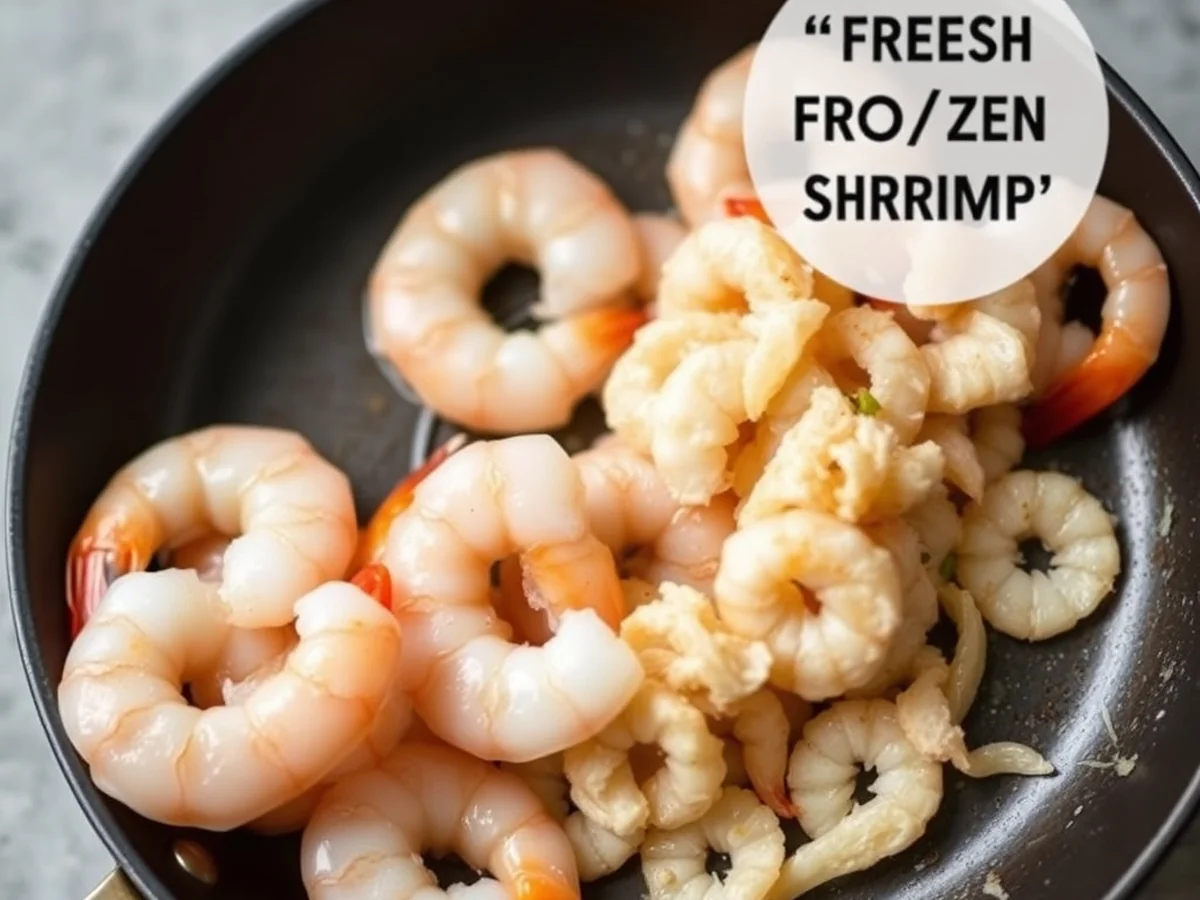
Fresh shrimp offer convenience in prep time, while frozen shrimp require careful thawing and drying to achieve the best sear. Fresh options are ready to cook immediately after cleaning, whereas frozen varieties must be fully thawed to ensure consistent cooking and proper browning in the pan.
| Attribute | Fresh Shrimp | Frozen Shrimp |
|---|---|---|
| Preparation | Ready to cook | Requires thawing |
| Moisture | Lower | Higher |
| Cooking Time | Shorter | Longer |
To ensure frozen shrimp sear correctly rather than steaming, you must remove all excess surface moisture. After thawing, pat the shrimp thoroughly with paper towels until they are completely dry to the touch. This simple step allows them to develop a golden exterior when hitting the hot surface of your cast iron skillet. When adding them to the pan, maintain the heat to prevent the temperature from dropping, which would cause the shrimp to release more liquid and turn rubbery.
Managing the temperature is key when combining proteins with vegetables. Because shrimp cook quickly, it is common practice to sauté your vegetables first until they reach your desired texture. Once the vegetables are nearly finished, push them to the side of the skillet or remove them temporarily. Add the shrimp to the center of the hot pan, ensuring they have enough space to sear without crowding. Per NOAA Fisheries, shrimp are cooked when they turn from translucent to opaque white with pink or red accents, and they typically curl into a C-shape when done correctly.
Storing Leftover Shrimp Skillet
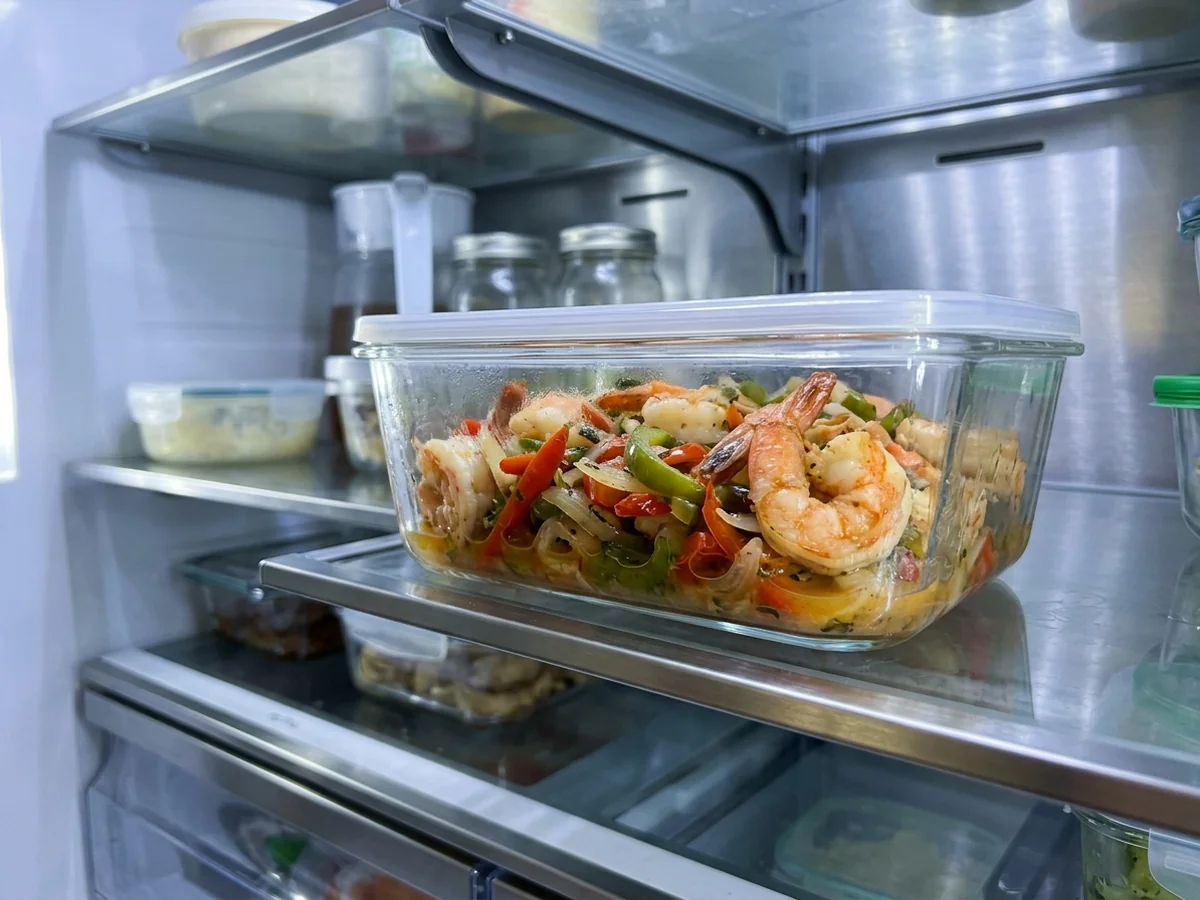
You can store your leftover seafood and vegetable stir-fry in the refrigerator for up to 3 days. Following proper safety protocols ensures your meal remains fresh and safe to enjoy as an easy, nutritious option later in the week.
- Allow the cooked mixture to cool down to room temperature before placing it into an airtight container to prevent a rise in refrigerator temperature.
- Ensure you transfer the leftovers to the fridge promptly, as food should not sit out at room temperature for more than two hours.
- When reheating, use low to medium heat on the stovetop to gently warm the ingredients without overcooking the protein.
- Avoid using a high power setting in the microwave, as excessive heat is a primary cause of rubbery textures in previously cooked seafood.
- Add a small splash of water or extra butter to the pan during the reheating process to maintain moisture levels.
Since cooking shrimp for too long causes the meat to become rubbery, focus on warming the dish through rather than re-cooking it. According to the NOAA Fisheries, shrimp are cooked when they turn from translucent to opaque white with pink or red accents. Gentle reheating preserves that quality, helping you avoid a tough bite. Keep your container sealed tightly to retain the flavor of the garlic butter while the dish is in storage.
Avoiding Overcooked Shrimp Mistakes
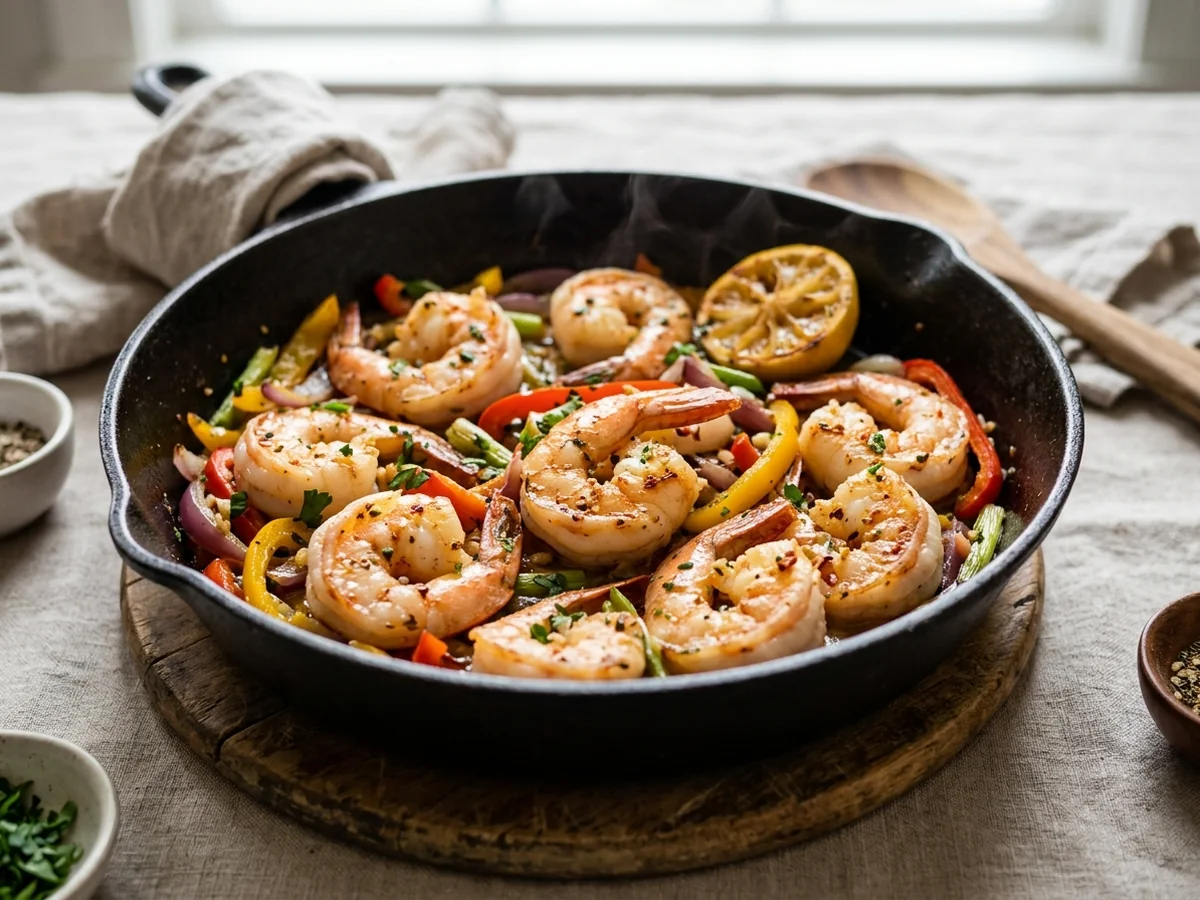
You can achieve perfect texture in an easy shrimp stir fry recipe by focusing on proper heat management and preparation. Preventing common errors ensures your meal remains tender rather than rubbery.
- Always pat your shrimp thoroughly dry with paper towels before adding them to the pan, as excess moisture prevents a proper sear and leads to unwanted steaming.
- Give your seafood plenty of room in the skillet by cooking in smaller batches, which prevents the pan temperature from dropping and ensures the ingredients brown rather than boil in their own juices.
- Wait until the very end of the cooking process to add your minced garlic, as it is common practice to sauté it for only about 15 seconds to prevent the bitter flavor that occurs when it burns.
- Remove the pan from the heat as soon as the shrimp turn from translucent to opaque white with pink or red accents, as cooking them for too long causes the meat to become rubbery.
- Look for the shrimp to curl into a C-shape, which is a common visual cue that they are cooked properly and ready to be served.
FAQ
How do I cook shrimp in a skillet with garlic butter?
To cook shrimp in a skillet, melt your butter over medium heat and add the shrimp in a single layer to ensure even cooking. As a standard practice, sauté the minced garlic for about 15 seconds before adding it to the pan to prevent burning and maintain a balanced flavor.
What vegetables go well with a garlic butter shrimp veggie skillet?
Bell peppers and zucchini are excellent choices for a garlic butter shrimp veggie skillet because they cook quickly and maintain a pleasant texture. Other popular options include broccoli florets, snap peas, or asparagus, which all pair well with the richness of the butter sauce.
Can I cook raw shrimp and vegetables in the same pan?
Yes, you can cook them together, but it is best to sauté your heartier vegetables first until they reach your desired tenderness. Once the vegetables are nearly finished, push them to the side and add the shrimp, as these cook very quickly and require less time in the heat.
How do I know when my shrimp is fully cooked?
According to NOAA Fisheries, shrimp are cooked when they turn from translucent to opaque white with pink or red accents. As a common piece of guidance, you will also notice the shrimp beginning to curl into a C-shape when they are properly done.
What happens if I overcook the shrimp?
Cooking shrimp for too long causes the meat to become rubbery and lose its natural, tender texture. It is important to watch the pan closely and remove the skillet from the heat as soon as the seafood turns opaque.
How long can I store leftover garlic butter shrimp?
Leftover cooked shrimp can be safely stored in the refrigerator for up to 3 days, according to USDA food safety guidance. Ensure you place the leftovers in an airtight container once they have cooled to maintain the best quality.
Conclusion
The final step is to serve your meal immediately while the textures are at their peak. Because cooking shrimp for too long causes the meat to become rubbery, you should remove the pan from the heat the moment the shrimp turn from translucent to opaque white with pink or red accents. If you have any leftovers, remember that they can be safely stored in the refrigerator for up to 3 days. Preparing a garlic butter shrimp veggie skillet is an efficient way to get a nutritious dinner on the table with minimal cleanup. Simply gather your fresh ingredients, monitor your cooking times closely, and enjoy your quick, high-protein meal.
Sources: fisheries.noaa.gov, ask.fsis.usda.gov, staging.southernwv.edu
You might also like: Classic Bacon Egg and Cheese Sandwich