Sweet Pepper Steak: Quick & Savory Dinner
Introduction
Sweet pepper steak is a reliable, high protein meal that balances tender strips of beef with crisp, colorful bell peppers in a savory glaze. You can easily master this quick dinner by focusing on proper meat preparation and efficient stir fry techniques.
This guide provides a straightforward method for preparing this classic dish using flank steak, which is a common cut for pepper steak recipes. You will learn how to achieve tender beef results, select the right ingredients for your sauce, and manage storage safely. Leftover pepper steak can be stored in an airtight container for 3 to 4 days, making it a practical option for your weekly meal planning.
Ingredients for Sweet Pepper Steak
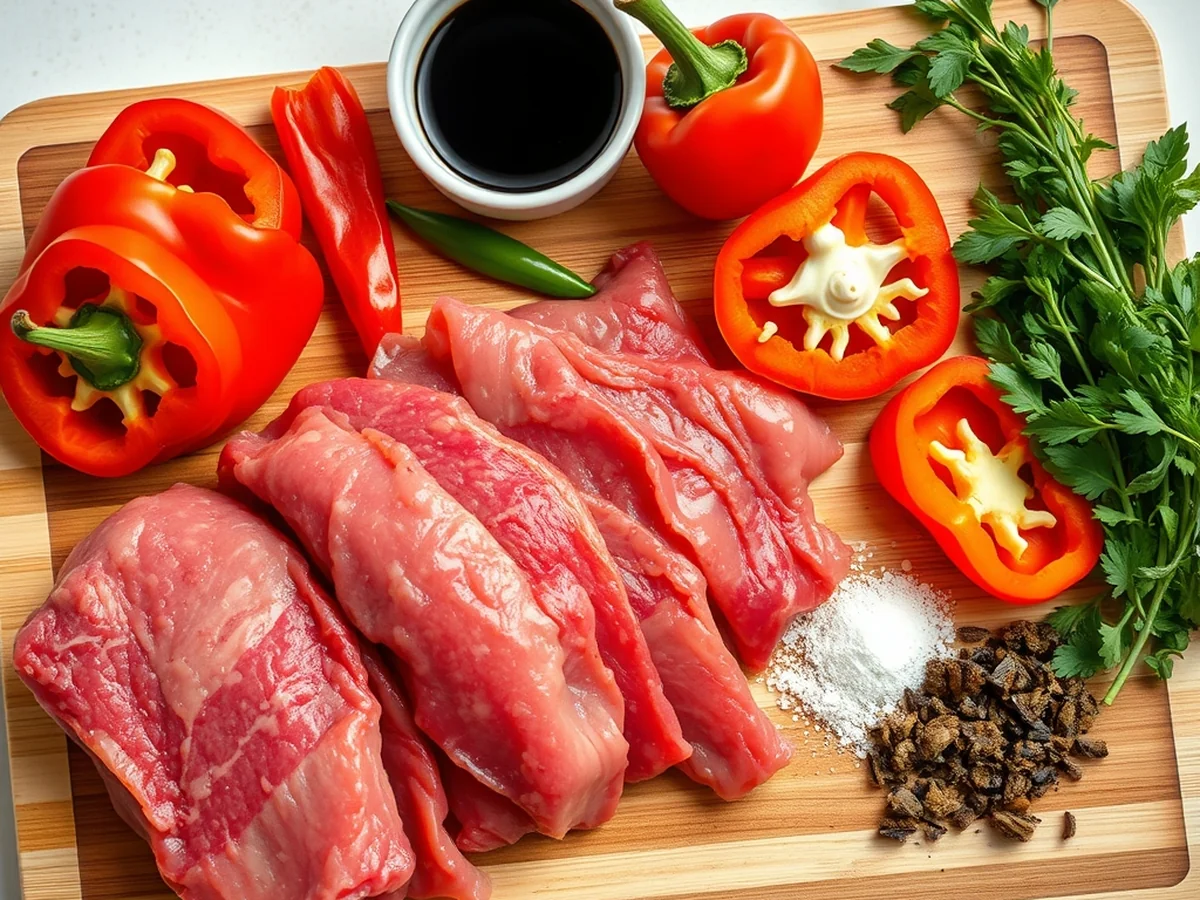
Creating this stir-fry classic requires a few key components to achieve that signature savory profile. Unlike a peppercorn-crusted fillet, this dish centers on thin strips of beef and crisp vegetables tossed quickly over high heat, making it an ideal candidate for a high-protein weeknight meal.
Quality results start with the right protein. Flank steak is a common cut used for these recipes because it absorbs marinades well and cooks rapidly. To ensure the best texture, always slice the meat thinly against the grain, which helps break down tough muscle fibers for a more tender bite.
The flavor base relies on a few essential pantry staples and fresh produce:
- Flank steak or similar lean beef
- Bell peppers in various colors for natural sweetness
- Soy sauce for a salty, umami foundation
- Fresh ginger and garlic for aromatic depth
- Cornstarch to thicken the pan juices into a glossy glaze
Many home cooks incorporate specific techniques to elevate the dish. Common guidance suggests that using a small amount of baking soda in your marinade can help tenderize thin strips of meat effectively. Additionally, some recipes use Kitchen Bouquet, a common browning and seasoning sauce made from fermented vegetables like carrots, cabbage, and turnips, to add richness and a deeper color to the finished meal.
Preparation is the secret to efficiency on busy evenings. By gathering and prepping all these ingredients before you turn on the burner, you ensure the cooking process remains fast and stress-free. Proper mise en place prevents the meat from overcooking while you hunt for spices or chop vegetables.
If you find yourself with extra portions, storage is straightforward. According to the USDA Food Safety and Inspection Service, leftover pepper steak can be stored in an airtight container for 3 to 4 days in the refrigerator. This makes it a practical option for meal prep, allowing you to enjoy a quick, protein-packed dinner later in the week.
Selecting The Best Beef
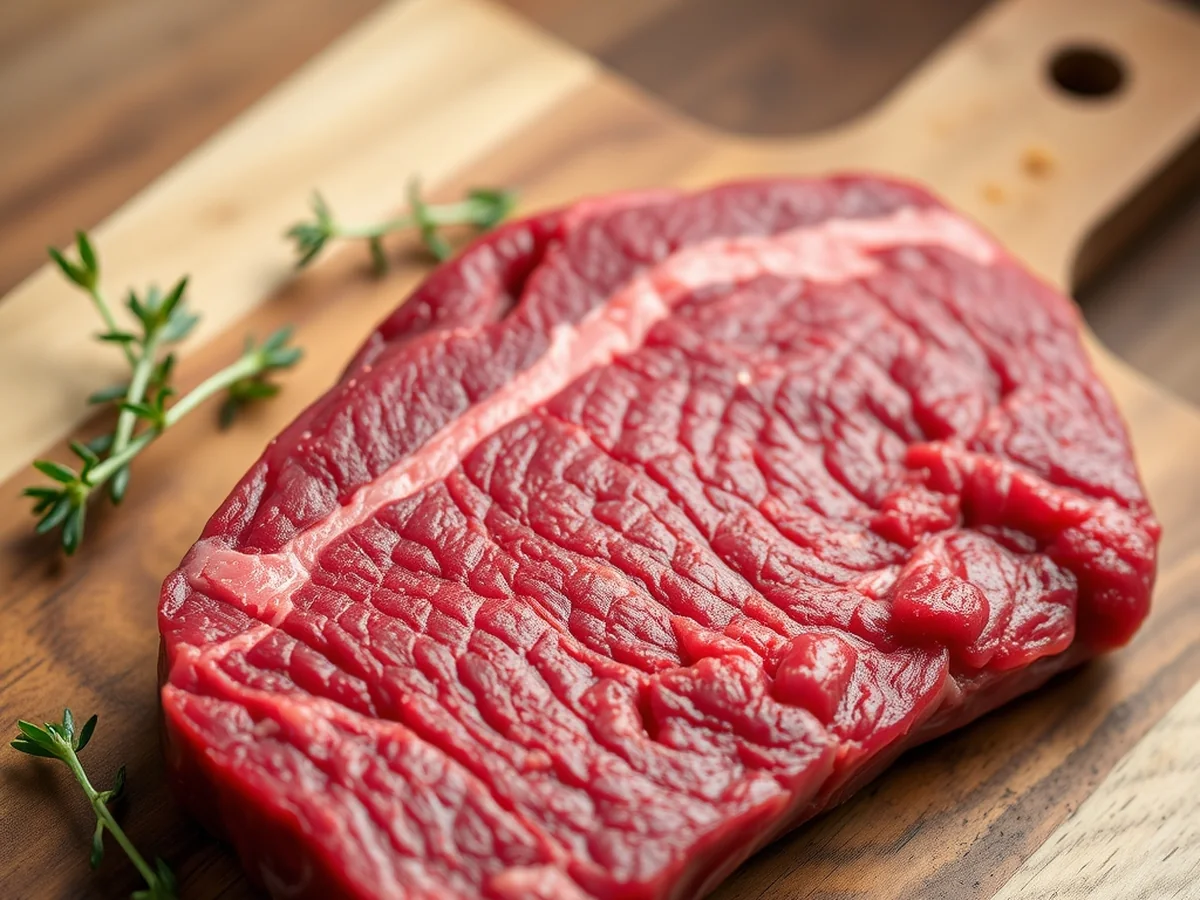
Flank steak is a common cut used for pepper steak recipes due to its lean composition and structural integrity, which holds up well under the high heat required for quick searing. While flank steak is a traditional choice, sirloin is another reliable option for those looking to prepare a sweet pepper steak at home. Sirloin provides a balance of tenderness and robust flavor, making it one of the best beef cuts for stir fry when you need consistent results without excessive preparation.
Mastering The Grain For Tenderness
Regardless of the cut you choose, your preparation technique is the most critical factor for achieving a tender texture. You must slice your beef against the grain, which refers to the direction of the visible muscle fibers running through the meat. By cutting perpendicular to these fibers, you shorten them into smaller, easier to chew segments. To do this, identify the path of the fibers across the surface of the steak, then position your knife at a 90-degree angle to those lines before slicing into thin, uniform strips.
Advanced Tenderizing Techniques
Beyond physical preparation, many home cooks utilize specific ingredients when learning how to tenderize beef for stir fry. Common culinary practices include adding a small amount of baking soda to your marinade, which can help alter the surface pH of the meat to improve tenderness. Some cooks also incorporate Kitchen Bouquet, a browning and seasoning sauce made from fermented vegetables like carrots, cabbage, and turnips, to add depth of color and a savory profile to the strips before they hit the pan. When marinating, keep in mind that leaving very thin meat in a highly acidic or salty mixture for an extended duration may change its texture significantly.
Storage And Safety
Once you have finished cooking your pepper steak with bell peppers, proper storage is essential to maintain food quality. According to the USDA Food Safety and Inspection Service, leftover pepper steak should be stored in an airtight container and can be safely kept in the refrigerator for 3 to 4 days. Always ensure the leftovers are cooled promptly and placed in the refrigerator within two hours of cooking to follow safe food handling practices.
Achieving Perfect Tenderness
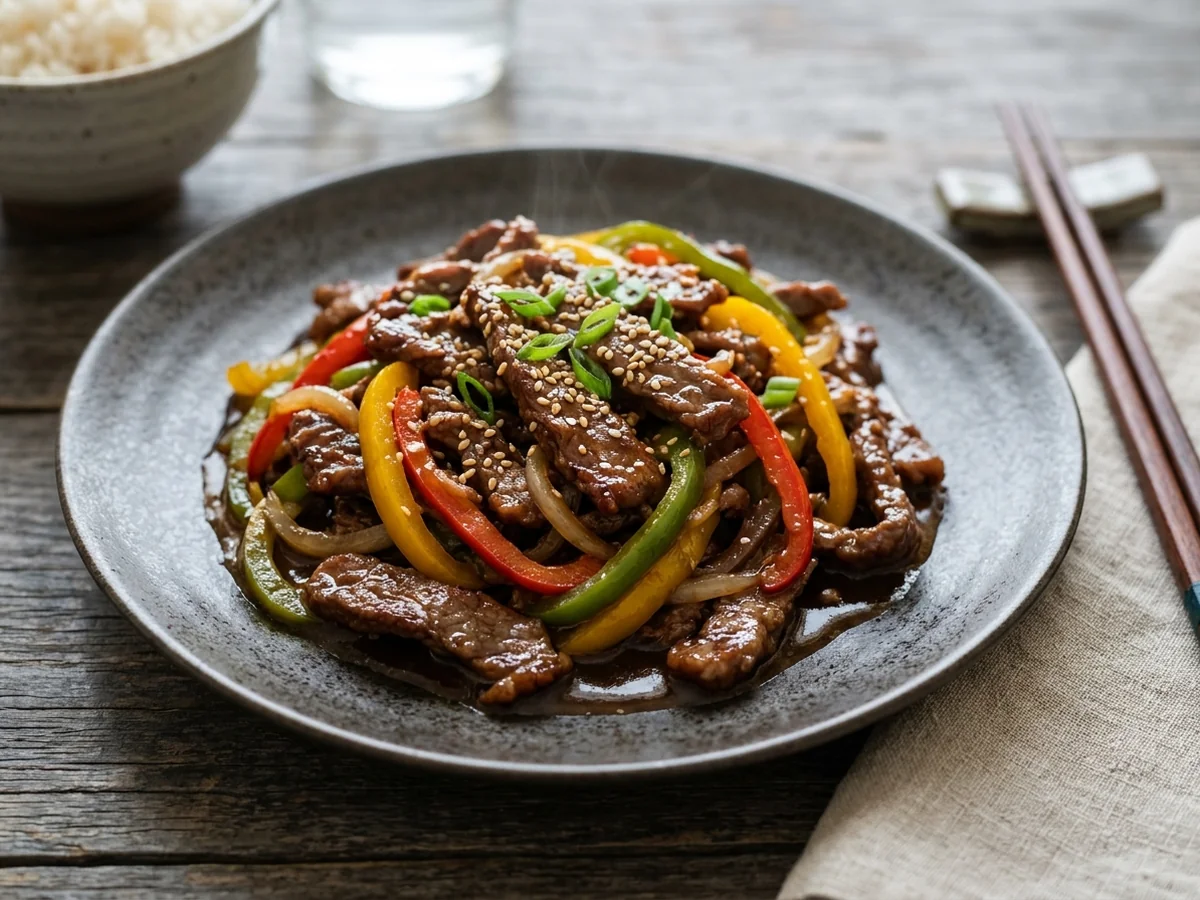
The key to restaurant-style results in a quick skillet meal is velveting or using a short, effective marinade. This process breaks down muscle fibers, ensuring that even lean cuts remain buttery and easy to chew once the high-heat cooking is finished.
When learning how to tenderize beef for stir fry, you will often find that home cooks rely on simple pantry staples. Common practice suggests adding a small amount of baking soda or vinegar to the meat before cooking. These ingredients work to neutralize acidity or break down connective tissues, which significantly improves the final texture of thin strips.
Flank steak is a common cut used for these recipes because of its deep flavor, but it requires careful preparation to avoid toughness. Beyond chemical tenderizers, physical preparation is vital. Always slice your meat against the grain to shorten the muscle fibers, which makes every bite much more manageable.
Cornstarch serves as the final essential component in this preparation method. By coating the strips in a thin layer of this starch, you create a protective barrier that seals in moisture during the quick sear. As the pieces cook, the cornstarch reacts with the liquids in the pan to form a silky, glossy coating that clings to the meat, providing that signature mouthfeel associated with high-quality stir-fry dishes.
- Use a modest amount of baking soda to effectively soften tough fibers.
- Include cornstarch to ensure each piece has a smooth, coated finish.
- Slice your beef against the grain to maximize tenderness before it ever hits the heat.
Once you have prepared your dinner, remember that proper storage is just as important as cooking technique. According to the USDA Food Safety and Inspection Service, leftover portions can be safely stored in an airtight container for 3 to 4 days. This allows you to enjoy your meal while maintaining food safety standards throughout the week.
Crafting The Sauce
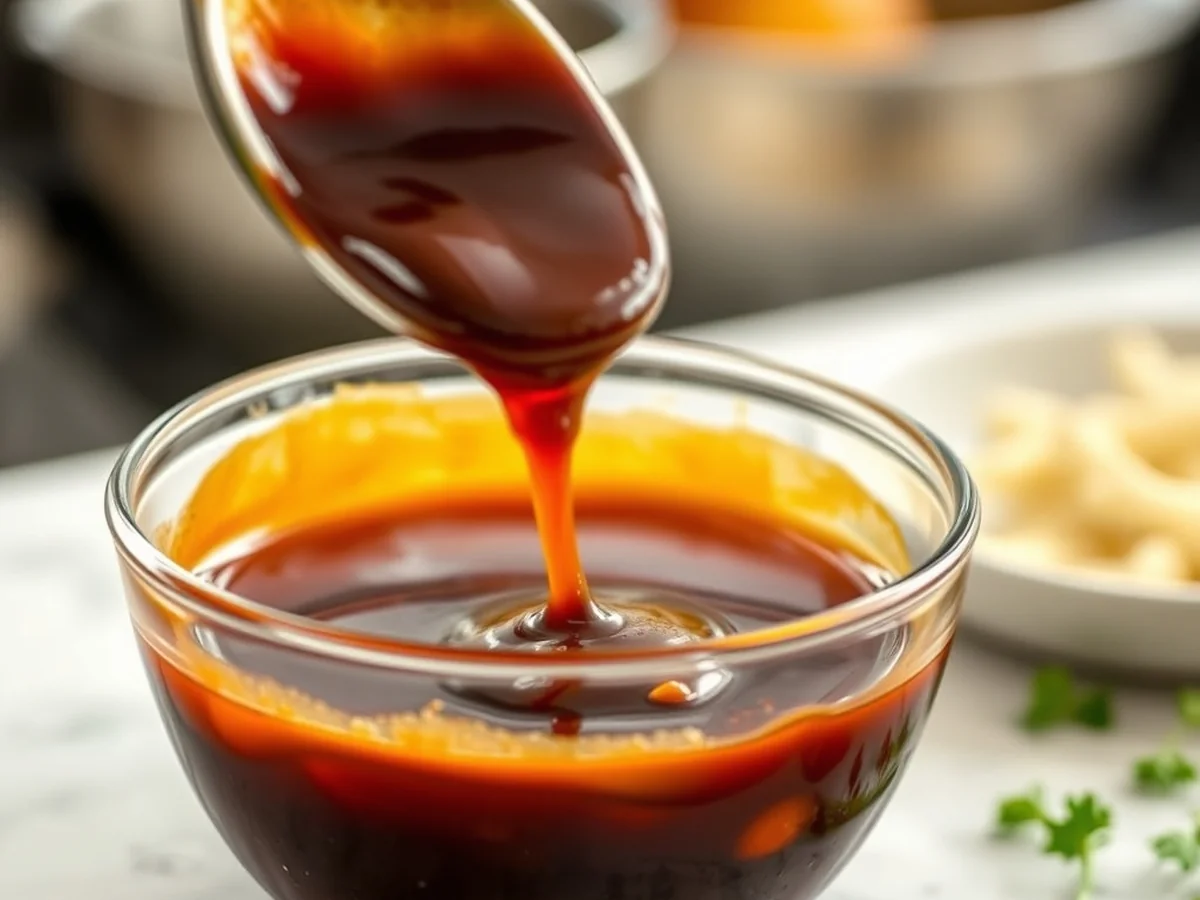
The secret to a balanced sweet pepper steak glaze lies in balancing savory, aromatic, and slightly sweet elements to coat your ingredients perfectly. By layering these flavors, you create a rich coating that highlights the natural juices of your flank steak and the brightness of fresh bell peppers. A well-constructed sauce should cling to the meat and vegetables, providing a consistent flavor profile in every bite.
Building Balanced Flavors
To build a well-rounded sauce, start with a savory foundation. Soy sauce is the standard choice, providing the necessary saltiness that defines the dish. To offset this, incorporate brown sugar or honey to create that signature sweet profile. You can add depth by using freshly minced ginger and garlic, which provide sharp, aromatic notes that cut through the richness of the beef. For those seeking a deeper, mahogany color and complex seasoning, Kitchen Bouquet is a common addition, as it is typically made from fermented vegetables like carrots, cabbage, and turnips.
Achieving the Perfect Consistency
Consistency is just as important as the flavor profile itself. Cornstarch acts as the vital thickening agent, ensuring the mixture clings to the meal rather than pooling at the bottom of the pan. If your glaze seems too thin once the beef and peppers are incorporated, you can adjust it by adding a small amount of extra cornstarch mixed with cold water. This creates a glossy finish that makes the dish look as good as it tastes. Keep in mind that as the sauce simmers, the sugars will caramelize slightly, further deepening the overall flavor.
Storage and Safety
Proper preparation ensures your meal remains satisfying, but proper storage is equally vital for food safety. According to the USDA Food Safety and Inspection Service, leftover pepper steak can be stored in an airtight container for 3 to 4 days. When reheating, ensure the dish reaches a safe internal temperature to maintain quality. By focusing on these techniques, you ensure your dinner is savory and bold, while also adhering to established safety guidelines for handling leftovers.
Mastering The Stir Fry
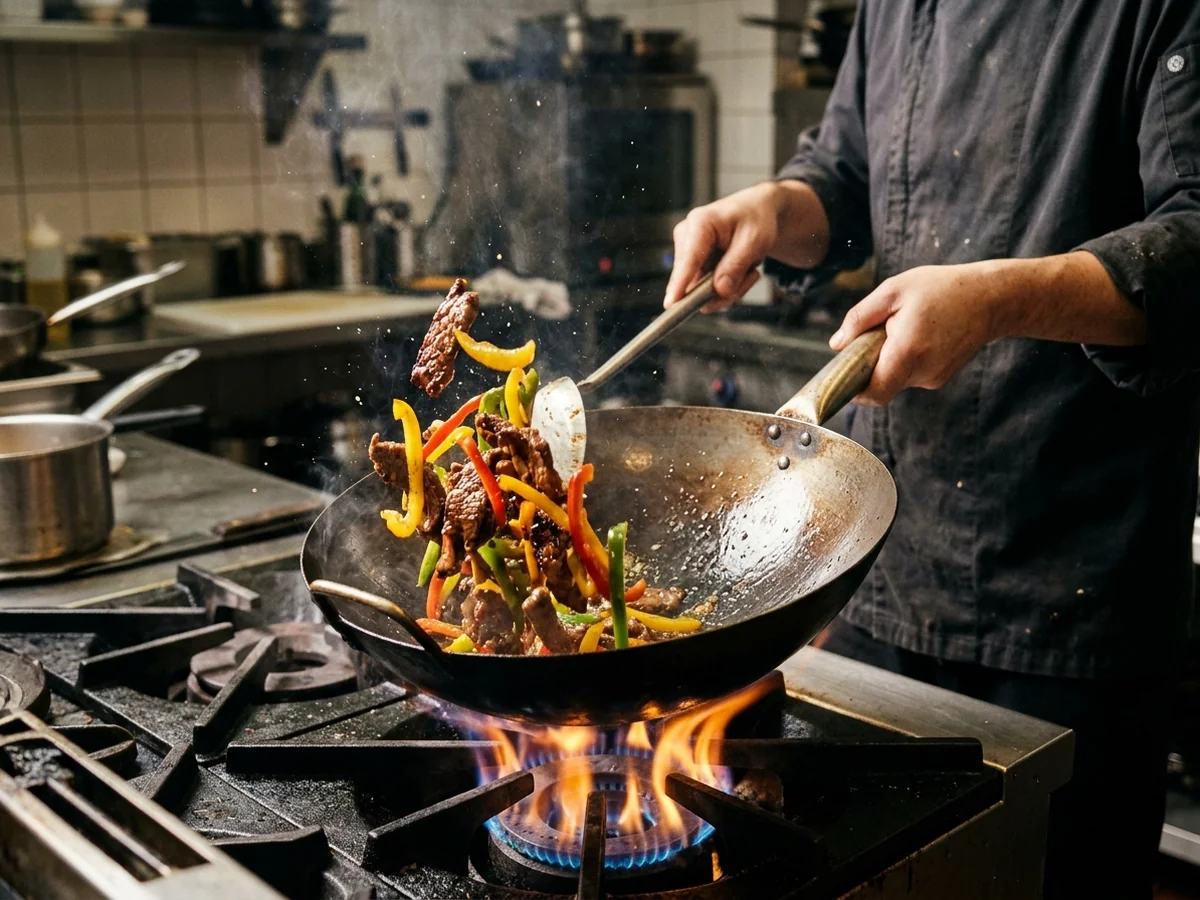
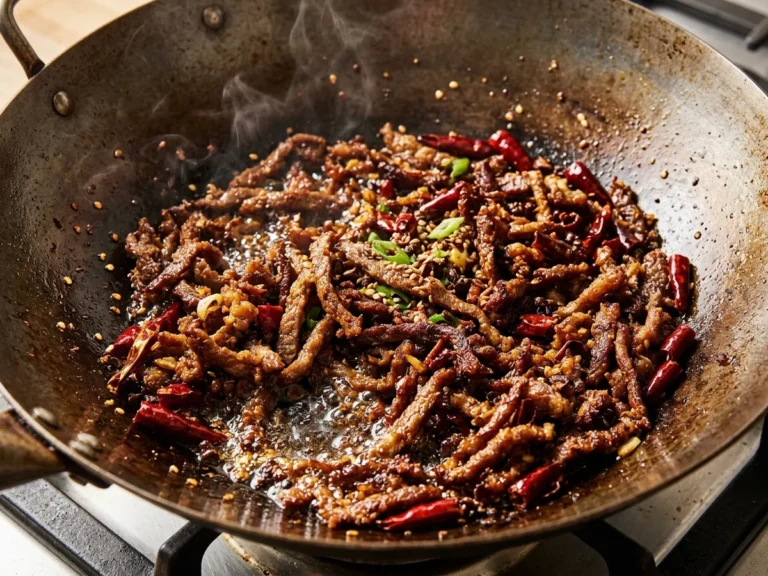
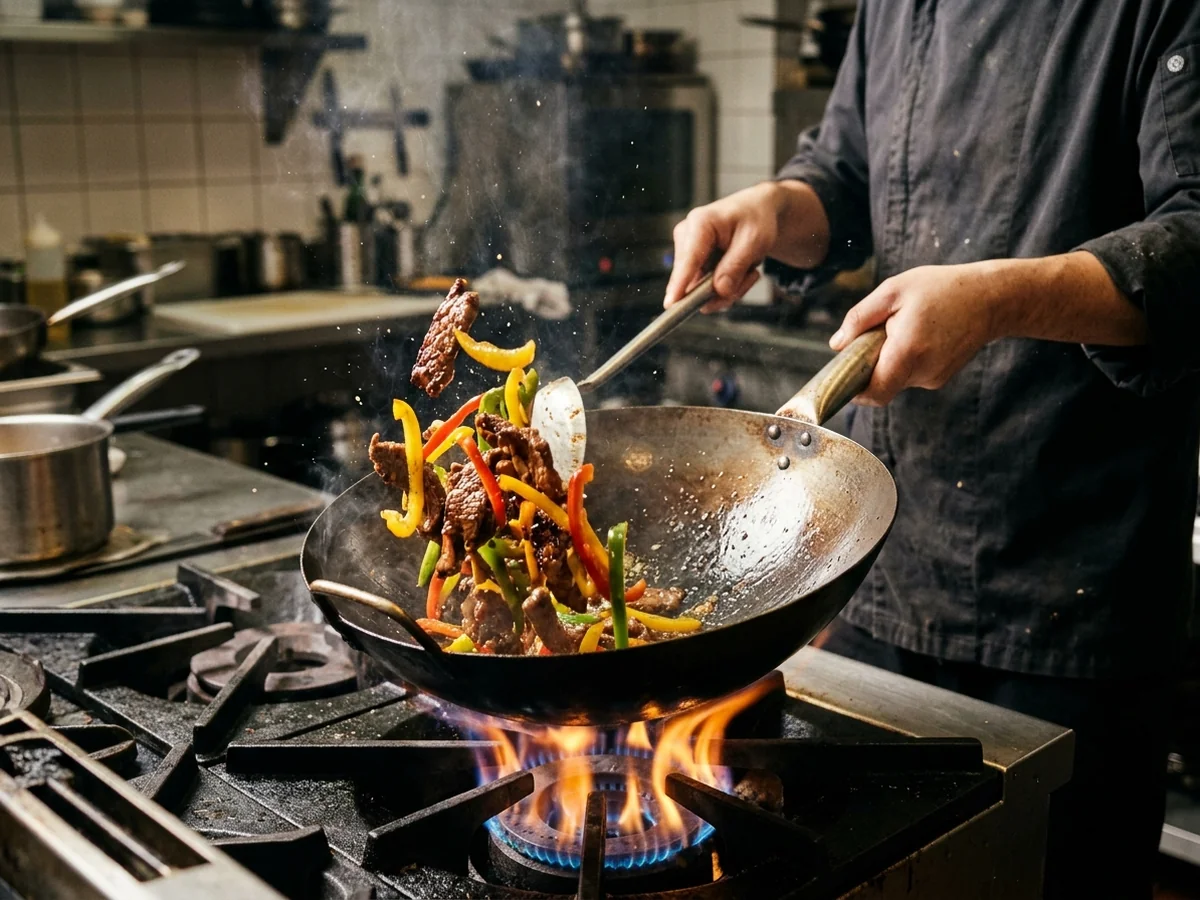
High-heat cooking is the key to achieving a successful sweet pepper steak, as it sears the meat quickly to lock in juices while keeping the interior tender. A scorching pan creates the signature charred edges that define a restaurant-style stir fry.
To master this, ensure your skillet or wok is smoking hot before adding the beef strips. Flank steak is a common cut used for this dish because it cooks rapidly when sliced thin and prepared over intense heat. Avoid overcrowding the pan, as this causes the meat to steam in its own juices rather than developing a proper sear.
Add your bell peppers during the final minutes of cooking to maintain a crisp, vibrant texture. If you toss them in too early, the high residual heat will cause them to turn soft and lose their bright color. Stirring them in right at the end keeps them snappy and adds a fresh contrast to the savory, browned beef.
Safety is essential when working with thin meat, so it is important to ensure your beef reaches an appropriate internal temperature. While thin strips cook almost instantly, you should always verify that the beef is cooked through to a safe level, keeping an eye on the texture and color throughout the process. Using a reliable meat thermometer remains the most accurate way to confirm food safety, as the USDA Food Safety and Inspection Service recommends that all beef reach a safe minimum internal temperature of 145 degrees Fahrenheit with a 3-minute rest time.
- Preheat your pan until a drop of water sizzles and evaporates immediately.
- Slice beef against the grain to ensure the most tender results in every bite.
- Keep your bell peppers uniform in size so they cook at the same rate.
- Have all your ingredients prepped and ready next to the stove, as the cooking process moves very quickly once the heat is high.
Common Sweet Pepper Steak Mistakes
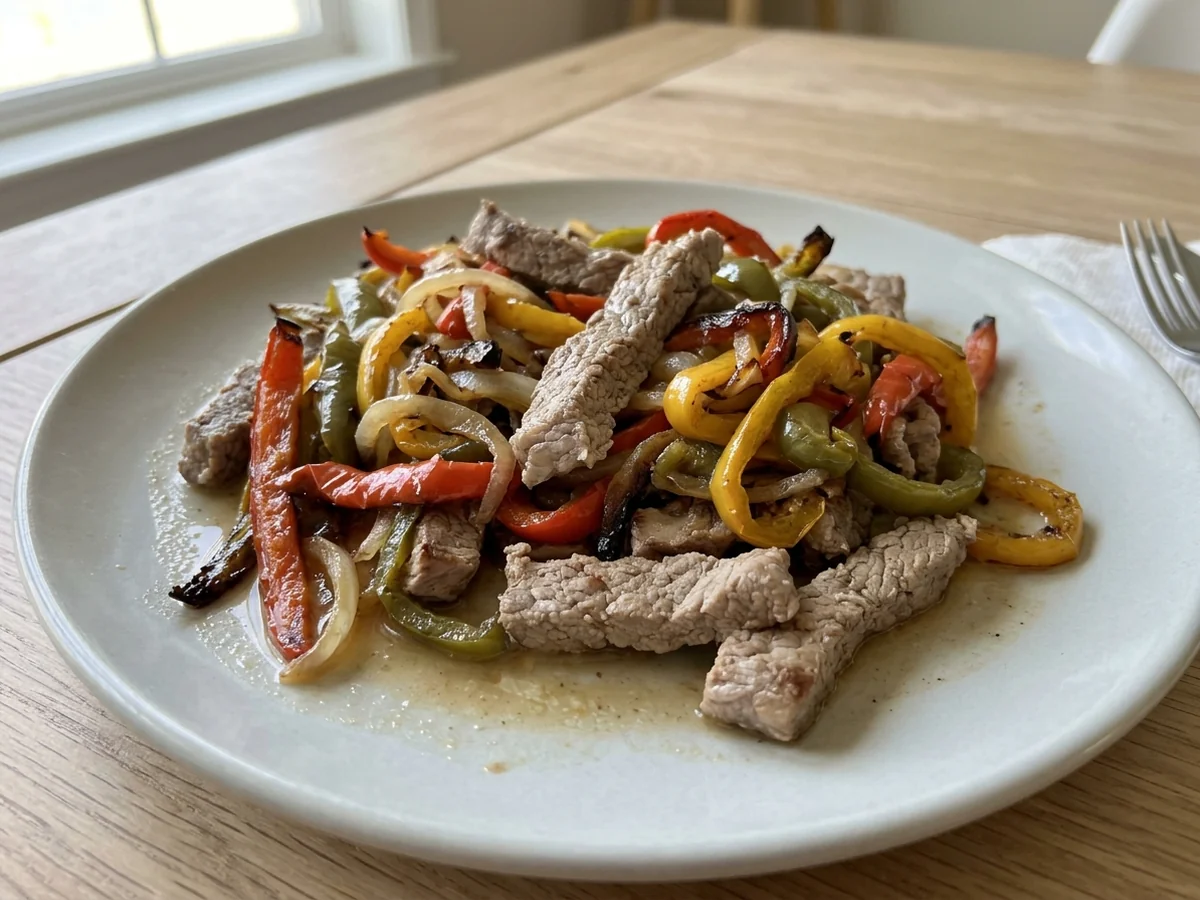
Creating a balanced sweet pepper steak dish is rewarding, but even small oversights during preparation can impact the final texture of the meat and the brightness of the vegetables. Mastering this meal is about controlling heat and understanding how different ingredients react under pressure.
One of the most frequent errors involves how the beef is handled before it ever touches the heat. Flank steak is a common cut used for pepper steak recipes, but it must be prepared correctly to ensure a tender result. Always slice your beef against the grain, which physically shortens the long muscle fibers. If you cut with the grain, the strips will remain chewy regardless of how long you cook them. Beyond slicing, many home cooks look for ways to improve tenderness by incorporating techniques like using a small amount of baking soda or vinegar in their marinade, which can help break down connective tissues in thin strips of meat.
Temperature control is the second major hurdle. When you crowd your pan, you lower the surface temperature rapidly, causing the meat to release its natural moisture. Instead of a hard sear, the beef effectively steams in its own juices, leading to a grey, tough appearance. To prevent this, cook your meat in smaller batches if necessary. Related to this is the mistake of adding all ingredients simultaneously. High heat is essential for quick caramelization, and adding cold vegetables or a large volume of sauce at once will kill that momentum. Aim to sear the beef first, remove it, and then quickly stir fry your bell peppers so they retain their signature snap.
A few additional tips can help elevate your results:
- Color and Depth: Some cooks use Kitchen Bouquet, a seasoning sauce made from fermented vegetables like carrots, cabbage, and turnips, to achieve a richer color and deeper savory profile in the sauce.
- The Pepper Balance: Pepper steak with bell peppers relies on the vegetables being crisp-tender. If you cook them too long, they lose their vibrant color and fresh texture.
- Safety First: If you find yourself with extra portions, the USDA Food Safety and Inspection Service confirms that you can store leftover pepper steak in an airtight container for 3 to 4 days in the refrigerator.
By avoiding these common pitfalls, you ensure that your stir fry remains a quick, high-protein meal rather than a struggle with tough textures or soggy vegetables. Focus on high heat, proper slicing, and managing your pan capacity to achieve that professional, restaurant-style finish in your own kitchen.
Storing Sweet Pepper Steak Leftovers
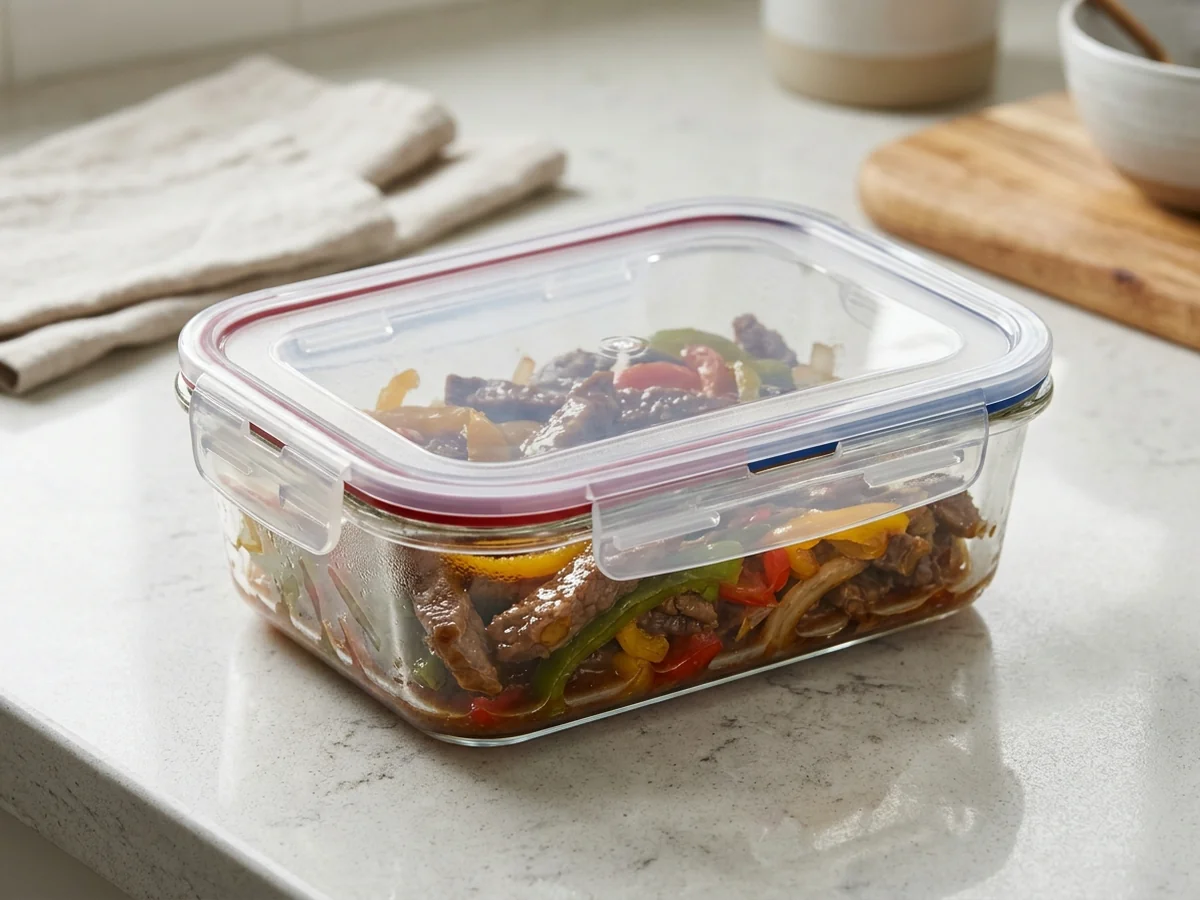
Managing leftovers effectively ensures your meal remains as enjoyable the next day as it was when first served. According to the USDA Food Safety and Inspection Service, leftover pepper steak can be stored in an airtight container for 3 to 4 days. Beyond this window, the quality begins to decline, and the risk of bacterial growth increases, making proper storage timing essential for food safety.
Best Practices for Cooling and Storing
To maintain the best flavor and texture for your meal, allow the dish to cool slightly at room temperature before refrigerating. Do not leave the food out for more than two hours, as bacteria grow rapidly at room temperature. Once cooled, transfer the beef and bell peppers into a shallow, airtight container. This method helps the food reach a safe refrigerator temperature more quickly than a deep container. An airtight seal is crucial because it keeps moisture locked in the sauce while preventing the beef from absorbing odors from other items in your fridge.
Reheating Without Sacrificing Texture
Reheating is the stage where the beef strips are most likely to become tough or rubbery. To avoid this, use a gentle approach that focuses on warming the food through without overcooking the meat. The stovetop is often the most effective method for maintaining quality. Place the leftovers in a pan over low heat and add a small splash of water or broth to help rehydrate the sauce. Stir gently until the mixture is heated evenly.
If you prefer using a microwave, place the beef and peppers in a microwave-safe dish and cover it loosely to trap steam. This keeps the environment moist. Heat the dish in short, 30-second intervals and stir between each cycle. Stirring is vital because it redistributes the heat, preventing the bell peppers from turning into mush while the center of the meat remains cold. This approach helps keep your sweet pepper steak moist and flavorful.
General Kitchen Hygiene
Safe handling starts long before you reach the storage phase. Since recipes often call for flank steak, which requires careful preparation, maintaining high standards of hygiene is a priority in any kitchen. Always wash your hands with soap and warm water before and after handling raw beef. Use a dedicated cutting board for raw meat to prevent cross-contamination with your vegetables. Furthermore, sanitize all knives and surfaces that touch raw beef immediately after use. Keeping raw ingredients separate from ready-to-eat foods in your refrigerator is a simple but effective way to ensure your kitchen remains a safe space for meal prep.
Best Sides for Pepper Steak
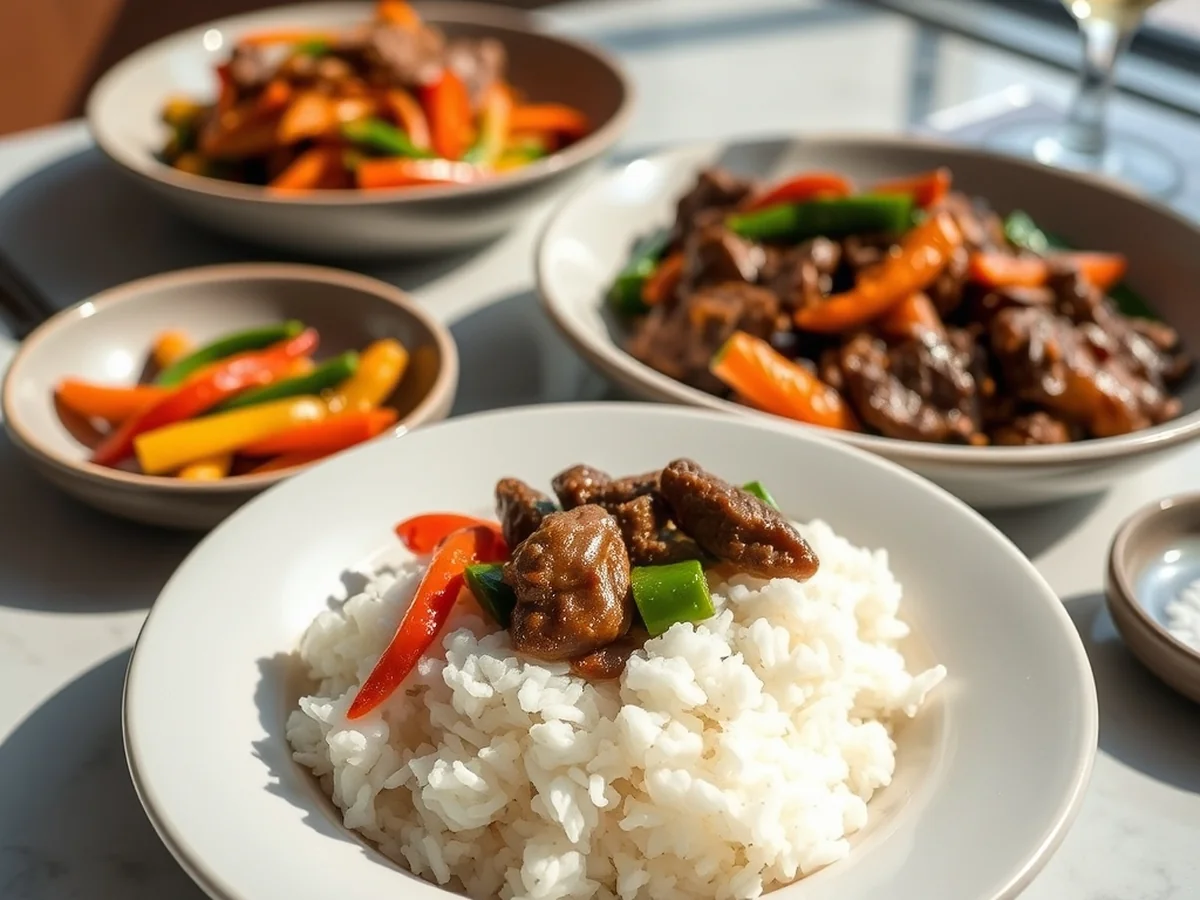
Because pepper steak with bell peppers features a rich, savory glaze, the best side dishes act as a neutral canvas. Steamed jasmine rice or thin noodles are ideal because they readily absorb the sauce, ensuring no flavor is wasted. If you prefer a lower-carb option, cauliflower rice or a simple stir-fry of snap peas and carrots provide a satisfying crunch that complements the tender strips of beef.
Balancing Flavors and Textures
To cut through the intensity of a savory soy sauce glaze, acidity is your best tool. A fresh, crisp side salad featuring cucumber, radish, or a light cabbage slaw adds a necessary brightness to the meal. The contrast between the hot, high-protein stir-fry and a cold, vinegary salad creates a more balanced dining experience that prevents the meal from feeling too heavy.
Finishing Touches for Presentation
You can elevate a home-cooked meal with simple garnishes that improve both the flavor and the visual appeal of your sweet pepper steak. Consider these finishing techniques before serving:
- Sprinkle fresh sliced green onions over the top to introduce a sharp, biting contrast to the mellowed aromatics of the sauce.
- Add a light dusting of toasted sesame seeds to provide a subtle nuttiness that pairs well with ginger and garlic.
- Drizzle a small amount of toasted sesame oil over the finished bowl to enhance the dish’s aroma just before it reaches the table.
Storage and Food Safety
Properly handling your leftovers ensures the quality of the beef remains high for your next meal. According to the USDA Food Safety and Inspection Service, leftover pepper steak should be stored in an airtight container and kept in the refrigerator for 3 to 4 days. When reheating, ensure the dish is heated thoroughly until it is steaming throughout. Avoid leaving the stir-fry at room temperature for extended periods, as this increases the risk of bacterial growth. By choosing light, crisp sides and following these safety guidelines, you can enjoy a quick weeknight dinner that is as practical as it is delicious.
FAQ
What cut of meat is best for sweet pepper steak?
Flank steak is a common cut used for these recipes due to its lean texture and ability to absorb savory marinades. Slicing this cut against the grain is an essential step to ensure the meat remains easy to chew after a quick sear in the pan.
How do you make beef tender for a stir fry?
A common technique to tenderize thin strips of meat involves using baking soda or vinegar in your marinade. Many home cooks also incorporate ingredients like soy sauce, ginger, and garlic to enhance the flavor while the meat rests before cooking.
What is the purpose of browning sauce in this dish?
Kitchen Bouquet is a common browning and seasoning sauce made from fermented vegetables like carrots, cabbage, and turnips. It is often used to add a deeper color and a subtle savory complexity to the sauce, which typically features bell peppers.
How should leftovers be stored safely?
According to the USDA Food Safety and Inspection Service, leftover sweet pepper steak can be stored in an airtight container for 3 to 4 days. Always refrigerate your meal promptly to maintain quality and follow food safety standards for chilled leftovers.
Can I use other vegetables in this recipe?
While bell peppers are the signature component of this dish, you can easily add other quick-cooking vegetables like snap peas or broccoli. These additions pair well with the sauce and maintain the integrity of a fast weeknight meal.
Conclusion
The best way to enjoy your dinner is to serve it immediately while the vegetables maintain their crisp texture and the beef remains tender. If you have leftovers, store them in an airtight container for 3 to 4 days. Preparing a fresh batch of this dinner is a straightforward process that rewards you with a high protein meal in under 30 minutes. Gather your ingredients, slice your flank steak against the grain, and get cooking tonight.
Sources: fsis.usda.gov, training.jacksonms.gov
You might also like: Classic Bacon Egg and Cheese Sandwich