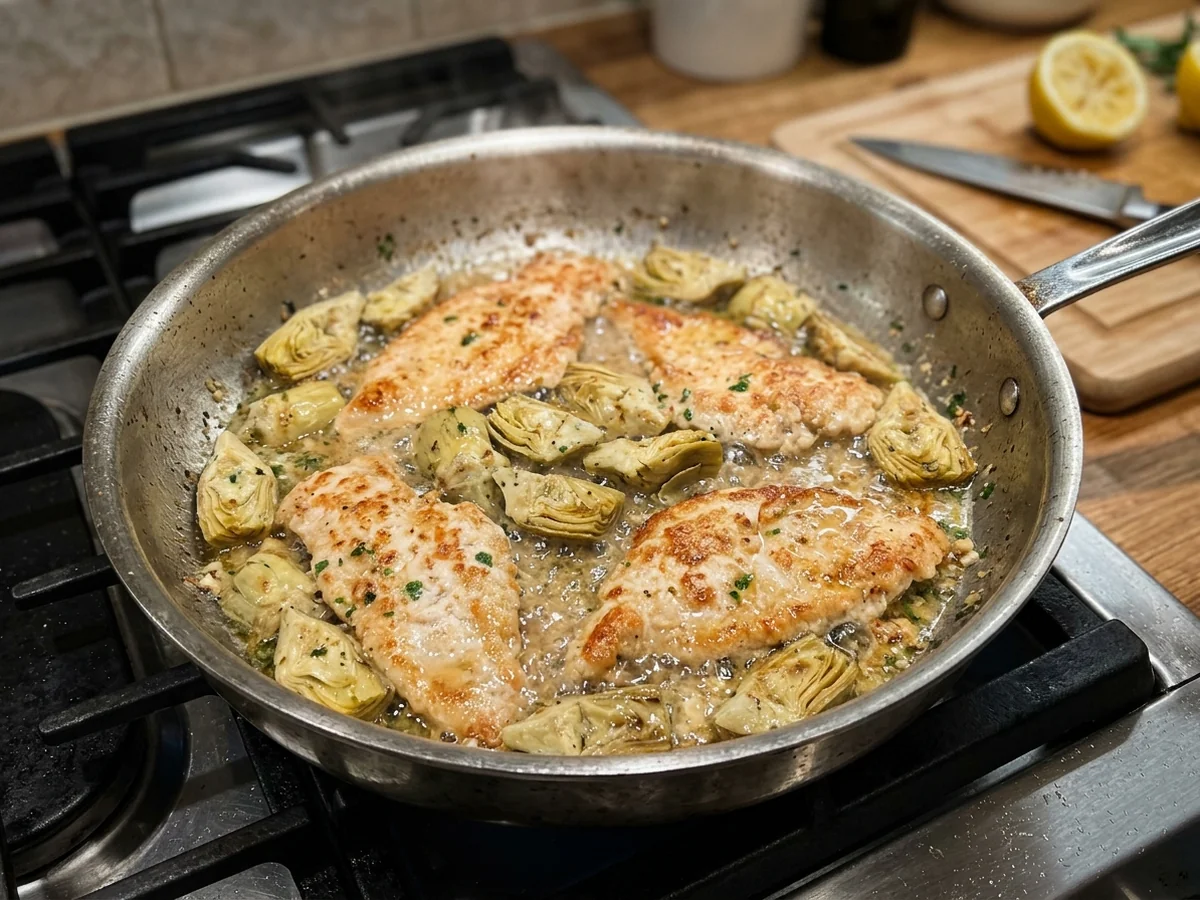
Chicken Cutlets with Artichoke Hearts in White Wine Garlic Sauce
Introduction
You can prepare tender chicken cutlets with artichoke hearts by quickly pan-searing the meat and simmering it in a bright, fragrant sauce. This dish combines succulent chicken breast with earthy artichoke hearts to create a balanced meal that works perfectly for a quick weeknight dinner.
This guide covers everything you need to master this simple preparation, including tips for selecting the right dry white wine and managing your ingredients for the best flavor. You will find a straightforward, step-by-step method to build a savory white wine garlic sauce that ties the entire dish together. We also provide guidance on how to properly prepare your artichoke hearts and maintain the ideal moisture in your chicken cutlets, ensuring a reliable result every time you cook.
Recipe Overview
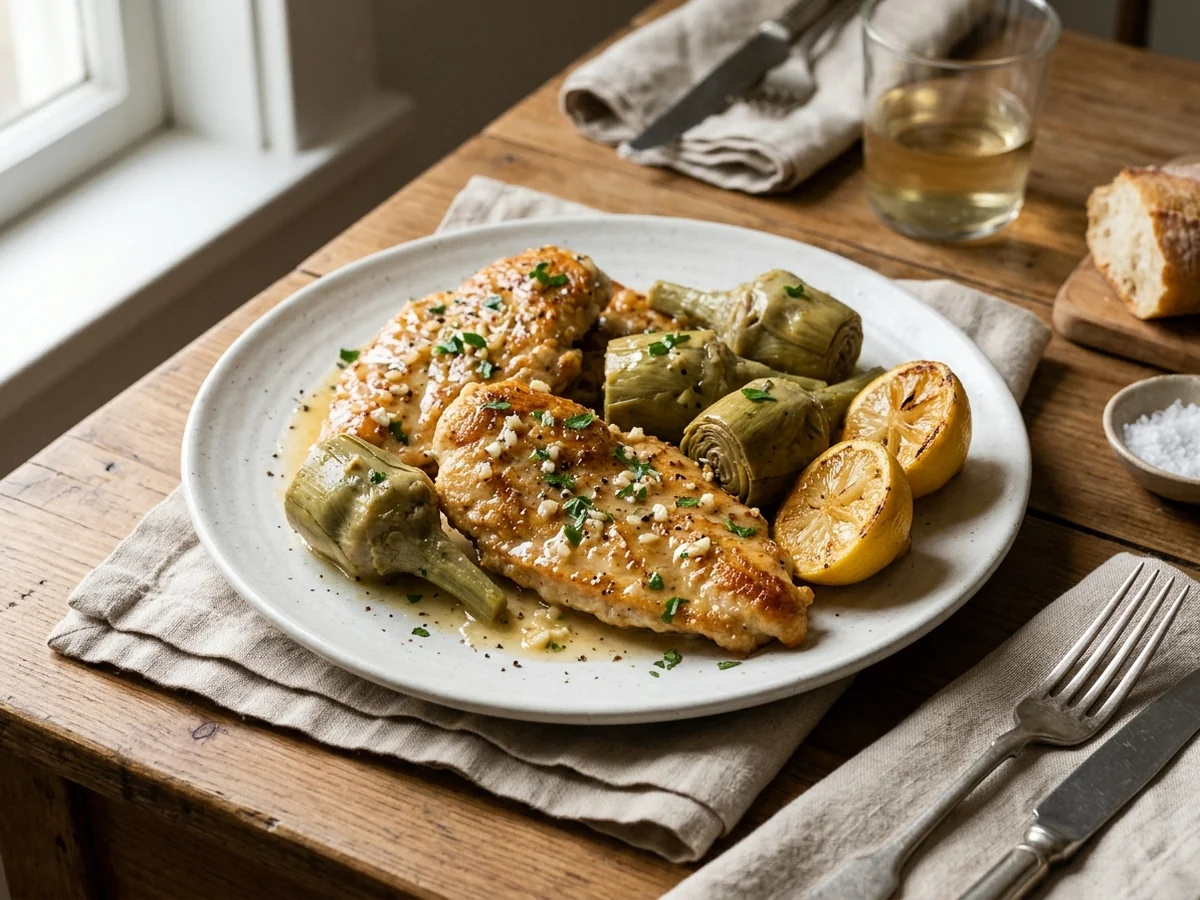
This dish pairs lean poultry with the earthy, tangy profile of artichoke hearts to create a balanced meal that emphasizes both protein and bright Mediterranean flavors. The combination relies on the simplicity of pan searing to lock in juices, while the white wine and garlic sauce provides a complex, savory finish without needing hours of preparation. Pan seared chicken cutlets with artichokes represent a foundational skill for any home cook, turning simple pantry staples into a cohesive, restaurant-style dinner.
Selecting Ingredients for Success
The quality of your sauce depends on your choice of wine. When preparing a white wine garlic sauce for chicken, reach for a dry, crisp variety such as Pinot Grigio or Sauvignon Blanc. Avoid cooking wines found in the vinegar aisle, as these often contain added sodium. Regarding artichoke hearts, canned varieties packed in water are generally easier to control for saltiness than marinated versions. If you use marinated hearts, rinse them thoroughly to prevent the oils and spices from overpowering the delicate pan reduction.
Mastering the Technique
The preparation is streamlined to minimize cleanup and maximize efficiency. Common practice for this type of meal often includes dredging the chicken breast lightly in all purpose flour. This step creates a golden crust that helps the sauce cling to the meat rather than sliding off. Once the chicken is browned, remove it from the skillet to prevent overcooking while you build the sauce using the browned bits left in the pan. Deglazing with wine and adding aromatics like fresh garlic creates the necessary depth. Capers are frequently used to add a salty, briny pop that cuts through the richness of the wine reduction.
Common Preparation Mistakes
One frequent error is overcrowding the pan, which causes the chicken to steam instead of sear, resulting in a pale exterior. For the best results, cook your cutlets in batches to maintain high heat. Another common pitfall is adding the lemon juice or fresh parsley too early. These ingredients are heat-sensitive and provide a necessary acidic lift and brightness that is best preserved by stirring them in just before serving. This approach ensures you maintain a high standard for your daily nutrition, transforming quick, high-protein ingredients into a satisfying, intentional meal that fits perfectly into a busy weeknight schedule.
Essential Ingredients
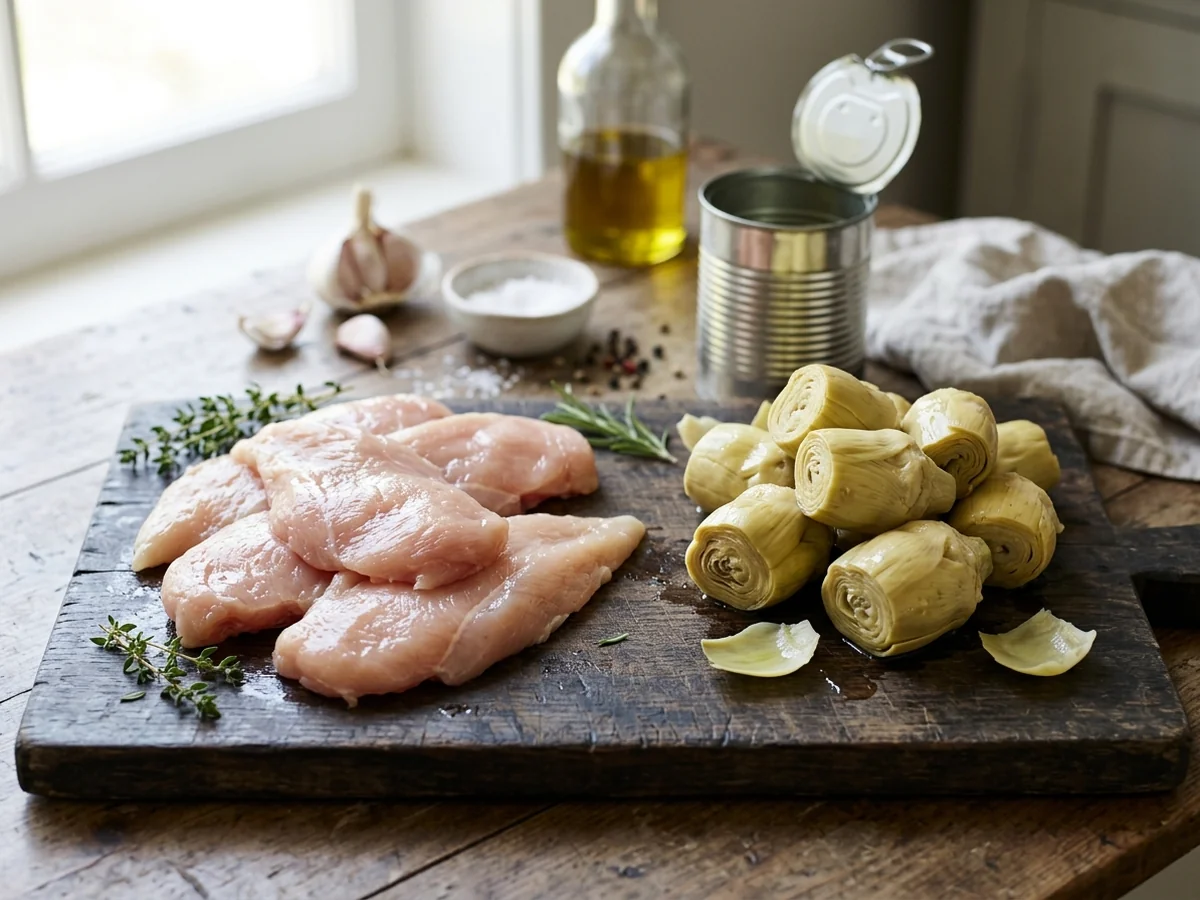
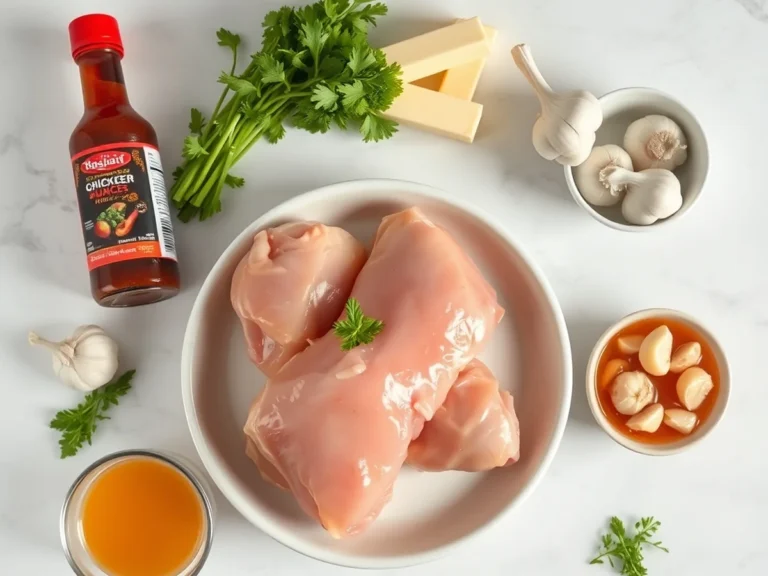
Creating this flavorful meal relies on selecting high-quality proteins and balanced pantry staples that build a cohesive, bright pan sauce. Focus on sourcing fresh components and simple, shelf-stable items to ensure consistent results every time you prepare this dish.
- Select thin, uniform chicken breast cutlets to ensure even cooking and faster searing times.
- Choose plain canned artichoke hearts packed in water rather than marinated versions to maintain better control over the final saltiness of your dish.
- Use a dry white wine such as Pinot Grigio or Sauvignon Blanc to provide the necessary acidity for the deglazing process.
- Incorporate fresh garlic, minced finely, to provide a pungent, savory base for the liquid reduction.
- Add fresh lemon juice right at the end of the cooking process to brighten the flavors and cut through the richness of the pan sauce.
- Finish the plate with a generous handful of fresh parsley, which adds a clean, herbaceous note that balances the garlic and wine.
When selecting your white wine, avoid bottles labeled as cooking wine, as these often contain high levels of sodium and additives that can ruin a delicate sauce. A crisp, dry table wine is sufficient and provides a cleaner flavor profile. If you choose to use marinated artichoke hearts, be sure to rinse them thoroughly under cold water to remove excess oil and seasonings before adding them to the pan.
For the chicken, some home cooks prefer to dredge the pieces in a light coating of all-purpose flour before searing. This practice helps the meat develop a golden-brown crust while thickening the sauce slightly as the liquids reduce. Always ensure your pan is hot enough before adding the poultry to achieve a proper sear. Keeping these ingredients organized and prepped before you turn on the stove will make the cooking process much more efficient.
Selecting Dry White Wine
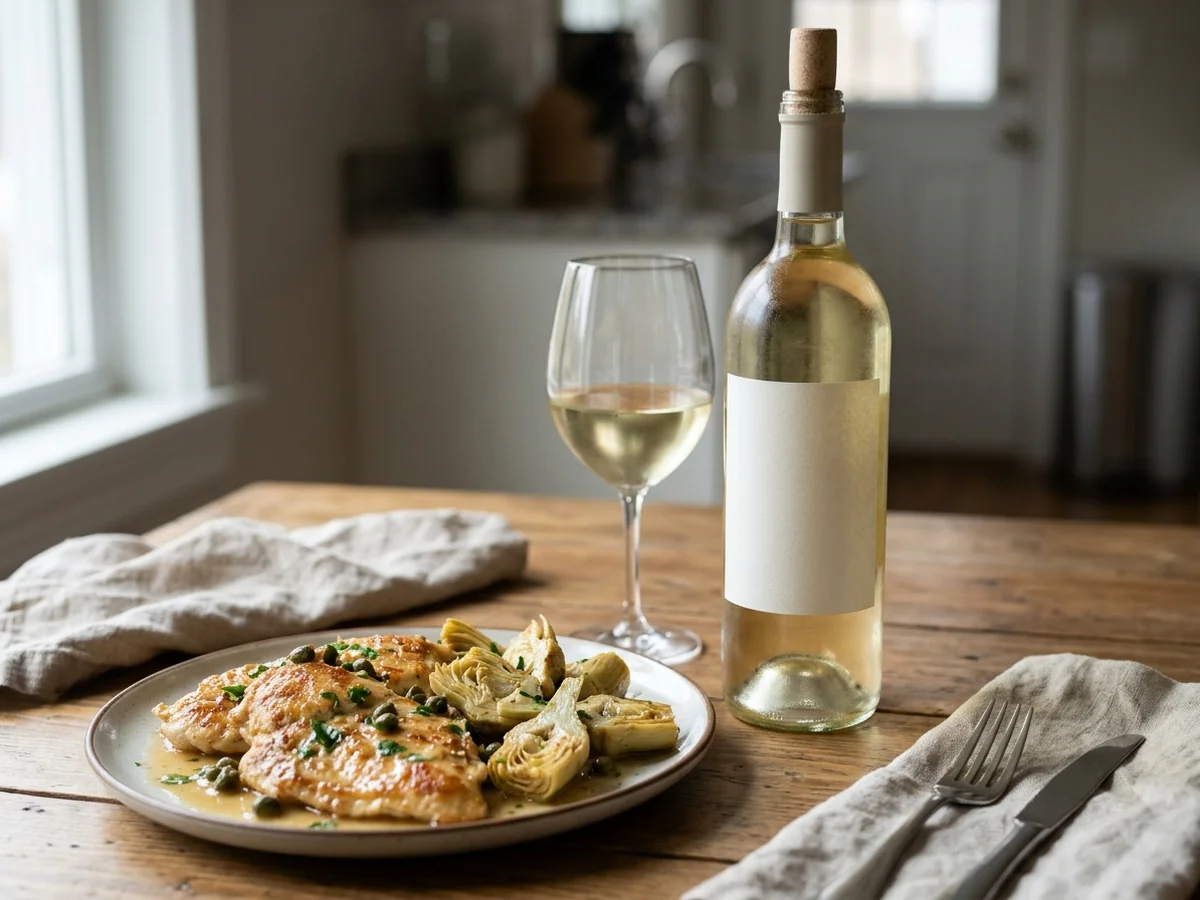
The secret to a balanced white wine garlic sauce for chicken lies in selecting a bottle that provides bright acidity without residual sugar. When you reduce wine in a hot pan, its acidity serves as a crucial bridge between the savory elements of the chicken breast and the unique, slightly earthy profile of the artichoke hearts. A high-acid, dry wine helps cut through the richness of the extra virgin olive oil used for searing, ensuring the final dish feels vibrant and cohesive rather than heavy or cloying.
To achieve the best results, focus on crisp, dry varietals that lack sweetness. These wines offer a clean, neutral backbone that allows aromatics like garlic, fresh lemon juice, and chopped parsley to take center stage. Avoid wines labeled as sweet, such as Moscato or Riesling, as their sugar content will caramelize too quickly and interfere with the delicate balance of your pan sauce.
Consider these varieties for your next meal:
- Pinot Grigio: Known for its light, zesty, and highly neutral profile, this is an excellent choice for a delicate pan sauce that does not overwhelm the other ingredients.
- Sauvignon Blanc: This variety brings a slightly herbaceous quality and higher acidity, which pairs beautifully with the natural flavors of the artichoke hearts.
- Dry Unoaked Chardonnay: If you prefer more body, look for an unoaked version to ensure the wine provides acidity without the bitterness or vanilla notes that oak aging can impart.
A common mistake is using products explicitly labeled as cooking wine. These items frequently contain added salt and preservatives that concentrate significantly during the reduction process, often resulting in a dish that is unpleasantly briny. Always select a drinkable, dry white wine that you would personally enjoy serving in a glass. If you would not drink it, you should not cook with it, as the concentration of flavors during cooking will only amplify the characteristics of the wine you choose. For the best pan seared chicken cutlets with artichokes, aim for a mid-range bottle that promises a crisp finish and clean flavor profile.
Preparing Artichoke Hearts
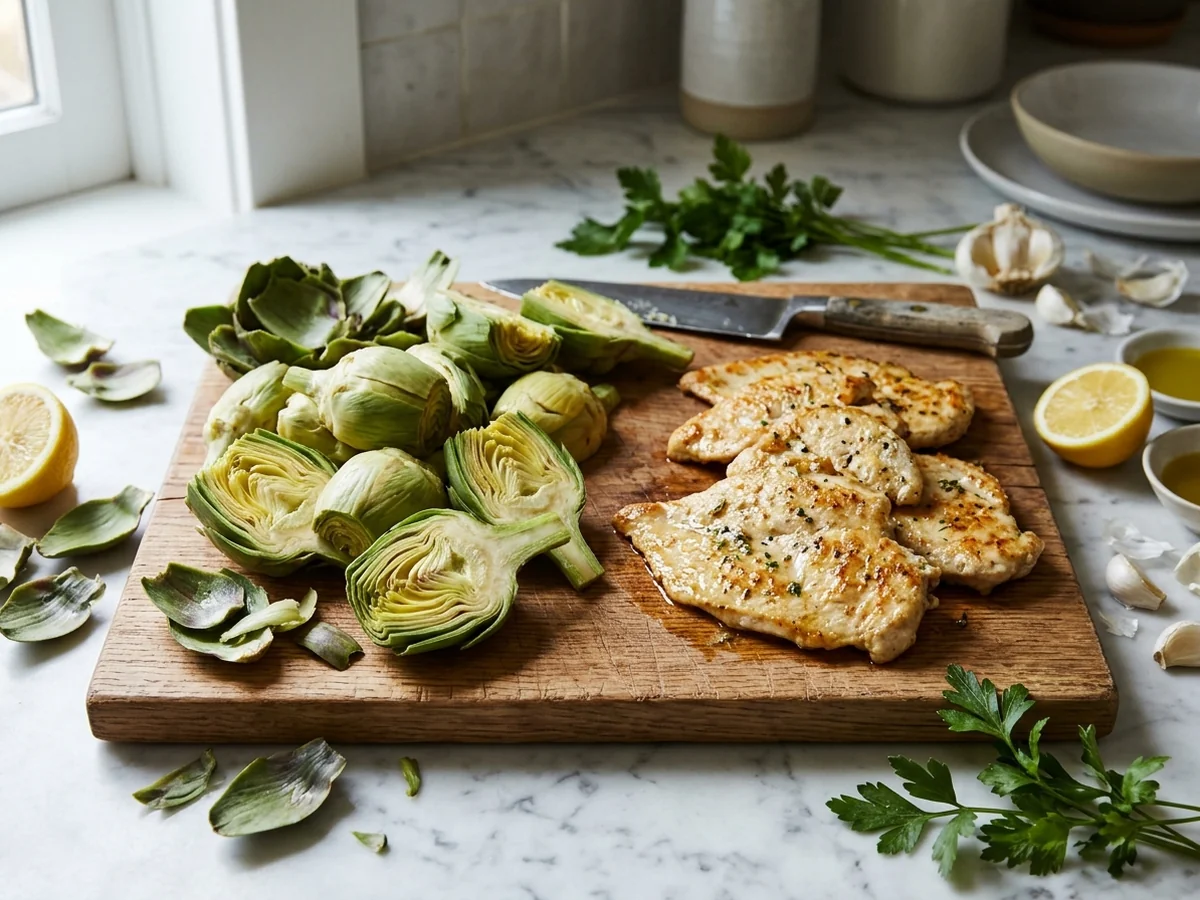
Properly prepping artichoke hearts is essential for creating balanced, professional-grade easy artichoke heart chicken recipes. Because these vegetables are often preserved in oil or heavy brine, they can easily overpower a delicate pan sauce with excess salt or greasy textures. Taking a few moments to handle them correctly before cooking makes a noticeable difference in the final quality of your pan seared chicken cutlets with artichokes.
Selecting and Cleaning Your Artichokes
When selecting your ingredients, decide between jarred marinated hearts, which offer pre-seasoned flavor, or canned hearts packed in water, which provide a neutral base. If using marinated hearts, rinse them thoroughly under cool, running water. This step is critical for controlling the sodium content of your white wine garlic sauce. After rinsing, pat the hearts completely dry using clean paper towels. Excess moisture on the surface of the artichokes prevents them from achieving a nice sear and can dilute the flavor of your sauce as it reduces in the pan.
Trimming for Texture
Before adding the artichokes to your skillet, inspect them for any remaining tough or fibrous leaves at the base. These parts can be woody and detract from the tender experience of the chicken breast. Once cleaned, slice the hearts into halves or quarters. Smaller, uniform pieces increase the surface area, allowing them to absorb more of the aromatics like garlic and lemon juice while ensuring they cook evenly alongside the poultry. If you prefer a heartier bite, keep them in larger chunks, but ensure they are consistent in size so every piece finishes at the same time.
When you handle these vegetables with care, they integrate seamlessly into the skillet. By draining, drying, and trimming, you prevent unwanted liquid from breaking your sauce emulsion. This preparation method ensures that your final dish remains concentrated, flavorful, and perfectly seasoned, providing a bright, acidic contrast to the savory, golden-brown chicken.
Cooking Chicken Cutlets

Achieving perfectly tender meat featuring a golden crust and savory vegetables requires precise heat management and a light, consistent flour coating. Because cutlets are thin by design, they cook rapidly, making it essential to monitor the pan closely to keep the meat juicy and avoid the common pitfall of drying out the protein. When learning how to cook chicken cutlets with vegetables, the goal is to develop a crisp exterior while maintaining a tender center.
Mastering the Dredge and Sear
To prepare your chicken cutlets with artichoke hearts, follow these steps for a professional result:
- Pat each chicken breast dry with paper towels before seasoning. Moisture on the surface prevents the flour from adhering, which can lead to a gummy texture instead of a crisp crust.
- Dredge the cutlets in a thin layer of all purpose flour. Shake off any excess thoroughly. A light coating is vital, as heavy flour creates a doughy barrier that prevents even browning.
- Heat a generous swirl of extra virgin olive oil in your skillet over medium-high heat. The oil should shimmer but not reach its smoke point.
- Place the cutlets in the skillet in a single layer. Do not crowd the pan, as overcrowding lowers the temperature and causes the chicken to steam rather than sear.
- Cook each side for approximately three minutes. If the exterior browns too quickly, lower the heat slightly to ensure the interior reaches a safe temperature without burning the crust.
Selecting and Preparing Artichokes
When incorporating artichoke hearts into your meal, the type of preserve matters. Jarred artichokes marinated in oil often add extra salt and acidity to the dish, while canned versions packed in water are more neutral. If using marinated artichokes, drain them well and consider rinsing them if you prefer a milder flavor. Adding them toward the end of the cooking process prevents them from becoming mushy, allowing them to absorb the pan juices and any white wine garlic sauce for chicken you may be building.
Pro-Tips for Success
While some home cooks use panko breadcrumbs for a crunchier texture, a simple flour dredge remains the classic method for a lighter finish. To keep your chicken moist, remove it from the pan immediately once it is opaque throughout. Transferring the cutlets to a warm plate while you deglaze the skillet ensures the meat rests properly before serving. This resting period is essential for redistributing juices, ensuring every bite remains tender and flavorful.
Creating the Pan Sauce
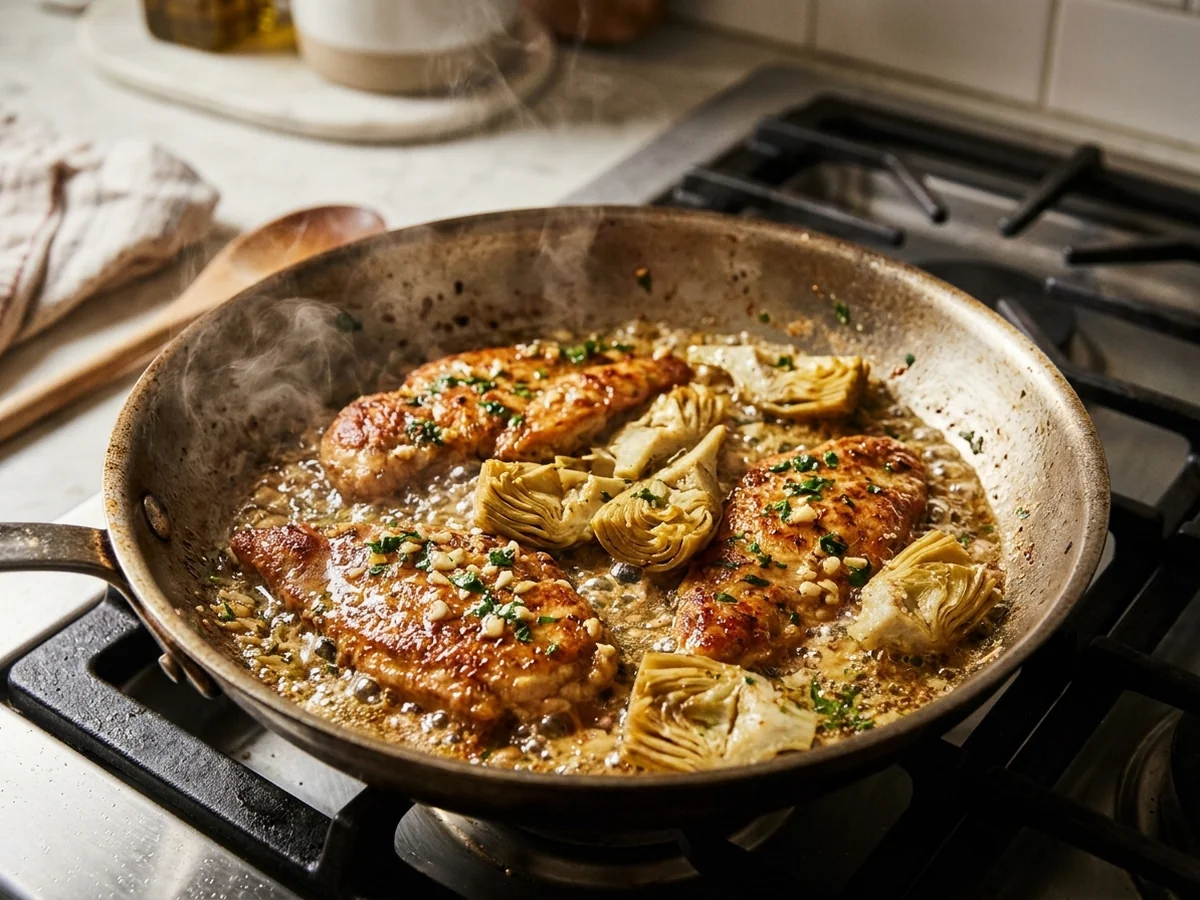
You create a flavorful pan sauce by deglazing the skillet immediately after removing the chicken. This technique lifts the fond, which are the browned bits of protein and seasoning left behind during the searing process. These bits are essential to building the depth of flavor required for a quality pan sauce infused with wine and garlic. When adding liquid, ensure the pan is still hot enough to sizzle upon contact, which helps dissolve the concentrated flavors into your base.
Selecting and Reducing the Wine
Choosing the right liquid is critical for your dish featuring tender poultry and savory vegetables. Use a dry white wine such as Sauvignon Blanc or Pinot Grigio. Avoid cooking wines or anything labeled as sweet, as these contain high sugar levels that can caramelize too quickly and result in a cloying finish. Pour the wine into the hot pan and use a wooden spoon to scrape the bottom. Allow the liquid to simmer steadily over medium heat until it reduces by about half. This reduction process is not merely for texture: it evaporates the harsh alcohol notes, concentrates the natural acidity, and creates a syrupy base that coats the back of a spoon.
Achieving the Perfect Consistency
Once the wine has reduced, finish the sauce by whisking in fresh lemon juice and cold butter. The butter serves as an emulsifier, binding the wine and any residual pan drippings into a cohesive, velvety sauce. If you find the texture remains too thin, you may stir in a very small amount of all purpose flour or cornstarch slurry during the reduction phase, though a proper reduction often provides enough body on its own.
Pay close attention to salt levels during this final stage. Because ingredients like canned or jarred artichoke hearts often contain significant sodium, it is vital to taste the sauce before adding any extra salt. If the sauce becomes too acidic, a tiny pat of additional butter can help mellow the flavor. Always add fresh parsley at the very end of cooking, as high heat can destroy its delicate oils and cause the color to dull. Removing the pan from direct heat while whisking in the lemon juice prevents the sauce from breaking or separating into an oily mess.
Tips for Perfect Cutlets
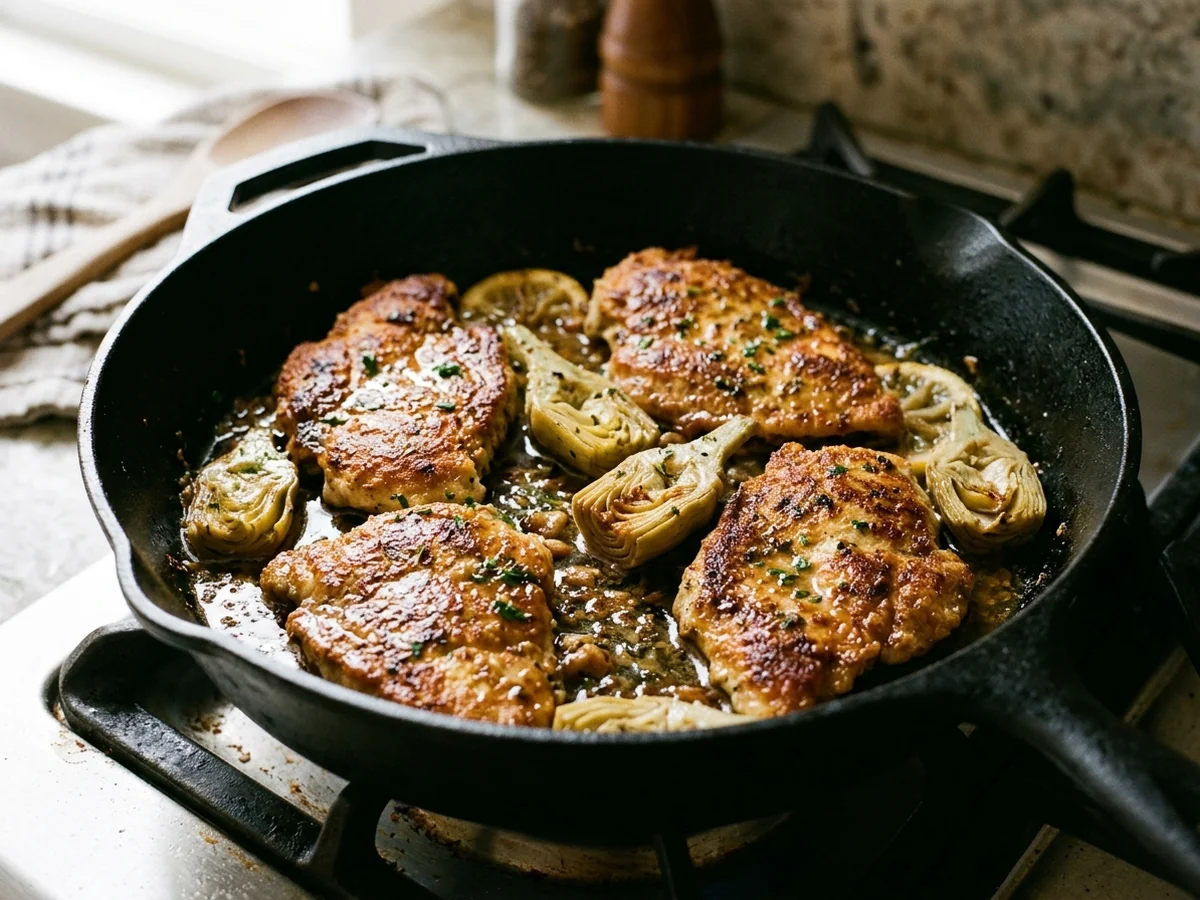
Achieving a professional finish when cooking poultry involves managing pan space, coating thickness, and flavor balance. Follow these methods to ensure your dinner maintains the right texture and brightness.
- Provide enough room for each piece of meat in the skillet so that the surface browns properly rather than steaming in trapped moisture.
- Shake off any excess flour after dredging the chicken breast to prevent the final sauce from becoming thick or gummy.
- Taste the white wine garlic sauce before serving to determine if a splash of fresh lemon juice is needed to cut through the richness.
- Cook in multiple batches if your pan is not large enough, as crowding prevents the development of a golden crust.
- Use a light dusting of flour only on the exterior to protect the meat while ensuring the pan drippings can emulsify correctly.
- Balance the savory components of the dish by adjusting the acidity at the very end of the cooking process.
When you learn how to cook chicken cutlets with vegetables, the goal is to keep the heat consistent. If you pack the pan too tightly, the temperature drops rapidly and the meat releases its juices. This results in a grey, unappetizing exterior instead of the crisp finish you want when combining poultry with tender artichoke hearts in a skillet. Always prioritize a single layer in the pan for the best results.
Excess flour is another common pitfall. While a light coating is essential for browning and sauce thickening, too much of it will turn your white wine garlic sauce into a paste. Tap each piece firmly against the side of your dredging station to remove the loose, powdery layer. This simple step keeps the texture of your dinner light and professional.
Finally, do not overlook the acid. Since artichoke hearts often come in a brine or oil, the base of your sauce might already have a specific flavor profile. A final adjustment with fresh citrus or a dry white wine reduction ensures the overall dish remains vibrant and well-balanced.
Storage and Reheating
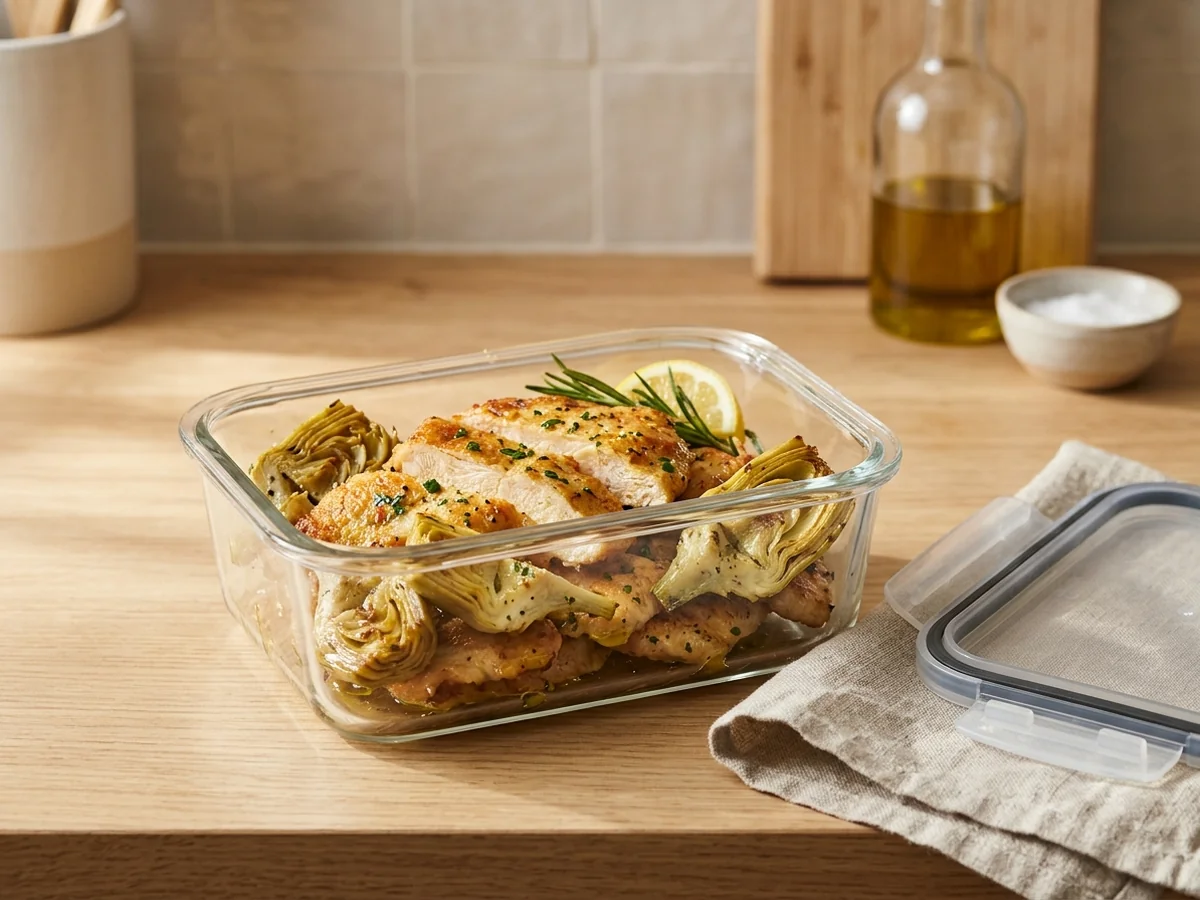
Proper storage is essential to maintaining the texture of chicken cutlets with artichoke hearts. Once the meal has cooled to room temperature, transfer the contents into an airtight container. Storing the poultry and artichoke hearts in this manner prevents the meat from absorbing odors from the refrigerator and keeps the components fresh for three to four days. If you have prepared a larger batch, portioning the meal into individual containers can streamline your future meal prep efforts and reduce the amount of time the food spends out of the refrigerator during service.
When you are ready to reheat, the primary goal is to warm the protein gently without causing it to become rubbery or dry. Avoid the microwave if possible, as high-intensity heat often causes the pan sauce to break or separate, leaving you with a greasy finish. Instead, use a stovetop method for the best results. Place the chicken and artichokes in a skillet over medium-low heat. Adding a small splash of chicken broth or water to the pan is a helpful technique to create a gentle steam, which rehydrates the meat and helps loosen any sauce that has thickened significantly in the refrigerator.
A common mistake during reheating is rushing the process with high heat, which toughens the chicken breast fibers. Keep the pan covered with a tight-fitting lid to trap moisture and allow the heat to penetrate the food evenly. If the sauce remains too thick after heating, stir in a teaspoon of broth or a squeeze of lemon juice to restore the desired consistency. By using these gentle, slow-heating methods, you ensure that the flavor profile remains balanced and the chicken stays tender for a second serving, making your easy artichoke heart chicken recipes just as enjoyable the next day.
FAQ
What is the best way to keep chicken cutlets moist when cooking?
Maintaining moisture in chicken cutlets with artichoke hearts starts with not overcooking the meat, as the thin nature of the cutlets allows them to cook through in just a few minutes per side. You can also coat the chicken in a light layer of all-purpose flour before searing, which helps create a protective barrier that seals in juices.
Should I use canned or marinated artichoke hearts for this dish?
Canned artichoke hearts packed in water are generally preferred for this recipe because they allow you to control the seasoning of the pan reduction. If you choose marinated artichoke hearts, be sure to drain and rinse them thoroughly to prevent the oils and vinegars from overpowering the delicate flavors of the dish.
What type of white wine works best for a pan sauce?
A dry white wine with high acidity, such as a Sauvignon Blanc or a Pinot Grigio, is the ideal choice for creating a balanced reduction for chicken. Avoid cooking wines labeled as such, as they often contain added salt and preservatives that can negatively alter the flavor of your meal.
Can I add breading to my chicken cutlets with artichoke hearts?
Adding a coating to your chicken is a popular method, with many home cooks opting to use panko breadcrumbs for a satisfying crunch. If you decide to bread the cutlets, ensure the pan is hot enough before adding them to prevent the coating from absorbing too much extra virgin olive oil during the searing process.
Are there common ingredients often paired with this chicken dish?
Adding a handful of capers is common guidance for those looking to add a briny, salty pop of flavor to the finished sauce. Fresh parsley is also frequently added at the very end of cooking to provide a bright, herbal contrast to the richness of the garlic and butter components.
Conclusion
The final step in perfecting your meal is to balance the acidity of the white wine and lemon juice with the earthiness of the artichoke hearts. Once the sauce coats the back of a spoon, remove it from the heat to prevent separation. Preparing chicken cutlets with artichoke hearts is a versatile process that rewards simple, high-quality ingredients. Now that you have the technique down, head to your kitchen to gather your pantry staples and begin searing your chicken for a restaurant-quality dinner tonight.
You might also like: Steak Fajitas Recipe: Sizzling Mexican Dinner