Homemade Salad Dressings Guide
Introduction
You can prepare professional, high-quality homemade salad dressings in your own kitchen by mastering a few core emulsification techniques and ingredient ratios. These preparations offer a fresh, cost-effective alternative to bottled versions while giving you complete control over your flavor profile and ingredients.
This guide covers the fundamental science behind balancing acidity and fat to create the perfect emulsion. You will learn how to build a reliable simple vinaigrette ratio, select the right creamy salad dressing base, and utilize tools like an immersion blender for consistent results. We also address best practices for homemade dressing shelf life, proper storage, and troubleshooting common issues like separation or texture changes when refrigerating your ingredients.
Basic Dressing Ingredients
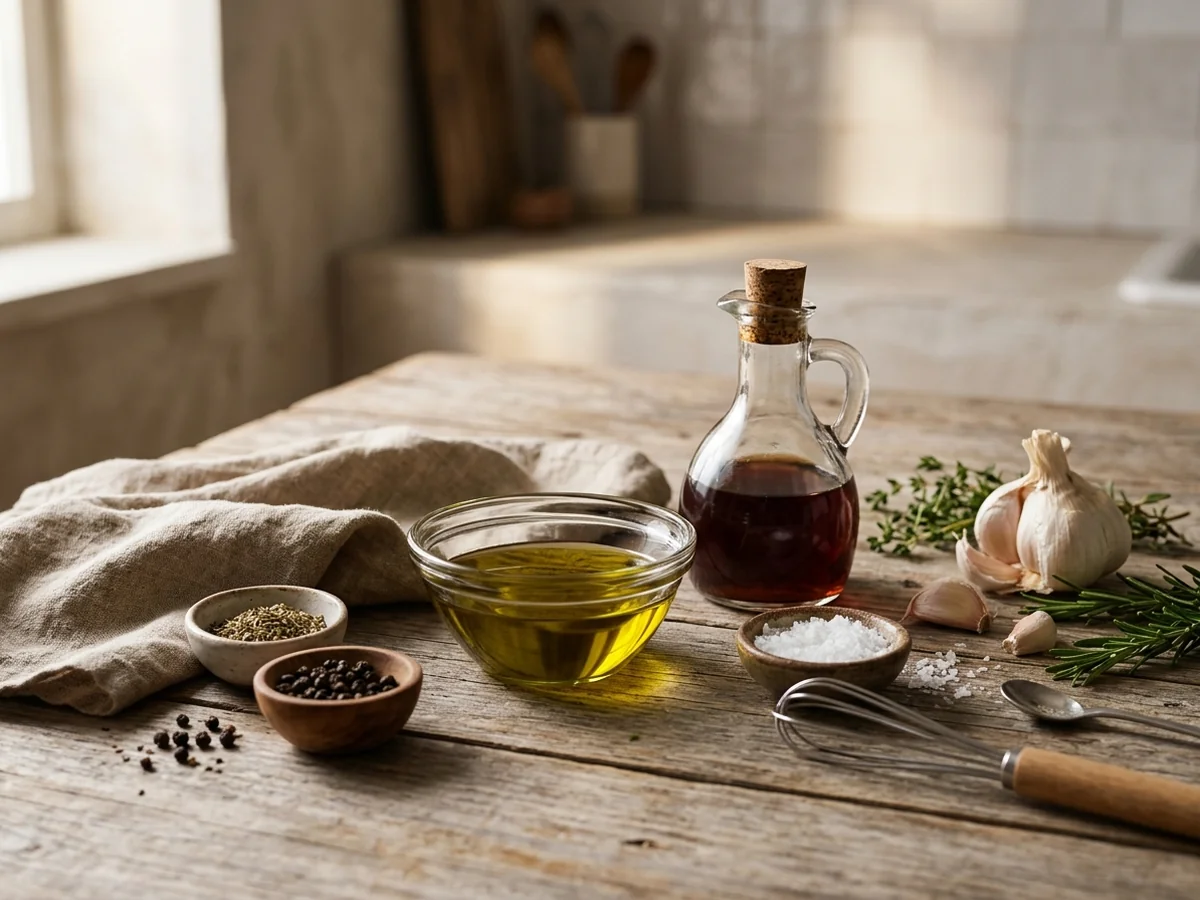
Creating homemade salad dressings allows you to move away from processed additives and control the nutritional profile of your meals. The process relies on a foundational balance of fat, acid, and seasoning. By mastering these components, you can craft a wide variety of flavors suited to your specific palate and dietary needs.
The Golden Ratio and Emulsification
The standard simple vinaigrette ratio typically begins with three parts oil to one part acid. While this serves as a reliable starting point, you can adjust the ratio based on your sensitivity to acidity. Fat, such as extra virgin olive oil or neutral oils like avocado and grapeseed, provides the necessary body and mouthfeel. Acid, including balsamic vinegar, red wine vinegar, or fresh citrus juices, cuts through the richness of the oil to provide brightness.
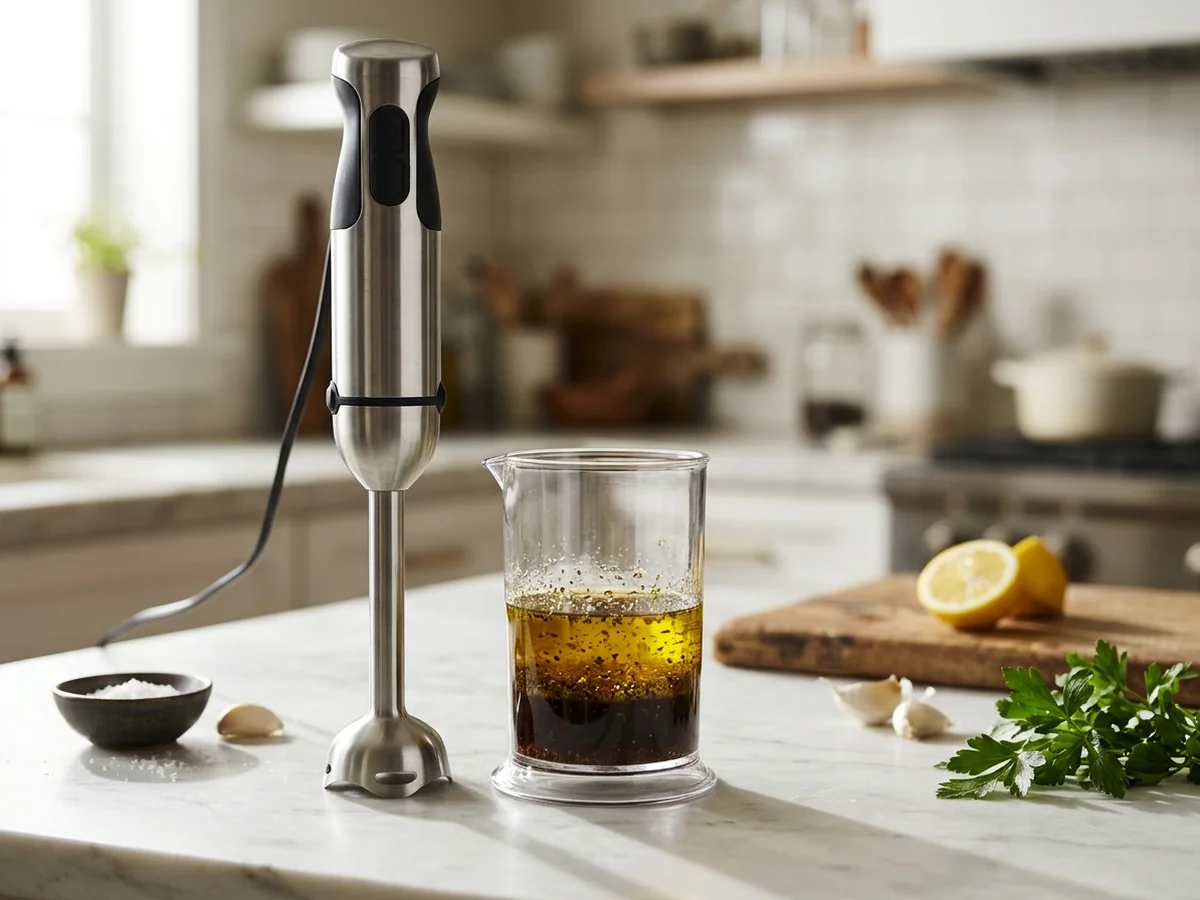
When mixing these, you encounter the science of emulsification. Oil and vinegar naturally want to separate, but using an emulsifier helps them stay combined. Dijon mustard is a preferred choice for this purpose, as it acts as both a flavor enhancer and a natural stabilizer. For those seeking a thicker consistency, incorporating a creamy salad dressing base like tahini or yogurt provides texture without the need for commercial thickeners. Using a hand-held immersion blender is a common technique to simplify the process of making these creamy versions, as it forces the ingredients into a stable emulsion more effectively than a whisk.
Practical Preparation and Troubleshooting
You can prepare a simple red wine vinaigrette in approximately three minutes. To maximize flavor, incorporate aromatics such as minced garlic or shallots, and always finish with salt and black pepper to pull the ingredients together. Using a Mason jar makes the process convenient, as you can shake the ingredients to combine them and store the remaining dressing in the same container.
| Issue | Cause | Solution |
|---|---|---|
| Separation | Lack of emulsifier | Add a teaspoon of Dijon mustard and whisk or blend vigorously. |
| Congealed oil | Cold storage | Set the container in a warm spot for a few minutes before serving. |
| Too acidic | Ratio imbalance | Whisk in a small amount of extra oil or a pinch of honey to balance. |
When considering homemade dressing shelf life, remember that ingredients like fresh garlic or dairy require shorter storage times in the refrigerator. While oil-based mixtures often congeal in the cold, this is a normal physical reaction rather than spoilage. If you find your mixture has thickened, allow it to return to a liquid state at room temperature before serving. By focusing on fresh, high-quality ingredients, you ensure your 3 ingredient salad dressing or more complex blends remain a nutritious part of your meal prep routine.
Essential Ratios and Emulsification
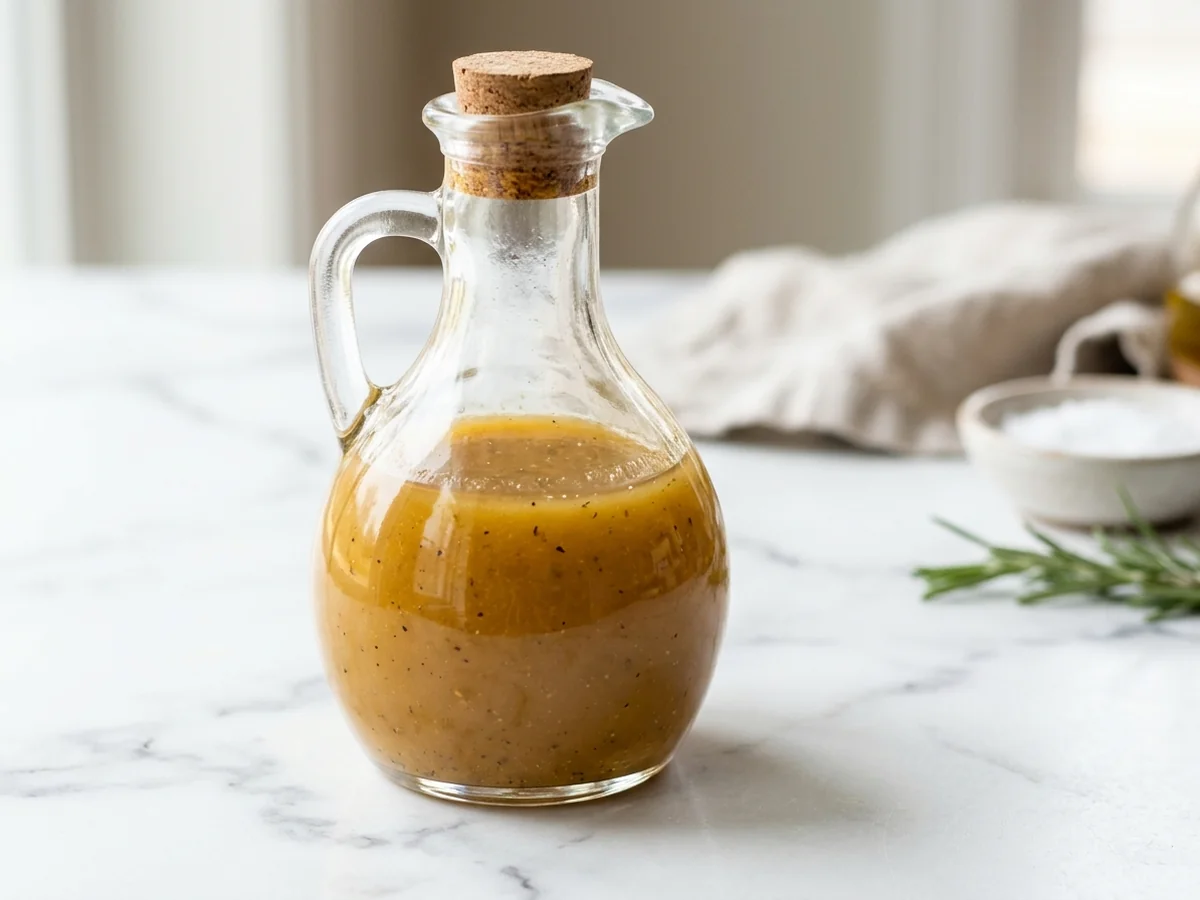
The foundation of balanced homemade salad dressings relies on a consistent simple vinaigrette ratio of three parts oil to one part acid. This classic approach ensures the sharpness of ingredients like balsamic vinegar or citrus juice is tempered by the richness of extra virgin olive oil, preventing the final result from becoming overly acidic or bland. While this serves as a baseline, you can adjust the balance according to your personal palate, especially if you prefer a less aggressive vinegary profile.
The Science of Emulsification
Understanding how to emulsify dressing is the key to achieving a professional texture. Oil and water based liquids naturally resist mixing because their molecules do not bond. To bridge this gap, you need an emulsifier, which is an ingredient with a molecular structure that attracts both oil and water. Adding a small amount of Dijon mustard, honey, or even tahini acts as a stabilizer. These agents suspend tiny oil droplets within the vinegar, creating a creamy salad dressing base that remains uniform rather than separating into distinct layers.
Techniques for Success
Achieving a smooth, consistent mixture is straightforward when you follow established kitchen practices. For those seeking efficiency, a standard red wine vinaigrette can be prepared in approximately three minutes. If you are struggling to achieve the desired consistency, consider these practical steps:
| Method | Best For |
|---|---|
| Immersion blender | Creating a thick, creamy texture |
| Mason jar method | Quick preparation and easy storage |
| Whisking by hand | Control and gentle blending |
Hand-held immersion blenders are particularly effective tools for simplifying the process of making creamy dressings, as they provide the mechanical force needed to fully integrate ingredients. If you prefer to avoid electric appliances, placing your ingredients in a clean mason jar and shaking vigorously works well. This also doubles as a convenient storage solution, though keep in mind that homemade dressing shelf life varies based on the ingredients used, particularly if raw egg or dairy is included.
Troubleshooting and Storage
One common observation when working with homemade dressings is that they may congeal when stored in the refrigerator due to the high oil content. This is a normal physical reaction to cold temperatures and does not mean the dressing has spoiled. If your mixture appears solidified, you can typically return it to a liquid state by setting the sealed container in a warm spot for a few minutes before serving. A quick shake or whisk after warming will restore the emulsification, ensuring every drop maintains its intended flavor profile and texture from the first serving to the last.
Creamy Dressing Fundamentals
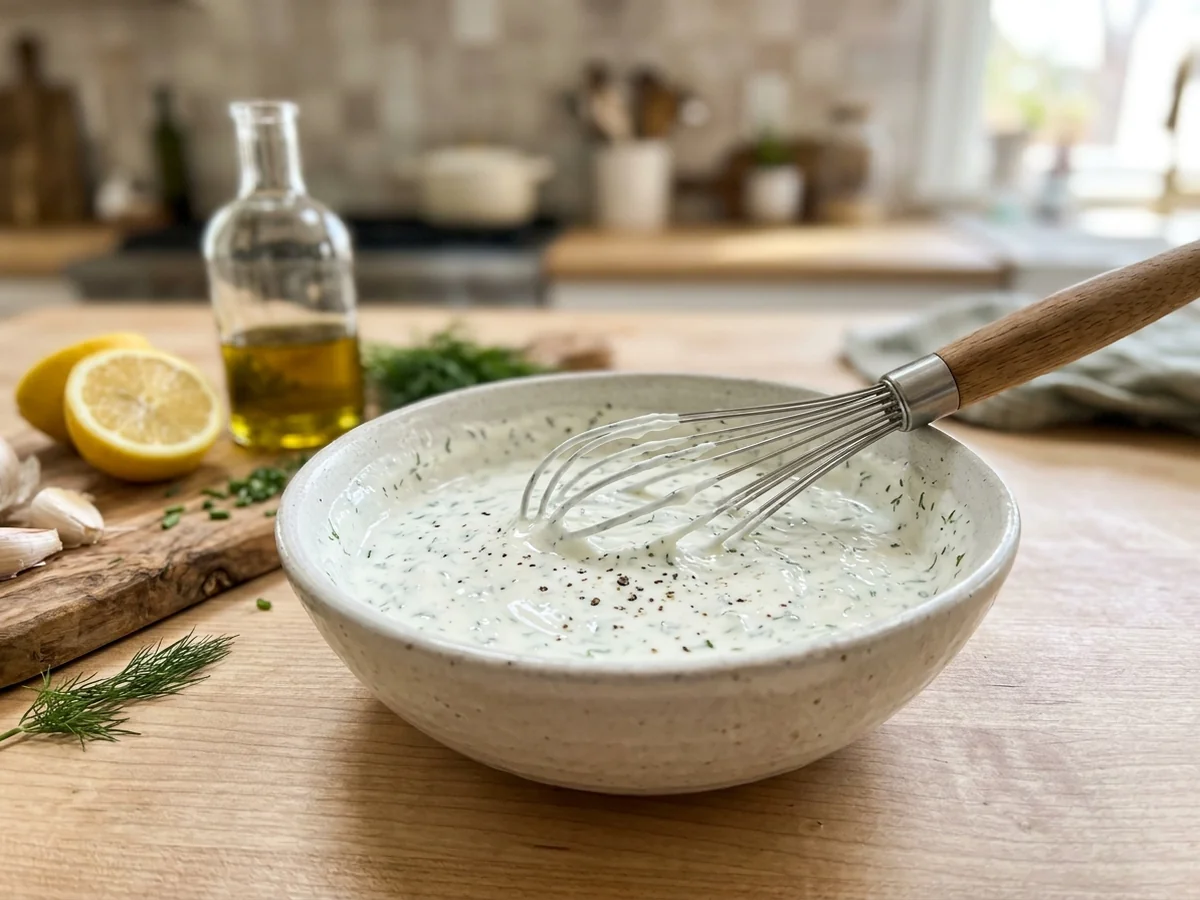
Selecting suitable ingredients for a rich and flavorful dressing involves balancing taste, texture, and dietary requirements. You can achieve a smooth consistency by utilizing dairy-based components like yogurt or buttermilk, which provide a naturally tangy profile and velvety mouthfeel. Alternatively, plant-based options such as tahini, avocado, or silken tofu offer a rich finish without the use of animal products. Understanding these foundations is essential when preparing homemade salad dressings, as your choices dictate both the nutritional profile and the necessary emulsification technique.
The Science of Emulsification
At its core, a creamy dressing is an emulsion, which is a stable mixture of fat and water-based ingredients that would otherwise separate. While a simple vinaigrette relies on the temporary suspension of oil in vinegar, creamy dressings require a stabilizer to maintain their structure. Ingredients like Dijon mustard act as natural emulsifiers, helping to bridge the gap between oil and acidic components. To ensure professional results, it is common practice to utilize a hand-held immersion blender. This tool simplifies the process of creating a perfectly smooth, uniform texture by forcing the ingredients together at high speed.
Troubleshooting Texture and Consistency
Achieving the right consistency requires careful monitoring of your liquid-to-solid ratio. If your blend appears too thick, incorporate small amounts of water, citrus juice, or vinegar one teaspoon at a time until you reach the desired pourable texture. Conversely, if the mixture is too thin, you can thicken it by increasing the primary base ingredient or adding a small amount of oil. Keep in mind that temperature plays a significant role in the appearance of your final product.
| Issue | Adjustment |
|---|---|
| Dressing is too thick | Add water, citrus, or vinegar in 1-teaspoon increments. |
| Dressing is too thin | Add more base (yogurt/tahini) or a small amount of oil. |
| Ingredients separated | Use an immersion blender to re-emulsify. |
Storage and Handling
When preparing homemade dressings, it is standard practice to consider the storage conditions. Dressings containing oil, such as a standard vinaigrette or certain dairy-based emulsions, may congeal when stored in the refrigerator. This is a natural reaction to the cold temperature affecting the fat content. If your dressing has congealed, common guidance suggests setting the container in a warm spot for a few minutes or letting it sit on the counter until it reaches room temperature. This technique helps restore the smooth, pourable state needed for dressing fresh greens effectively. Always prioritize food safety by checking the shelf life of your ingredients, particularly when using fresh dairy products or raw components.
Essential Salad Dressing Tools
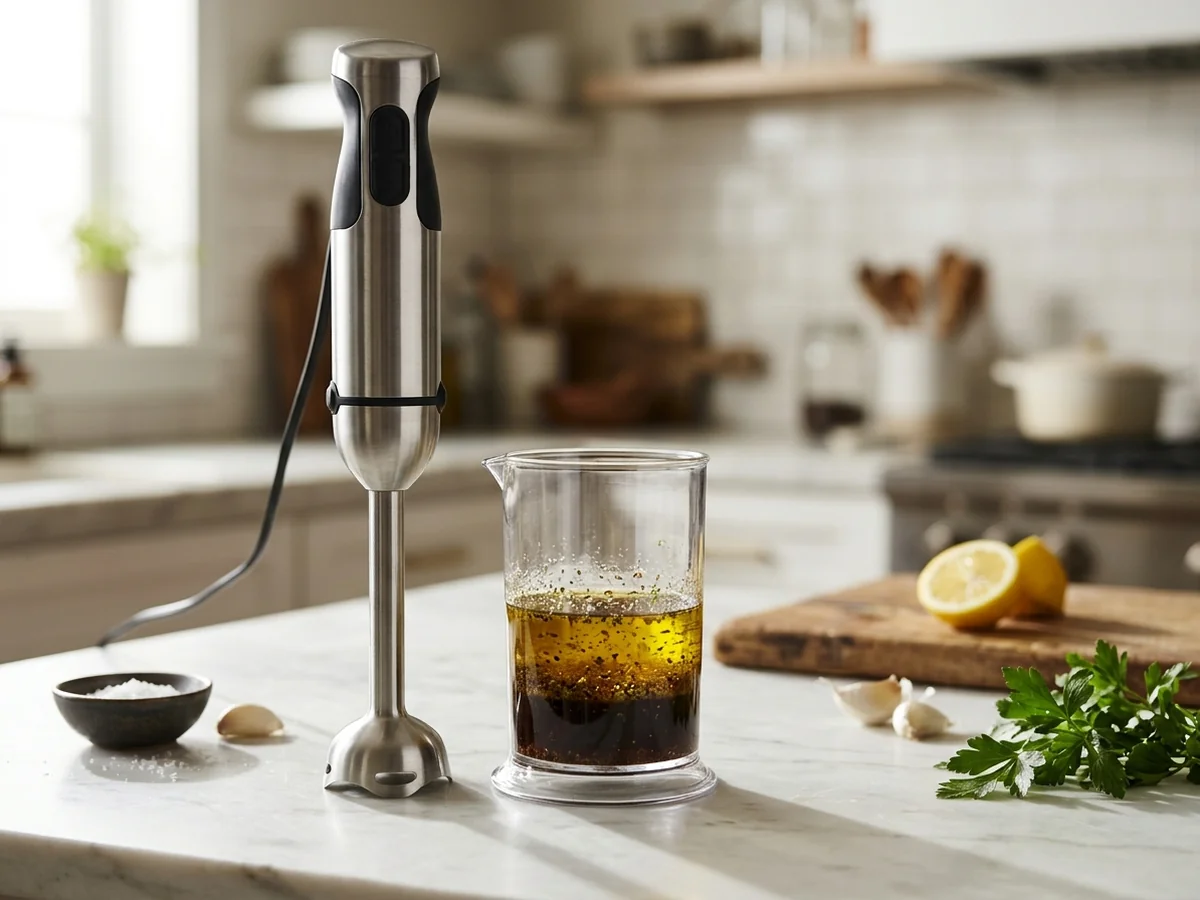
The right equipment simplifies the process of creating emulsified mixtures and ensures consistent textures every time. Using the correct tools turns the act of preparing homemade salad dressings into a quick, efficient task rather than a chore. Whether you are aiming for a delicate vinaigrette or a thick, rich mixture for a dressing, your choice of gear influences how well your ingredients integrate.
The Immersion Blender for Stability
Hand-held immersion blenders are commonly used to achieve a silky, stable consistency for dressings that rely on thick ingredients. When you use this tool, the high-speed blades force oil droplets to disperse evenly into the liquid base. This mechanical action creates a stable bond that is difficult to replicate with manual stirring alone, especially when incorporating ingredients like tahini or mustard. It is a highly effective way to build a uniform texture, particularly when the recipe requires a reliable, long-lasting emulsion.
The Versatility of the Mason Jar
For a simple vinaigrette, a standard Mason jar serves as an excellent vessel for shaking together oil and vinegar. This method relies on kinetic energy to force the components together. By tightly sealing the lid and shaking the ingredients vigorously, you create a temporary emulsion that is perfectly suitable for immediate use. This technique is ideal for home cooks who prioritize minimal cleanup and speed. When preparing a standard red wine vinaigrette by hand, the entire process can typically be completed in approximately three minutes.
Whisking and Troubleshooting
Traditional whisking remains a fundamental culinary skill. Using a bowl with a rounded bottom provides the necessary space to maneuver your whisk effectively. By starting slowly and gradually increasing the speed as you pour in the oil, you prevent the mixture from breaking. This steady, controlled motion is essential for slowly incorporating oil into acidic ingredients to create a cohesive dressing that clings well to fresh greens.
It is important to note that many homemade dressings will congeal when stored in the refrigerator due to their high oil content. This is a natural reaction rather than a sign of spoilage. As a common practice, you can return these dressings to a pourable liquid state by setting the container in a warm spot for a few minutes before serving.
| Common Issue | Practical Solution |
|---|---|
| Dressing separates | Use an immersion blender or add a teaspoon of Dijon mustard as an emulsifier. |
| Dressing congealed | Let the container sit at room temperature or in a warm spot until pourable. |
| Too acidic | Increase the oil ratio or add a small amount of honey or maple syrup to balance. |
Storing Homemade Salad Dressings
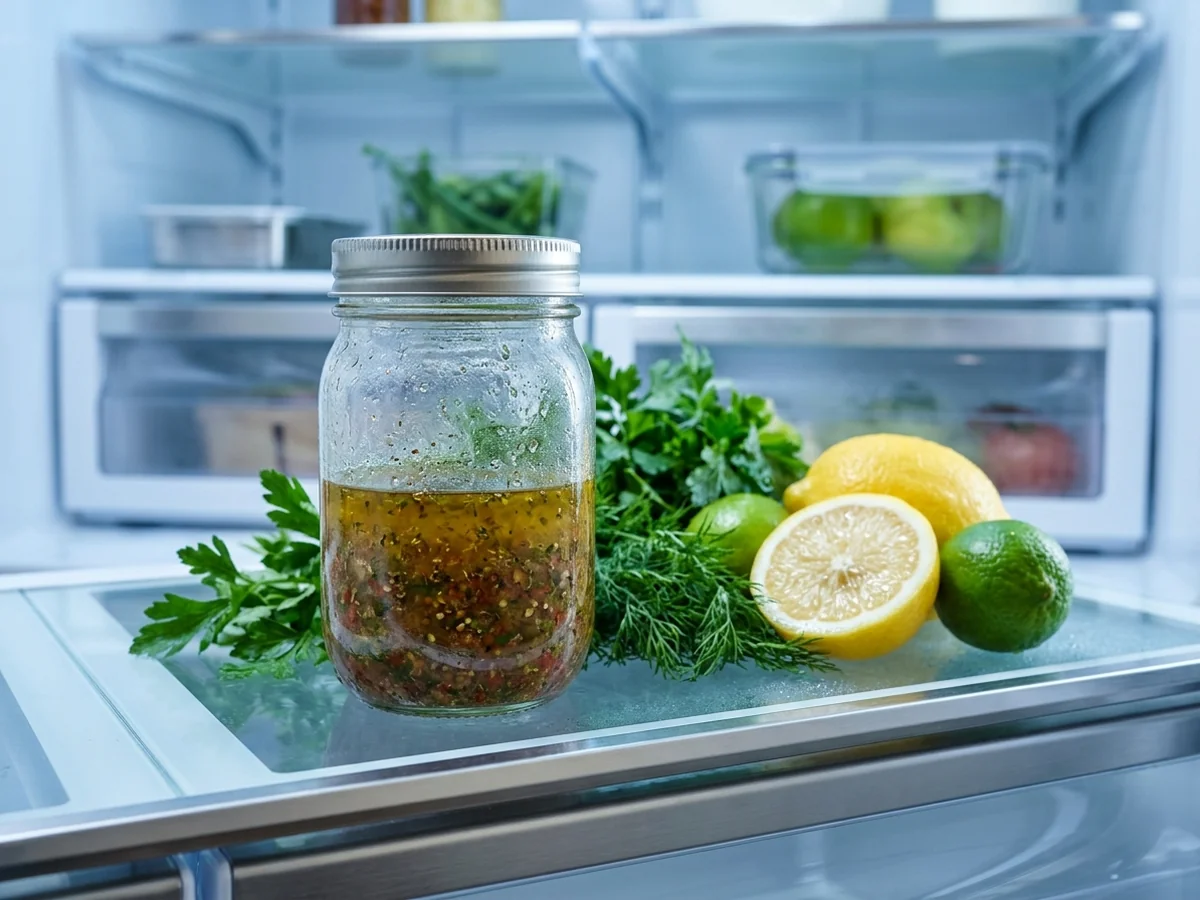
Proper storage is essential for maintaining both the quality and safety of your homemade salad dressings. While these preparations generally remain fresh for up to one week when stored in a sealed container in the refrigerator, the specific shelf life depends heavily on your ingredients. Mixtures containing highly perishable items, such as dairy, yogurt, or fresh aromatics like raw garlic and shallots, require stricter monitoring. If you notice any unusual odors, changes in color, or signs of mold, discard the mixture immediately to ensure your food remains safe to eat.
Managing Temperature and Texture
It is common guidance that vinaigrettes will congeal when stored in the refrigerator due to the nature of their oil content. This solidification is a normal reaction to cold temperatures and does not indicate that the mixture has spoiled. Extra virgin olive oil, in particular, tends to thicken significantly, which might make the jar look solid until it returns to room temperature. If you encounter a congealed mixture, you can easily return it to a liquid state by setting the container in a warm spot for a few minutes. Gently shaking the jar or whisking it briefly will help restore the proper texture before serving.
Best Practices for Freshness
To maximize how long you can keep your creations fresh, consistency in your storage habits is key. Cleanliness prevents premature spoilage and helps keep your kitchen efficient. Follow these general practices to maintain the integrity of your emulsions:
- Use clean glass Mason jars with tight-fitting lids to provide a secure seal and prevent flavor absorption from other foods in the fridge.
- Label your containers with the date of preparation to keep track of freshness, especially when experimenting with an easy salad dressing recipe.
- Avoid double-dipping utensils into your storage jar, as introducing food particles or bacteria can significantly shorten the life of your dressing.
- Always give your mixture a vigorous shake or whisk before each use to re-emulsify the ingredients, as natural separation is expected over time.
Equipment for Consistency
Achieving a stable emulsion is the first step toward effective storage. When preparing larger batches of a mixture featuring yogurt or tahini, using a hand-held immersion blender can simplify the process and create a more uniform texture. This tool is especially helpful for incorporating emulsifiers like Dijon mustard or tahini, which help bridge the gap between oil and water-based ingredients. A standard red wine vinaigrette can be prepared in approximately three minutes using this method, ensuring you have a fresh supply ready whenever you need it. By focusing on proper storage and using the right tools, you ensure that every meal benefits from the vibrant, fresh flavors you intended to create.
Common Preparation Mistakes
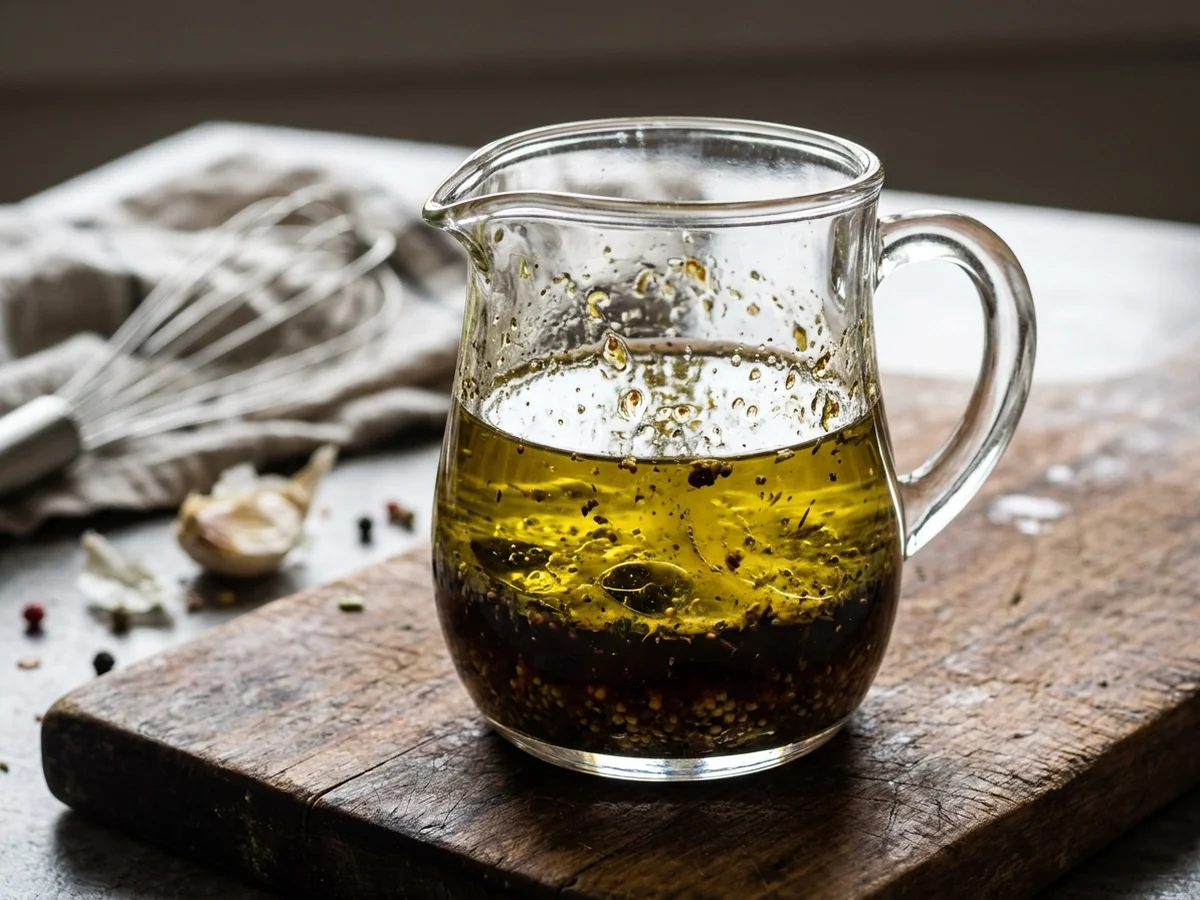
Achieving the perfect flavor balance when making homemade salad dressings requires attention to ingredient quality and technique. Errors such as incorrect seasoning or unstable oil choices often compromise the final result. Understanding the fundamentals of emulsification and proper storage can prevent these common pitfalls.
| Issue | Result | Prevention |
|---|---|---|
| Excess Salt | Overwhelming flavor | Season gradually |
| Rancid Oil | Off-putting taste | Check freshness |
| Glass Jars | Secure storage | Use airtight seals |
| Plastic Containers | Potential leaching | Choose glass or BPA-free |
Balancing Flavor and Texture
Balance is essential when creating dressings. If a mixture is too salty, adding more oil or a neutral fat can help dilute the flavor. Conversely, if your dressing lacks punch, adjust the acidity by adding small amounts of vinegar or citrus juice until the brightness returns. When working with standard oil-to-acid proportions, it is common practice to start with a base and adjust to your preference.
Because vinaigrettes often congeal when stored in the refrigerator due to the oil content, it is common practice to simply let the container sit in a warm spot for a few minutes before shaking it to return the dressing to a liquid state.
Mastering Emulsification
One frequent mistake is failing to achieve a stable emulsion, where oil and vinegar remain separated. Proper emulsification requires a binding agent like Dijon mustard or tahini to hold the ingredients together. For home cooks, hand-held immersion blenders can be used to simplify the process of making creamy dressings, as they provide the high-shear force needed to force these liquids into a suspension. This technique is particularly effective for achieving a consistent texture in a smooth, thick emulsion.
Storage and Ingredient Integrity
Ingredient quality significantly impacts how long your dressing remains fresh. Using oils that are nearing their expiration date or storing them in clear containers exposed to sunlight causes them to go rancid quickly. Always store your oils in a cool, dark place to maintain their integrity.
Furthermore, consider the type of container used for the final mixture. Non-reactive glass containers with tight-fitting lids, such as a Mason jar, are ideal. They prevent air exposure and keep the dressing fresh for longer periods than porous plastic, which can absorb odors and residues from previous uses. While a standard red wine vinaigrette can be prepared in approximately three minutes, ensuring it is stored in a clean, airtight vessel is just as important as the initial preparation to prevent spoilage.
Quick Flavor Combinations
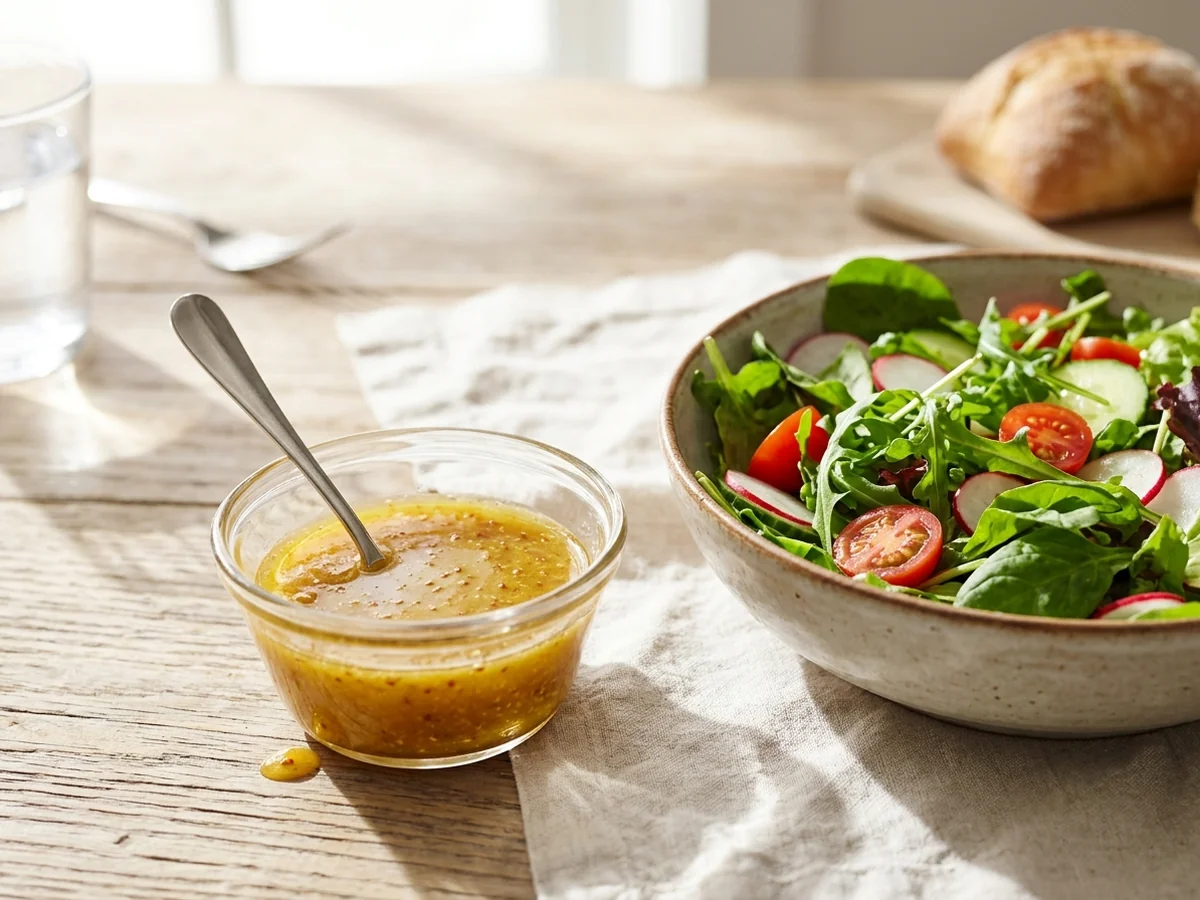
You can create a balanced dressing by pairing high-quality fats with bright acids and subtle aromatics. Mastering a basic 3 ingredient salad dressing relies on the interplay between your primary oil, a sharp vinegar or citrus juice, and a secondary element like mustard or honey to bridge the flavors.
Consider these versatile pairings to elevate your next bowl of greens:
- Combine extra virgin olive oil with balsamic vinegar and a teaspoon of Dijon mustard for a classic, robust foundation.
- Whisk together neutral grapeseed oil, fresh lemon juice, and minced shallots to highlight the delicate flavors of summer greens.
- Pair rich walnut oil with apple cider vinegar and a touch of maple syrup to create an earthy profile perfect for roasted vegetable salads.
- Mix creamy tahini with rice vinegar and grated ginger for a savory, nutrient-dense dressing that clings well to sturdy kale or cabbage.
- Blend avocado oil with lime juice and a dash of cumin to craft a bright, zesty option that complements taco-inspired salads.
When you seek easy salad dressing recipes, remember that the intensity of your aromatics should match the strength of your oil. Stronger oils, such as extra virgin olive oil, stand up well to bold vinegars like red wine or sherry vinegar. Conversely, milder oils work best with lighter acids like lemon or white balsamic to ensure no single flavor dominates the palate.
Balance acidity by incorporating fresh herbs or small amounts of sweeteners if the mixture feels too sharp. If you find your result is too acidic, a tiny bit of honey or maple syrup can soften the bite without overpowering the other components. Common practice suggests that using an immersion blender can help you achieve a stable texture in seconds, ensuring your ingredients remain thoroughly combined until you are ready to serve.
Be aware that cold temperatures often cause vinaigrettes to congeal because of their oil content. This is a typical occurrence, not a sign of spoilage. If you store your mixture in the refrigerator, you can return it to a liquid state simply by setting the container in a warm spot for a few minutes before tossing it with your salad.
FAQ
How can I fix a dressing that has congealed in the refrigerator?
Vinaigrettes often congeal when stored in the refrigerator due to the oil content. You can typically return the dressing to a liquid state by setting the container in a warm spot for a few minutes or letting it sit on the counter until it reaches room temperature.
What is the fastest way to make a simple vinaigrette?
A standard red wine vinaigrette can be prepared in approximately three minutes using basic pantry staples. Whisking your ingredients vigorously in a small bowl or shaking them in a sealed container are both efficient methods for quick preparation.
Can I use an appliance to help make creamy dressings?
Hand-held immersion blenders can be used to simplify the process of making creamy dressings. This tool is effective at achieving a smooth, consistent texture when combining ingredients like tahini or yogurt with liquids.
What is a reliable 3 ingredient salad dressing?
A classic combination consists of extra virgin olive oil, an acid such as balsamic vinegar or lemon juice, and a pinch of salt. You can easily adjust the proportions to suit your personal preference for acidity or richness.
How do I keep my dressing from separating?
Emulsification is the key to preventing oil and vinegar from separating after you mix them. Adding a stabilizer like Dijon mustard or using an immersion blender helps hold the mixture together for a longer period of time.
Conclusion
The best next step is to experiment with your own flavor profiles, starting with a simple three-part oil to one-part acid ratio. Once you master this foundation, you can adjust seasonings and emulsifiers to suit your specific taste preferences. Incorporating homemade salad dressings into your routine is a straightforward way to elevate your meals with fresh, high-quality ingredients.
You might also like: Mini Pizza Burgers Recipe