
Spicy Chicken Ramen Bowl with Creamy Sauce
Introduction
A spicy chicken ramen bowl brings together bold, fiery aromatics and a rich, velvety broth for a satisfying meal. You can easily achieve this balance at home by emulsifying creamy elements with spicy seasonings to coat every strand of noodle.
This guide covers how to prepare the ideal base, select the best protein, and balance your spice levels. You will learn techniques for deepening the flavor of store bought stock using dried shiitake mushrooms and aromatics like ginger and spring onions. The following sections also detail how to incorporate creamy sauce components, choose the right toppings for texture, and manage noodle preparation to maintain a clean broth. Whether you are using pantry staples or fresh ingredients, these methods help you create a restaurant quality bowl with a creamy, spicy profile.
The Essence of a Creamy and Spicy Noodle Dish
A successful spicy chicken ramen bowl relies on the delicate equilibrium between a robust, umami-rich base and a luxurious, velvety mouthfeel. This style of dish moves away from the translucent simplicity of traditional clear broths by introducing fats and emulsifiers that coat the noodles, ensuring each bite delivers a concentrated burst of flavor.
The foundation of this balance is typically achieved through layering deep, savory elements with a smooth liquid component. Dried shiitake mushrooms are a proven way to increase the umami flavor of chicken stock, providing a solid backbone that stands up to heat. When combined with ingredients like chili oil or fermented pastes, the broth gains a complexity that plain water or standard stock cannot match.
Creating a satisfying bowl requires careful management of texture compared to lighter, traditional preparations. While clear broths focus on purity and clarity, this approach prioritizes body. Home cooks often achieve this by incorporating creamy elements that soften the sharp edges of the spice, resulting in a cohesive and satisfying experience.
- Use boneless chicken thighs, as they are less prone to drying out during cooking compared to chicken breasts.
- Simmer store-bought chicken stock with aromatics like ginger, spring onions, and chili to easily upgrade the base flavor.
- Cook ramen noodles in a separate pot of water to ensure the final broth remains clear and avoids becoming starchy or overly cloudy.
The contrast between the heat from the chili and the richness of the creamy base defines the character of the meal. By focusing on these two opposing forces, you can transform simple components into a restaurant-quality meal at home. The goal is to ensure the spice lingers without overpowering the underlying savouriness of the chicken and mushroom foundation, creating a harmonious blend that feels both indulgent and balanced.
Spicy Chicken Broth Base
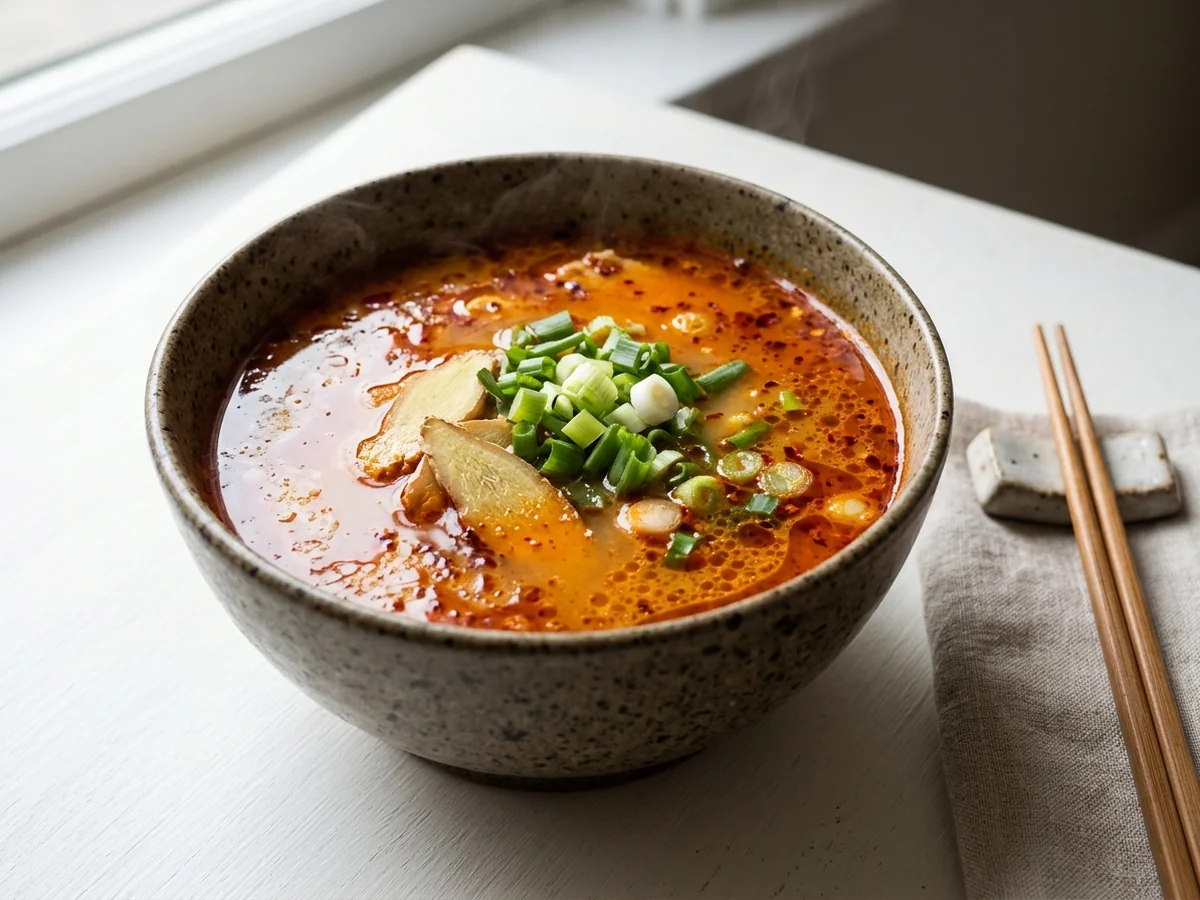
Building a flavorful foundation for a spicy chicken ramen bowl begins with how you infuse your liquid. A common practice for those looking to upgrade store-bought chicken stock is to simmer it with fresh aromatics like ginger, spring onions, and chili. This process transforms a standard base into a complex, punchy broth that carries heat throughout the dish.
Building Umami and Depth
To achieve a sophisticated flavor profile, consider incorporating dried shiitake mushrooms into your stock. Research published by academia.edu confirms that adding these mushrooms to chicken stock effectively increases the umami flavor of the base. This savory depth is crucial for balancing the sharp heat of chili peppers or flakes.
If you want to achieve a richer texture or deeper color, fermented pastes are excellent additions. Using miso paste or gochujang allows you to tailor the viscosity and intensity of your broth, creating a robust liquid that coats the ramen noodles effectively.
Techniques for a Balanced Broth
When you are preparing your broth, aim for a gentle simmer rather than a rapid boil. Boiling too vigorously can cause aromatic compounds from your ginger and spring onions to evaporate too quickly. A controlled simmer allows these flavors to infuse the stock slowly. As you work, taste the broth periodically and adjust your chili or paste levels to suit your personal preference.
Many home cooks find that choosing boneless chicken thighs for the protein component is a helpful way to prevent the meat from drying out during the cooking process. Additionally, it is common guidance to cook your noodles separately before adding them to the bowl. This prevents the starch from the noodles from clouding your carefully prepared broth, keeping the final presentation clear and appetizing.
| Ingredient | Contribution to Broth |
| Ginger | Subtle, warming heat |
| Spring Onions | Fresh, onion-like sweetness |
| Chili | Primary spice level |
| Shiitake Mushrooms | Savory umami foundation |
| Miso or Gochujang | Complexity, color, and thickness |
By focusing on these homemade ramen broth ingredients, you can easily elevate a simple meal into a restaurant-style experience at home. Whether you are adding bok choy or a soft boiled egg as spicy ramen toppings ideas, the quality of your broth remains the defining factor of your bowl.
Achieving Creamy Texture

You can create a velvety broth for a spicy chicken ramen bowl by emulsifying fat and starch into your liquid base rather than relying on heavy dairy. Whisking a small amount of miso paste or blended silken tofu into hot stock creates a stable, thick suspension that mimics the mouthfeel of traditional tonkotsu.
To integrate spicy elements effectively, bloom your chili oil or gochujang in a separate pan before introducing it to the broth. This step releases fat-soluble flavor compounds that help the heat distribute evenly across the creamy base. If you pour spicy oil directly into a cold or lukewarm broth, it may separate into greasy droplets instead of forming a cohesive, flavorful mixture.
Balancing intense heat with creaminess requires careful layering. If the spice level becomes overwhelming, add a touch of neutral fat, such as sesame oil or a splash of unsweetened soy milk, to soften the sharp edges of the chili. These fatty components coat the tongue and mitigate the immediate burn of capsaicin.
Consider these techniques to improve your base:
- Use a whisk to incorporate miso paste slowly, ensuring no clumps remain before the liquid reaches a boil.
- Simmer your stock with dried shiitake mushrooms to increase umami flavor, which provides a savory foundation that supports both creamy and spicy profiles.
- Cook your noodles in a separate pot of water rather than directly in the serving bowl, as this common guidance prevents excess starch from clouding your carefully emulsified broth.
When you learn how to thicken ramen broth using these methods, you gain control over the consistency of every serving. If the mixture feels too thin, remove a small portion of the liquid, whisk it with a teaspoon of miso or tahini, and stir it back into the pot. This adjustment allows you to achieve the perfect texture without diluting the depth of your seasoned stock.
Preparing Spicy Chicken
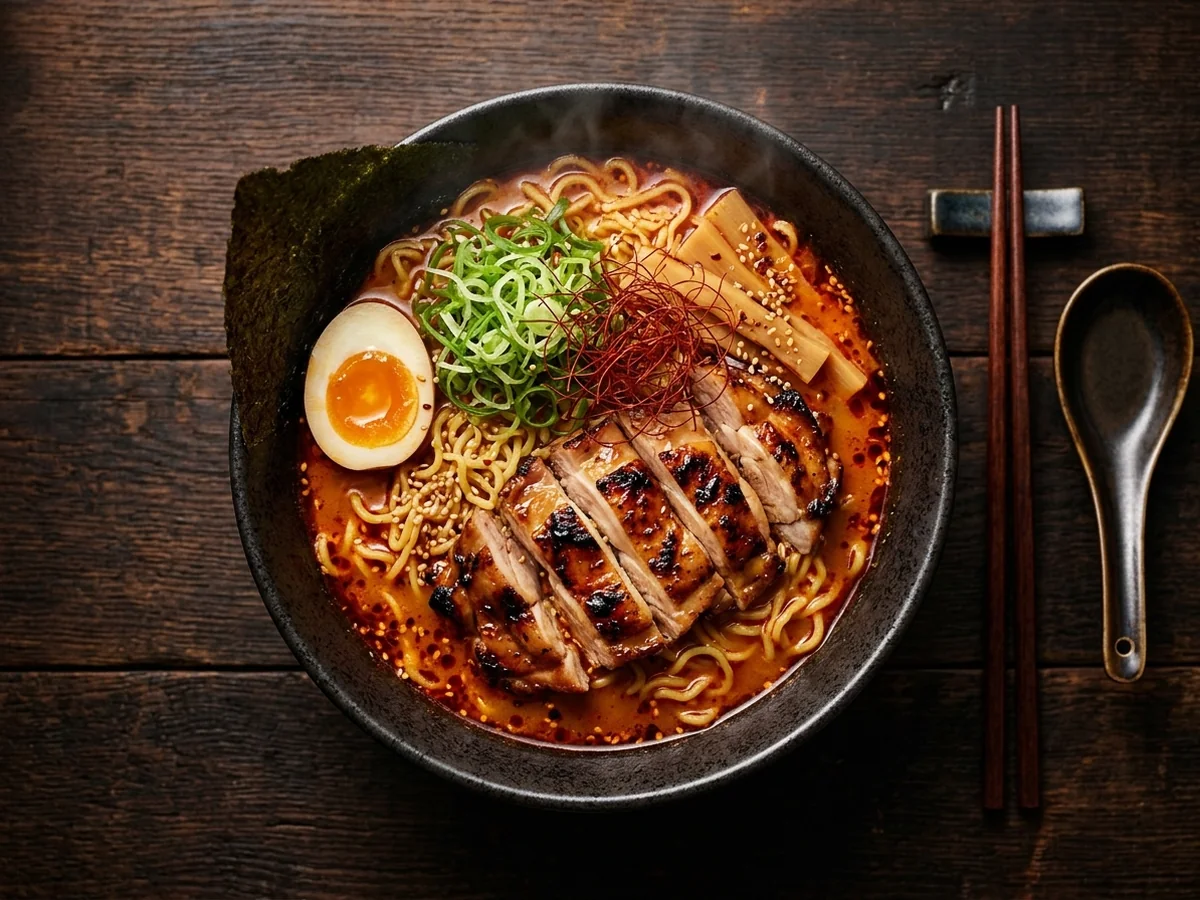
Selecting the right cut of meat is a foundational step in crafting a successful spicy chicken ramen bowl. While chicken breasts are a common staple for those seeking a lean profile, boneless chicken thighs are often preferred by home cooks for their higher fat content. This composition makes thighs less prone to drying out during the high-heat cooking required to develop a deep, caramelized exterior. For optimal results, aim for uniform pieces to ensure even cooking across the entire batch.
| Cut | Texture Profile | Recommended Cooking Technique | Key Advantage |
|---|---|---|---|
| Boneless Thighs | Tender and succulent | Pan-sear | Maintains moisture under high heat |
| Chicken Breast | Firm and lean | Poach or pan-sear | Provides a clean, protein-forward base |
The preparation method significantly influences how the protein interacts with the broth. Pan-searing is a highly effective approach, as it creates a flavorful, golden crust that provides contrast against the liquid components of the meal. To maximize flavor, season the chicken aggressively with spices before it hits the pan. If you prefer a lighter texture, poaching is a reliable alternative, provided you remove the meat from the heat immediately once it reaches a safe internal temperature to prevent overcooking.
One common mistake is failing to account for the grain of the meat. Regardless of the cooking style, slicing your chicken against the grain is essential for achieving a tender bite in every spoonful. When building your homemade ramen broth ingredients, it is common guidance to upgrade store-bought stock by simmering it with fresh ginger, spring onions, and chili.
For an added layer of depth, dried shiitake mushrooms can be added to the chicken stock to increase umami flavor. By balancing these aromatics with your chosen protein, you establish a solid foundation for a complex and satisfying bowl. As a typical practice, consider cooking your ramen noodles separately from the broth to prevent the liquid from becoming starchy and cloudy.
Best Noodles for Ramen
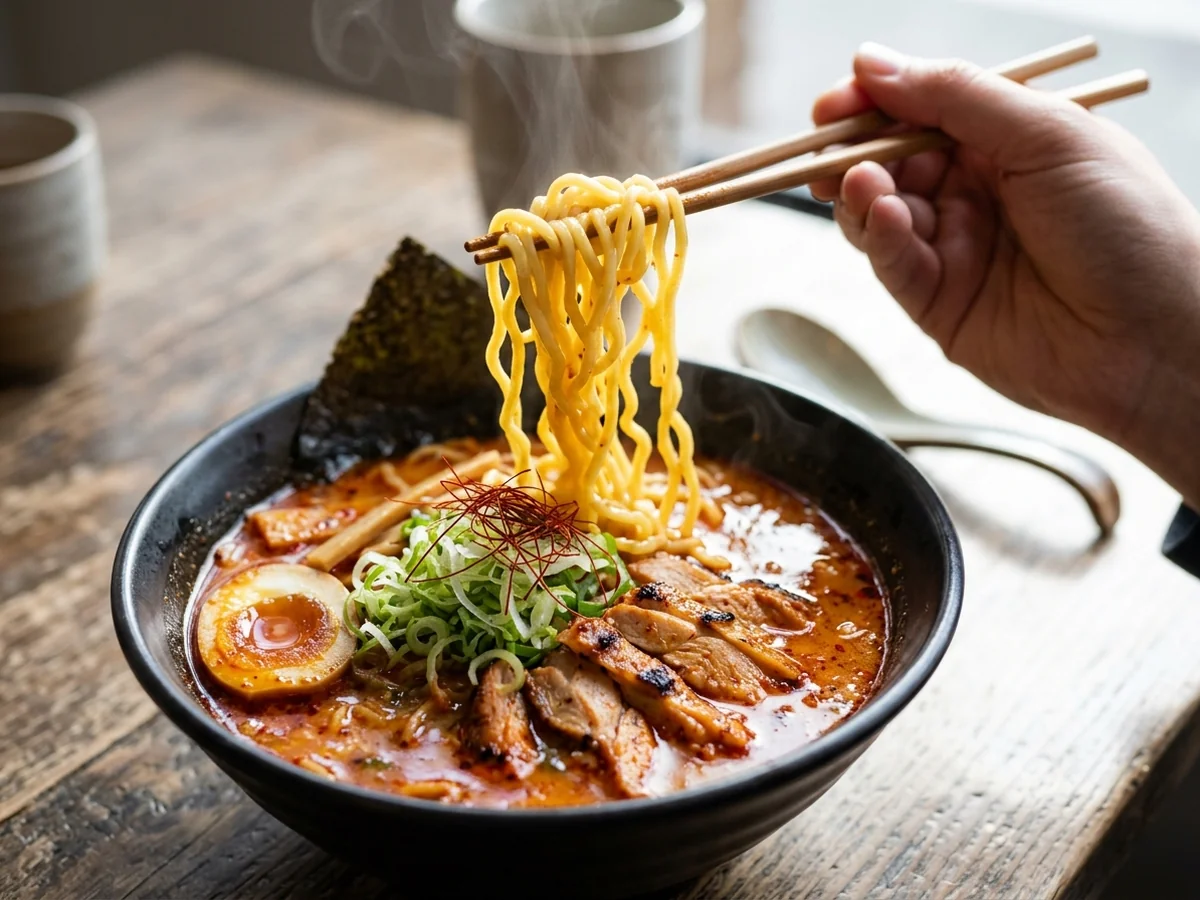
The most effective way to prepare ramen noodles is typically to cook them in a separate pot of boiling water rather than directly in your finished broth. This practice is widely considered essential for maintaining the integrity of your soup base.
When you boil noodles alongside your soup, the starch released from the dough during cooking inevitably migrates into the liquid. This common guidance exists because that extra starch can quickly turn a clear, vibrant broth into a thick, cloudy, and overly starchy mixture. By boiling them separately, you keep the broth clean and preserve the intended consistency of your final dish.
Selecting the Right Noodle Type
Your choice of noodle should complement the intensity of your soup. For a spicy, robust broth, you want a noodle that can hold its own against intense flavors. Heavier, heartier noodles are ideal here. Their firm structure prevents them from becoming mushy or lost in the thick, spicy coating of a creamy sauce.
Wavy noodles are particularly excellent for catching and holding onto creamy, spicy sauces, while straight, thin noodles work best in lighter, clearer soups where you want a cleaner slurping experience. Al dente textures provide a necessary contrast to the richness of a spicy, creamy base, ensuring every bite remains distinct.
Preparation and Texture Tips
If you are using store-bought or instant options, simply boiling them for a shorter time than the package suggests often results in a better texture. This leaves the noodles with a slight bite that stands up well to the heat and creaminess of your broth. Once drained, give them a quick rinse with warm water to remove excess surface starch before adding them to your bowl. This step ensures every bite remains distinct and perfectly textured without compromising the quality of your soup.
Balancing Noodles with Broth
To elevate your spicy chicken ramen bowl, pay attention to the interaction between the noodles and your aromatics. While you focus on the texture of your noodles, remember that the broth itself is a canvas. Dried shiitake mushrooms can be added to chicken stock to increase umami flavor, as confirmed by research on non-volatile compounds.
Furthermore, common culinary practice suggests that store-bought chicken stock can be significantly upgraded by simmering it with ginger, spring onions, and chili before adding your noodles. By coordinating the cooking times of your protein, choosing ingredients like boneless chicken thighs, which are less prone to drying out than breasts, you create a cohesive final dish where the noodles, protein, and broth complement each other perfectly.
Essential Toppings and Garnishes

The best way to customize your meal is by selecting fresh vegetables and proteins that balance the heat of your broth. These additions transform a standard noodle soup into a substantial dish, providing contrasting textures and added depth to your homemade ramen broth ingredients.
You can elevate your dish using these popular ingredients for a more satisfying meal:
- Bok choy adds a refreshing, crisp texture that pairs well with the richness of a creamy, heat-forward soup.
- A soft boiled egg provides a jammy yolk that acts as a natural thickener when stirred into the broth.
- Dried shiitake mushrooms are a reliable addition to chicken stock because they significantly increase the umami flavor of the base.
- Finely sliced spring onions offer a sharp, aromatic bite that cuts through the heavier, savory notes of the sauce.
- Toasted sesame seeds or nori strips provide a subtle nuttiness and a classic visual finish to your presentation.
Adjusting the heat levels of your meal is easily done by choosing the right chili oil infusion. If you prefer a smoky profile, look for an oil infused with chipotle or smoked paprika. For those who enjoy a numbing sensation, an oil prepared with Sichuan peppercorns is a traditional choice. You can also experiment with garlic-infused varieties, which add a pungent, savory layer that complements the creamy sauce perfectly. Start by adding a small spoonful of your chosen oil to the center of the bowl, then taste as you go to reach your desired spice level.
Consider these simple instant ramen bowl upgrades to create a unique flavor experience every time you cook. Adding a spoonful of miso paste can add complexity to the broth, while a drizzle of toasted sesame oil brings out the nuttier notes of the chicken thighs. Always remember that cooking your noodles separately from the broth is common guidance, as it prevents your soup from becoming overly starchy or cloudy. By balancing fresh produce with bold aromatics, you can easily turn a simple meal into a restaurant-quality experience at home.
Avoiding Ramen Cooking Mistakes

Achieving the perfect balance in a spicy chicken ramen bowl requires careful attention to ingredient timing and flavor proportions. Small errors during the preparation process can easily compromise the texture of your noodles or mask the underlying quality of the chicken broth. Whether you are working with instant ramen bowl upgrades or building a base from scratch, consistency is the key to a professional result.
Managing Noodle Texture and Broth Clarity
A common mistake involves cooking noodles directly in the soup. Typical culinary practice suggests cooking your ramen noodles separately in a dedicated pot of water. This prevents the excess starch from the noodles from leaching into your broth, which otherwise results in a cloudy, thick, and gummy consistency. By boiling the noodles separately, you maintain the clean, clear appearance of your base.
Furthermore, timing is critical. Even one minute of overcooking can leave noodles mushy, which destroys the mouthfeel of the dish. Drain your noodles immediately once they reach an al dente texture to prevent residual heat from softening them further.
Optimizing Protein and Flavor Bases
When selecting your protein, common guidance suggests using boneless chicken thighs rather than breasts. Thighs contain more intramuscular fat, making them far less prone to drying out during the simmering or searing process compared to leaner breast meat.
If you are enhancing store-bought stock, a typical method to elevate the flavor involves simmering the liquid with fresh aromatics like ginger, spring onions, and chili. However, be cautious: simmering aromatics like ginger and garlic for too long can turn the broth bitter. Add these toward the end of the cooking process for a brighter, fresher flavor profile.
Building Umami and Controlling Heat
To deepen the complexity of your spicy creamy chicken ramen recipe, consider adding dried shiitake mushrooms to the chicken stock. According to research on flavor enhancers, dried shiitake mushrooms act as a natural source of umami, significantly increasing the savory depth of the liquid.
When introducing heat, such as chili oil or gochujang, add these seasonings gradually. It is easy to add more spice, but nearly impossible to remove it once the balance of your broth and seasonings has been overwhelmed. Always taste as you go to ensure that the heat complements the chicken base rather than masking it. This methodical approach to layering flavors and monitoring textures ensures that every bowl delivers a well-rounded experience rather than a singular, aggressive spice profile.
Customizing Spice Levels

You can tailor the heat of your noodle dish by selecting specific chili products and adding them at different stages of the cooking process. Choosing the right ingredient depends on whether you prefer a slow, creeping warmth or an immediate, sharp kick.
Dried chili flakes or powders are best incorporated while you simmer your broth base, as they infuse the liquid with consistent heat throughout. If you prefer a more vibrant flavor, add chili oil or a fermented paste like gochujang toward the end of the cooking process. This preserves the brightness of the chili and prevents the heat from becoming overly muted by the other ingredients in your creamy ramen bowl.
Building heat incrementally is a reliable way to avoid over-seasoning. Start by adding a small amount of your chosen heat source to the broth, taste it, and then evaluate whether you need more. Since the creamy elements in your sauce, such as miso paste or nut butters, can mellow the sensation of heat, you might find that you need slightly more spice than you would in a clear broth.
Balancing spice for different palates requires thoughtful adjustments to both your base sauce and your final toppings. Consider these methods to manage the intensity of your meal:
- Incorporate creamy fats like sesame paste or coconut milk to neutralize the intensity of concentrated chili oils.
- Keep spicy condiments like extra chili oil or fresh sliced chilies on the side so individuals can control their own heat level.
- Use cooling toppings such as soft boiled eggs, fresh bok choy, or sliced scallions to provide a refreshing contrast to a fiery broth.
- Acidic components, such as a splash of rice vinegar, can cut through the richness of the creamy sauce while highlighting the nuances of the spices used.
By treating the heat as a variable rather than a fixed ingredient, you ensure that every bowl is enjoyable for everyone at the table. Always start conservative, as you can easily increase the spice, but you cannot remove it once it is fully integrated into the broth.
FAQ
How do I make a spicy chicken ramen bowl with a creamy sauce?
You can create a creamy base by whisking miso paste or tahini into your broth before serving to achieve a rich texture. Incorporating chili oil or gochujang allows you to balance that richness with your preferred level of heat.
What are the best protein choices for ramen?
Boneless chicken thighs are often preferred by home cooks because they are less prone to drying out during cooking compared to chicken breasts. Preparing your protein separately ensures it stays tender and flavorful before you add it to your finished meal.
Should I cook ramen noodles in the broth?
It is common practice to cook ramen noodles in a separate pot of water rather than directly in the broth. This method helps prevent the starch from the noodles from making your soup appear cloudy or overly thick.
How can I upgrade store-bought chicken stock?
You can improve the depth of store-bought chicken stock by simmering it with aromatics like ginger, spring onions, and chili. Adding dried shiitake mushrooms to the stock is a proven way to increase the umami flavor significantly.
What are some essential spicy ramen toppings?
Popular additions for a spicy chicken ramen bowl include soft boiled eggs, bok choy, and a drizzle of chili oil. You can customize your dish with fresh scallions, sesame seeds, or seaweed to add crunch and visual appeal.
Conclusion
The next step for crafting your perfect spicy noodle dish is to experiment with your preferred balance of heat and texture. You might start by simmering your stock with ginger, spring onions, and chili to build a base, or by adding dried shiitake mushrooms, which are known to increase umami flavor. Since boneless chicken thighs are often chosen to prevent the meat from drying out, keep this protein tender as you assemble your final ingredients.
Cooking your noodles separately is common practice to keep the broth clear rather than starchy. Whether you choose to incorporate gochujang, miso paste, or chili oil for that signature kick, adjust the creaminess to suit your taste and enjoy the process of elevating your homemade ramen.
Sources: academia.edu
You might also like: Steak Fajitas Recipe: Sizzling Mexican Dinner