Ultimate Cheddar Patty Melt Burger Stack
Introduction
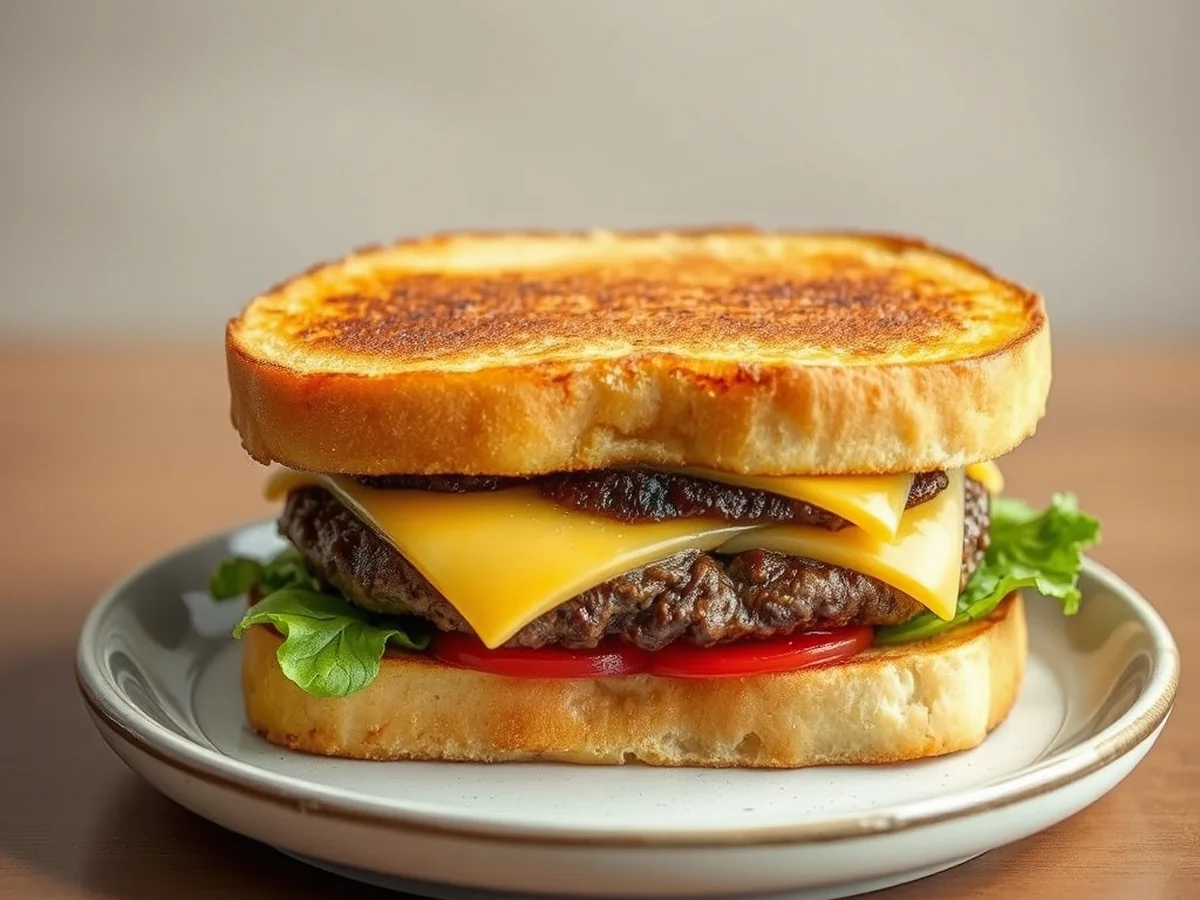
A cheddar patty melt burger combines a seasoned beef patty, sharp cheese, and savory onions between slices of buttered, toasted bread. This recipe provides the professional techniques needed to achieve a perfectly melted interior and a crisp, golden exterior right in your own kitchen.
This guide covers how to shape your patties for even cooking, the best methods for preparing flavorful caramelized onions, and essential tips for managing your heat to ensure the bread toasts without burning. You will also learn about ideal meat ratios and temperature guidelines to guarantee a consistent result every time you cook this classic diner favorite.
The Timeless Appeal of the Diner-Style Patty Melt
This sandwich is a quintessential diner staple, defined by its crisp, butter-toasted bread and savory, melt-in-your-mouth interior. Unlike a standard burger, it skips the bun in favor of griddled slices that provide a satisfying crunch in every bite.
Choosing a cheddar patty melt burger for your evening rotation turns a simple craving into a high-protein, one-pan comfort meal. By consolidating the cooking process into a single skillet, you minimize cleanup while maximizing the depth of flavor that comes from searing beef and caramelizing aromatics in the same pan.
This approach is perfect for busy weeknights when you want a hearty, nutrient-dense dinner without the stress of managing multiple burners. The combination of protein-rich ground beef and melted cheese provides a filling base that keeps you satisfied long after the meal ends.
- It simplifies dinner prep by using just one piece of cookware for the entire assembly.
- It offers a high-protein solution that satisfies cravings for classic comfort food.
- The technique relies on common pantry staples, making it an accessible option for any night of the week.
Cooking this way allows the savory drippings from the meat to infuse the bread as it toasts, creating a cohesive dish where every component serves a purpose. Whether you are aiming for a quick dinner or a classic weekend treat, this method delivers the consistent, golden results that make the sandwich a reliable favorite in home kitchens.
Best Cheeses and Meats
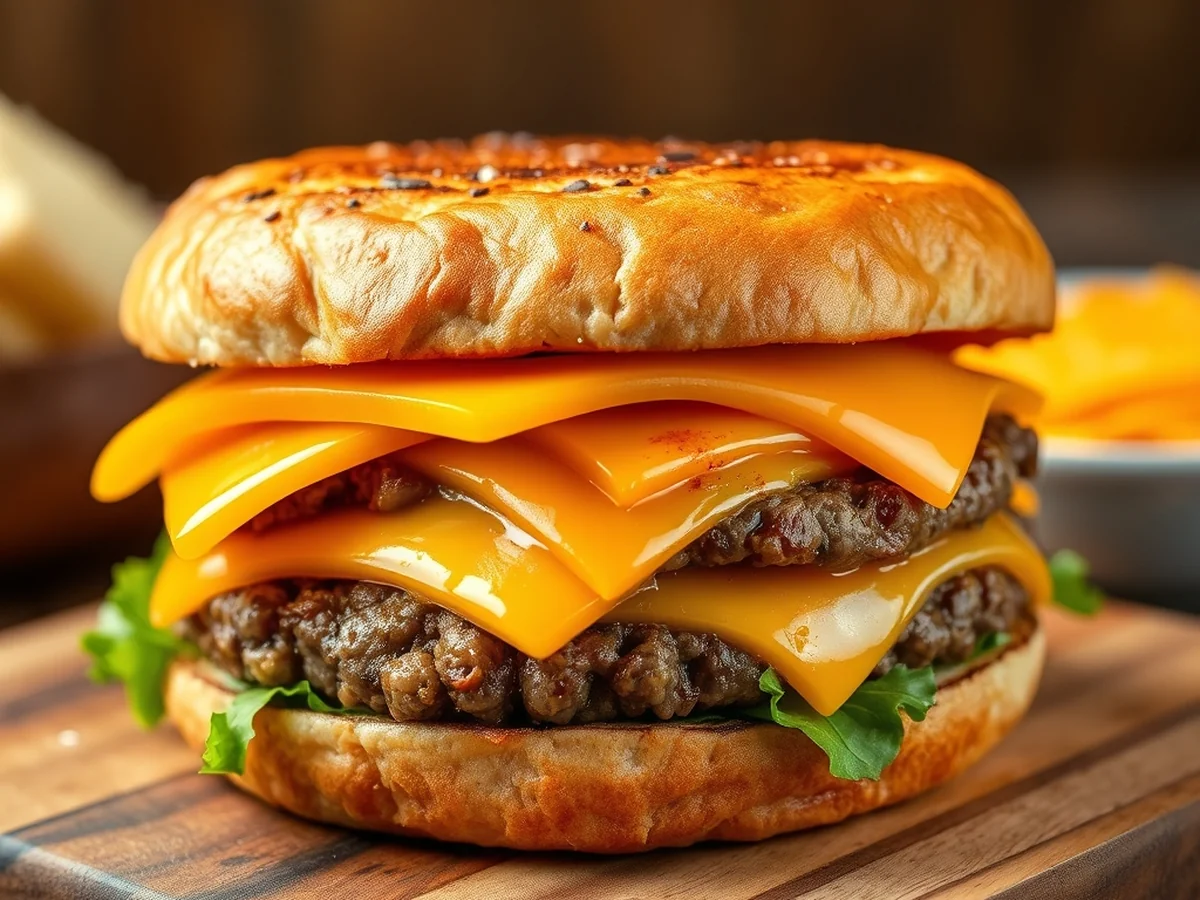
The foundation of a classic patty melt relies on selecting the right ingredients to balance flavor, texture, and structural integrity. For the meat, high-quality ground chuck is the preferred choice. A common practice is using an 85/15 ground beef ratio, which provides enough intramuscular fat to facilitate the Maillard reaction. This process is essential for achieving a deep, flavorful brown crust while keeping the interior juicy during the high-heat searing process. When shaping your patties, standard practice is to form them as close to the shape of your bread as possible, which ensures consistent coverage and prevents an uneven bite.
Selecting the Ideal Cheese
Cheddar is widely considered the best cheese for a patty melt because its sharp flavor profile cuts through the richness of the beef. Beyond taste, its consistent meltability ensures a cohesive texture that binds the meat to the bread without separating into an oily layer. Always avoid pre-shredded varieties, as these often contain anti-caking additives that interfere with the desired smooth, gooey consistency. Instead, slice your cheddar from a block to ensure it melts cleanly as the sandwich toasts.
Elevating the Flavor Profile
While the meat and cheese are the stars, the accompanying aromatics define the experience. Caramelized onions for burgers are a staple addition, and you can achieve significant depth by cooking them with the lid on for about 20 minutes. To further enhance the complexity, many cooks add red wine vinegar and Worcestershire sauce to the onions during the cooking process. These additions provide a subtle acidity that balances the savory, fatty notes of the beef and cheddar. Proper preparation ensures that every component works in harmony, allowing the butter-toasted bread to remain crisp while the interior stays molten and flavorful. Following these guidelines helps you replicate the quality of a diner-style meal in your own kitchen.
Mastering Caramelized Onions
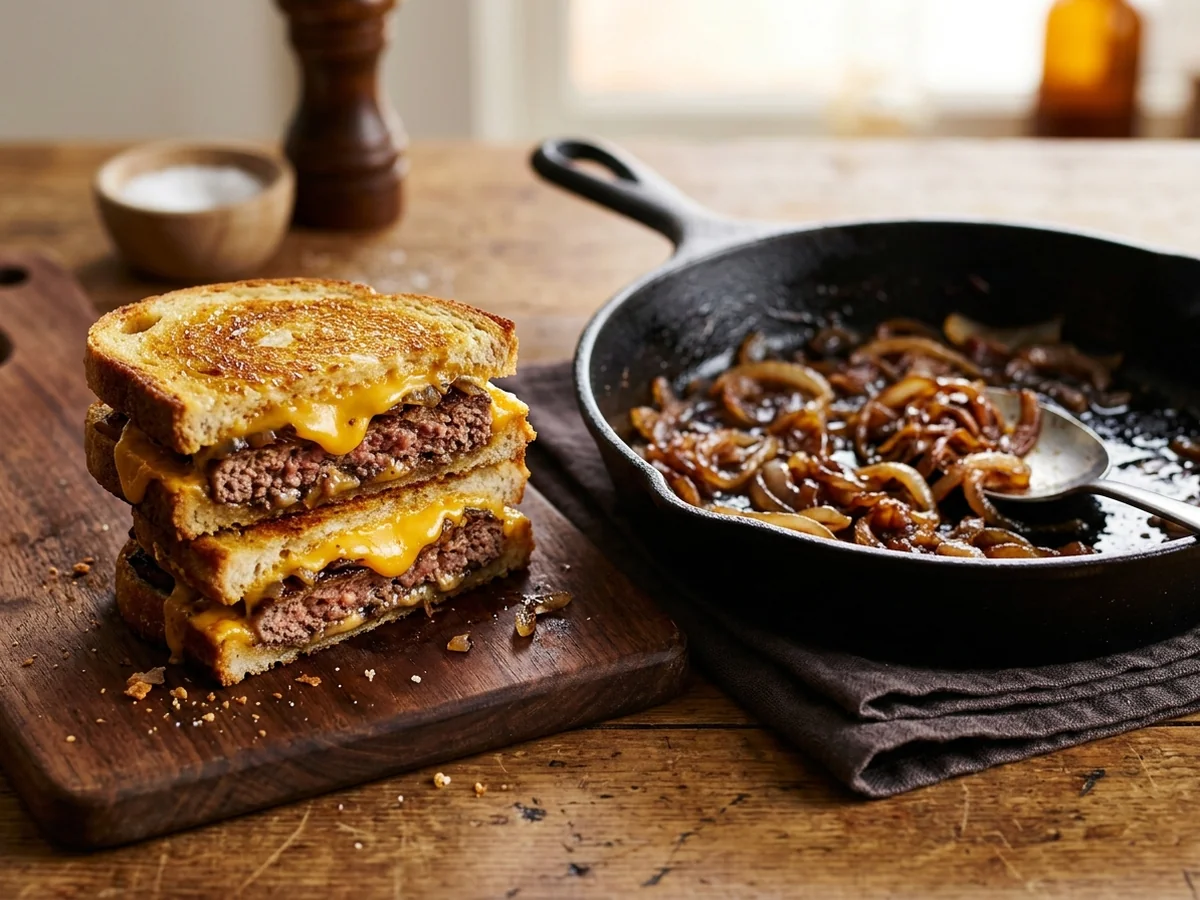
Achieving the perfect flavor profile for a cheddar patty melt burger begins with your onions. While it is common practice to cook onions for 5 to 7 minutes to reach a translucent, soft state in butter, patience is required to reach a true caramelized finish. The goal is to transform the natural sugars in the vegetable into a deep, sweet, and complex garnish that complements the savory richness of your beef.
The Lid-On Technique
To produce consistent results, follow the method verified by the Mississippi State University Extension. By cooking your onions with the lid on for about 20 minutes, you effectively trap moisture and heat. This process allows the onions to soften thoroughly throughout their structure before they start to brown, creating a depth of flavor that simple open-pan sautéing often fails to achieve.
Balancing Flavors
Once your onions have reached a deep golden brown color, you can elevate the dish further by incorporating pantry staples. It is a common technique to add a small splash of red wine vinegar and a dash of Worcestershire sauce during the final stages of cooking. These ingredients introduce a subtle acidity and savory punch that balances the richness of the cheese and the fat in the ground beef. When preparing caramelized onions for burgers, keep these professional tips in mind to ensure success:
- Maintain a medium-low heat throughout the process to prevent the sugars from scorching or turning bitter.
- Stir the onions occasionally to ensure uniform color and to prevent any sticking to the bottom of your skillet.
- Wait until the onions are fully browned and soft before adding your vinegar or Worcestershire sauce to ensure the liquids reduce properly and coat the onions evenly.
Properly prepared onions provide the essential sweet contrast needed for a well-rounded patty melt, making them a cornerstone of any classic diner-style meal.
Shaping and Grilling Patties
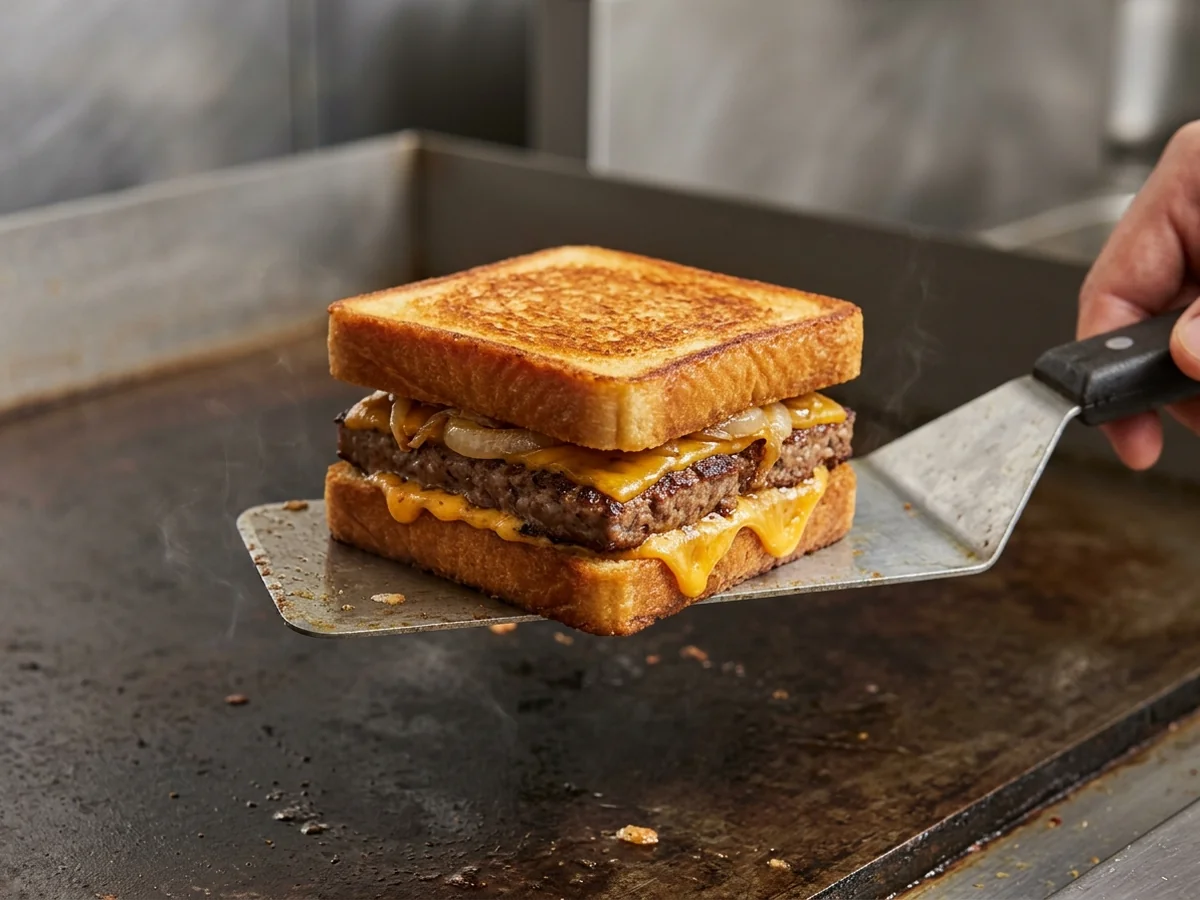
For a successful cheddar patty melt burger, the preparation of the meat is just as vital as the final sear. When shaping your patties, aim for dimensions that mirror your chosen bread. This common guidance helps ensure that every mouthful provides a balanced ratio of savory beef, melted cheese, and toasted bread. Using 85/15 ground beef is a common practice, as this ratio offers enough fat for moisture and flavor without excessive shrinkage during the cooking process.
Techniques for Texture and Structure
The handling of your beef significantly influences the final mouthfeel. For a tender, succulent interior, avoid overworking the meat. Gently form the patties with minimal handling to keep the protein strands loose. If you prefer a firmer, more substantial patty that holds its structure well in a cast iron skillet, you may press the meat more firmly. Regardless of your preference, keep the beef chilled until the moment it hits the pan to ensure the fat remains solid, which helps maintain texture and prevents the patty from becoming tough.
Mastering the Sear
Once your skillet is preheated, place the patties in the pan to begin the browning process. A standard cooking time for ground beef in a classic patty melt recipe is 3 to 5 minutes per side. This timeframe allows for the development of a deep, flavorful crust through the Maillard reaction while ensuring the meat cooks through. Use the following tips to refine your approach:
- Monitor the heat consistently, as maintaining a steady temperature is essential to achieving a perfect sear without burning the edges or the butter-toasted bread.
- Avoid flipping the patties too frequently, which allows the crust to form undisturbed.
- Ensure the beef is cold before shaping to maintain better texture during the grilling process.
If you are also preparing caramelized onions for burgers, remember that this component requires patience. Onions typically become soft and translucent in butter within 5 to 7 minutes, but cooking them with the lid on for about 20 minutes is a proven method to achieve true depth. Adding a splash of red wine vinegar and a dash of Worcestershire sauce during the process is a common practice that enhances the savory flavor profile of the onions.
Achieving the Perfect Toast
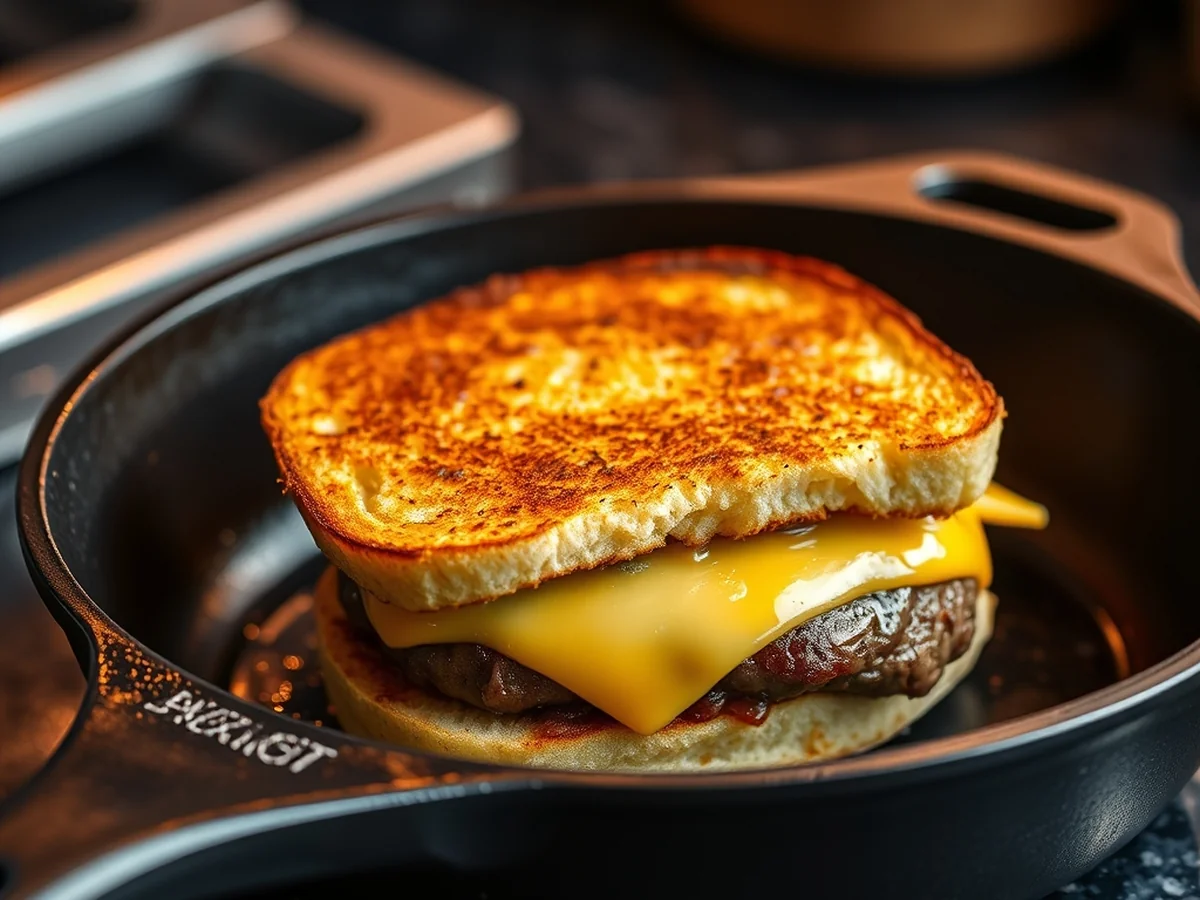
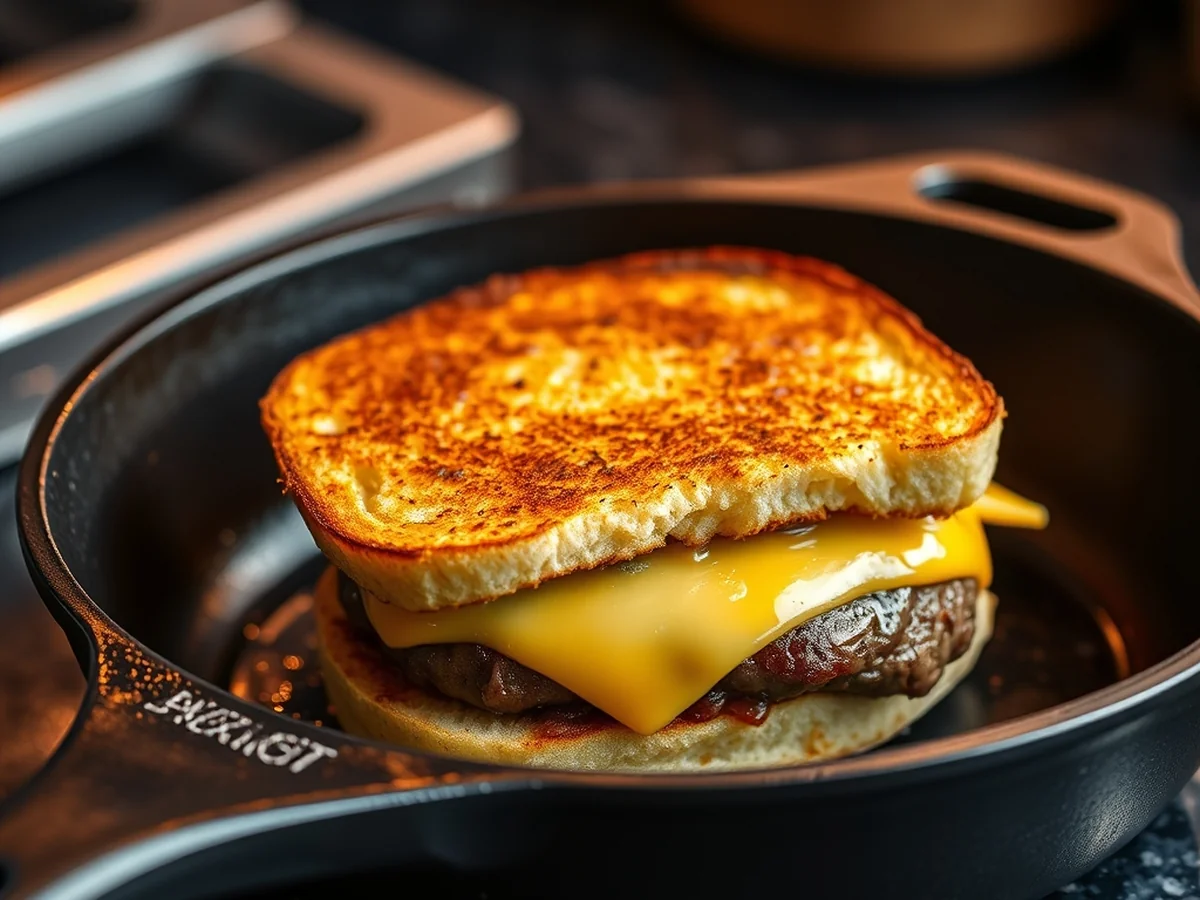
To get a perfectly crisp, golden-brown crust on your cheddar patty melt burger, use a heavy-bottomed cast iron skillet and moderate heat. Cast iron is ideal for this task because it retains heat exceptionally well, ensuring consistent browning across the entire surface of the butter-toasted bread without cold spots.
If you find that your bread is browning too quickly before the center has a chance to melt, reduce the burner temperature slightly. Covering the skillet with a lid for the final minute of cooking traps the ambient heat, which helps the cheese soften thoroughly while keeping the exterior texture crunchy. You may also choose to toast the bread slices on one side before assembling the sandwich, which gives you more control over the final browning process.
While traditional rye is the classic choice, you have plenty of flexibility when it comes to the vessel for your meal. Many home cooks prefer these alternatives for their texture and flavor profile:
- Sourdough bread: Offers a sturdy structure and a signature tangy flavor that stands up well to the richness of the beef.
- French bread: Provides a soft, airy interior and a satisfying crunch that mimics diner-style sandwiches.
- Thick-cut white or wheat bread: Works perfectly if you prefer a milder taste that allows the savory flavors of the patty and onions to take center stage.
Regardless of the bread you select, ensure you apply a thin, even layer of butter to the outer surfaces. This ensures consistent contact with the skillet and creates that signature golden finish every time.
Patty Melt Food Safety
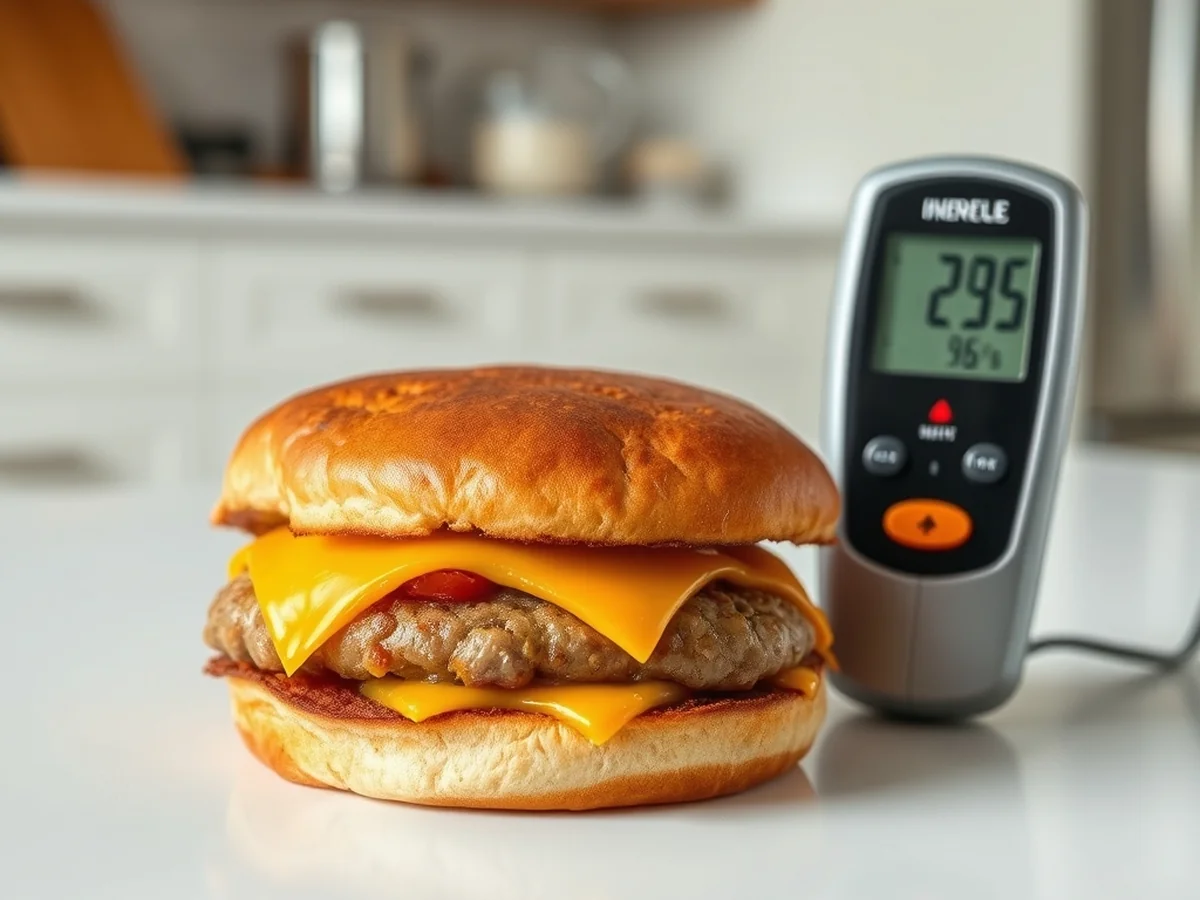
Checking the internal temperature of your beef is the only reliable way to ensure the meat is cooked to a safe level. Following the internal temperature guidelines provided by the USDA Food Safety and Inspection Service helps protect you and your guests from foodborne illness by verifying that the heat has effectively reduced harmful bacteria.
Visual cues like the color of the meat or the clarity of its juices are not accurate indicators of safety. Because different cuts of ground meat can look brown or cooked before they reach the required heat, a digital meat thermometer remains your best tool for precision. Relying on time alone can be misleading, as stove heat levels and pan materials vary significantly between kitchens.
To use a meat thermometer correctly, insert the probe into the thickest part of the patty. Ensure the tip is in the center of the meat rather than touching the bottom of the skillet or a pocket of melted cheese, as these areas will provide false readings. Once the thermometer registers a steady, safe temperature, you can be confident your meal is ready to serve.
- Insert the thermometer probe through the side of the patty to reach the center accurately.
- Clean your thermometer with hot, soapy water before and after every use to prevent cross-contamination.
- Wait for the reading to stabilize for a few seconds before deciding if the meat needs more time on the heat.
Building the Ultimate Sandwich
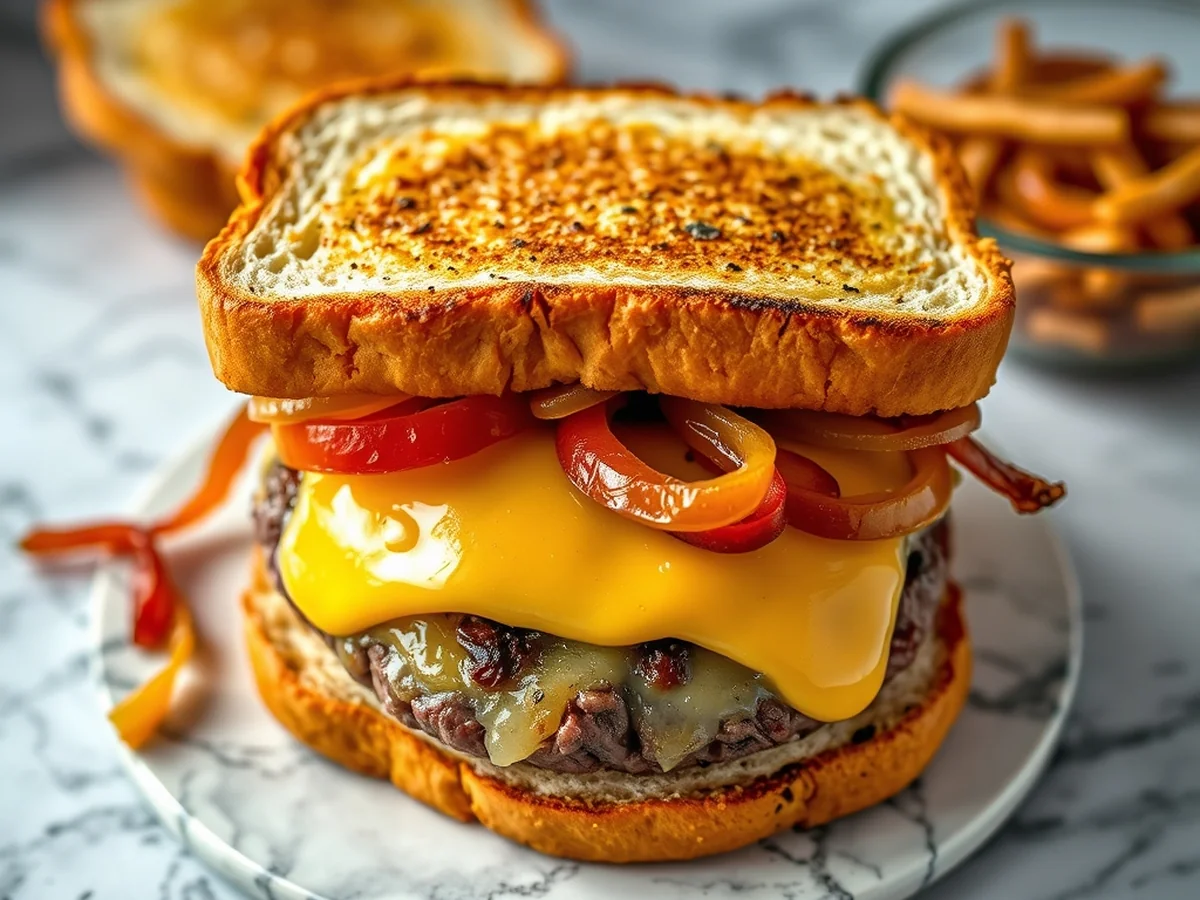
The secret to a perfect toasted sandwich lies in the layering order, which ensures every bite contains melted cheese, savory beef, and sweet onions. Assemble your ingredients in this sequence to balance textures and flavors effectively.
- Start by placing a slice of buttered bread in your hot skillet, followed immediately by a generous layer of cheddar cheese.
- Add your cooked beef patty directly onto the melting cheese to create a tight bond between the layers.
- Top the meat with a heap of caramelized onions for a burst of savory depth.
- Place another slice of cheese over the hot onions, which helps the top bread slice stick to the stack.
- Finish by topping the stack with your final piece of buttered bread, then grill until the exterior is golden brown.
To elevate this dish, whisk together a simple homemade patty melt burger sauce. Combine equal parts mayonnaise and ketchup with a spoonful of sweet relish and a dash of mustard to create a tangy condiment that cuts through the richness of the beef and cheese. You can adjust the ratios of these pantry staples to suit your personal preference for sweetness or acidity.
Complete your meal by serving the sandwich alongside classic diner-style sides. Crispy potato wedges or a simple vinegar-based coleslaw provide a refreshing contrast to the buttery, heavy nature of the meal. A side of pickles or a small green salad also adds a necessary crunch that balances the savory, melty profile of your creation.
Fixing Common Melt Mistakes
You can avoid ruined sandwiches by managing your pan space and controlling your heat intensity. When cooking several items at once, crowding the pan is a frequent error that leads to steaming instead of searing. If the skillet is packed too tightly, moisture cannot escape, preventing the crust from forming on your meat.
To ensure your meal cooks evenly, keep heat settings moderate. High heat often causes the outside of the meat to char while the center remains raw. If your pan starts smoking rapidly, turn the heat down and move the skillet off the burner for a moment. Aim for a steady sizzle rather than aggressive popping to maintain control over the cooking process.
Excessive shrinkage is another common frustration, but it is easily managed with proper technique. You can prevent patties from pulling in too much by following these tips:
- Press a small indentation into the center of each raw patty to help it maintain a flat shape during cooking.
- Shape your beef as close to the bread shape as possible before adding it to the skillet.
- Handle the meat gently while forming it to avoid overworking the fibers, which can cause the protein to tighten and shrink more than necessary.
Following this approach helps you achieve a professional result similar to a classic patty melt recipe. Keeping enough space between items allows the heat to circulate, ensuring each component reaches the proper level of doneness without sacrificing the texture of the bread or the juiciness of the beef.
FAQ
How do you achieve the classic golden-brown crust on a cheddar patty melt burger?
Achieving that signature crisp exterior requires using a well-seasoned cast iron skillet and sufficient heat during the butter-toasted bread process. Ensuring the pan is hot before adding the sandwich allows the butter to brown the bread evenly without making the interior soggy.
What are the best cheese options besides cheddar for a patty melt?
While cheddar provides a bold, sharp profile, Swiss or Gruyere are excellent alternatives that melt exceptionally well. These varieties offer a slightly nutty flavor that complements the richness of the ground beef and caramelized onions.
Can you substitute rye bread if you do not like the flavor?
You can certainly swap rye for other sturdy options like sourdough or thick-cut white bread. The goal is to choose a bread substantial enough to hold the weight of the patty and cheese while crisping up in the skillet.
What are the best side dishes to serve with a patty melt?
Classic diner-style sides like crispy shoestring fries, onion rings, or a simple coleslaw pair perfectly with the savory nature of the sandwich. Pickles or a light garden salad also provide a refreshing acidity that balances the richness of the melted cheese and beef.
What is the recommended fat ratio for ground beef in a patty melt?
Using 85/15 ground beef is a common practice for achieving a balance between flavor and moisture. This ratio ensures the patty remains juicy during the standard 3 to 5 minutes of cooking time per side without excessive shrinkage.
Conclusion
The final step for a successful meal is ensuring your heat management remains low and steady while the cheese melts into the beef. Once the bread reaches a deep golden brown and the center is fully heated, remove the sandwich from your skillet immediately to prevent overcooking. You are now ready to serve your homemade cheddar patty melt burger while it is hot and crispy. If you want to refine your technique further, gather your ingredients and try this method in a well-seasoned cast iron skillet for the best results.
Sources: extension.msstate.edu
You might also like: Classic Bacon Egg and Cheese Sandwich