Grilled Chicken Wraps with Creamy Garlic Sauce
Introduction
Making delicious grilled chicken wraps with garlic sauce is straightforward when you use the right combination of fresh ingredients and simple cooking techniques. Home cooks searching for a satisfying meal will find that seasoned chicken breast paired with a vibrant garlic sauce creates an ideal weeknight dinner.
This guide covers everything needed to prepare the dish from scratch. You will learn how to season the chicken, cook it in a hot skillet, mix the creamy sauce, and assemble the final tortilla wrap without tearing.
Why Grilled Chicken Wraps with Garlic Sauce Belong in Your Weekly Meal Plan
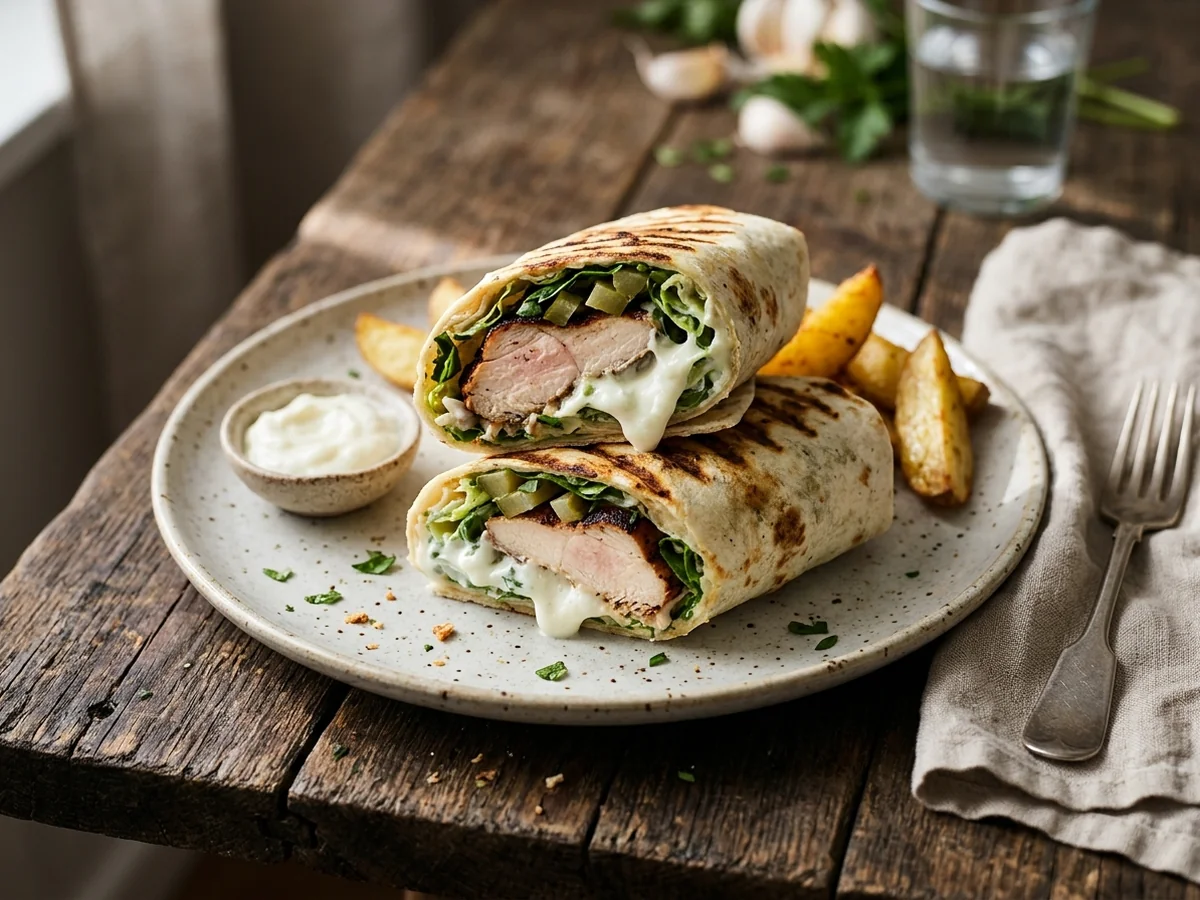
Finding meals that satisfy everyone at the table while fitting into a hectic schedule can feel challenging. Savory handheld dinners deserve a permanent spot in your cooking rotation because they combine smoky chicken breast with a punchy, vibrant garlic sauce inside a warm tortilla. That irresistible flavor pairing delivers restaurant quality taste right at home without requiring hours of kitchen work.
Busy home cooks will appreciate how fast these handheld dinners come together on busy weeknights. You get a deeply satisfying meal with minimal dinner stress, keeping cleanup low and satisfaction high after a long day. Instead of relying on takeout, you can whip up a fresh batch in minutes using simple ingredients you likely already have in your kitchen.
Understanding the why behind this meal helps you get the most out of your cooking routine. The secret lies in balancing the savory warmth of the protein with a sharp, aromatic sauce. When you use a cast iron skillet to achieve a proper sear, the poultry develops a rich exterior while staying tender inside. Pairing that warm filling with fresh vegetables creates a textural contrast that elevates a simple wrap into an exciting weeknight favorite.
To master this dish, focus on a few practical steps. Start by preparing your components efficiently, ensuring your garlic sauce is mixed and chilled so the flavors meld properly. When cooking the poultry, make sure your pan is adequately heated before adding any olive oil or butter to prevent sticking and to build a flavorful crust. Finally, assemble your tortilla wrap carefully, layering your ingredients so every bite delivers an even balance of protein, sauce, and crisp greens.
Several common mistakes can trip up home cooks when preparing these meals. Overcooking the poultry leads to a dry texture, so keep a close eye on your cooking times. Another frequent issue is adding too much sauce during assembly, which can make the tortilla soggy and difficult to roll. Balancing your ingredients ensures your meal stays structurally sound and enjoyable from the first bite to the last.
This comprehensive guide covers everything you need for success in your kitchen. You will learn expert ingredient selection, proper cooking techniques on a cast iron skillet, and smart meal prep storage tips for leftovers.
Essential Ingredients for the Ultimate Chicken Wrap Experience
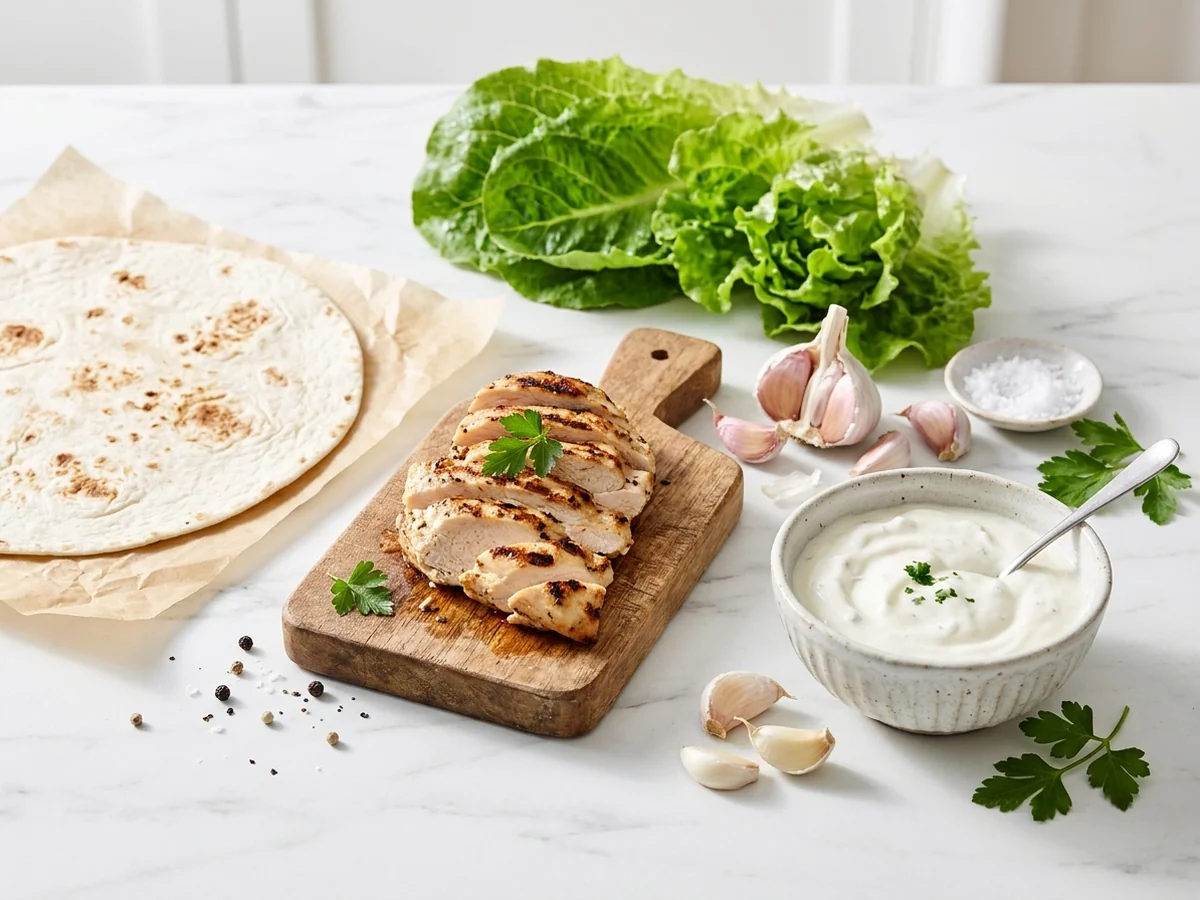
Crafting memorable grilled chicken wraps with garlic sauce starts with understanding why each component matters. Selecting quality ingredients ensures that every bite balances savory protein, bright acidity, and rich creaminess without becoming soggy or bland. This approach works especially well for home cooks and busy individuals looking to pull together a flavorful handheld meal with minimal stress.
Core Components of a Great Wrap
The foundation of any great tortilla wrap chicken recipe relies on a few core elements working together in harmony:
- Selecting a thick chicken breast and trimming excess fat helps the meat cook evenly in a cast iron skillet without drying out.
- Coating the poultry in olive oil locks in moisture while creating a deeply browned exterior on the grill or pan.
- Adding fresh lemon juice brings a sharp acidity that cuts through rich flavors and tenderizes the protein during marination.
- Mixing in basic seasonings like salt, pepper, and garlic powder infuses the meat with savory depth.
- Whisking together ingredients for a creamy garlic sauce or incorporating Greek yogurt creates a vibrant spread that ties the entire meal together.
- Choosing a pliable flour tortilla prevents tearing when rolling up warm fillings, savory spreads, and crisp vegetables.
Preventing Common Assembly Mistakes
A common mistake when preparing easy grilled chicken wrap recipes is skipping the marination resting time, which leaves the meat dry. Another frequent pitfall is overloading the tortilla with too many wet ingredients, leading to leaks and structural failure when rolling. To avoid this, pat the cooked chicken dry before slicing and place crisp lettuce as a protective barrier between the warm protein and the tortilla.
For those exploring variations like cheesy garlic chicken wraps with cream cheese, balancing the dairy with fresh herbs keeps the flavor profile bright. Paying attention to these details guarantees success whether you are cooking for family dinners or planning ahead for weekly meal prep.
Crafting the Creamy Garlic Sauce and Exploring Flavor Variations
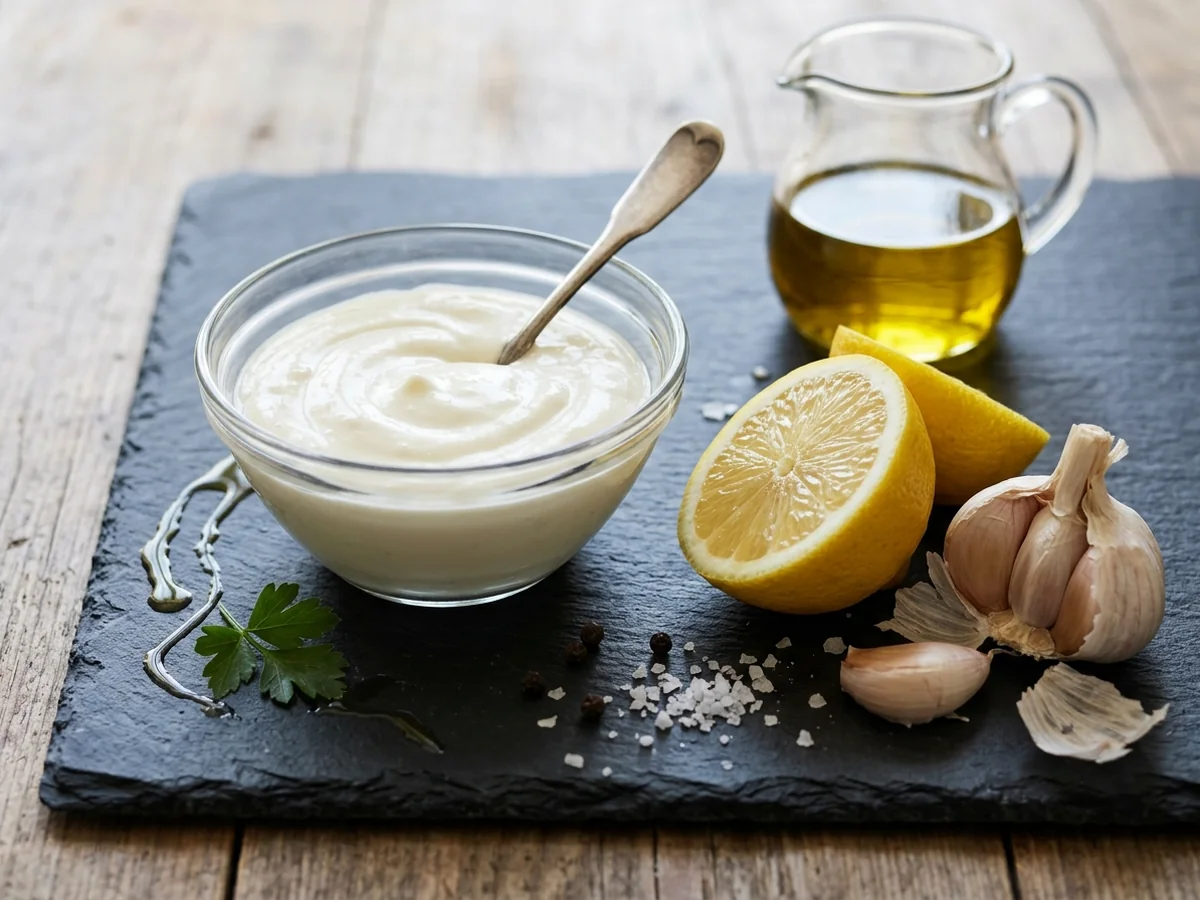
Making a balanced garlic sauce for your tortilla wrap chicken recipe starts with blending fresh garlic cloves into a smooth base like Greek yogurt, olive oil, and a splash of lemon juice. This method tones down the raw bite of the garlic while creating a thick texture that coats every bite without making the meal soggy. Choosing homemade preparations gives you total control over the intensity, ensuring the condiment complements the smoky char from your cast iron skillet rather than overpowering it.
Mastering the Emulsion and Fixing Common Sauce Issues
Understanding the why behind your ingredients helps you achieve the best sauces for chicken wraps every time. Greek yogurt introduces a tangy, cooling contrast and extra protein, while olive oil helps bind the ingredients together smoothly.
Home cooks frequently run into a few common mistakes when preparing these condiments. Using old or pre-minced garlic often results in a harsh, bitter flavor instead of a clean, aromatic punch. Adding all the liquid ingredients at once can also yield a watery consistency that ruins the texture of your grilled chicken wraps with garlic sauce.
To fix a runny sauce, simply whisk in a bit more yogurt or let the mixture chill in the refrigerator for twenty minutes so it can thicken naturally before assembling your meal.
Customizing Your Condiment with Flavor Variations
If you want to experiment with different flavor profiles during meal prep, you can easily adapt the base recipe to suit your preferences. You can swap the yogurt for cream cheese to lean into cheesy garlic chicken wraps with cream cheese, or stir in fresh herbs like dill or parsley to brighten the dish. For anyone following easy grilled chicken wrap recipes, keeping the sauce balanced ensures the flavors remain harmonious even when you add extra ingredients like sliced vegetables or melted cheese.
Mastering Precise Marinade Timings for Maximum Juiciness
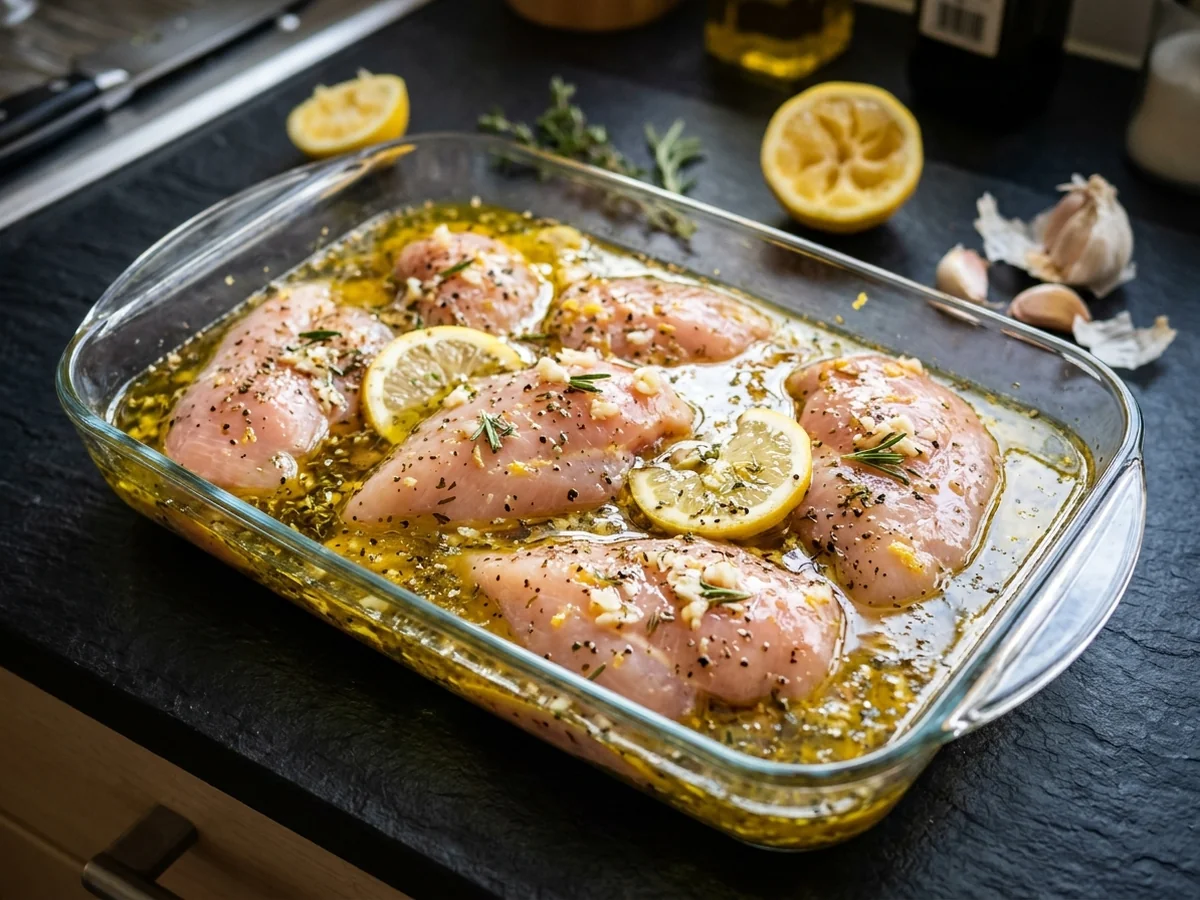
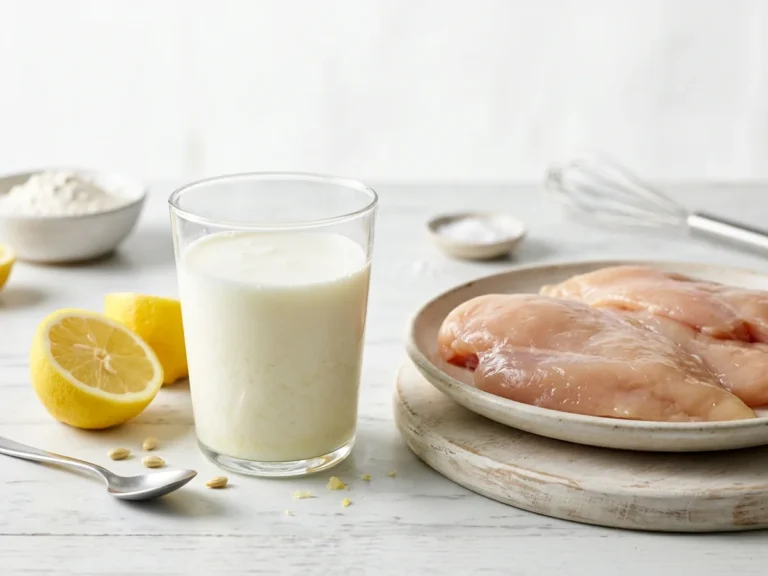
Precise marinade timing ensures your chicken breast stays tender by carefully balancing how acid and oil interact with the meat fibers. Acid helps break down outer proteins, while olive oil coats the surface to lock in moisture during cooking in a cast iron skillet. When preparing ingredients for easy grilled chicken wrap recipes, managing these components correctly makes all the difference in the final texture.
Following strict timing windows prevents the poultry from turning mushy or rubbery. Leaving the meat in an acidic mixture containing lemon juice for too long alters the structure negatively, resulting in a dense bite that ruins your tortilla wrap chicken recipe. Striking the right balance allows the garlic and other flavorings to penetrate effectively without degrading the quality of the protein.
Food safety requires keeping raw poultry refrigerated during the entire marinating process to prevent bacterial growth. Always wash your hands thoroughly and sanitize all kitchen surfaces after handling raw meat before touching other tools or ingredients.
Common mistakes during the marinating process include leaving the poultry at room temperature or overusing strong acids. To avoid these issues, keep the mixture cold and monitor your clock closely. Organizing your ingredients ahead of time helps streamline the cooking process, ensuring your chicken stays juicy before it meets the tortilla.
Cooking the Chicken on a Cast Iron Skillet or Grill

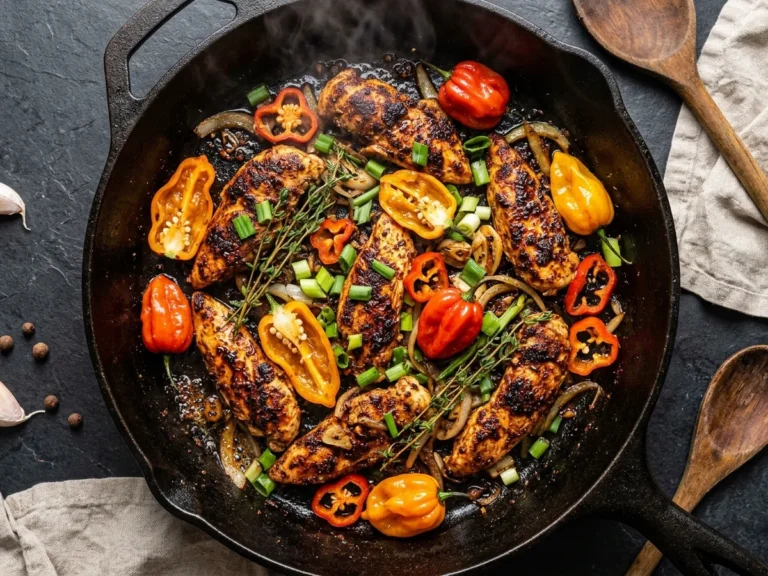
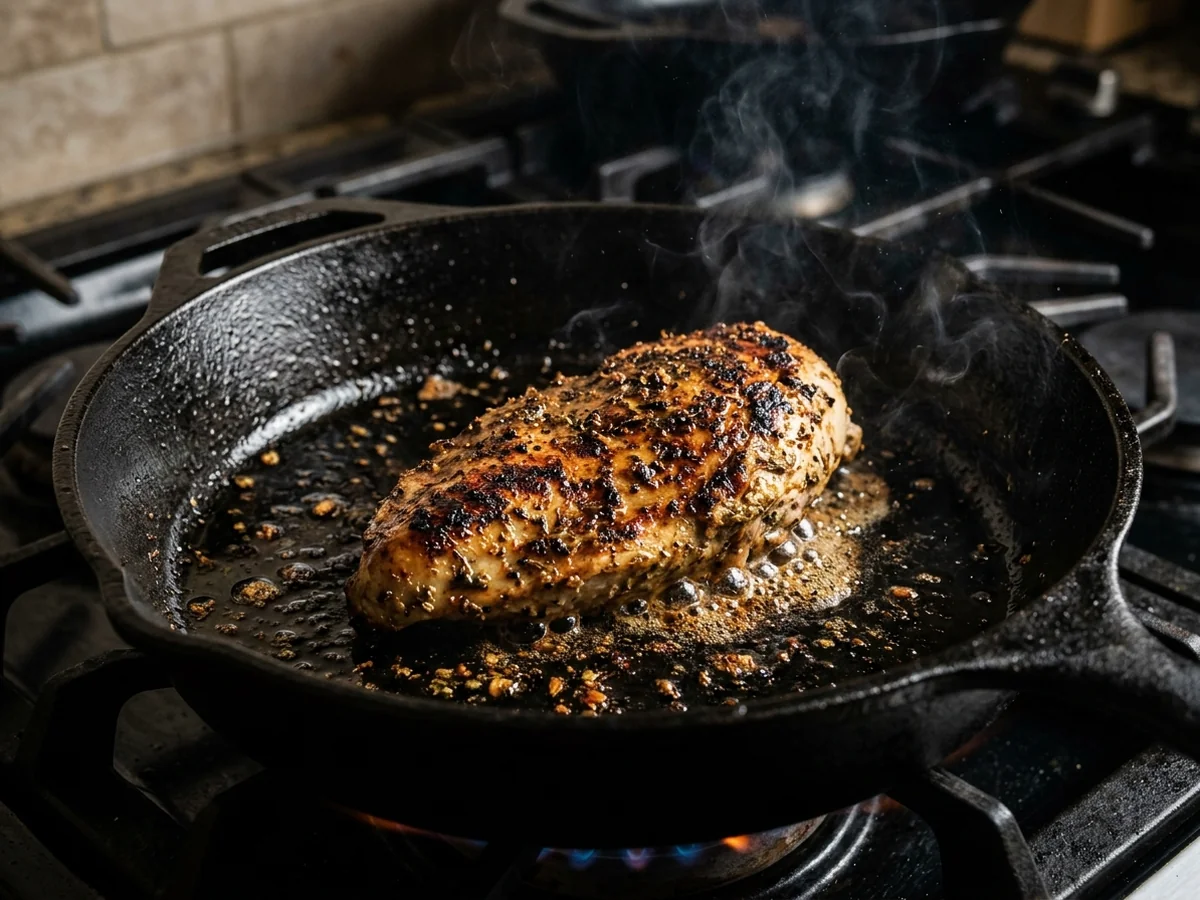
Properly heating a cast iron skillet requires placing the pan over medium-high heat until it is thoroughly hot before adding any oil. This steady buildup ensures the surface reaches the right temperature to build a flavorful exterior sear on the chicken breast without burning the outside. A properly preheated pan is the secret behind successful grilled chicken wraps with garlic sauce, giving the meat that essential savory crust while locking in moisture.
When preparing homemade handheld meals with seasoned poultry, mastering the cooking technique prevents the meat from drying out. Place the chicken breast onto the hot surface and let it sear undisturbed. Visual cues help signal when the meat is ready to flip, as the edges turn opaque and release easily from the hot pan. You can check that the chicken is safely cooked through by verifying that the juices run clear and the center reaches the proper internal temperature using a digital thermometer.
Letting the chicken rest for a few minutes before slicing is an essential step that home cooks often skip. This short pause allows the natural juices to redistribute evenly throughout the meat instead of escaping onto the cutting board, ensuring every bite stays tender inside your favorite handheld lunches and dinners.
A common mistake is overcrowding the pan, which lowers the temperature and causes the meat to steam rather than sear. Give each piece of chicken enough space to develop golden brown crust marks. Once cooked and rested, slice the chicken into thin strips to make assembly easier before pairing the meat with fresh greens, a warm tortilla, and zesty condiments like Greek yogurt or lemon juice mixed with garlic.
- Preheat the skillet completely before adding the meat
- Look for golden brown sear marks on the surface
- Check internal doneness with a digital thermometer
- Allow the meat to rest undisturbed off the heat
Troubleshooting Garlic Sauce Emulsification and Consistency Issues
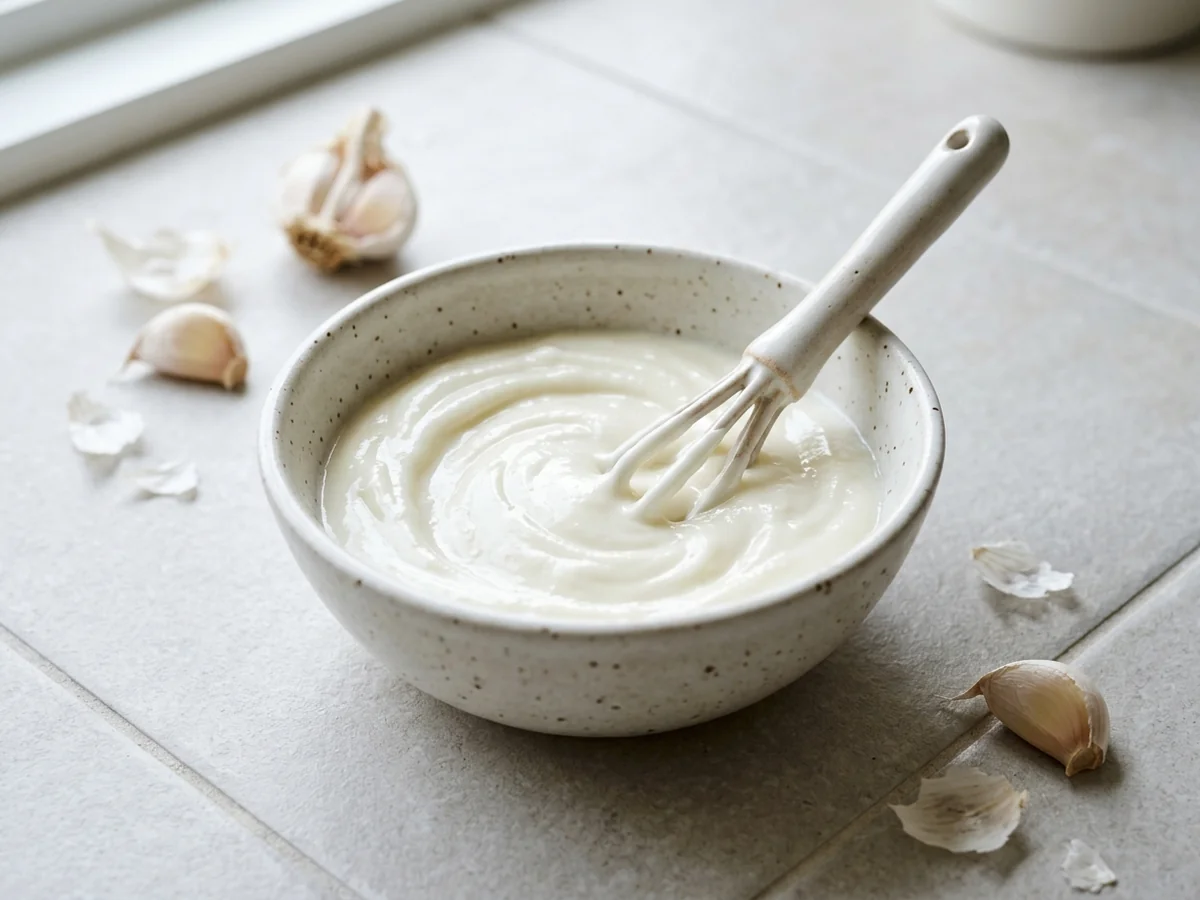
Fixing separated or overly pungent garlic sauce comes down to adjusting your mixing technique and balancing the core ingredients. When oil separates from garlic or yogurt during mixing, it usually happens because the fat was added too quickly or the temperature was too cold. Home cooks preparing handheld handheld poultry meals often encounter these texture hurdles, but they are easy to solve with a few kitchen adjustments.
Rescuing a Broken Emulsion
If your condiment breaks or turns grainy, do not throw it away. Whisk a separate small spoonful of fresh Greek yogurt in a clean bowl, then slowly stream the broken mixture into it while stirring vigorously to rebuild the emulsion. This mechanical action forces the oil droplets back into suspension with the dairy proteins.
Adjusting Texture and Sharpness
Consistency problems can also run in the opposite direction. Thicken a runny mixture by folding in a little extra Greek yogurt or a spoonful of plain breadcrumbs to absorb excess liquid without dulling the savory profile. Meanwhile, mellow an aggressive or overly sharp garlic punch by stirring in a splash of fresh lemon juice, a pinch of sugar, or a small drizzle of olive oil.
Resting and Storage Best Practices
Let the finished condiment rest at room temperature for a short while so the garlic flavor can meld smoothly with the dairy base before assembly. For longer keeping, store your finished condiment in a tightly sealed glass jar in the refrigerator to keep the texture stable until you are ready to build your meal.
Alternative Cheese Infusions and Rich Variations
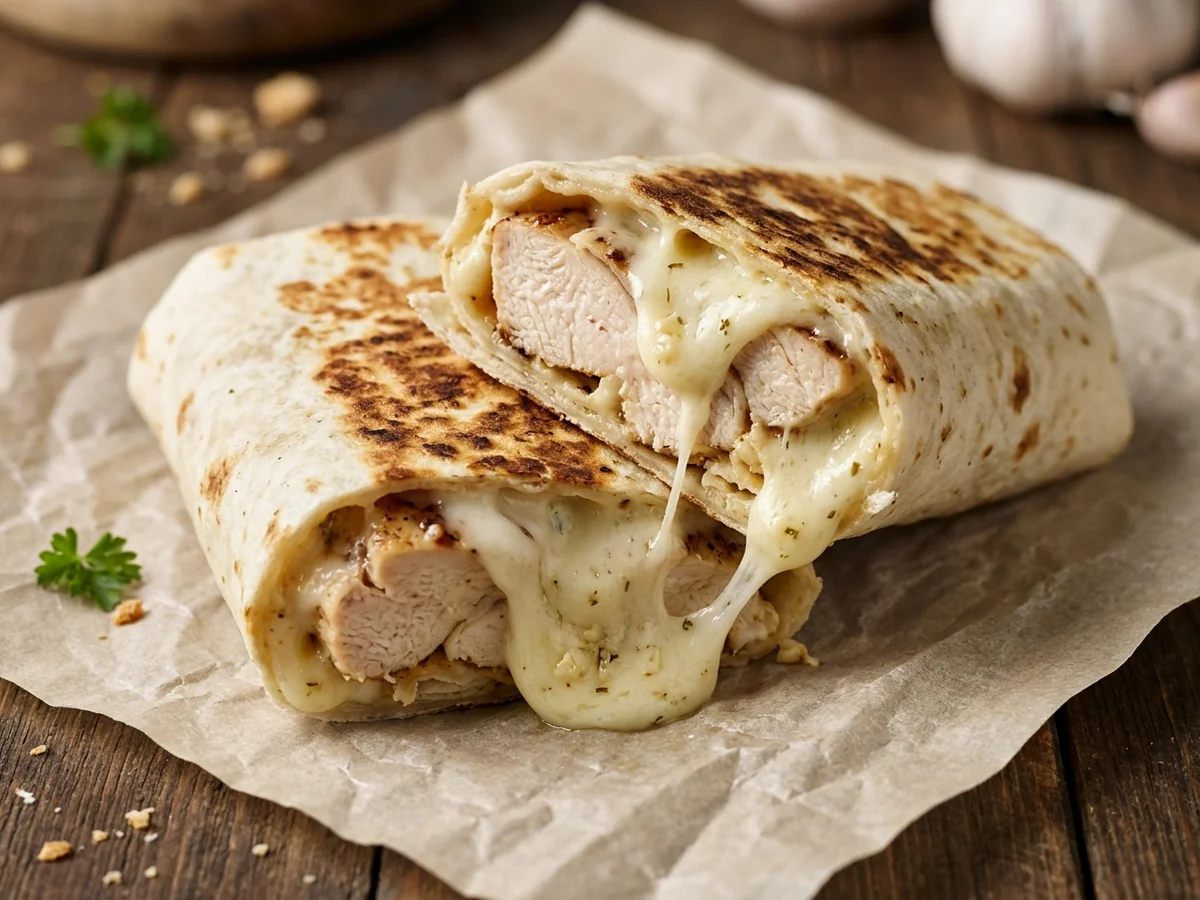
Melted cream cheese or shredded varieties can be blended directly into the garlic sauce or layered inside the tortilla to create a rich and gooey texture. Stirring softened cream cheese into warm skillet juices creates a velvety base that clings tightly to the chicken breast pieces, transforming a standard filling into something deeply savory. When you want to experiment with flavor profiles, incorporating these dairy elements adds a decadent twist to standard meal prep by keeping the poultry exceptionally moist over several days.
Practical Steps for Blending Dairy
Busy home cooks find that this heavy infusion of dairy prevents the meat from drying out during storage and reheating, making cheesy garlic chicken wraps with cream cheese a reliable option for advance preparation. To execute this variation successfully, you should whisk the cheese into the sauce over low heat until completely smooth before combining it with the protein. A common mistake is using high heat, which can cause the dairy to break and separate into an oily texture rather than a cohesive sauce. Maintaining gentle warmth ensures the fats emulsify properly with the olive oil and Greek yogurt components.
Balancing Heavy Richness
Balancing this heavy richness requires careful attention to complementary ingredients. Tucking plenty of fresh herbs and crisp vegetables tightly into the flatbread provides the necessary contrast to the creamy elements. Chopped parsley, fresh lemon juice, sliced cucumbers, and shredded lettuce cut through the dairy fat to keep every bite bright and refreshing. Pairing these rich fillings with a well-balanced handheld poultry meal ensures that the dish remains satisfying without feeling overly heavy on the palate.
Storage Tips for Meal Prep
When preparing these handheld meals in advance for quick lunches or busy weeknight dinners, proper wrapping technique matters just as much as ingredient selection. Allow the cooked chicken and dairy mixture to cool slightly before assembling the pieces inside a pliable tortilla. Wrapping the finished assembly tightly in parchment paper or foil helps retain its structural integrity in the refrigerator. When it is time to reheat, remove any non-microwaveable wrapping materials and warm the meal gently so the cheese melts evenly without making the bread soggy.
Proper Storage, Assembly, and Meal Prep Strategies
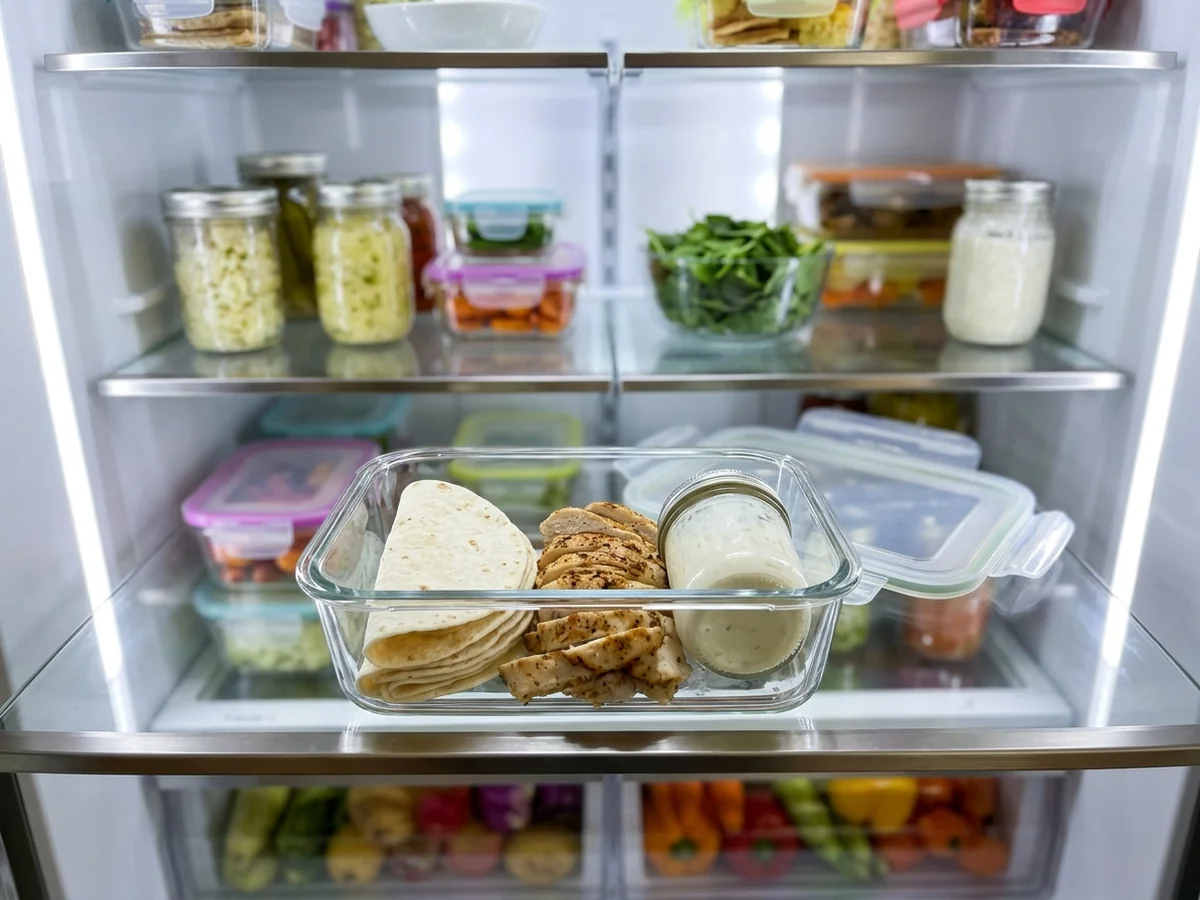
Mastering storage and assembly is essential for keeping your grilled chicken wraps with garlic sauce fresh and flavorful. When organizing components for busy weeknights, store the cooked chicken breast, garlic sauce, and tortilla wraps in separate airtight containers in the refrigerator. Keeping elements separate prevents excess moisture from breaking down the ingredients, ensuring every bite maintains the ideal texture.
A common mistake during meal prep is sealing warm food inside storage containers, which traps steam and causes unwanted condensation. Always allow cooked ingredients to cool completely at room temperature before closing the lids. When assembling your meal, place crisp lettuce leaves directly against the tortilla to create a natural moisture barrier that protects the bread from the juicy meat and creamy sauce.
To pack your handheld meals securely for transport, tuck the sides of the tortilla inward while rolling the edges tightly to lock the contents inside. Wrapping the finished roll tightly in parchment paper or foil keeps the structure intact and prevents shifting during transit. For the best flavor and texture, build your wraps right before eating whenever schedule permits, or rely on these structured storage steps to enjoy quick meals without sacrificing quality.
Bringing It All Together for Stress Free Weeknight Dinners
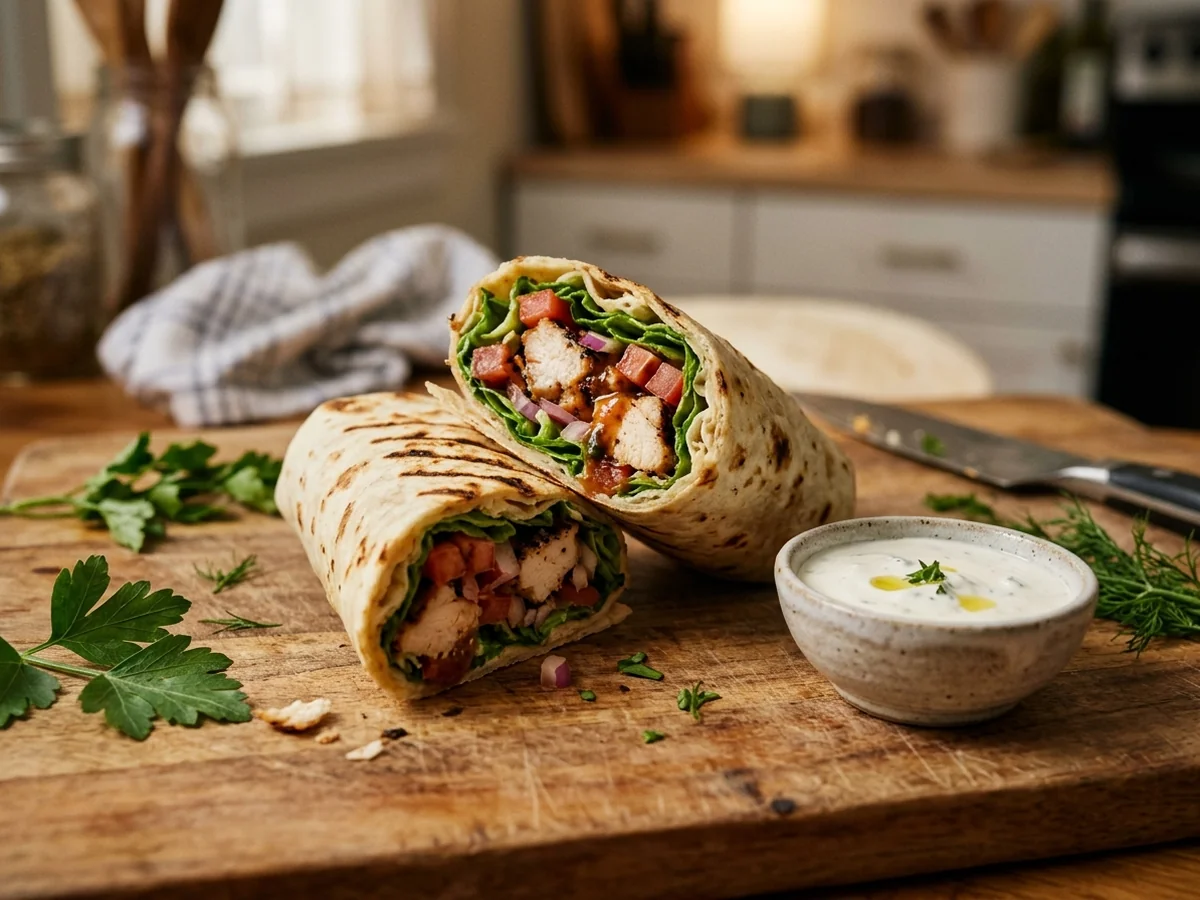
Creating these handheld meals comes together easily when you follow a simple workflow from marinating to rolling. Start by letting the chicken absorb savory flavors in a seasoned oil mixture, ensuring every piece gets an even coating. Next, sear the meat in a hot skillet until fully cooked, then slice it into strips for easy assembly. Whisk together the creamy garlic sauce components in a small bowl until smooth. Finally, layer the warm chicken, fresh greens, and the flavorful sauce inside a soft tortilla before tucking in the sides and rolling it tight.
Understanding the why behind each step helps you master these quick meals. A structured workflow prevents kitchen chaos on busy weeknights, saving you precious time when hunger strikes. Searing the protein in a hot cast iron skillet locks in moisture, while a properly whisked sauce ensures every bite carries that bold garlic punch without separating.
To streamline your routine, follow a few practical steps. Prep your components ahead of time so assembly takes seconds rather than minutes. Keep your heat at medium high during cooking to achieve a golden crust on the chicken breast without burning the exterior before the inside cooks through. When applying your chosen condiments, spread them evenly across the tortilla to prevent dry spots.
Watch out for common mistakes that can disrupt your cooking process. Overcrowding the skillet lowers the pan temperature and causes the meat to steam instead of sear. Skipping the resting period after cooking allows the juices to escape, leading to dry meat inside your wrap. Additionally, adding too much sauce can make the tortilla soggy, so portion it carefully before folding.
You can easily adapt this dish based on what you currently have in your refrigerator. Swap standard salad greens for crisp spinach, or toss in leftover roasted vegetables to clear out the crisper drawer. Different cheeses, herbs, or condiments work just as well if you want to experiment with flavor combinations.
Making high protein dinners at home keeps your evening routine fast and satisfying. Protein keeps you full longer, making these handheld meals a smart choice for busy schedules. You spend less time cooking and cleaning up, which leaves more room to relax after a long day.
Frequently Asked Questions About Chicken Wraps and Garlic Sauce
How do I store leftover garlic sauce safely?
Store leftover garlic sauce in an airtight container in the refrigerator to keep it fresh for several days. Keep it away from raw meat items and check for any changes in smell or texture before serving it again.
Can I use frozen chicken directly in the marinade?
Thaw frozen chicken completely before adding it to the marinade so the flavors absorb evenly and the meat cooks at a safe temperature. Putting frozen poultry straight into liquid dilutes the marinade and creates uneven texture issues.
How do I reheat assembled wraps without making the tortilla tough?
Reheat assembled wraps on a skillet over medium-low heat to warm the inside without drying out the tortilla. Microwaving tends to make the flatbread soggy or chewy, while dry heat keeps things crisp.
Can I prep these meals ahead of time for lunches?
You can assemble these handheld meals in advance by keeping the wet ingredients separate until right before eating. Pack the components in meal prep containers to prevent the tortilla from getting soggy during storage.
What is the best way to keep the tortilla from tearing?
Warm the flatbread slightly in a dry pan before filling it to make it pliable and less likely to crack. Overfilling the middle also causes rips, so keep portion sizes balanced.
Conclusion
Deciding when to make this meal comes down to planning a quick weeknight dinner or prepping lunches ahead of time. You can easily whip up these savory skillet chicken handhelds whenever you want a flavorful meal that comes together fast in a single pan. Gather your ingredients, heat up the skillet, and enjoy a fresh homemade lunch tonight.
You might also like: Steak Fajitas Recipe: Sizzling Mexican Dinner