Crispy Flavor-Packed Best Fried Chicken
Introduction to Preparing the Ultimate Crispy Fried Chicken at Home
Making the best fried chicken at home requires attention to detail, proper seasoning, and precise temperature control. Home cooks can achieve restaurant quality results by focusing on reliable techniques rather than complicated kitchen shortcuts.
This guide covers essential steps for seasoning, breading, and frying poultry to golden perfection. You will learn how to build a flavorful crust that stays crunchy while keeping the meat juicy on the inside.
The Science Behind Fried Chicken Marinades
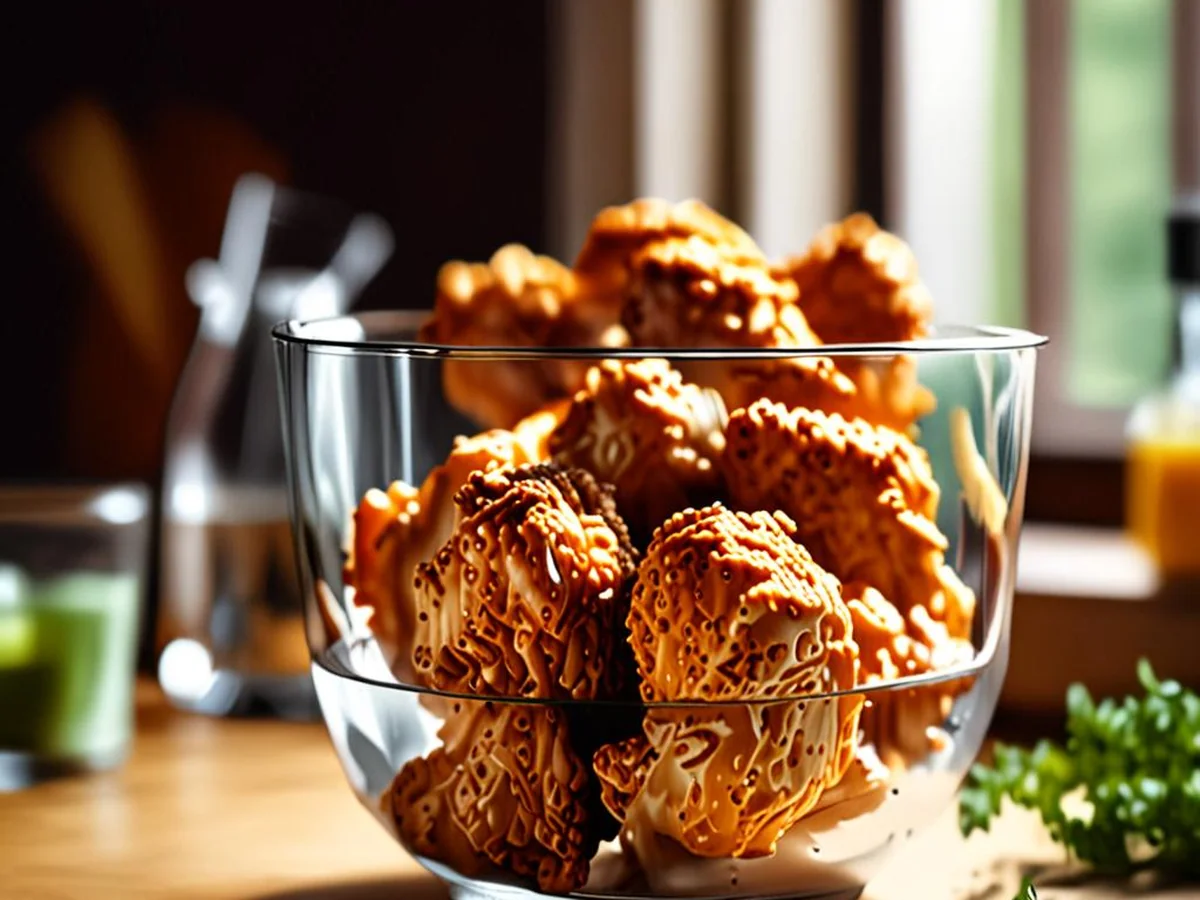
Preparing the best fried chicken involves understanding the chemical processes that transform raw poultry into a tender meal with a crunchy exterior. A proper marinade does much more than add surface flavor. It alters the structure of the meat to improve texture and moisture retention during high heat cooking.
When learning how to fry chicken with buttermilk, the focus centers on mild acidity. Unlike harsh citrus or vinegar marinades that can make muscle fibers mealy if left too long, dairy based acids gently relax proteins. This process tenderizes the meat evenly while coating the pieces in a liquid base that helps seasoned flour adhere securely.
Moisture retention is another major benefit of a thorough soak. As the poultry rests in the liquid, it absorbs hydration that stays trapped inside the muscle fibers during cooking. This prevents the interior from drying out, whether you prepare a quick weeknight dinner in a heavy cast iron skillet or cook larger batches for family meals.
A successful marinating process relies on several practical steps. Always keep the poultry cold while it rests in the liquid by placing the bowl in the refrigerator rather than on the counter. Ensure the pieces are fully submerged so every part absorbs the flavor and moisture equally. Allowing excess liquid to drip off before dredging prevents the flour coating from becoming too thick or gummy.
Home cooks often run into a few common mistakes during this stage. Rushing the process by cutting the resting time short prevents the acid from fully tenderizing the meat. Another frequent error is reusing leftover liquid for other recipes, which introduces food safety risks. Finally, skipping the draining step leads to clumpy breading that can slide off the meat when it hits the hot cooking oil.
Best Oils for Frying Chicken
The best oil for frying chicken depends on finding fats with high smoke points and neutral flavor profiles that will not burn or overpower the poultry. Cooking at high heat requires oils that remain stable instead of breaking down and releasing unpleasant tastes into your food. Choosing stable fats matters because unstable oils degrade quickly when exposed to prolonged heat. When an oil breaks down past its smoke point, it produces acrid flavors and harmful compounds that ruin the taste of the meal. Using a sturdy fat ensures the crust browns evenly while keeping the interior juicy and clean tasting.
Different oils bring distinct characteristics to the pan, impacting how the exterior crust develops. Neutral choices let the seasonings and the natural poultry flavor shine without interference. Some culinary enthusiasts prefer specific fats for their subtle nutty notes, which can complement the breading if managed properly. Selecting the right cooking fat is a crucial step toward achieving the best fried chicken every single time. Paying attention to heat tolerance keeps your kitchen smoke free and your food tasting professional.
To master your technique, understanding the why behind your choices makes a significant difference. High heat stability prevents the fat from smoking prematurely, which is essential when preparing a crispy southern fried chicken recipe that requires a deep, golden exterior. When the fat is too delicate, it scorches before the meat cooks through, leaving the breading dark and bitter while the center remains underdone.
Practical steps for handling your cooking fat start with temperature control. Using a reliable thermometer ensures your liquid fat stays within the ideal thermal range, typically between 325 and 375 degrees Fahrenheit, depending on whether you are using a heavy cast iron skillet or a deep Dutch oven. If the temperature drops too low during cooking, the breading absorbs excess grease and becomes heavy. If it climbs too high, the outside burns before the poultry is safe to eat.
Common mistakes often involve overcrowding the pan or choosing fats with low smoke points, such as unrefined oils or butter, which contain milk solids that burn instantly at high temperatures. Sticking to refined vegetable, canola, or peanut oil provides the necessary stability. Pairing your chosen fat with a proper marinade like buttermilk ensures the meat stays tender, while a light coating of all purpose flour, cornstarch, or baking soda creates the ultimate crunch. Testing a small piece of breading before adding the main batches helps confirm the heat level is correct, securing the secret to crispy fried chicken without kitchen mishaps.
Mastering Precise Oil Temperature Management
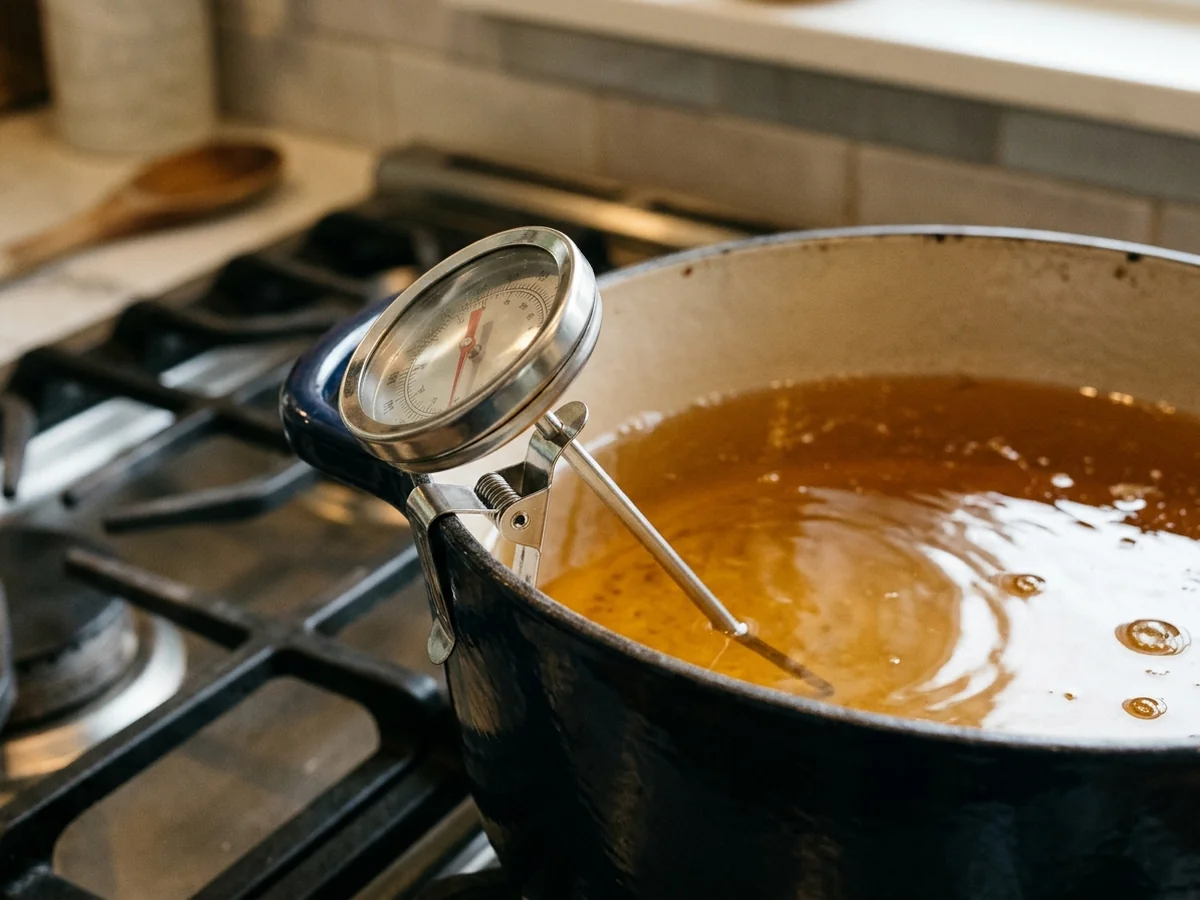
Controlling cooking heat carefully prevents soggy crusts and ensures your crunchy poultry cooks through evenly when you prepare the best fried chicken at home. Accurate heat management stops the breading from absorbing too much liquid fat, which ruins the texture and leads to a heavy final dish. When preparing a crispy southern fried chicken recipe, maintaining the right thermal environment is just as important as the seasoning blend or the coating technique.
Thermal tools take the guesswork out of the cooking process. Using a reliable kitchen thermometer lets home cooks monitor the pan constantly and make adjustments before the fat gets too hot or too cool. If the heat climbs too high, the outside of the coating will burn before the meat cooks through. If the temperature drops too low, the breading acts like a sponge, soaking up excess oil instead of frying.
Dropping cold meat into the pan causes the heat to drop rapidly. Letting the fat recover its target temperature between batches keeps the breading light and crunchy instead of heavy and greasy. This recovery step is especially critical when working with ingredients soaked in buttermilk, as surface moisture can lower the pan temperature quickly upon contact.
To master this process successfully, follow these practical steps:
- Clip a reliable thermometer to the side of your heavy bottom skillet to monitor the heat continuously.
- Heat your chosen oil gradually over medium heat until it reaches the target zone before adding any poultry.
- Cook the meat in small batches to avoid overloading the pan and causing a massive temperature drop.
- Allow the heat to return to the proper level between every single batch before adding the next piece.
Common mistakes include turning the burner up to maximum in an attempt to speed things up, which scorches the outside while leaving the interior undercooked. Another frequent error is crowding the skillet, which cools the fat down instantly and ruins the crisp exterior. Careful monitoring yields the ultimate golden poultry every single time, giving you restaurant quality results in your own kitchen.
The Secret to Achieving an Extra Crunchy Coating
The secret to achieving an extra crunchy coating on the best fried chicken comes down to manipulating your starches and proteins while balancing the dry dredge. Getting that signature texture requires understanding how different kitchen staples interact during cooking.
Combining starches and proteins creates a physical barrier that traps moisture inside the meat while letting the outer crust turn deeply golden and crisp. When you mix regular all-purpose flour with alternative starches like cornstarch, you alter the moisture absorption rate of the coating. This clever blend prevents the crust from getting soggy and yields a much lighter bite. It is a technique often found in a crispy southern fried chicken recipe because it guarantees superior shattering crunch without feeling heavy.
The Science of Starch Blends
Balancing seasoning levels in the dry dredge ensures every single bite tastes deeply flavorful instead of just salty on the outside. Proper seasoning requires whisking your spices directly into the flour mixture so the flavor distributes evenly across every nook and cranny. You cannot rely on surface seasoning alone once the meat hits the hot pan. Mastering this flavor distribution is the real secret to crispy fried chicken that keeps guests coming back for seconds.
Using a mix of all-purpose flour and cornstarch alters the density of the coating significantly. Pure wheat flour can sometimes absorb too much liquid and result in a heavy or chewy crust. Adding cornstarch lightens the overall structure of the breading, allowing steam to escape properly during cooking without blowing apart the outer shell.
Managing the Dry Dredge
Proper preparation of your dry ingredients prevents uneven patches and burnt spots. Before starting the breading process, whisk all dry spices thoroughly into your flour and starch mixture. Press the seasoned flour firmly into the protein so the coating adheres securely during transfer. Allowing the coated pieces to rest briefly on a wire rack lets the dry ingredients hydrate properly before cooking.
Here are the key steps to managing your dredge and coating successfully:
- Whisk all dry spices thoroughly into your flour and starch mixture before starting the breading process.
- Include starches like cornstarch alongside standard all-purpose flour to lighten the density of the final crust.
- Press the seasoned flour firmly into the protein so the coating adheres securely during transfer.
- Allow the coated pieces to rest briefly on a wire rack so the dry ingredients hydrate properly.
- Shake off any excess flour to prevent loose clumps from burning in the hot oil.
Paying attention to these small details during the breading stage transforms a standard meal into a reliable favorite. When you take the time to balance your starches and manage your dredge correctly, every batch achieves that professional golden finish.
Essential Gear for Fried Chicken
Cooking exceptional homemade poultry requires specific kitchen tools to maintain steady heat and verify doneness accurately. Success depends heavily on managing oil temperature and heat retention throughout the cooking process. When preparing your kitchen for a batch of the best fried chicken, having the right equipment on hand prevents common cooking failures and ensures professional quality results right at home. Home cooks and culinary enthusiasts aiming for a crunchy seasoned poultry dish will find that proper hardware matters just as much as the ingredients.
Choosing the Right Cookware
Using heavy-bottomed cookware ensures even heat distribution across the cooking surface, which prevents hot spots that can burn the breading. A heavy cast iron skillet works especially well because it holds heat consistently when cold pieces of meat go into the hot oil. Thin pans tend to cause drastic temperature drops, leading to soggy results instead of that desired crunch. Selecting the best oil for frying chicken also plays a role in how your cookware performs, as high smoke point oils interact with cast iron to create a stable cooking environment.
Practical steps for setup start with choosing a deep, heavy skillet that leaves plenty of room for oil without risking dangerous splatters. A common mistake is overcrowding the pan, which overwhelms the heating capacity of the cookware and drops the oil temperature too quickly. Working in small batches keeps the cooking environment stable and ensures every piece of meat achieves an even golden color.
Accurate Temperature Management
Using reliable cooking thermometers for safety and doneness takes the guesswork out of the final cooking stages. A digital probe thermometer lets you check the internal temperature quickly without cutting into the meat, which preserves the juices inside. Monitoring the oil temperature with a clip-on thermometer also keeps your cooking environment stable, ensuring the exterior browns properly while the interior cooks fully.
When you are learning how to fry chicken with buttermilk marinades, managing heat is especially critical. Sugars and dairy elements in the coating can brown too fast if the oil is too hot, or absorb excess grease if the oil is too cool. A dedicated deep fry thermometer removes this uncertainty by giving you a live reading of your cooking medium.
Proper Tool Maintenance
Keeping these tools clean and properly maintained ensures they perform reliably every time you cook. Letting your cast iron cool gradually before washing, avoiding harsh soaps on seasoned surfaces, and thoroughly drying your thermometers will extend their lifespan and keep your kitchen running smoothly during meal preparation. Taking care of your equipment ensures that every future attempt at the secret to crispy fried chicken yields dependable, delicious results.
Step-by-Step Execution for a Traditional Southern Style
Mastering the technique behind the best fried chicken requires careful attention to every stage of preparation, from seasoning integration to oil management. Setting up an organized kitchen workflow ensures the breading adheres properly, locks in moisture, and cooks evenly without burning.
Preparing and Dredging the Meat
Start by preparing your seasoned flour mixture in a wide, shallow dish. Dip each piece of protein into your liquid marinade, such as buttermilk, allowing any excess to drip off before dredging the meat thoroughly in the dry ingredients. Press the flour firmly onto every surface to create a protective shield. This layer prevents natural juices from escaping while building a savory flavor profile during cooking. Incorporating a touch of cornstarch or baking soda into your all purpose flour can also enhance the final texture.
After dredging, place the coated pieces onto a wire rack to rest for a short period. This resting stage allows the flour to hydrate fully from surface moisture, which prevents the crust from sliding off when it hits the hot cooking oil. Skipping this rest is a common mistake that leads to patchy, uneven breading.
Managing Heat and Batch Sizes
Managing batch sizes and maintaining steady heat is critical for achieving that signature golden crunch. Overcrowding the pan causes a drastic drop in temperature, which results in soggy breading and greasy meat rather than a light, shatteringly crisp exterior. Fry your pieces in small, manageable batches to keep the oil hot and active, giving each item plenty of room to float and bubble independently.
When executing a traditional method, many home cooks favor a heavy cast iron skillet for its superior heat retention. However, steady temperature control matters just as much as the cookware itself.
Controlling Oil Temperature
Pay close attention to oil selection and heat control throughout the process. Using a reliable thermometer helps you monitor the thermal level of your fat, whether you choose peanut oil or another high smoke point option. Keeping the temperature stable prevents the exterior from burning before the interior cooks through completely, ensuring a deeply golden and uniform crunch on every batch.
Troubleshooting Common Frying Mistakes
Achieving the best fried chicken at home often comes down to mastering temperature control and timing. Even when following a great recipe for crispy southern fried chicken, small errors in technique can lead to uneven results, soggy crusts, or burnt coatings. Understanding why these issues happen makes it much easier to correct them before they ruin your meal.
One of the most frequent problems is crust separation, where the breading slides off the meat during cooking. This usually happens when the coated pieces go straight into the oil without resting. Letting the breading dry for a few minutes allows the moisture to bind with the coating, ensuring it adheres tightly to the surface. When preparing how to fry chicken with buttermilk, giving the breaded pieces time to rest on a wire rack creates a stable outer layer that stays intact.
Pan temperature management is another critical factor. If the burner is too hot, the exterior darkens and burns before the meat finishes cooking through. Conversely, dropping too many pieces into the skillet at once causes a severe temperature drop. This sudden cooling makes the breading absorb excess oil instead of frying properly, resulting in a heavy and greasy texture. Cooking in small batches keeps the cooking oil hot and steady, protecting that crunchy finish.
Choosing the right equipment also prevents common disasters. A heavy cast iron skillet helps maintain steady heat distribution across the cooking surface. Using a reliable thermometer takes the guesswork out of temperature adjustments, allowing you to raise or lower the heat gradually as needed. By paying attention to these practical steps, you can avoid common pitfalls and serve perfectly cooked poultry every time.
Frequently Asked Questions About Cooking Fried Chicken
How long should chicken rest before frying?
Chicken needs to sit at room temperature for about fifteen minutes before it hits the hot oil. This brief rest removes the chill from the refrigerator, ensuring the meat cooks evenly and the coating adheres securely without dropping the oil temperature.
How do you store leftover fried chicken without losing the crunch?
Leftovers retain their crispiness best when stored in a breathable container like a paper bag or a loosely covered dish in the refrigerator. Avoid airtight plastic containers, which trap moisture and soften the breading.
What is the best way to reheat leftover fried chicken?
Reheating works best in a preheated oven or toaster oven rather than a microwave. Placing the pieces on a wire rack inside a baking sheet allows hot air to circulate and revives that crunchy crust.
Can you freeze cooked fried chicken?
Freezing cooked pieces is possible, though the coating may lose some of its texture upon thawing. Cool the meat completely, wrap each piece tightly in foil, and place them in a freezer bag for up to several months.
How long does raw chicken need to marinate in buttermilk?
Raw poultry benefits from soaking in buttermilk for at least four hours, though overnight refrigeration yields the most tender results. The natural acids break down tough muscle fibers while infusing moisture throughout the meat.
Conclusion and Final Tips for Success
Mastering this dish comes down to a few core technical steps, starting with a proper buttermilk soak and ending with careful heat management. You will achieve the best fried chicken at home by keeping a close eye on your cooking oil and letting it return to the target temperature between batches. Grab your thermometer, practice steady temperature control, and enjoy your meal.